Bokhara rugs take their name from the ancient Silk Road city of Bukhara in Central Asia, a historical hub for textile trade. While the tradition has deep roots in Central Asian nomadic culture, the finest examples today are primarily woven in Pakistan, where artisans have perfected the craft over generations.
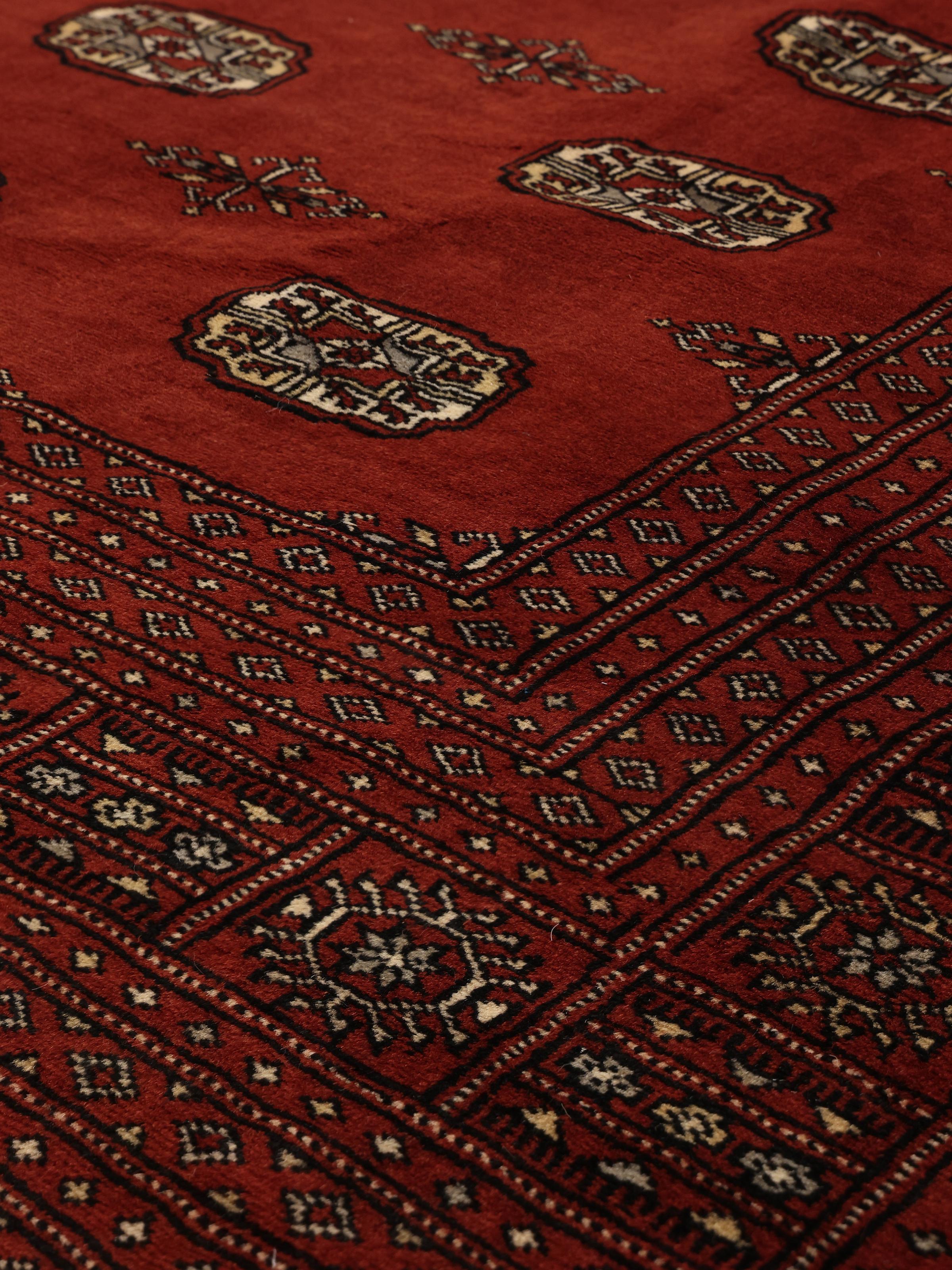
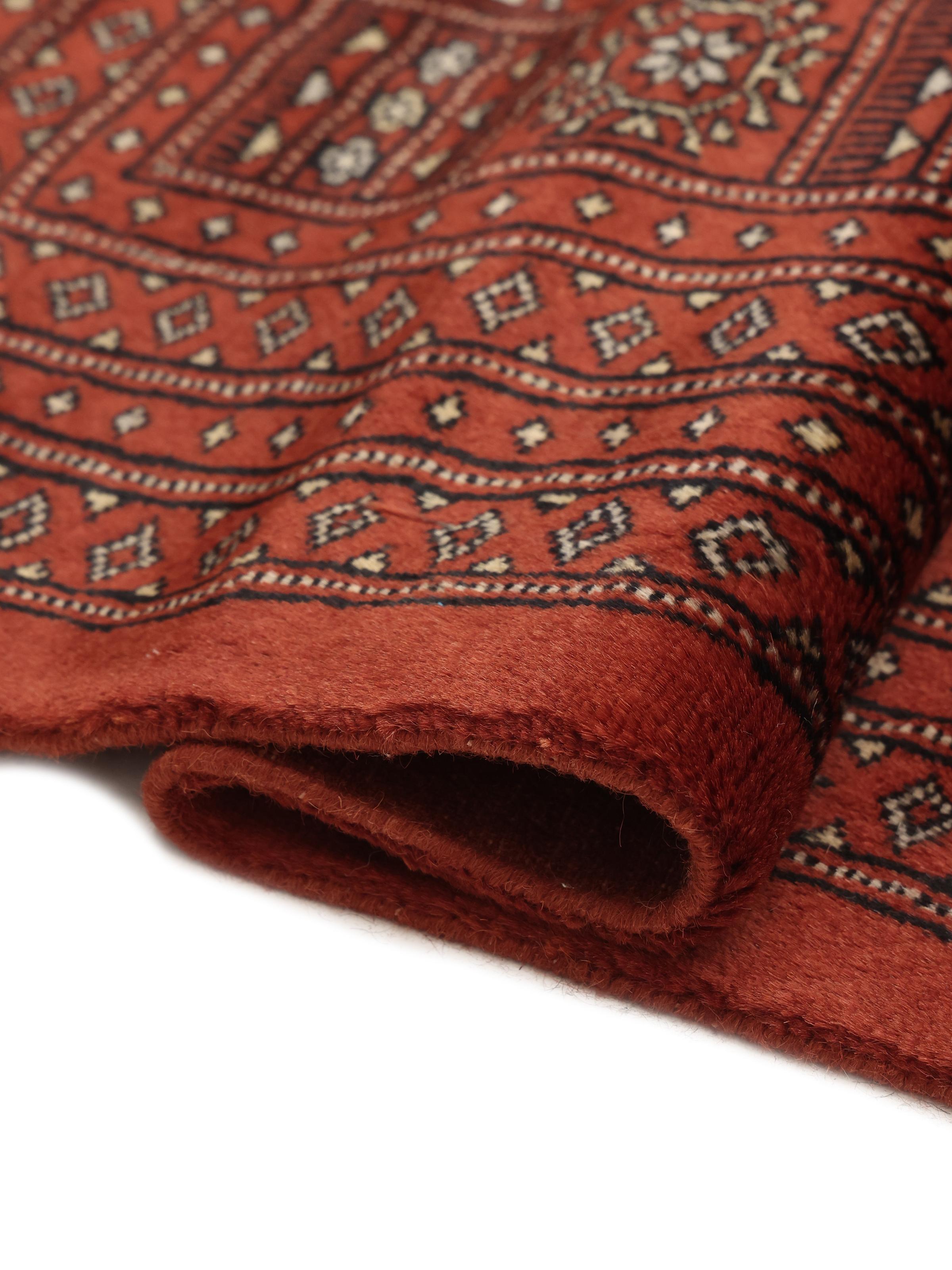
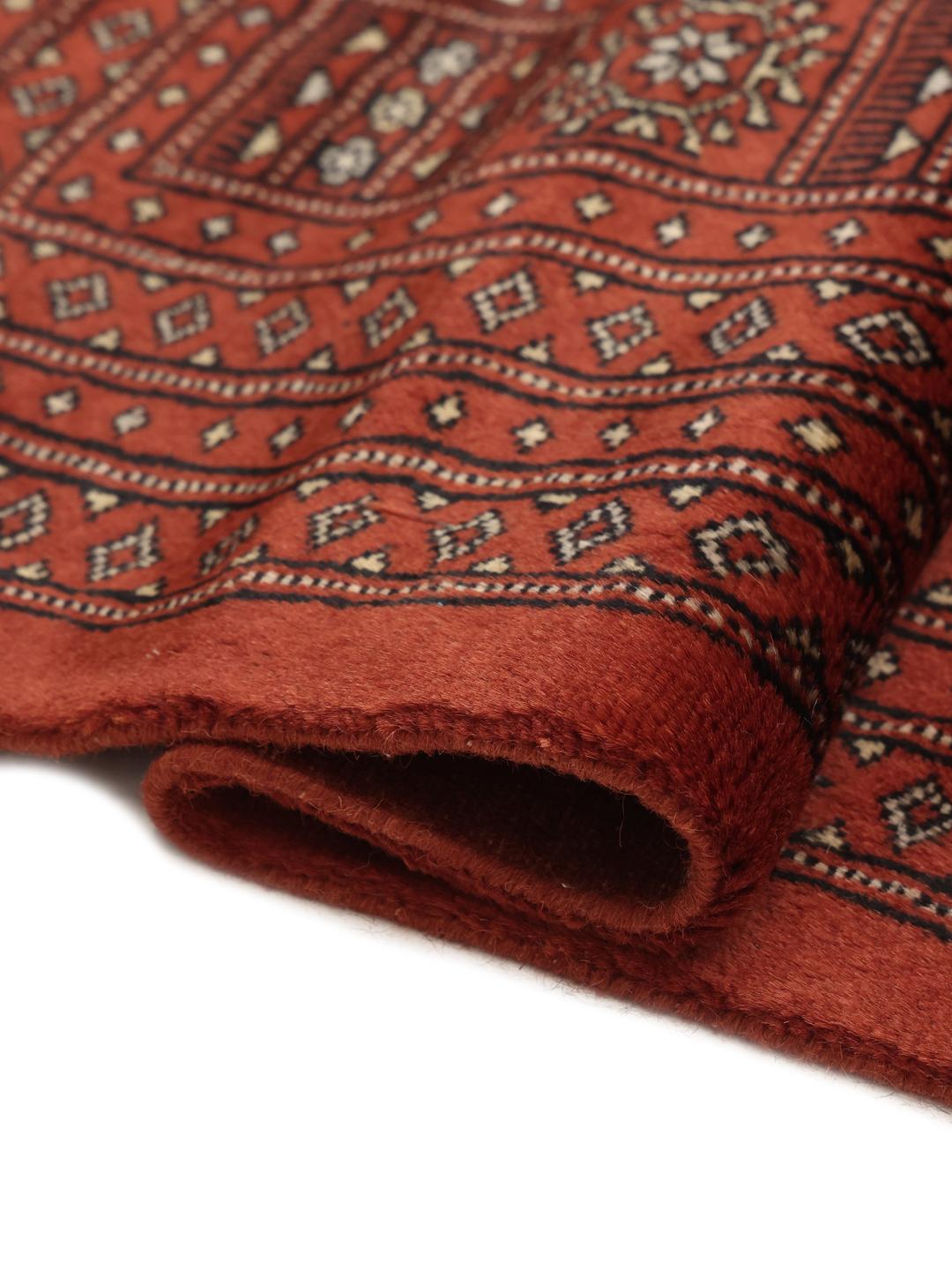
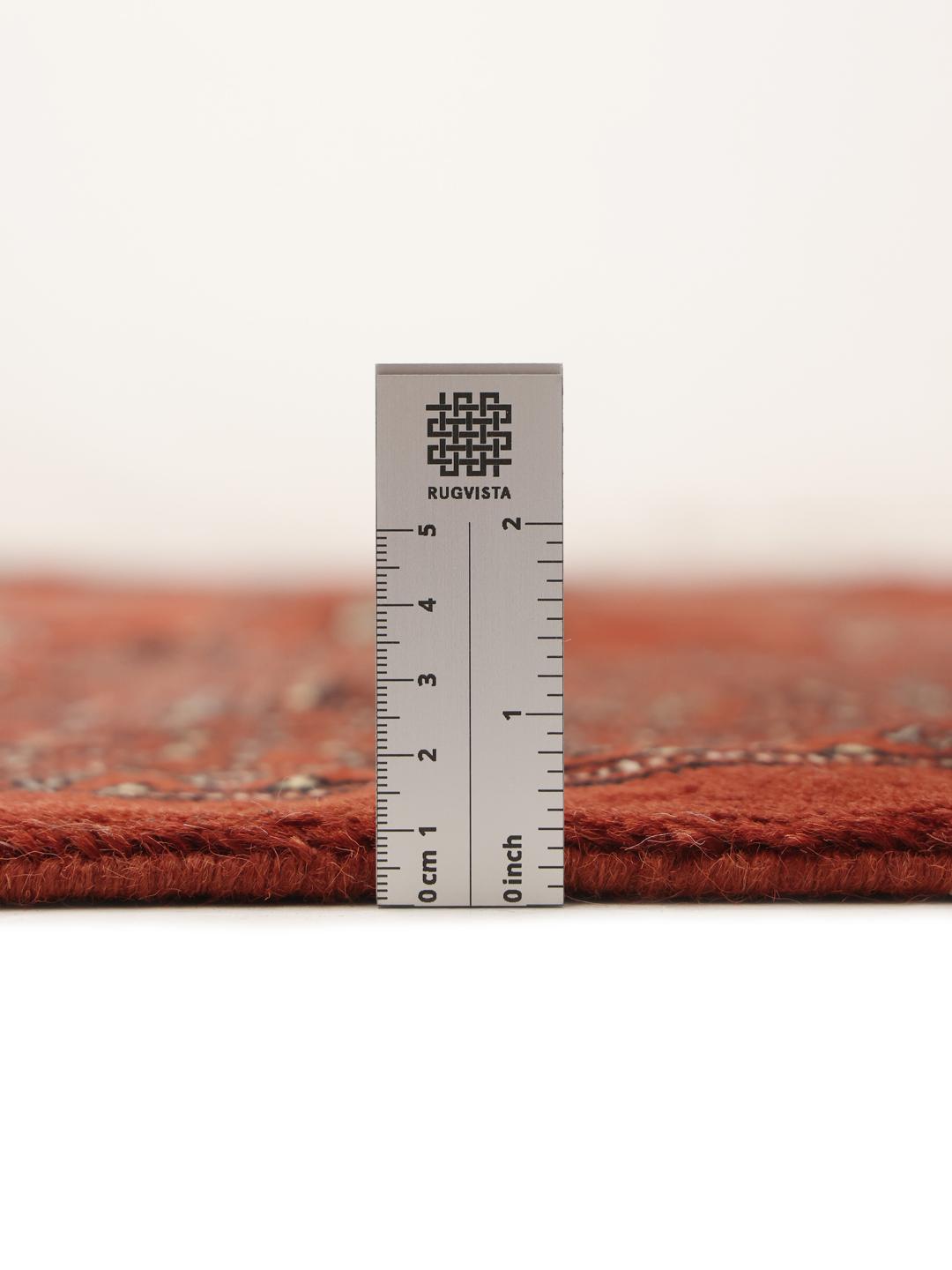
The term 2ply refers to the construction of the pile, where two strands of Wool are twisted together before being knotted. This technique is highly valued because it results in a thicker, more lustrous, and significantly more durable pile compared to single-ply alternatives, ensuring the rug feels substantial and lasts for a lifetime.
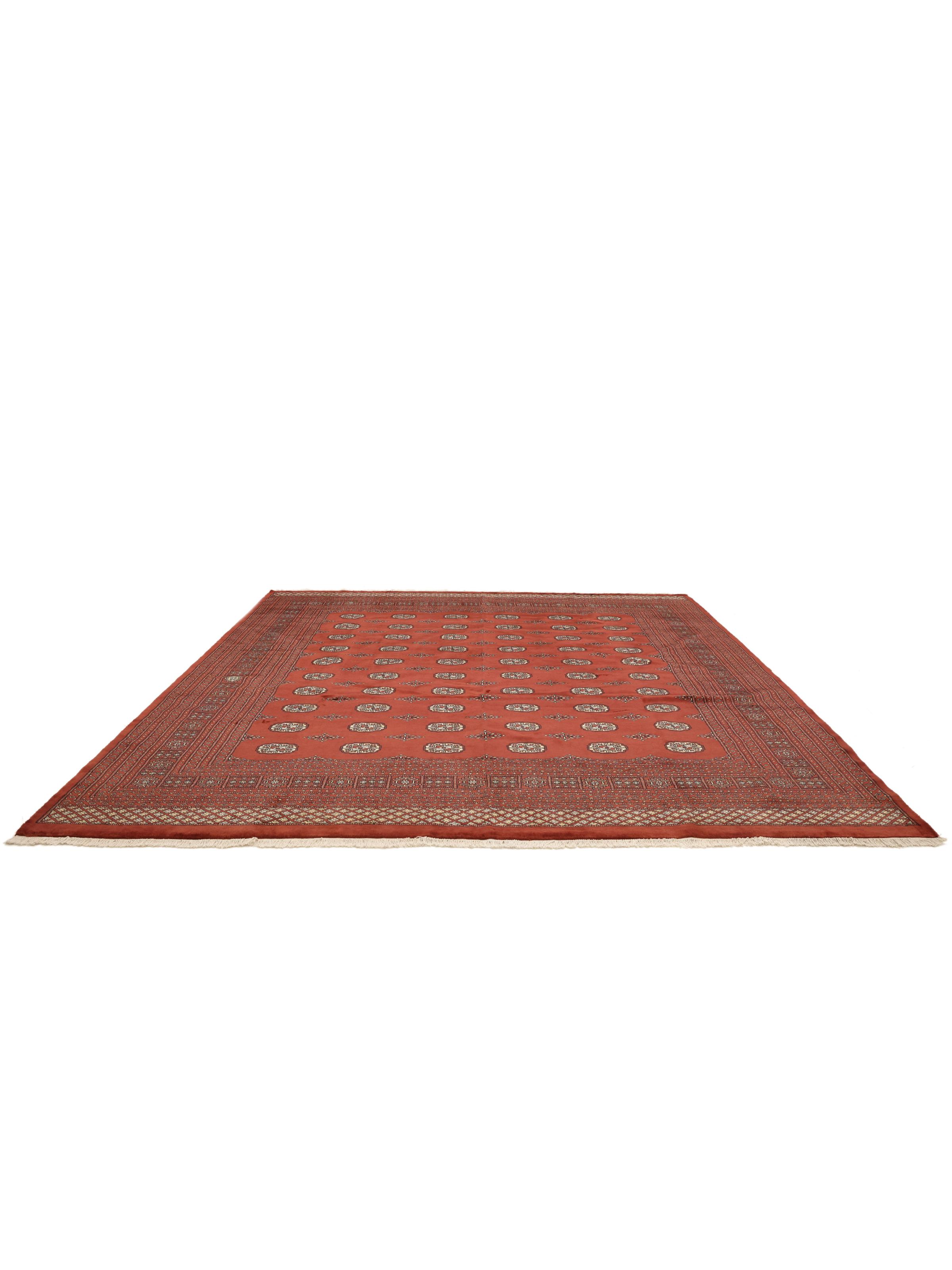
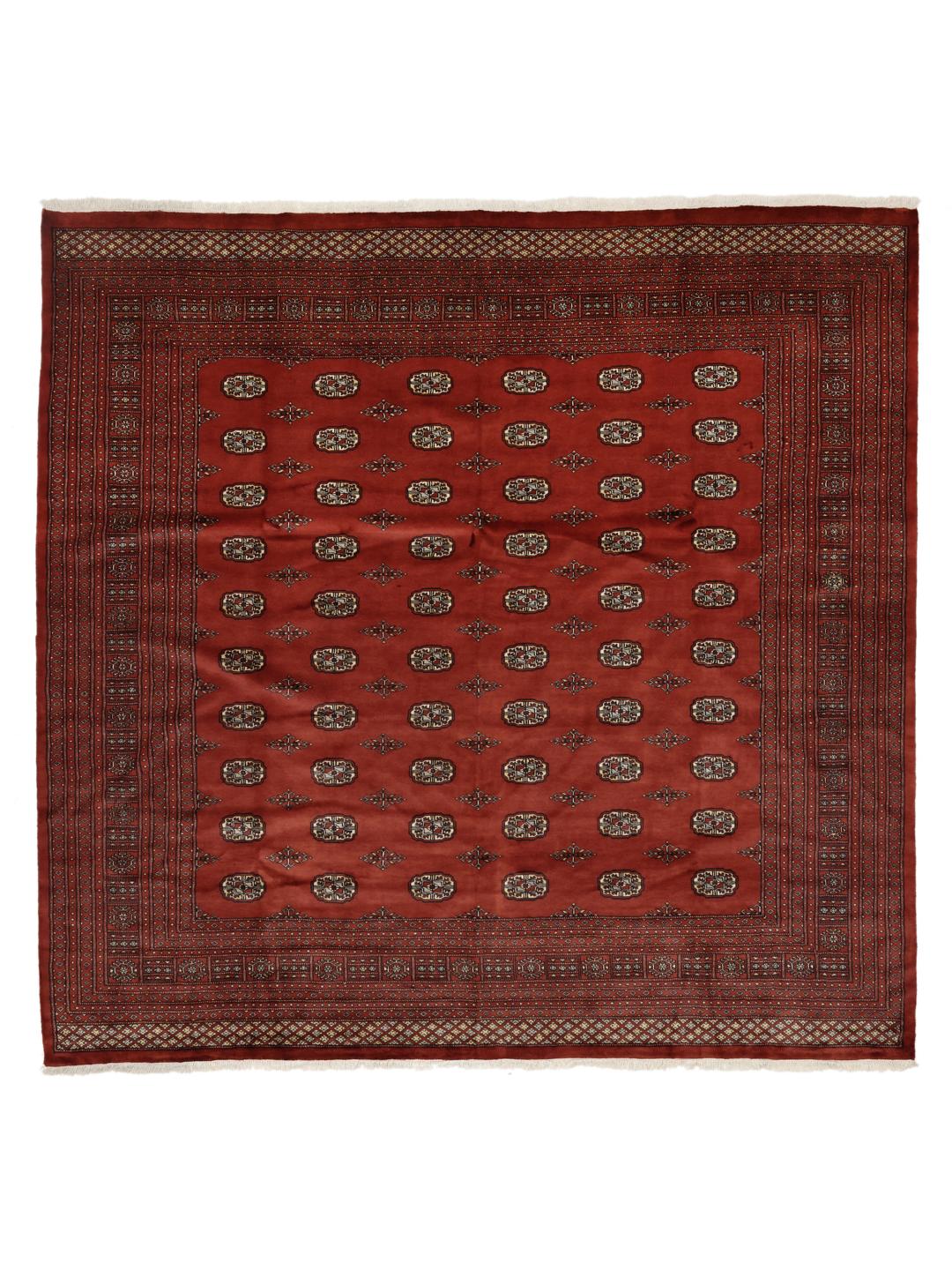
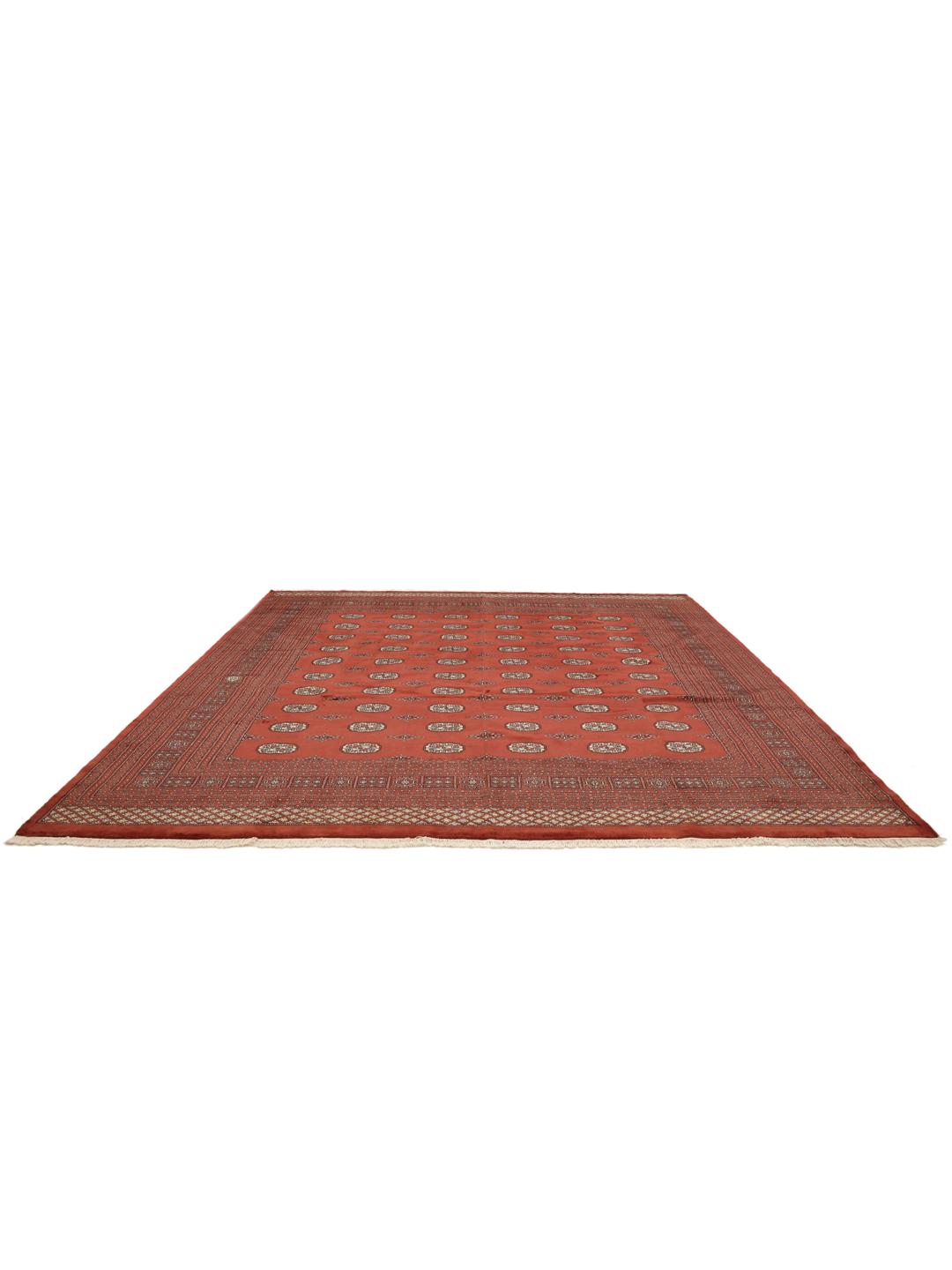
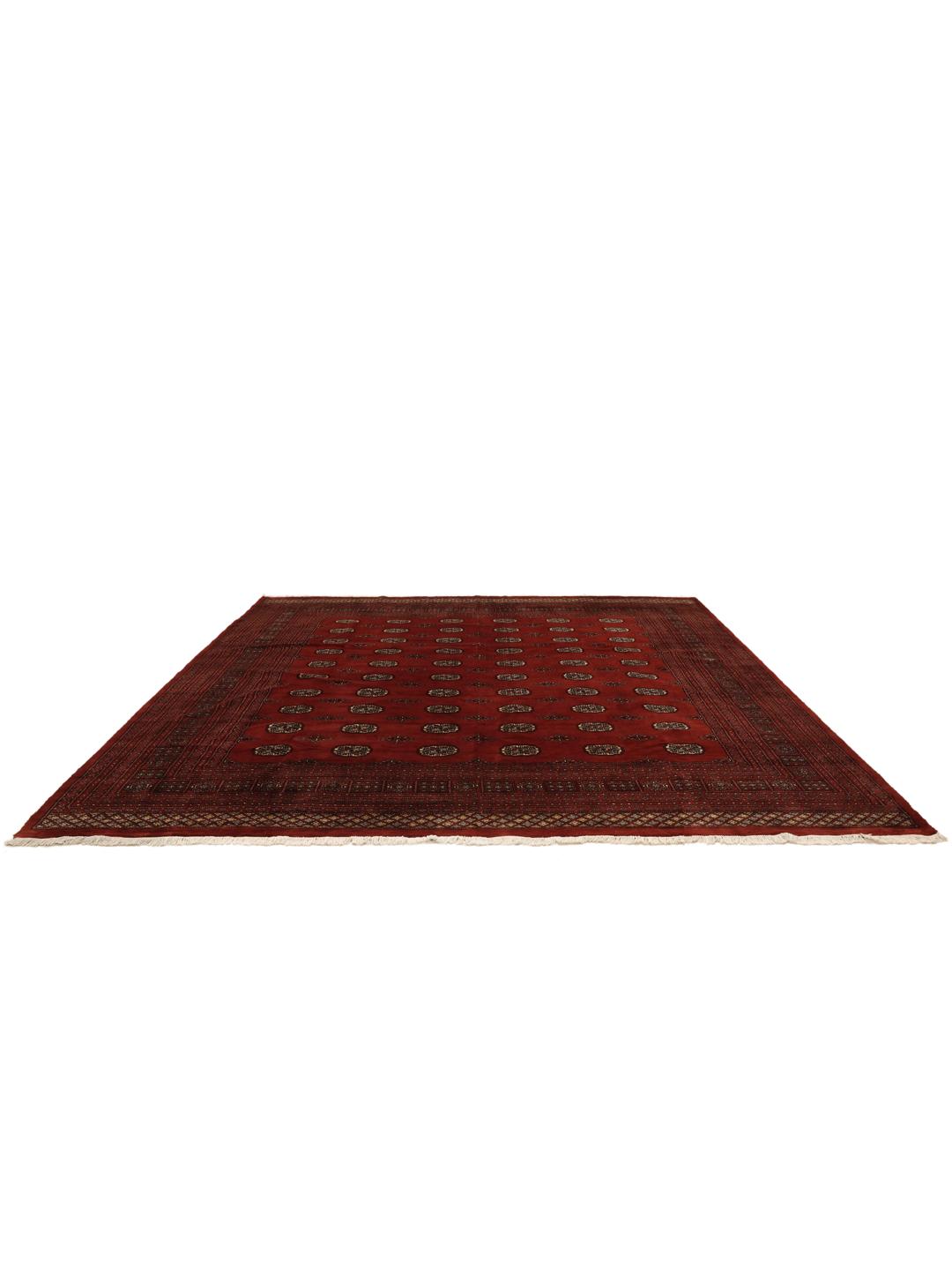
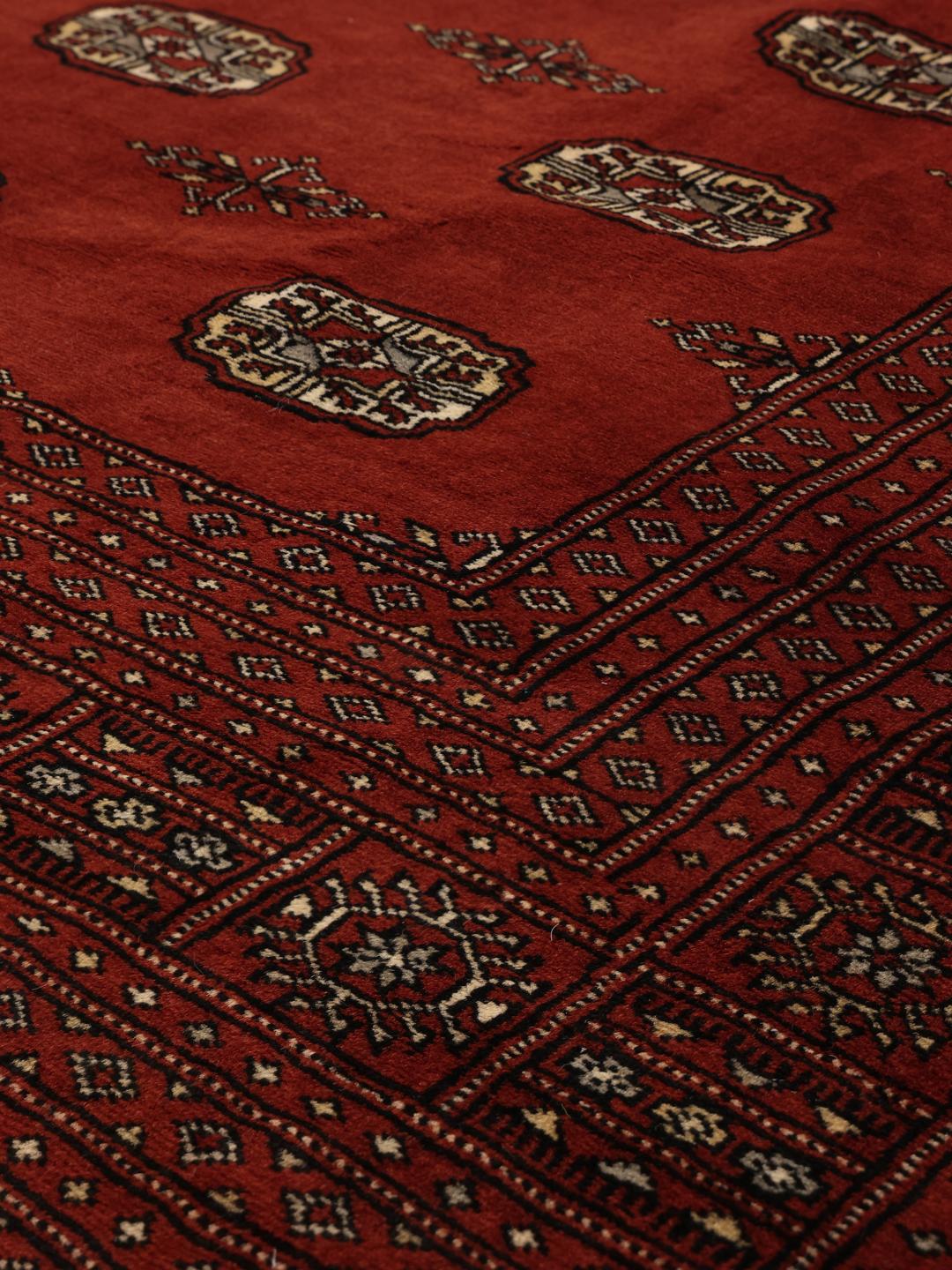
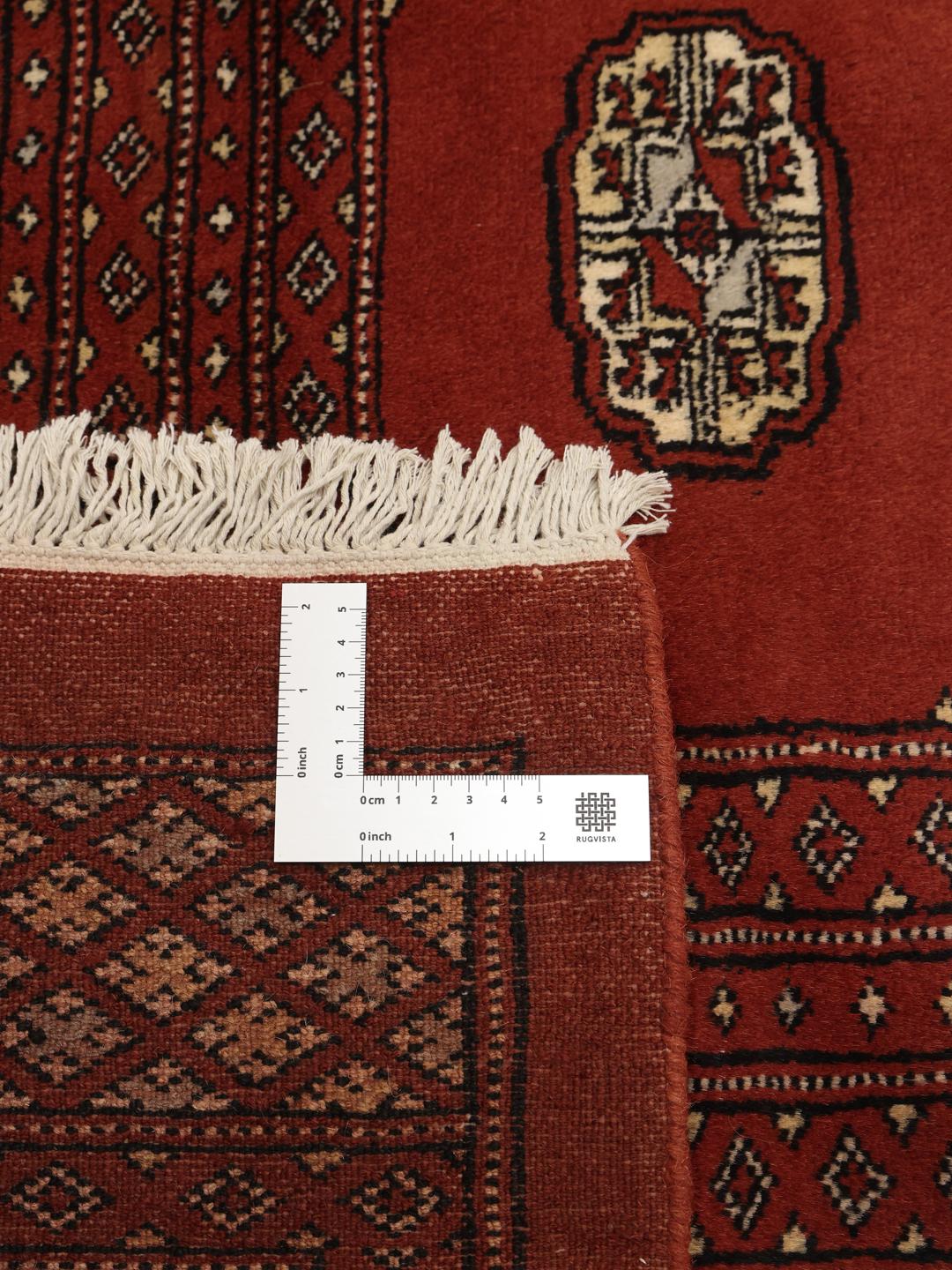
The signature design of a Bokhara rug is characterised by the repeating gul motif, which are octagonal or elephant-foot shaped medallions arranged in precise rows. These are typically framed by elaborate, geometric borders that reflect a long-standing tradition of symmetry and order, creating a balanced and harmonious look.
Owning a hand-knotted rug from this tradition is an investment in heritage and human skill. These pieces are collected not just for their beauty, but because they represent a living craft tradition where every knot tells a story of patience, technical mastery, and cultural continuity.