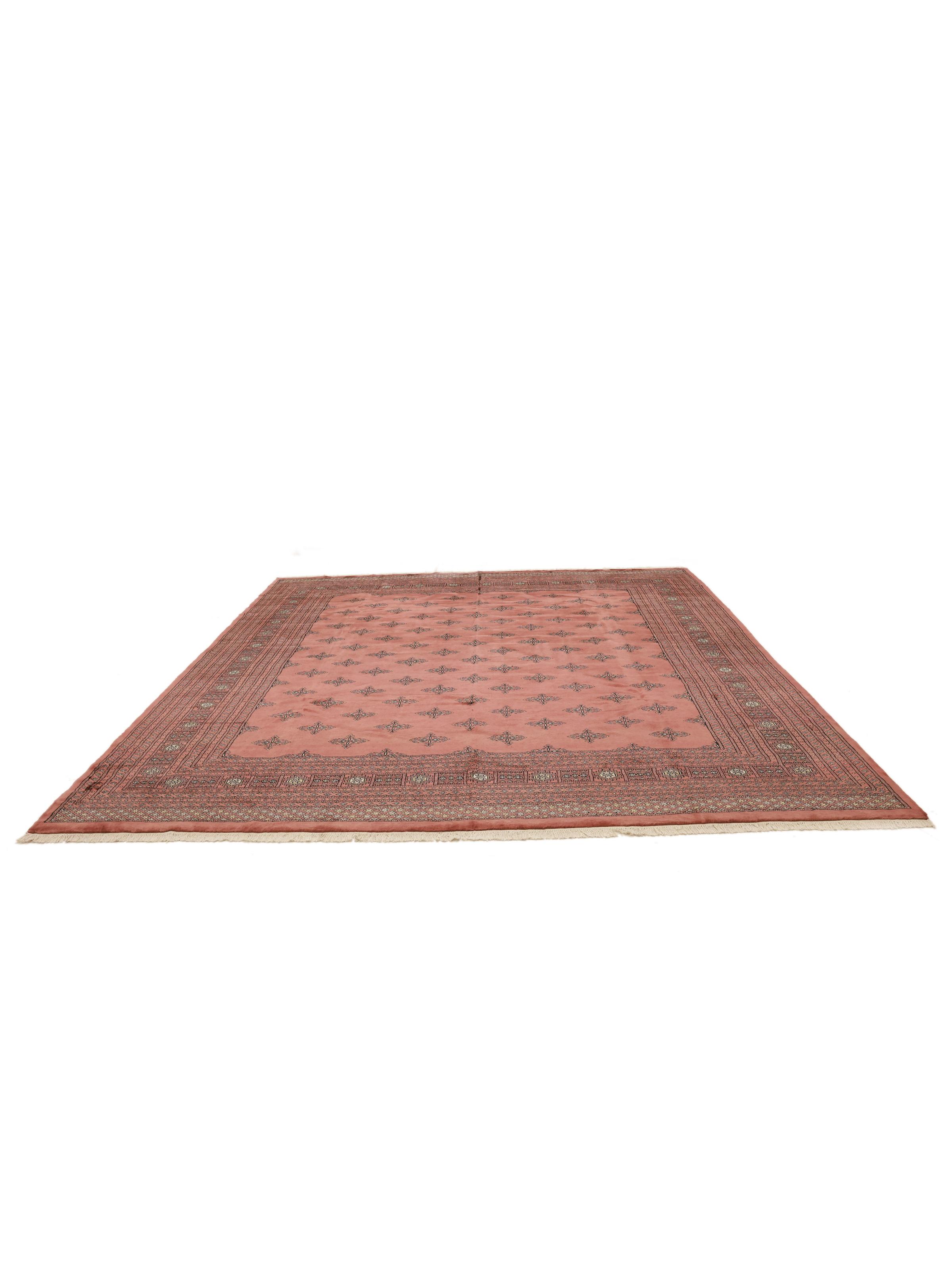
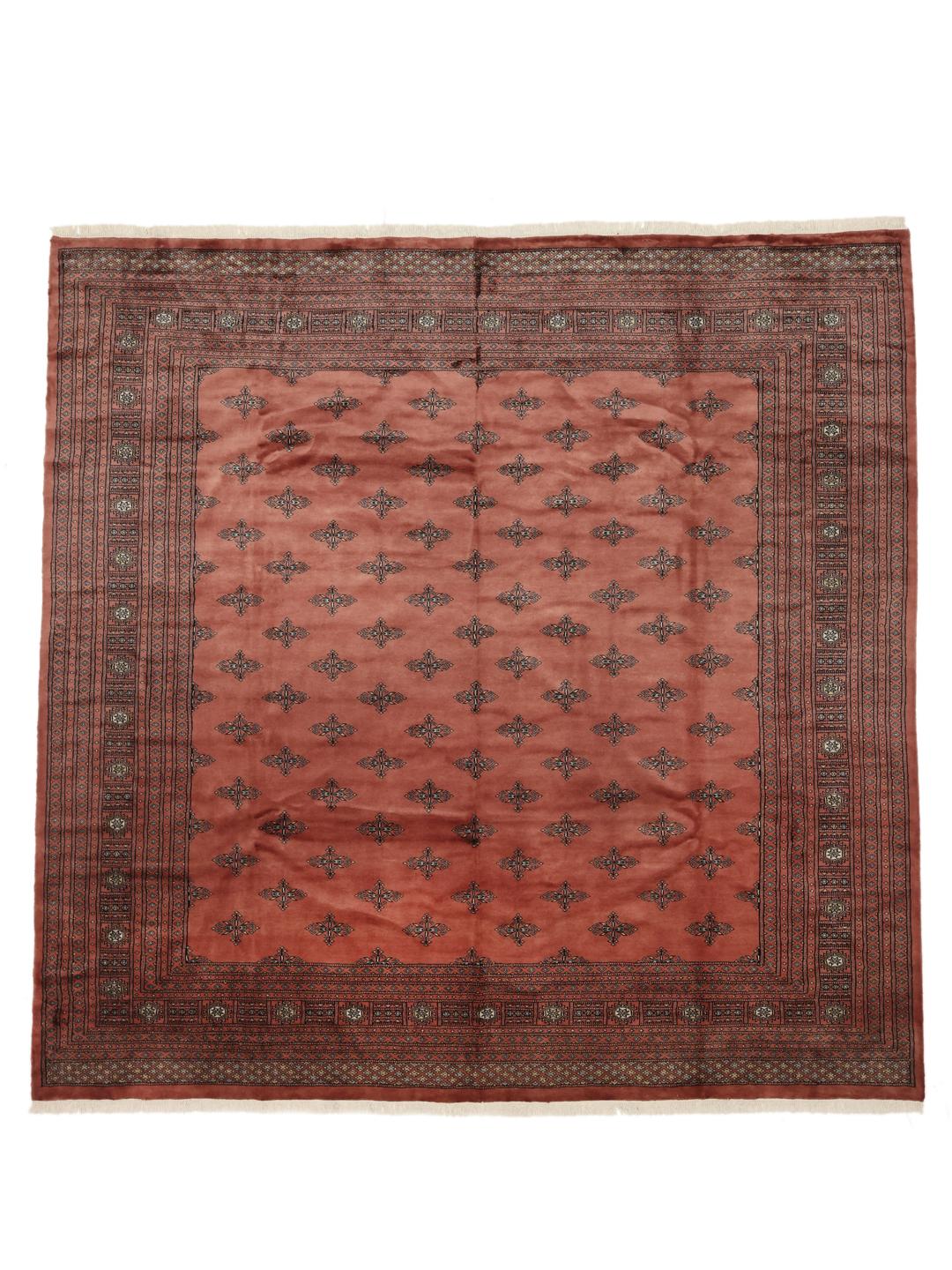
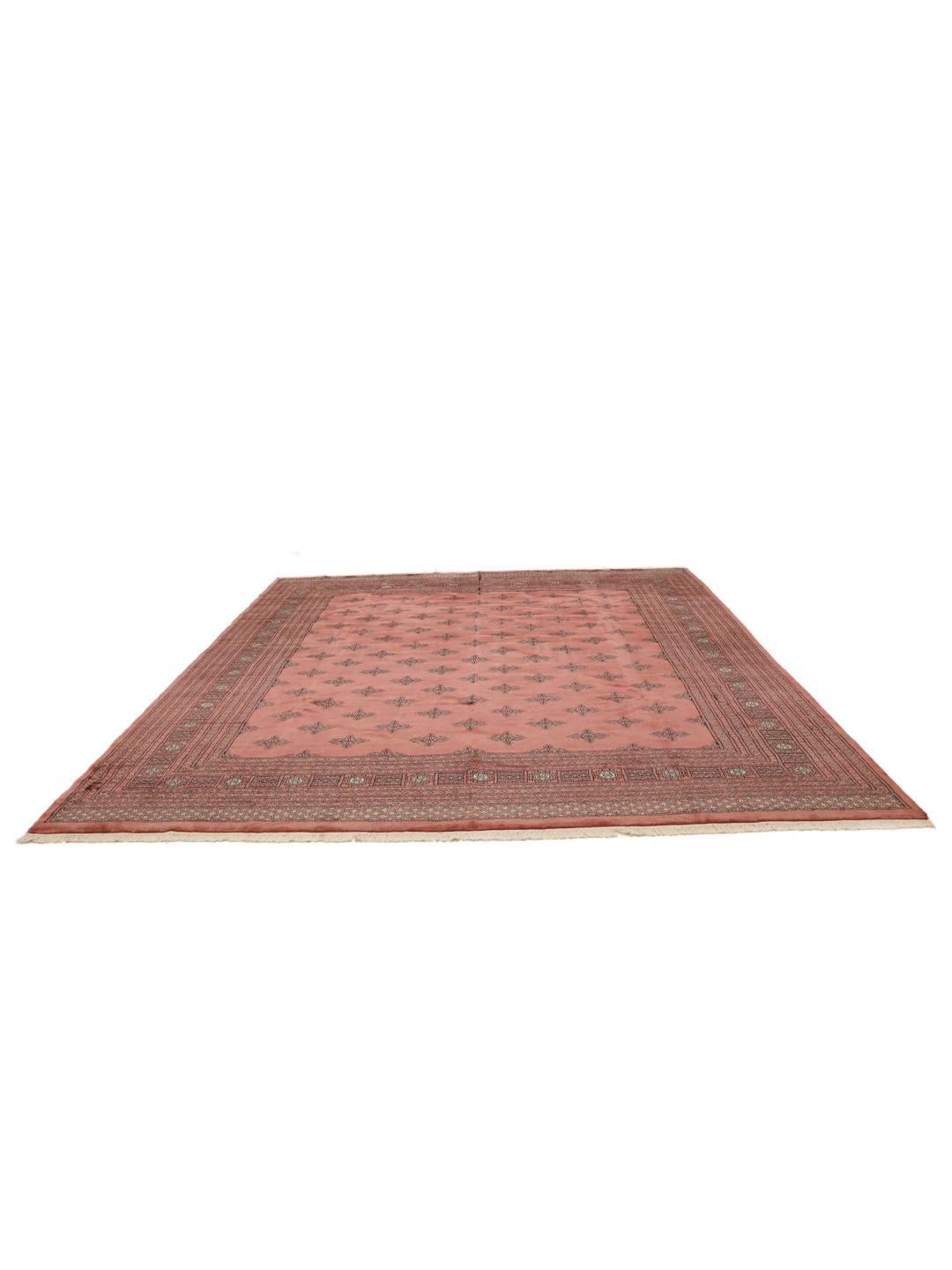
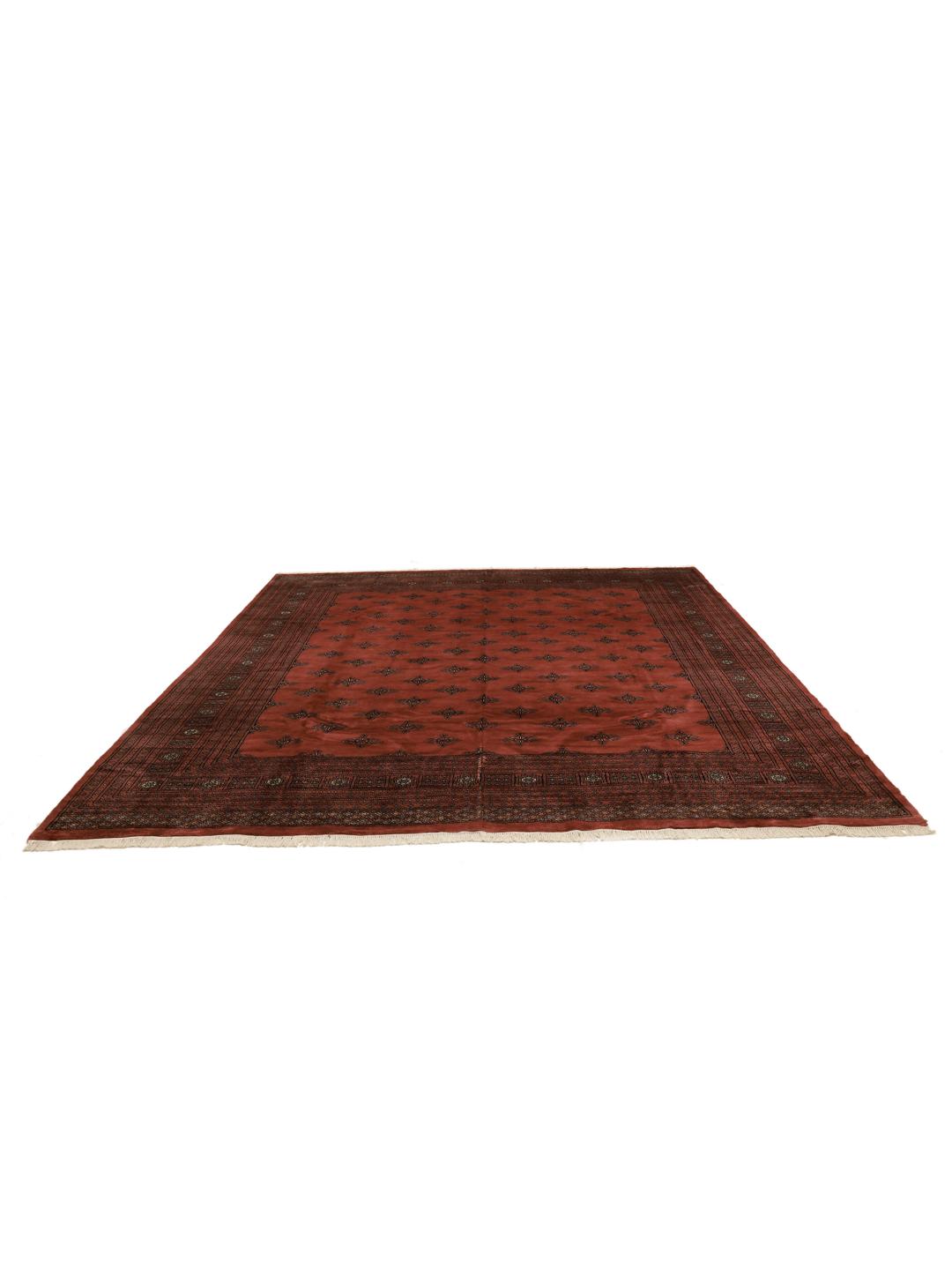
Bokhara rugs are deeply rooted in the ancient traditions of Central Asia, taking their name from the legendary Silk Road city of Bukhara. While the style originated among nomadic tribes, the finest contemporary examples, such as this one, are meticulously woven in Pakistan, where artisans have elevated the technique to a high art form.
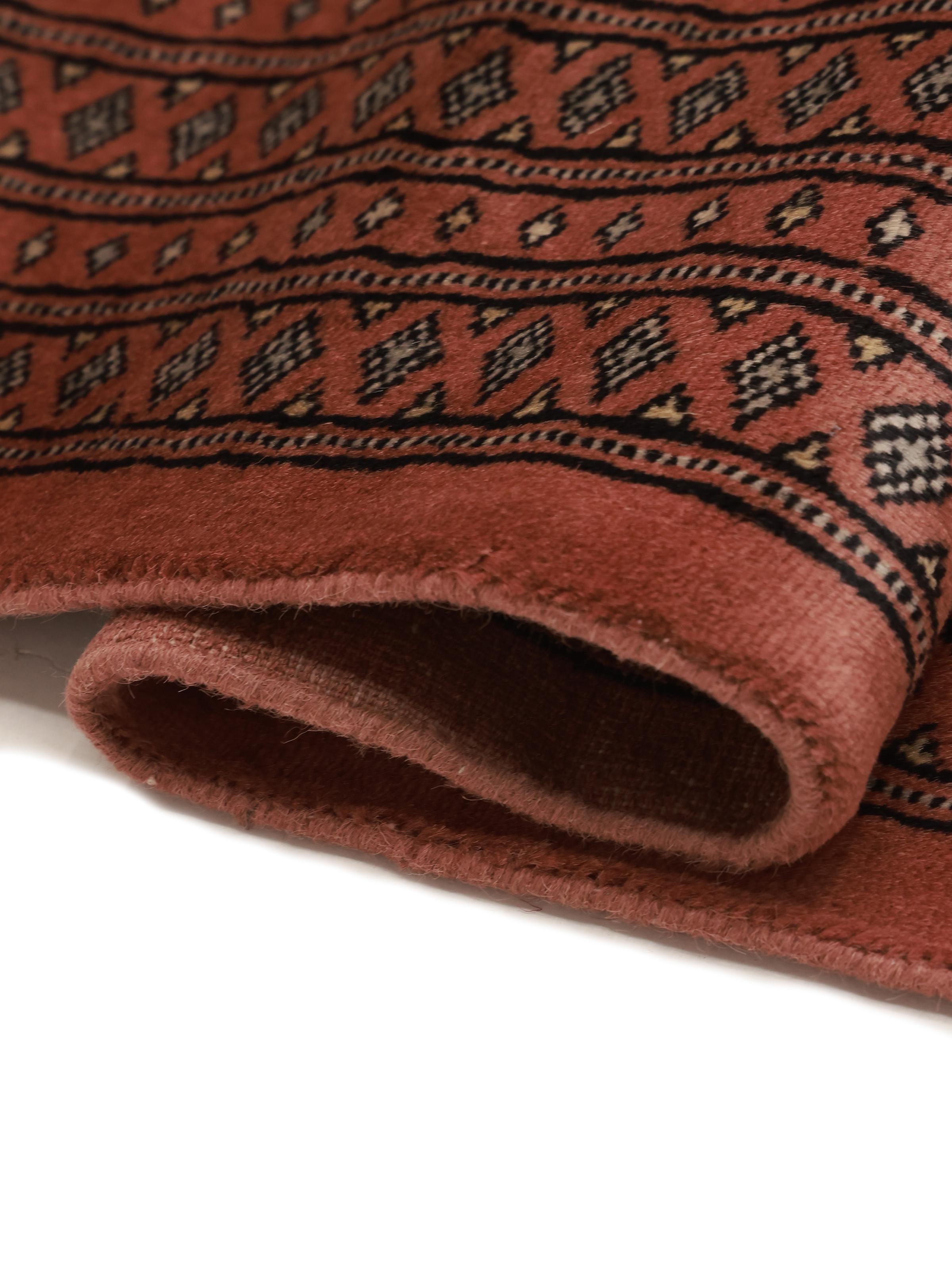
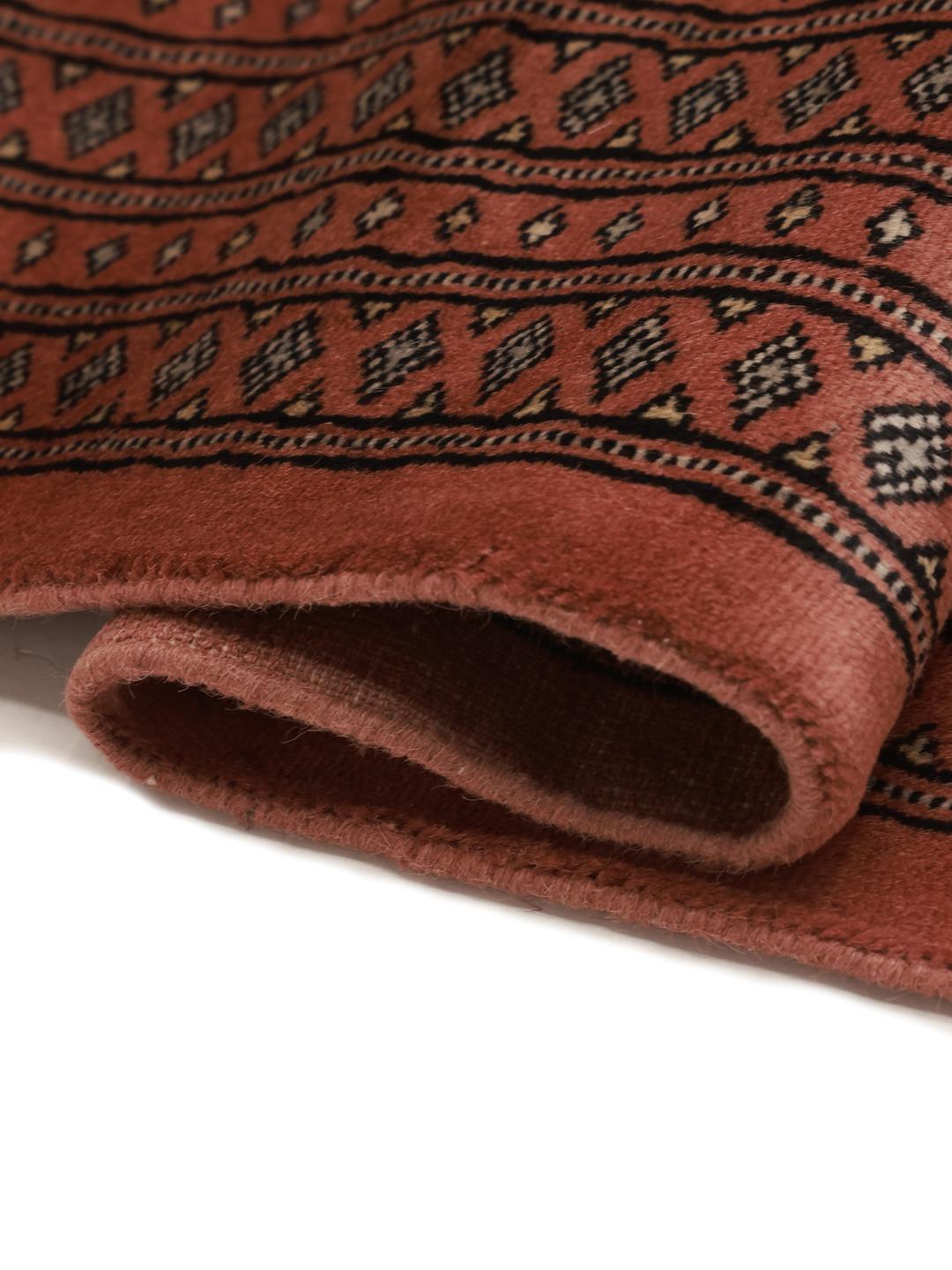
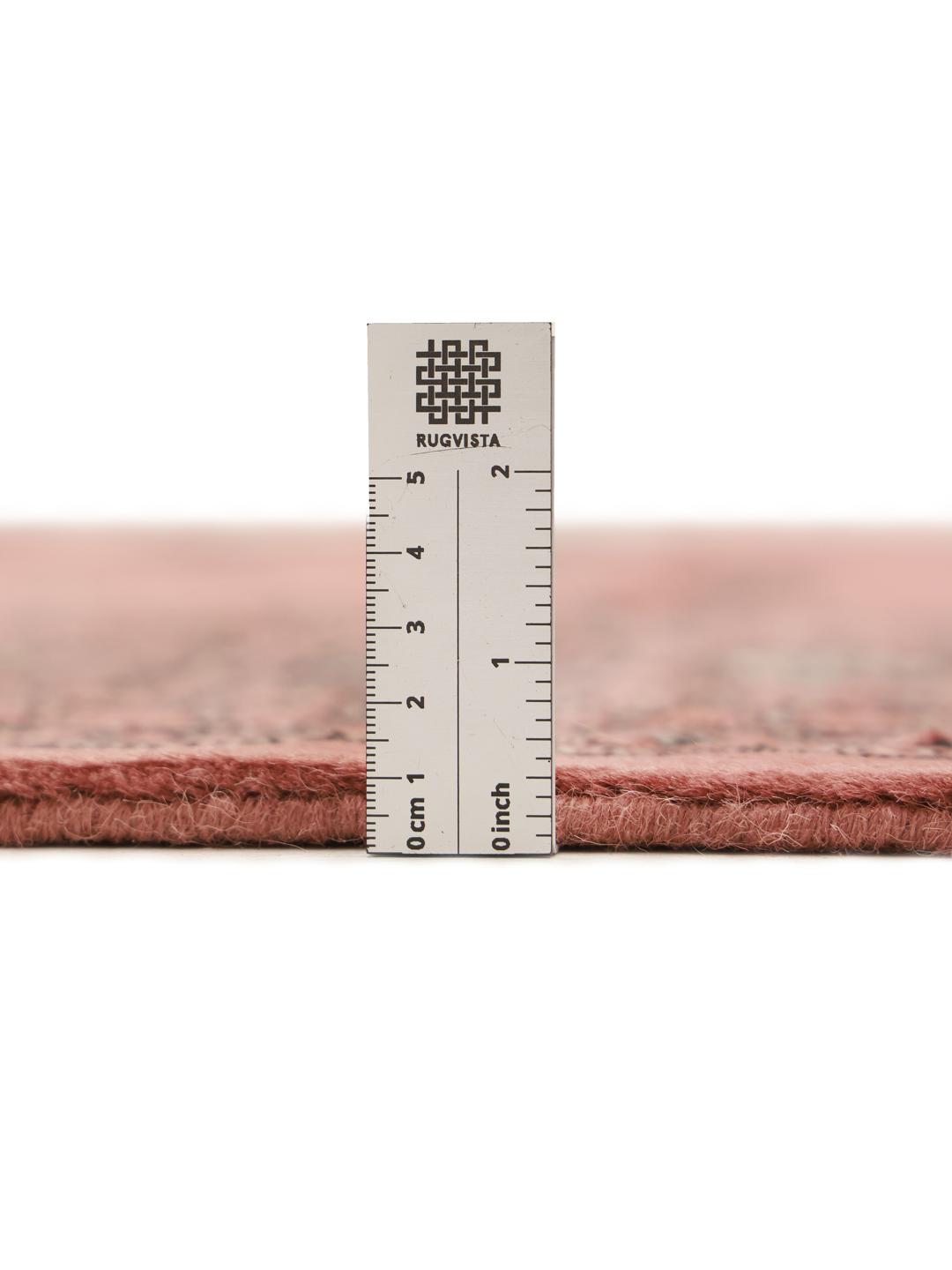
The designation of 2ply refers to the construction of the pile, which is composed of two strands of wool twisted together. This technique is vital for quality, as it creates a stronger, more lustrous, and longer-lasting yarn that holds its shape and colour vibrancy far better than single-ply alternatives.
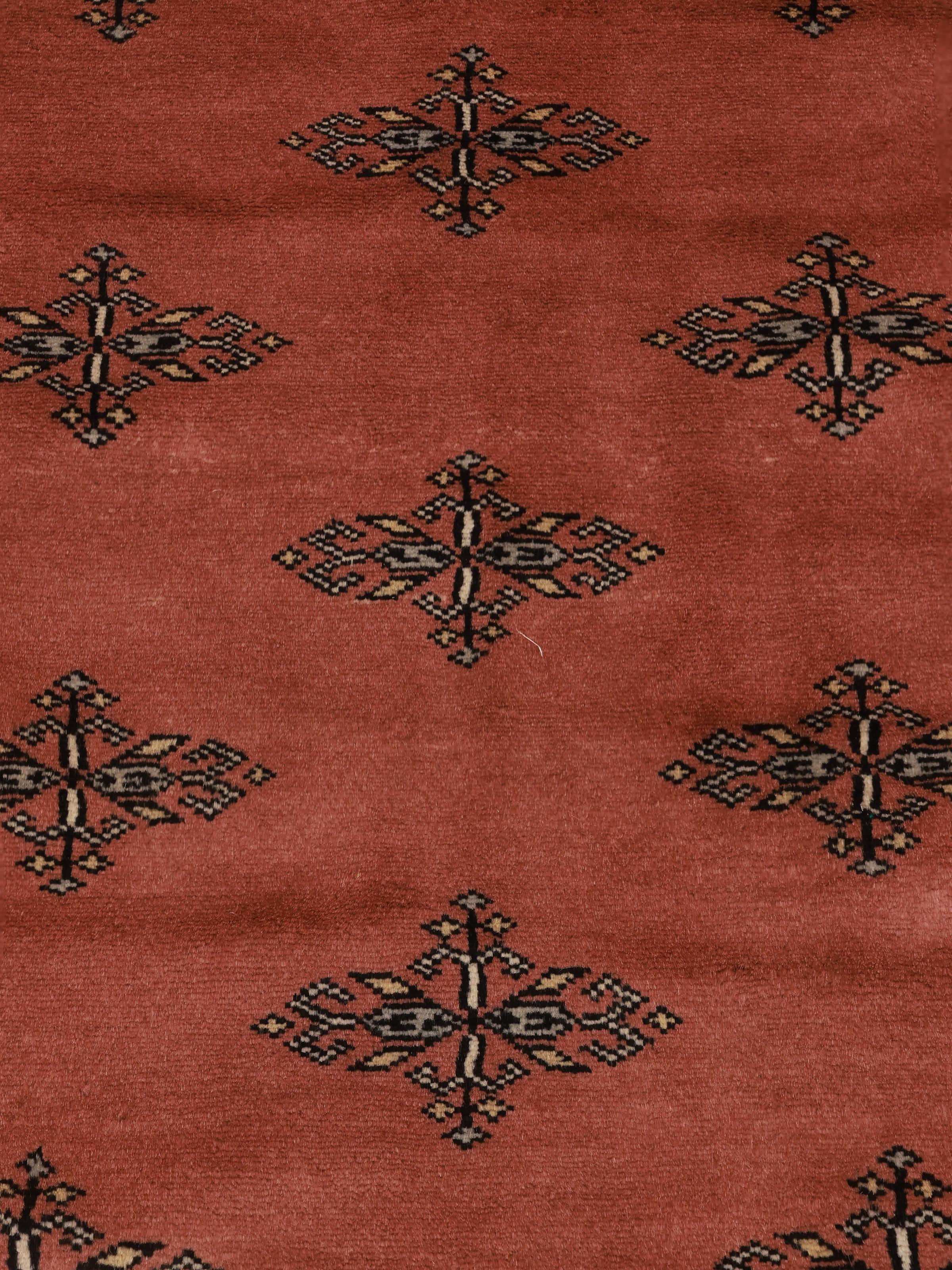
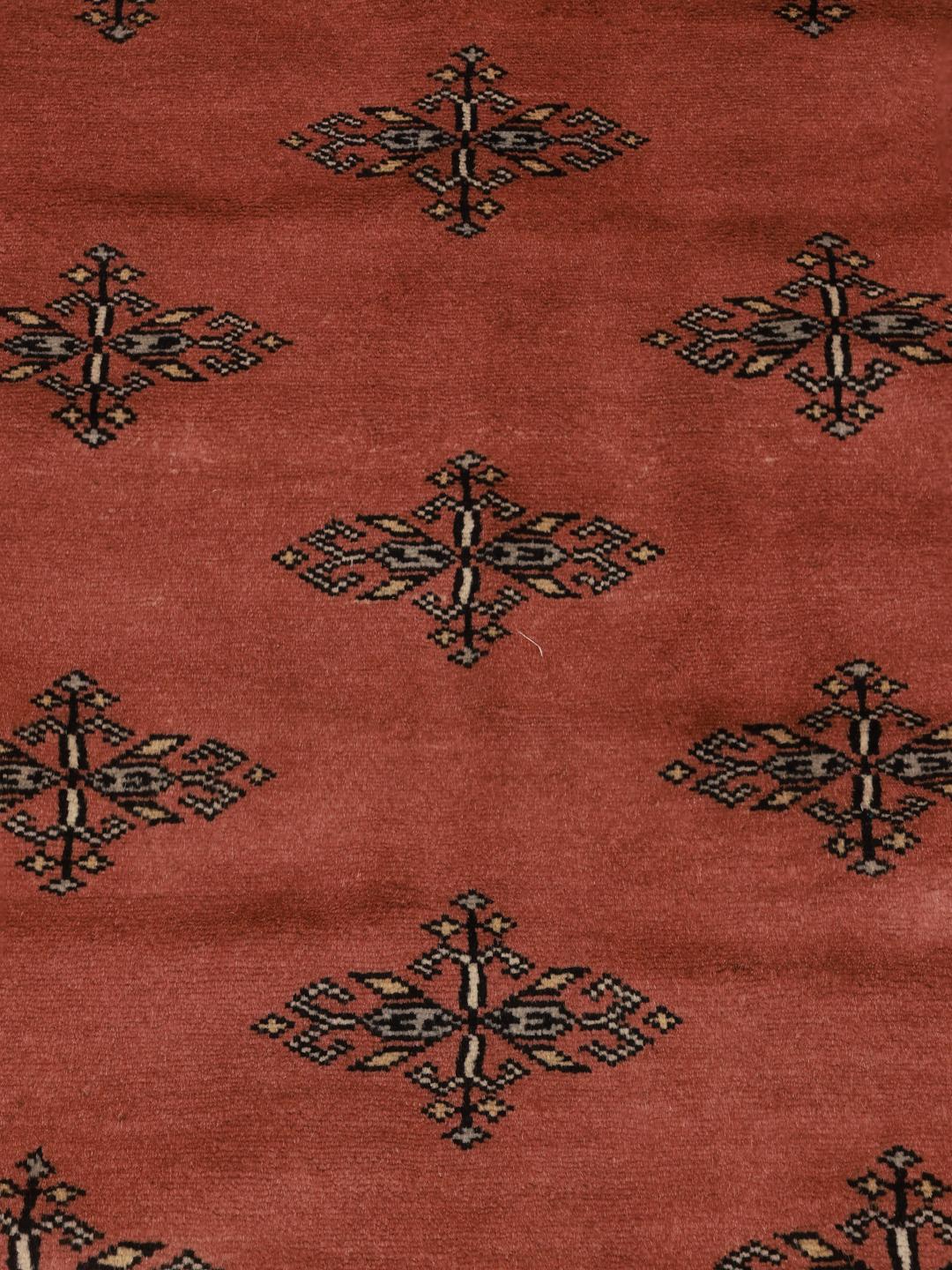
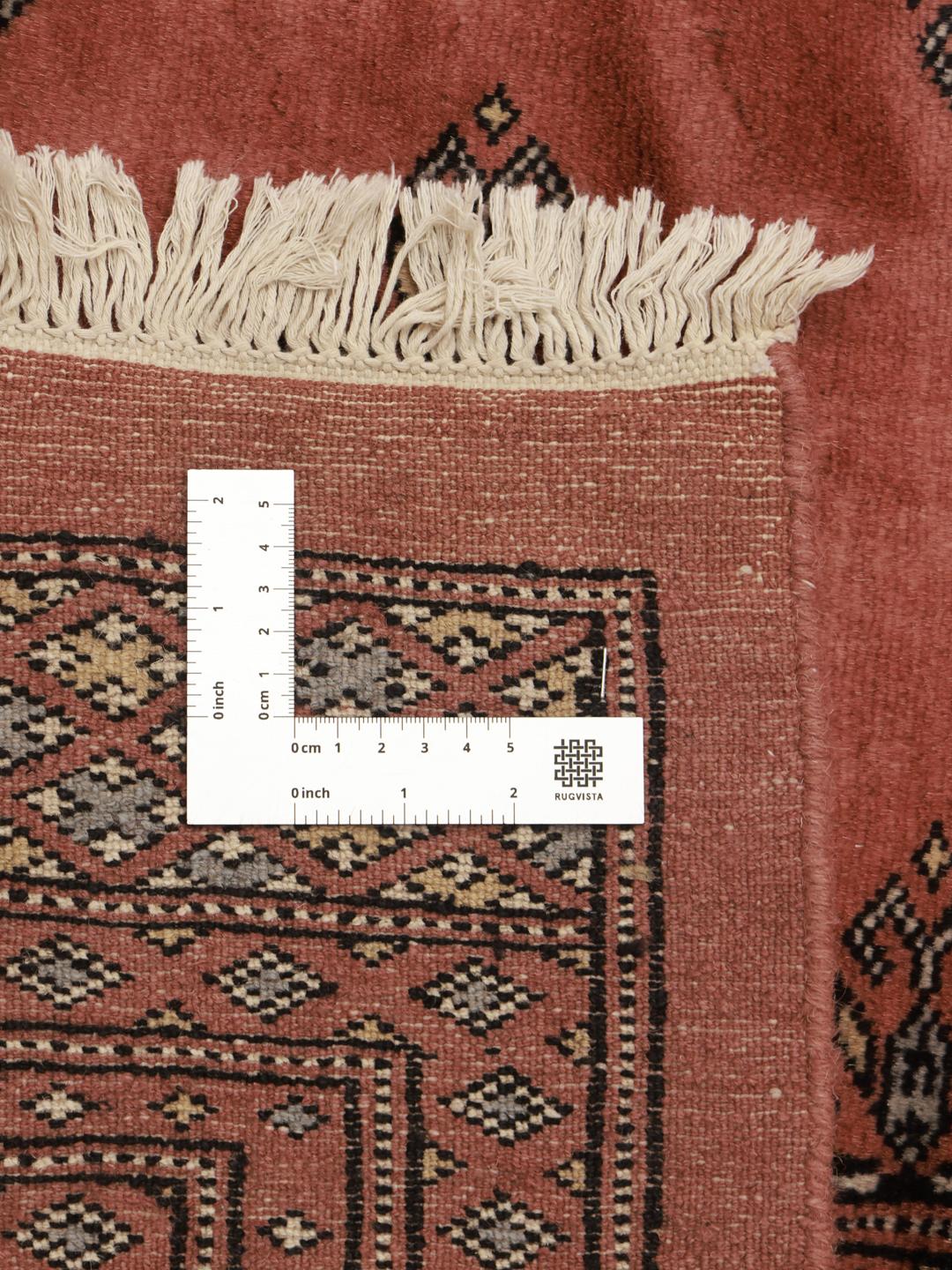
The signature design of a Bokhara rug is characterised by repeating geometric motifs known as guls, which are often octagonal or elephant-foot shaped. These motifs are arranged in a formal, orderly grid across the field and are typically framed by elaborate, multi-layered borders that showcase the weaver's technical skill and eye for symmetry.
Owning a hand-knotted rug from this tradition is a way to connect with a long lineage of craft. These pieces are highly valued by collectors not only for their beauty but for the skill and cultural heritage they represent, ensuring that they remain cherished elements of a home for generations.