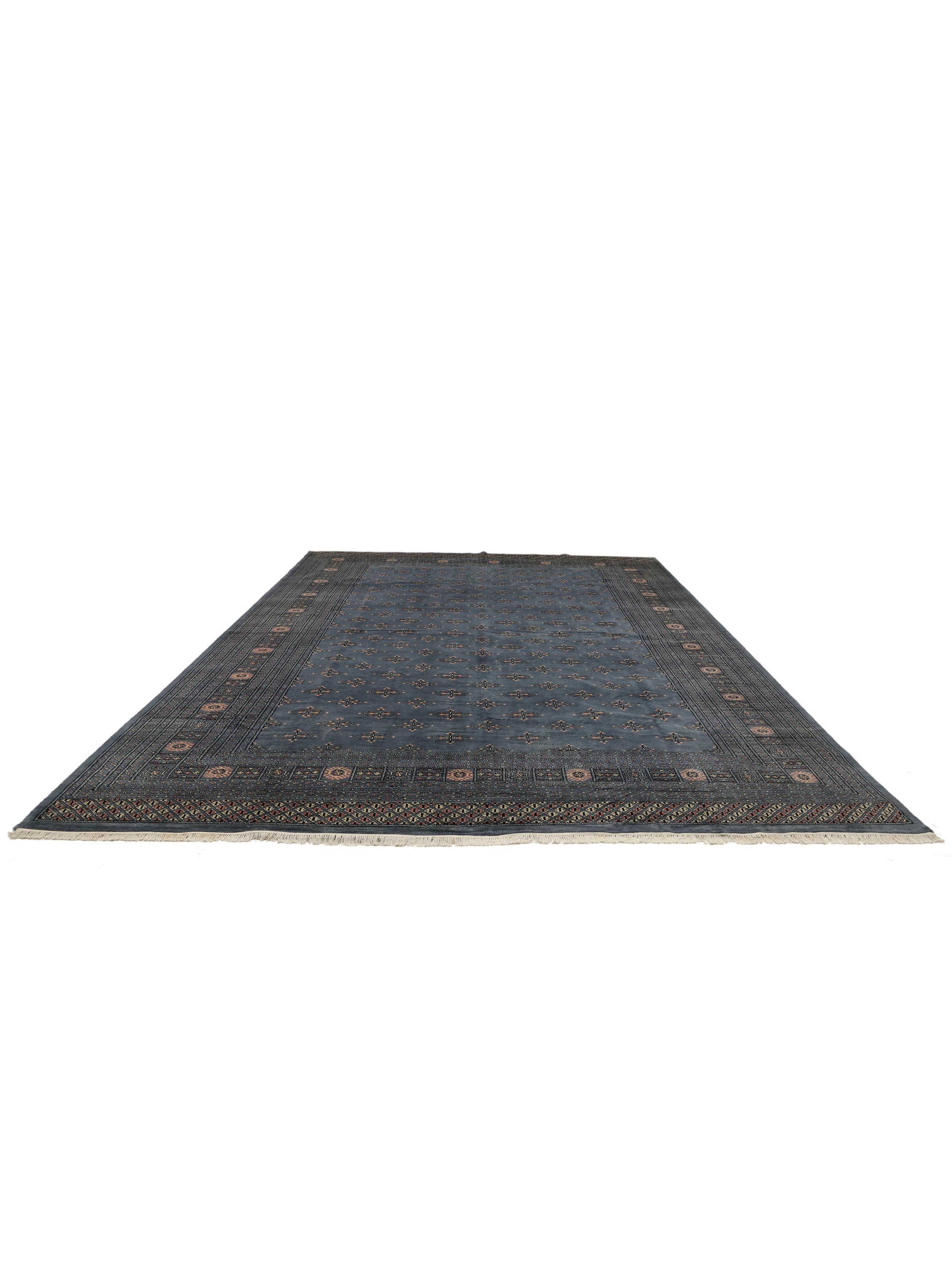
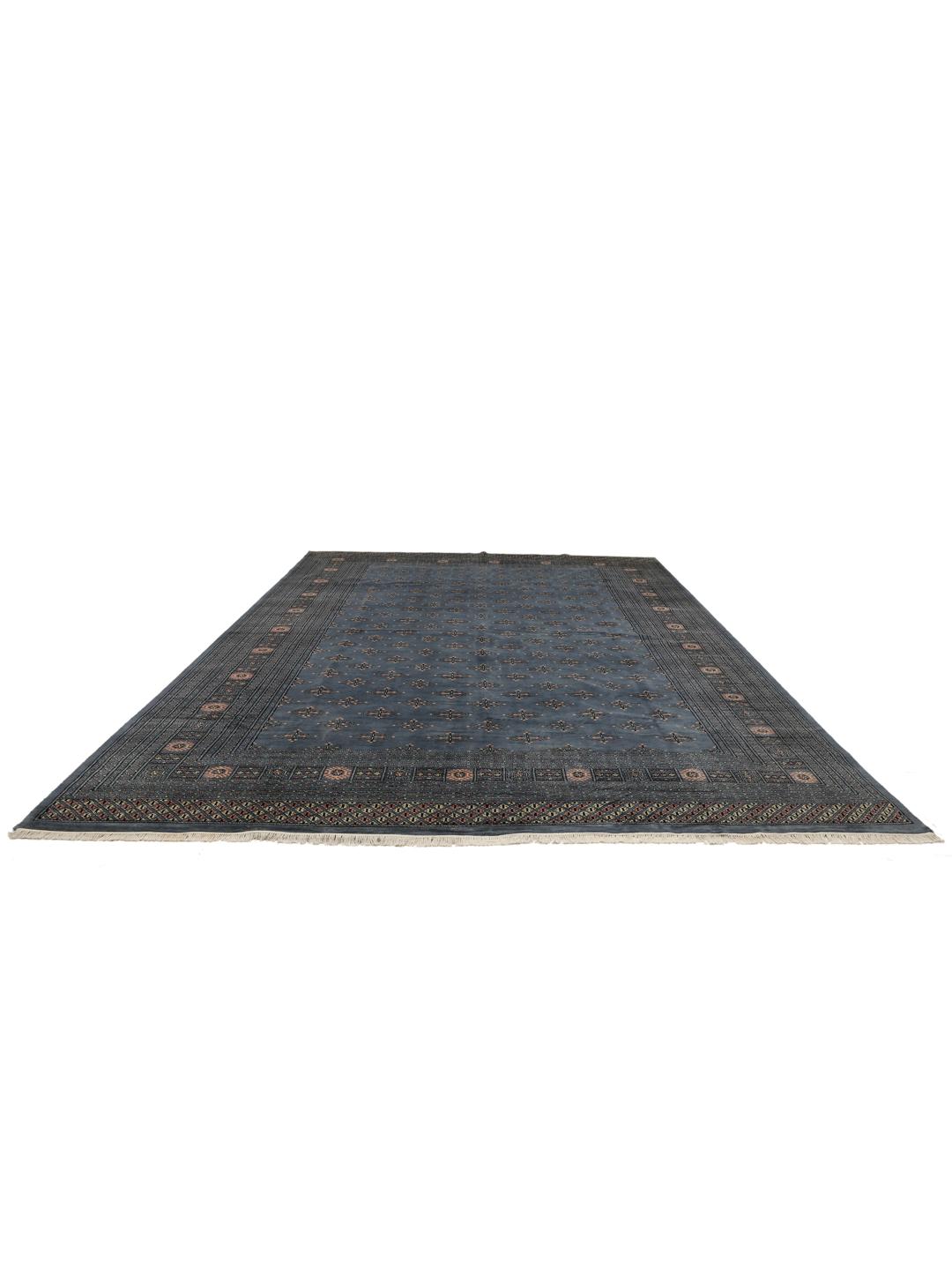
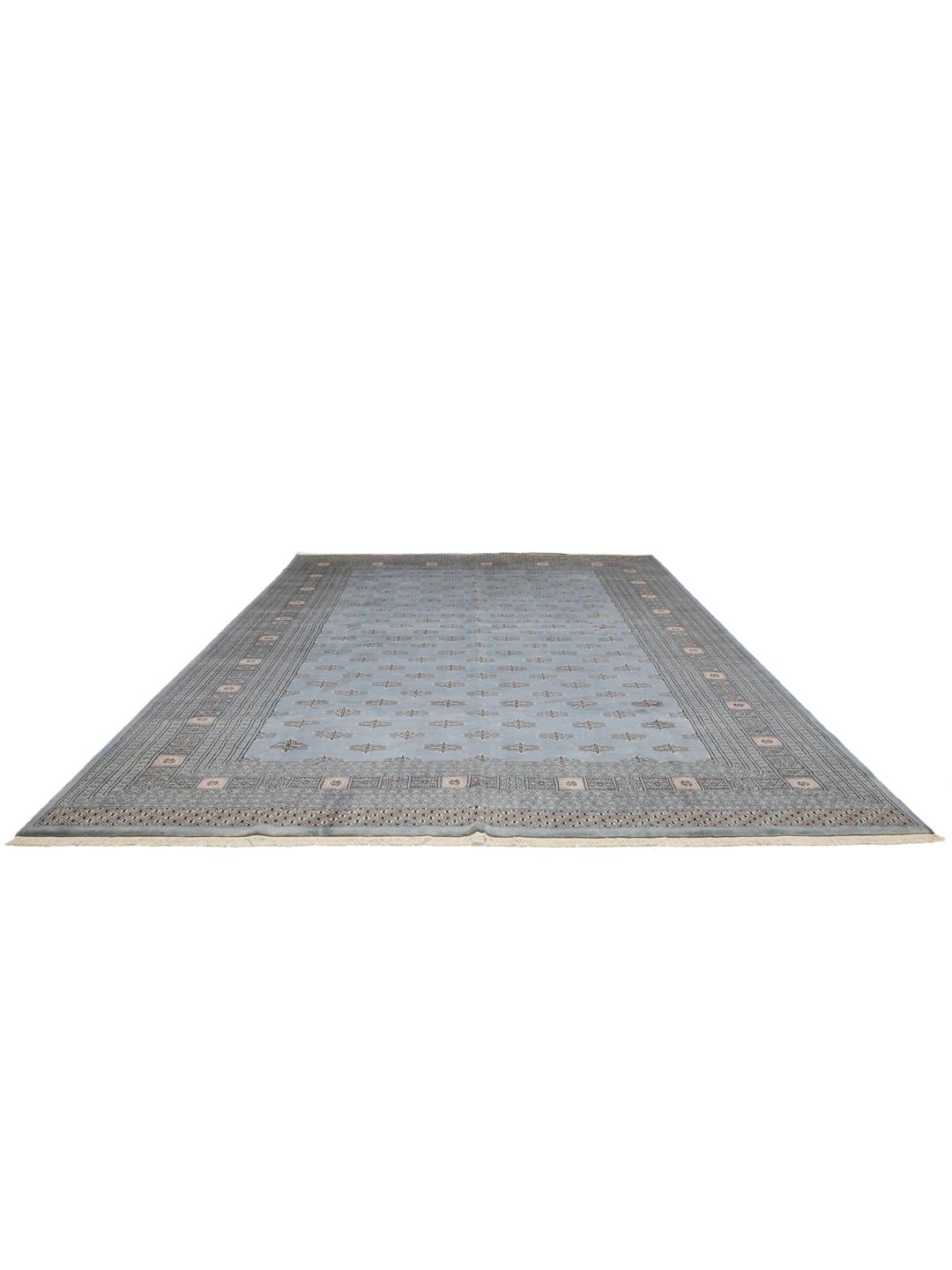
Bokhara rugs are deeply rooted in the history of the Silk Road, taking their name from the ancient city of Bukhara in Central Asia. While the tradition originated in nomadic tribal cultures, the finest contemporary examples are now woven in Pakistan, where the craft has been refined into a sophisticated art form.
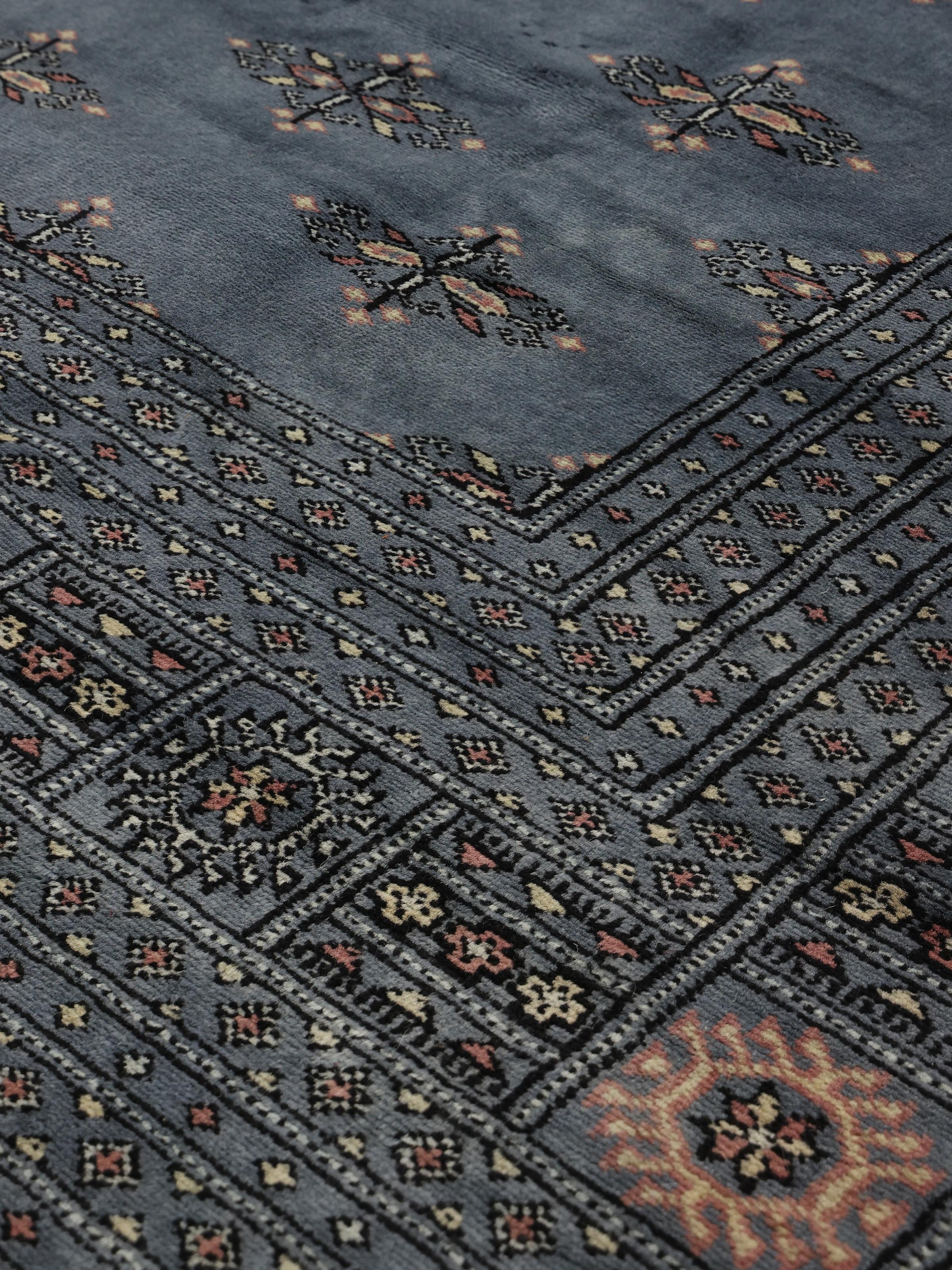
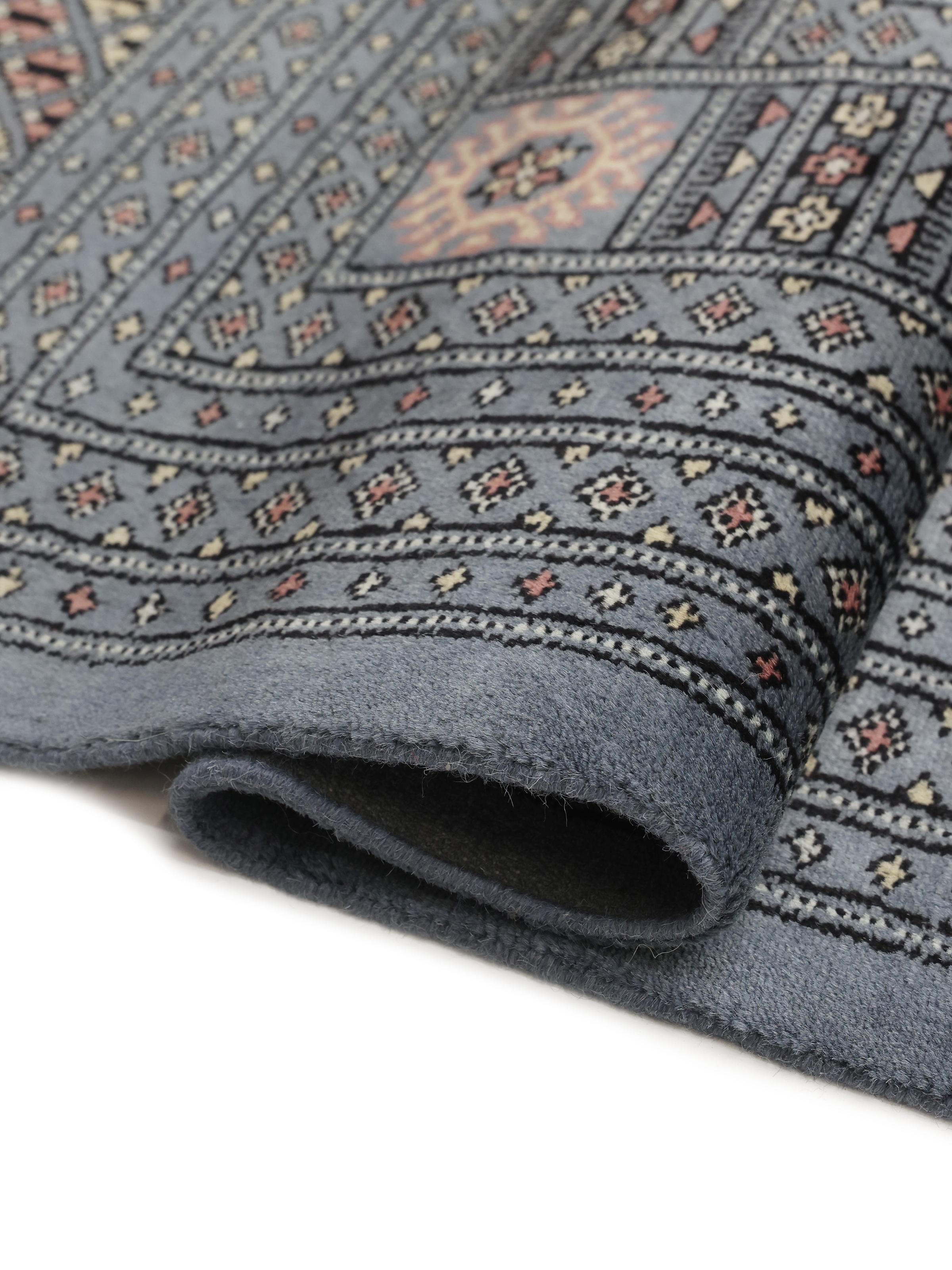
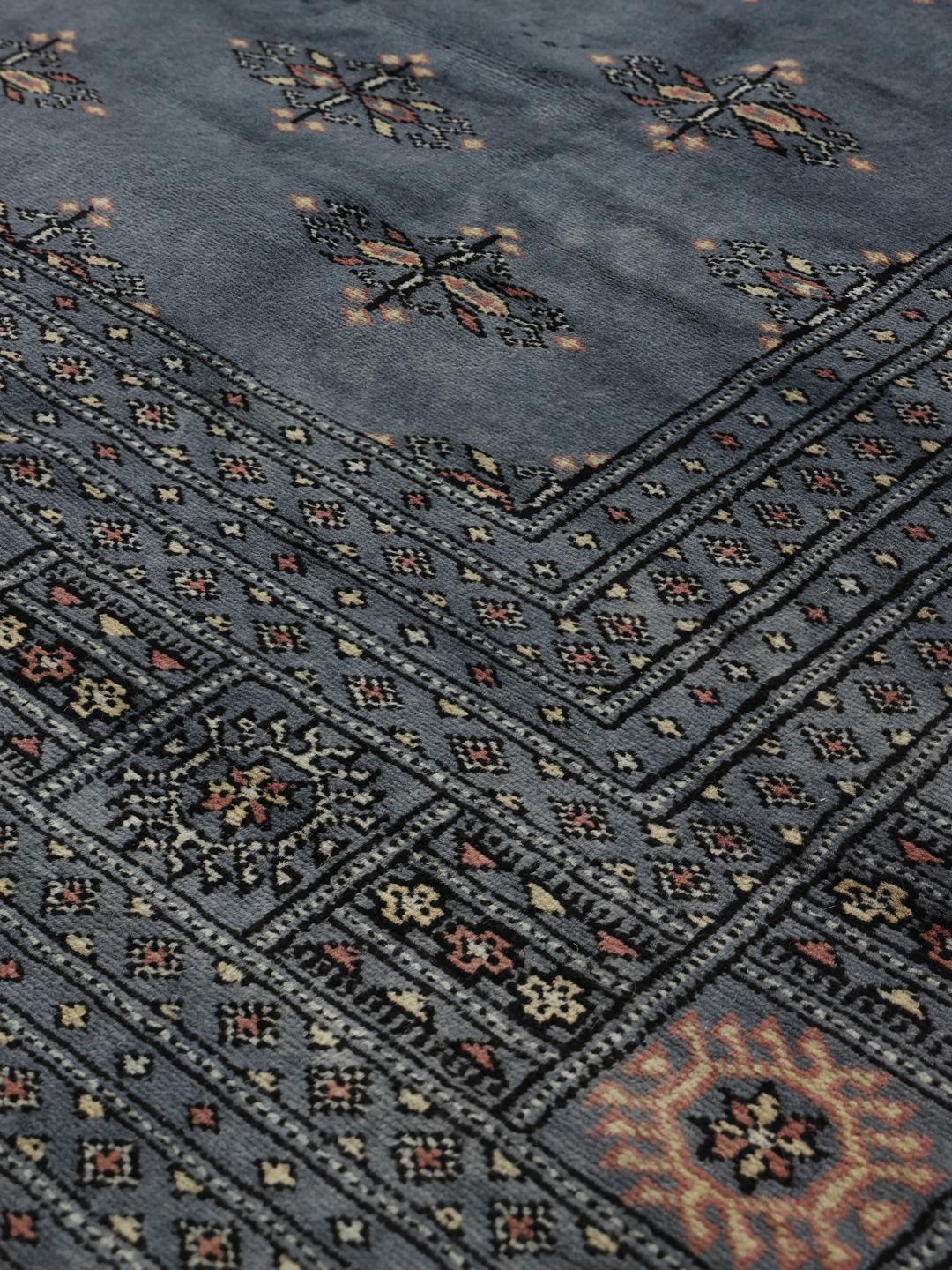
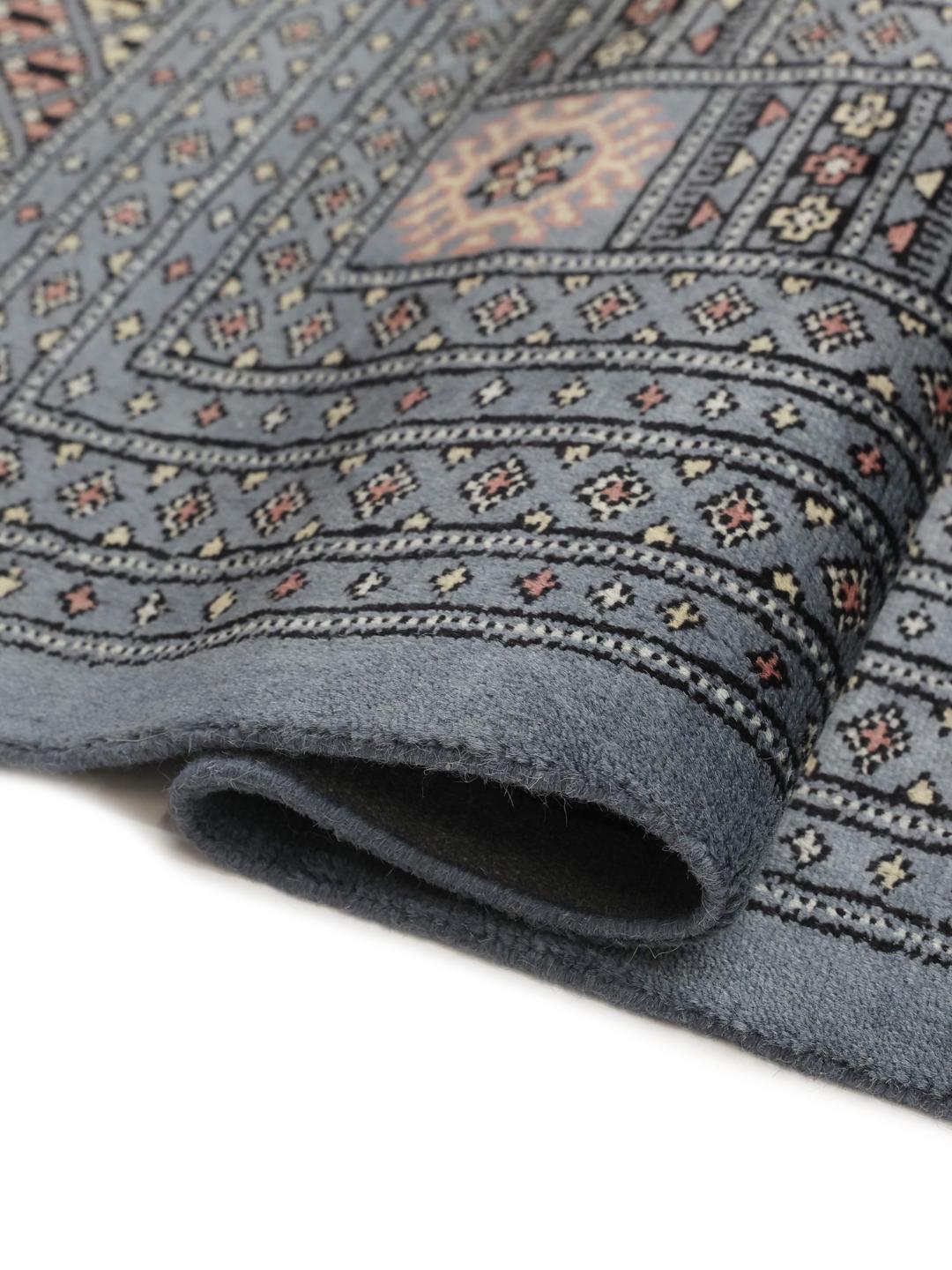
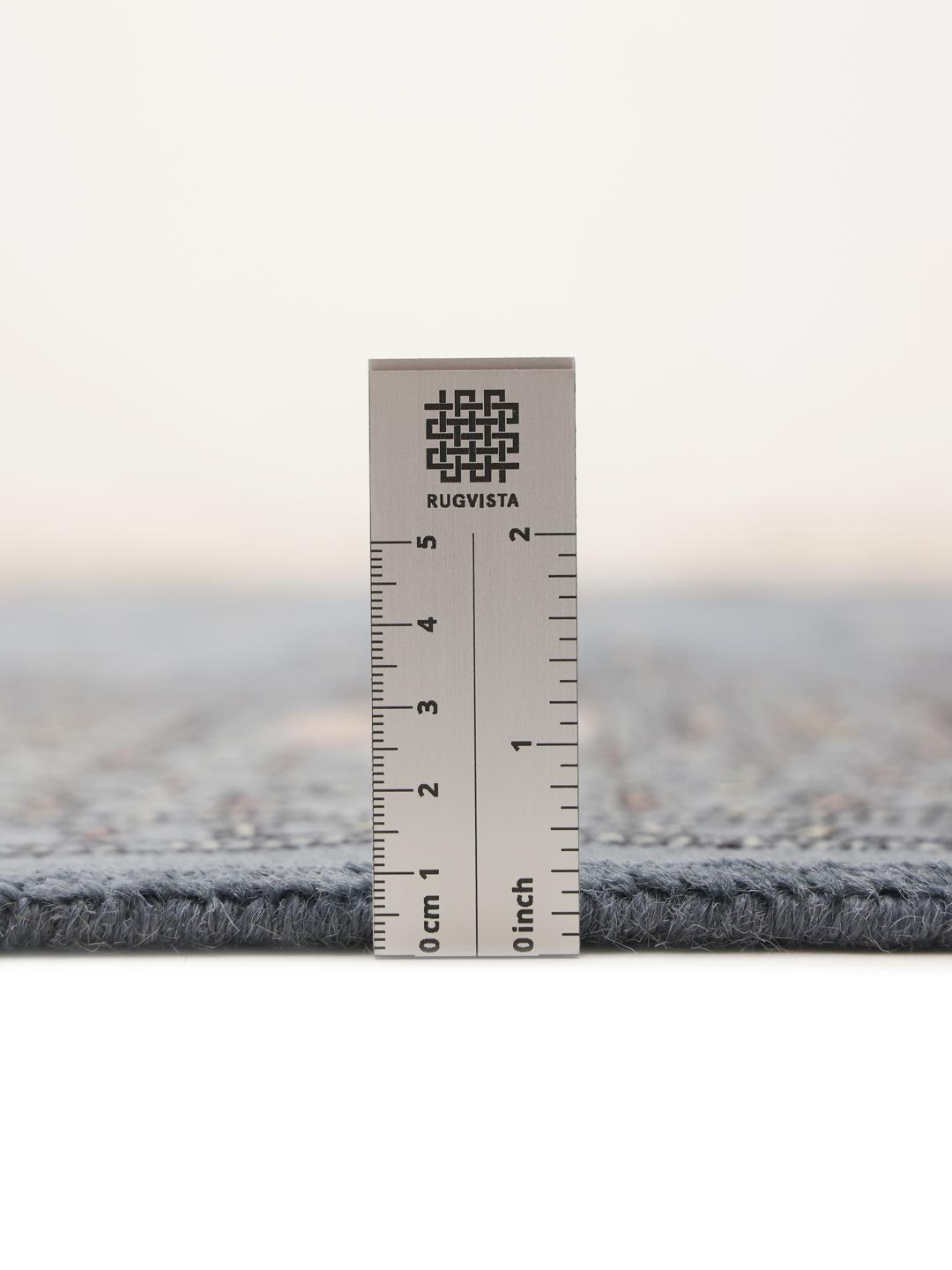
The term 2ply refers to the construction of the pile, where two strands of wool are twisted together before being knotted. This technical choice is significant because it produces a pile that is significantly more lustrous, dense, and durable than single-strand alternatives, ensuring the rug can withstand the demands of a modern home.
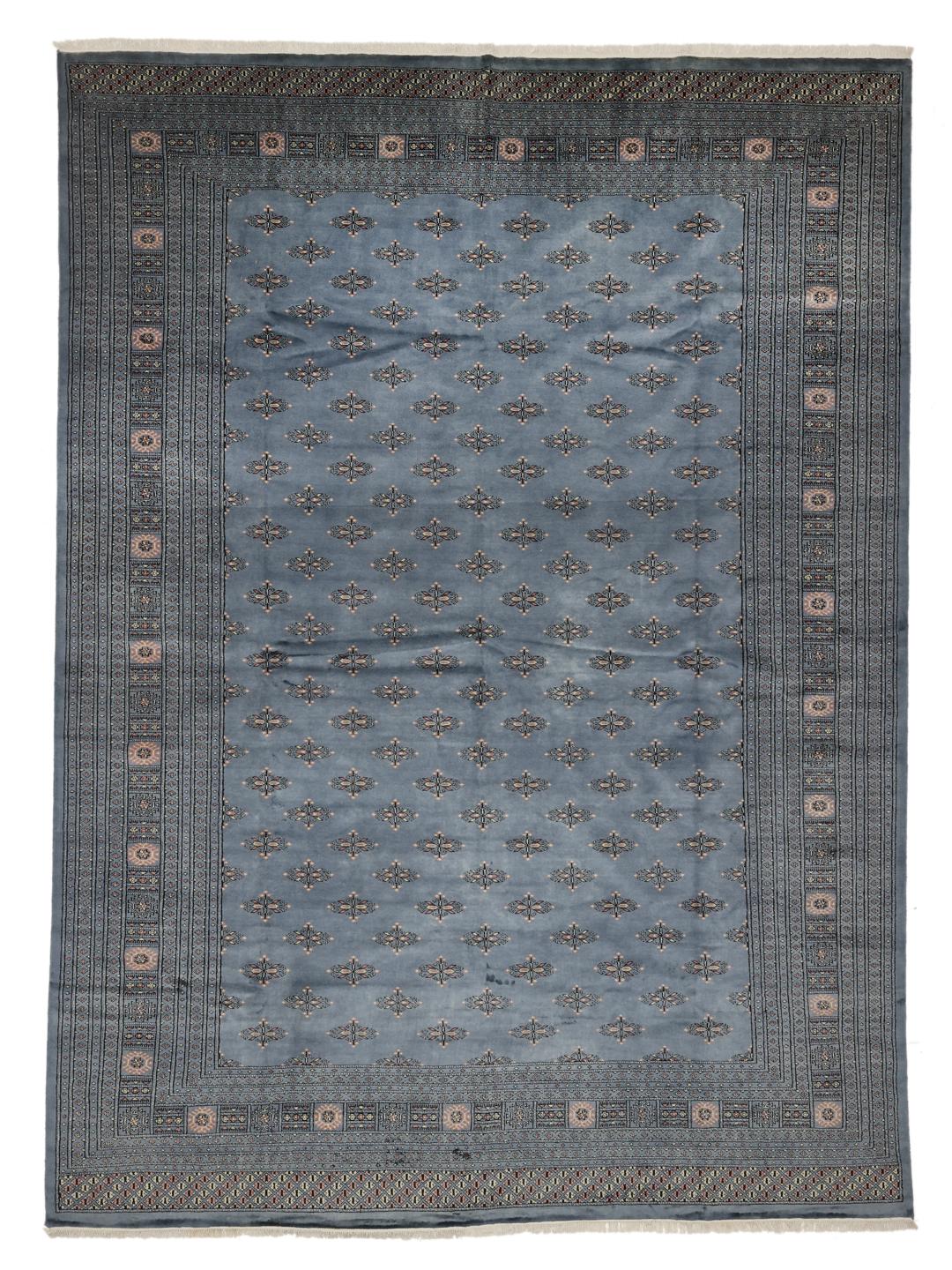
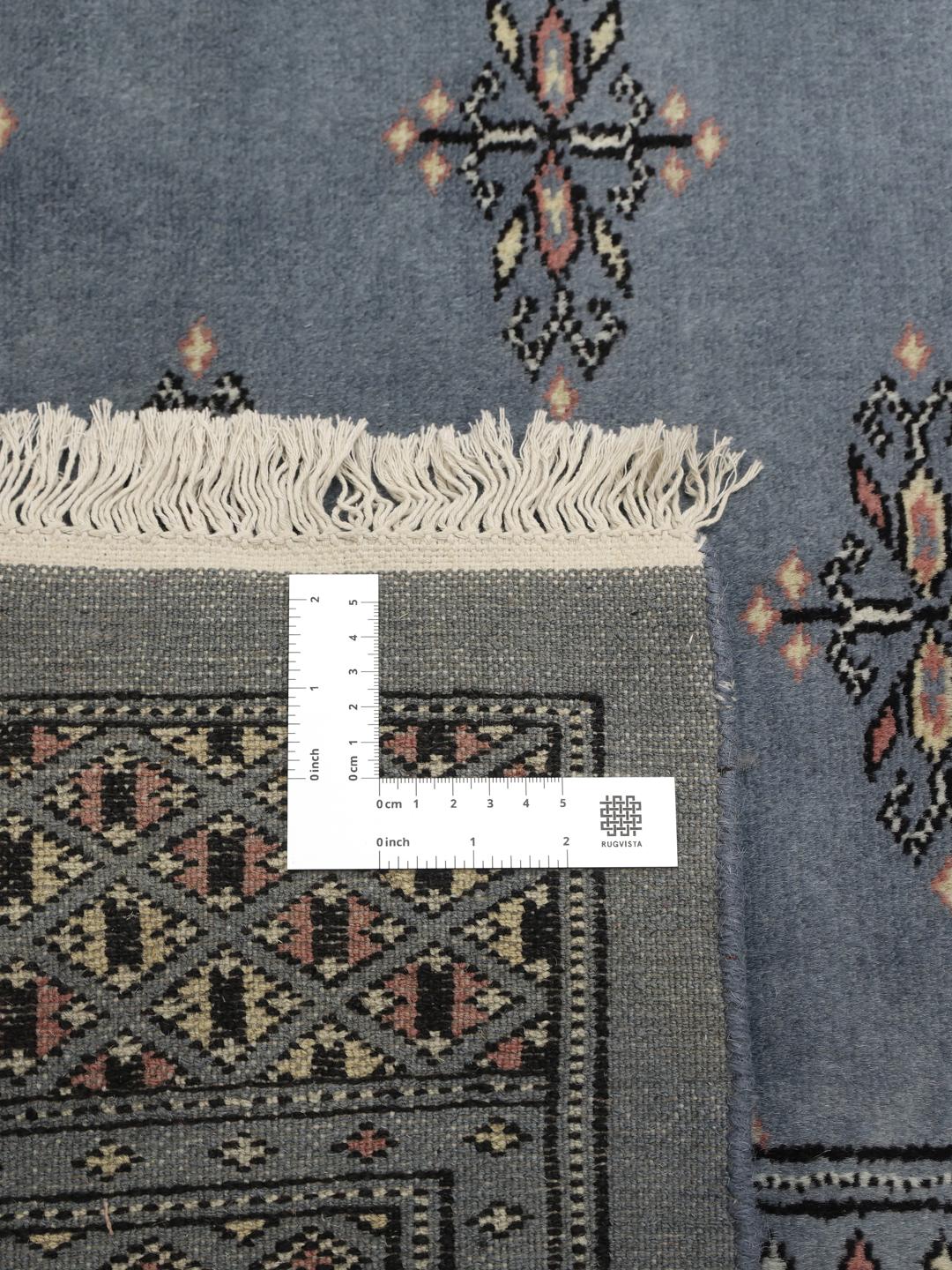
Visually, these rugs are defined by their signature gul motifs—repeating, medallion-like shapes that represent the heritage of the weaver. The field is typically organised in a formal, rhythmic grid, creating a sense of order and tranquillity. While red is a classic choice, this blue version offers a modern, serene variation that highlights the intricacy of the design.
Owning a hand-knotted rug from this tradition is an investment in cultural heritage. It connects your living space to a centuries-old history of craftsmanship, where skill is passed down through generations. These pieces are highly valued by collectors not just for their beauty, but for the human story and the immense time captured in every thread.