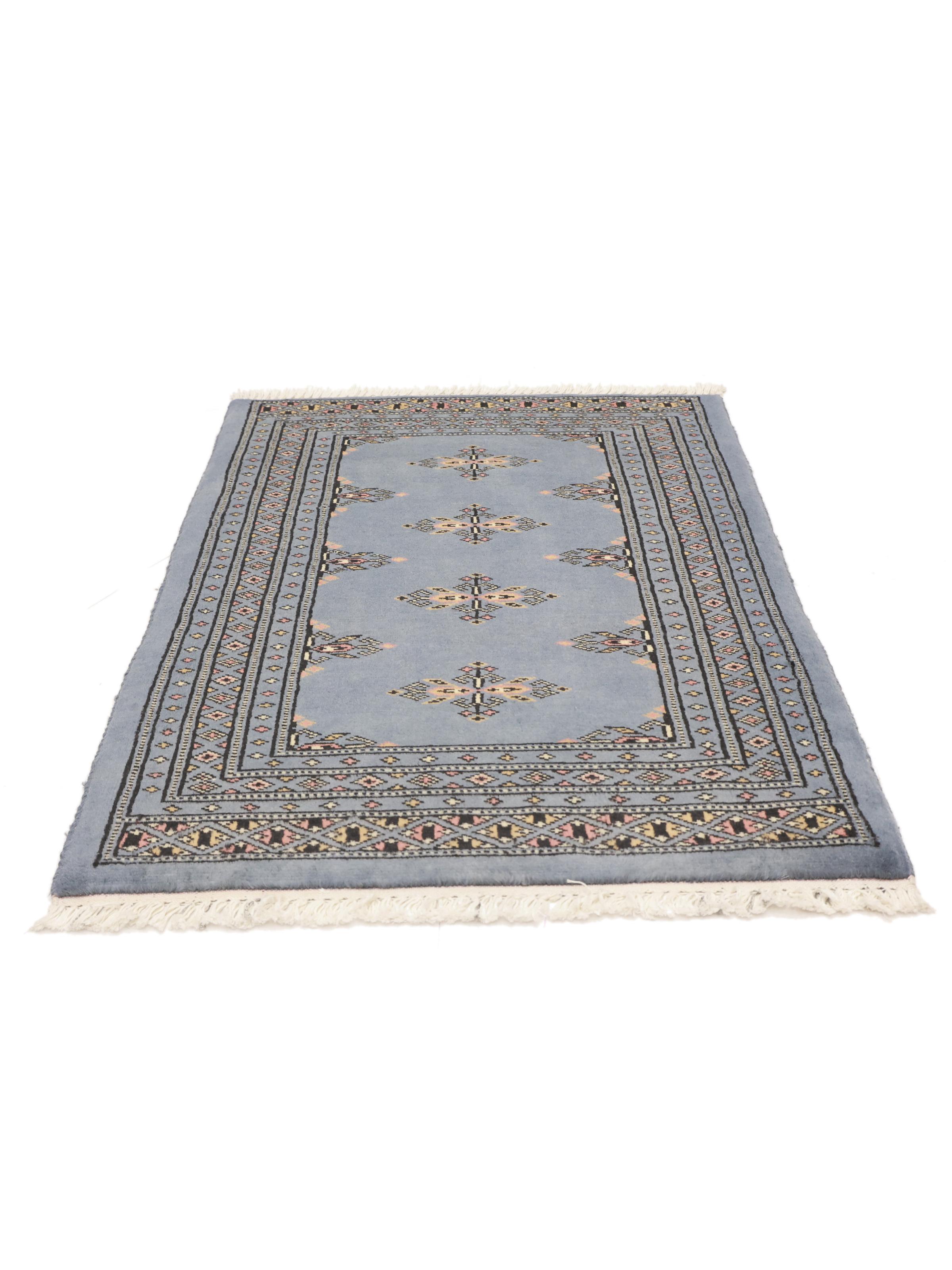
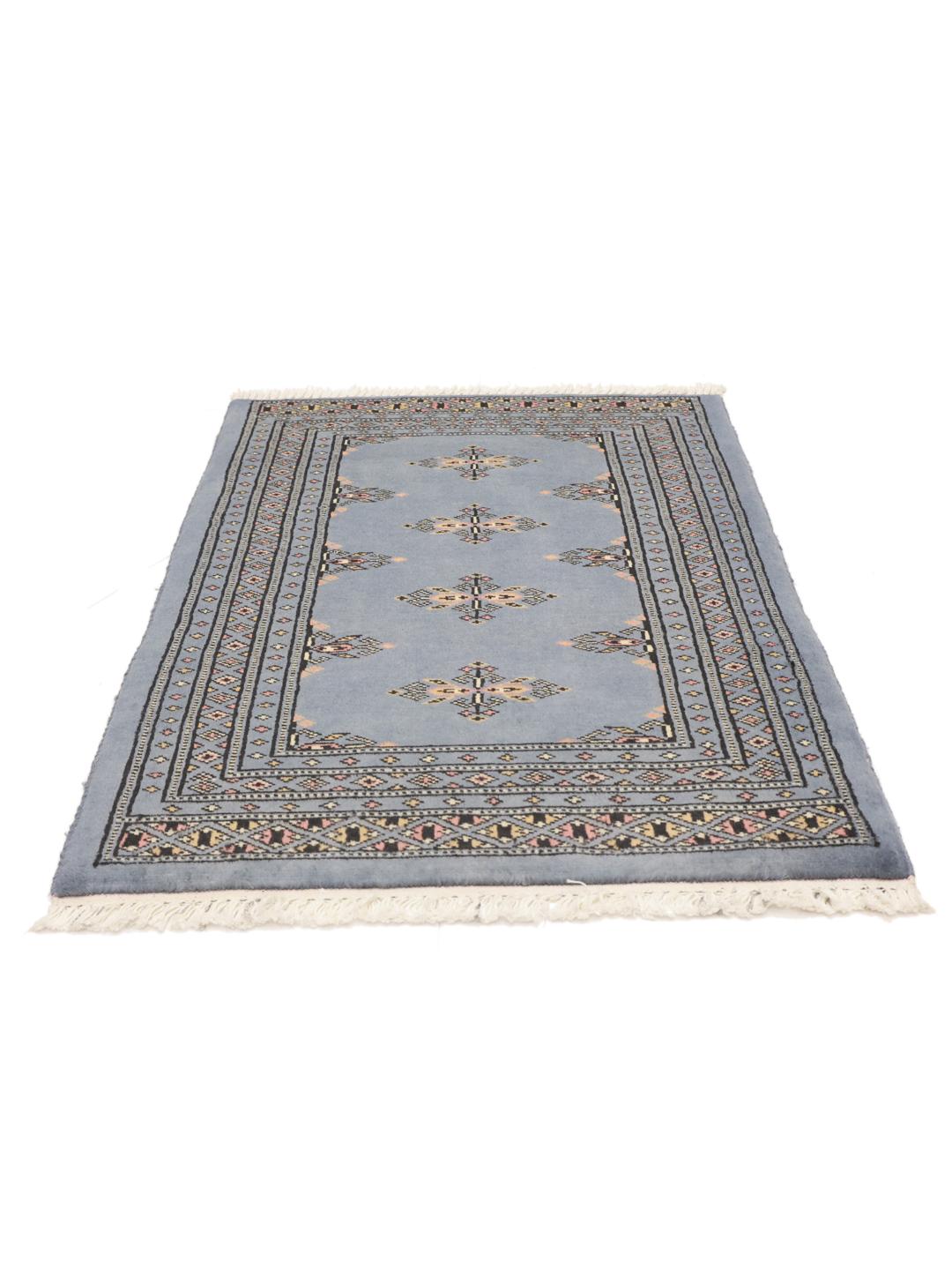
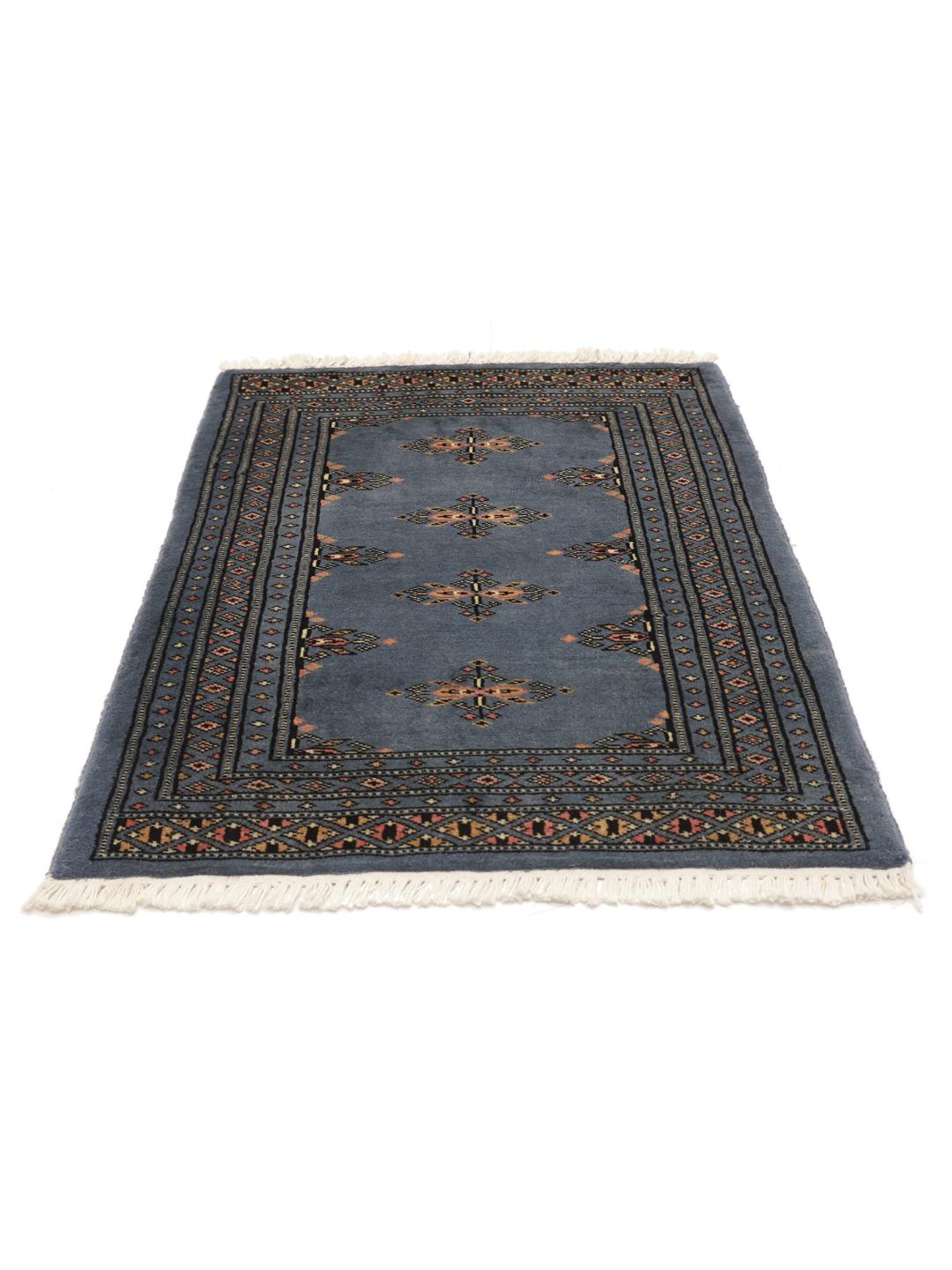
Bokhara rugs take their name from the ancient Silk Road trading post of Bukhara in Central Asia, a legendary hub where nomads and merchants exchanged textiles, dyes, and stories. While the design tradition originated among nomadic tribes in the region, the fine art of weaving these distinctive rugs eventually migrated southward, with Pakistan becoming a renowned centre for exceptional craftsmanship and traditional weaving techniques.
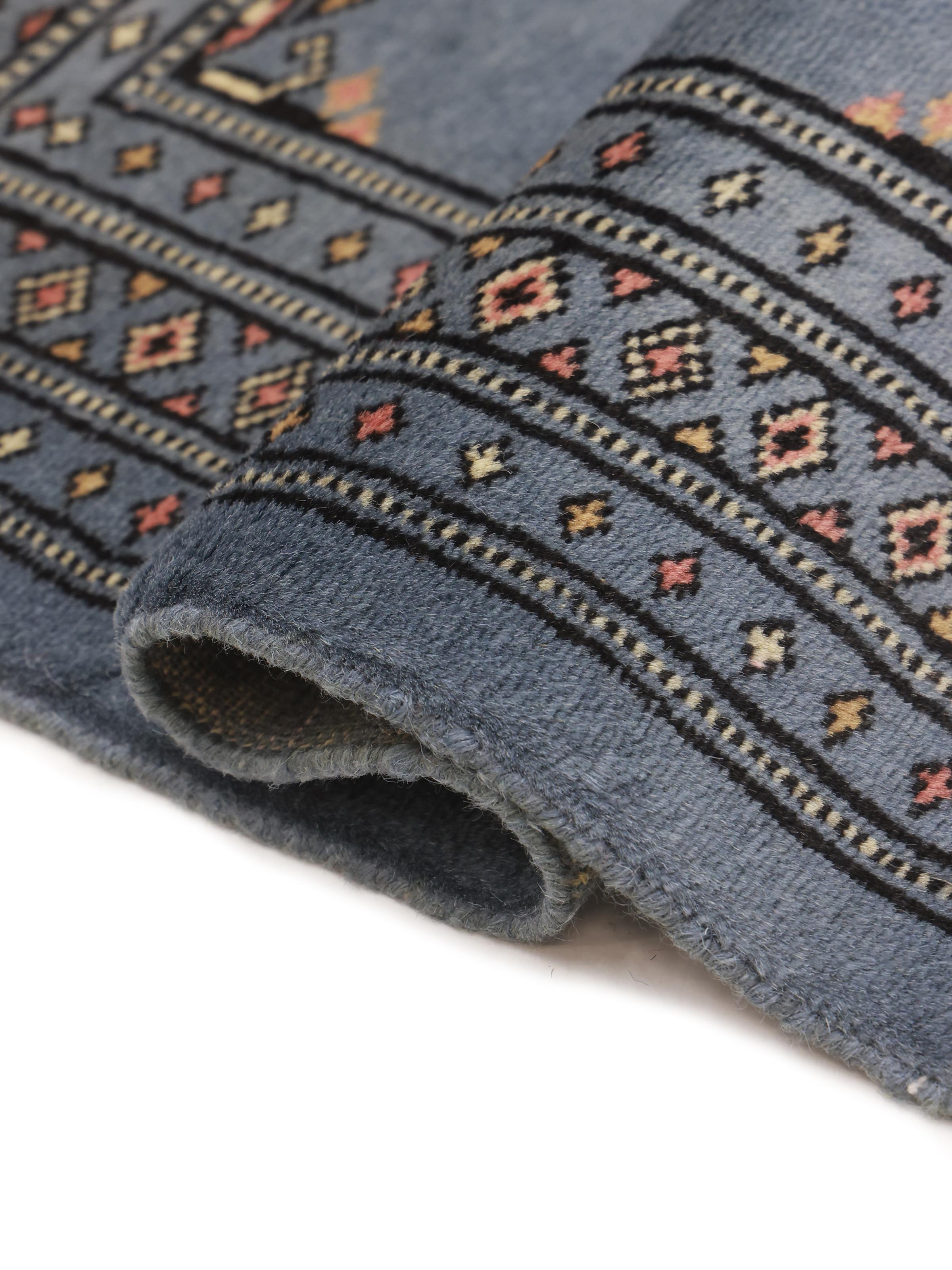
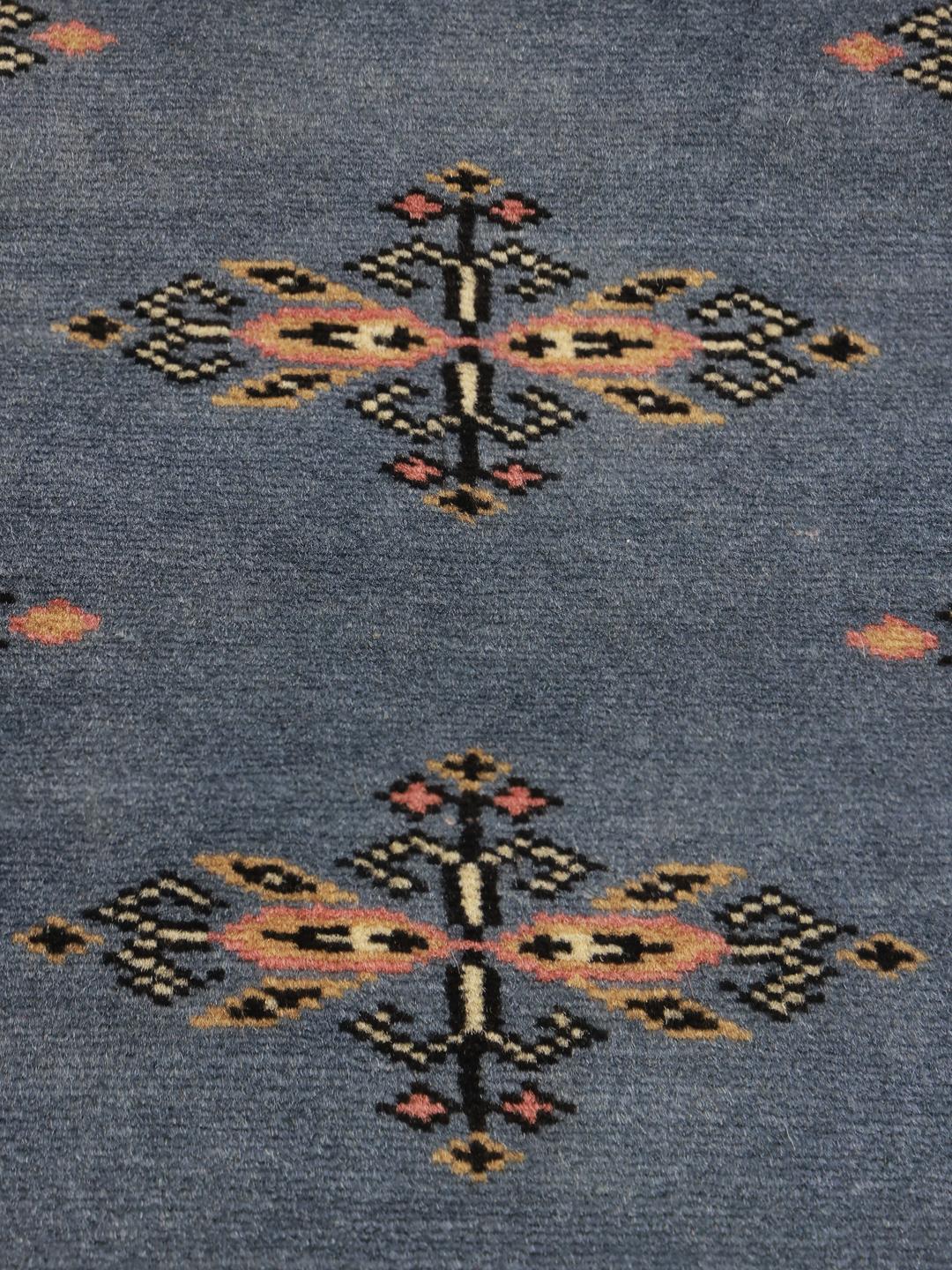
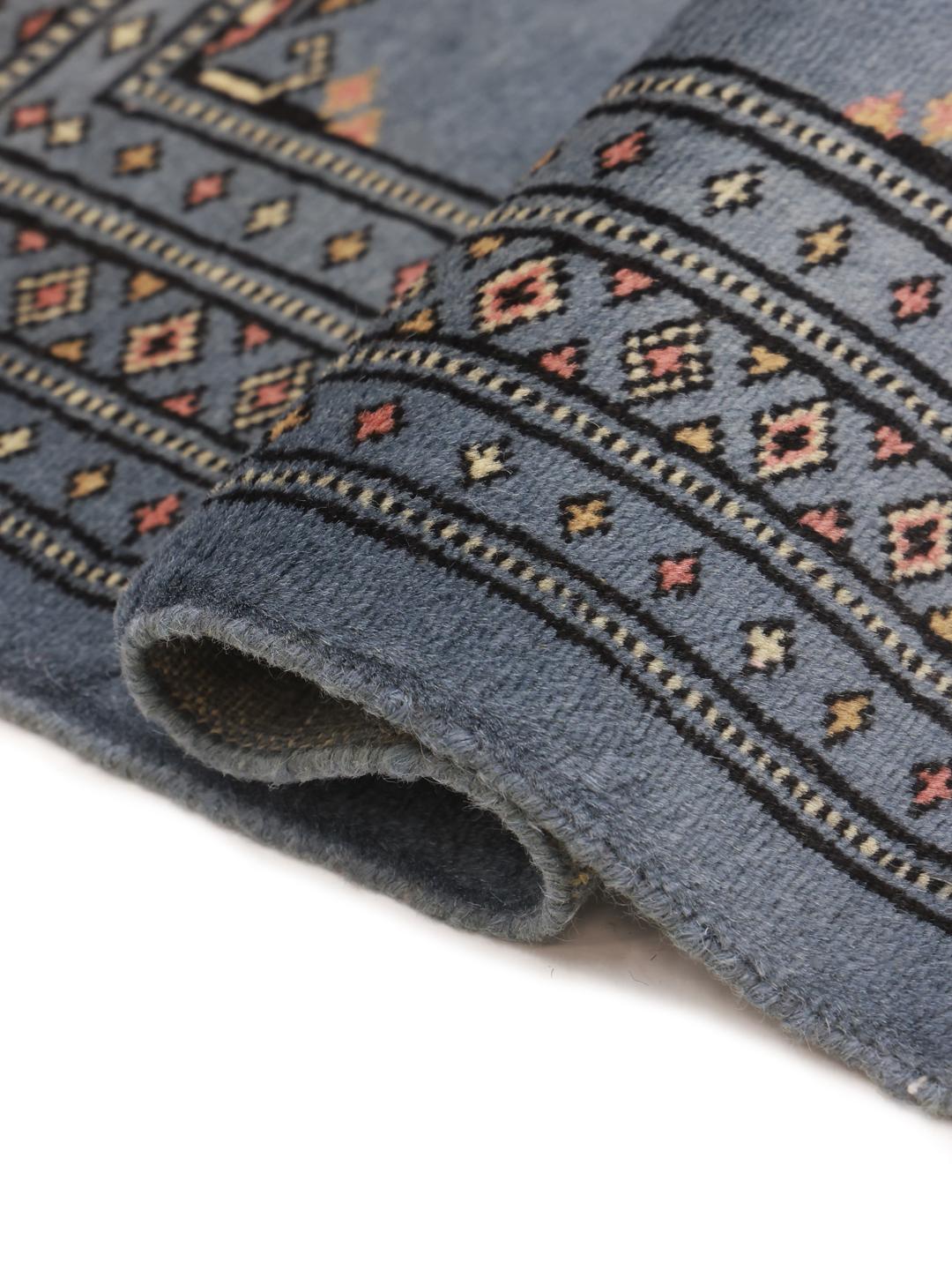
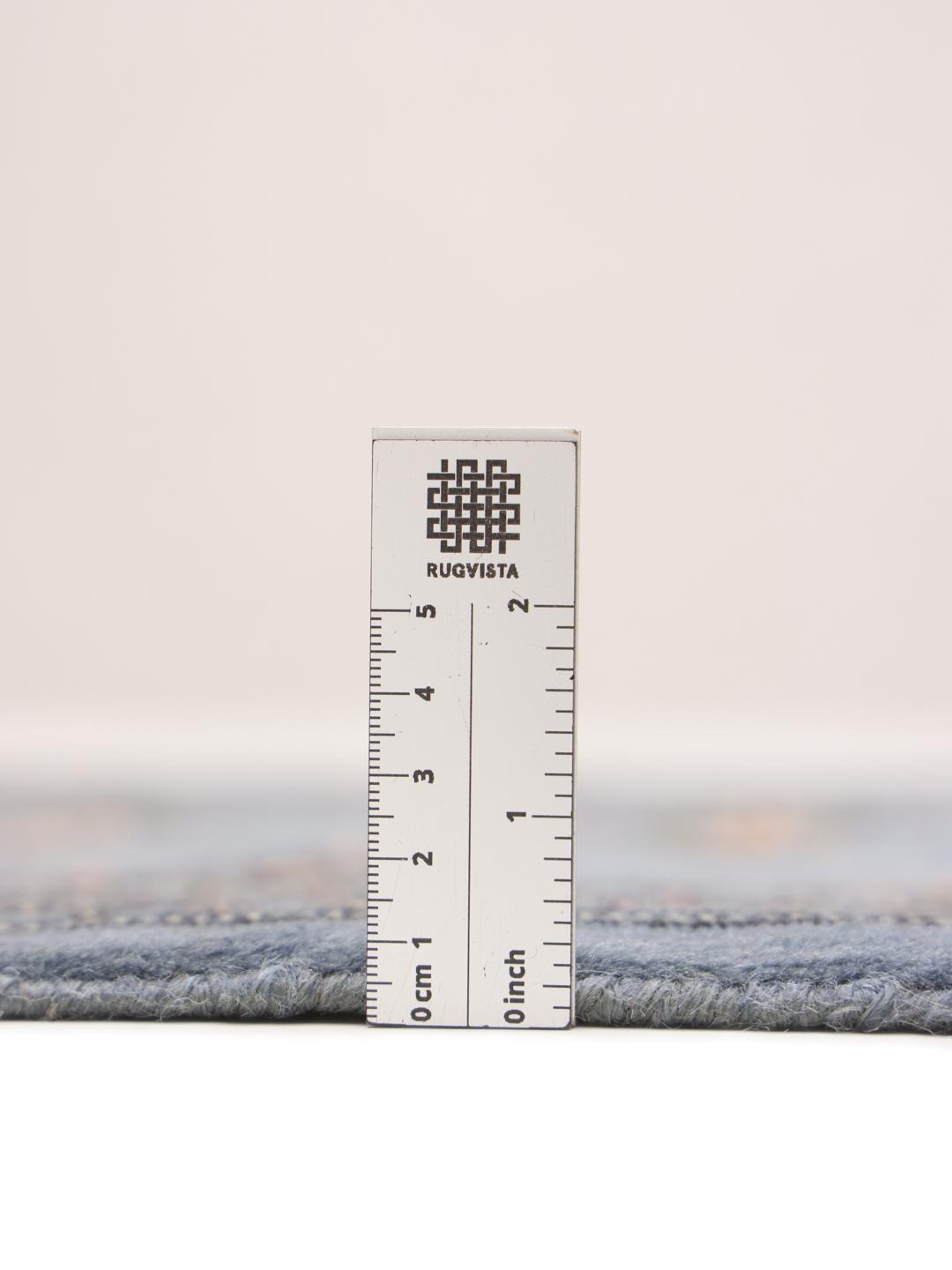
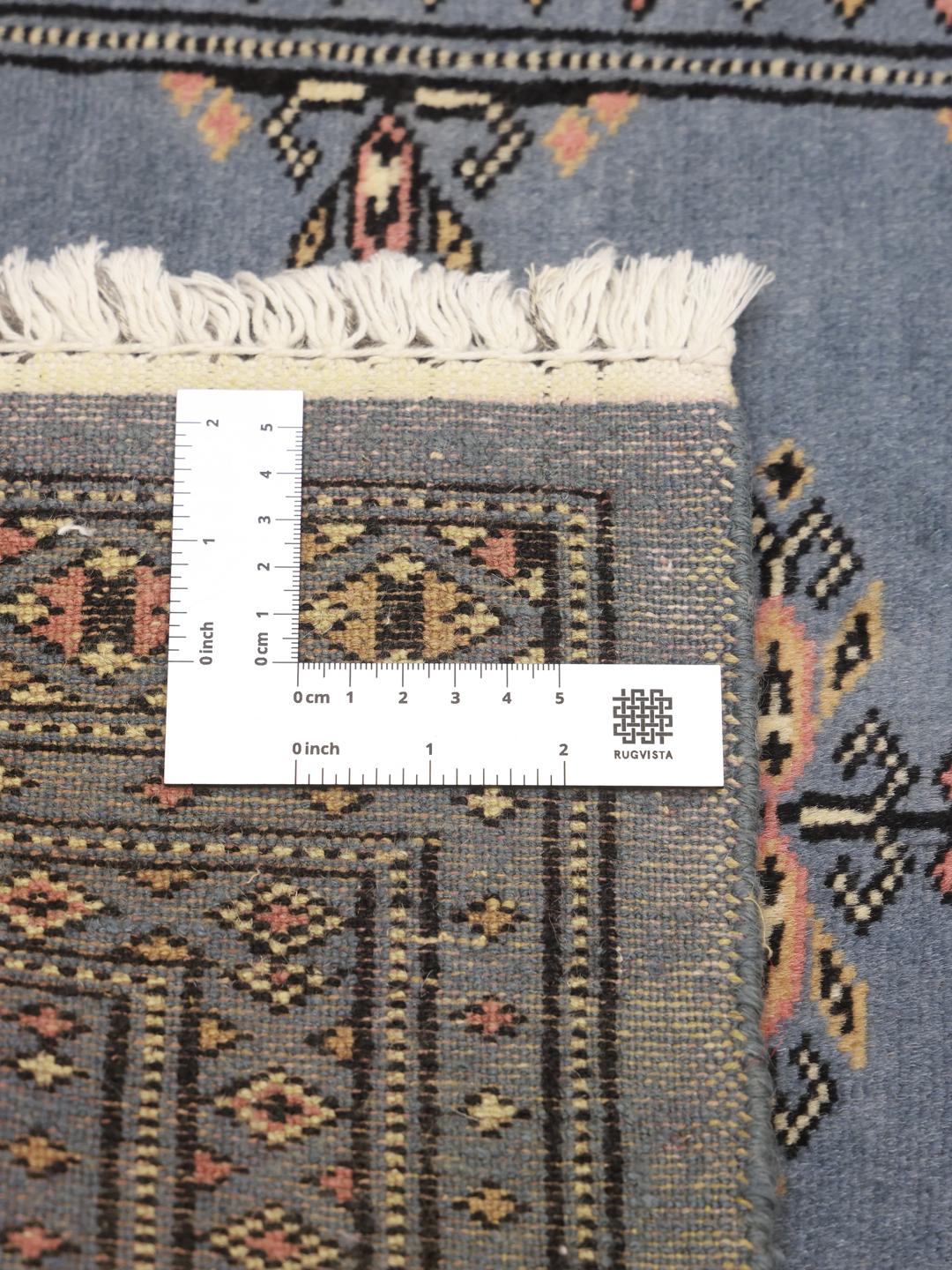
The term 2ply refers to the construction of the pile, where two individual strands of wool are twisted together before being knotted. This two-ply yarn yields a denser, more resilient, and lustrous pile compared to single-ply alternatives, ensuring the rug stands up to daily wear while keeping its soft touch.
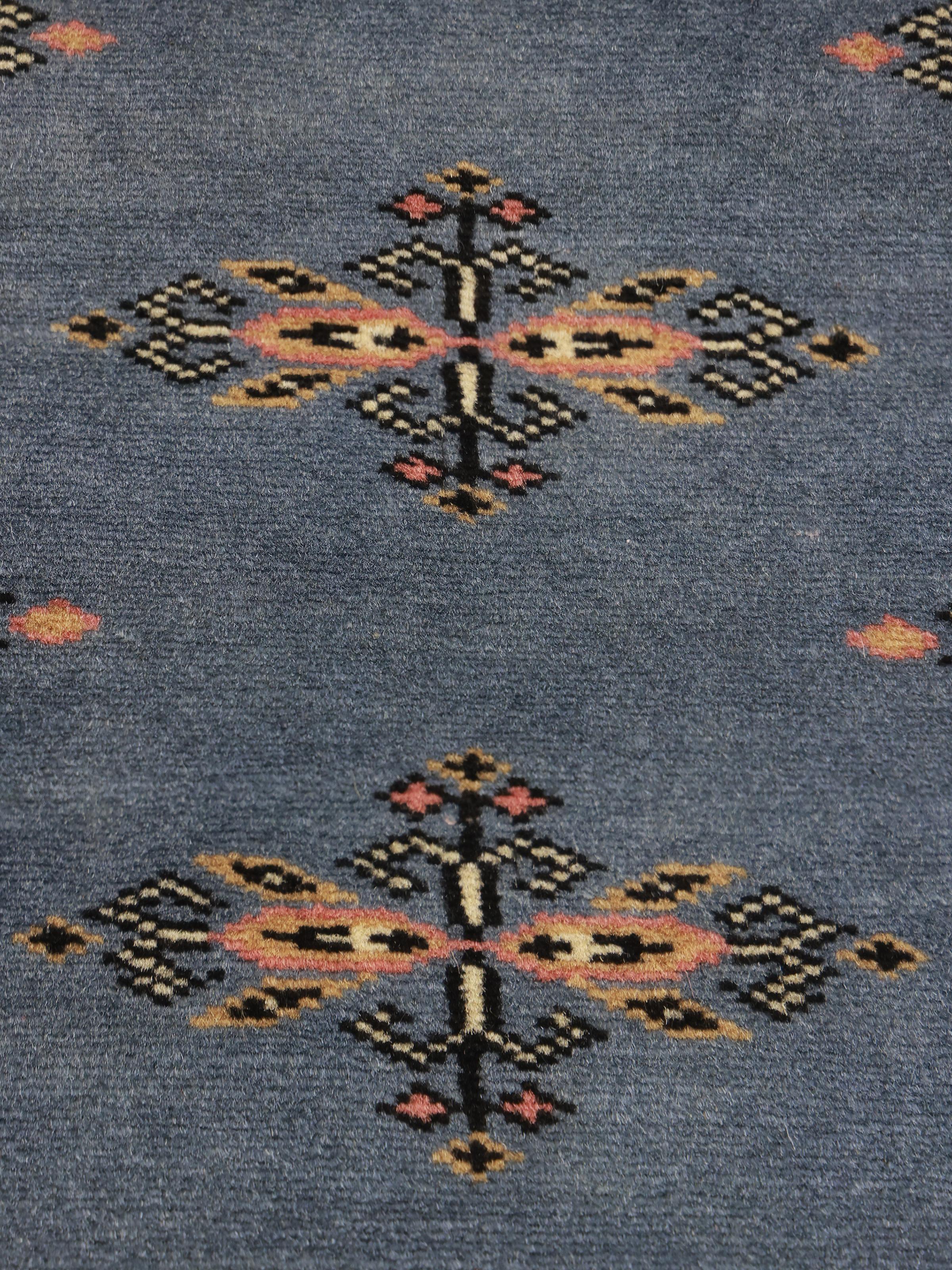
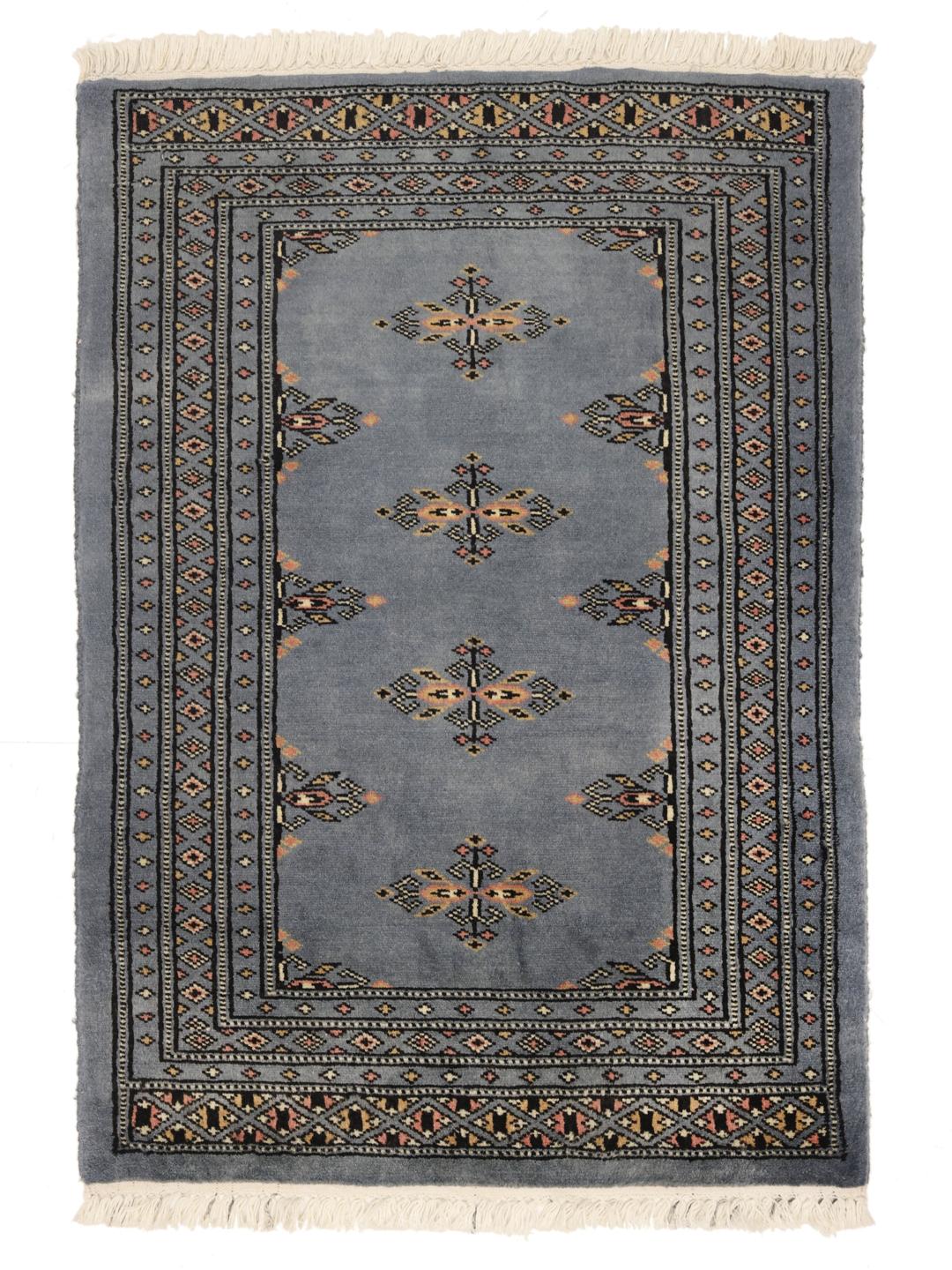
Visually, traditional Bokhara rugs are celebrated for their repeating gul motifs, which are octagonal medallions arranged in orderly rows across the field. Enclosed by structured geometric borders, these motifs draw inspiration from tribal traditions and historic symbols of hearth and home, though this particular piece offers a distinctive blue field that brings a fresh perspective to the classic pattern language.
Owning a hand-knotted rug from this tradition is a way to connect with centuries of textile artistry. Each piece represents an enduring legacy of skill, patience, and cultural heritage, offering collectors and home enthusiasts alike a tangible piece of history designed to be lived with and cherished.