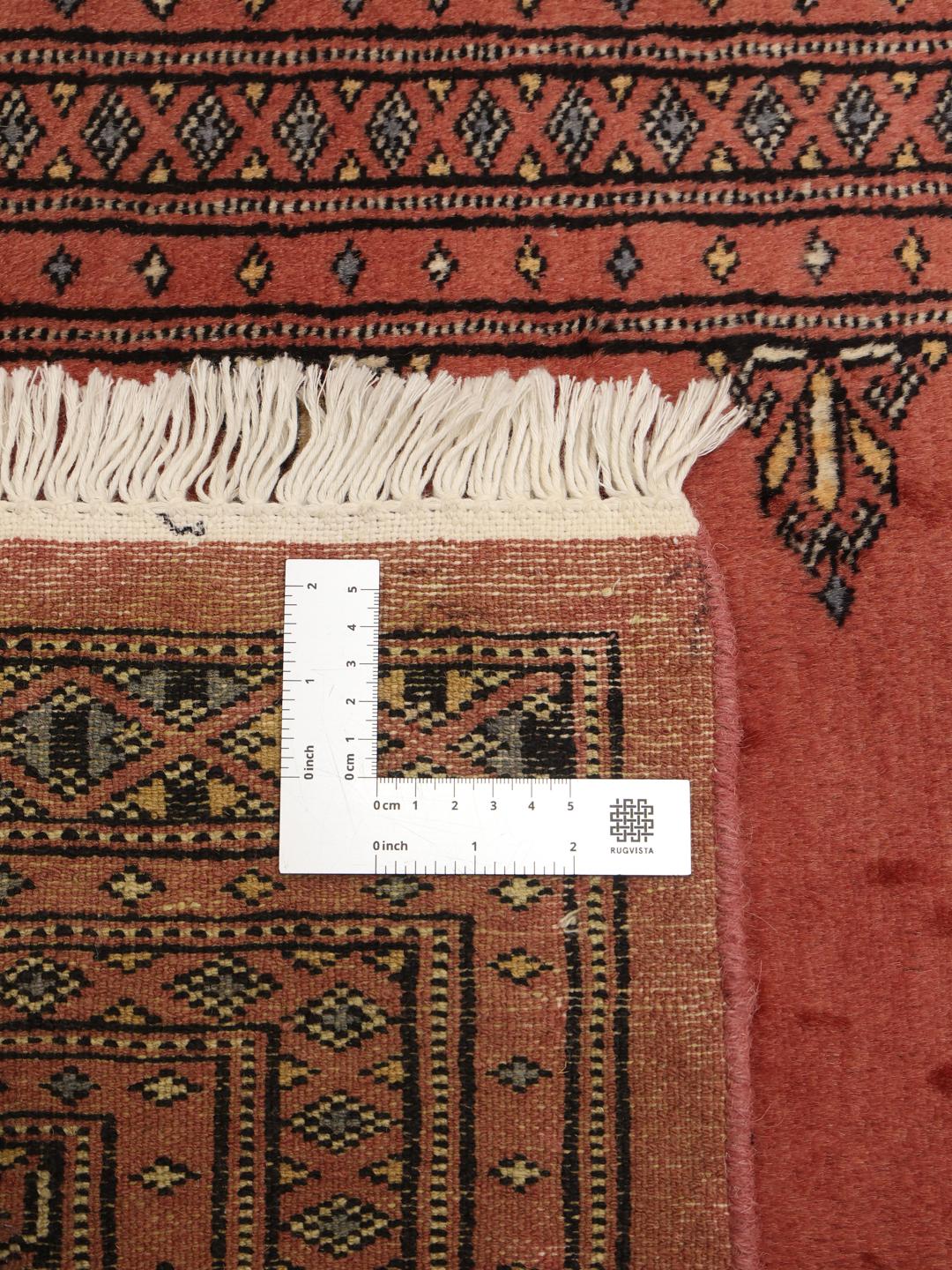
Bokhara rugs take their name from the ancient Silk Road city of Bukhara in Central Asia, historically a major trading hub for nomadic and settled weavers.
While the design lineage traces back to these Central Asian roots, the finest contemporary examples of the tradition are woven in Pakistan, where master artisans continue to refine the craft.
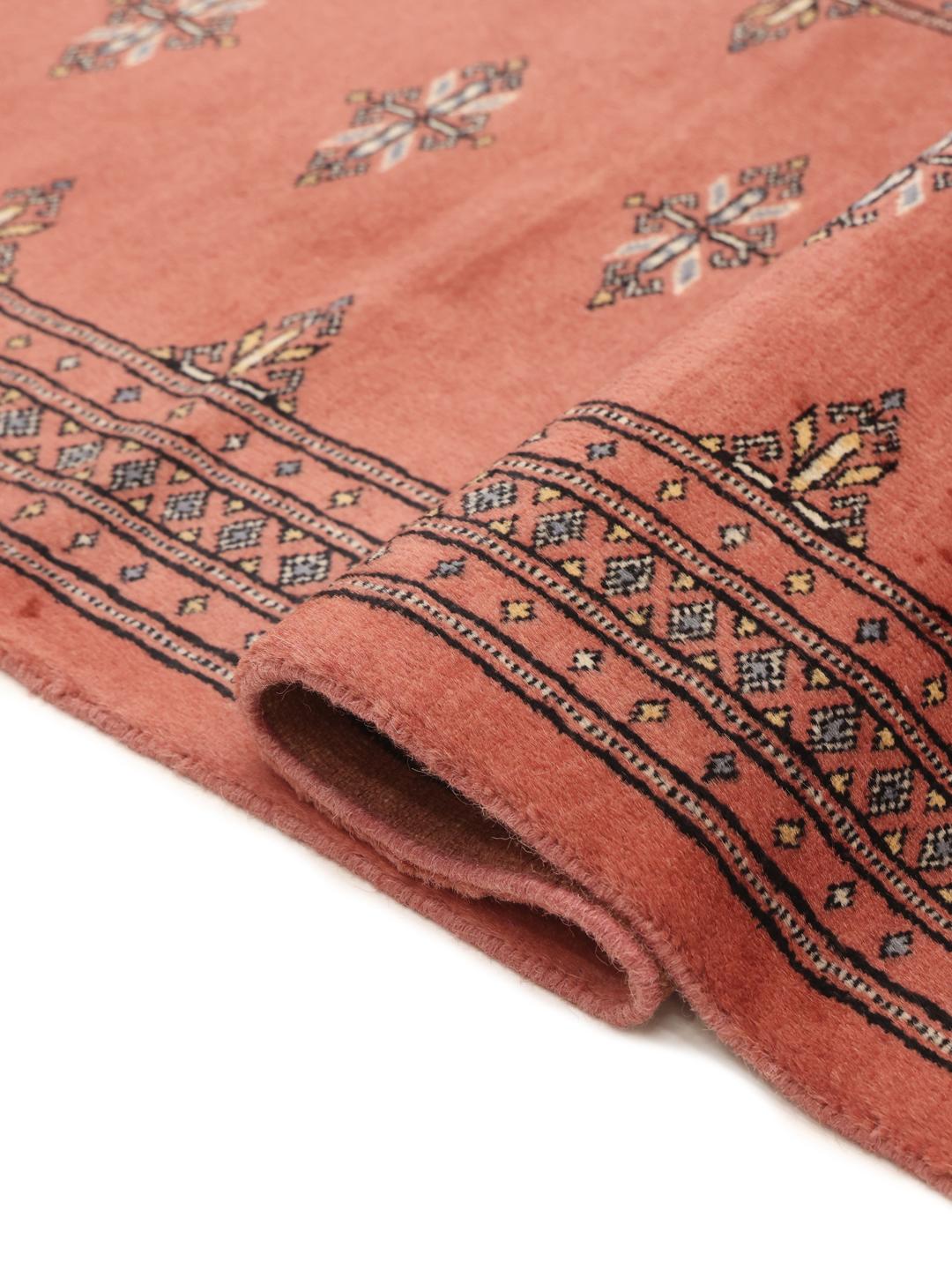
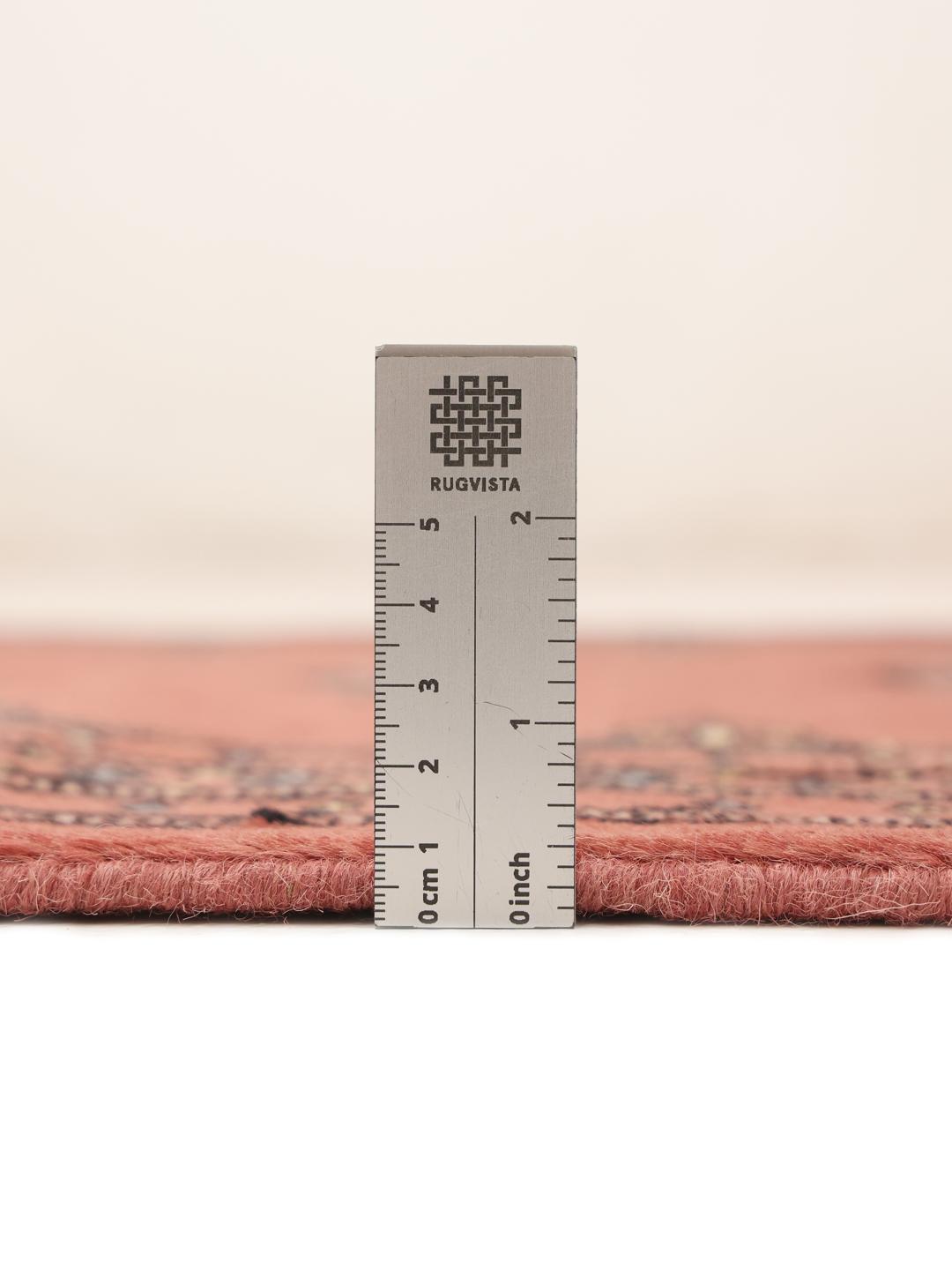
The 2ply designation in this rug means the pile is constructed using two strands of wool twisted together before knotting.
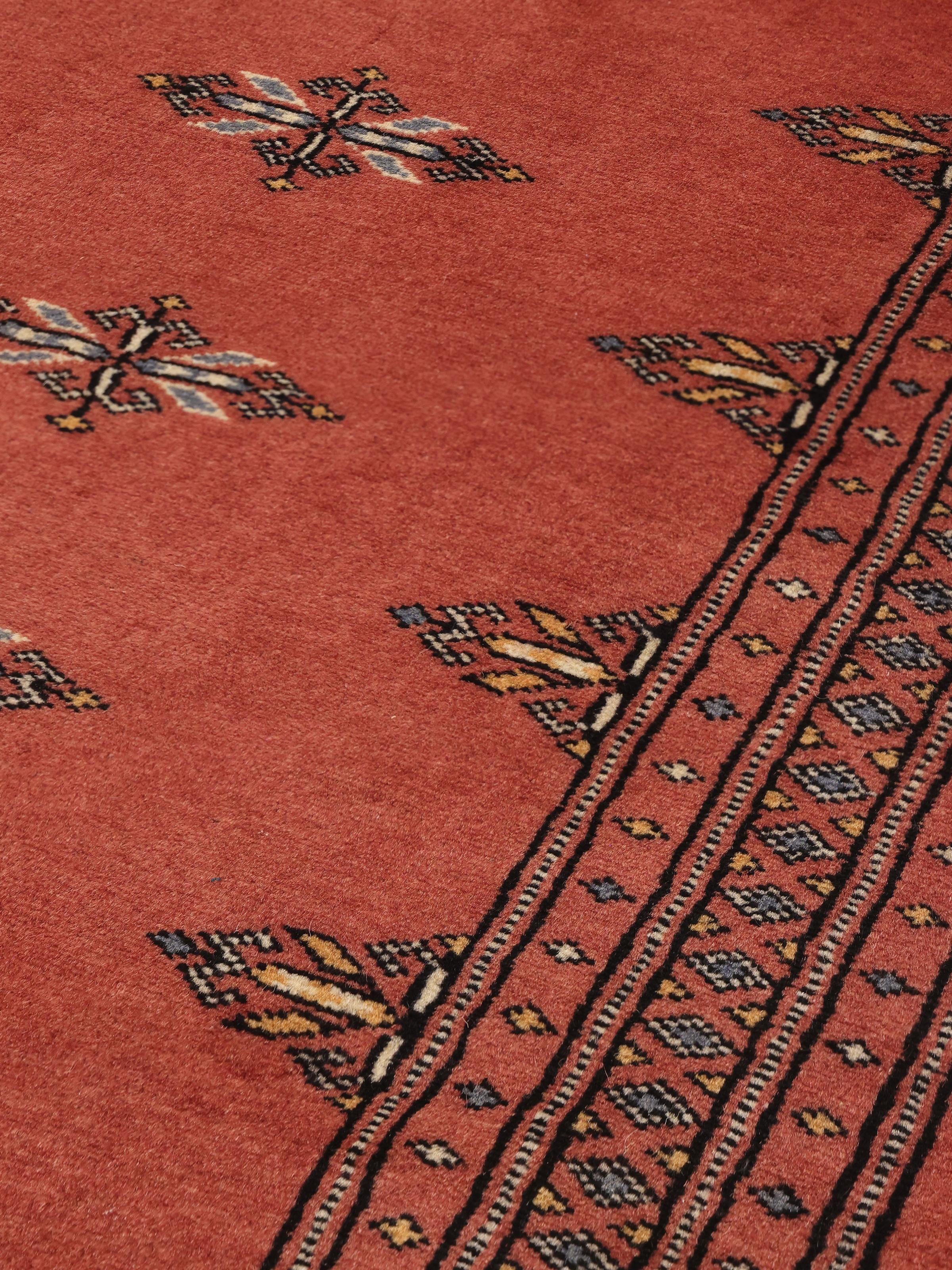
This technique produces a denser, more resilient, and lustrous pile compared to single-ply alternatives, ensuring the rug stands up to daily wear while retaining its soft sheen.
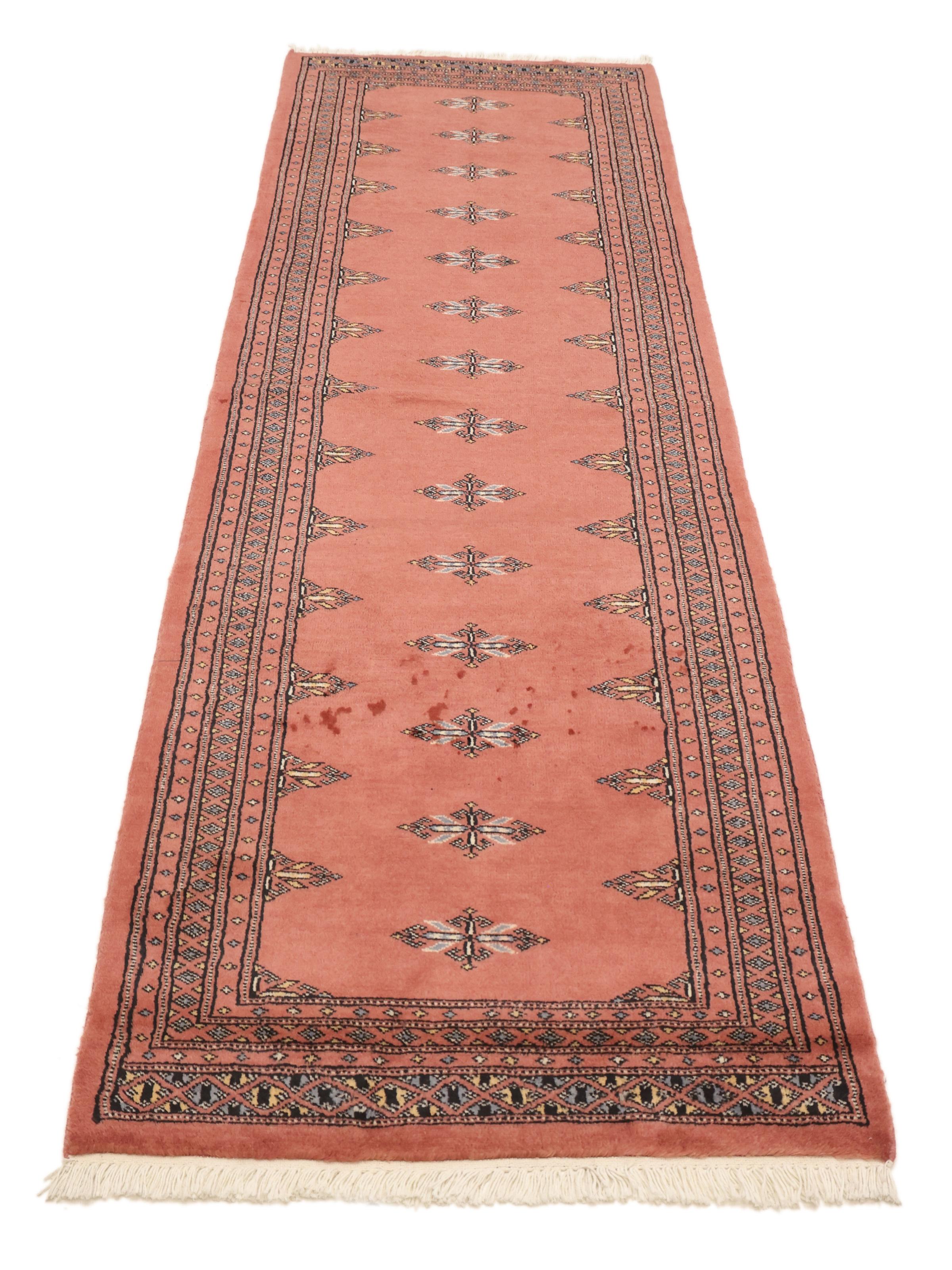
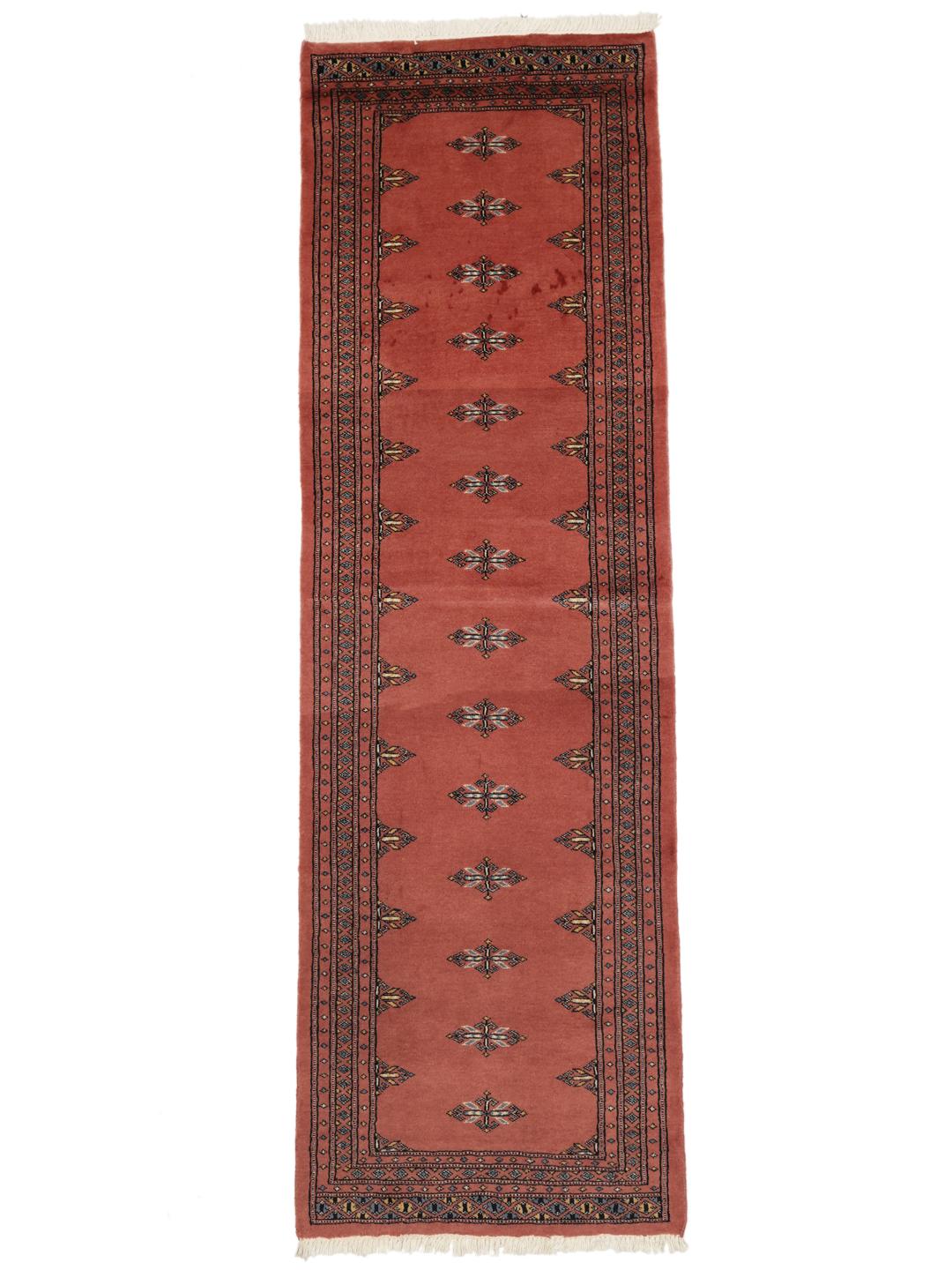
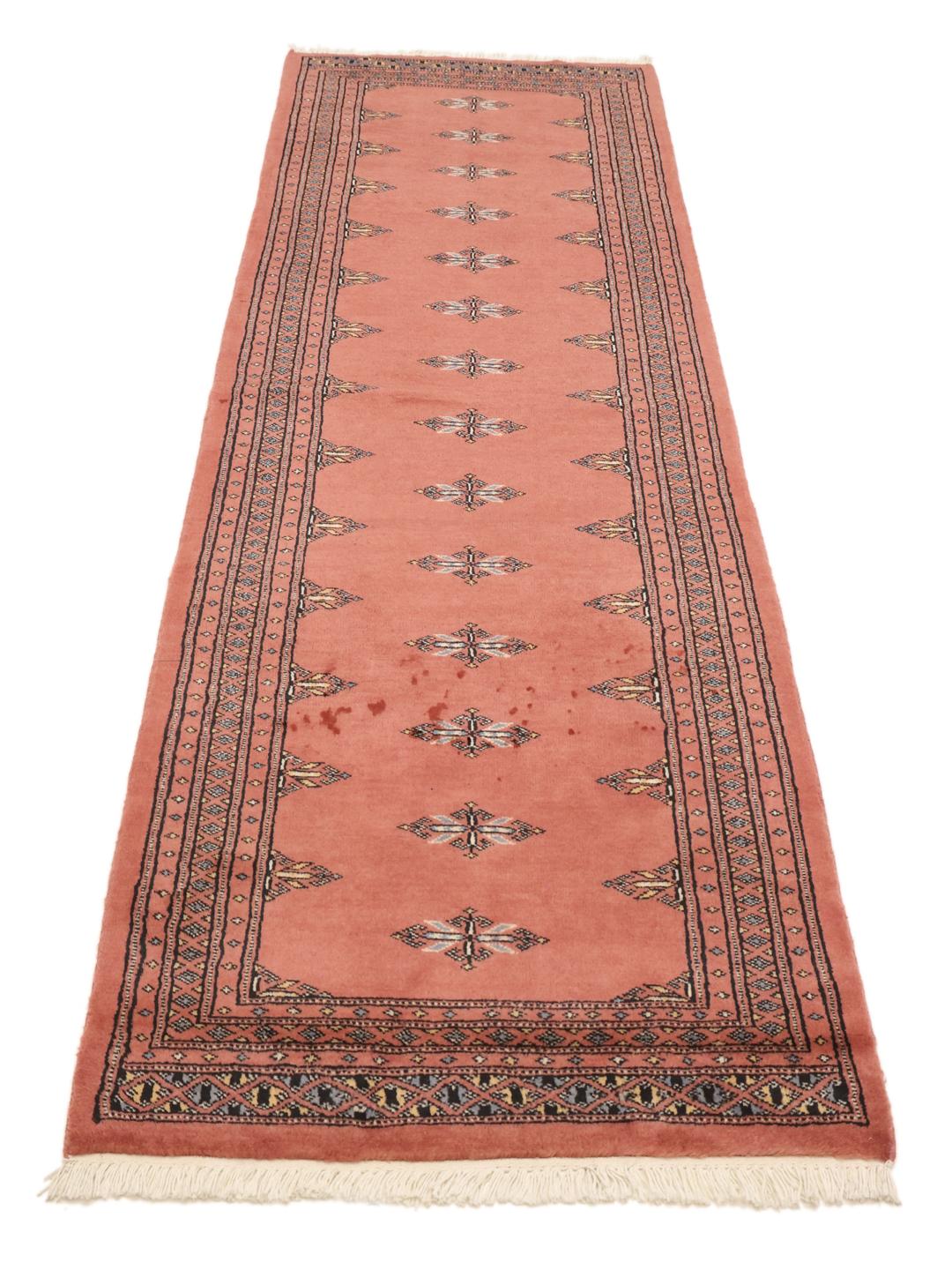
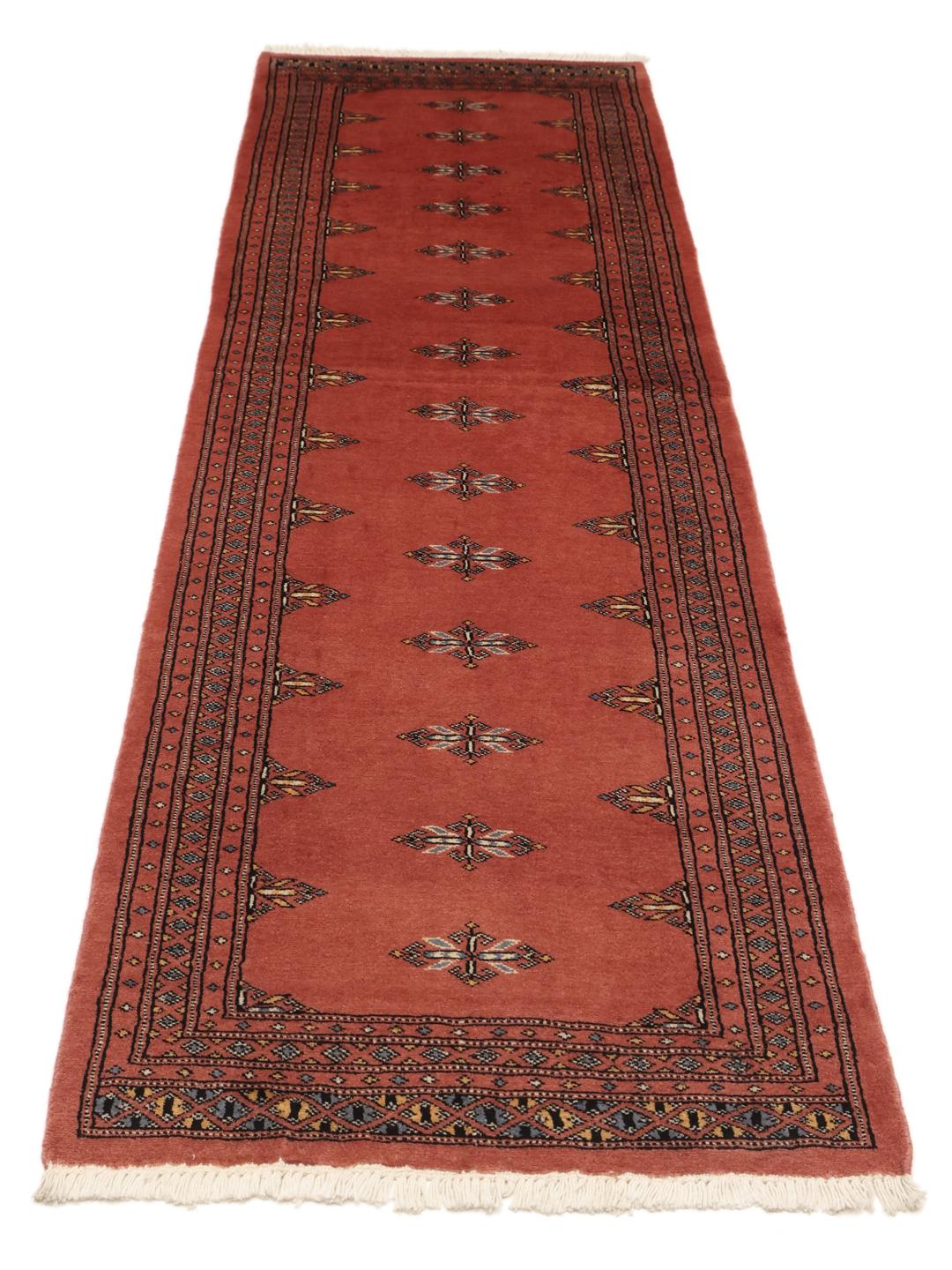
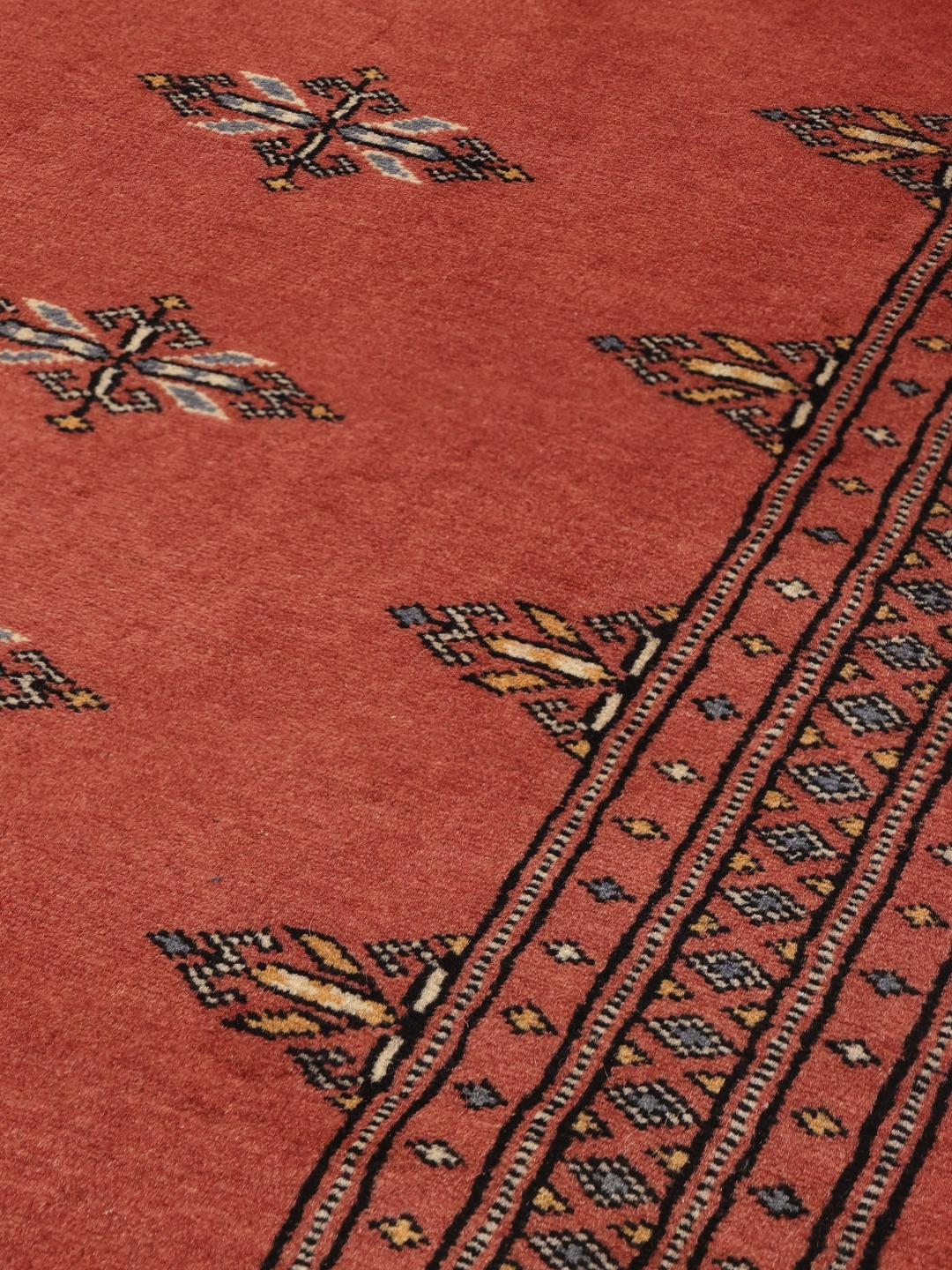
The visual language of Bokhara rugs is defined by repeating gul motifs, which are octagonal or elephant-foot shaped medallions arranged in orderly rows.
These central field patterns are framed by formal geometric borders that anchor the design with traditional symmetry and balance.
Owning a hand-knotted rug from this tradition represents a connection to centuries of textile heritage and human skill.
Collectors and homeowners value these pieces for their cultural weight, authentic materials, and the enduring quality of a craft passed down through generations.