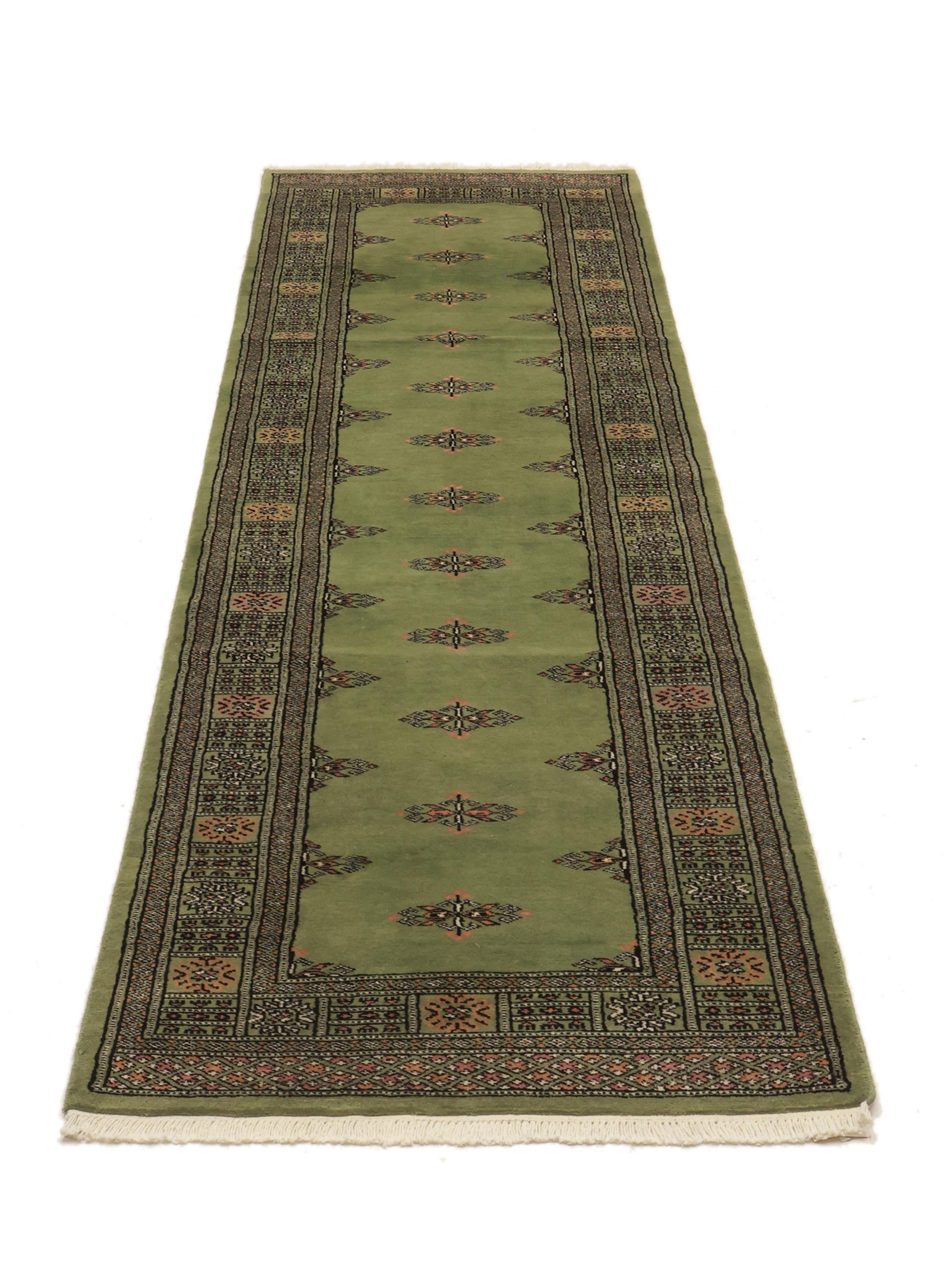
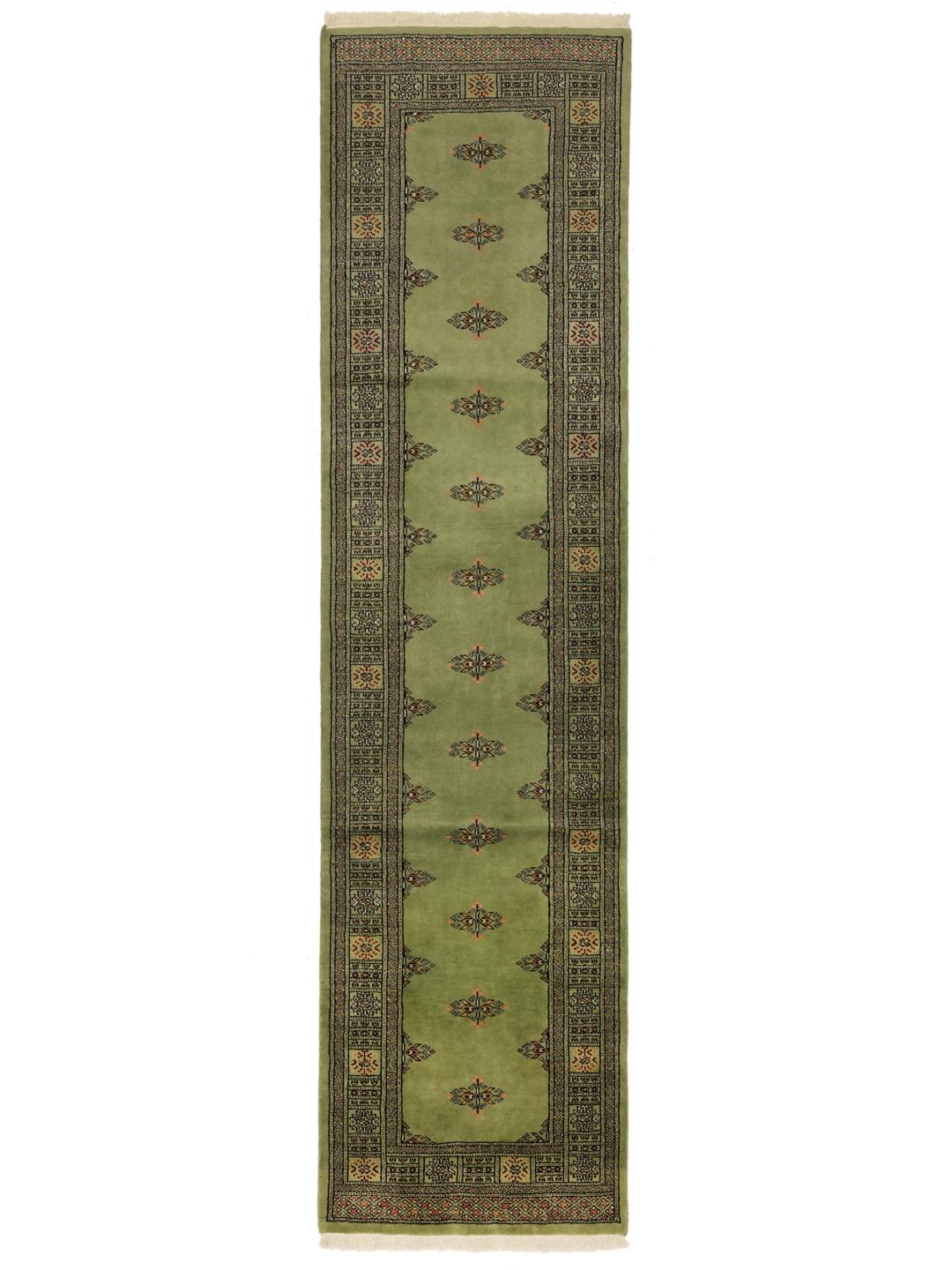
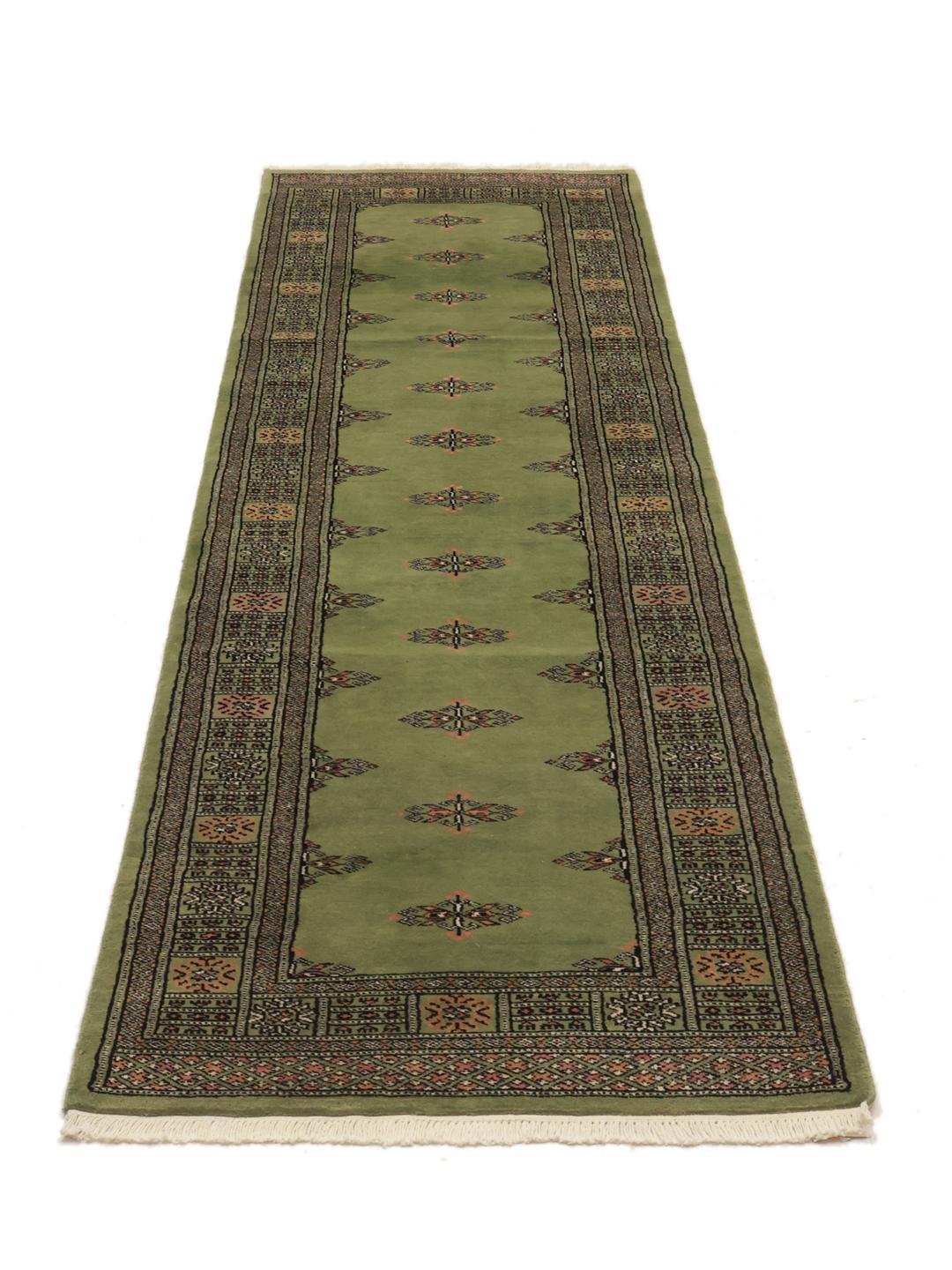
Bokhara rugs take their name from the ancient Silk Road city of Bukhara in Central Asia, which historically served as a major trading hub for nomadic and village weaving traditions. Over generations, weavers migrated and brought these distinctive designs south into Pakistan, where the craft of weaving fine wool floor coverings flourished and evolved into the esteemed tradition seen today.
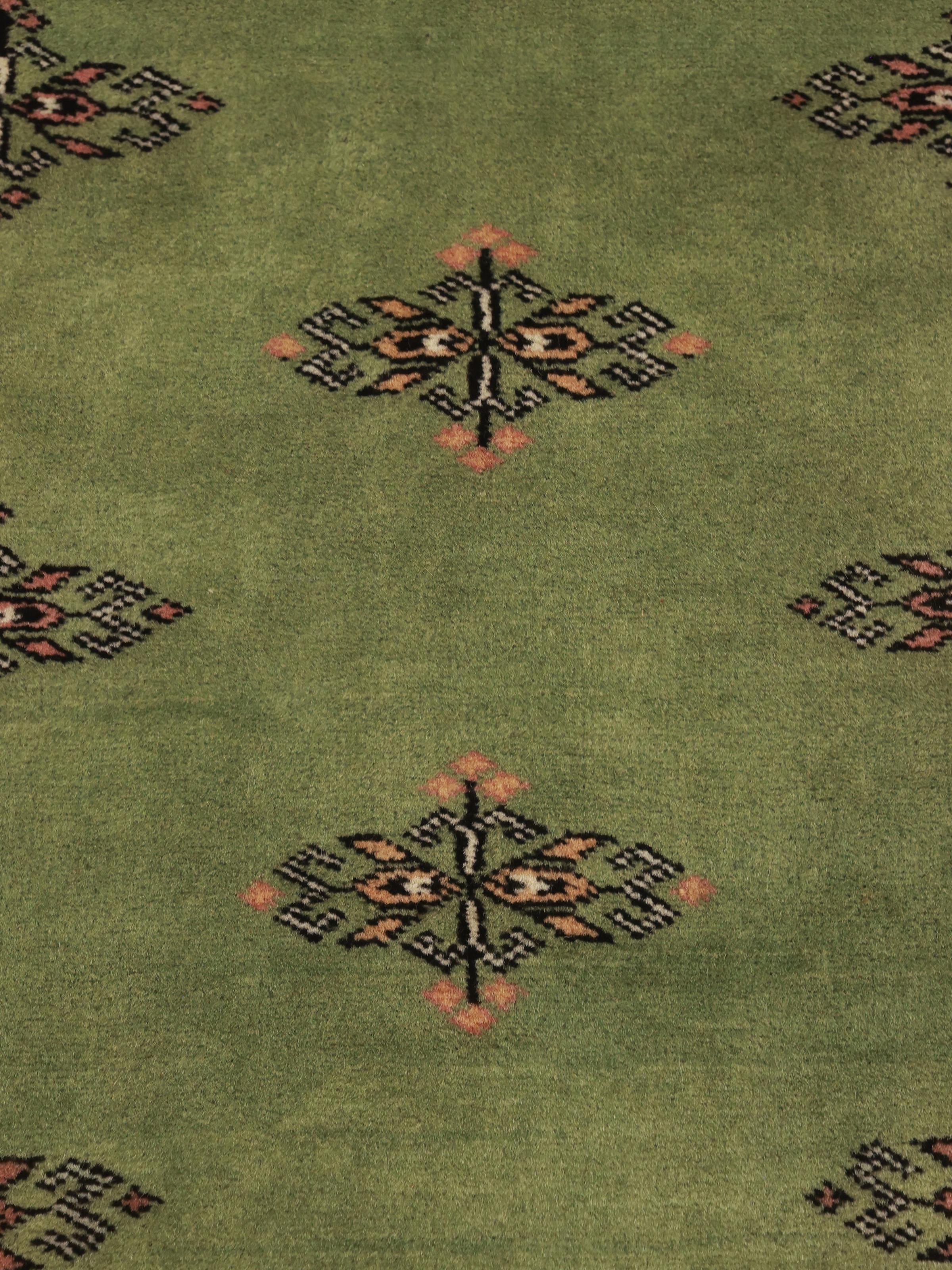
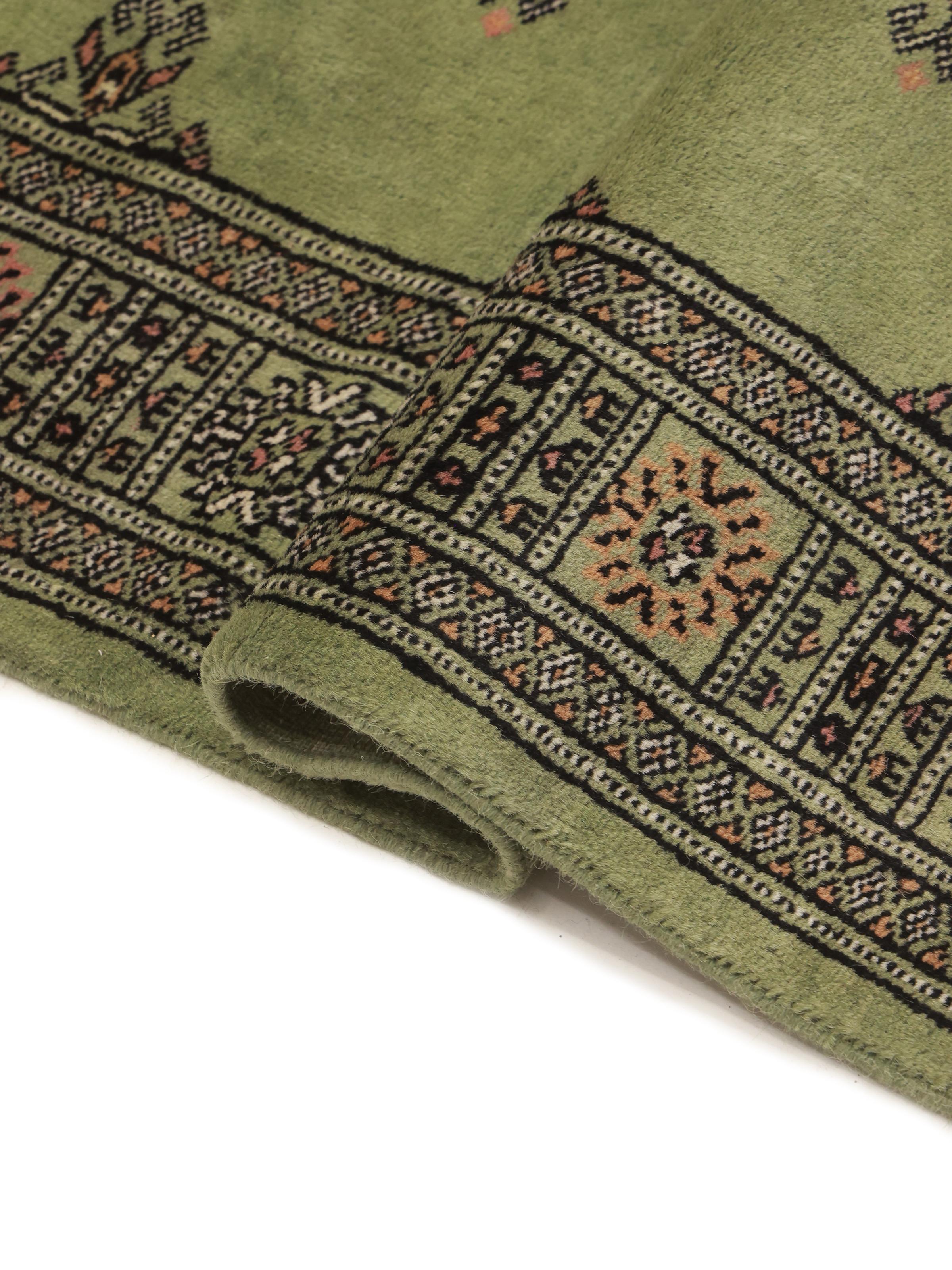
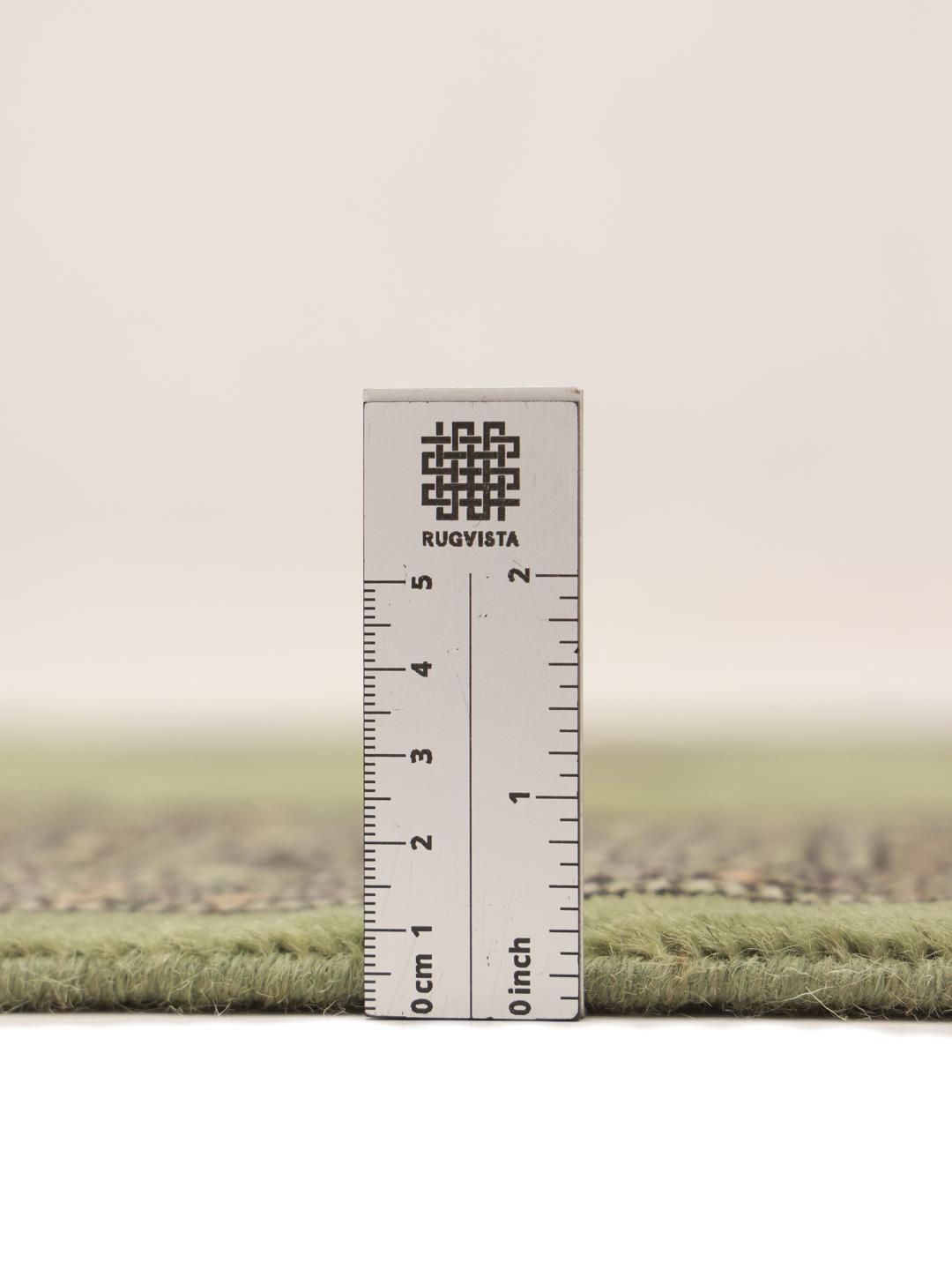
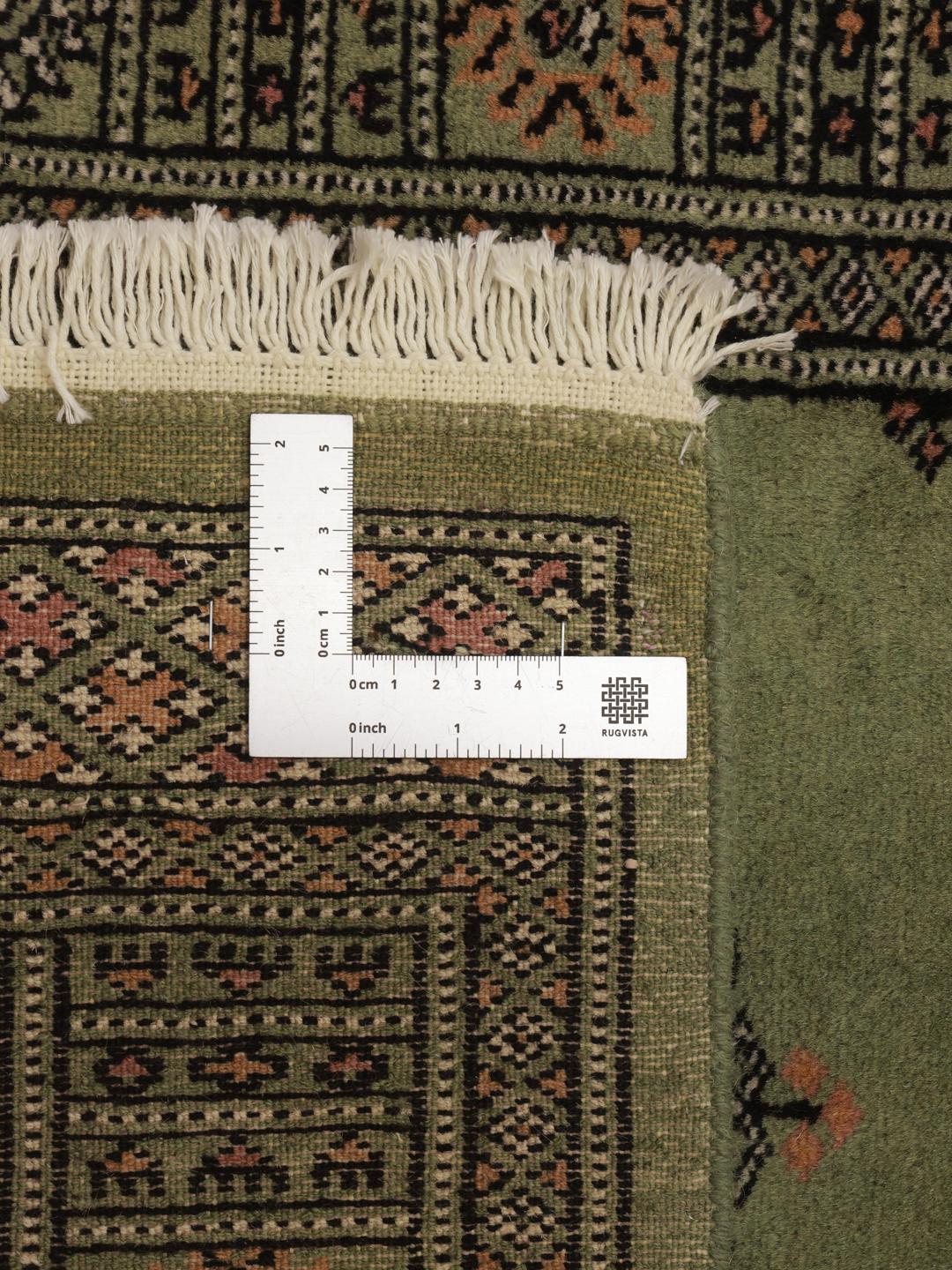
The 2ply designation in this rug refers to the construction of the pile yarn, where two individual strands of wool are twisted together before being knotted. This two-ply twist creates a stronger, denser, and more resilient pile than a single-ply yarn, allowing the wool to stand upright, resist crushing, and retain its inviting look and feel over many years.
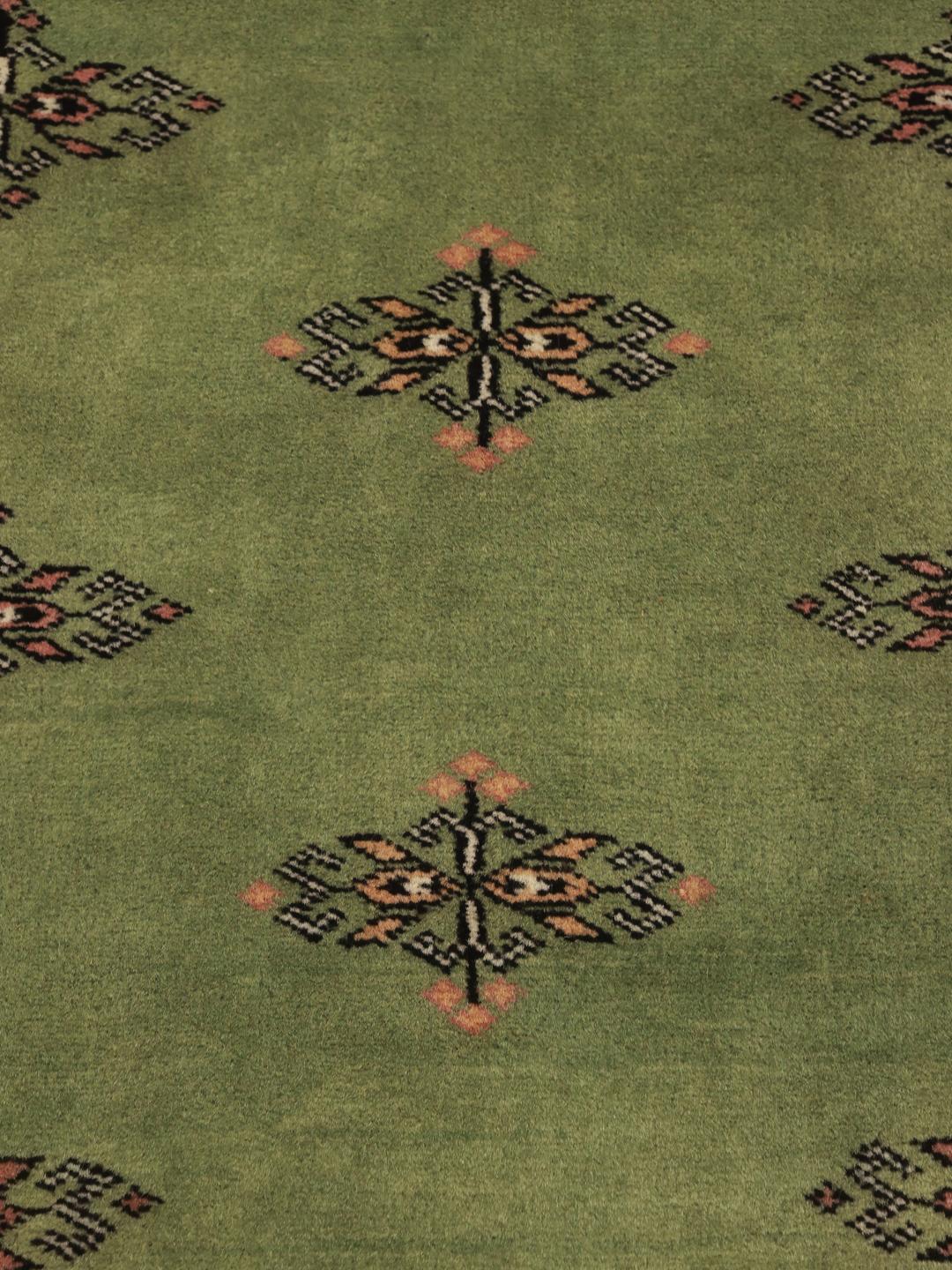
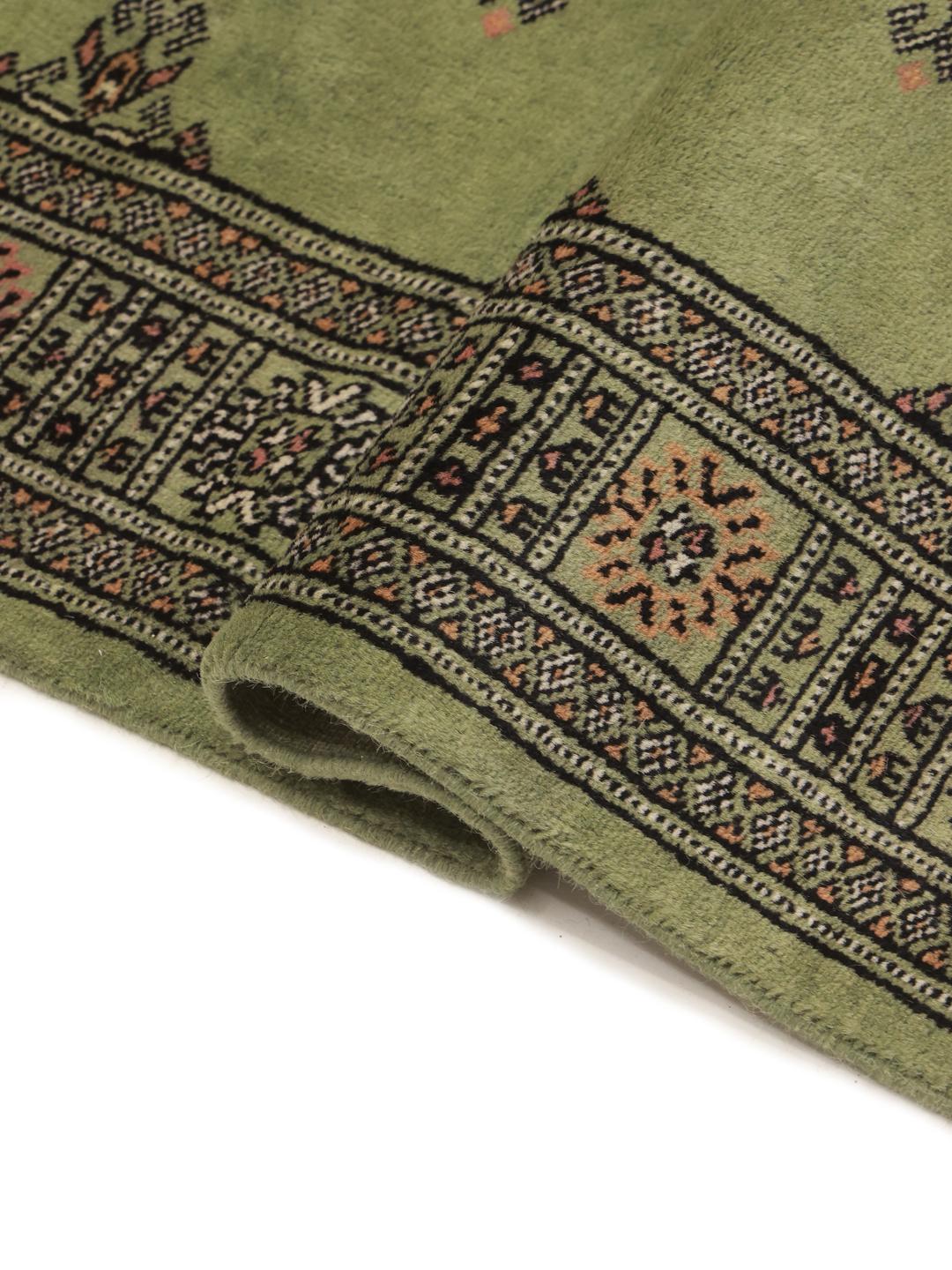
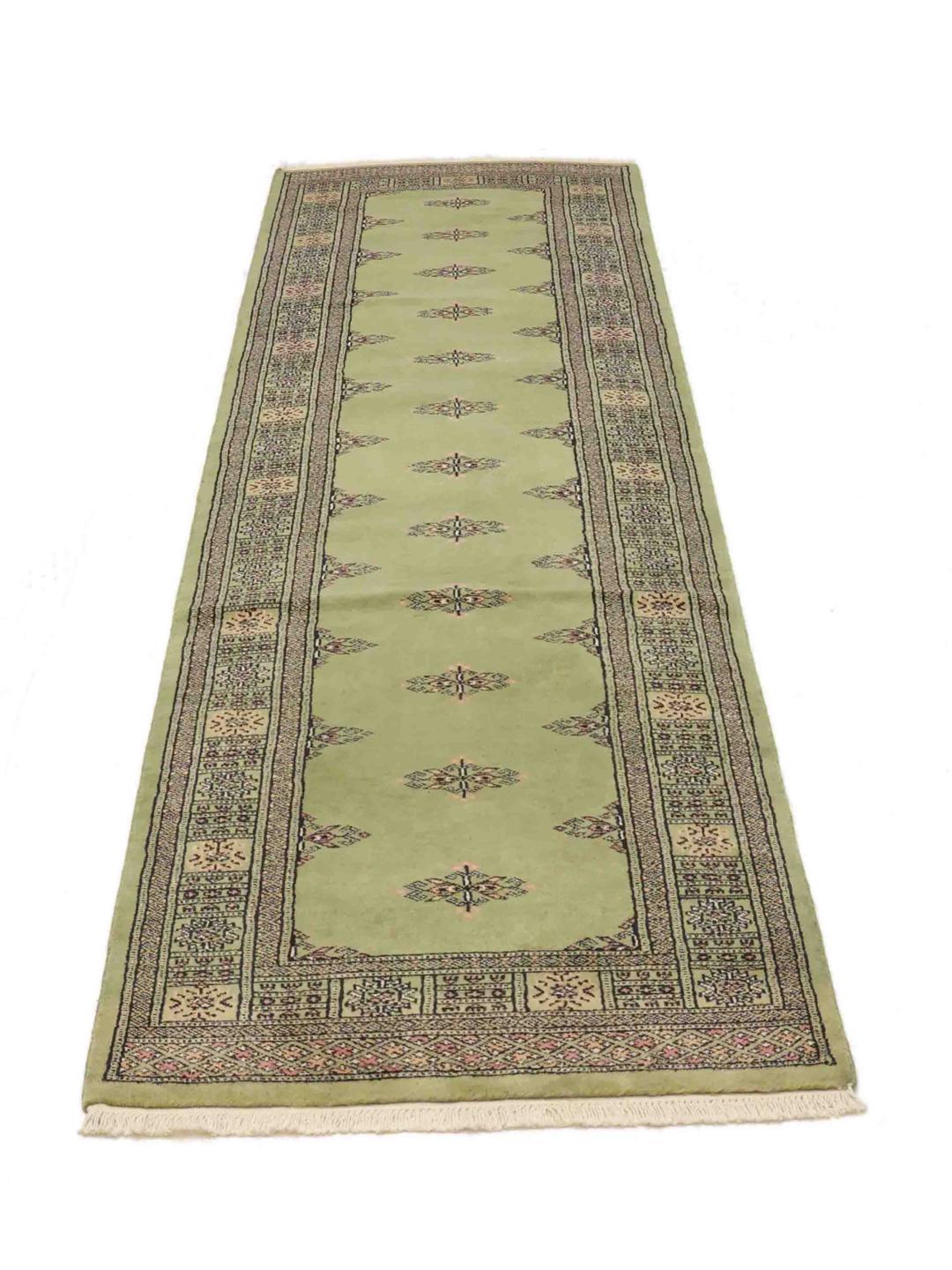
The visual language of this tradition is defined by repeating gul motifs, which are octagonal or elephant-foot shaped medallions arranged in orderly rows across the green field. These central symbols are typically framed by geometric borders that enclose the field, creating a balanced, harmonious composition rooted in centuries of design heritage.
Collecting a rug from this tradition means acquiring a piece of living cultural history built on specialised artisanal skills. Owning such a handcrafted item connects your modern living space to ancient nomadic artistry, offering lasting beauty and genuine craftsmanship that stands apart from mass production.