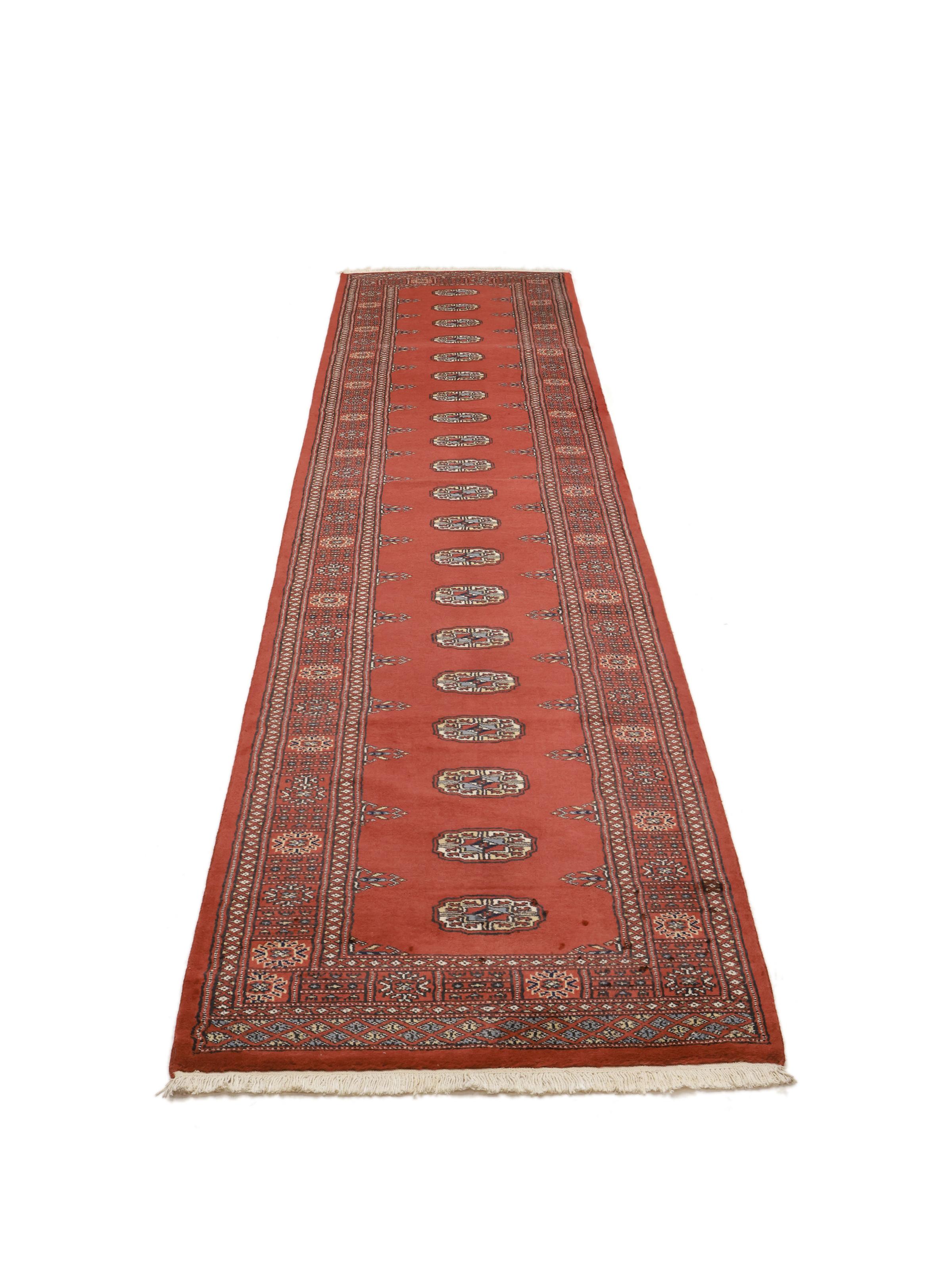
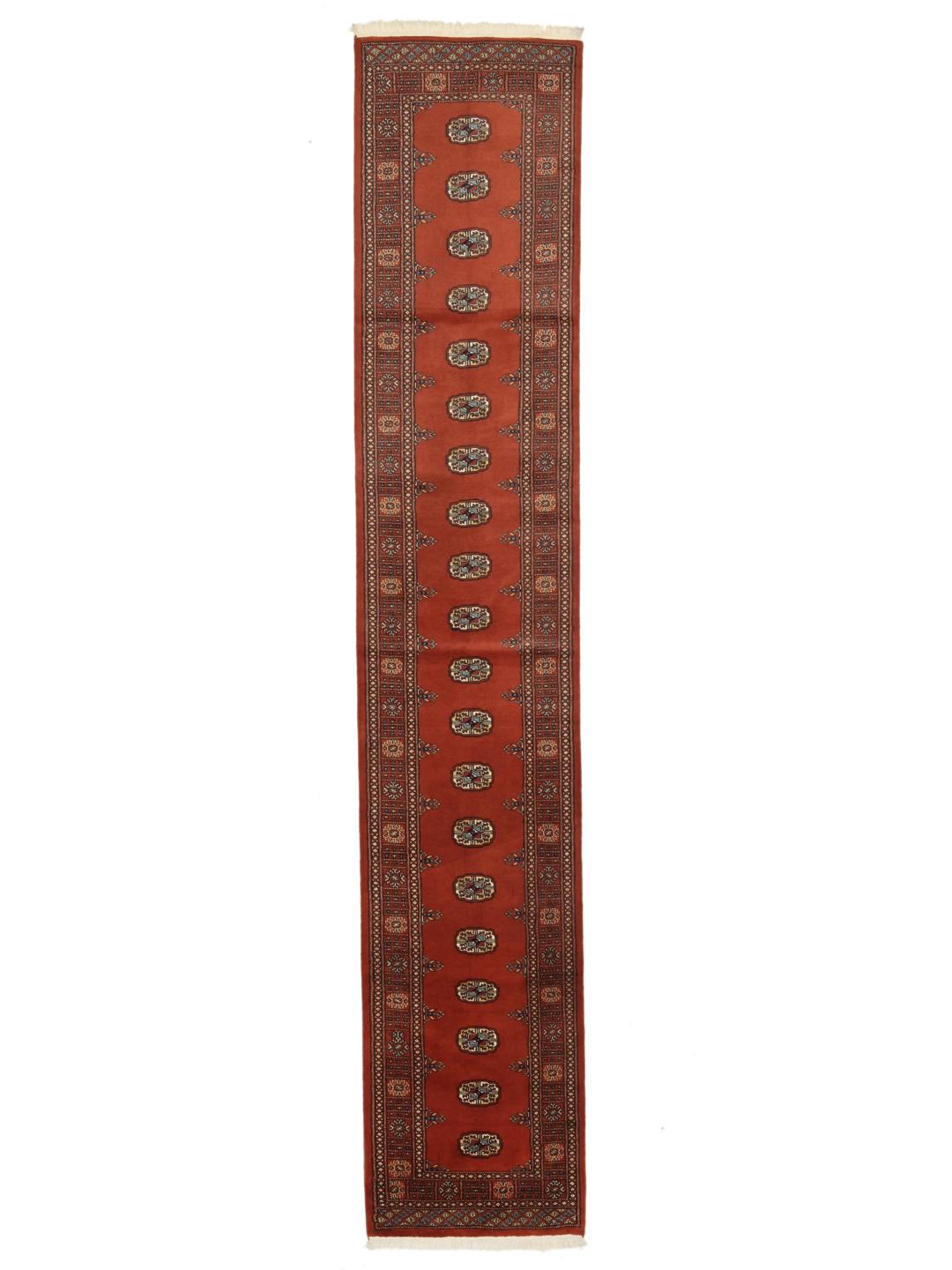
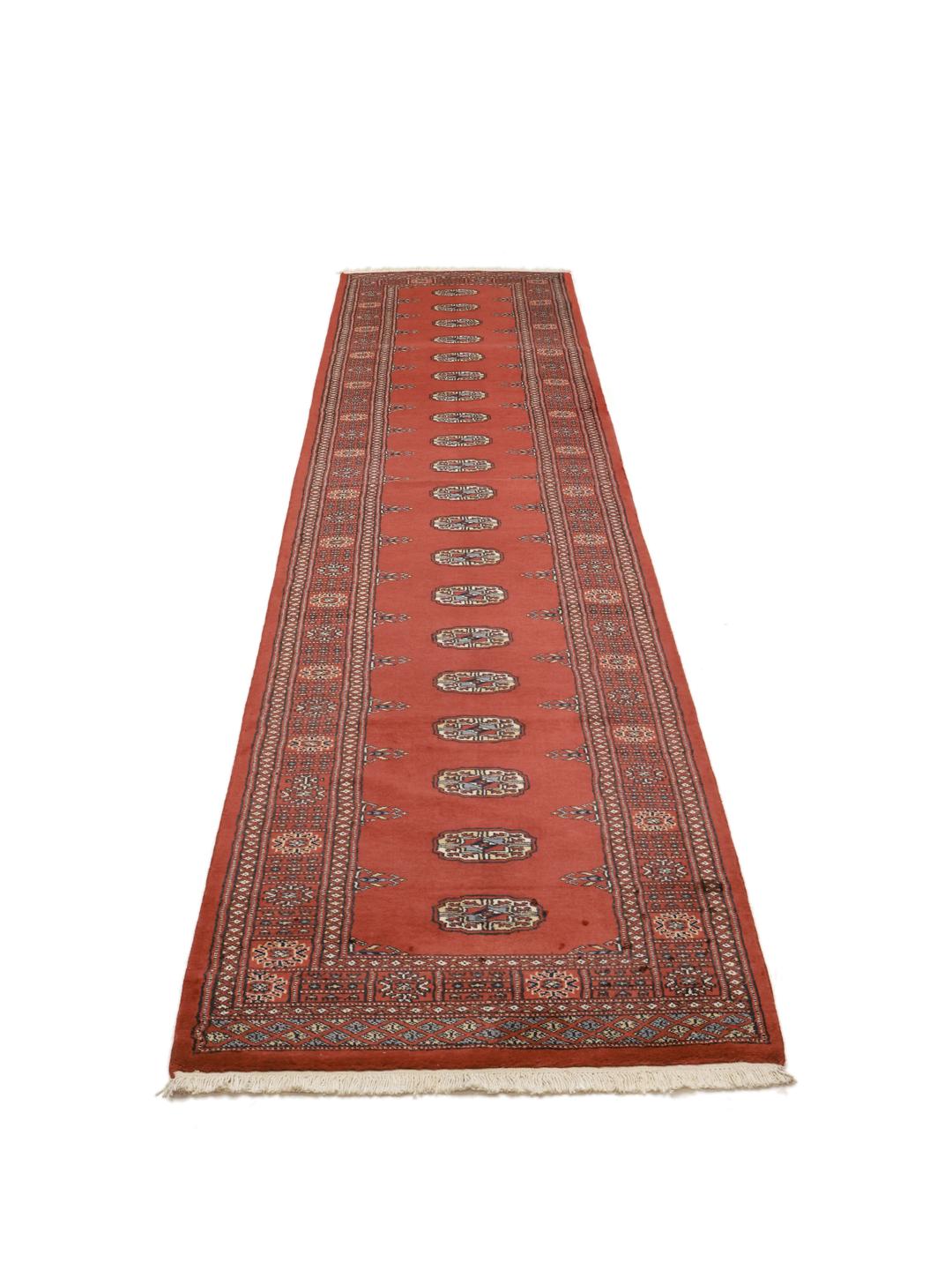
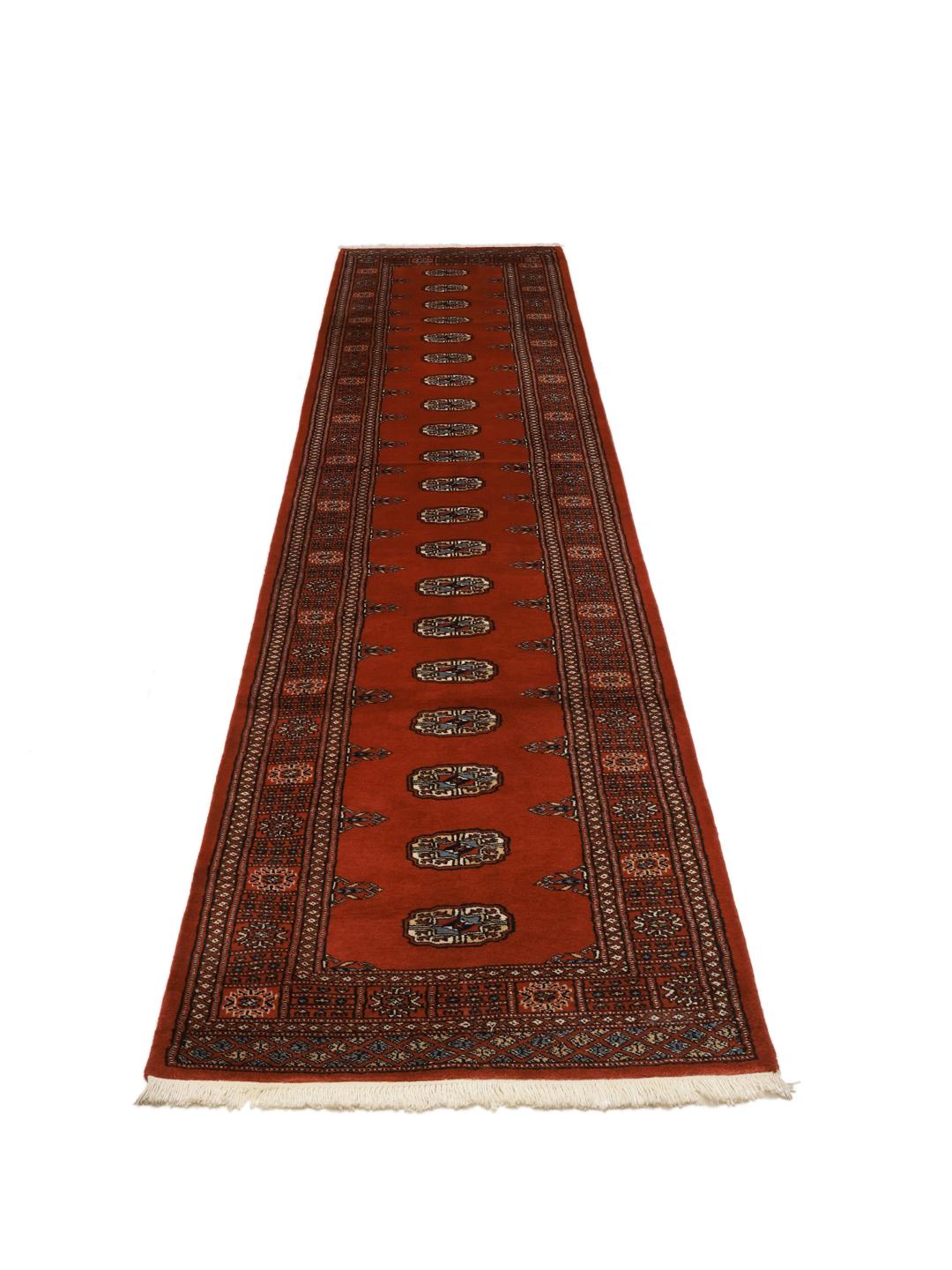
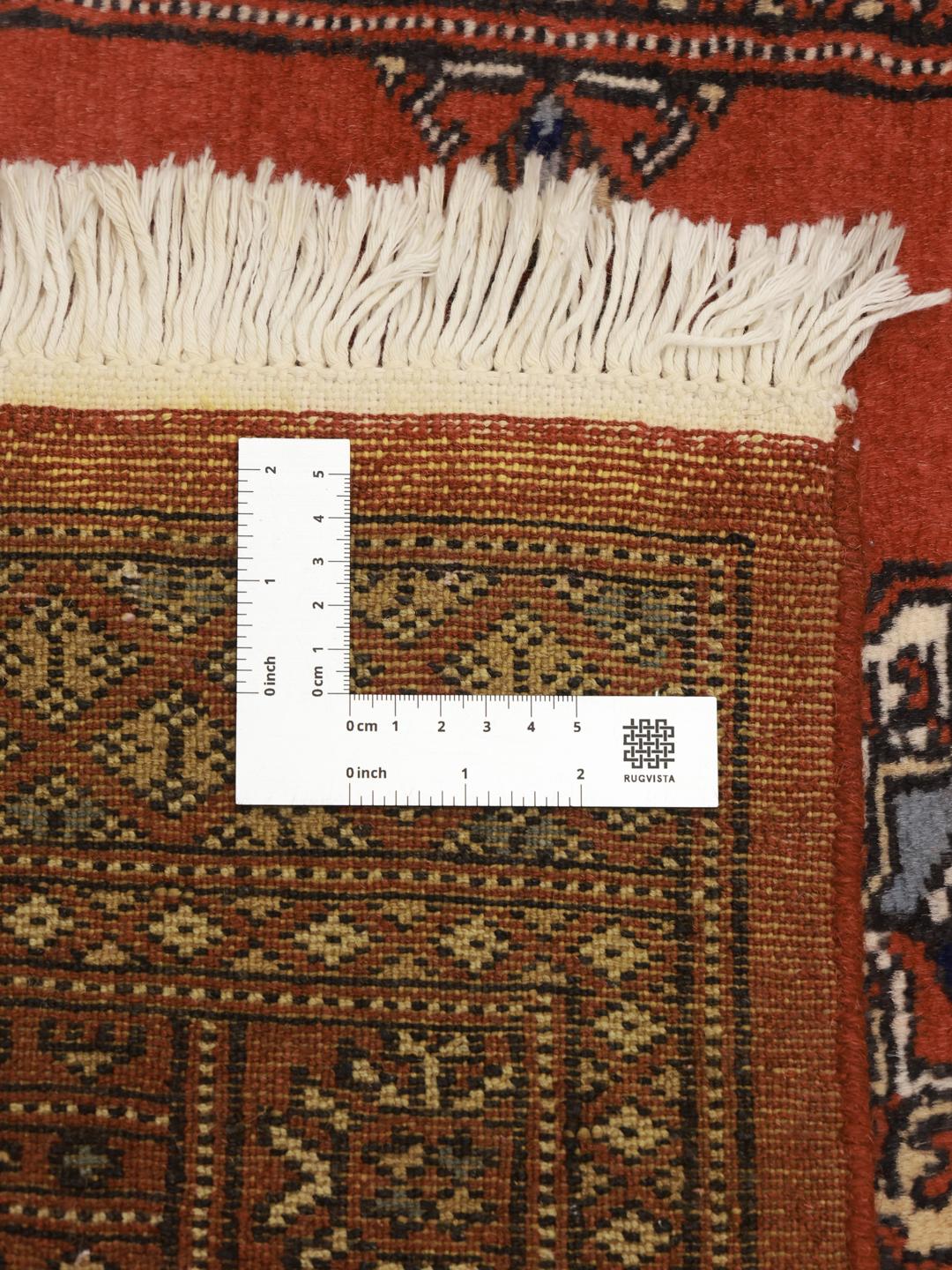
Bokhara rugs are deeply rooted in the ancient traditions of Central Asia, taking their name from the historic Silk Road city of Bukhara. While they are inspired by the nomadic heritage of the region, today's finest examples are primarily woven in Pakistan. This migration of craft has allowed the tradition to flourish, blending ancient techniques with refined, contemporary standards of production.
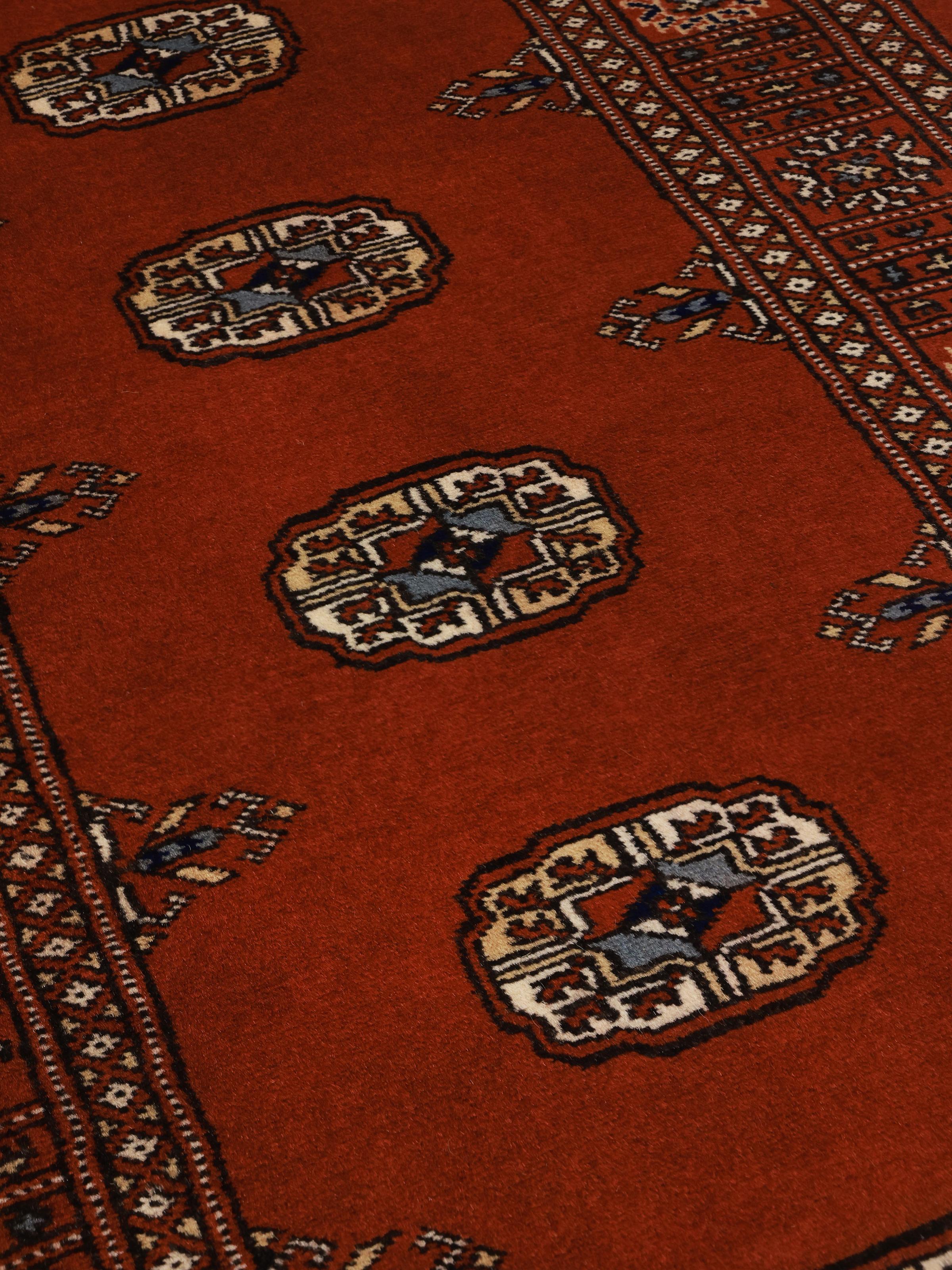
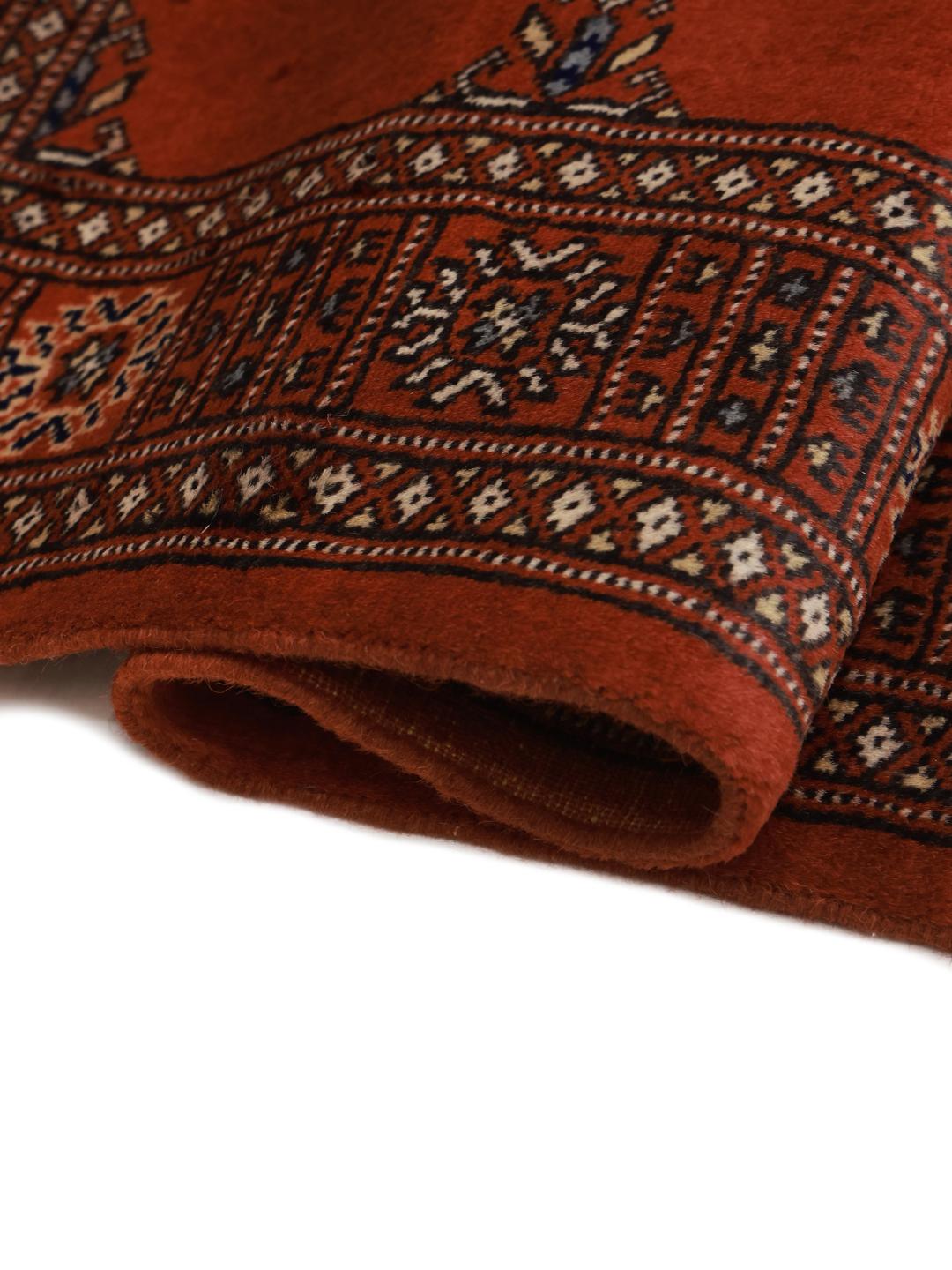
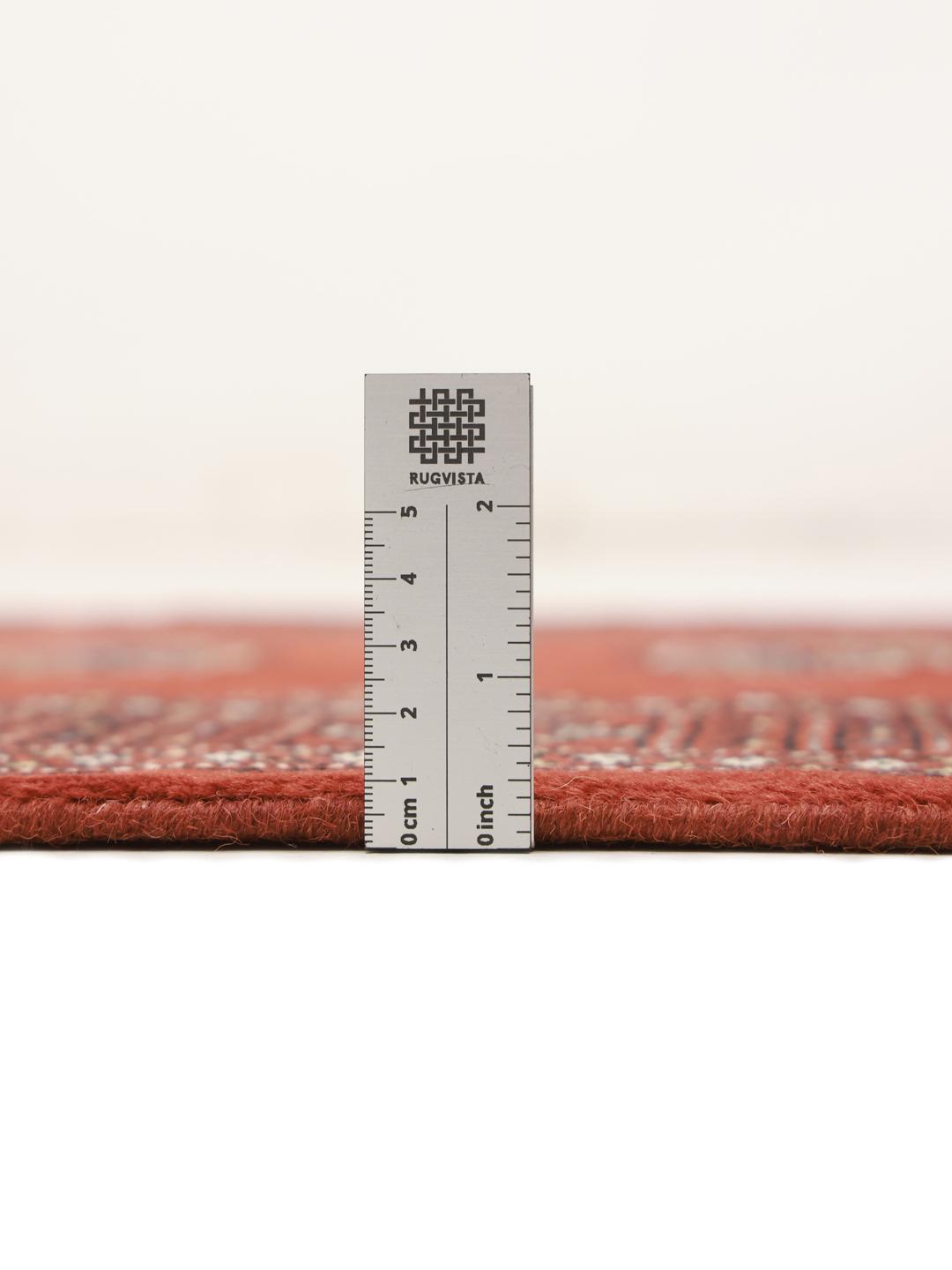
The term 2ply refers to the construction of the wool pile, where two strands of wool are twisted together before being knotted. This technique is highly valued because it creates a denser, more lustrous, and significantly more durable pile than single-ply alternatives. It provides the rug with a soft, plush feel that stands up to regular movement, ensuring the piece remains a staple in your home for years.
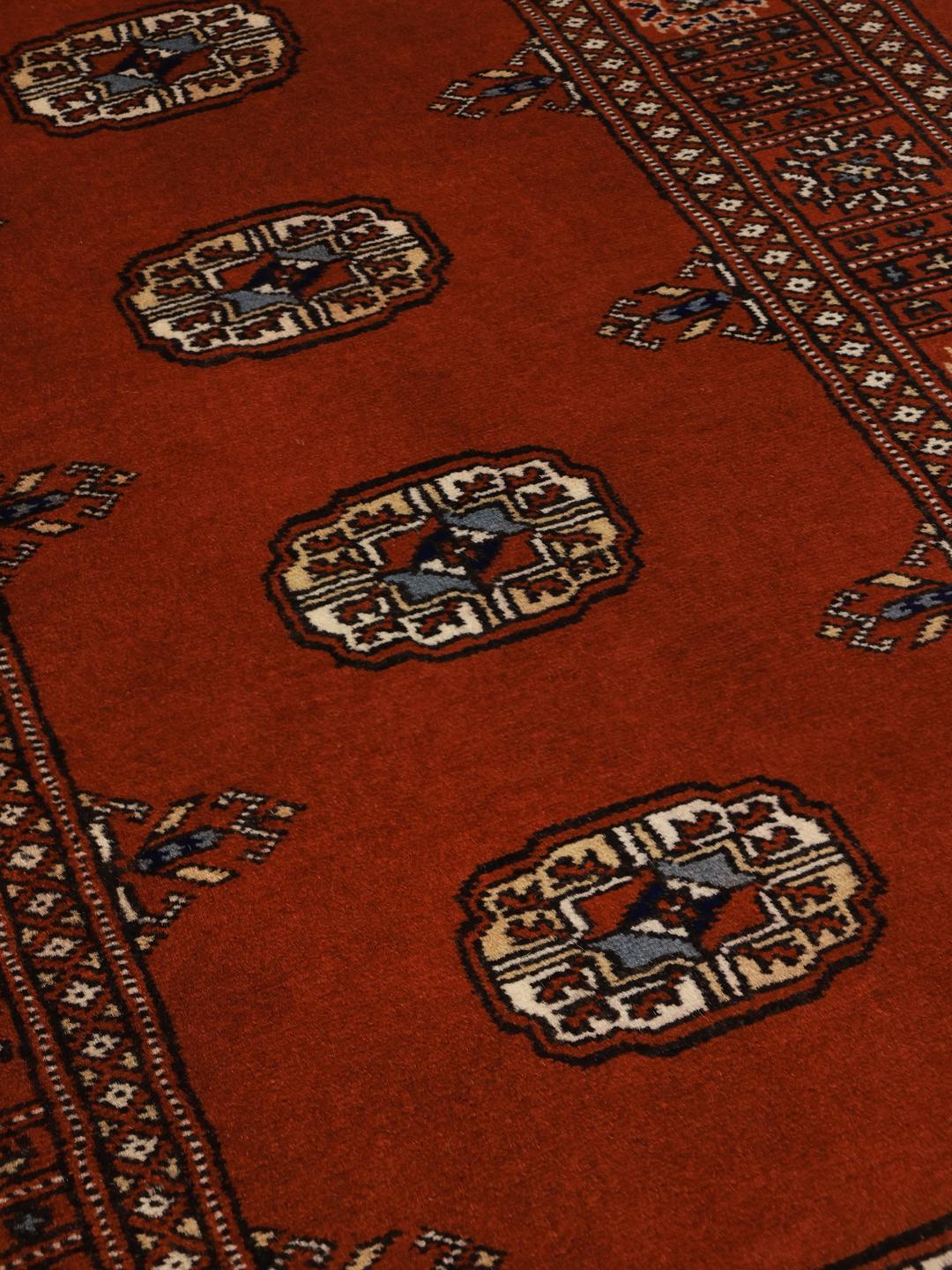
The signature design of a Bokhara rug is its field of repeating 'gul' motifs, which are stylized, octagonal medallions often said to represent elephant footprints. These are framed by intricate, geometric borders that provide a sense of balance and formality. The deep, rich hues typical of this style create a warm and sophisticated atmosphere in any room.
Collecting a hand-knotted Bokhara is a way to connect with a legacy of skill and cultural history. These rugs are highly prized for their consistency, artistic merit, and the human effort behind every knot. Owning one means holding a piece of heritage that has been passed down through generations of craft, offering a sense of permanence and beauty that mass-produced items cannot match.