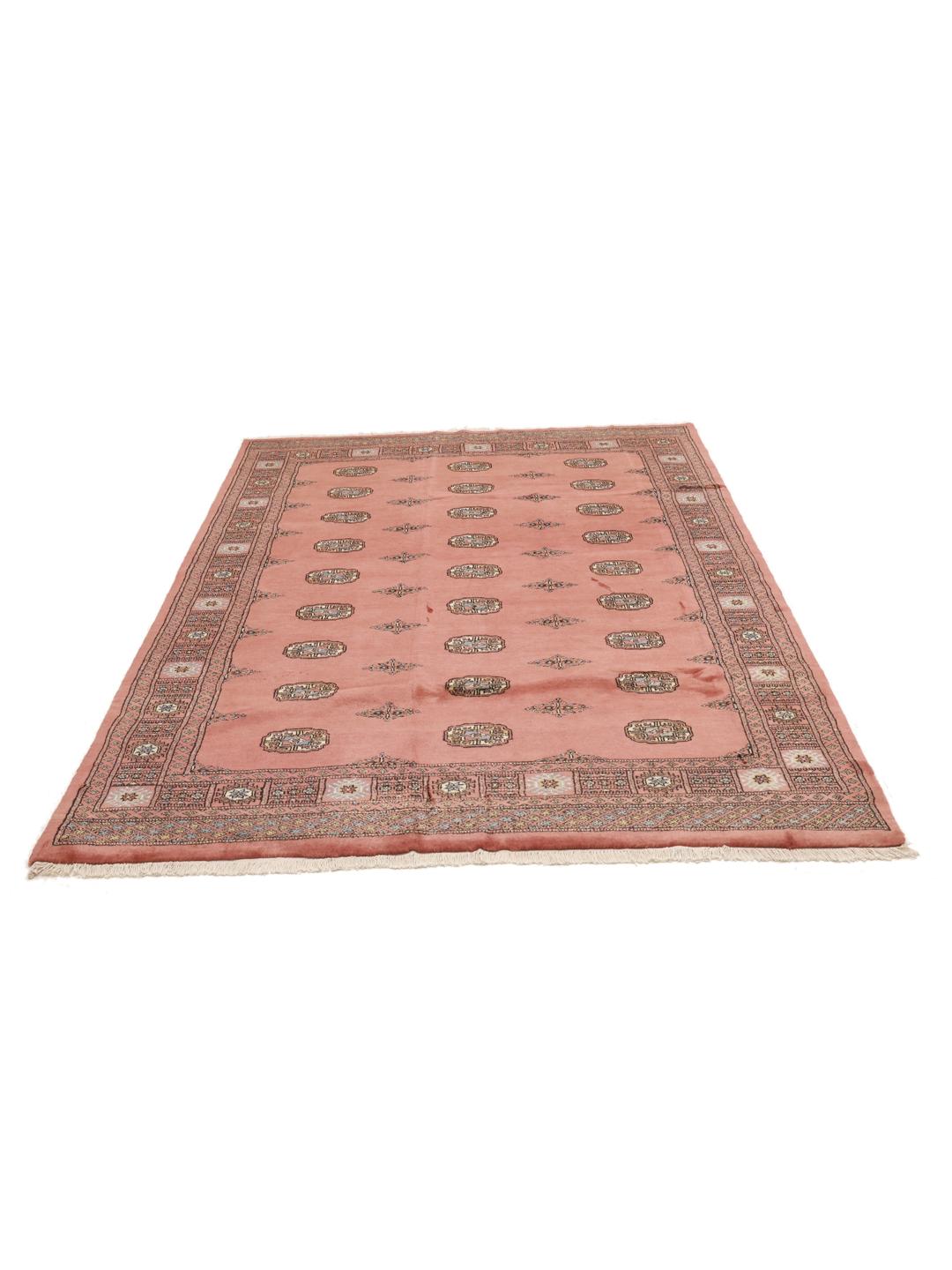
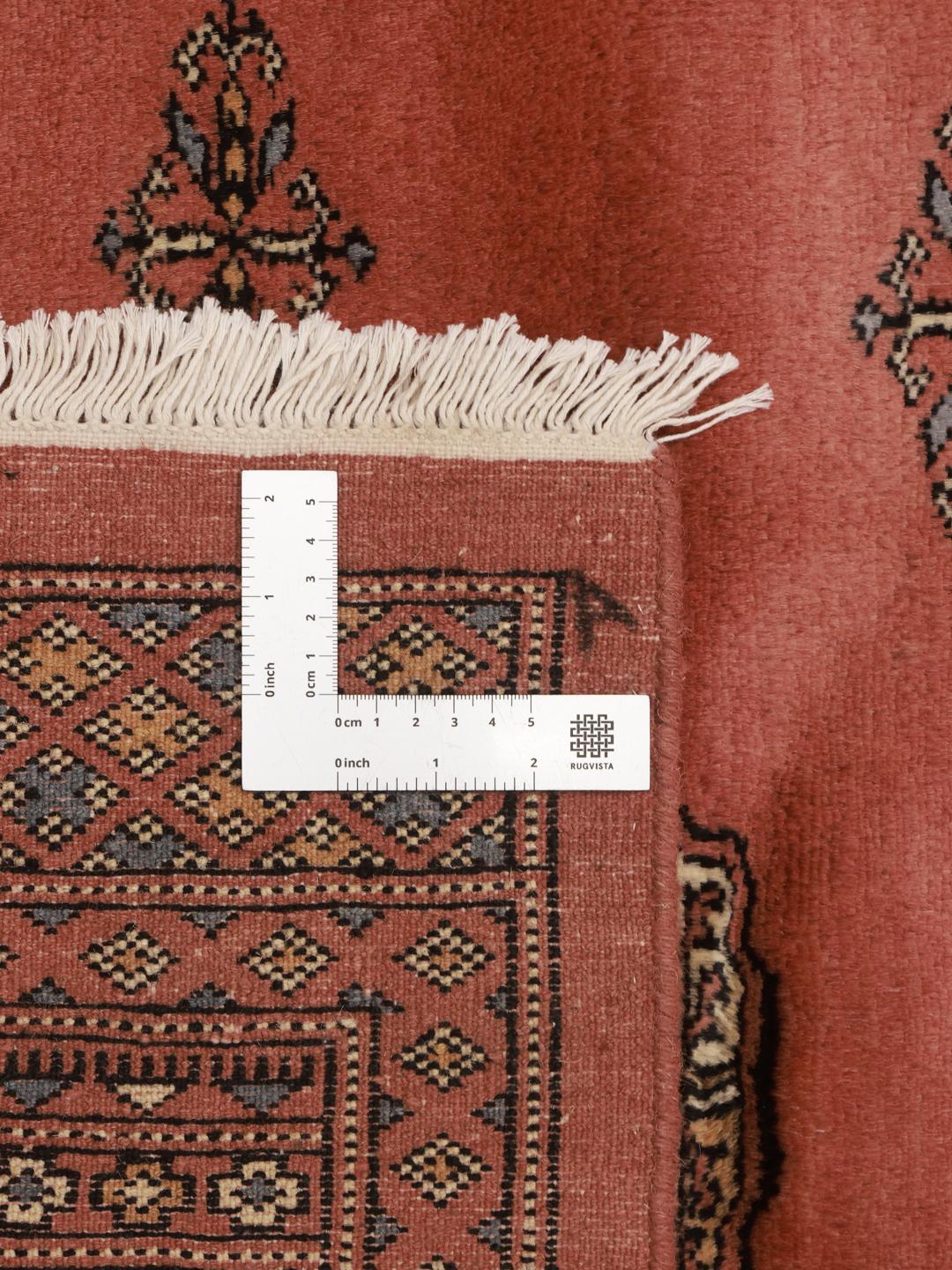
Bokhara rugs take their name from the ancient Silk Road city of Bukhara in Central Asia, which historically served as a major trading hub for nomadic and village weavers. Over generations, the distinct design traditions of these weavers migrated and found a vibrant continuation in Persia and Pakistan, where skilled craftspeople keep the heritage alive today.
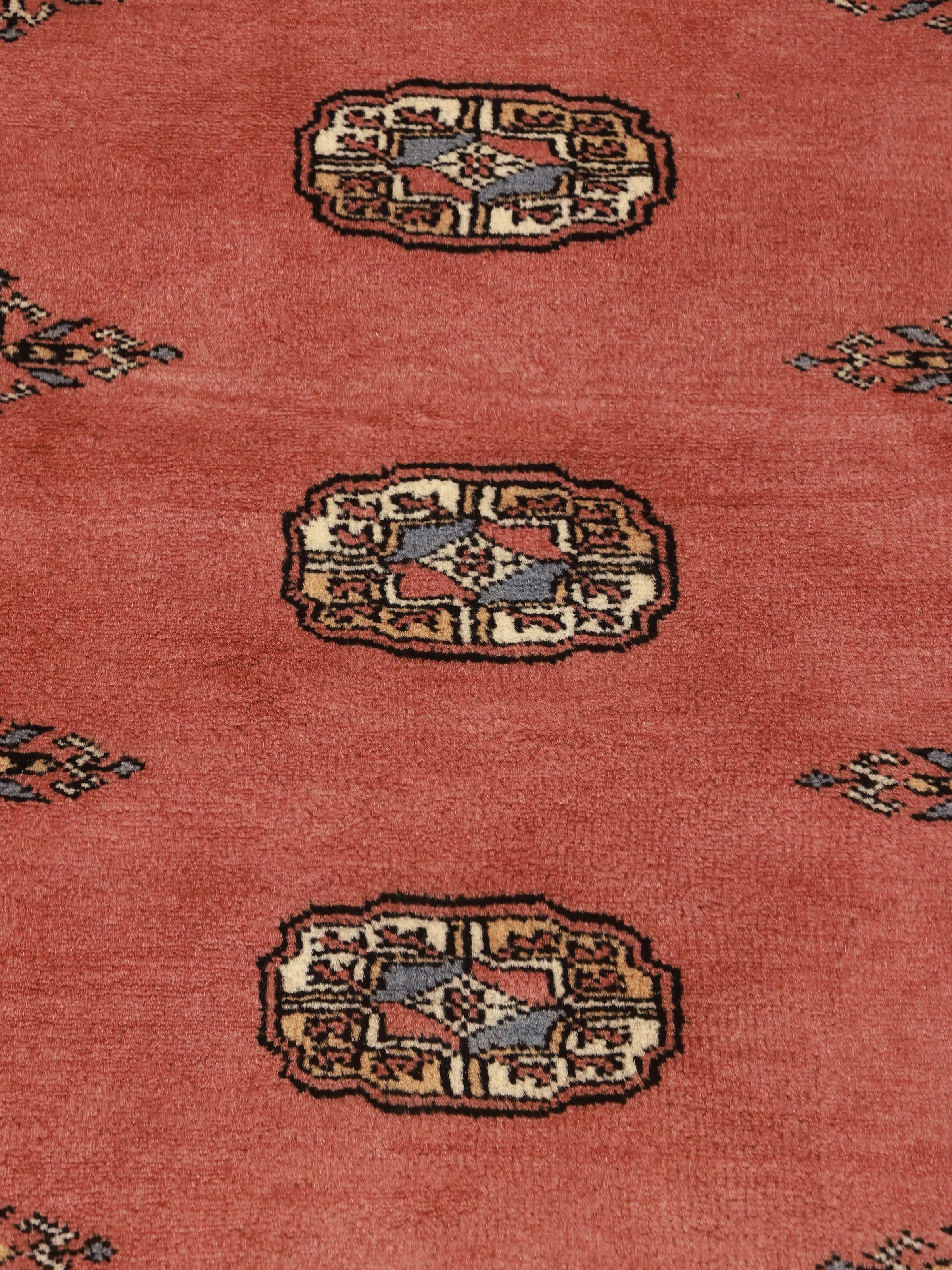
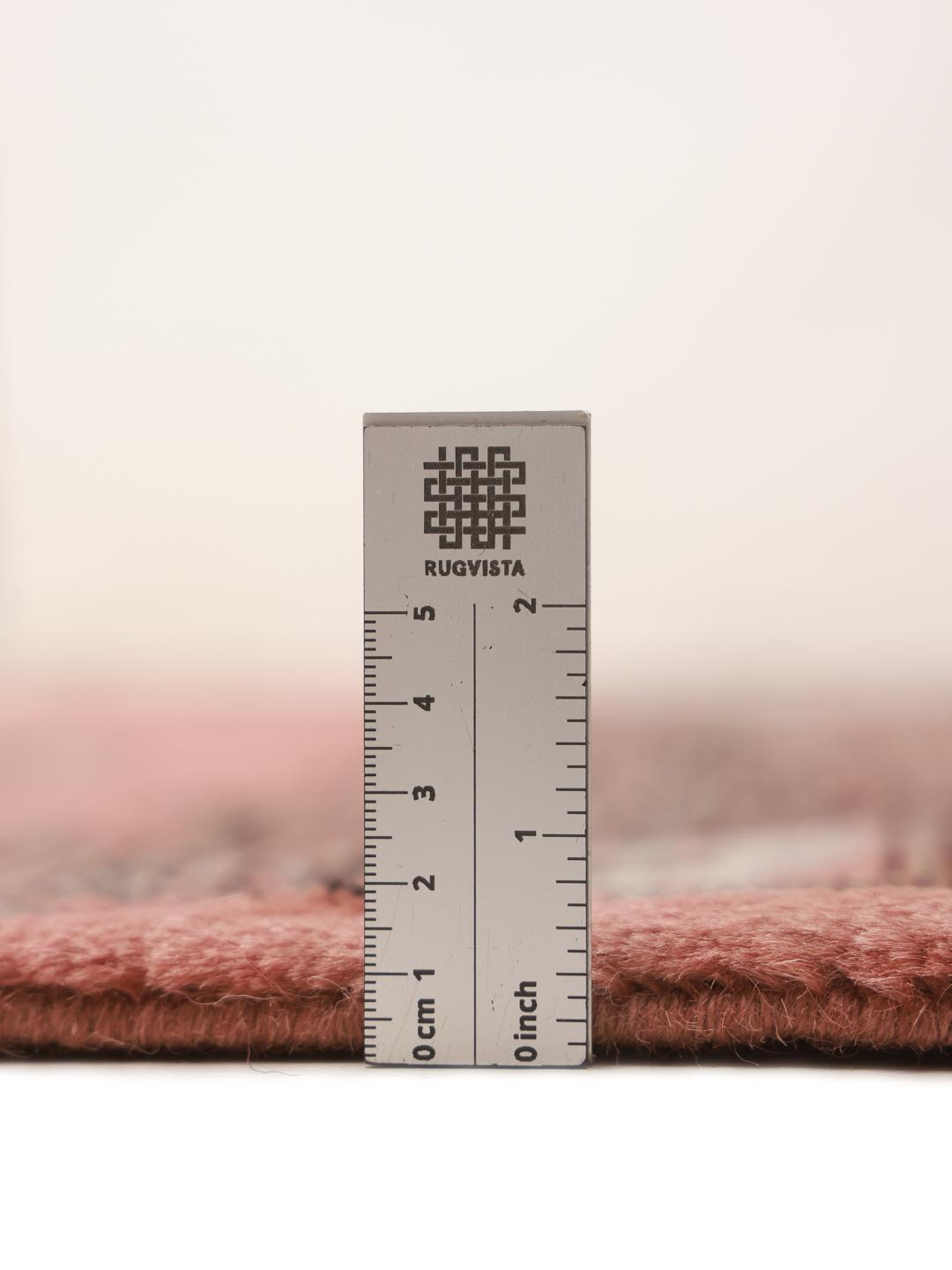
The designation 3ply refers to the construction of the pile, where three strands of wool are twisted together before knotting. This technique produces a denser, heavier, and more lustrous pile compared to single-ply or 2ply variations, ensuring the rug stands up well to daily life while maintaining its soft feel.
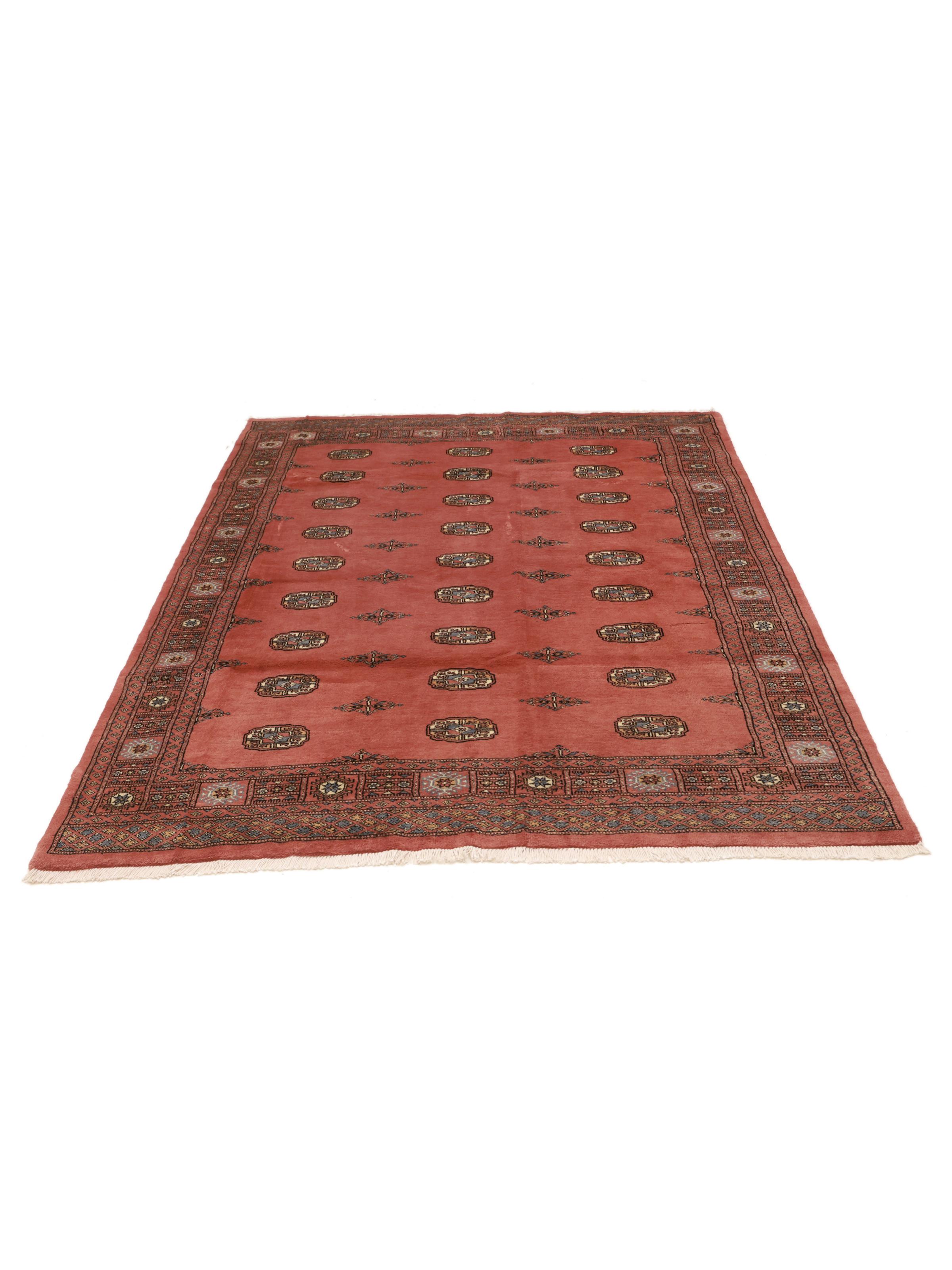
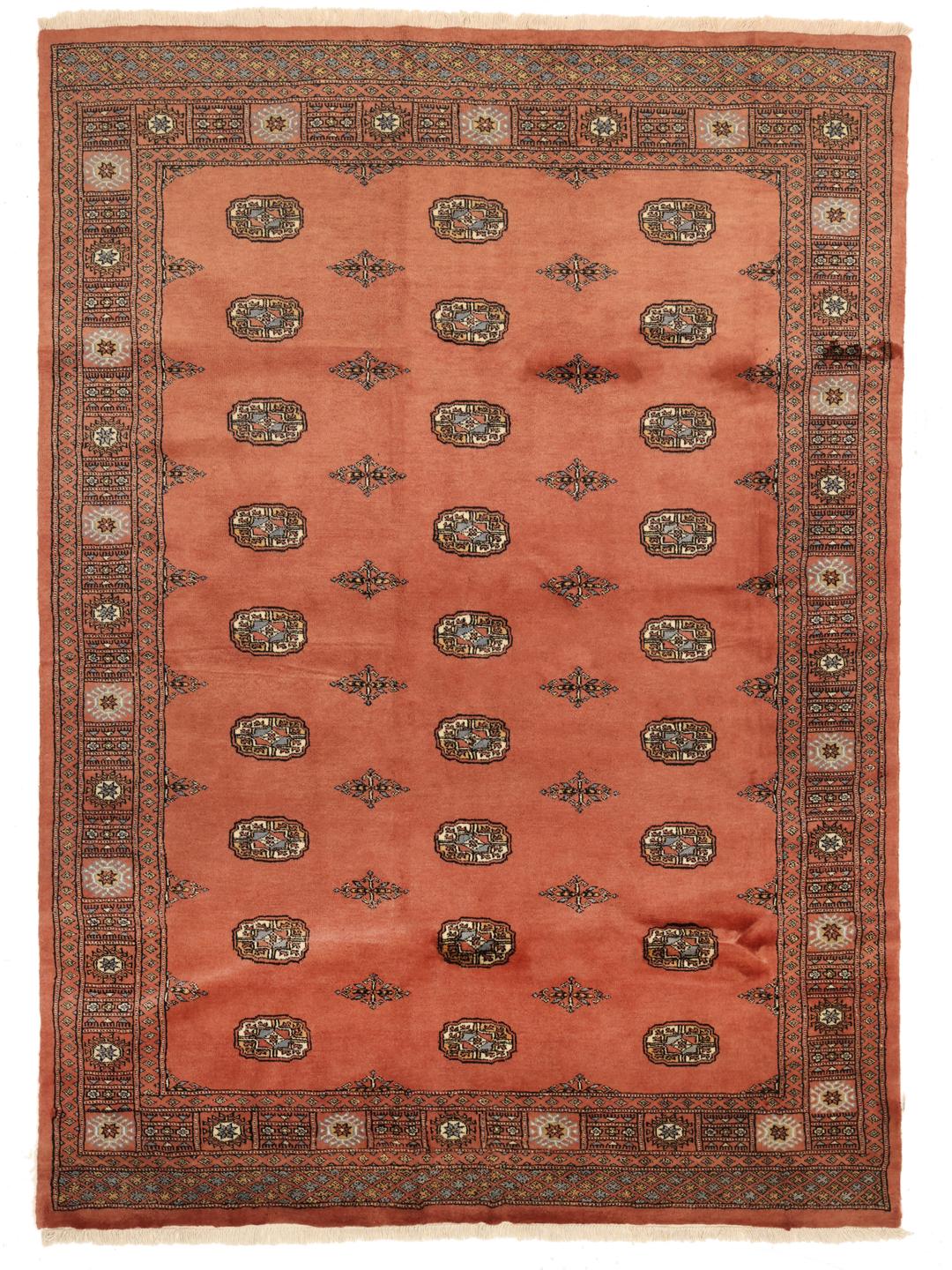
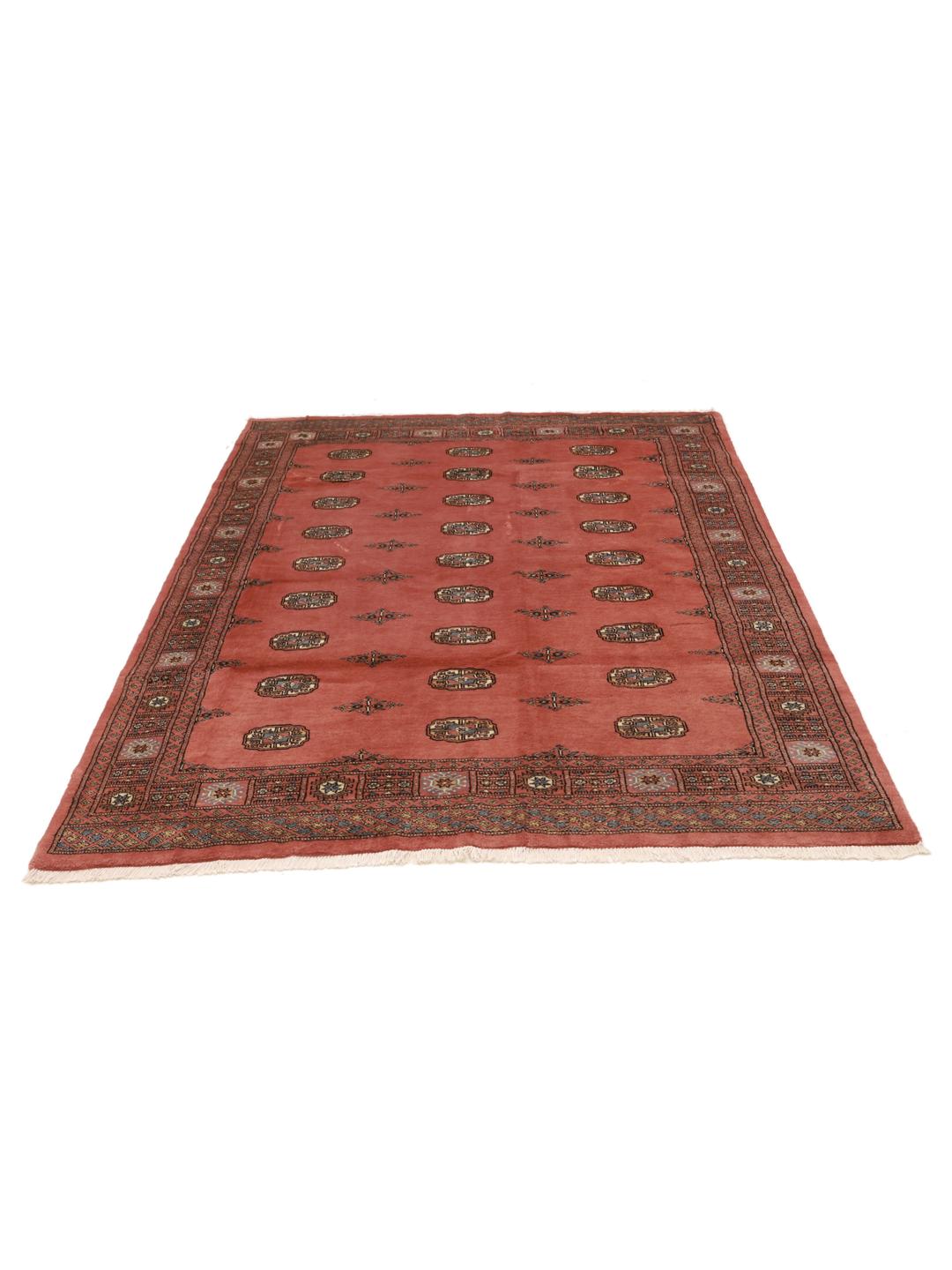
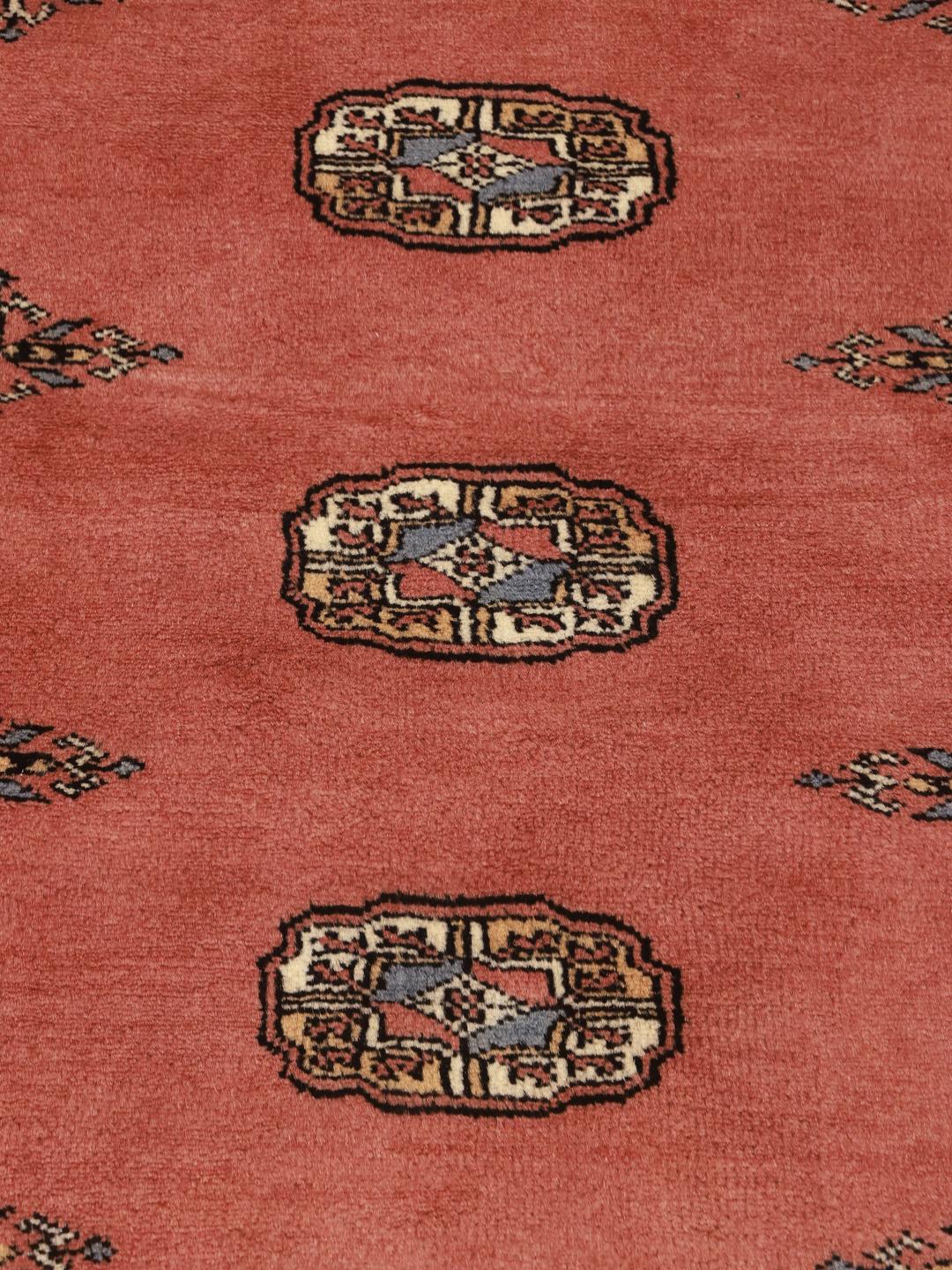
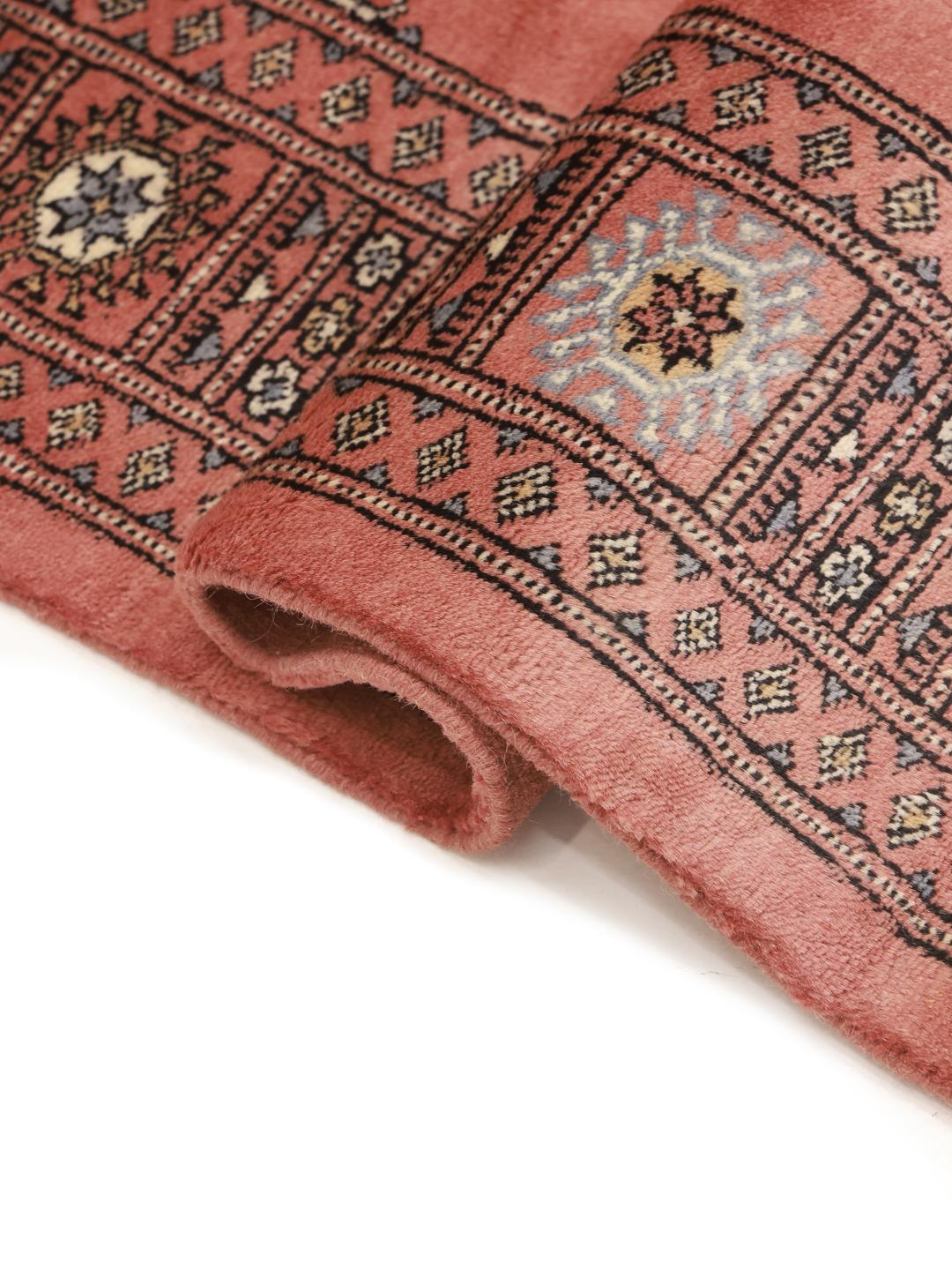
Visually, this tradition is defined by repeating gul motifs, which are octagonal or elephant-foot shaped medallions arranged in orderly rows across the field. These central motifs are framed by formal geometric borders, creating a balanced and harmonious composition that has remained popular for centuries.
Rugs from this tradition are valued and collected for their combination of cultural heritage and dependable craft. Owning one connects your home to a long lineage of textile artistry, offering a level of skill and lasting quality that mass-produced floor coverings simply cannot match.