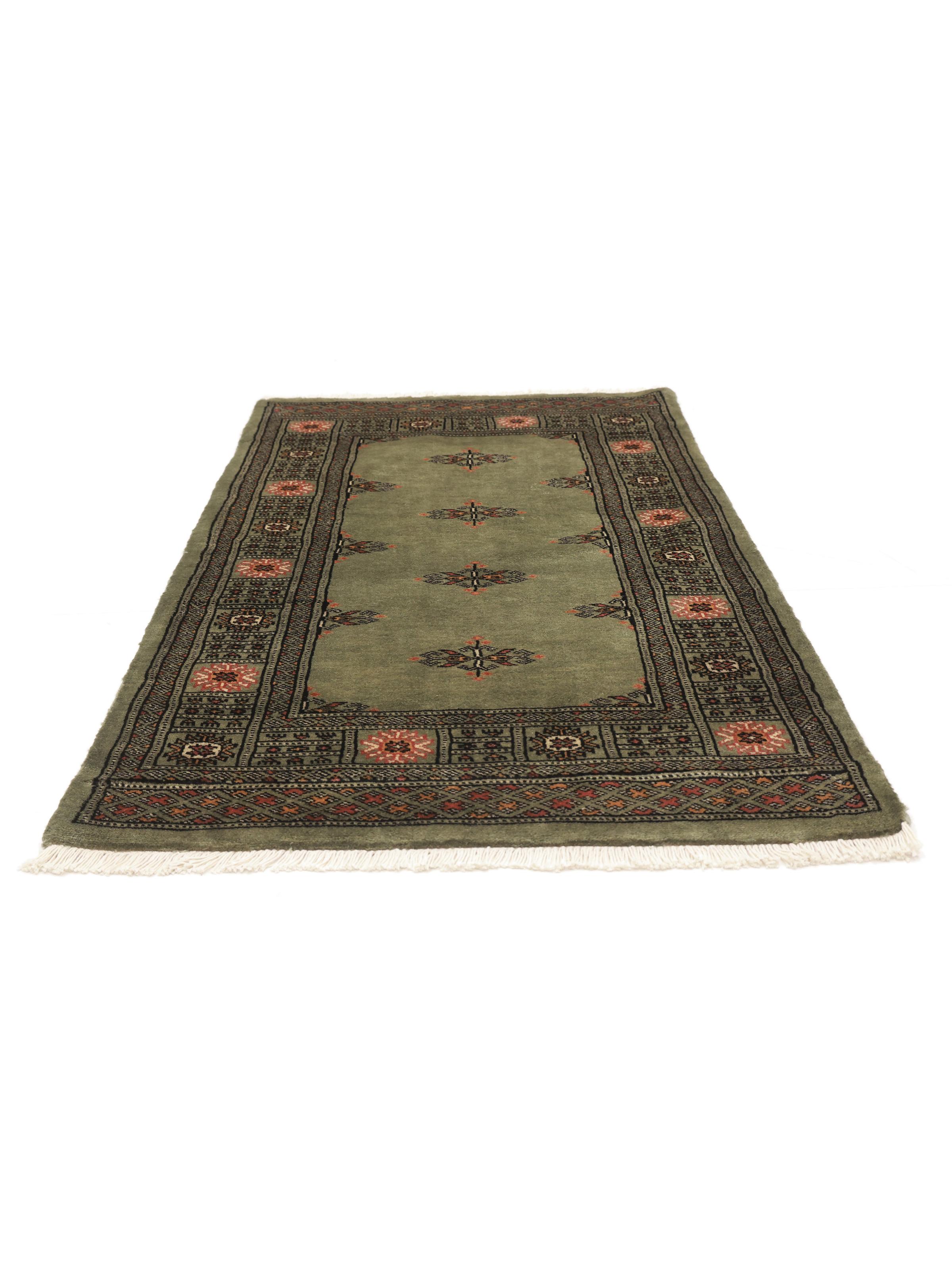
Bokhara rugs take their name from the historic Central Asian Silk Road city of Bukhara, which served as a major trading hub for tribal carpets.
Over generations, the tradition migrated southward, and today some of the finest examples of these classic designs are hand-knotted by skilled weavers in Pakistan.
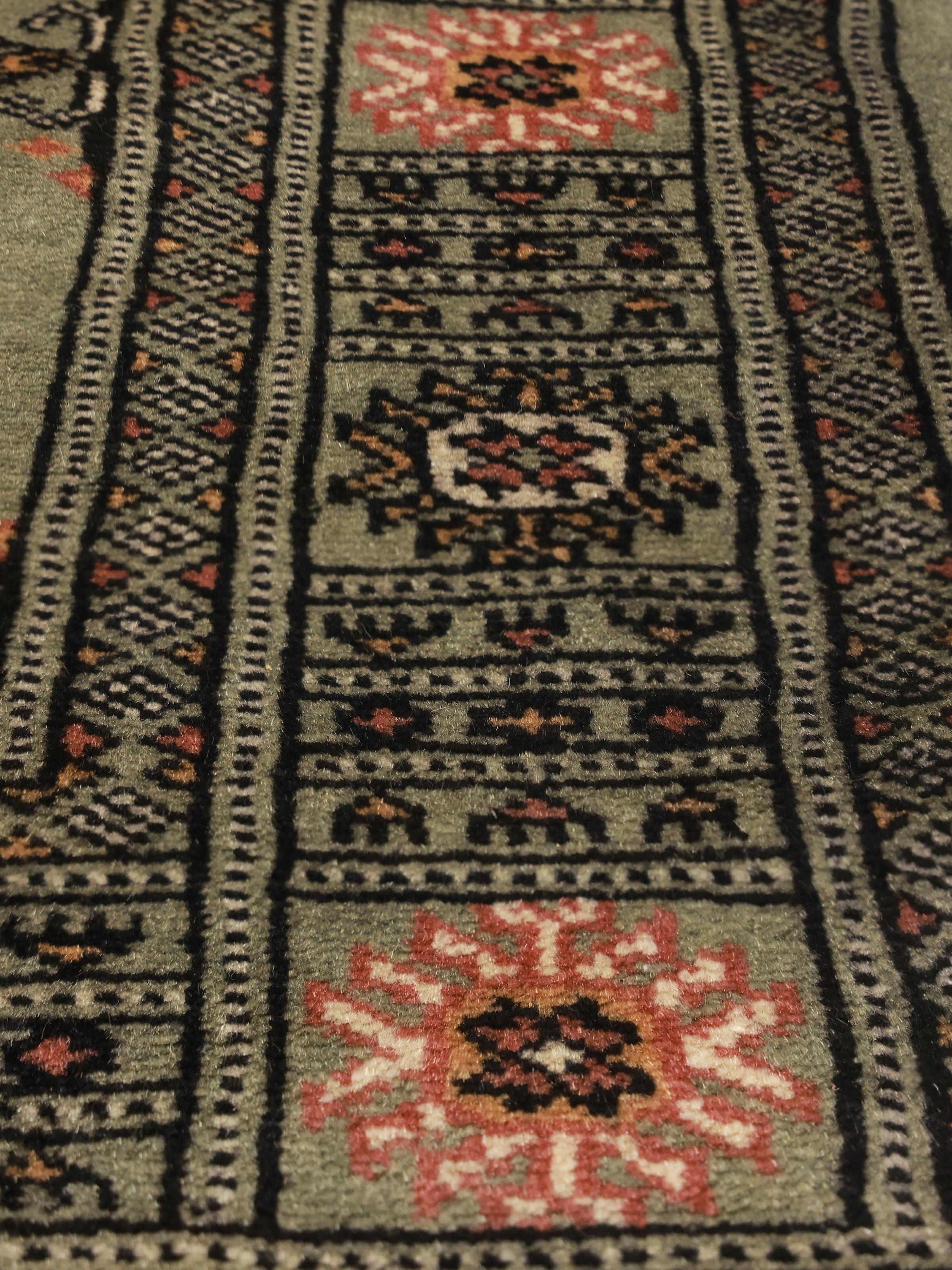
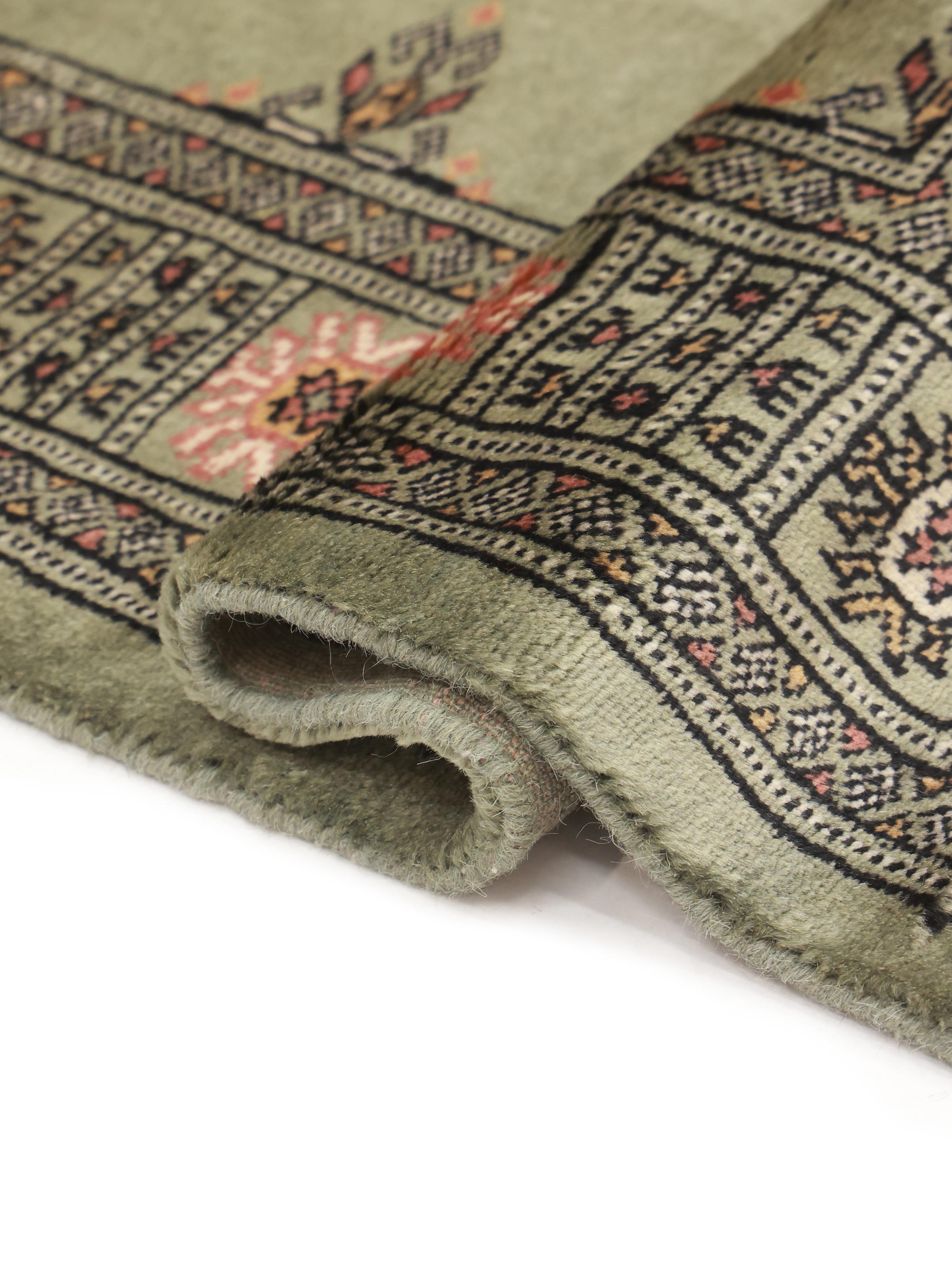
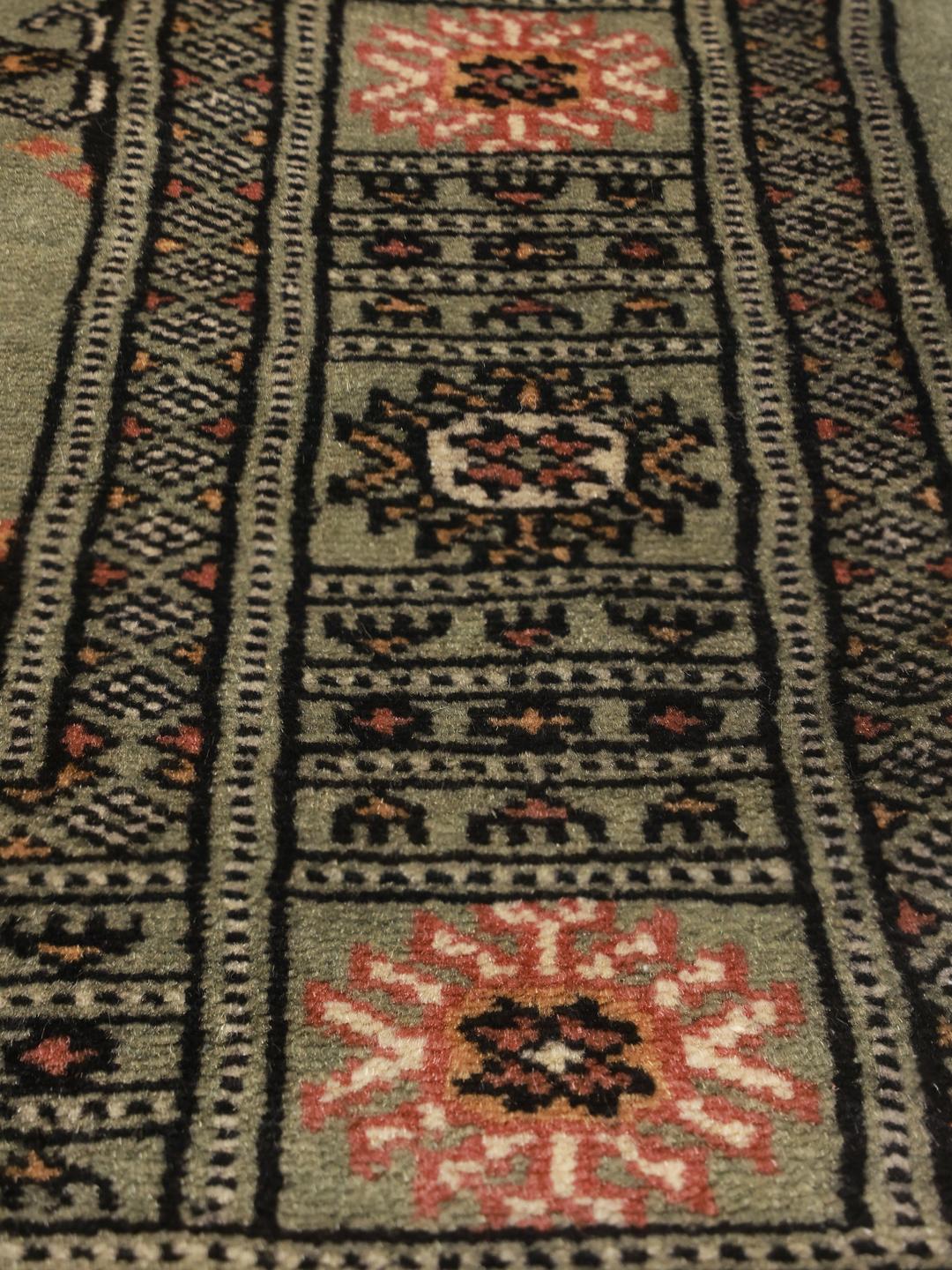
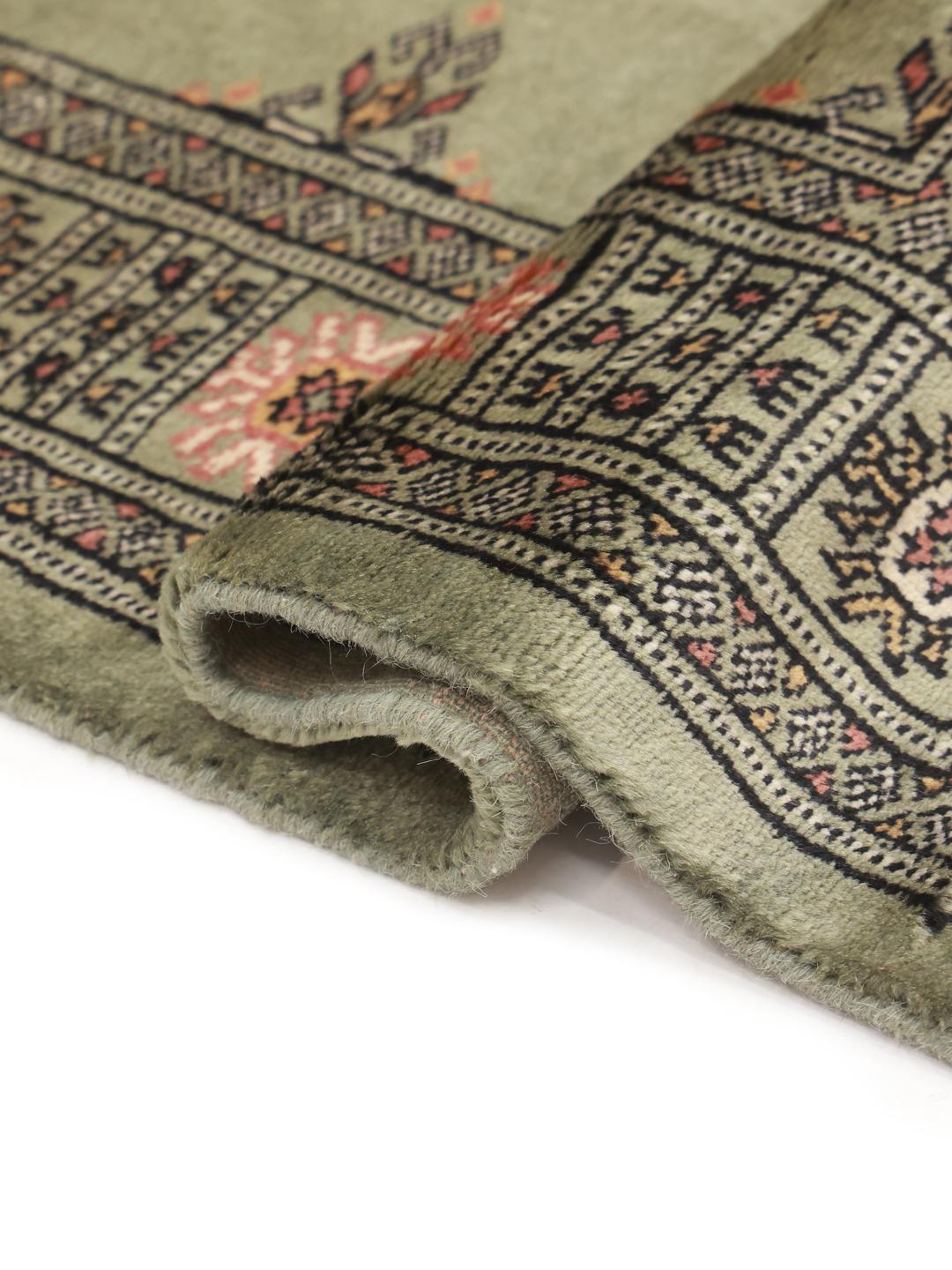
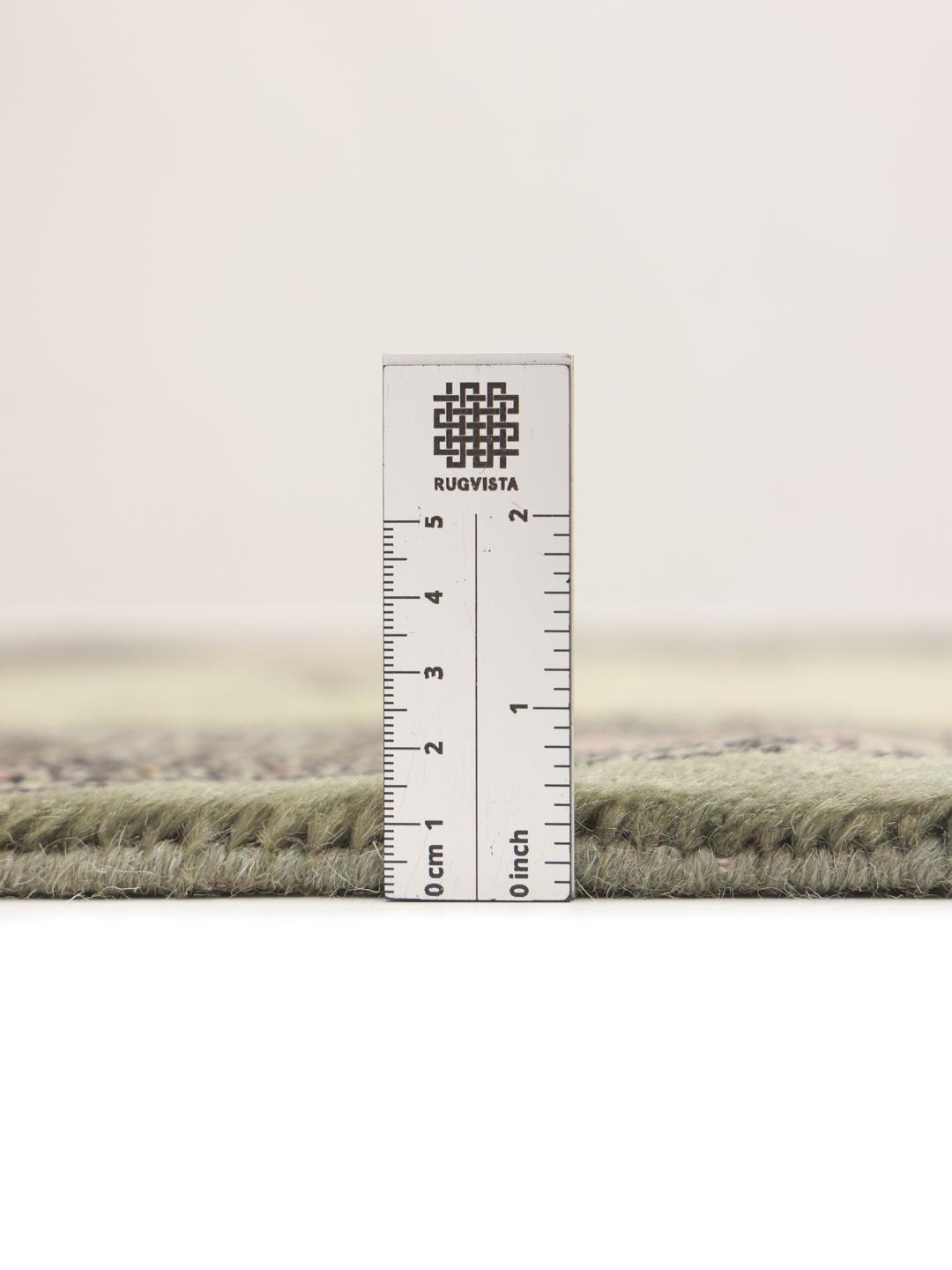
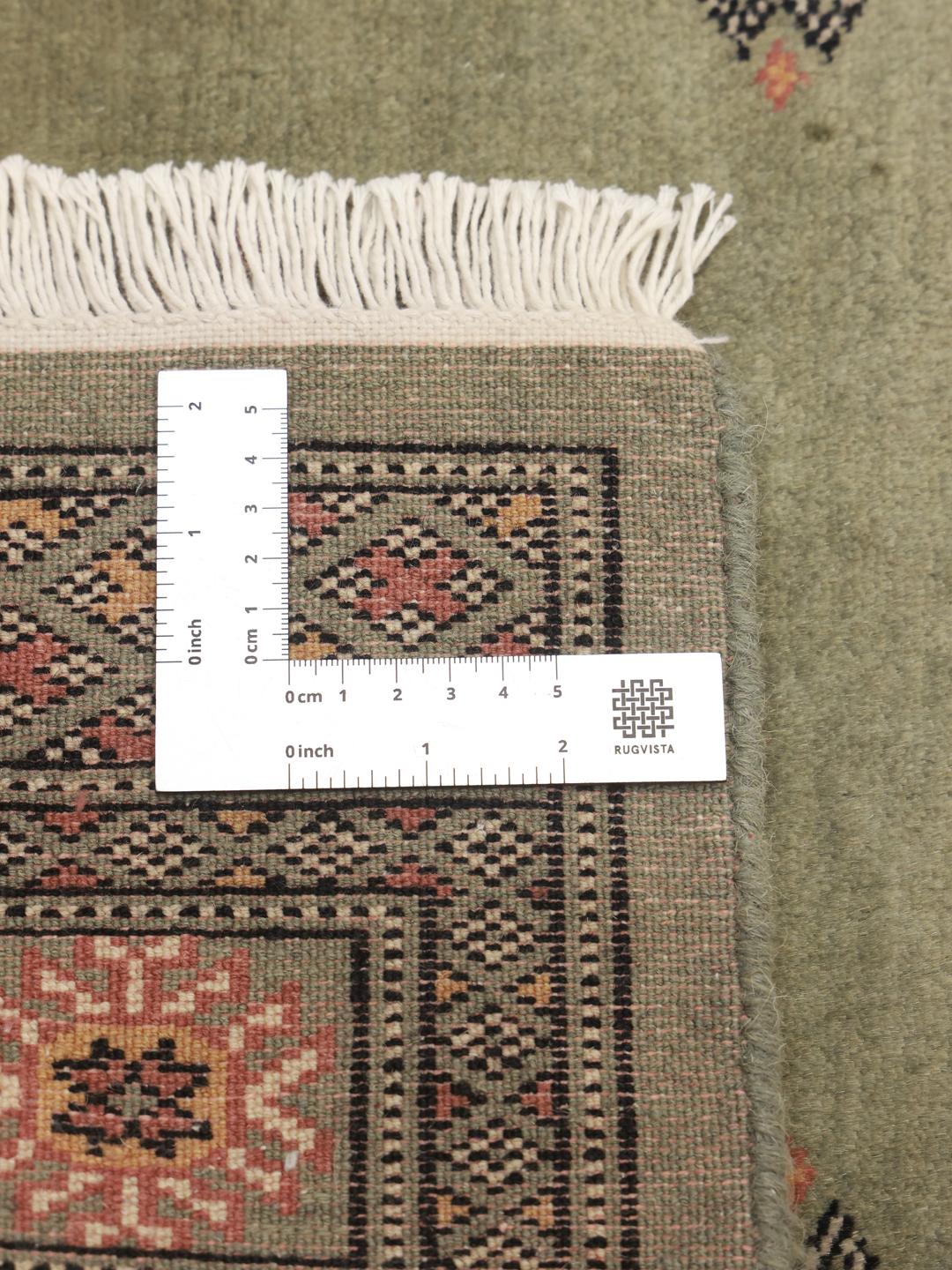
The 3ply designation in the name refers to a specific technical construction where three strands of wool are twisted together before being knotted.
This method produces a noticeably denser, heavier, and more hard-wearing pile than single-ply alternatives, giving the rug a richer texture and longer lifespan.
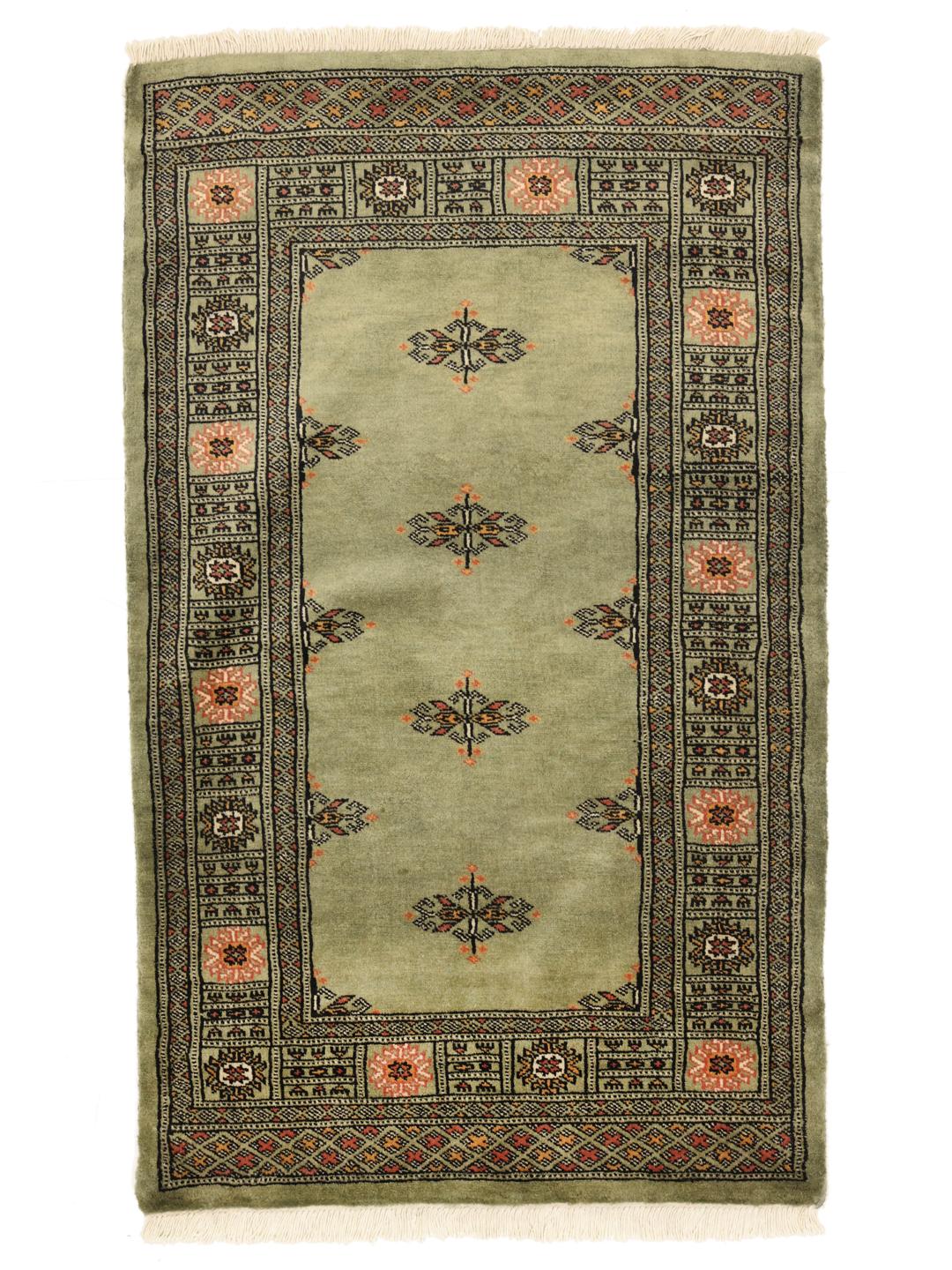
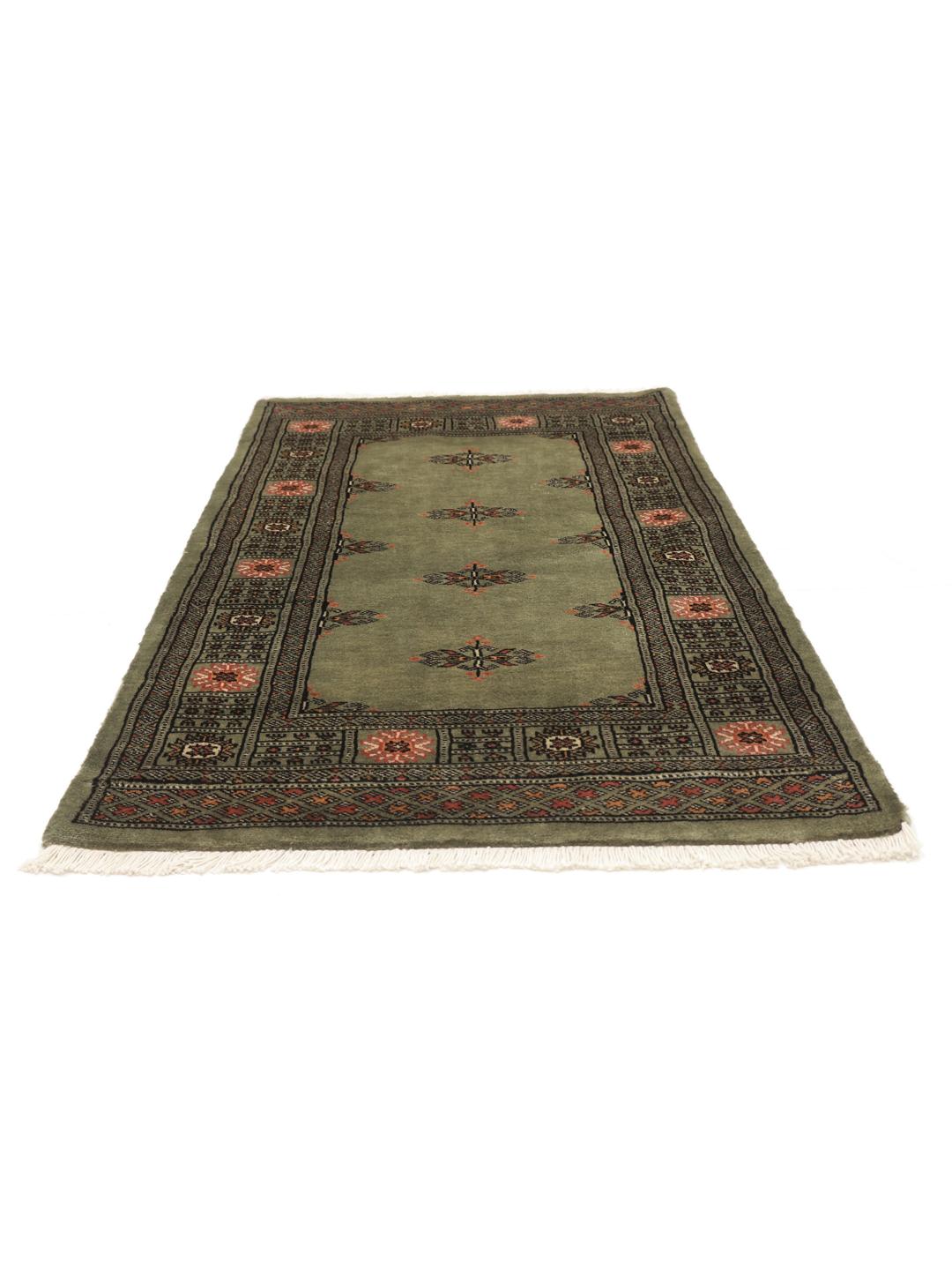
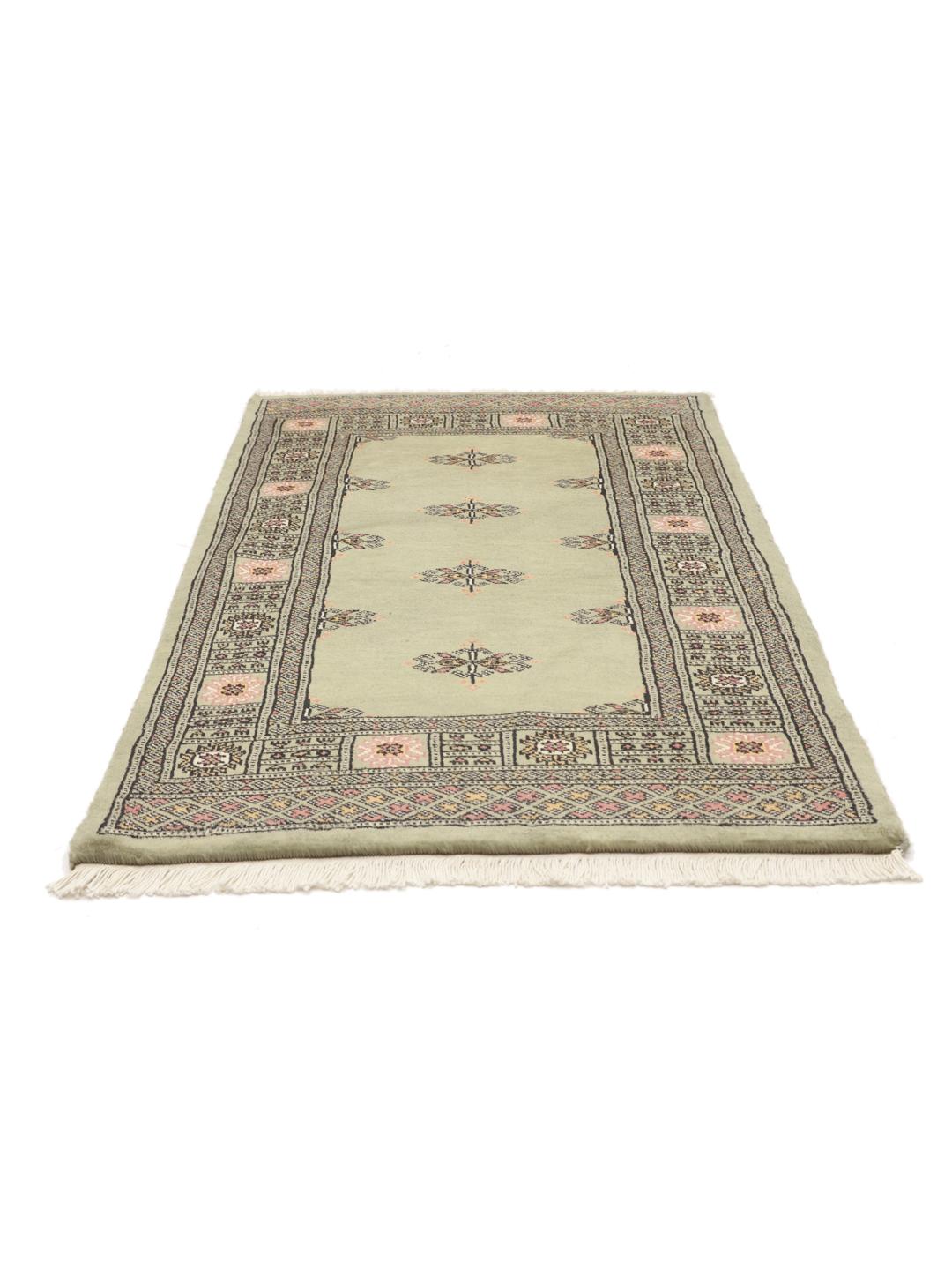
Signature design elements of the Bokhara tradition include repeating guls, which are octagonal or elephant-foot medallions arranged in orderly rows across the field.
These central motifs are typically framed by formal geometric borders that provide a neat and balanced finish to the composition.
Owning a hand-knotted Bokhara connects your home to a long lineage of carpet-making heritage.
These rugs are valued by collectors for their cultural weight, traditional skill, and the genuine dedication required from the artisans who bring each pattern to life.