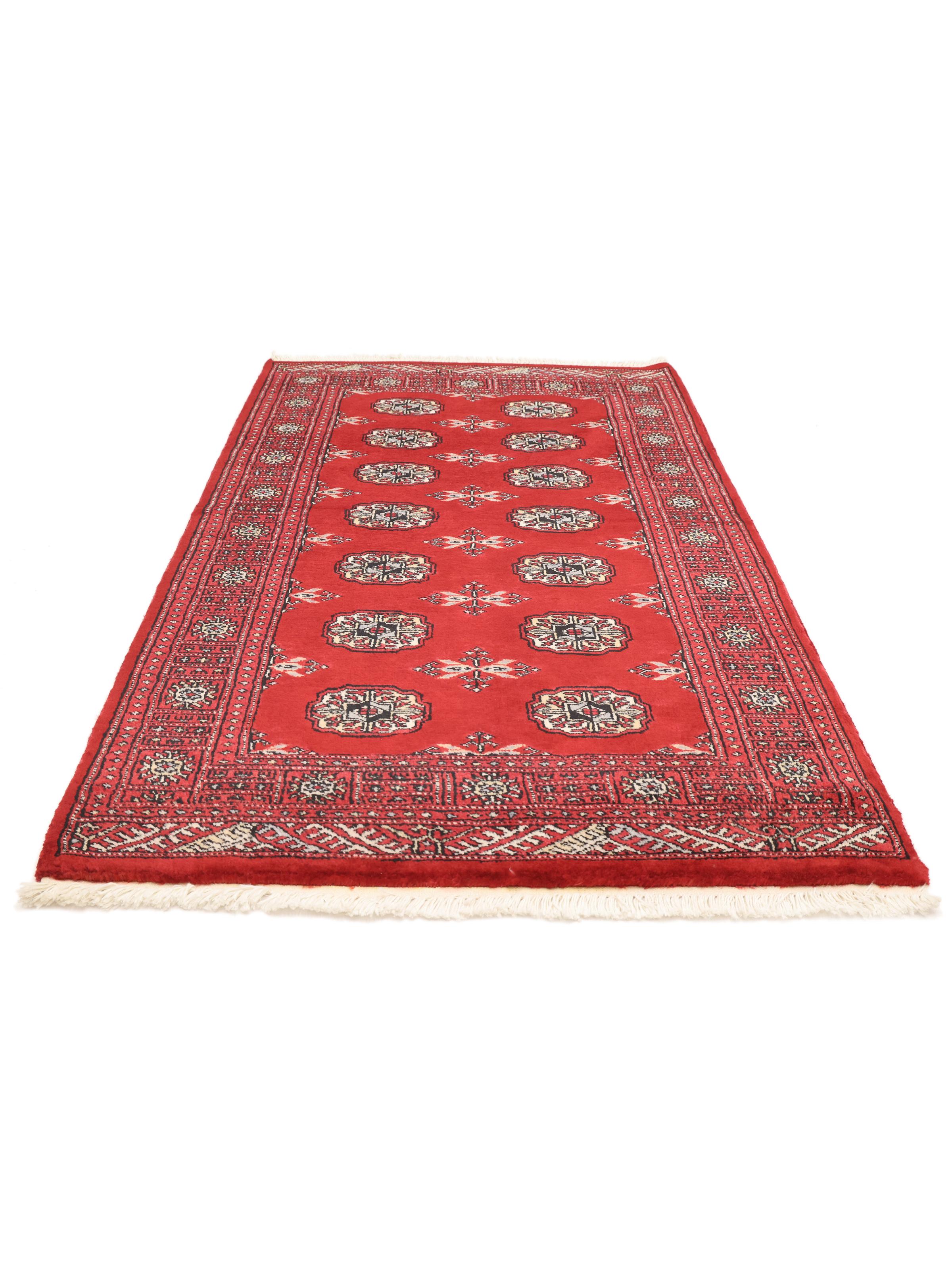
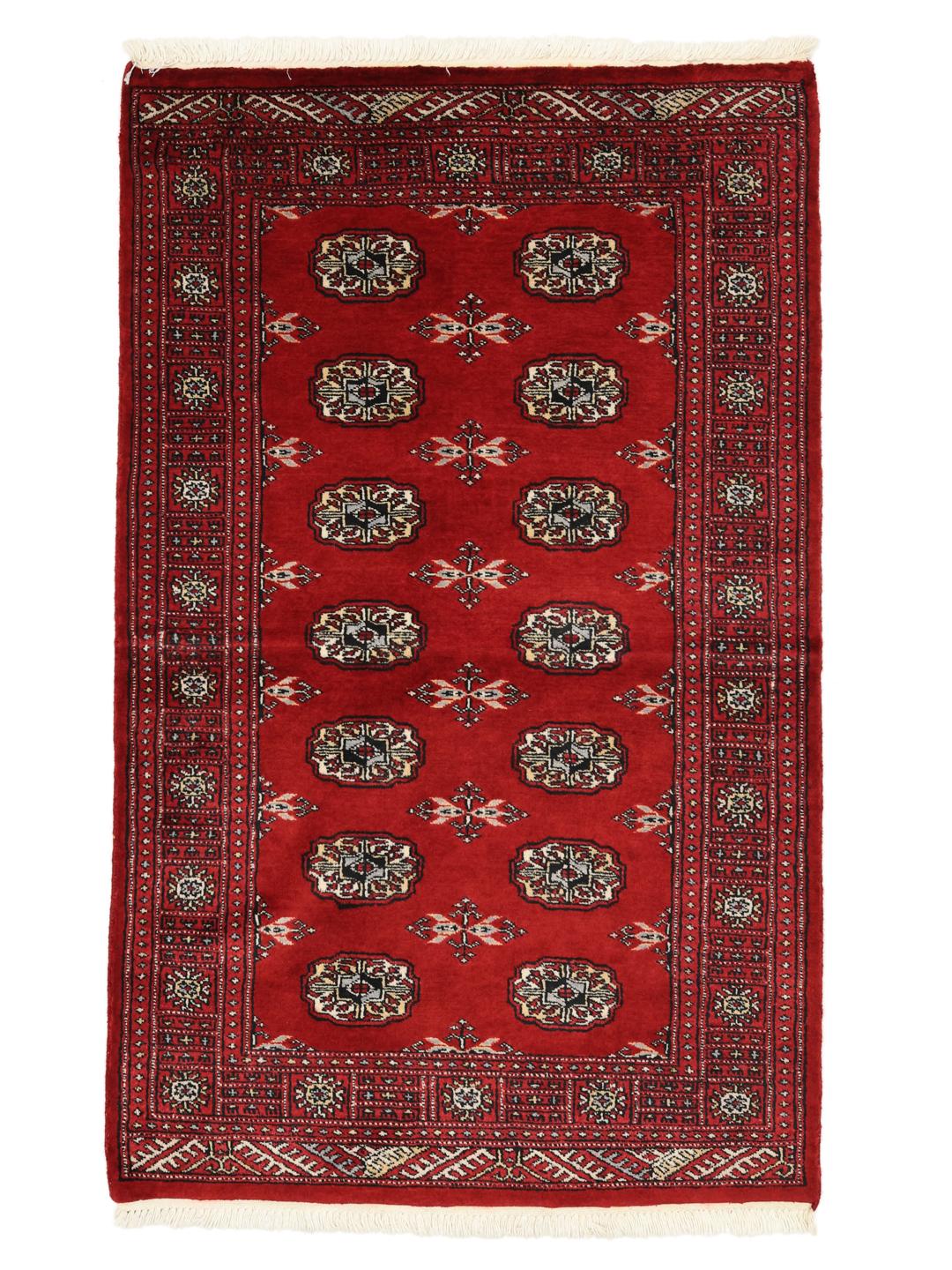
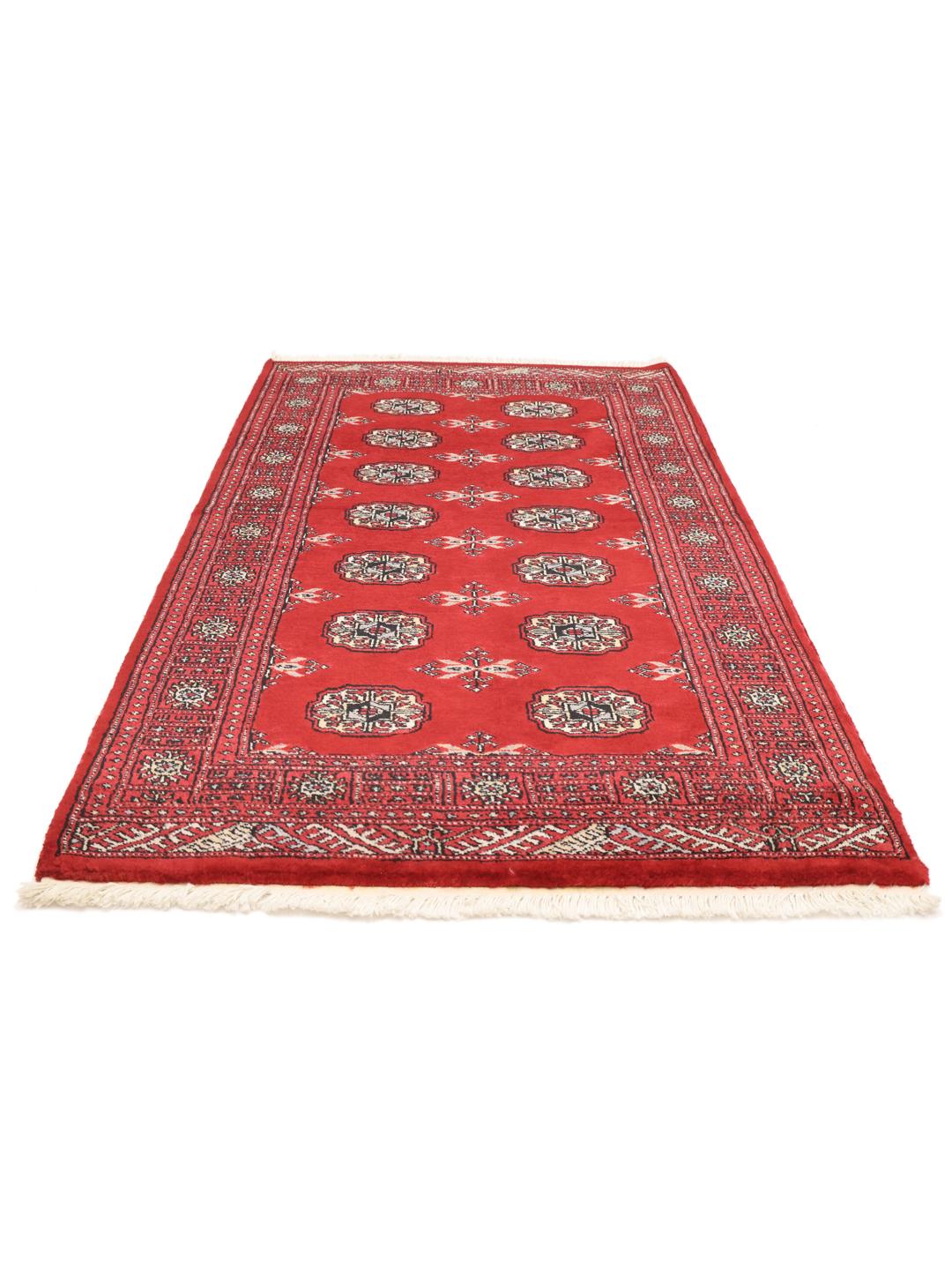
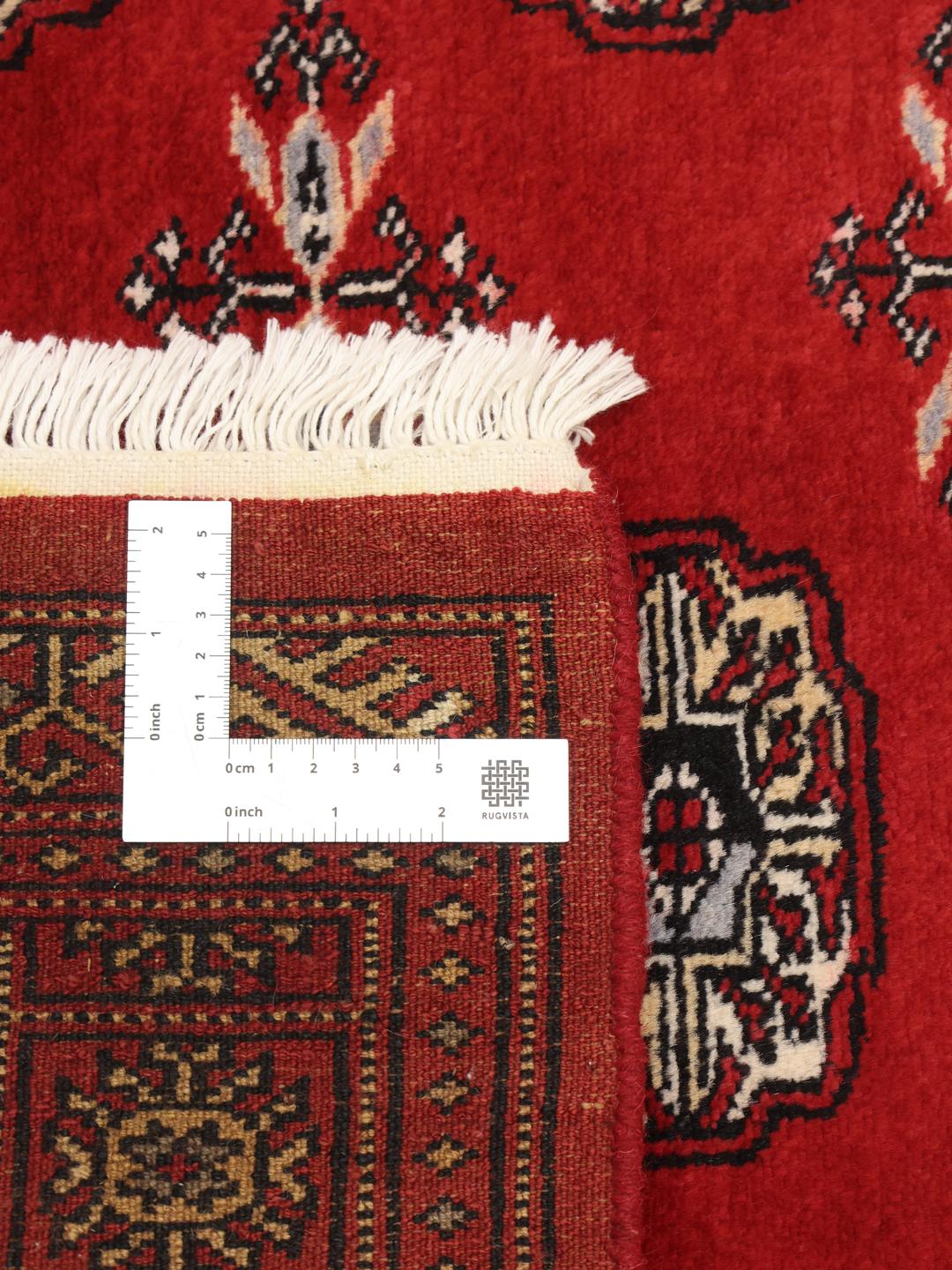
Bokhara rugs take their iconic name from the ancient Silk Road city of Bukhara in Central Asia, which historically served as a major trading hub for nomadic and village weavers. Over generations, weaving families migrated across borders, bringing these cherished design traditions to regions like Pakistan, where the craft found a vibrant new home.
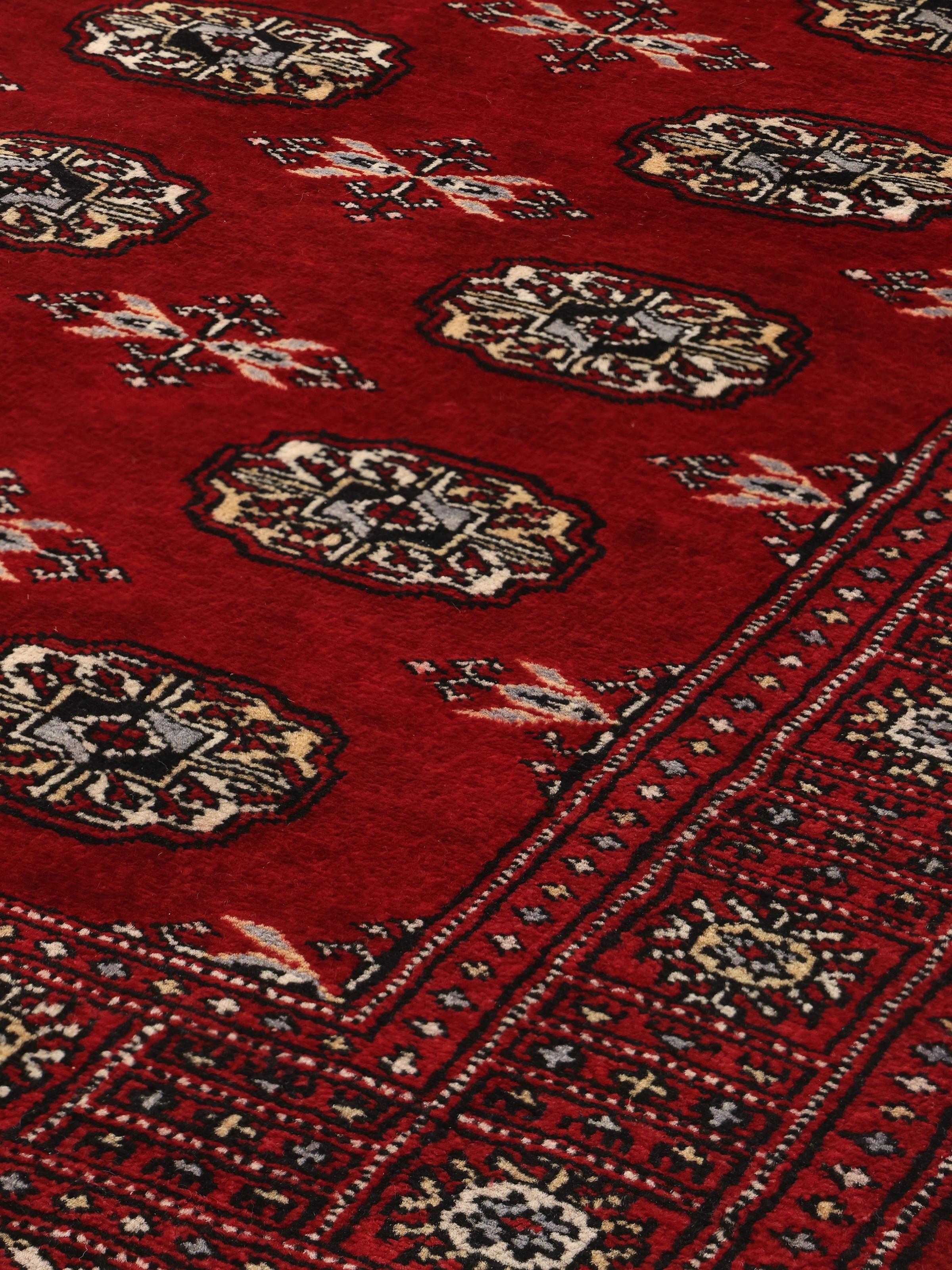
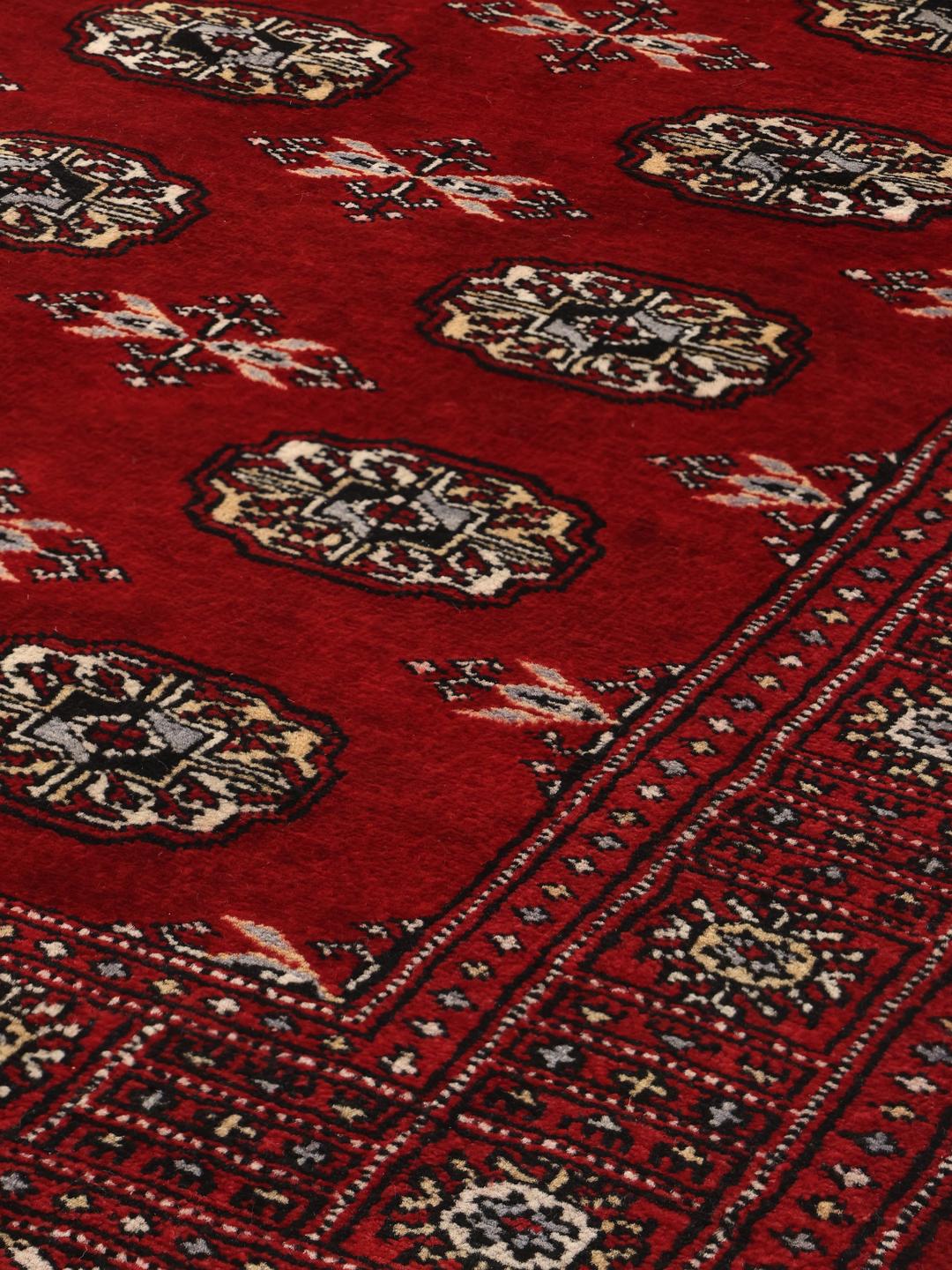
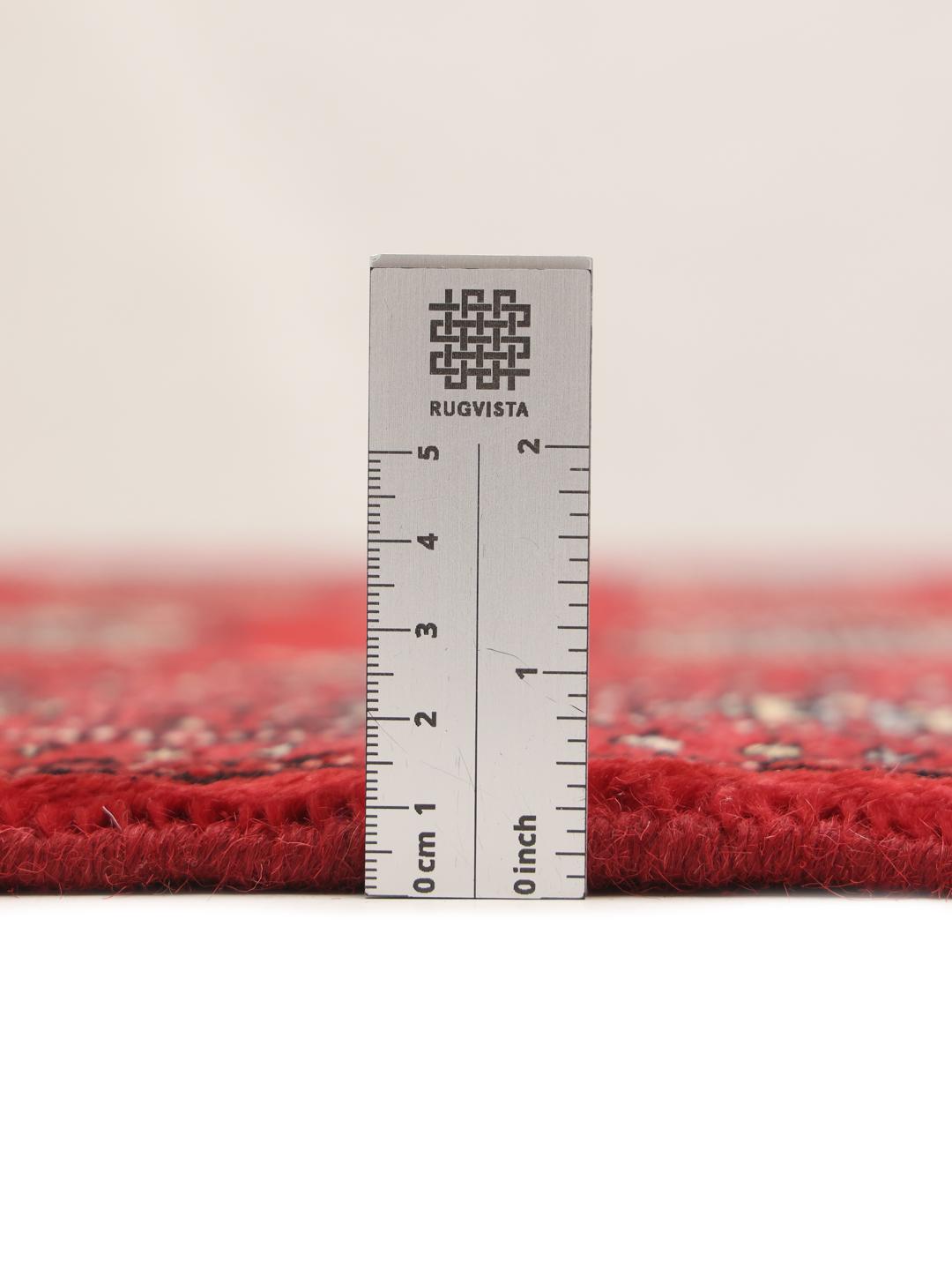
The 3ply designation in the construction refers to the use of three separate strands of wool twisted together before knotting. This technique creates a thicker, sturdier, and more lustrous pile compared to lighter single-ply variations, ensuring the rug handles daily foot traffic with ease.
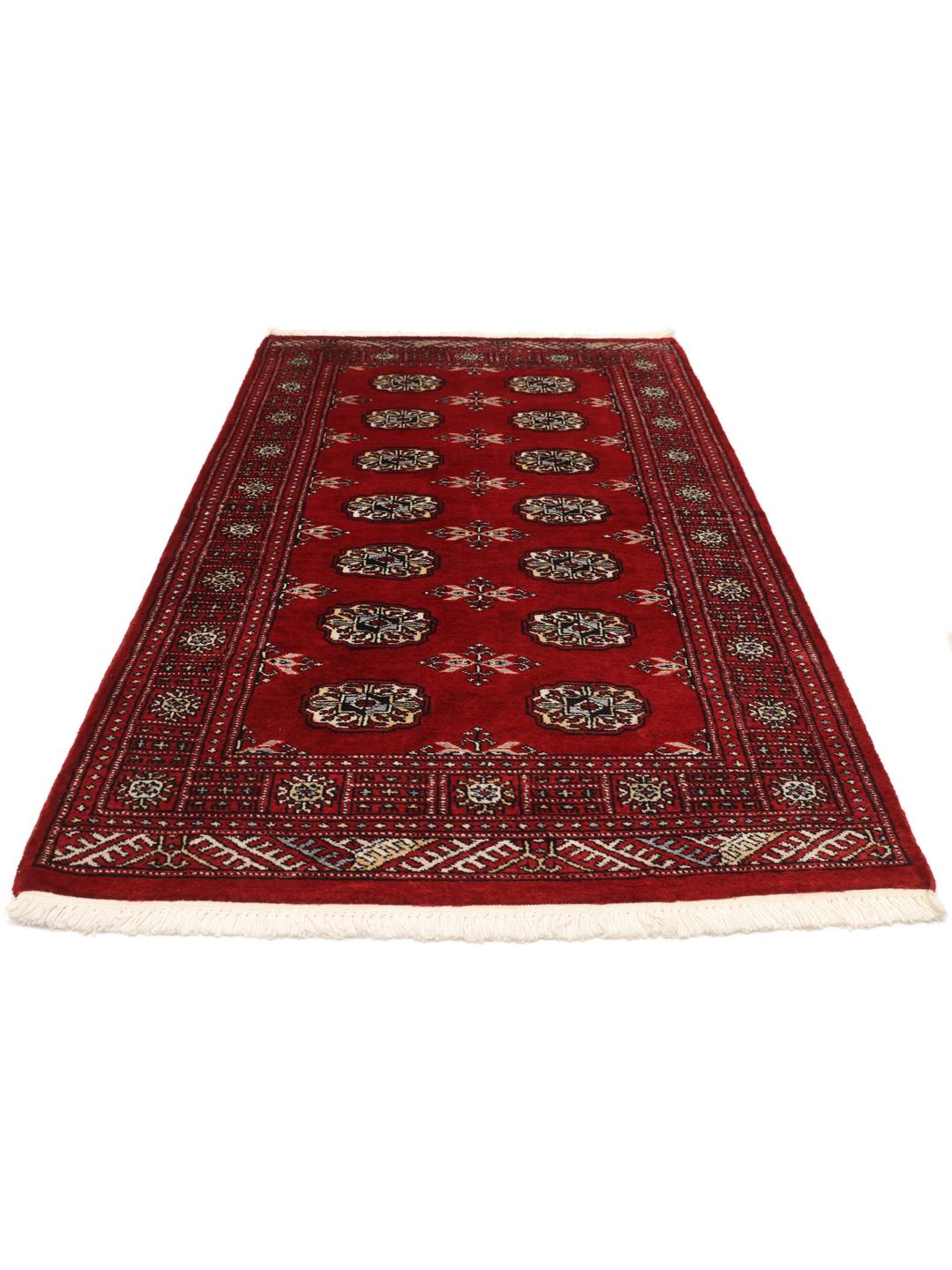
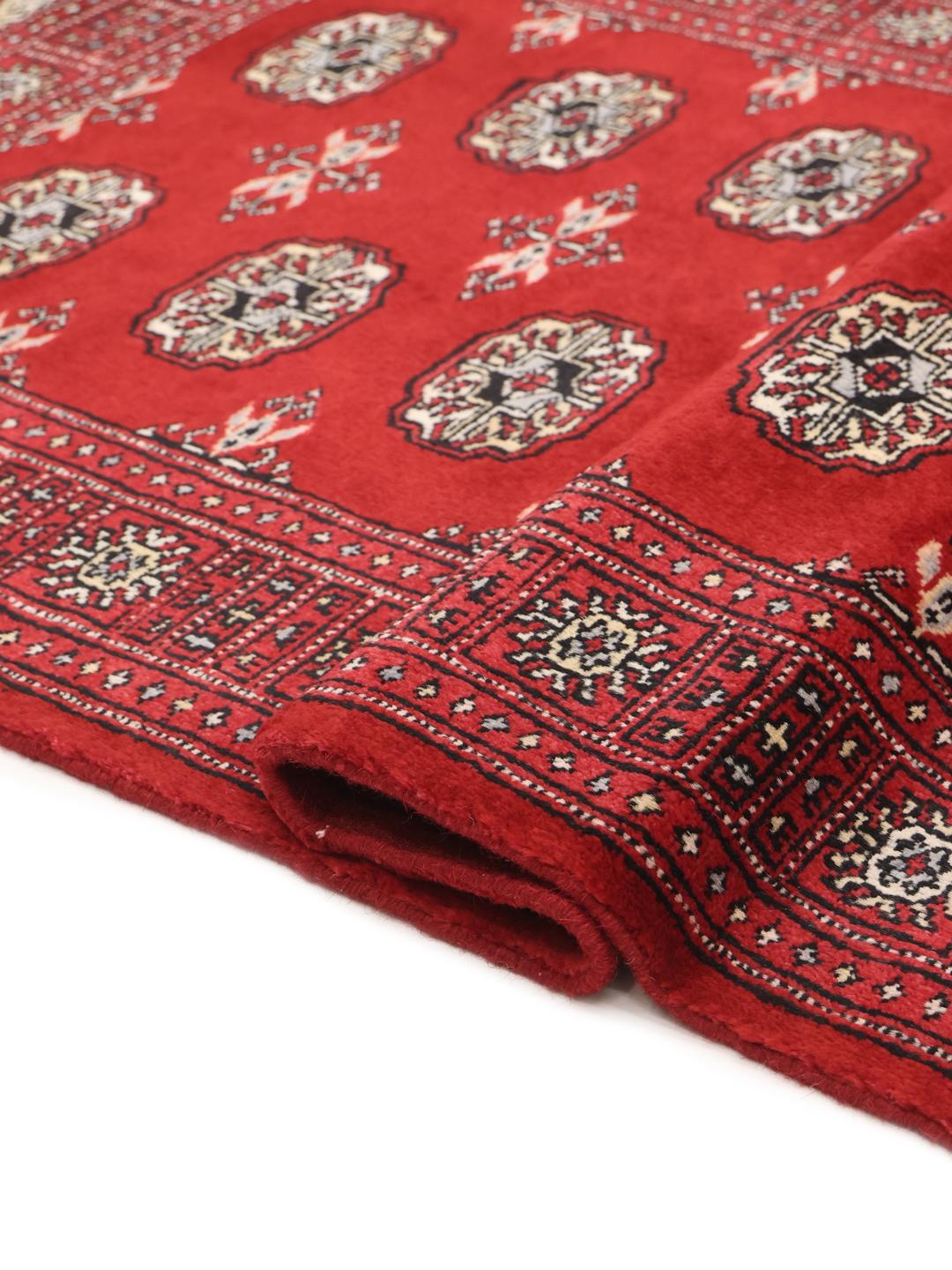
Visually, Bokhara rugs are instantly recognised by their repeating gul motifs, which are octagonal or elephant-foot medallions arranged in neat rows across the field. Enclosed by structured, geometric borders, this layout creates a balanced and harmonious look that has remained popular for centuries.
Owning a rug from this respected tradition means acquiring a piece of cultural heritage. It represents a bridge to centuries of hand-craftsmanship, offering both enduring aesthetic appeal and a tangible connection to the skilled artisans who keep these time-honoured techniques alive.