The tradition of rug weaving in China is a storied craft that has evolved over centuries, blending artistic expression with functional necessity. Chinese rugs are renowned for their distinctive aesthetic, often characterised by balanced compositions and a refined use of space that sets them apart from other regional styles.
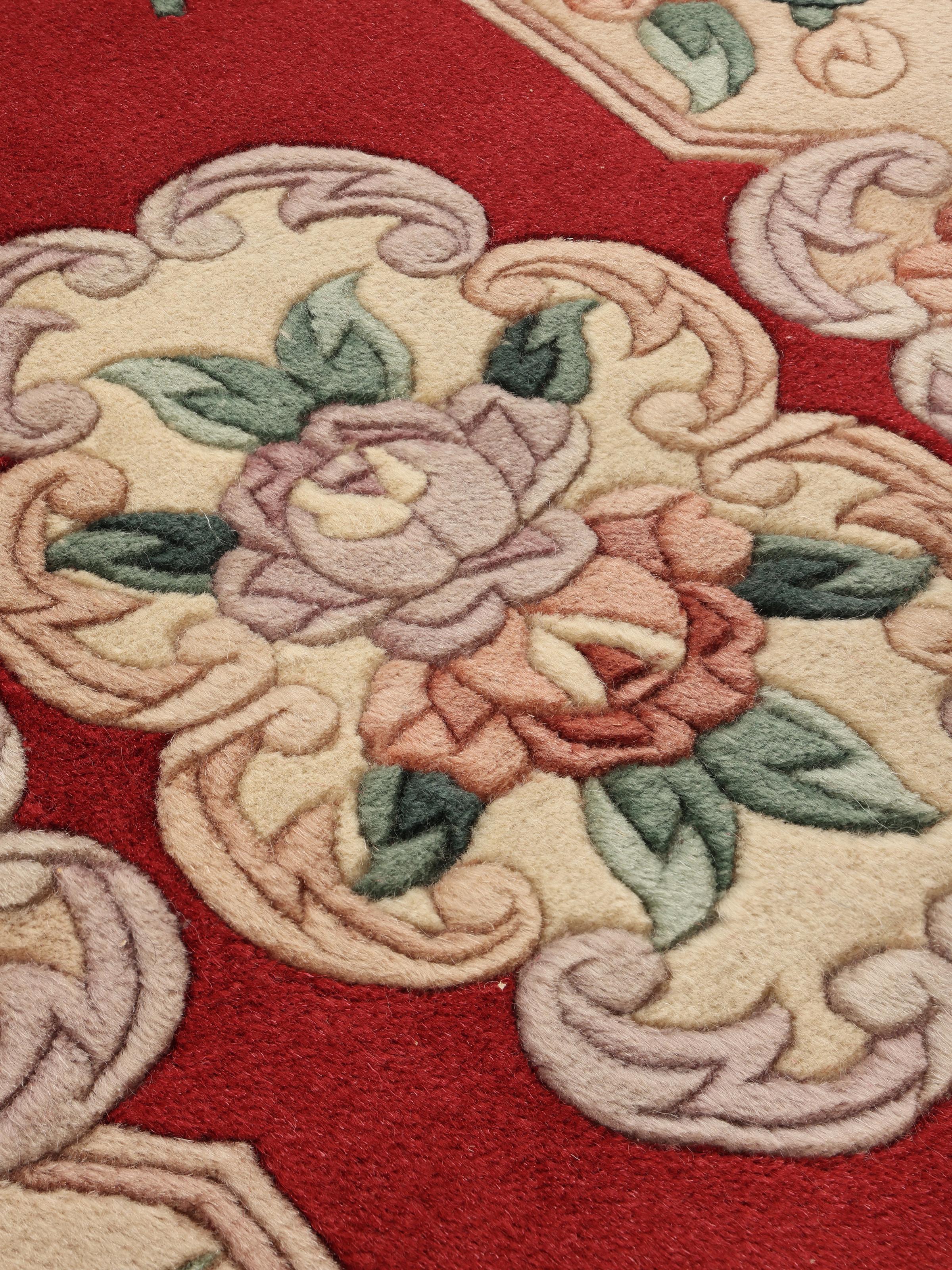
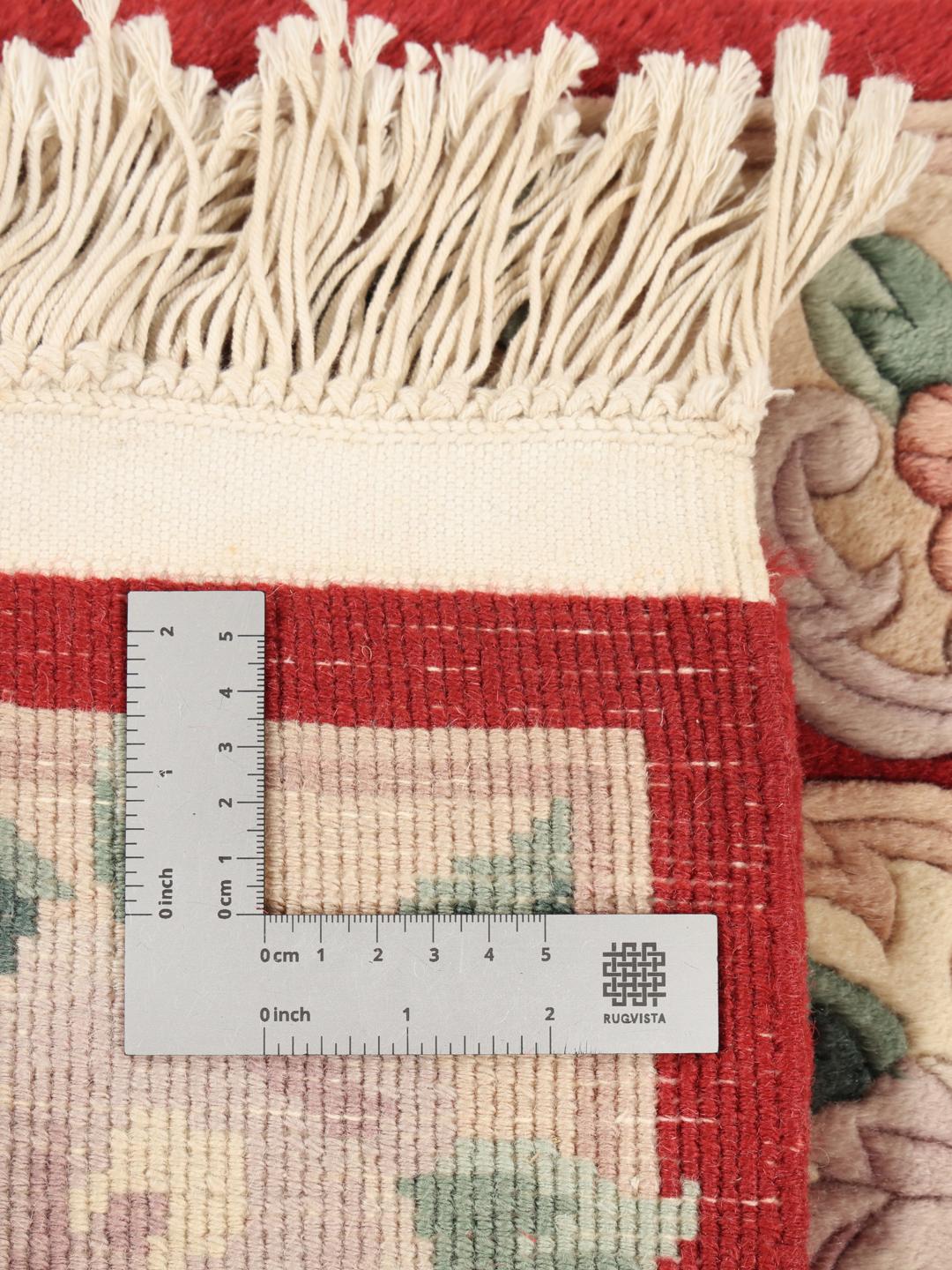
When discussing quality, terms like line count are essential. In the context of Chinese rugs, the line count—such as the 90-line designation—refers to the density of the knots across the width of the rug. A higher line count indicates a more compact, finer weave, which allows for greater detail in the floral motifs and ensures a more durable, lush pile that stands up to wear.
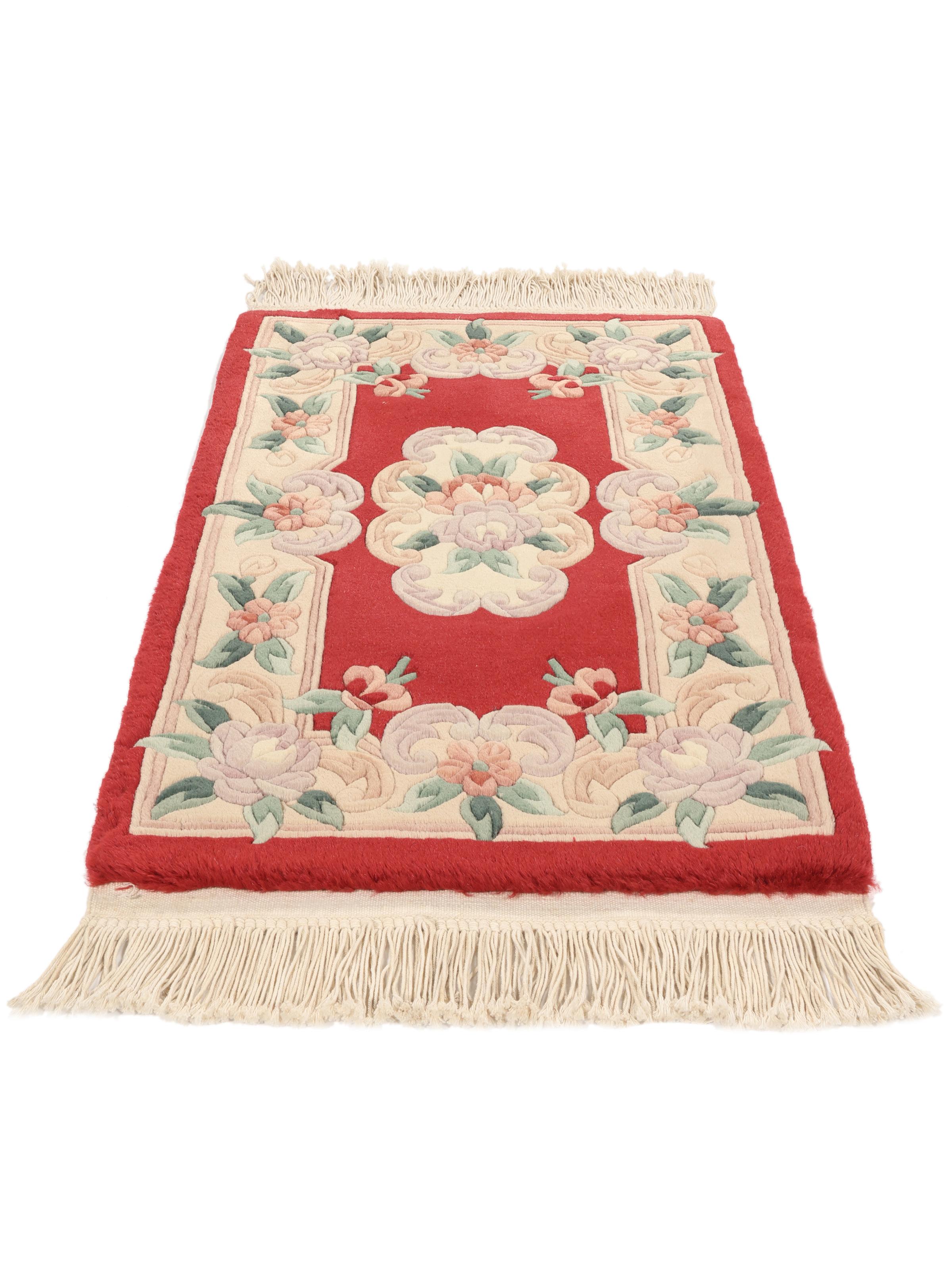
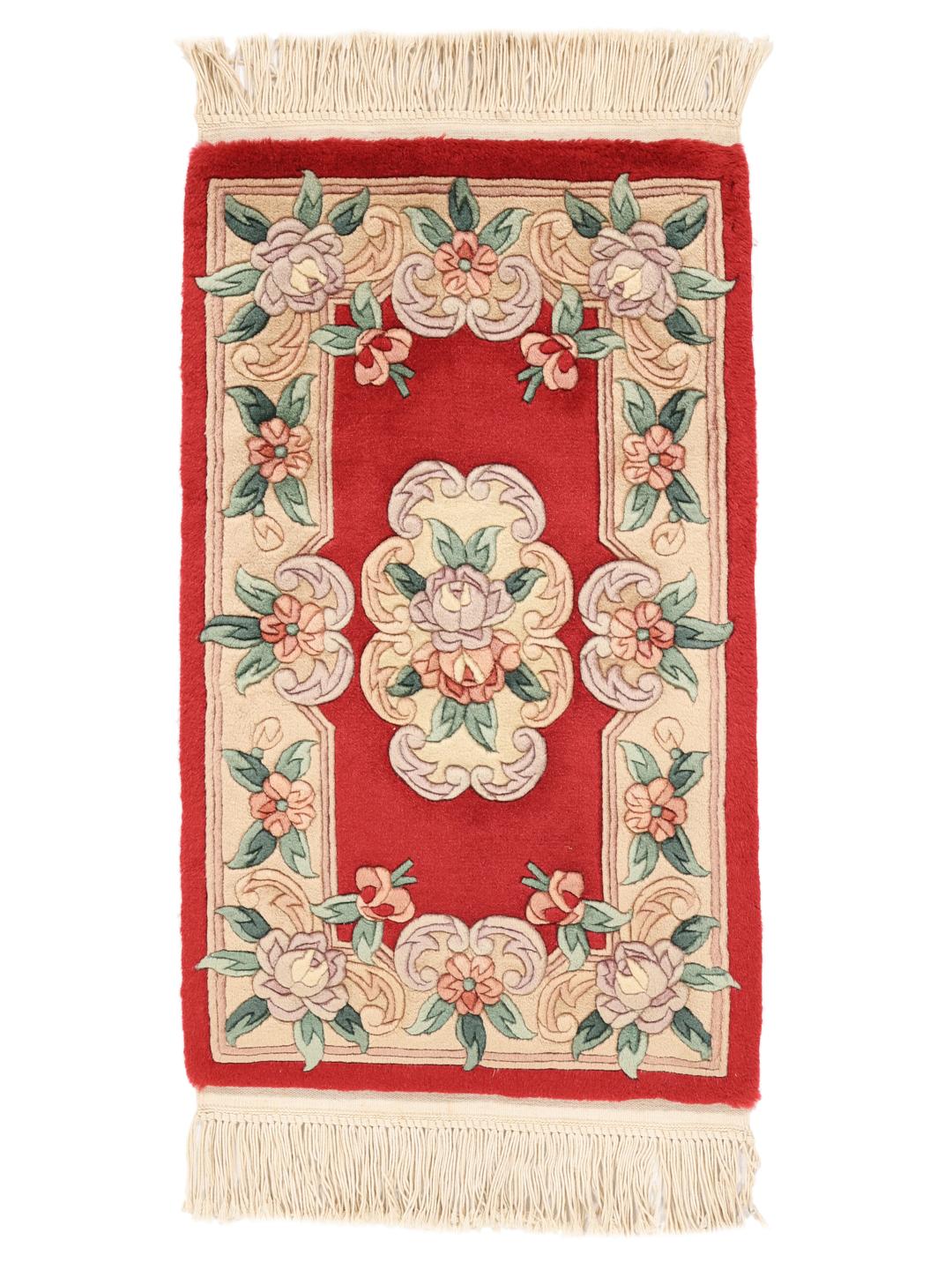
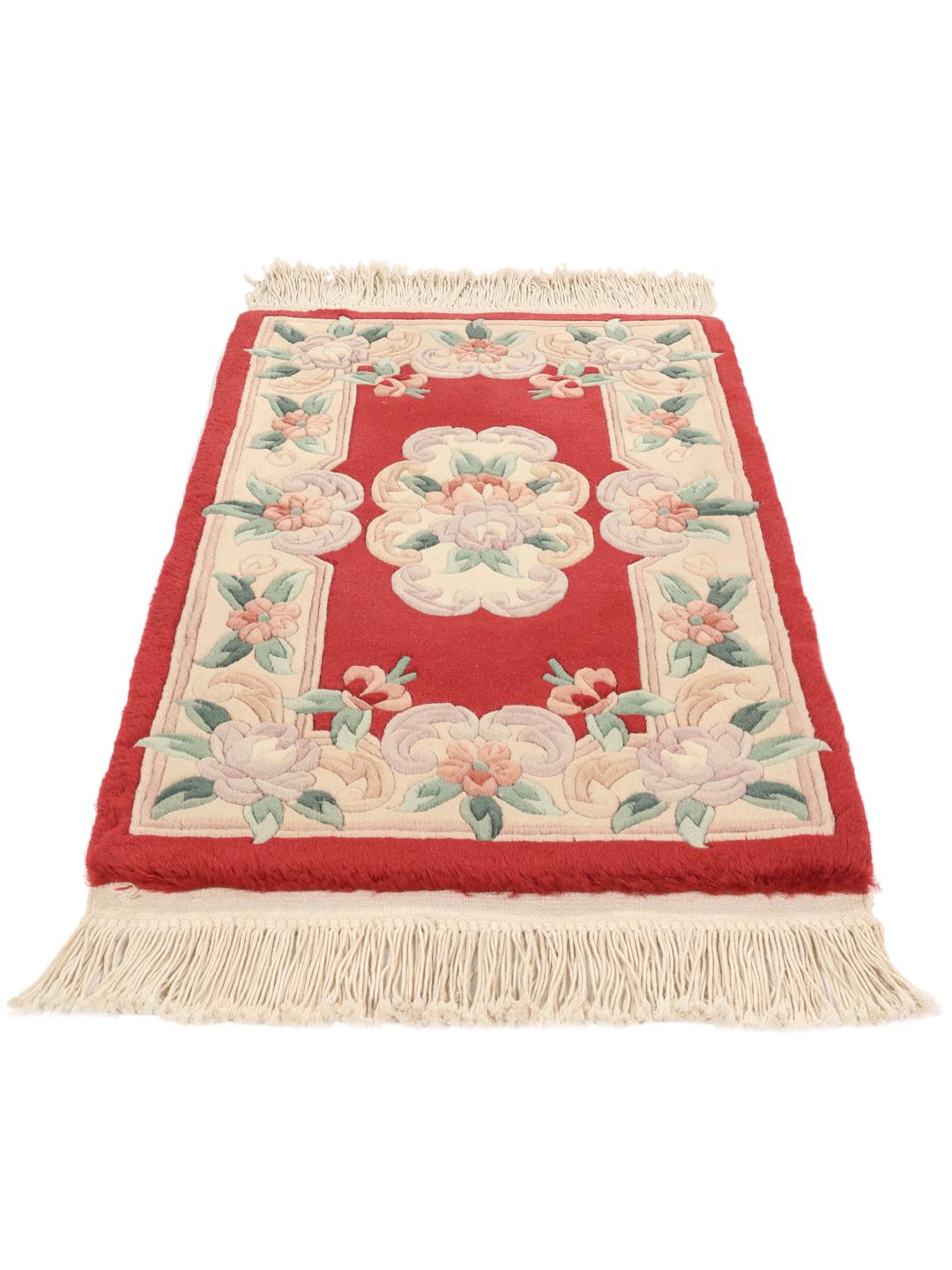
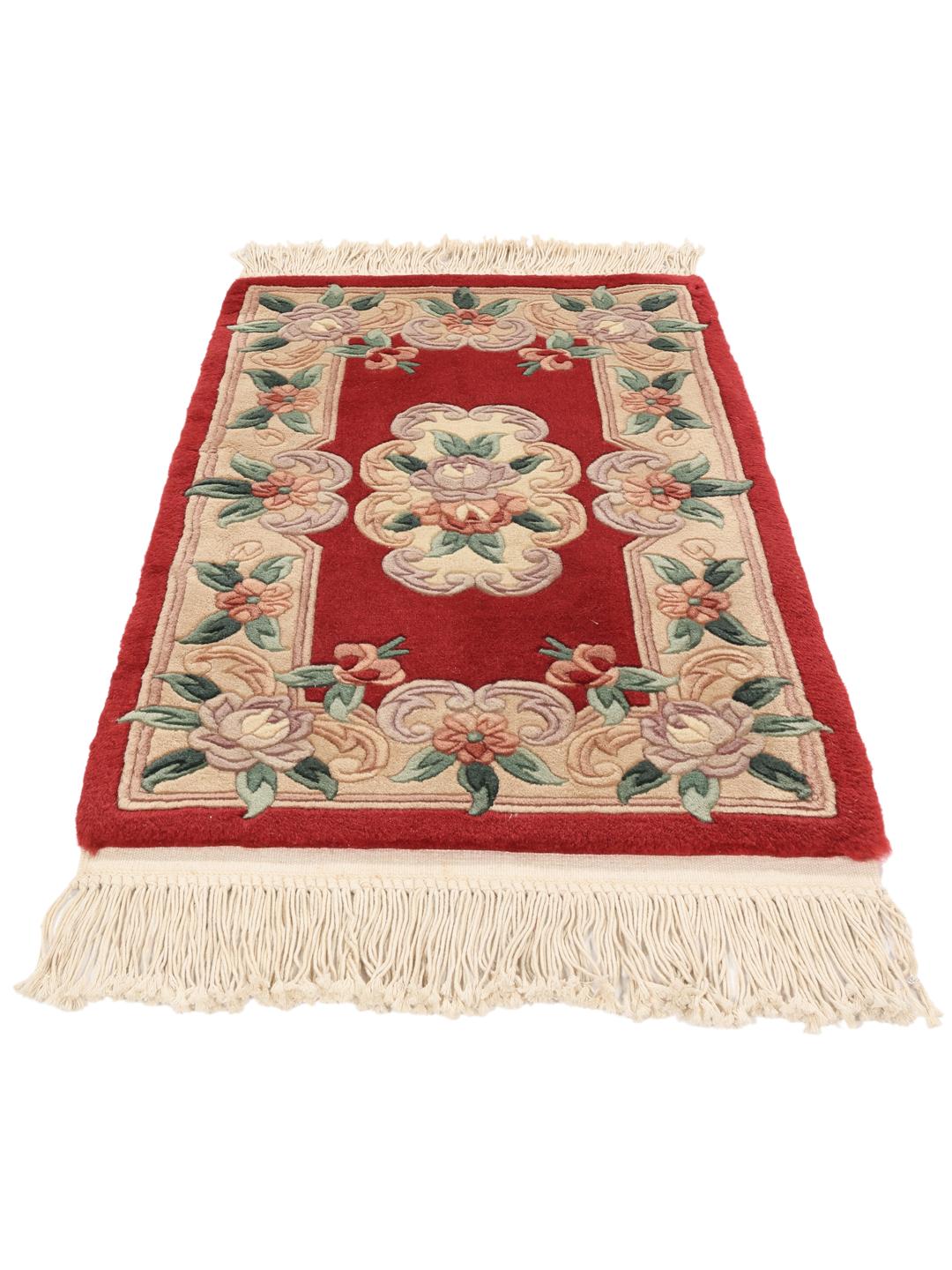
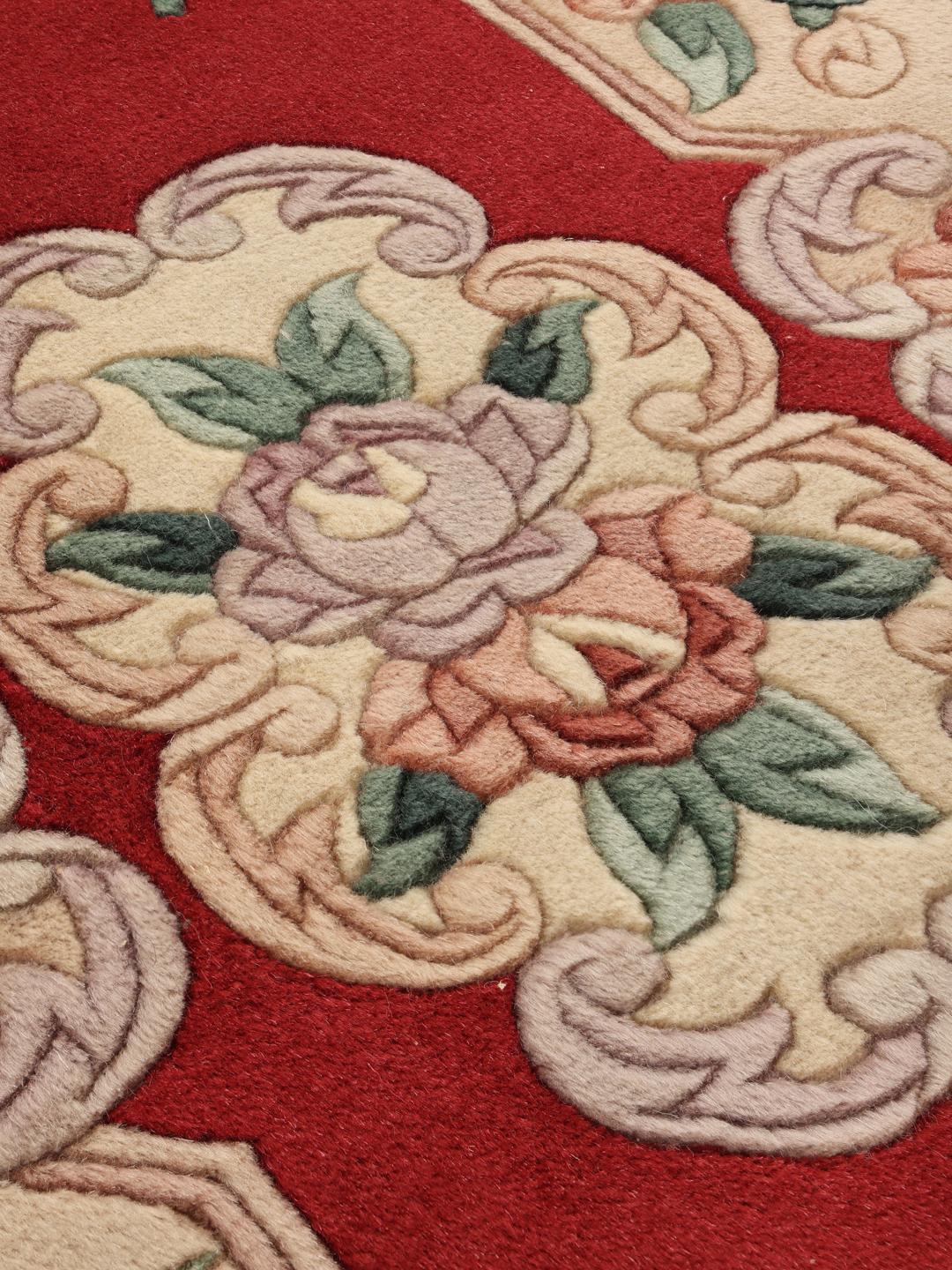
Signature design elements in these rugs frequently draw from nature, with floral patterns being a cornerstone of the aesthetic. These designs are often influenced by traditional arts, featuring stylised peonies, lotus blossoms, or scrolling vines that are framed by elegant, decorative borders. The use of a bold red field is a classic choice, symbolising luck and prosperity in many cultural contexts.
Owning a hand-knotted rug from this tradition is an invitation to appreciate the heritage of skilled artistry. Collectors value these pieces not only for their visual harmony but also for the patience and dedication required to create them. They represent a bridge between ancient craftsmanship and contemporary home living, offering a piece of history that continues to provide warmth and beauty.