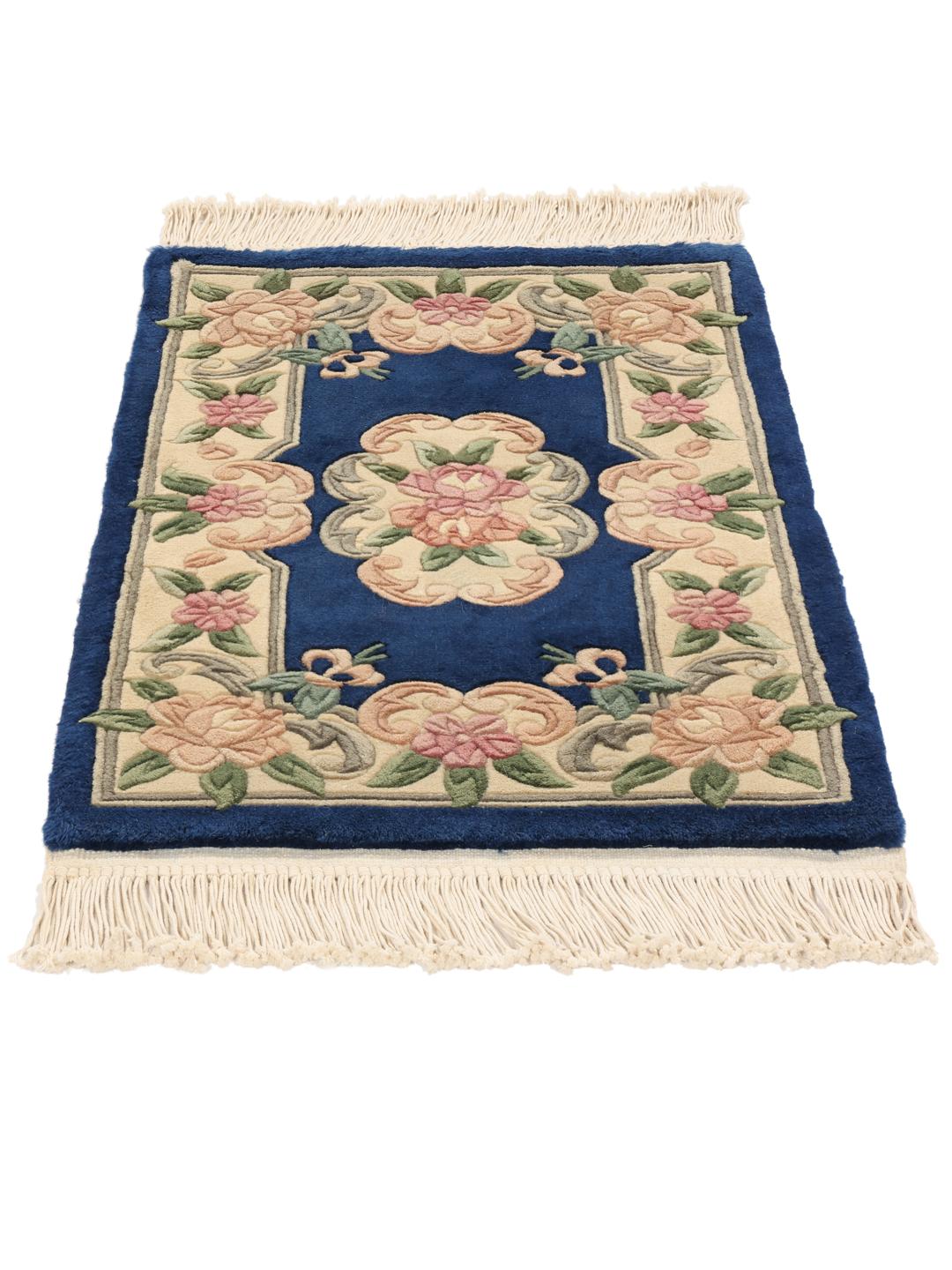
Chinese rug production has a storied history that stretches back centuries, evolving from simple functional floor coverings into highly sophisticated works of art. The tradition is deeply rooted in the cultural aesthetics of the region, often drawing inspiration from nature, silk weaving, and imperial symbolism.
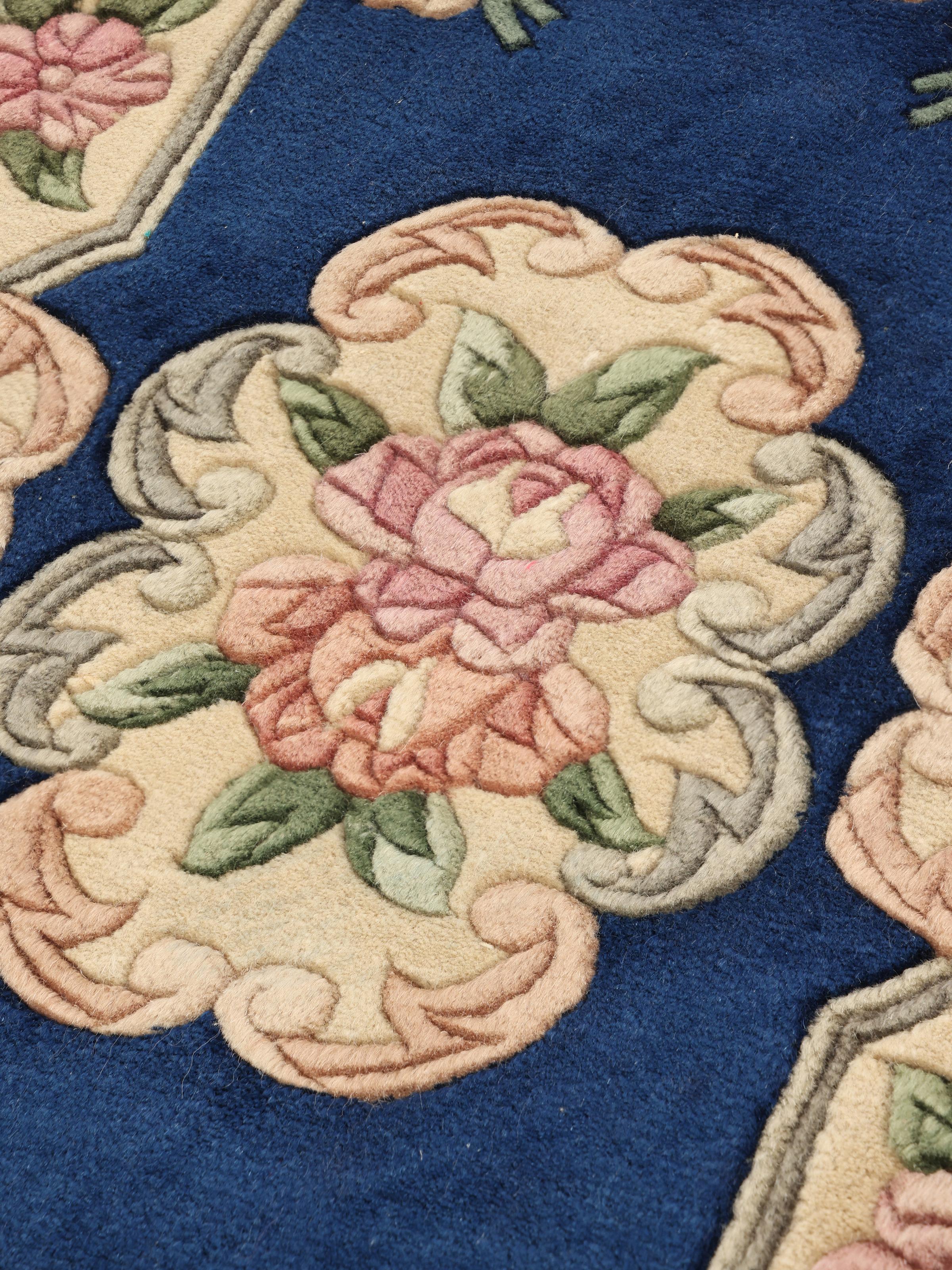
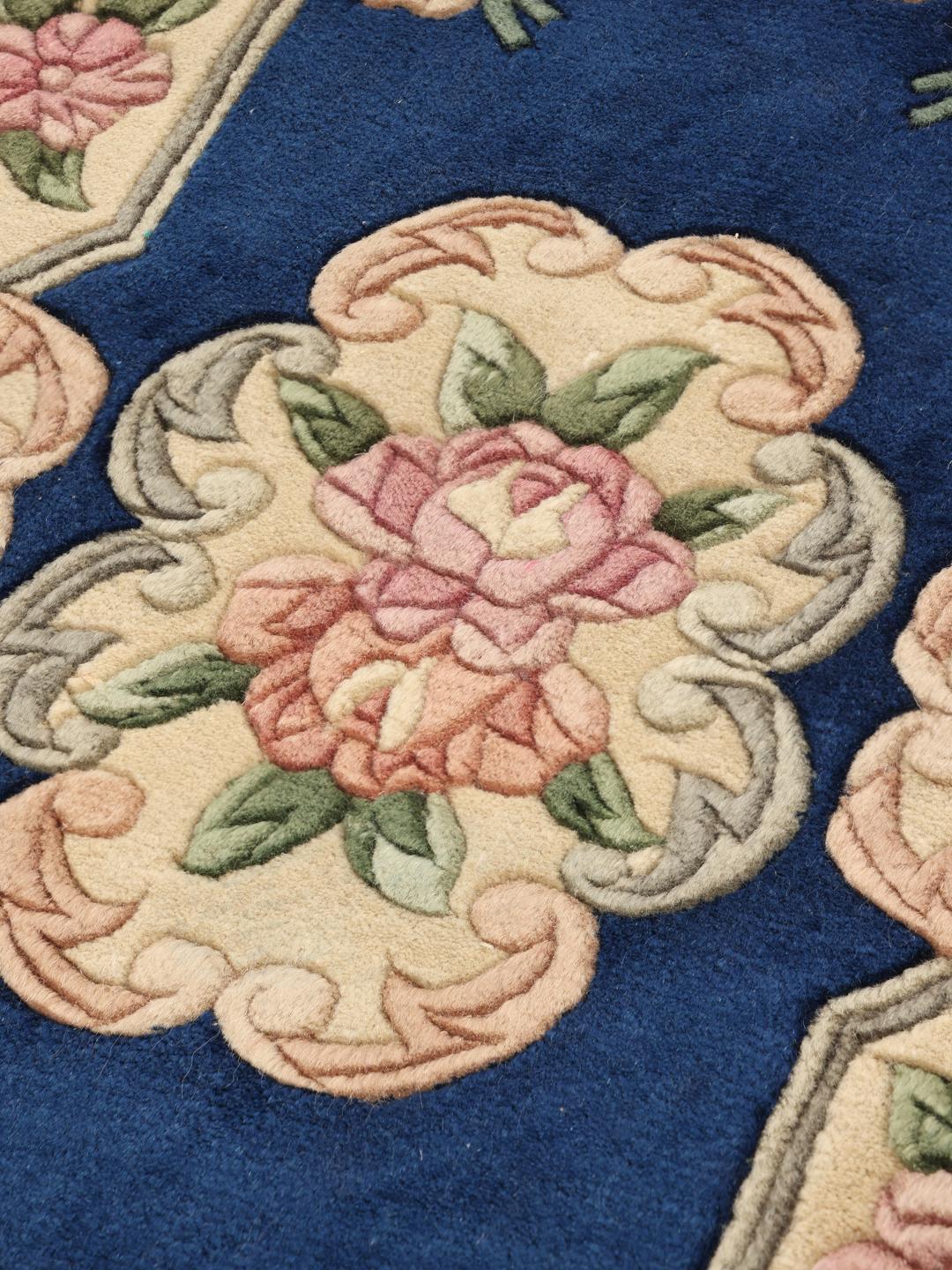
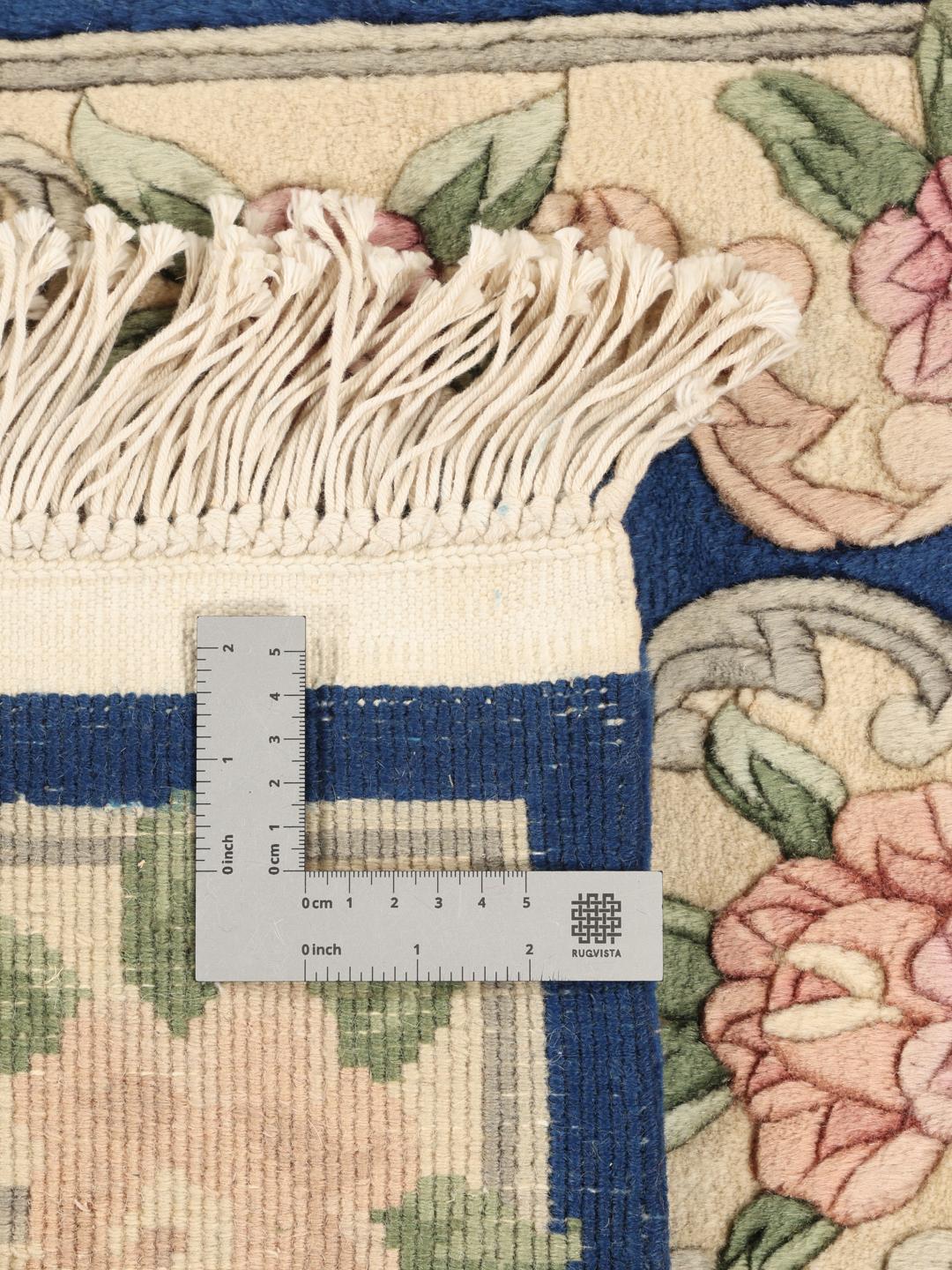
The 90 line designation refers to a traditional system of measuring the quality and fineness of the knotting process. This metric indicates the number of knots found across a specific width, which directly impacts the clarity of the floral patterns and the overall density of the pile. Higher counts mean the artisan has more room to render intricate details, resulting in a cleaner, more refined look.
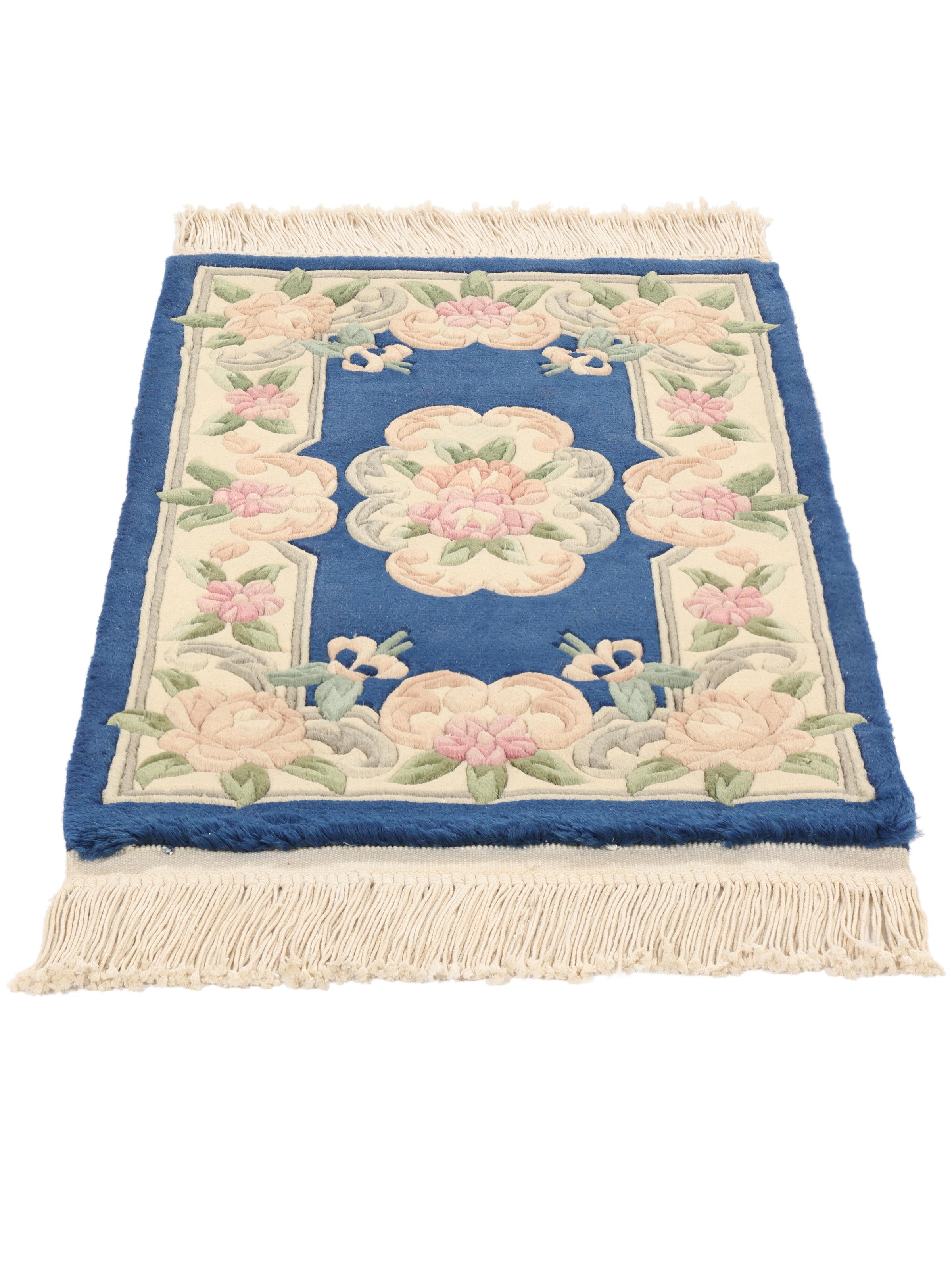
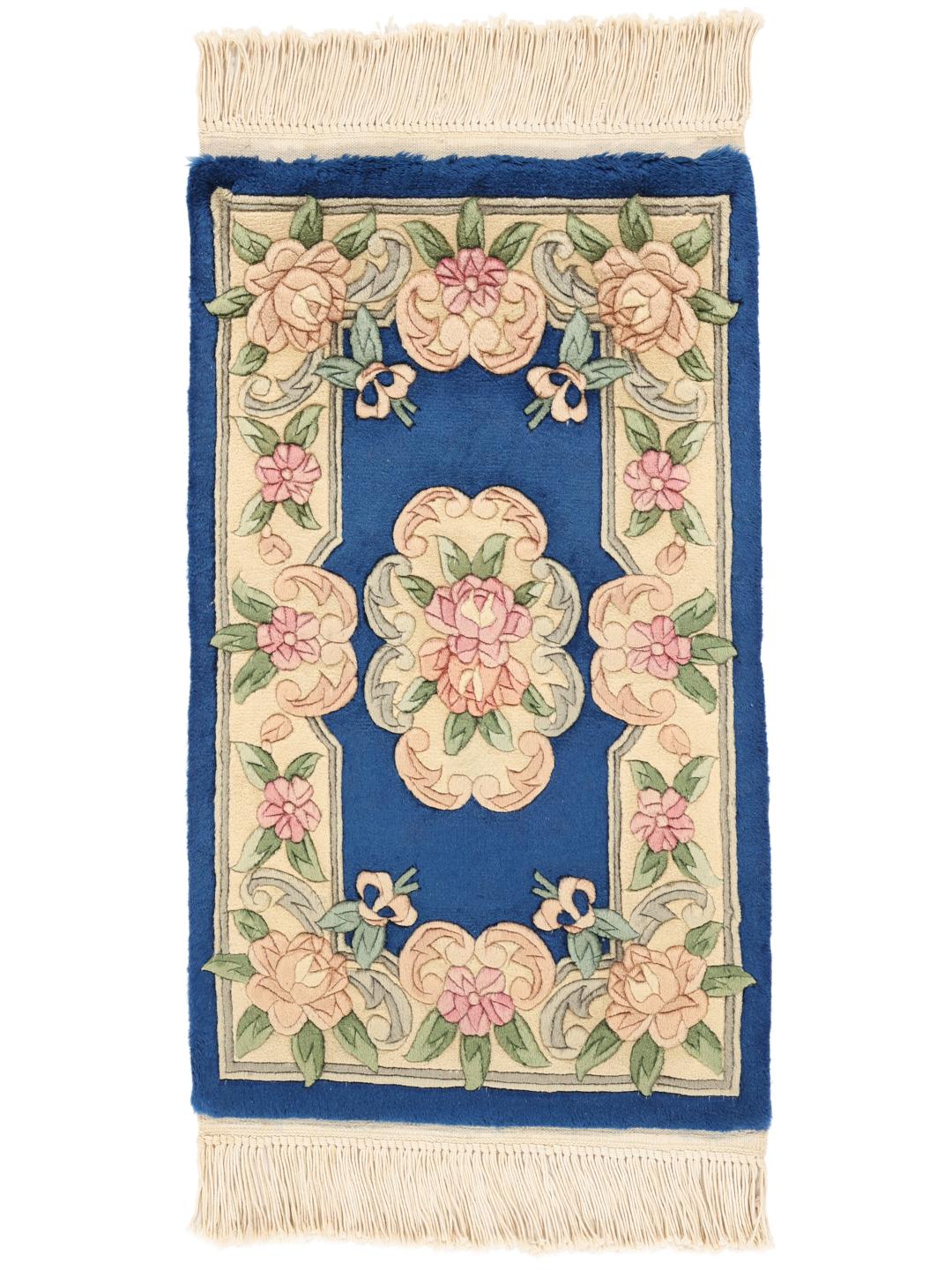
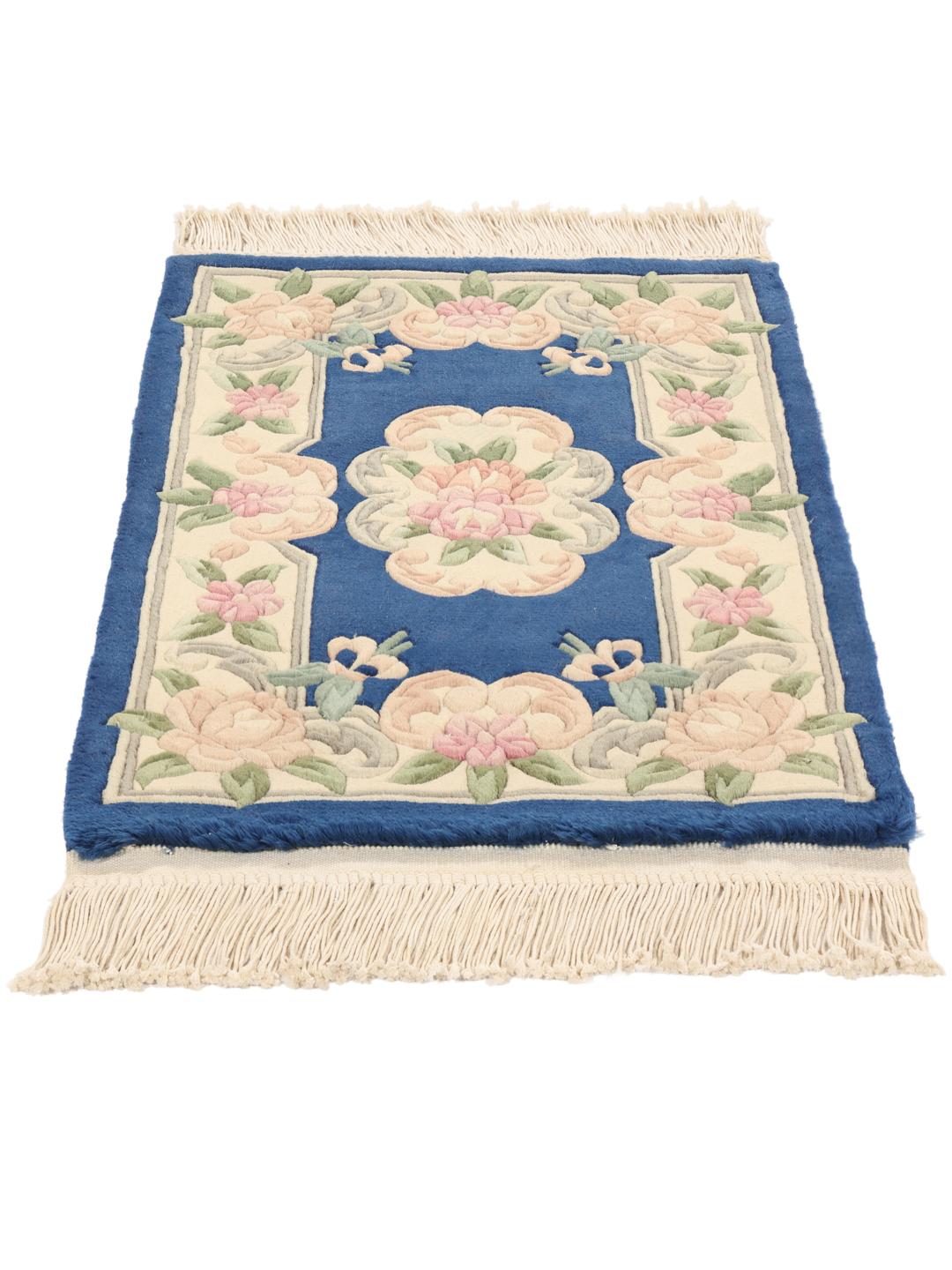
Floral motifs are a hallmark of this tradition, often featuring balanced, symmetrical compositions that bring a sense of harmony to an interior. The use of soft, pastel tones against a bold background is a classic characteristic that highlights the skill of the dyer and the weaver in balancing contrast with grace.
Owning a piece from this tradition means connecting with a heritage of meticulous craft. These rugs are highly valued for their ability to bridge the gap between historical artistry and modern living, making them essential for those who appreciate the skill and human effort required to create something truly lasting.