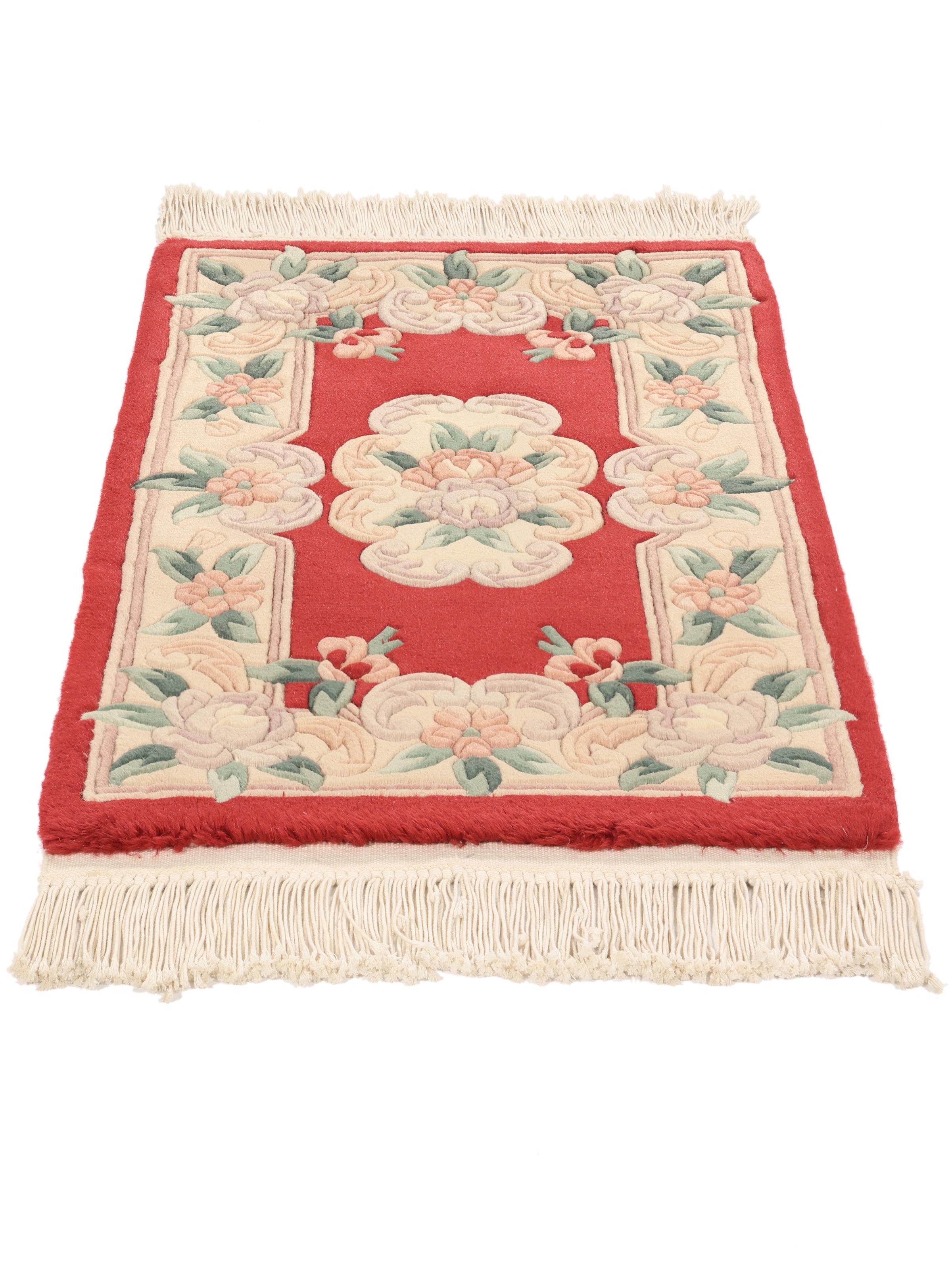
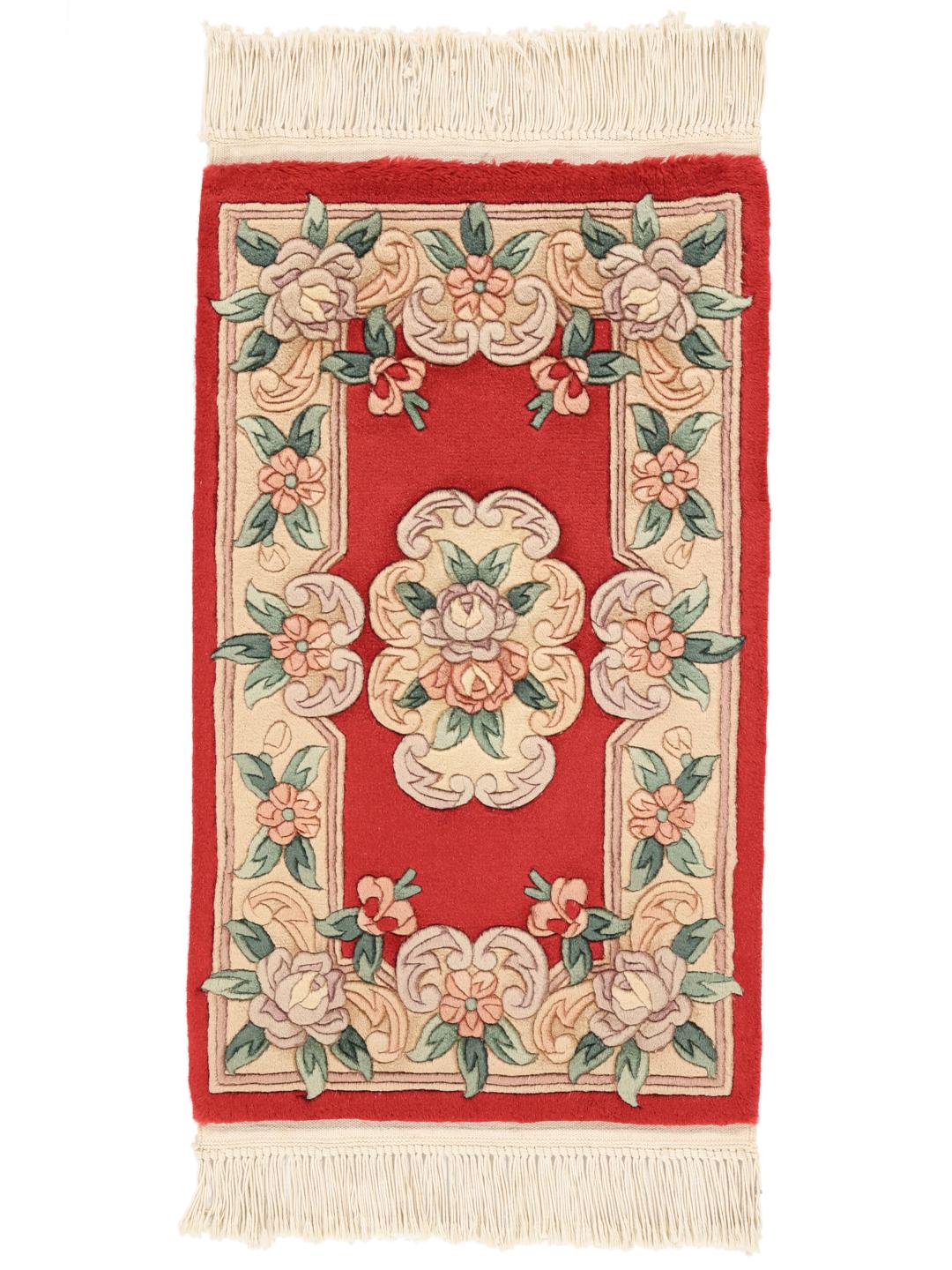
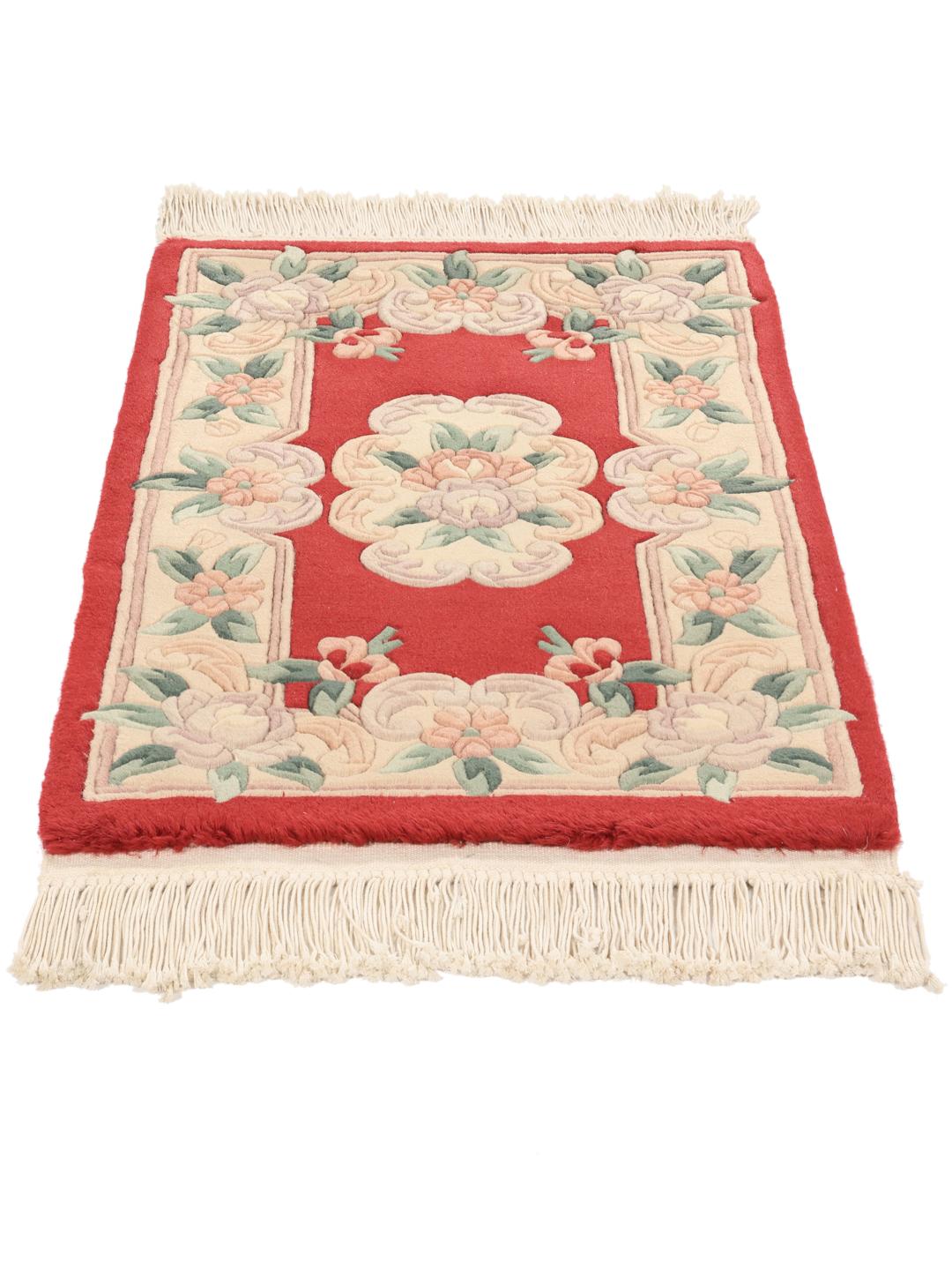
The history of rug making in China is a centuries-old tradition that has evolved from functional household items into sophisticated works of art. Historically, these rugs were often commissioned for imperial palaces and temples, utilising symbols and motifs deeply rooted in local culture and philosophy.
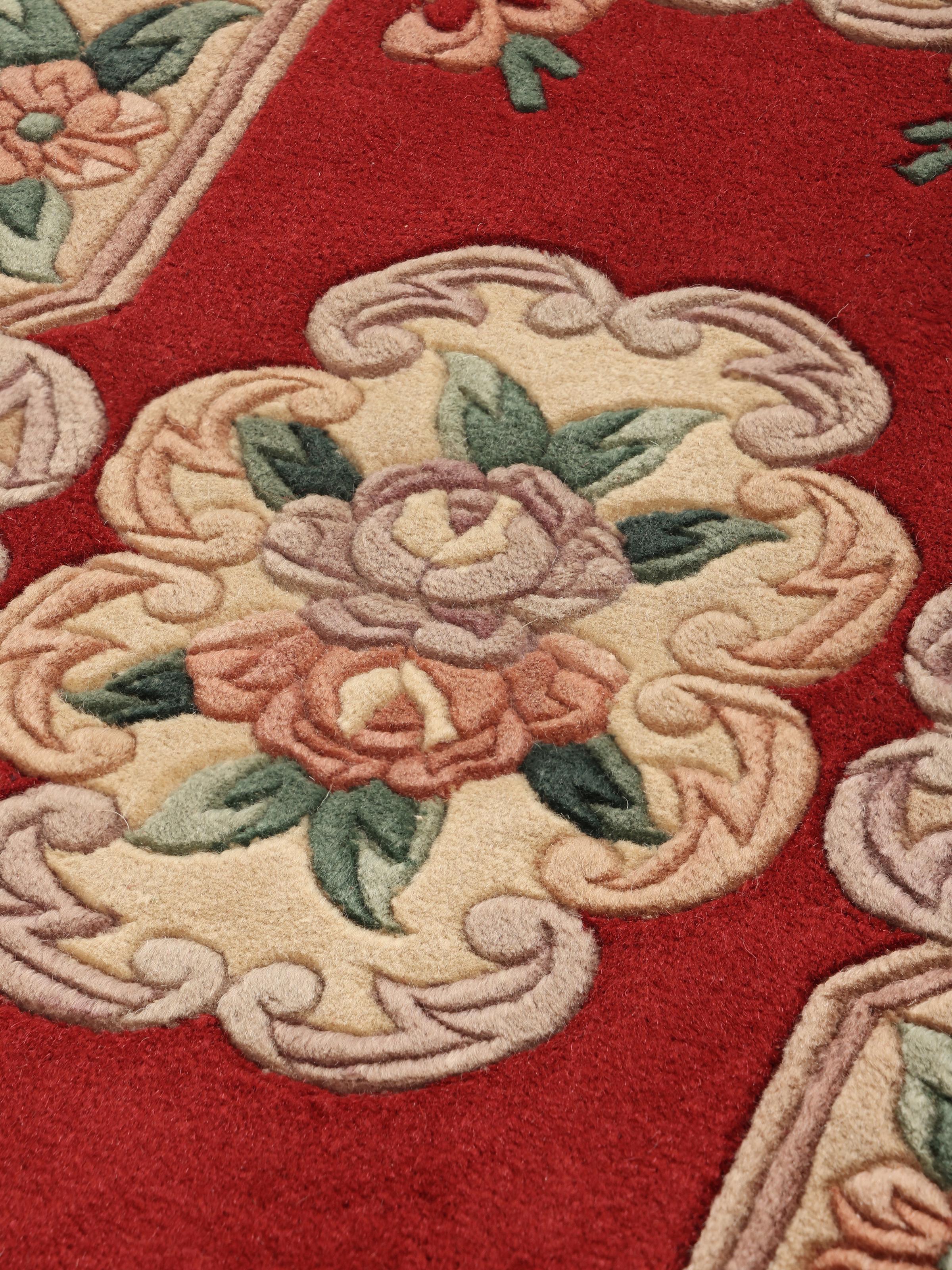
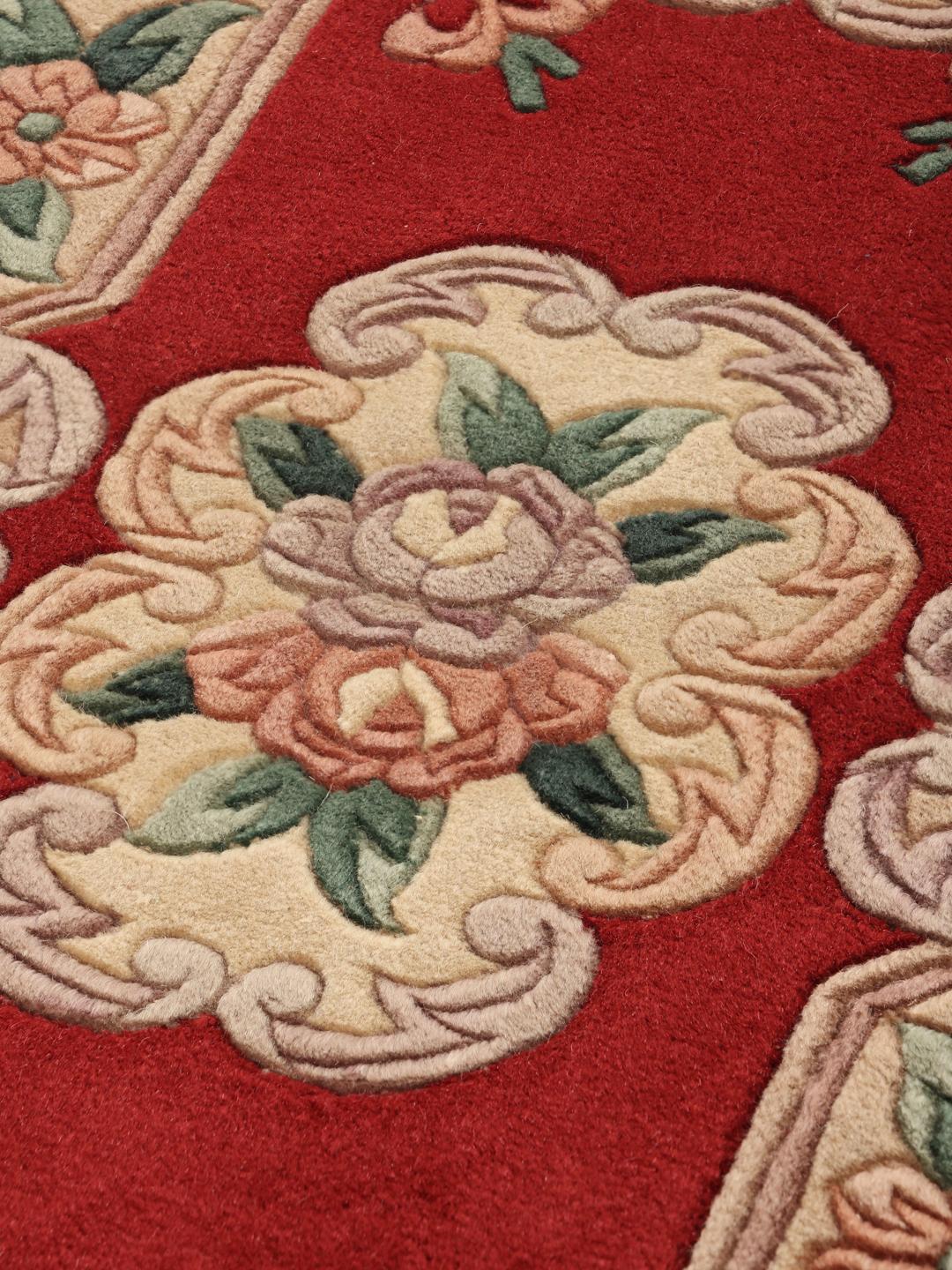
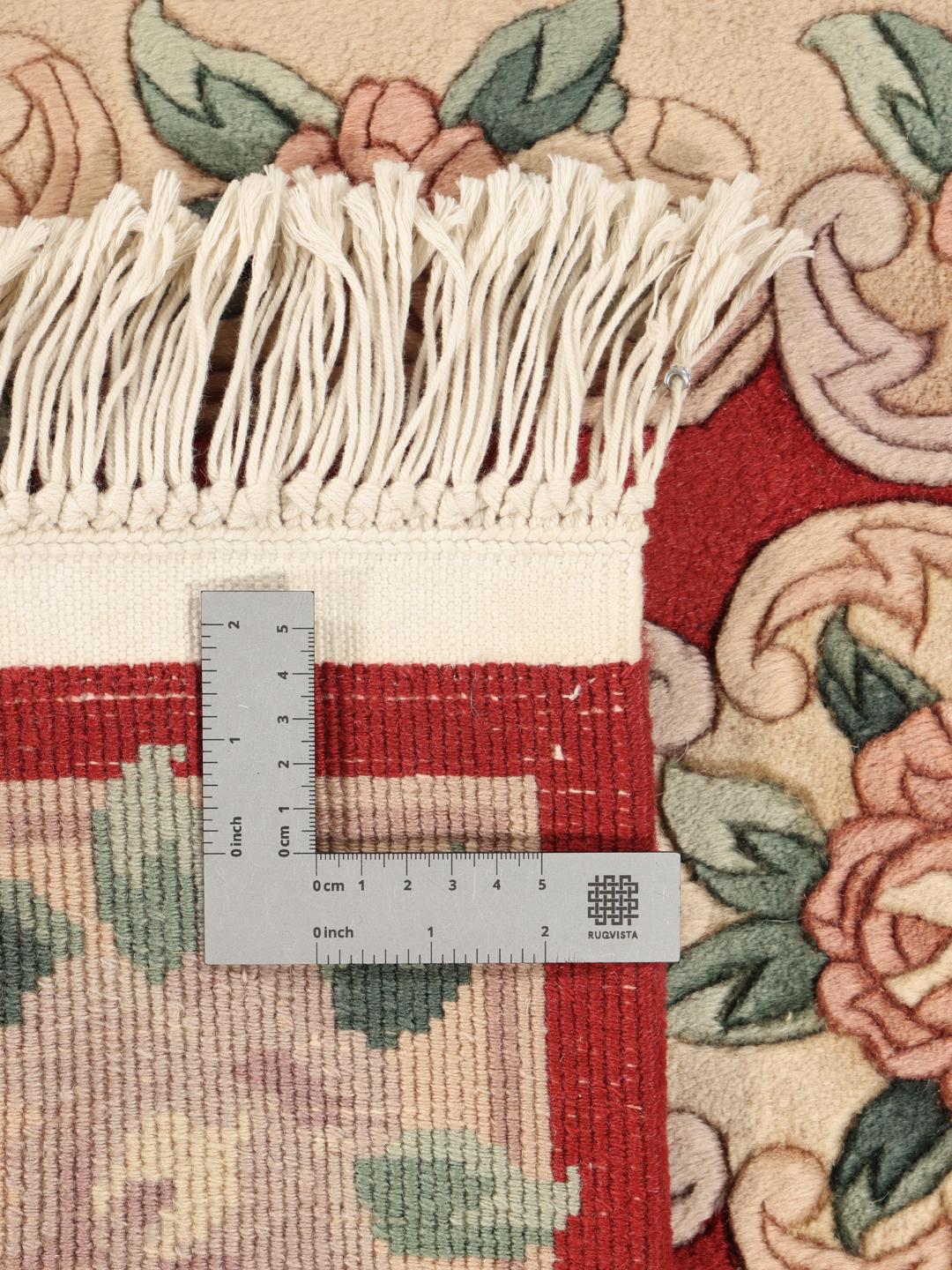
The '90 Line' refers to a specific technical measurement of the rug's density, indicating the number of knots per linear foot. This standardised craft terminology is a hallmark of traditional Chinese weaving, ensuring a consistent and high-quality finish that allows for the intricate, curvilinear floral designs that have become synonymous with this style.
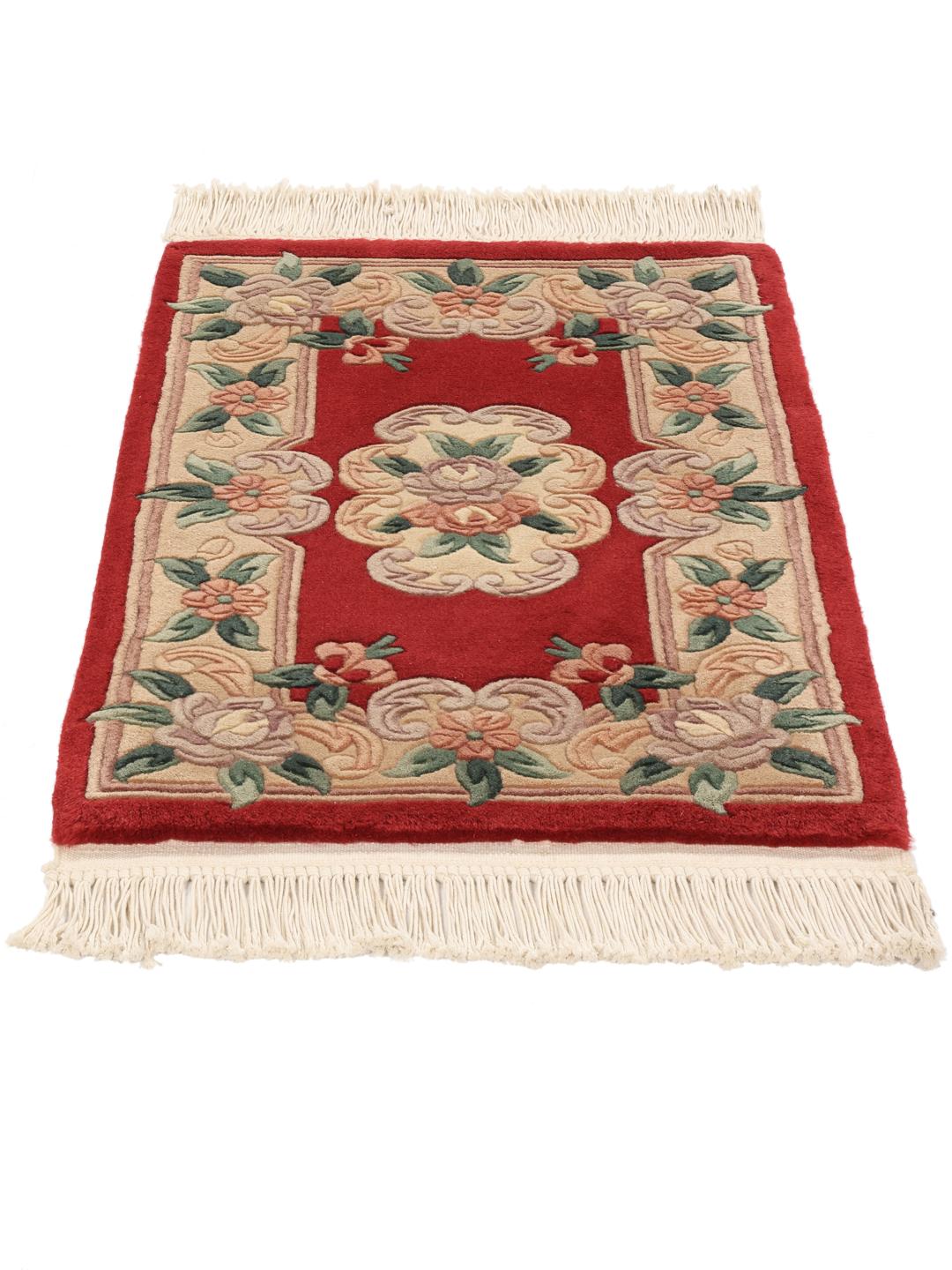
Signature design elements of these rugs often include a balanced composition, with a central medallion or floral cluster surrounded by elaborate, scrolling borders. The use of natural dyes and the emphasis on botanical motifs like peonies and lotus blossoms are intended to evoke feelings of prosperity, beauty, and harmony within the home.
Today, these rugs are highly prized by collectors for their unique blend of cultural heritage and technical precision. Owning a piece from this tradition is an opportunity to connect with a legacy of master craftsmanship, where every thread tells a story of patience, skill, and enduring artistic vision.