Chinese rug weaving is an ancient craft with a history that spans over two thousand years, deeply rooted in the cultural and artistic evolution of the region. Historically, these rugs were produced for imperial use and for the temples of the elite, often incorporating symbolic motifs that reflected traditional Chinese philosophy and nature-inspired aesthetics.
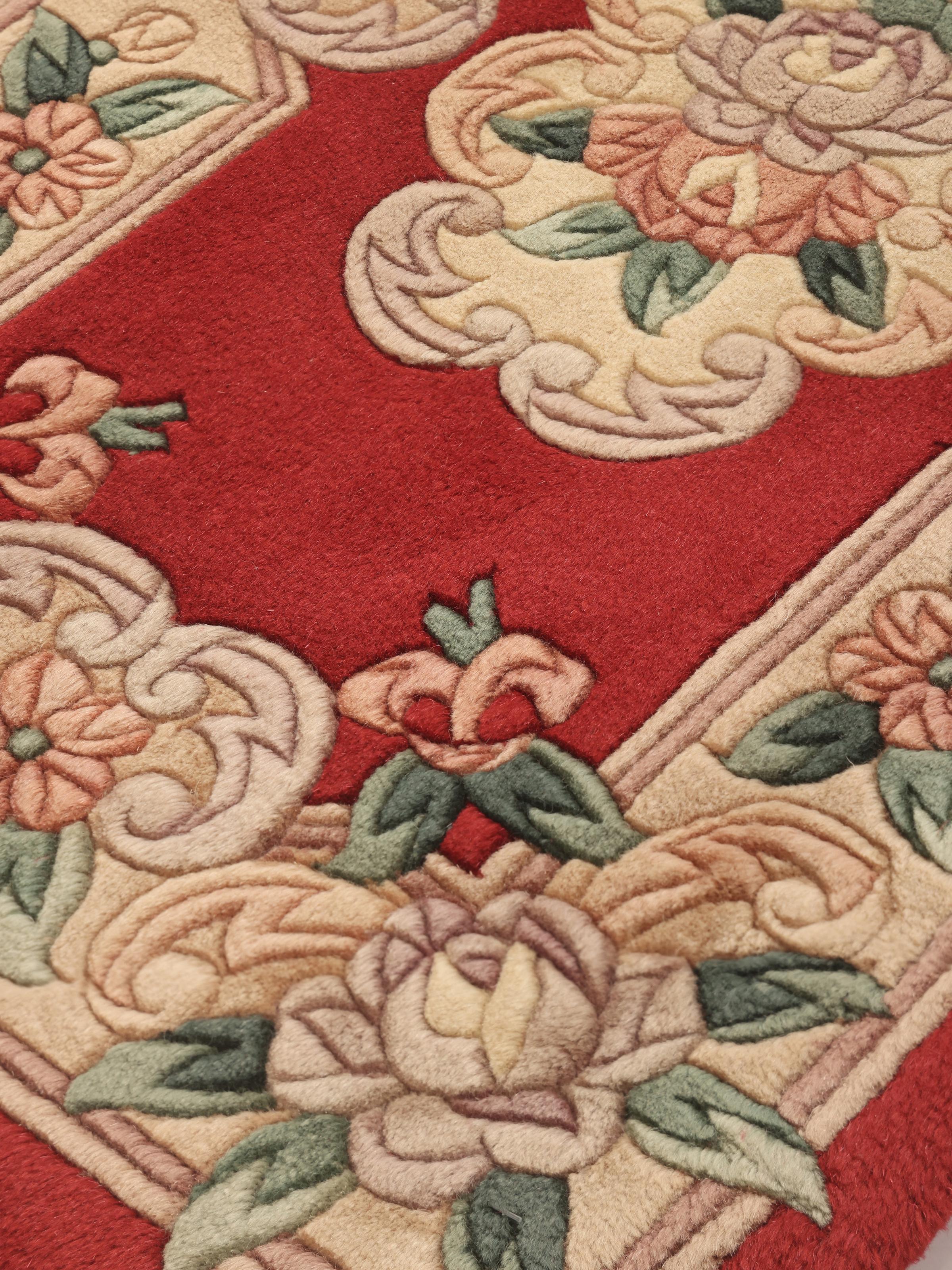
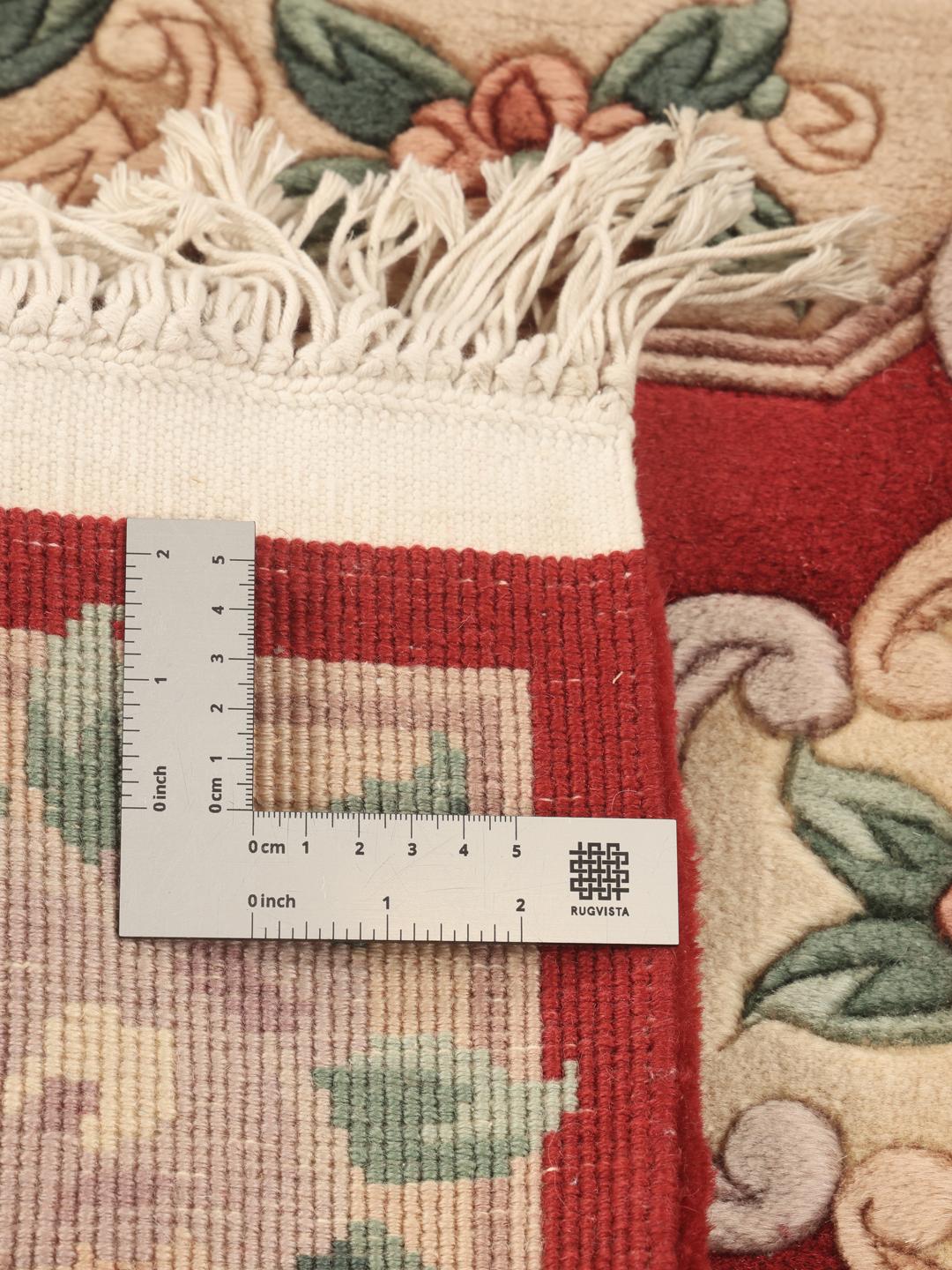
The term '90 Line' refers to a specific technical standard in the Chinese rug-making industry, denoting the number of knots per linear foot. This measurement is a key indicator of quality, as it dictates the density and durability of the finished piece. A higher line count ensures a finer, more detailed pattern and a firmer, more supportive pile that stands the test of time.
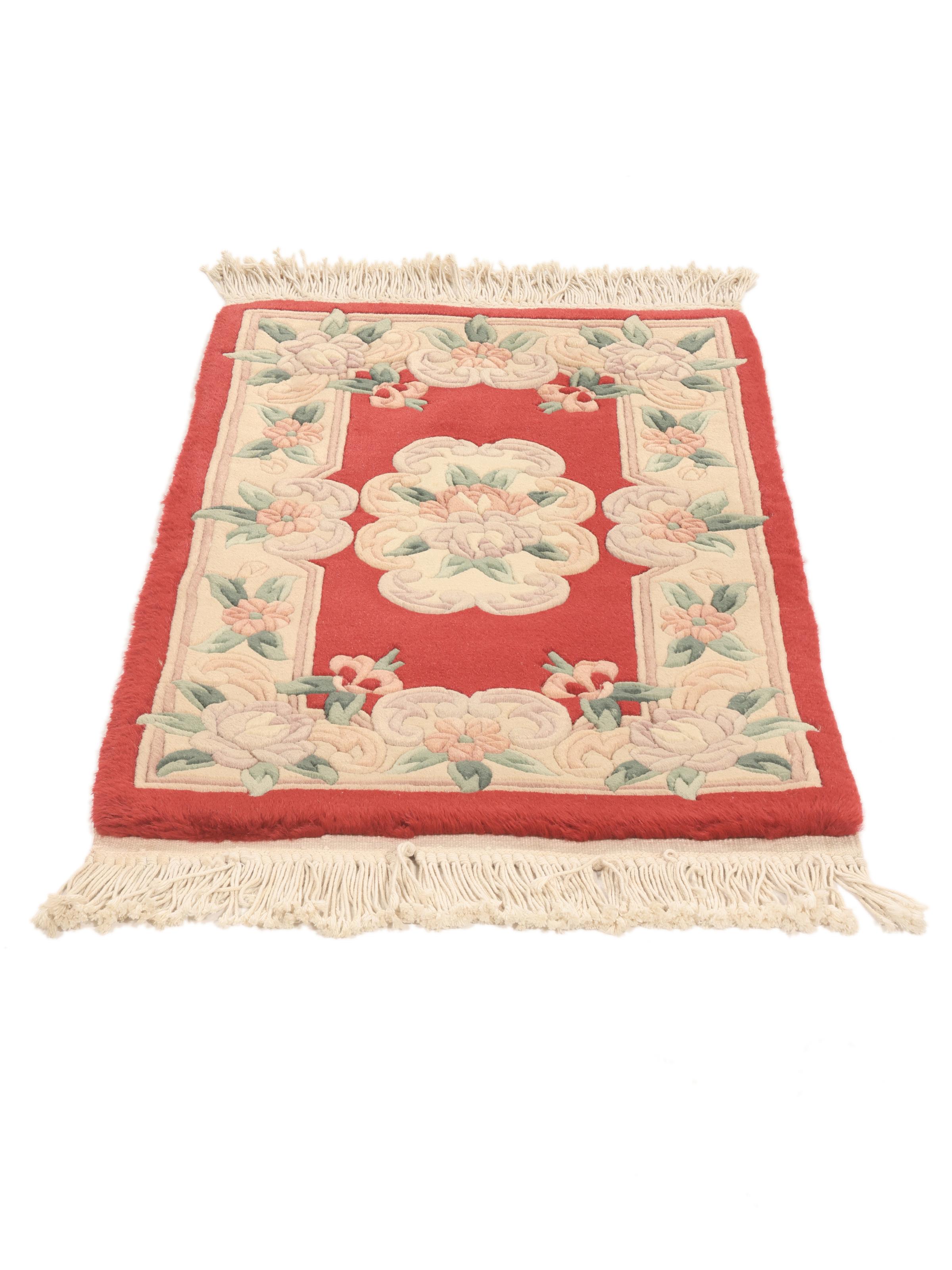
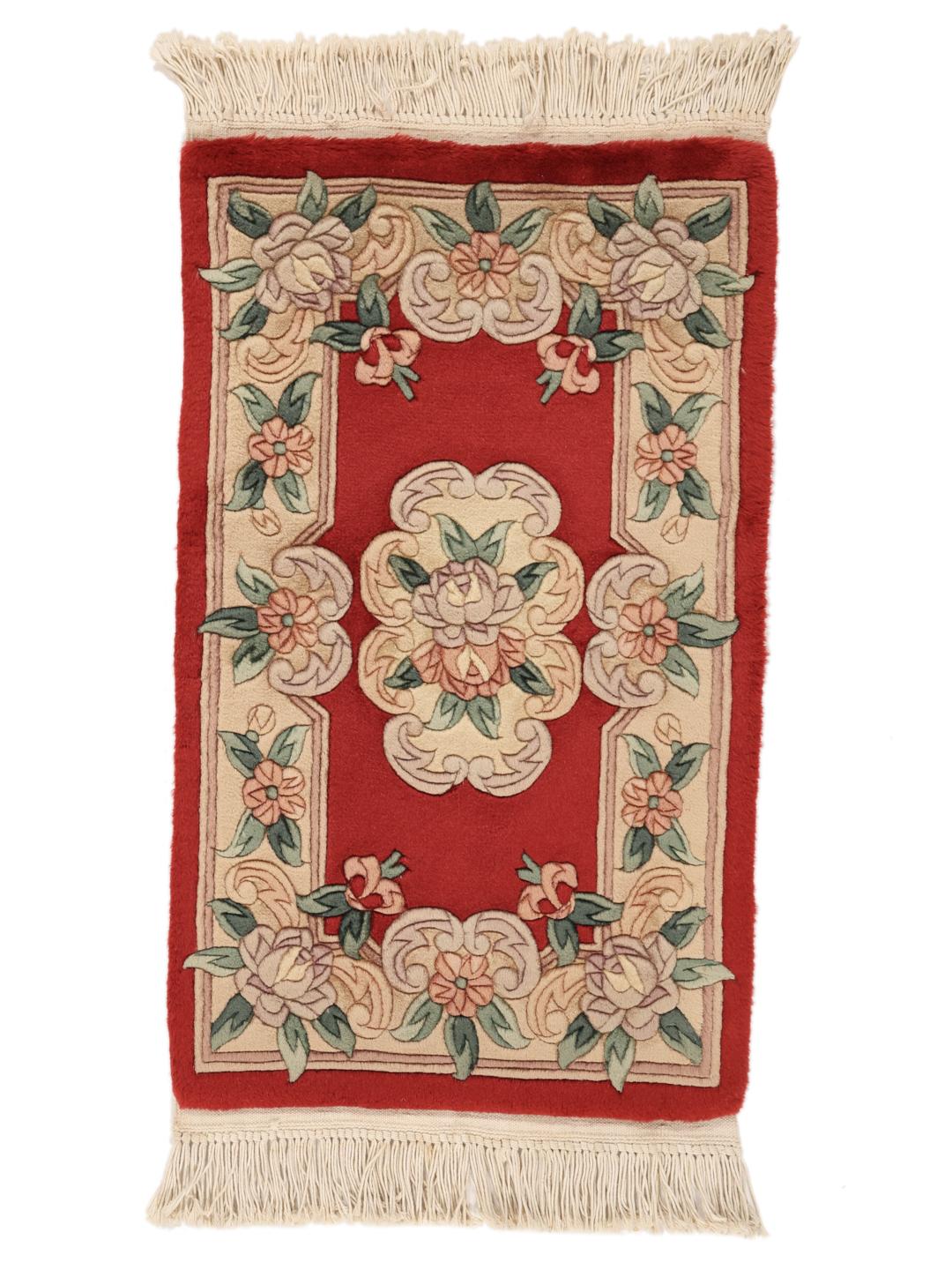
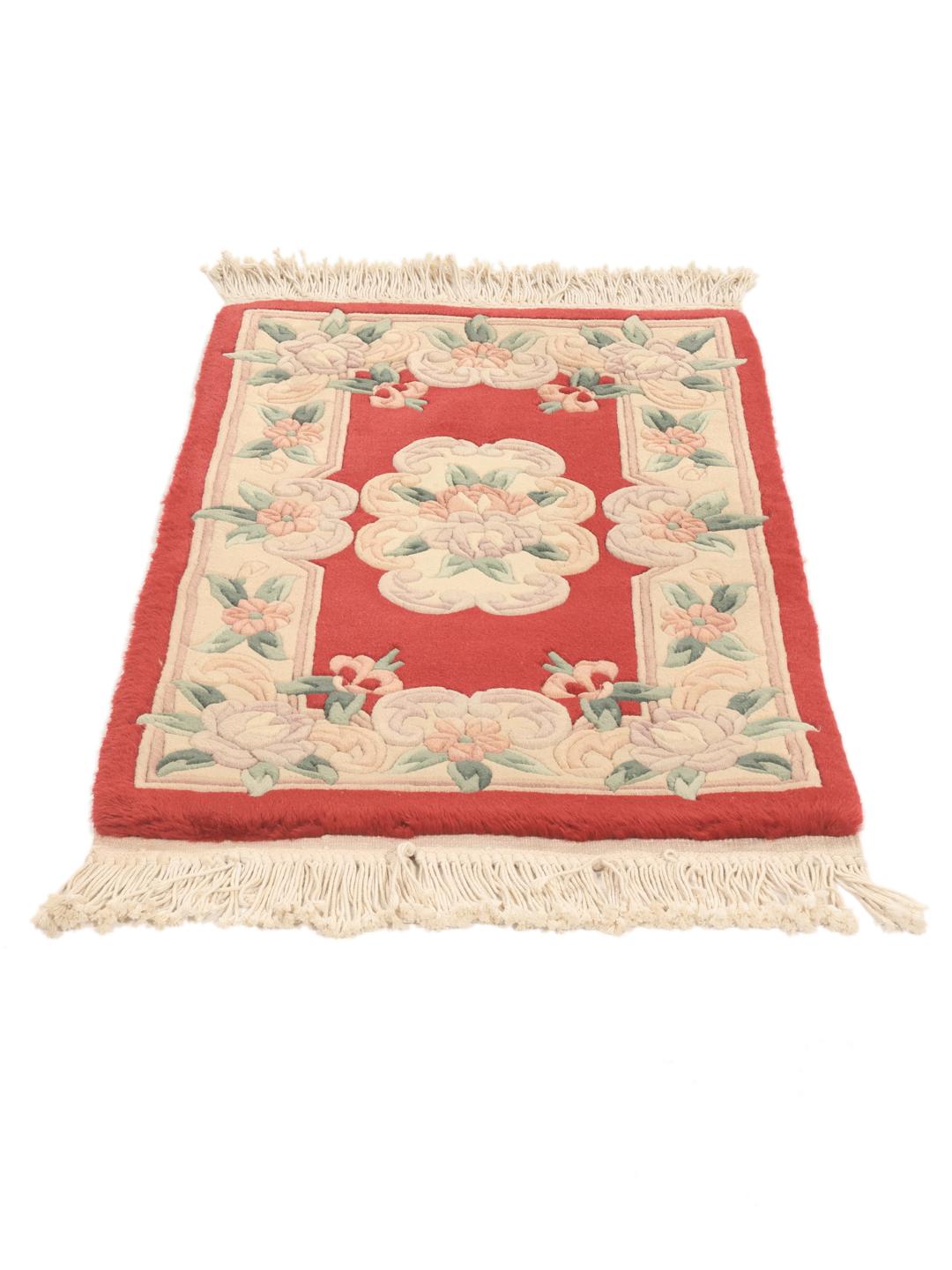
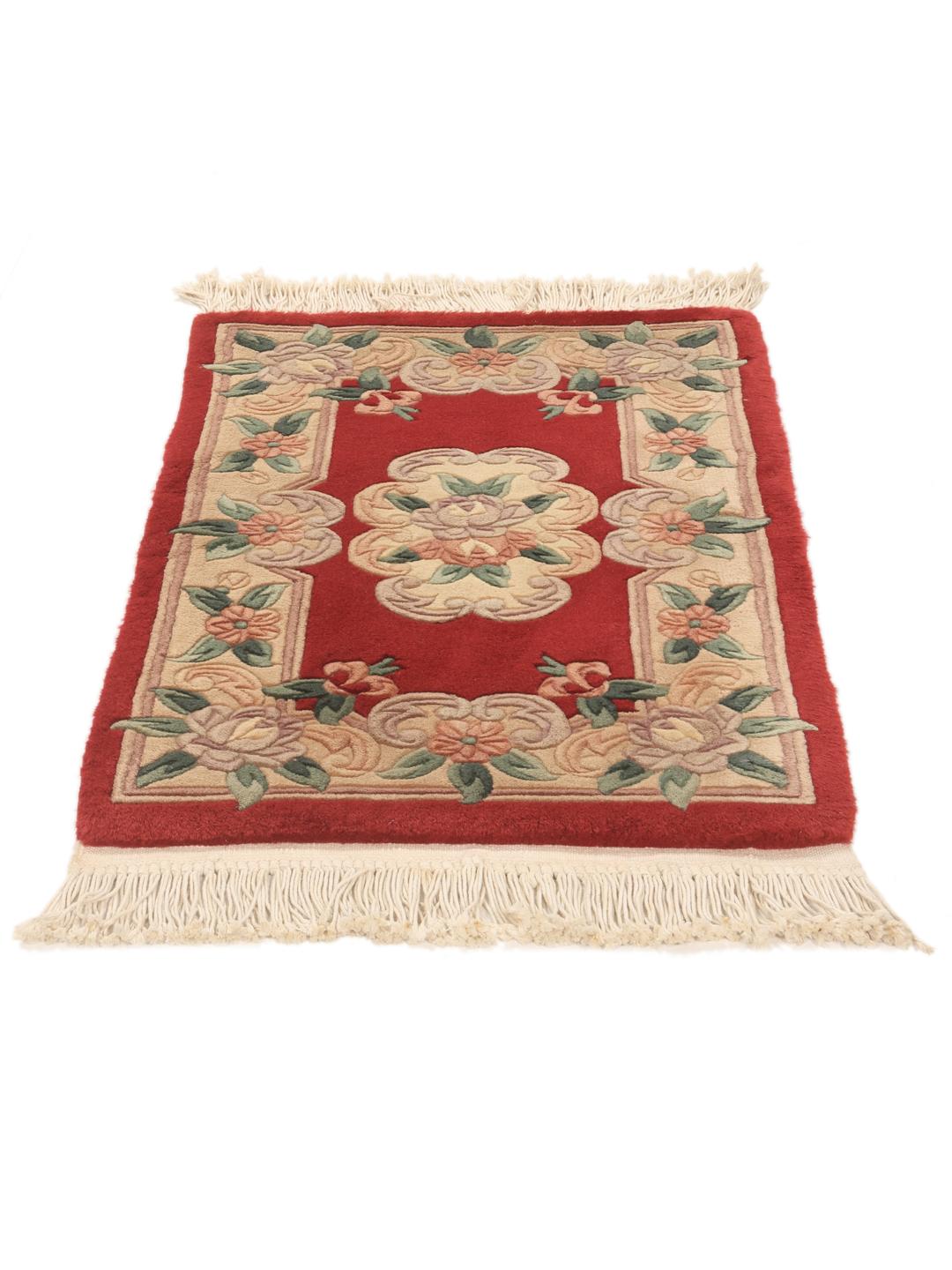
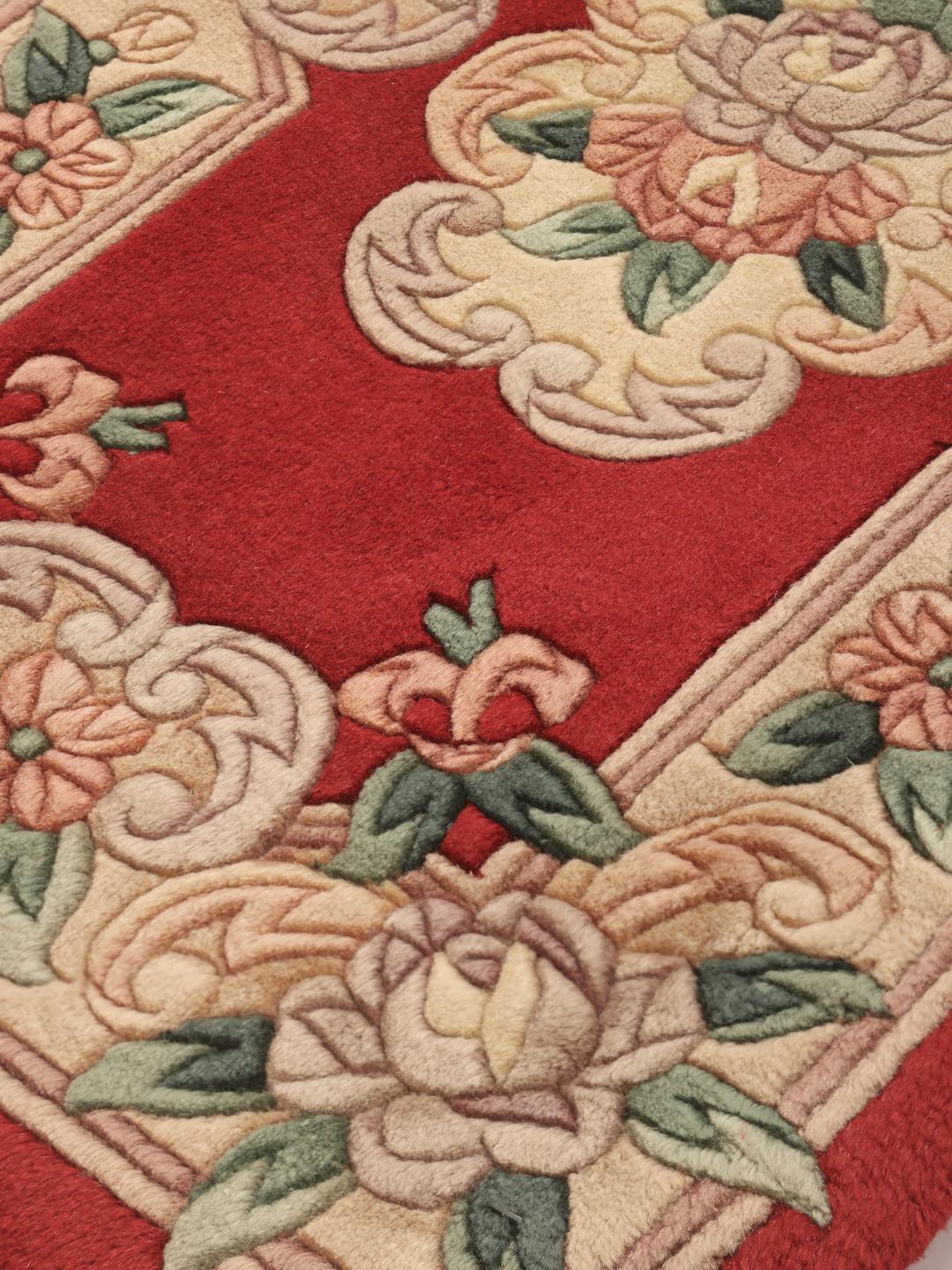
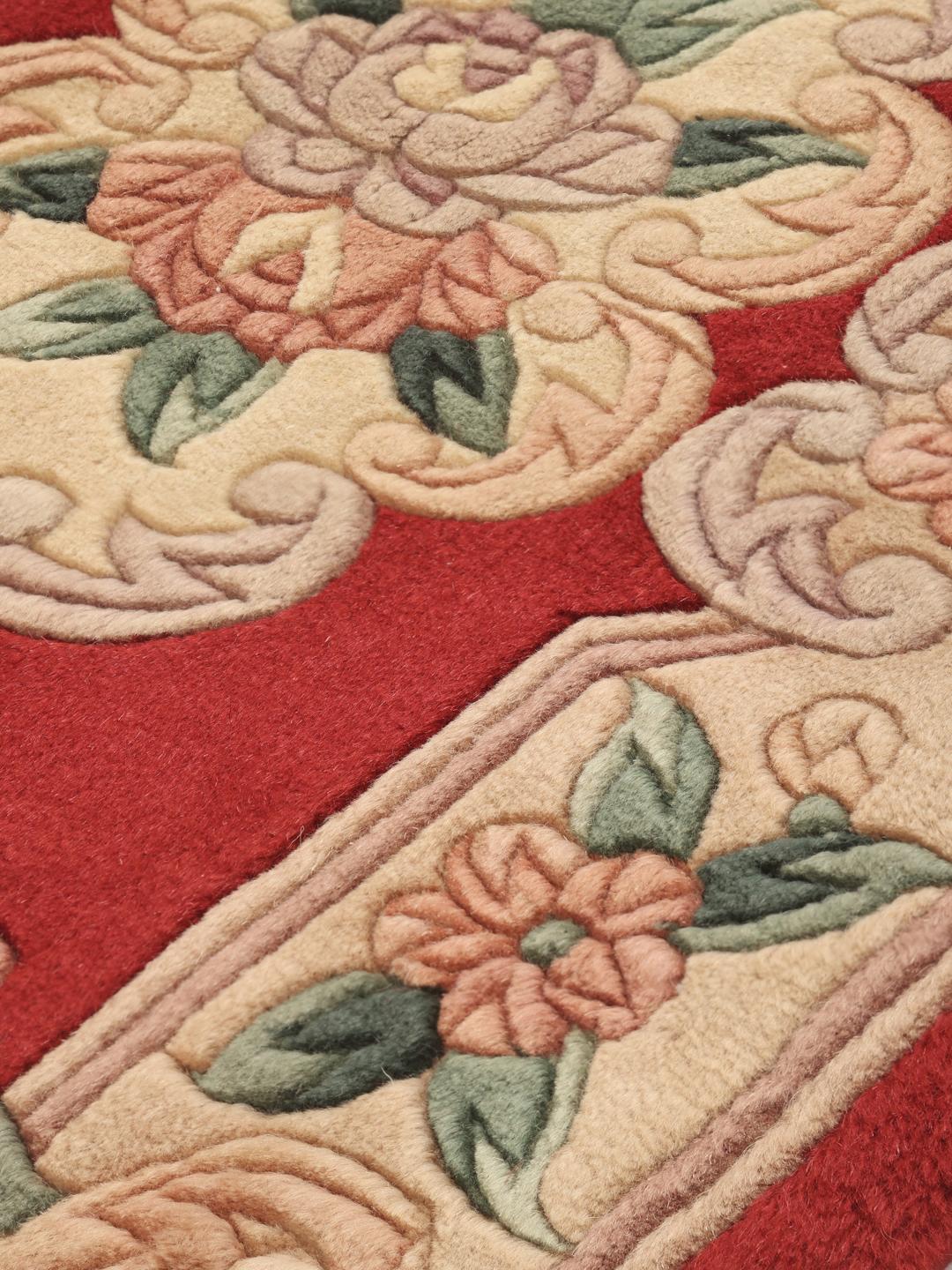
Signature design elements in Chinese rugs often feature balanced, symmetrical floral arrangements, flowing cloud bands, and auspicious symbols. This particular rug captures that classic essence, utilising a central medallion surrounded by lush, blooming flora. The use of a bold red field paired with softer, muted tones is a hallmark of this tradition, designed to create a focal point that is both striking and harmonious.
Collecting rugs from this tradition is highly valued due to the blend of historical significance and enduring skill. Each rug is not merely a floor covering but a narrative of artistic heritage, representing a commitment to craft that has been passed down through generations. By bringing such a piece into your home, you are preserving a legacy of beauty and technical mastery.