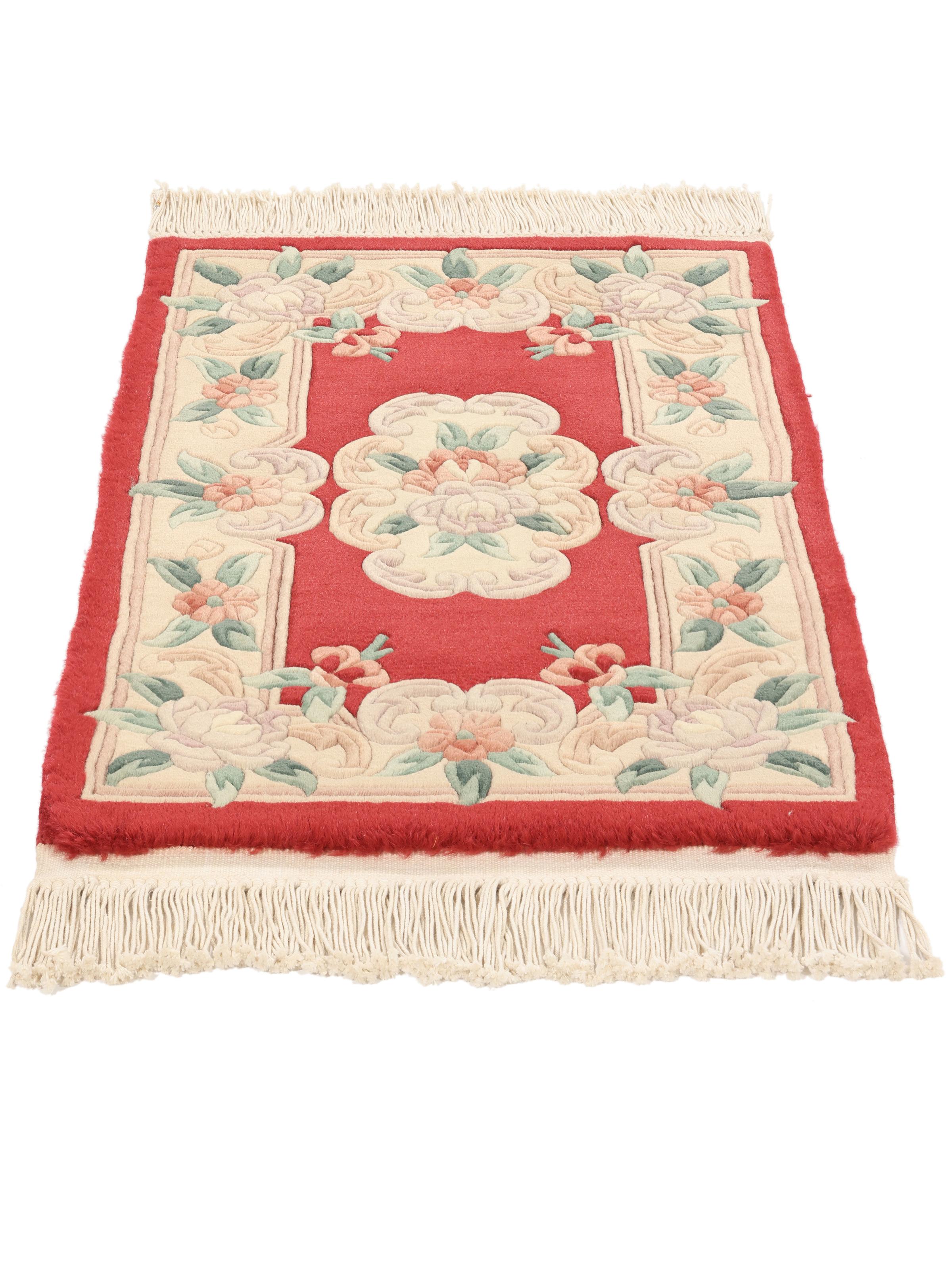
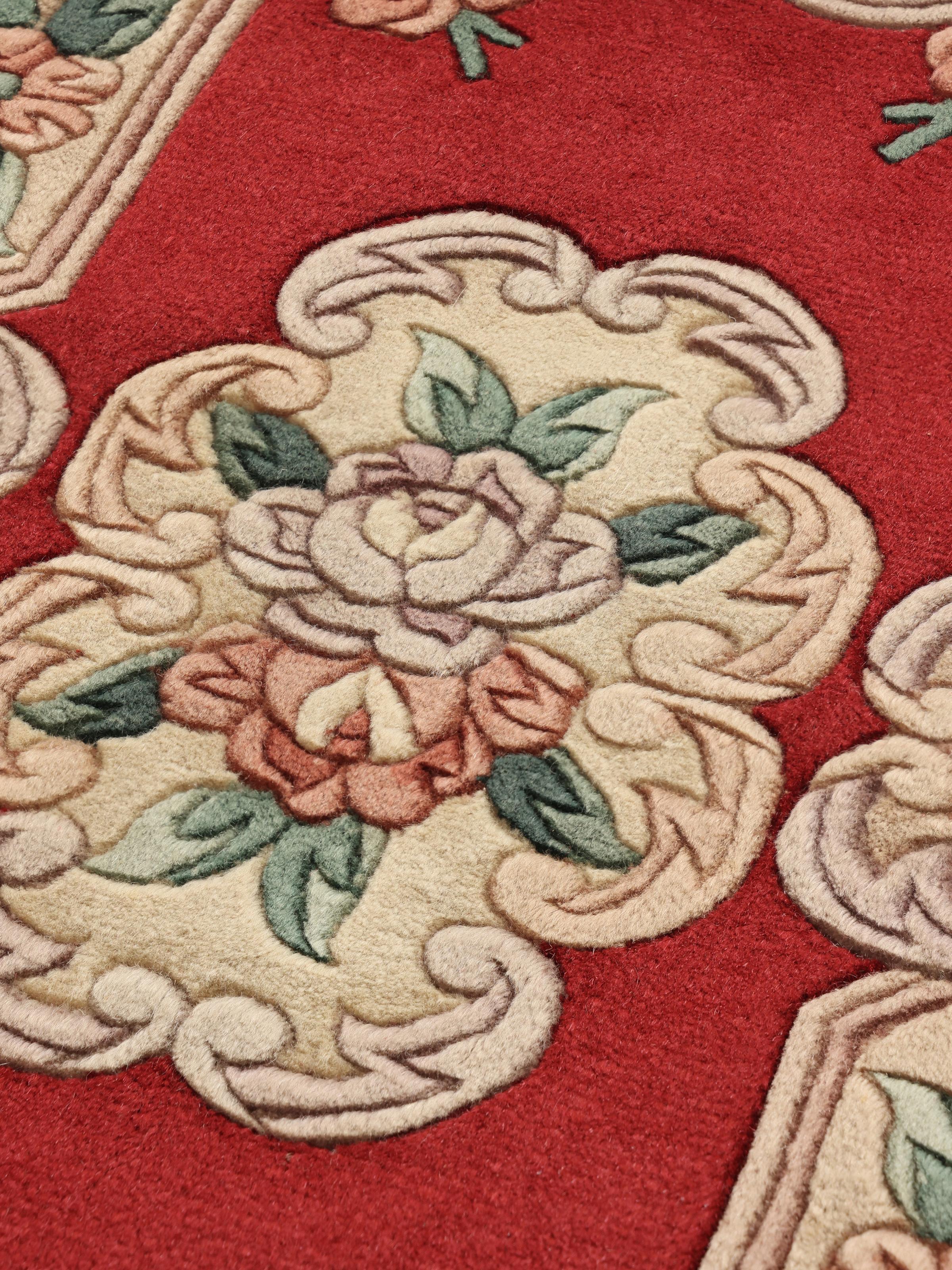
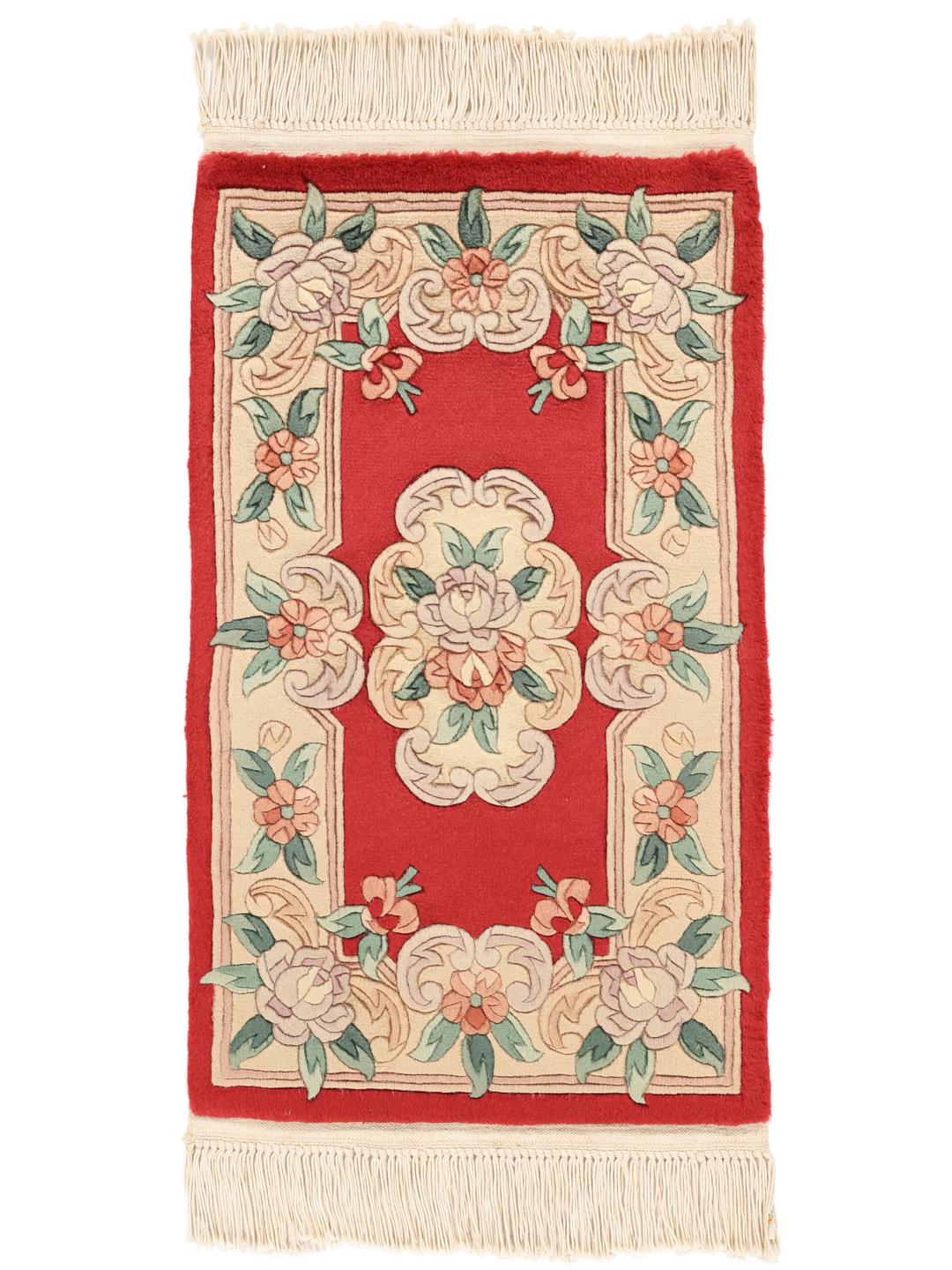
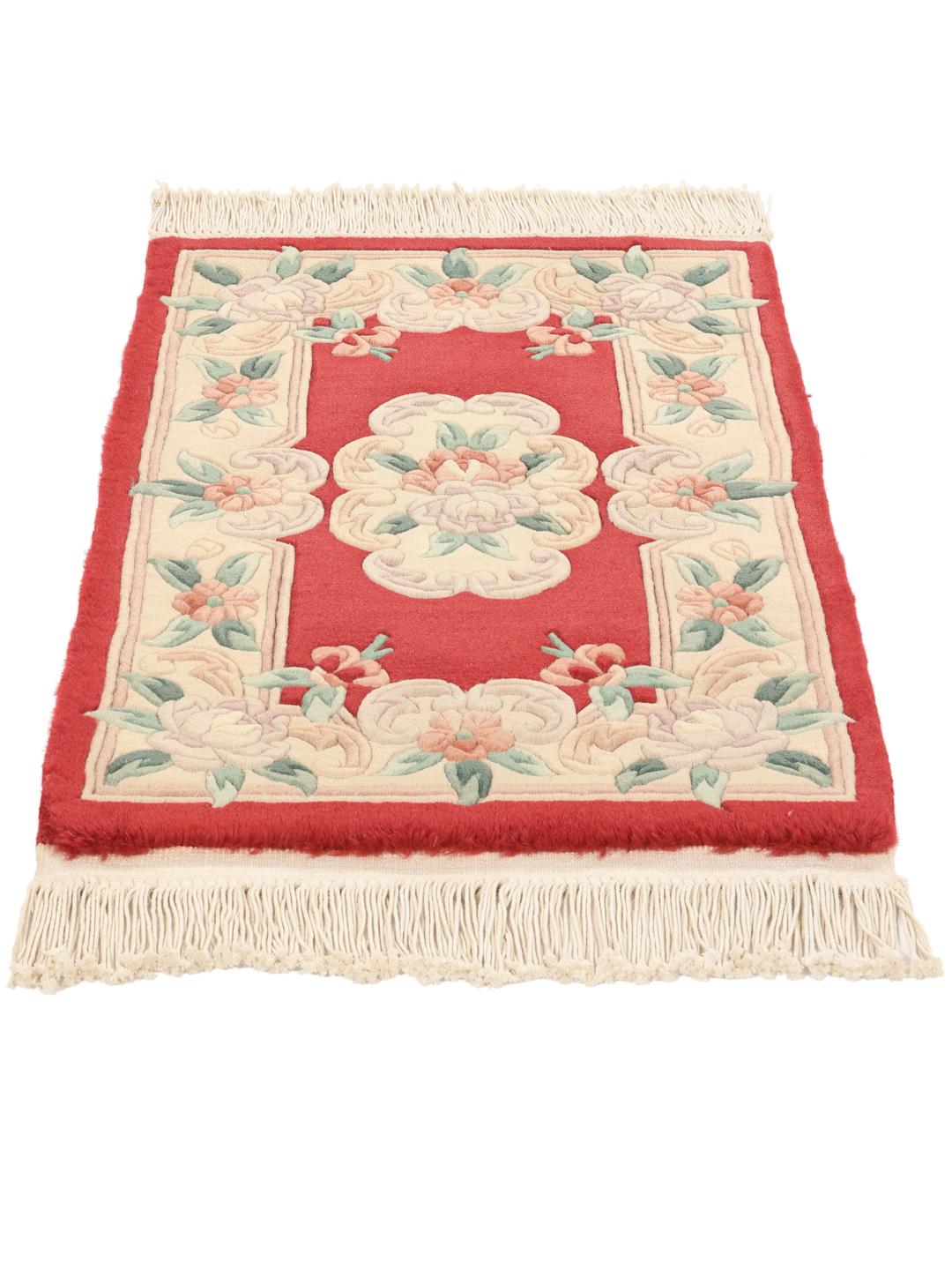
The tradition of rug making in China is a centuries-old craft, deeply rooted in the artistic heritage of the region. Historically, these rugs were highly prized for their unique aesthetic, often featuring motifs inspired by nature, mythology, and Buddhist symbolism, which were later adapted to suit broader decorative tastes.
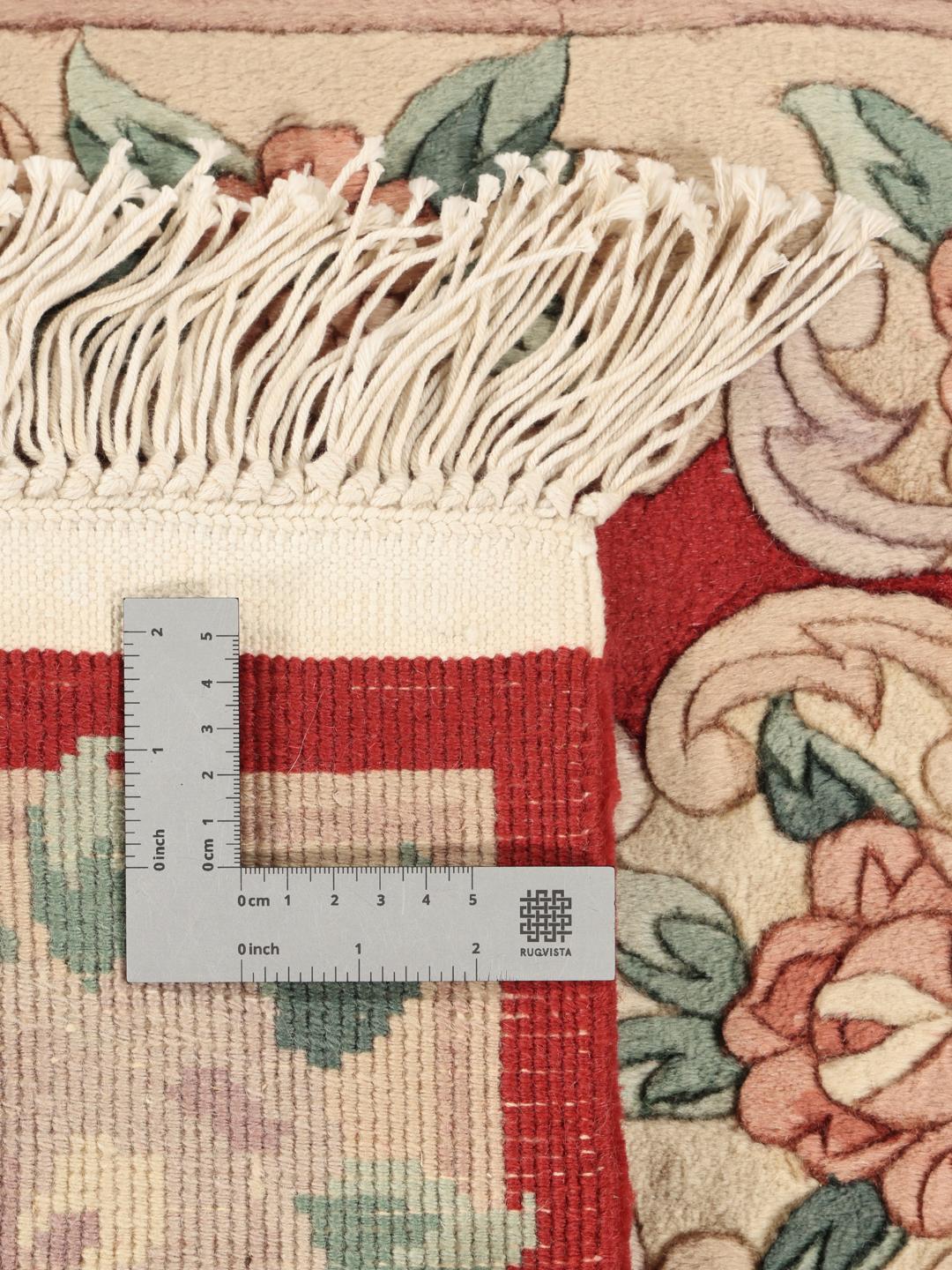
The terminology used to describe these pieces, such as the line count, refers to the number of knots per linear foot. This technical measurement is essential for understanding the quality and detail of the finished product, as a higher count allows for more intricate designs, a smoother surface, and a more durable pile that stands up to the test of time.
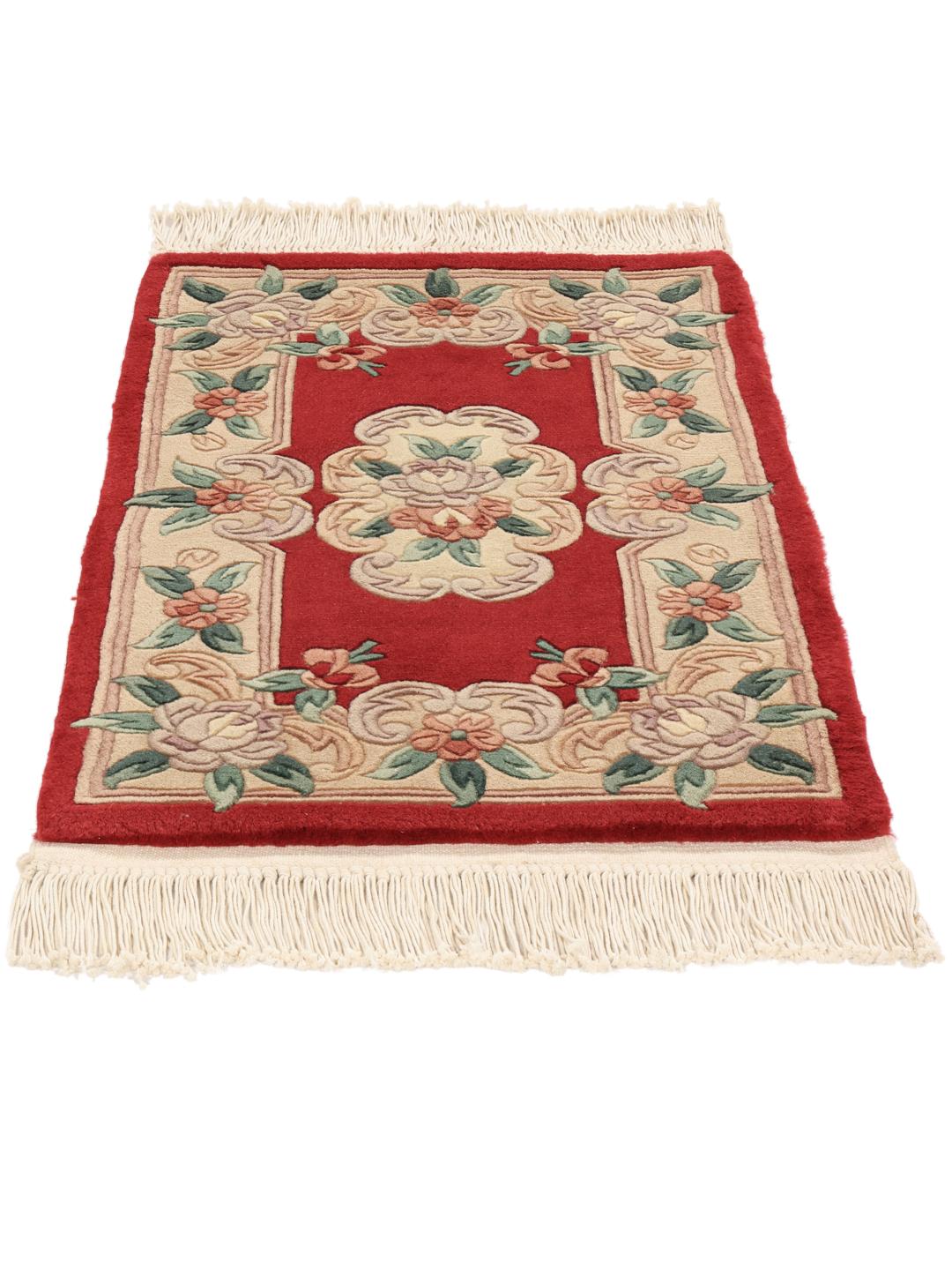
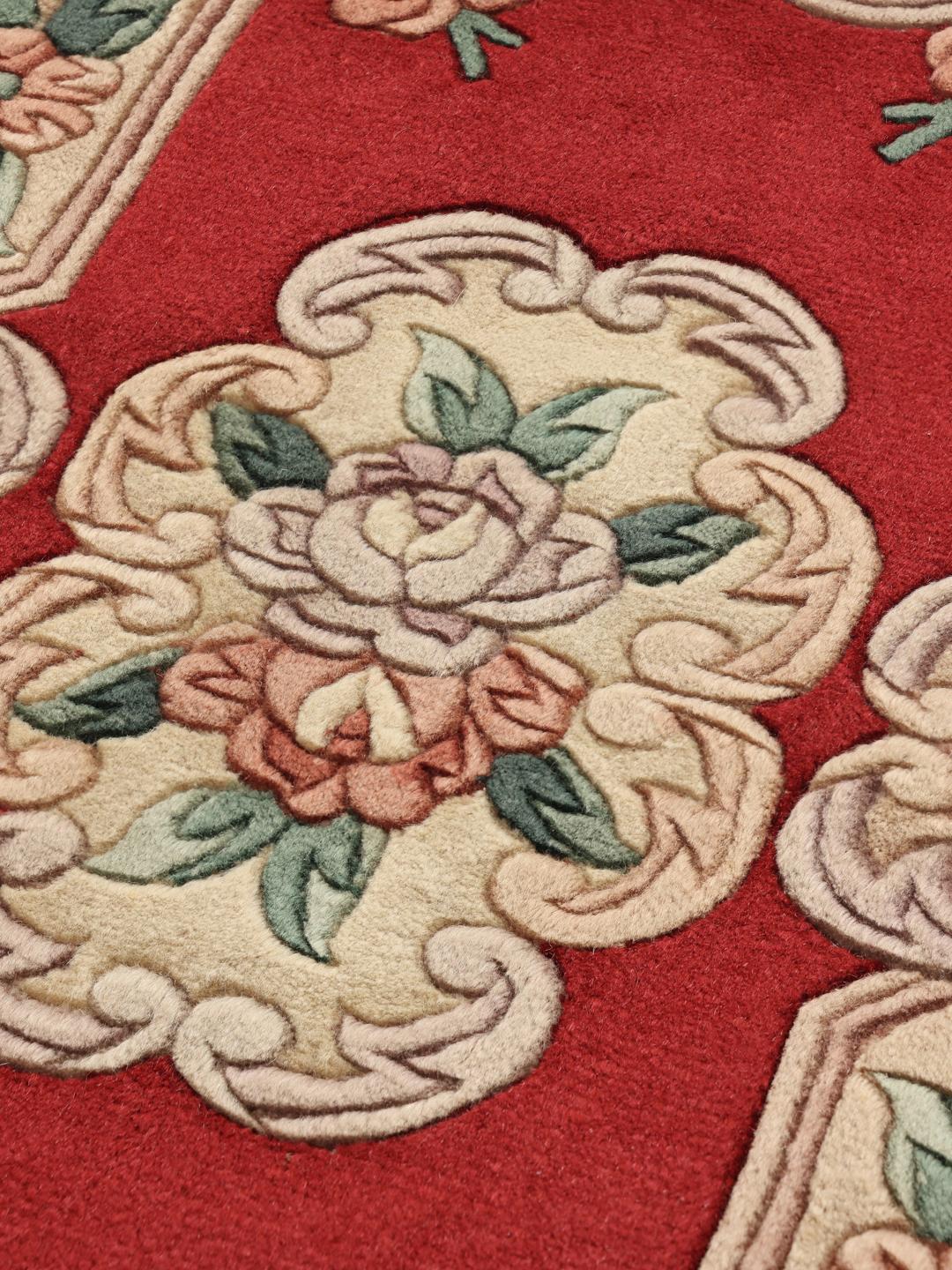
Signature design elements in Chinese rugs often include a central medallion surrounded by floral sprays, often utilising a technique that gives the design a subtle relief or carved appearance. This particular rug honours those traditional design values, where the contrast between the field and the border motifs creates a sense of harmony and intentionality.
Owning a hand-knotted rug from this tradition is about more than just floor covering; it is an appreciation of a craft that has been passed down through generations. Collectors value these pieces for their cultural weight and the undeniable skill required to translate complex floral patterns into a durable, functional textile.