Chinese rug-making traditions are centuries old, rooted in a culture that treats carpet weaving as a high art form. Historically, these rugs were often commissioned for imperial palaces or temples, featuring complex symbols and balanced compositions that reflected the philosophical values of the era.
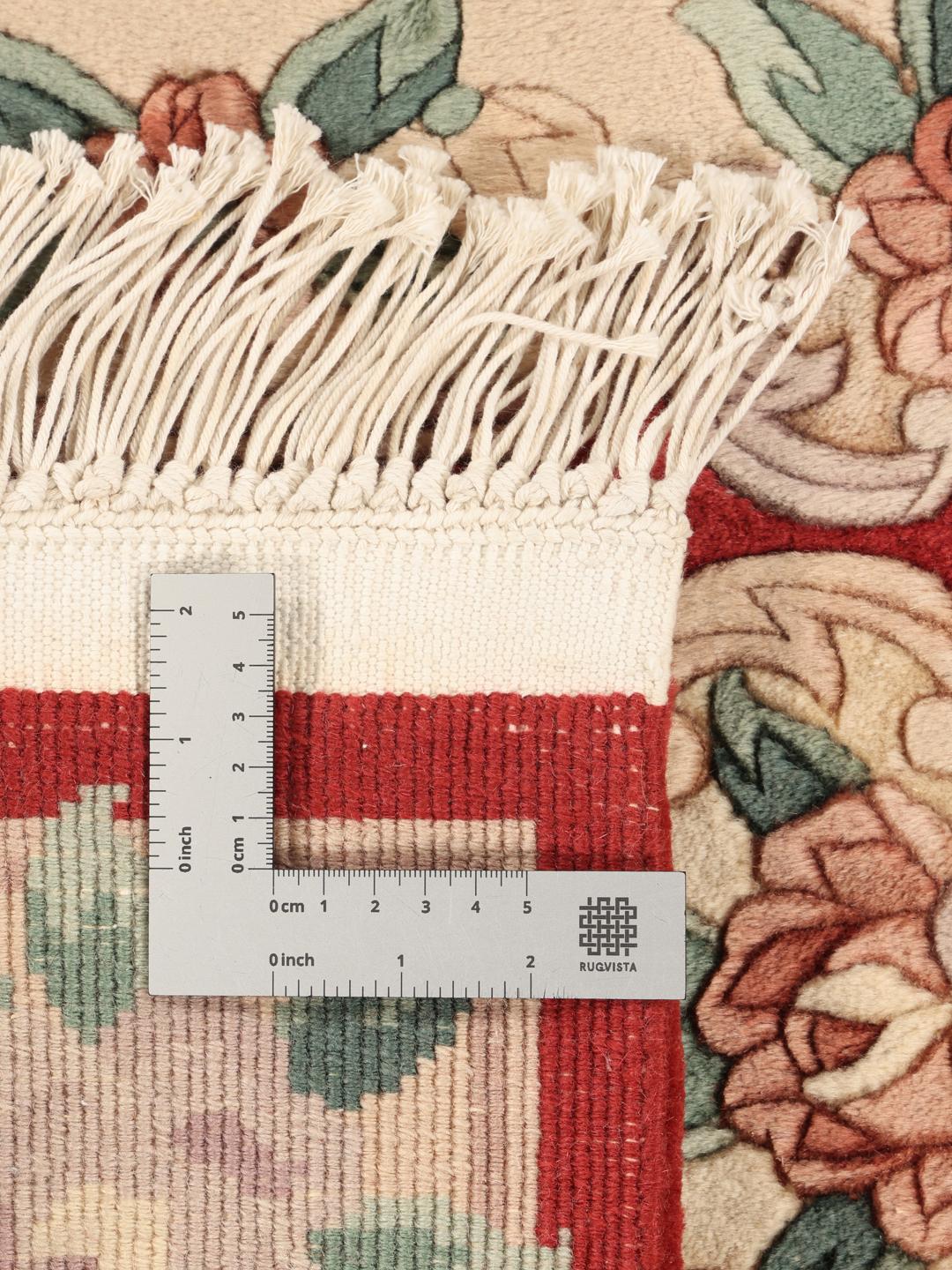
The term 90 Line refers to a traditional method of measuring the density of the weave, which dictates the fineness and clarity of the patterns. This technical standard has evolved over generations, ensuring that the finished rug possesses a consistent, uniform pile that is both soft to the touch and highly durable, making it a reliable choice for everyday use.
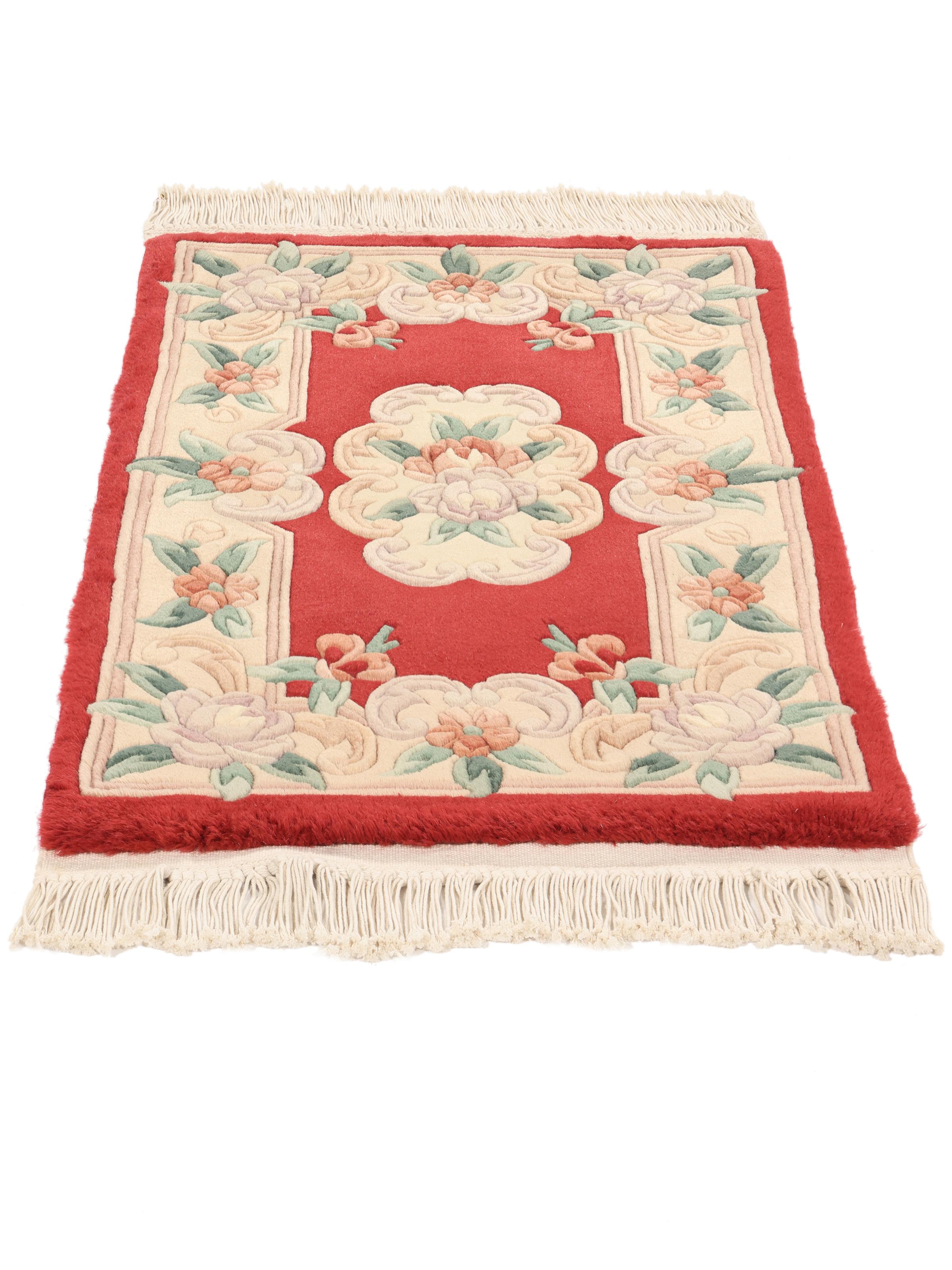
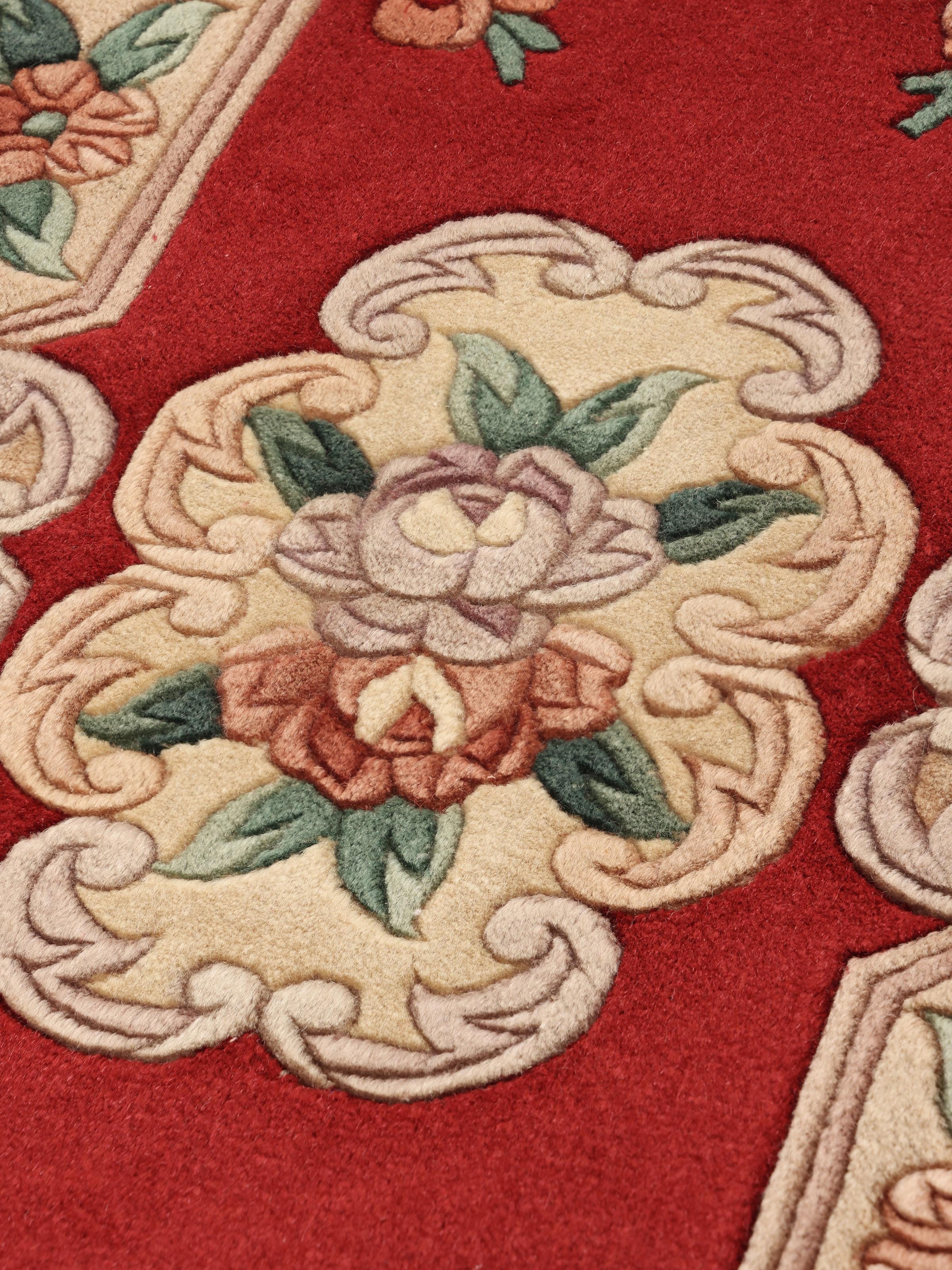
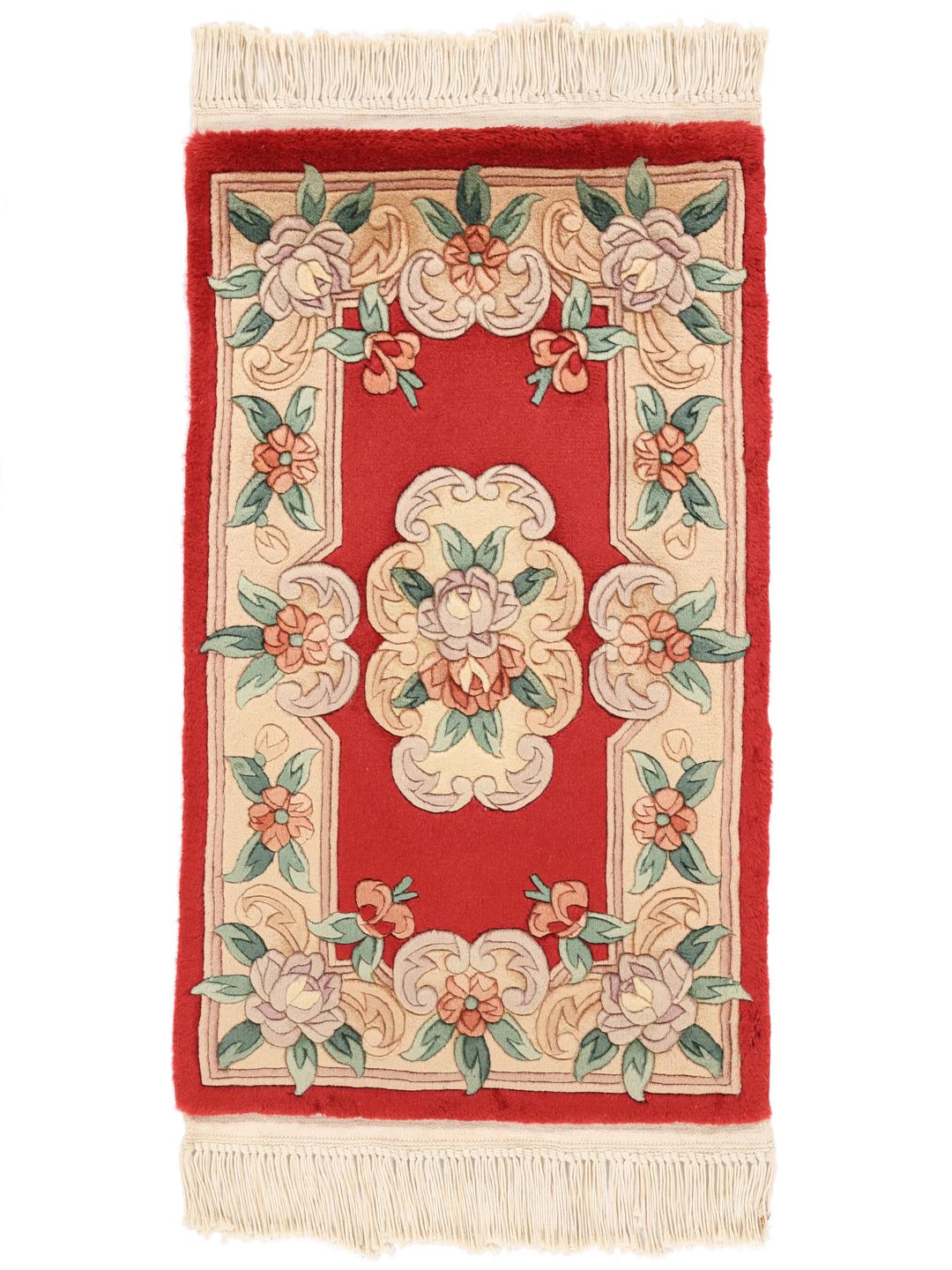
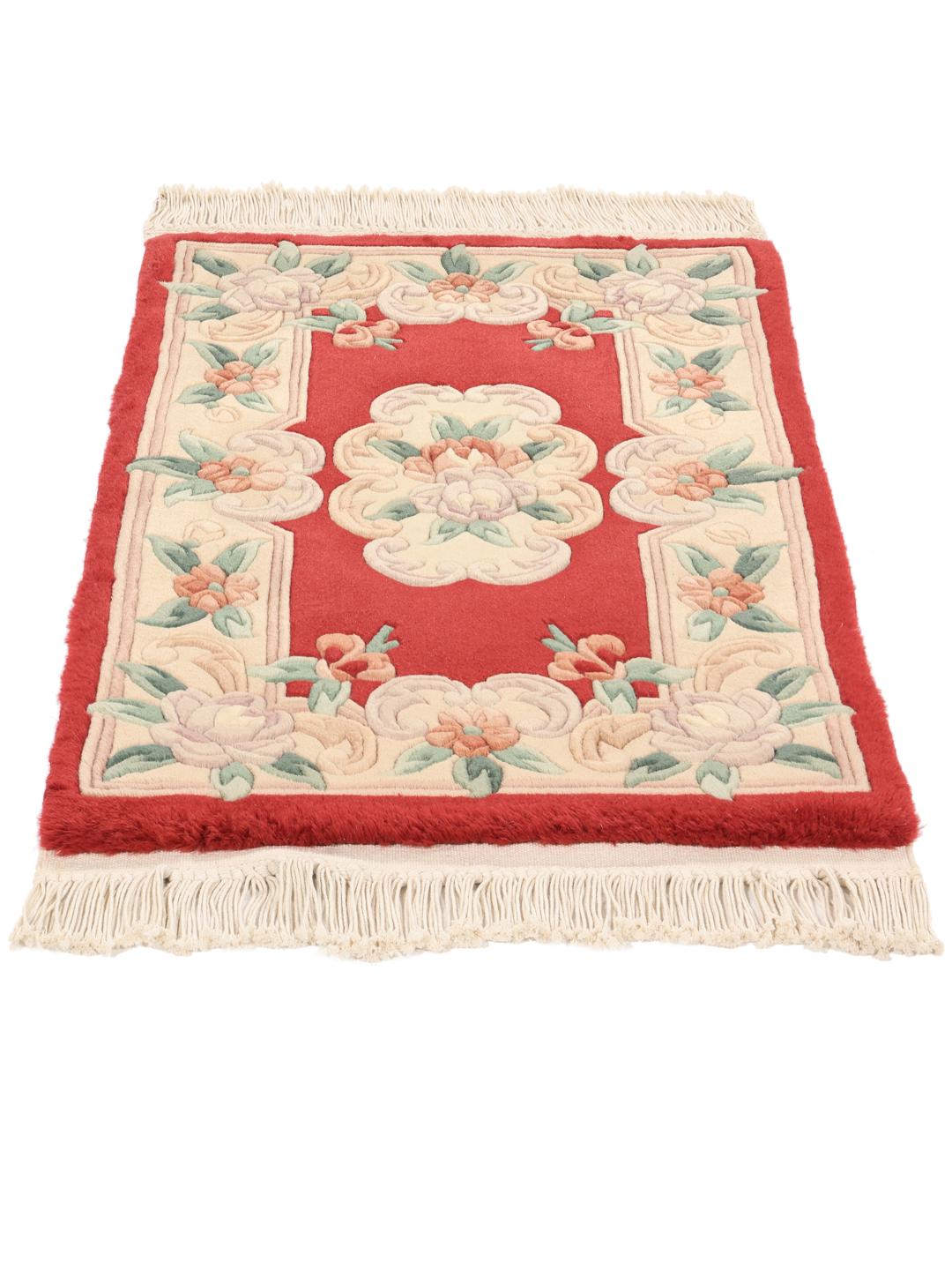
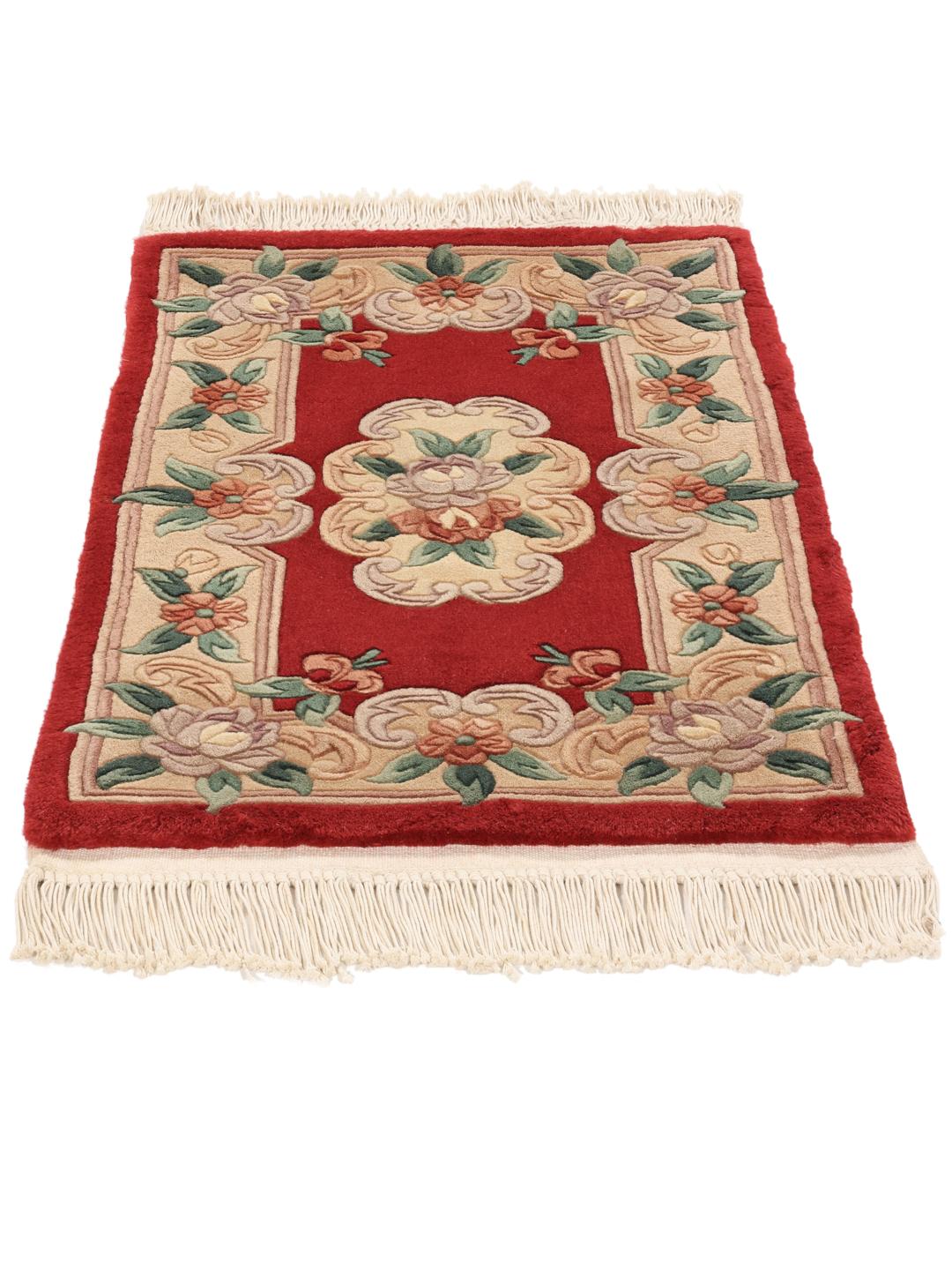
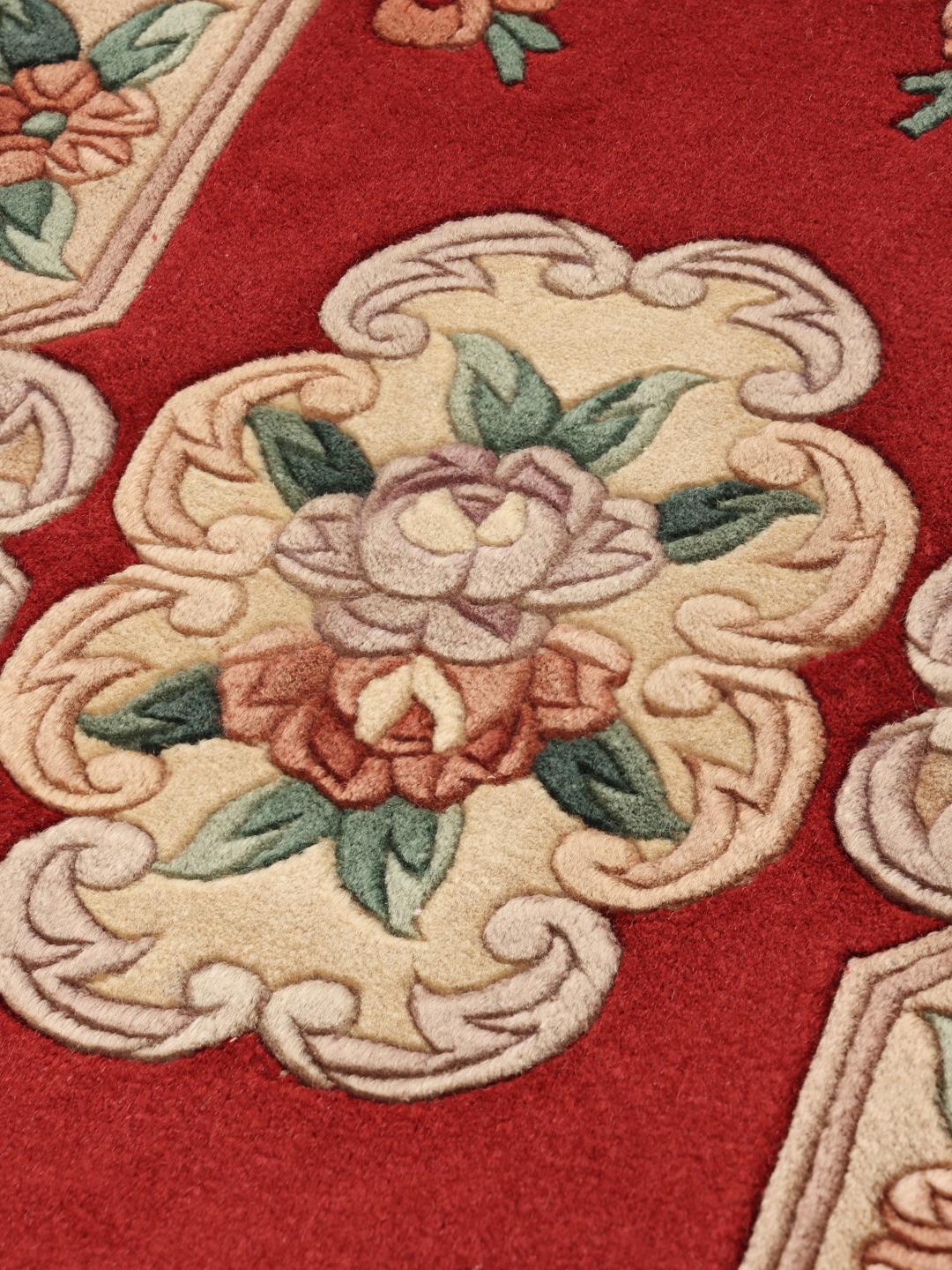
Floral motifs are a hallmark of this tradition, often drawing inspiration from nature and classical art. In this specific piece, the central medallion is surrounded by delicate blossoms, a style that creates a sense of harmony and grace. The use of a bold, warm field colour highlights the intricate details of the floral work, making it a classic example of the regional aesthetic.
Owning a hand-knotted rug from China is an investment in global heritage and human skill. Collectors value these pieces not only for their visual beauty but for the stories they carry from the hands of the weavers who created them. By choosing such a piece, you are supporting a legacy of craft that has been preserved and refined over many hundreds of years.