Chinese rug-making is a long-standing tradition that has evolved over centuries, blending artistic expression with deep cultural symbolism. Historically, these rugs were highly prized for their intricate designs and the use of fine materials, often featuring motifs rooted in nature and philosophy. Today, the tradition continues to thrive, with artisans maintaining the high standards of their predecessors while adapting to the needs of contemporary homes.
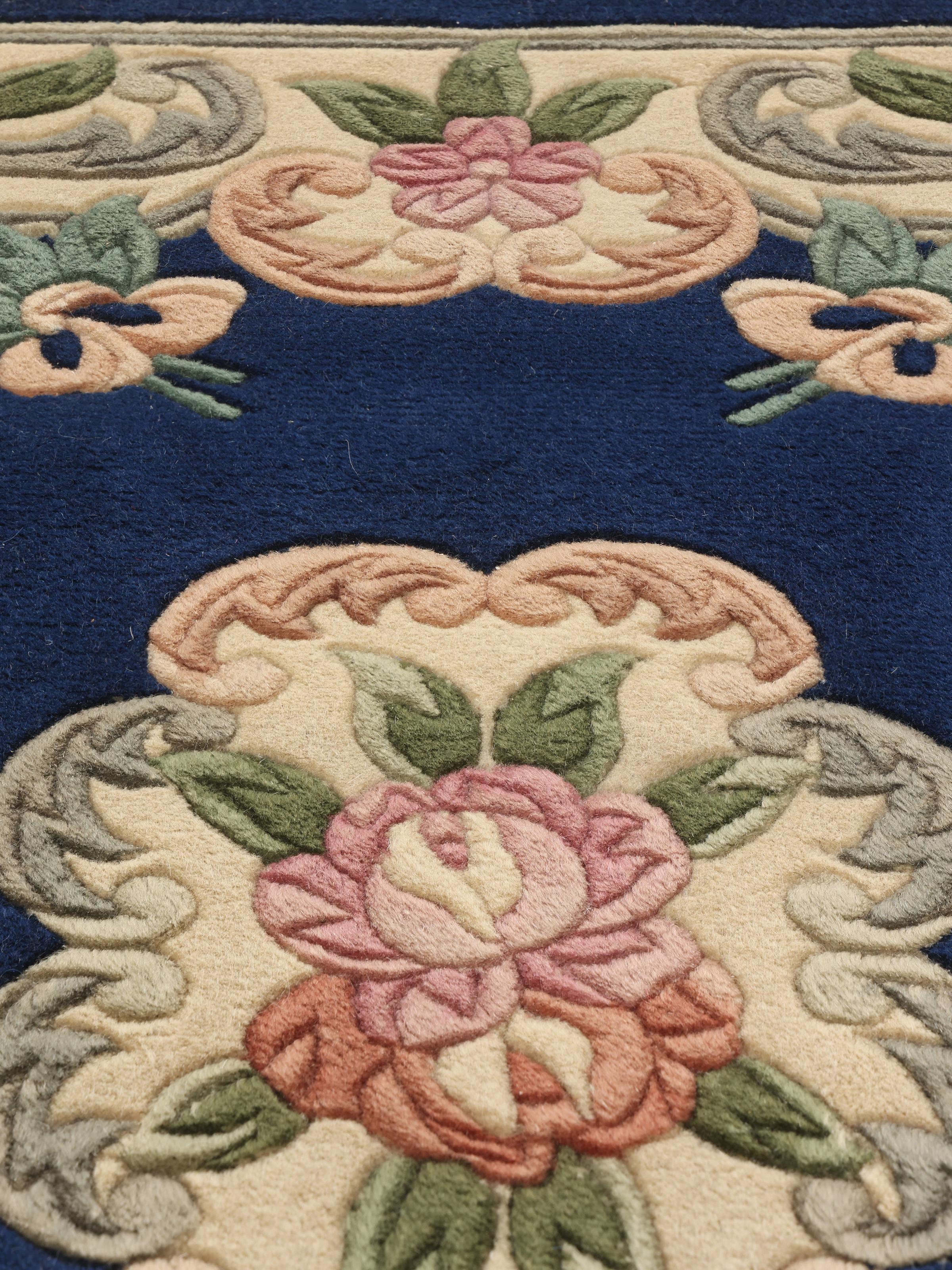
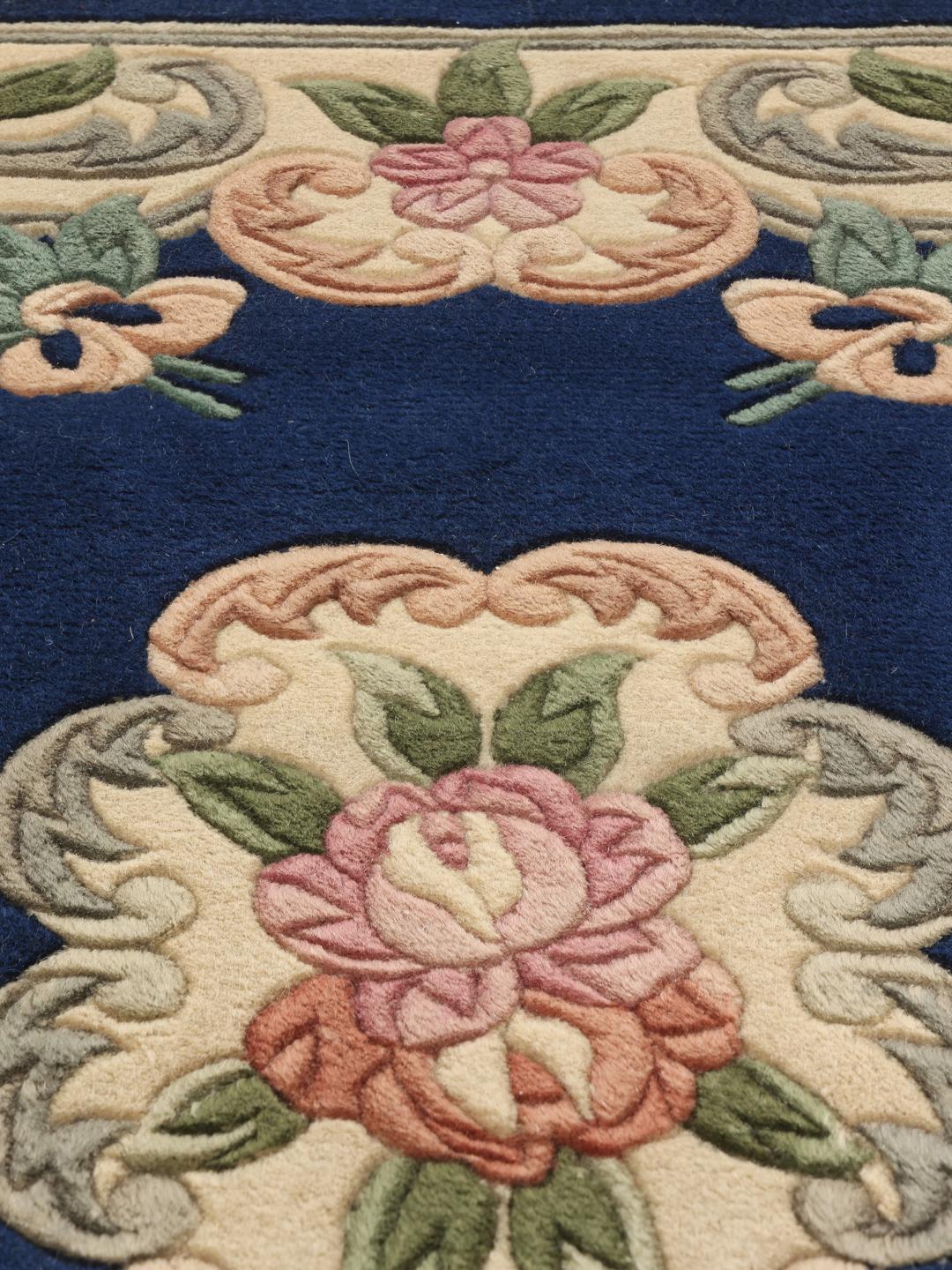
The designation '90 Line' refers to a specific technical tradition within Chinese rug manufacturing, indicating the density of the weave. This technical measurement is vital for ensuring the clarity of the design and the longevity of the pile. By maintaining a specific number of knots per unit, artisans can achieve a crispness in the floral patterns that remains sharp and well-defined, regardless of the rug's age.
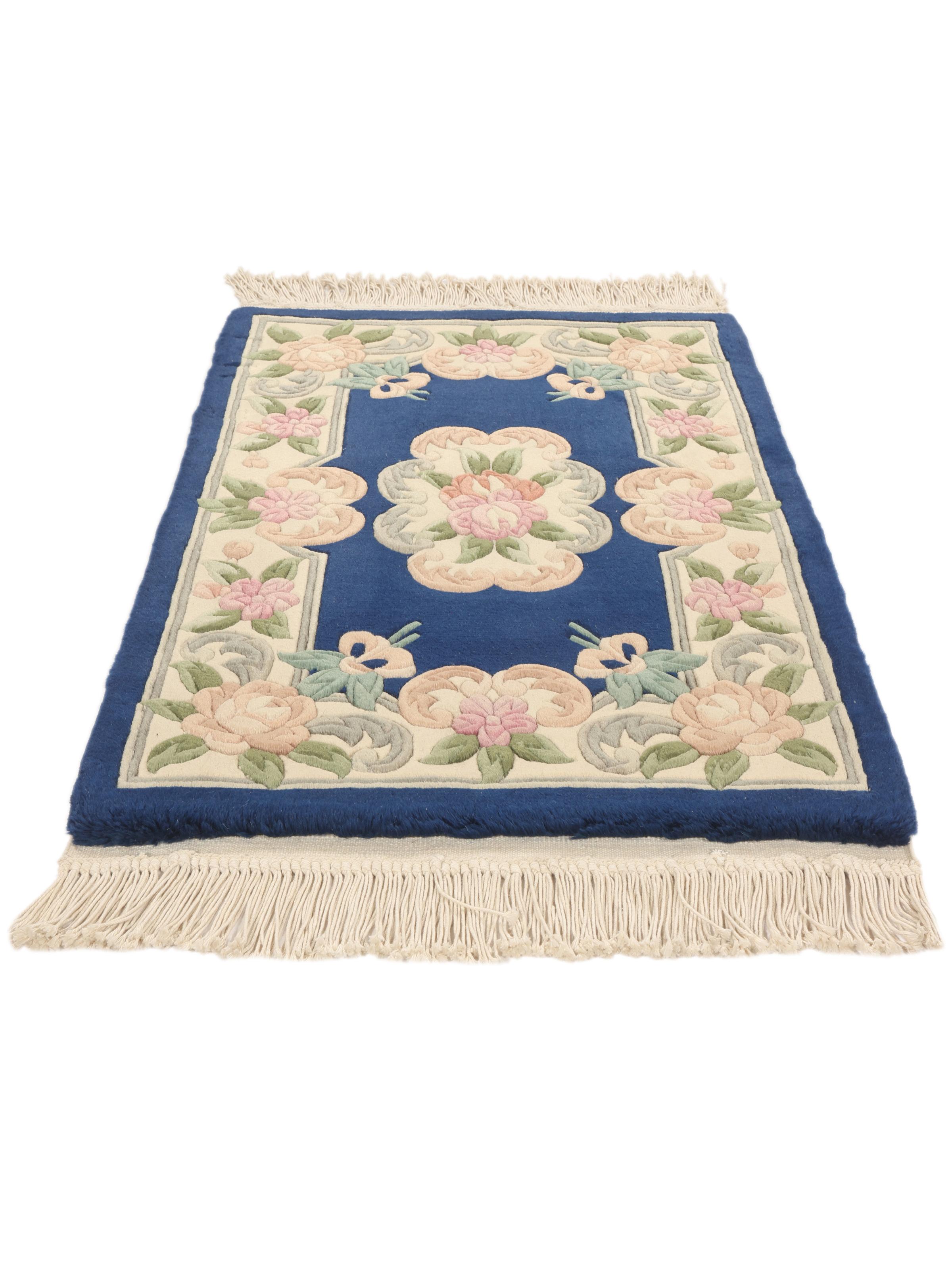
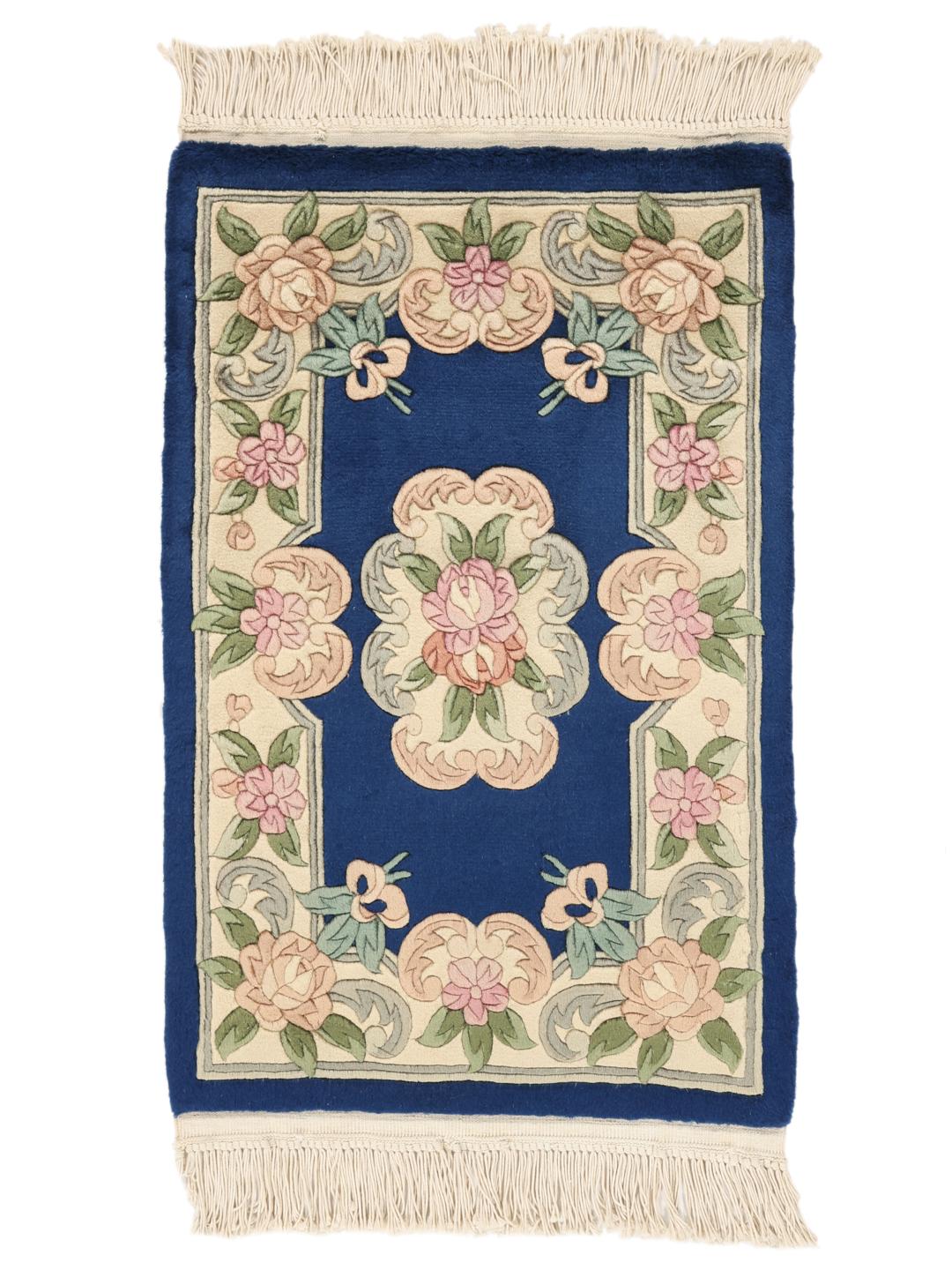
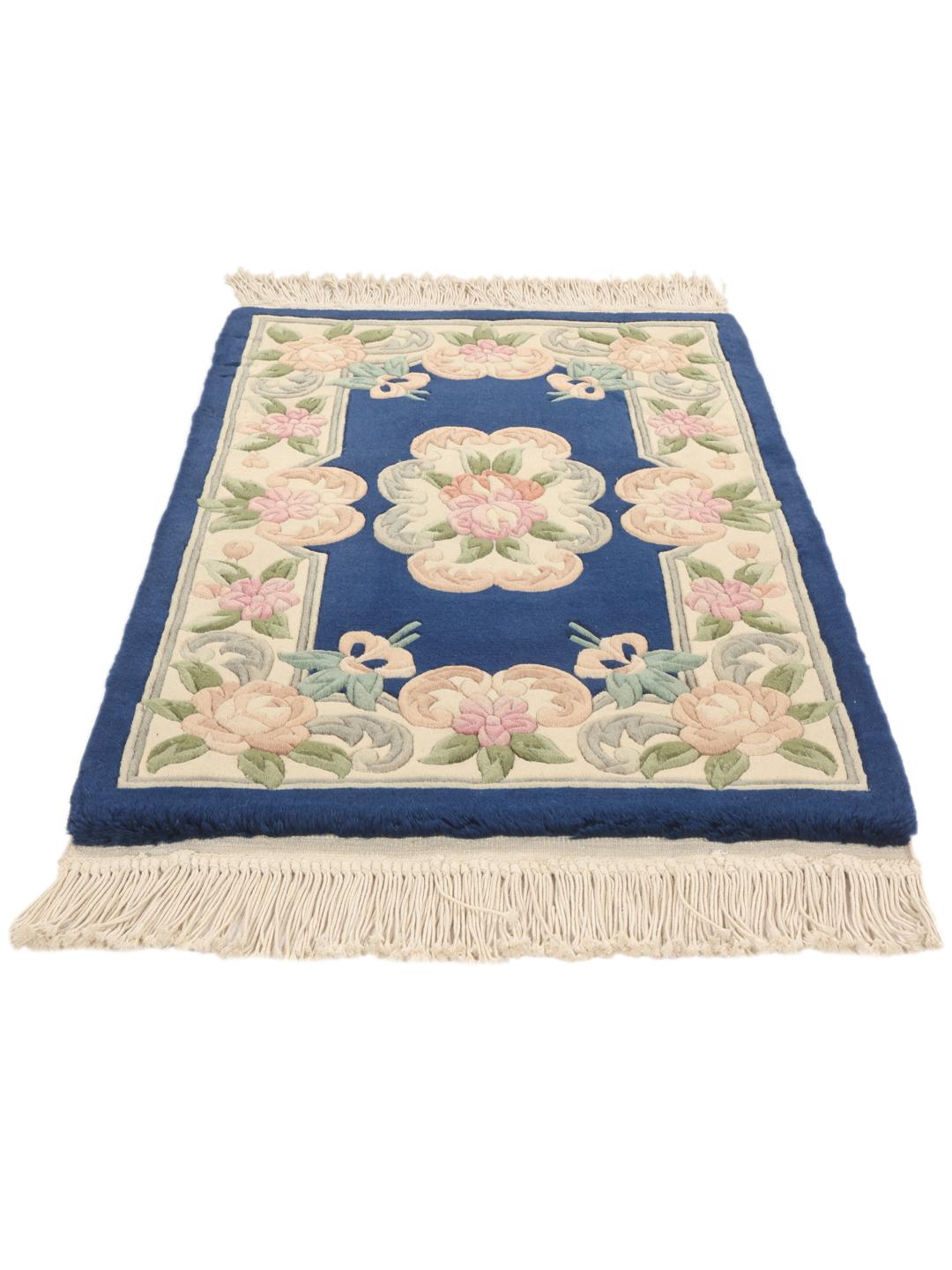
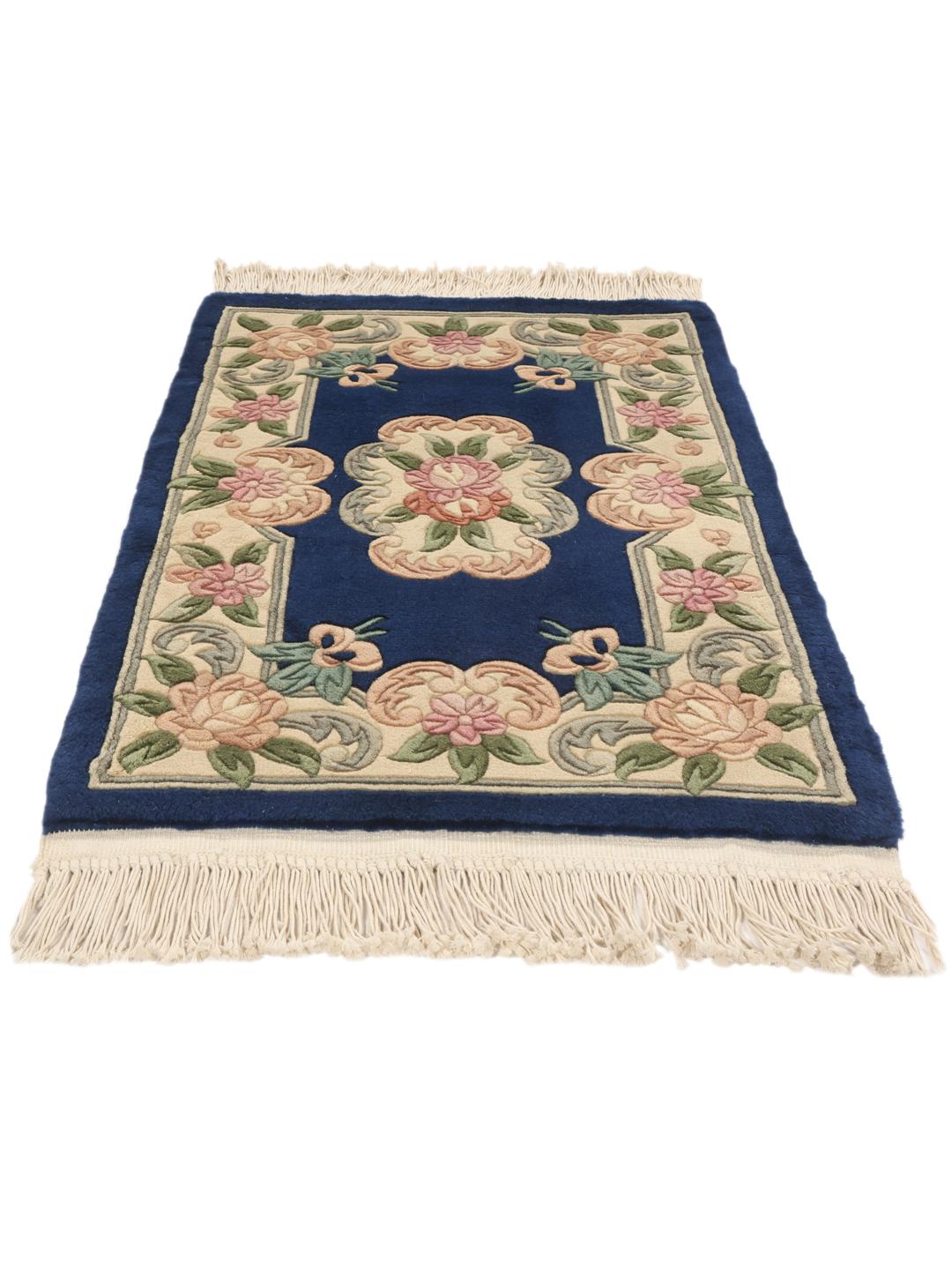
Floral motifs are a cornerstone of this regional design language, often representing prosperity, harmony, and natural beauty. These designs are typically structured with a clear central medallion or field, surrounded by ornate, balanced borders. The use of specific, traditional colour palettes—such as the deep blue and cream seen here—is deeply ingrained in the history of the region, where colours were chosen to evoke specific moods and aesthetic balance.
Collecting these pieces is an investment in cultural heritage and human skill. Because each rug is the result of thousands of individual knots tied by hand, they carry a sense of authenticity that mass-produced items lack. Owning a piece from this tradition is a way to connect with a storied past, ensuring that these classic techniques and beautiful designs continue to be appreciated in modern living spaces.