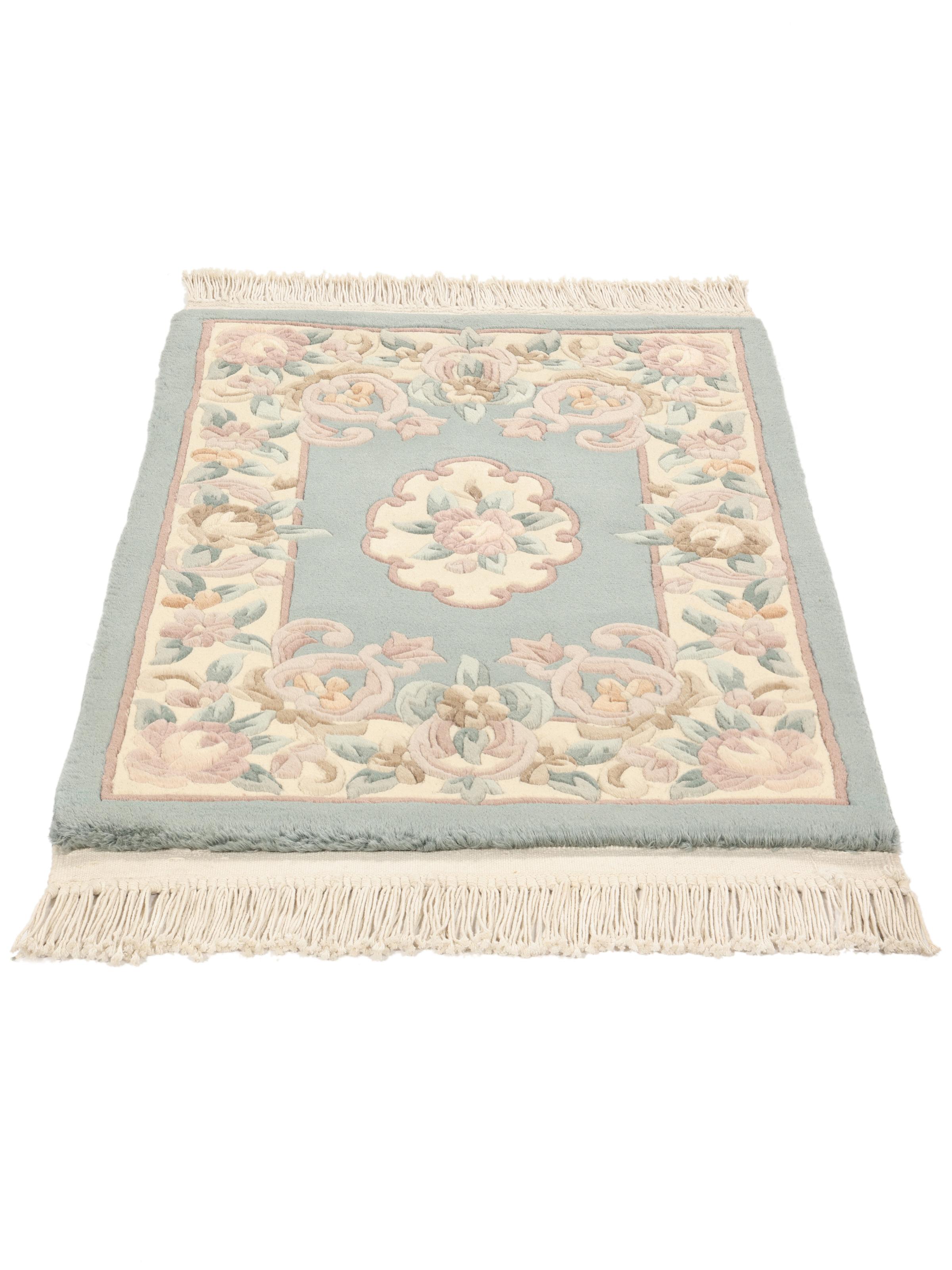
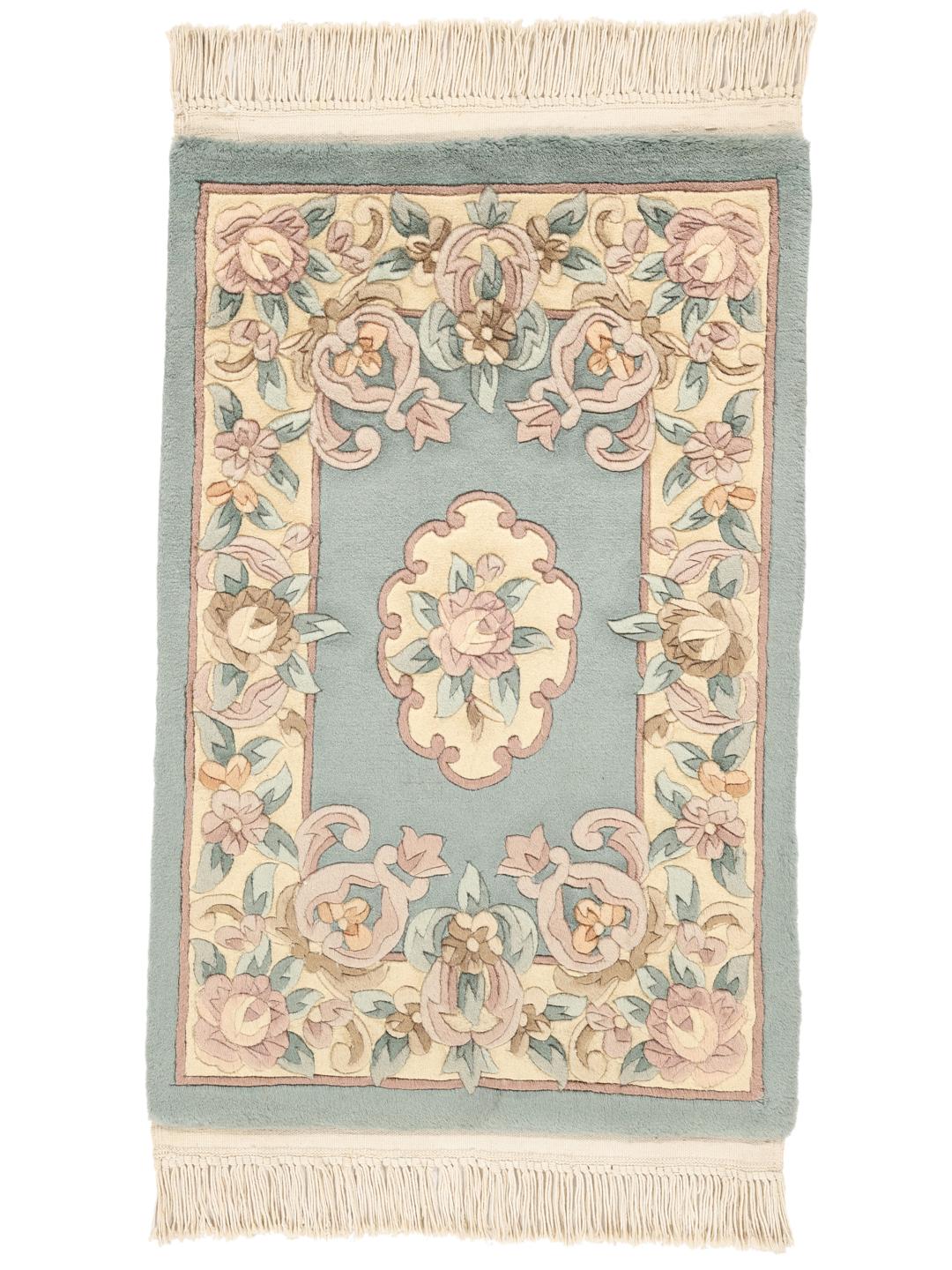
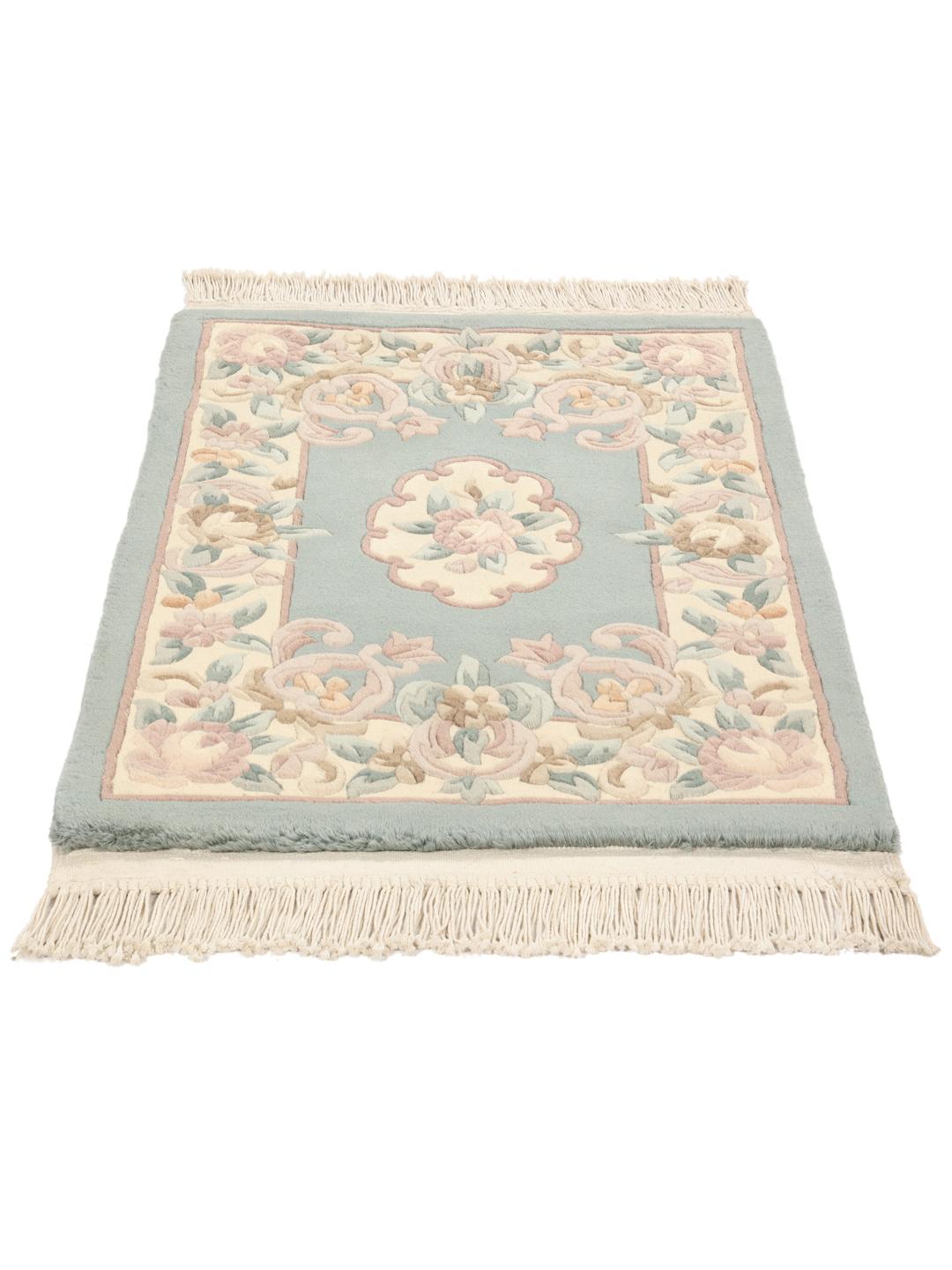
Chinese rug weaving is a craft steeped in a rich cultural history that spans centuries. Traditionally, these rugs were created for imperial palaces and temples, often featuring symbolic motifs that represented prosperity, longevity, and natural beauty. Over time, these classic techniques have evolved, blending ancient artistic traditions with modern sensibilities to create rugs that are as functional as they are decorative.
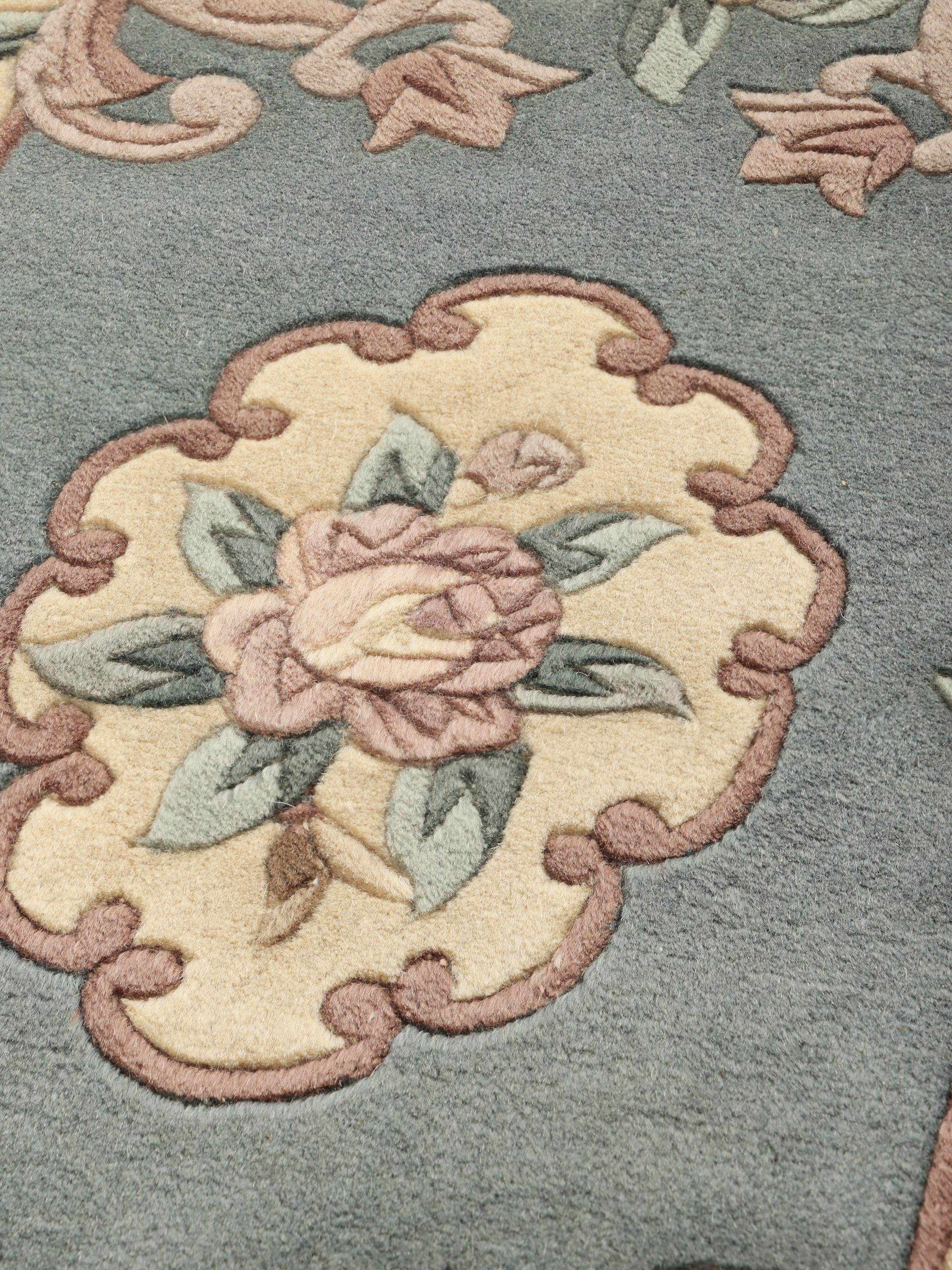
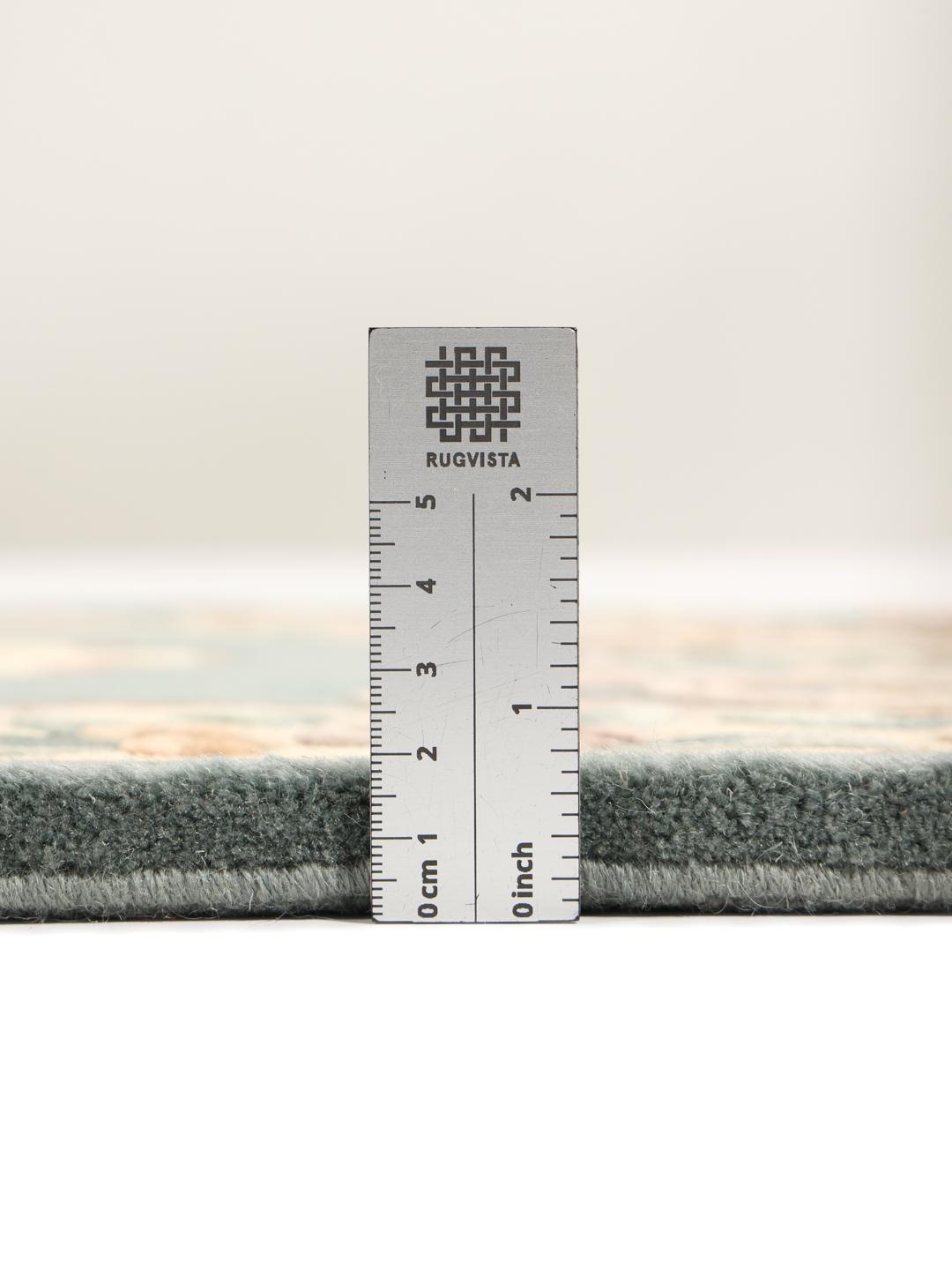
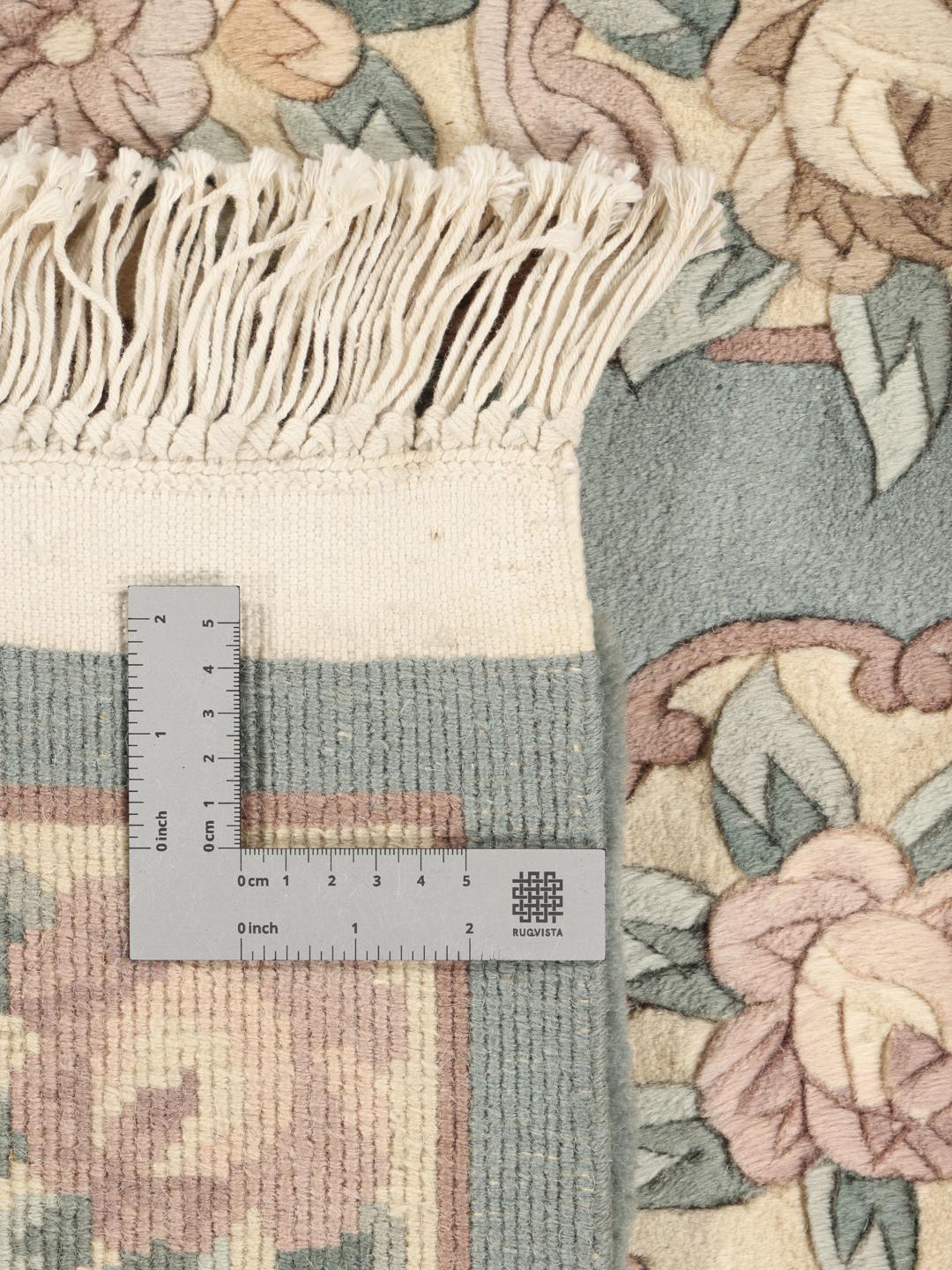
The 90 line designation refers to a traditional measurement of quality in Chinese rug production, indicating the number of knots per linear foot. This specific density is a hallmark of the craft, ensuring that the rug provides a dense, plush pile that is both soft to the touch and highly resistant to wear. It is a technical standard that balances intricate detail with the necessary durability for everyday use.
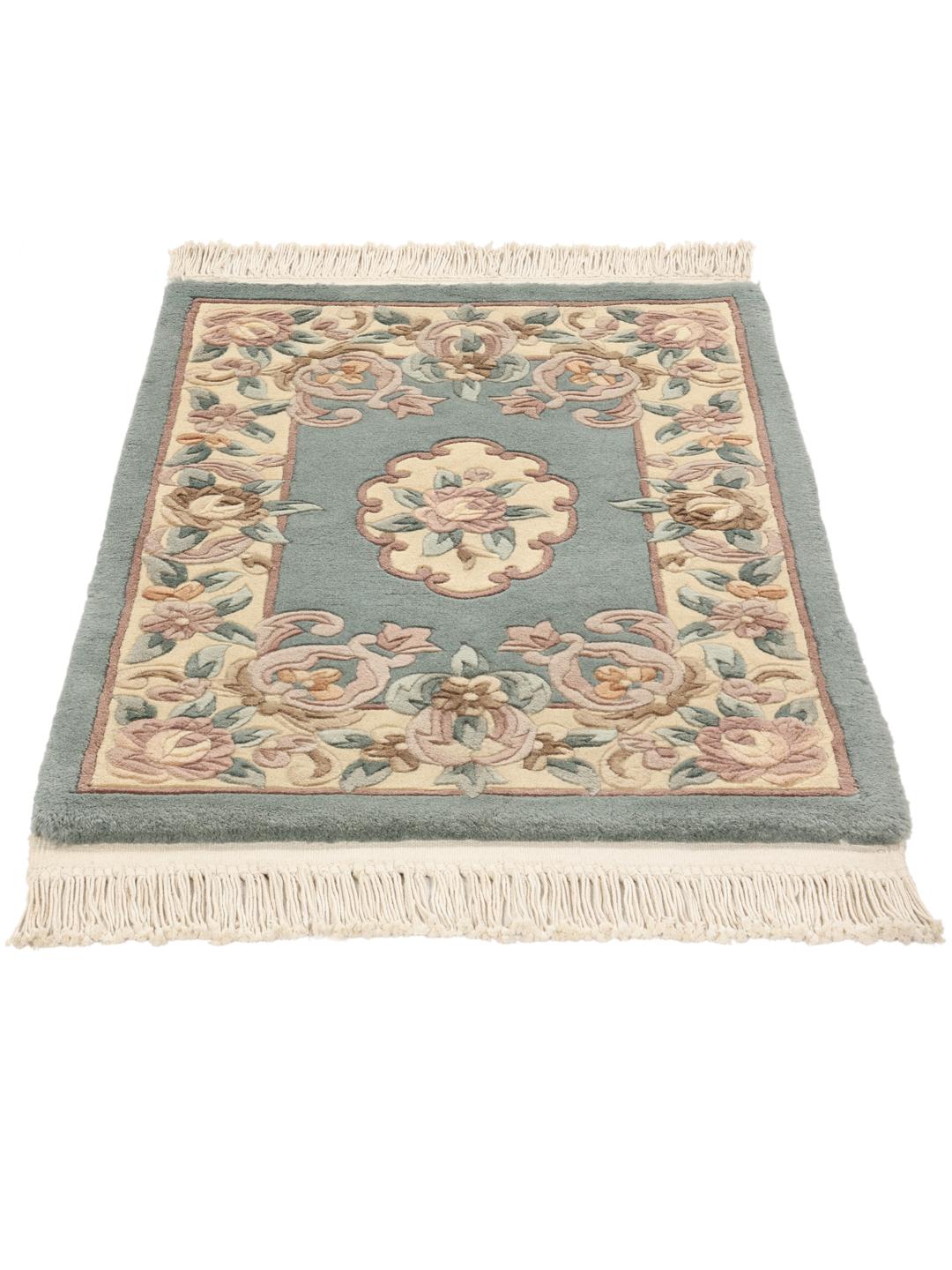
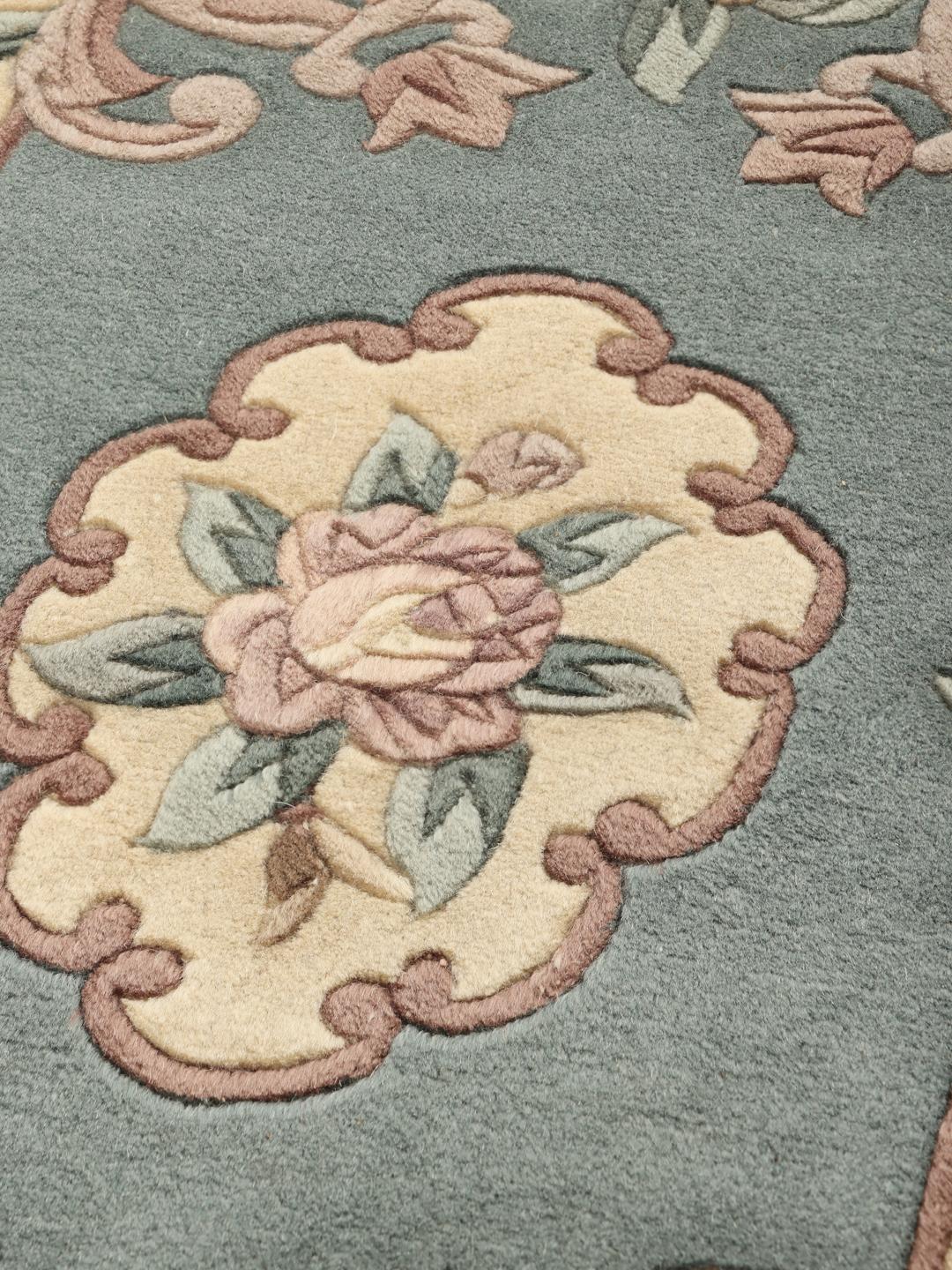
Floral motifs are a cornerstone of this weaving tradition, often drawing inspiration from the natural world to create harmonious and balanced designs. The patterns are typically structured within a formal border, reflecting a disciplined approach to composition that has been refined by generations of weavers. This particular piece captures that traditional elegance through its delicate, flowing floral arrangement.
Owning a hand-knotted rug from this tradition is an investment in heritage and skilled craftsmanship. These pieces are valued for their ability to bring a sense of history and warmth into a modern home. Collectors and homeowners alike treasure these rugs for their unique character and the human touch that defines each individual knot, making them a meaningful addition to any collection.