Chinese rug weaving is an ancient art form that has evolved over centuries, deeply rooted in the cultural and artistic traditions of the region. Historically, these rugs were often commissioned for imperial palaces and temples, featuring motifs that held symbolic meanings, such as longevity, prosperity, and harmony with nature.
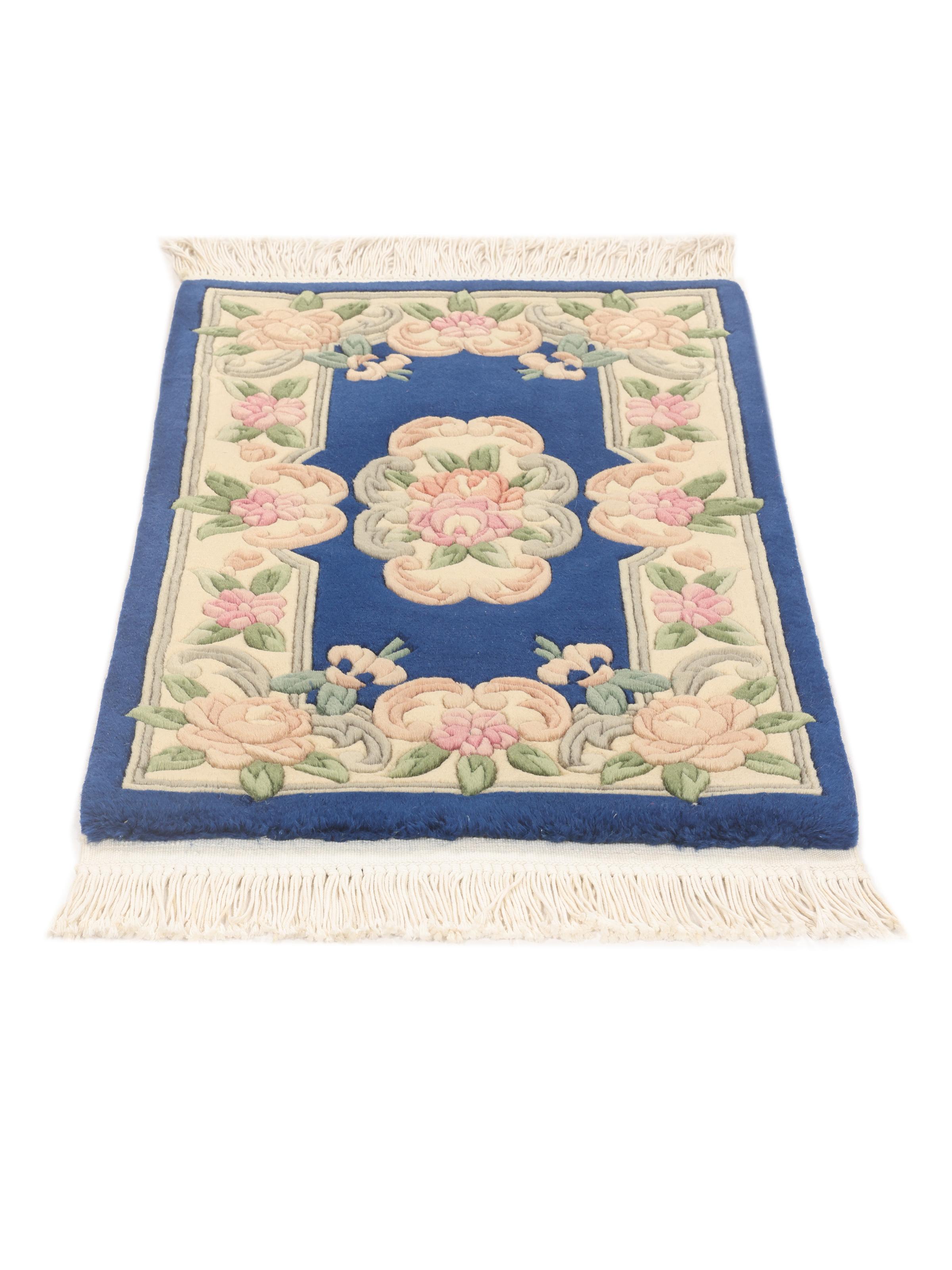
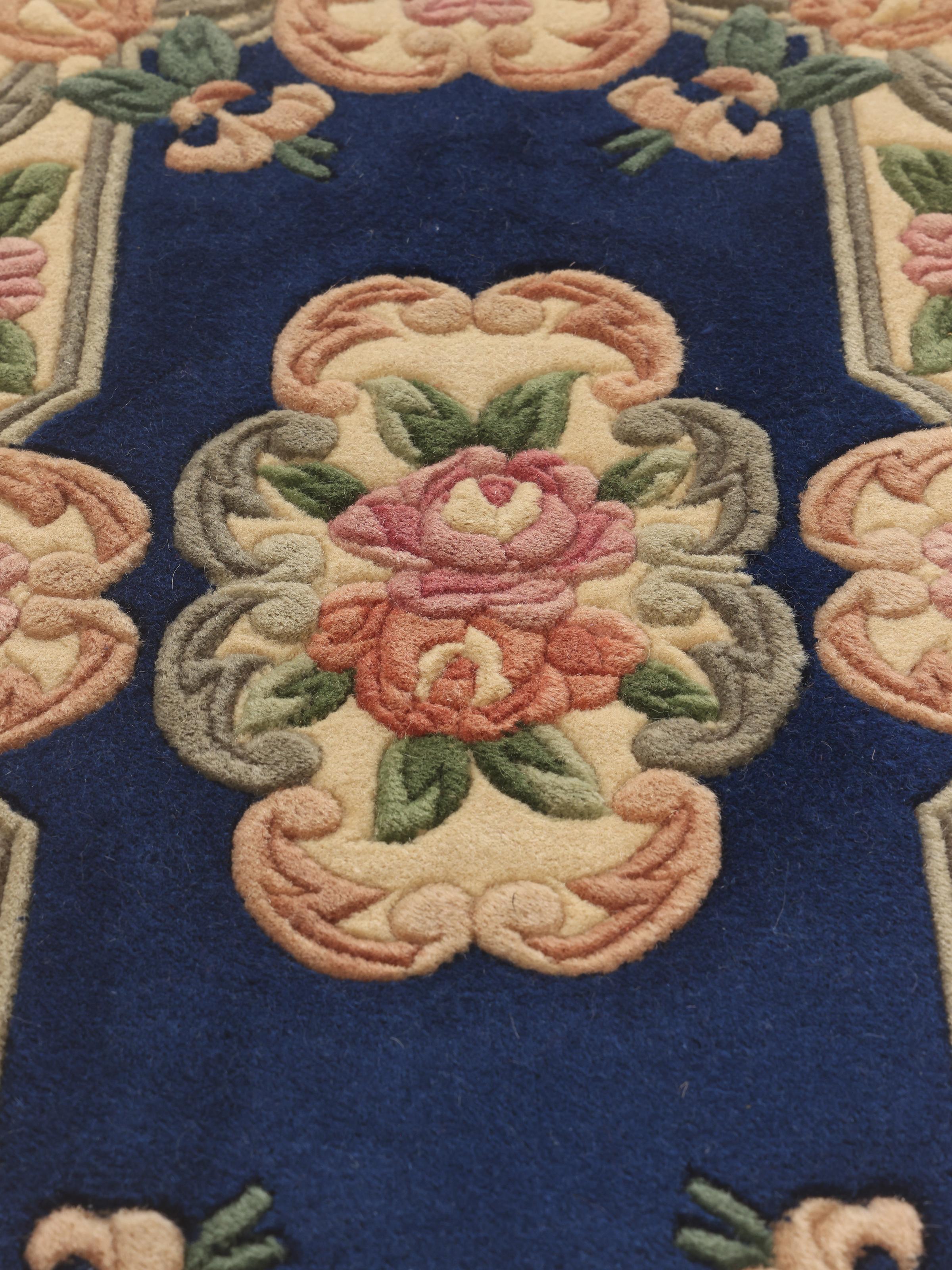
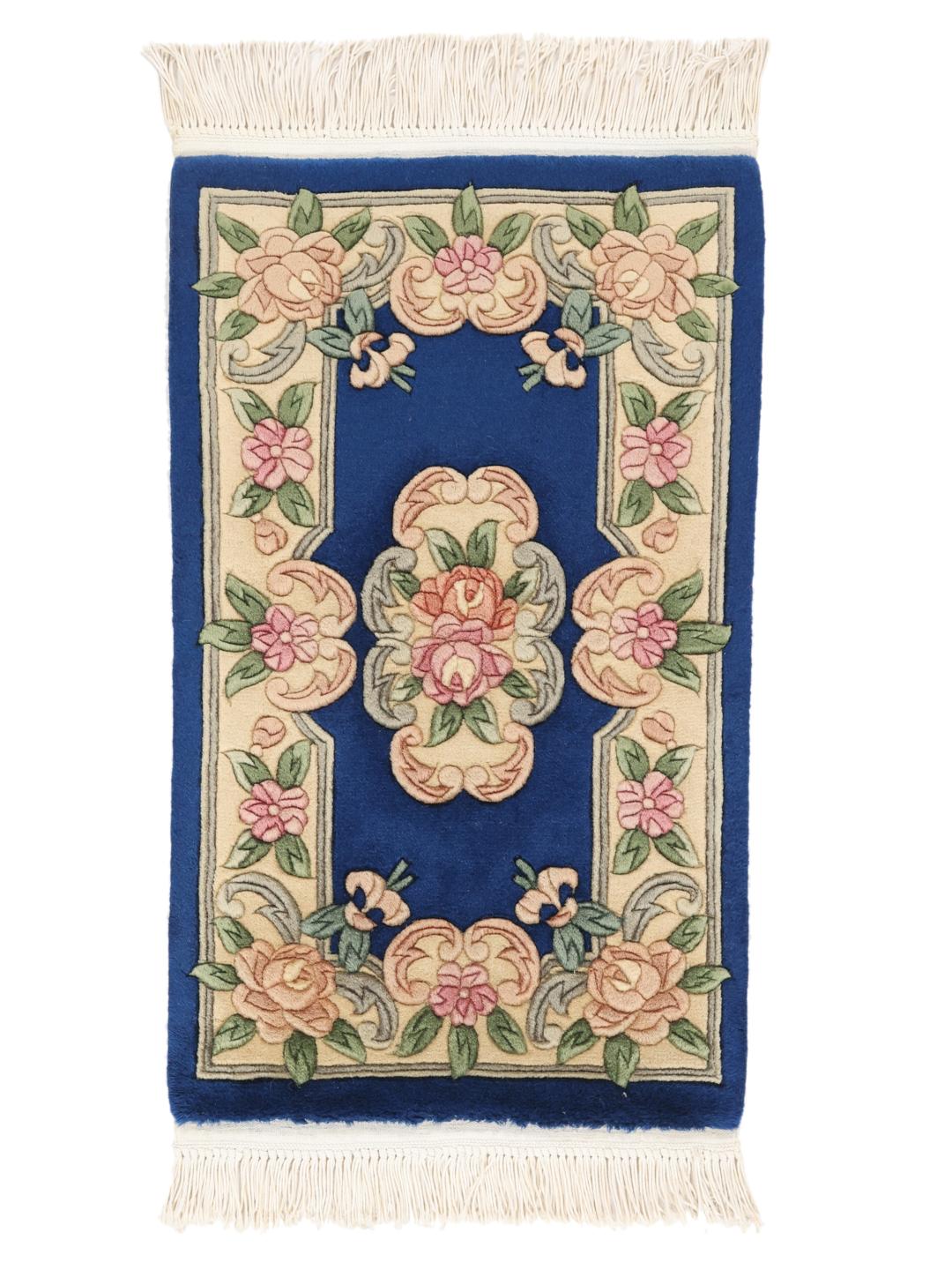
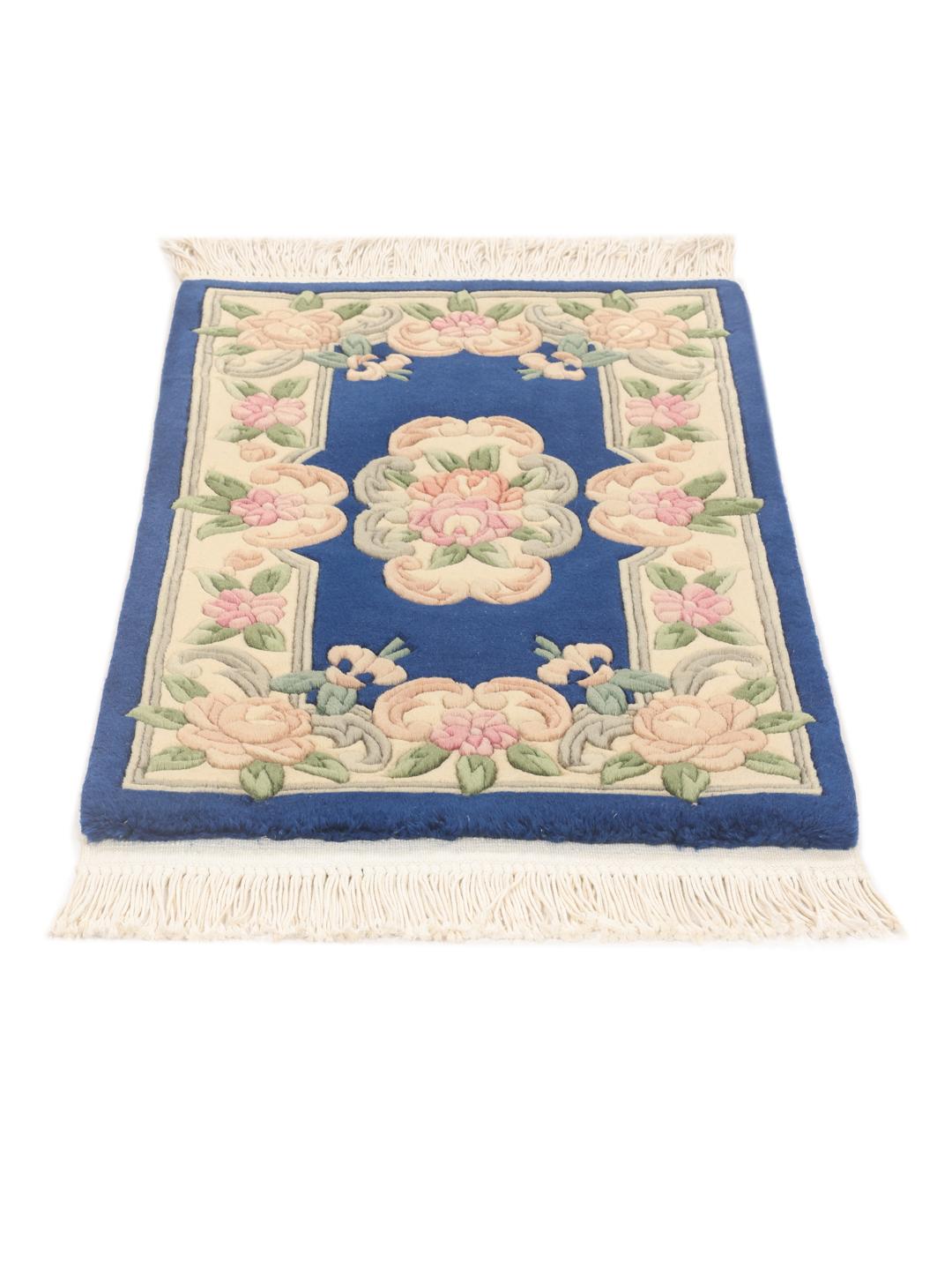
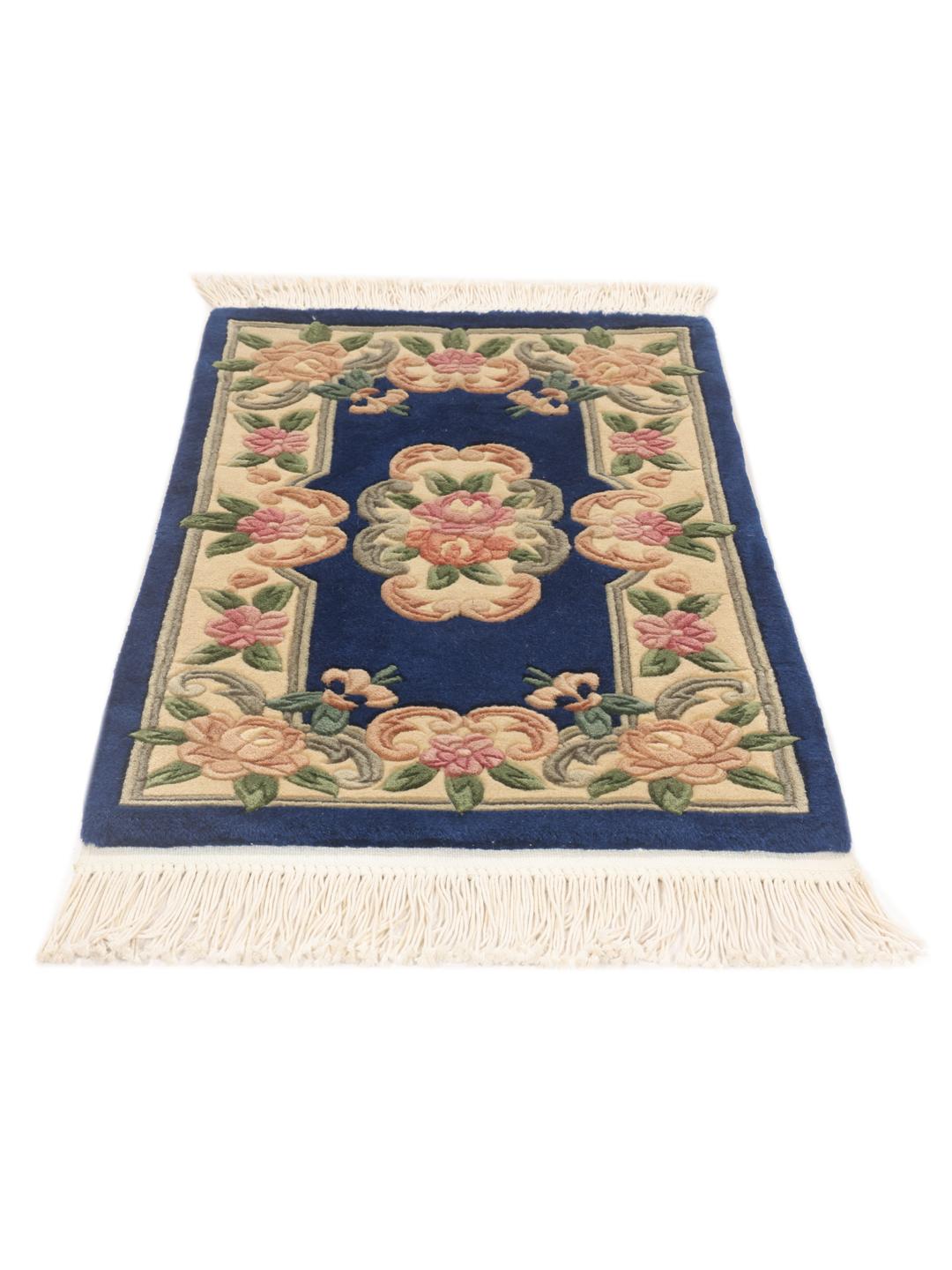
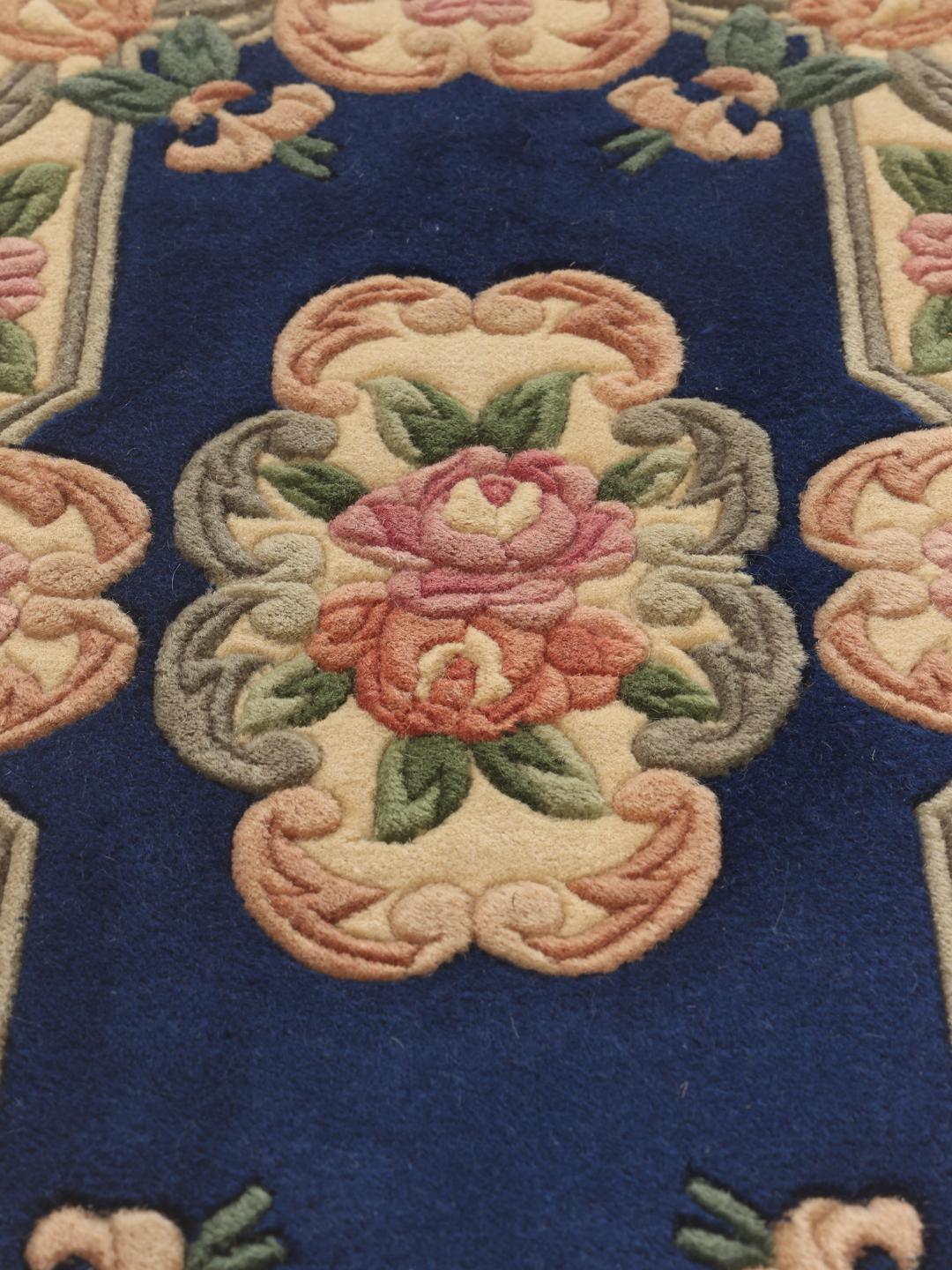
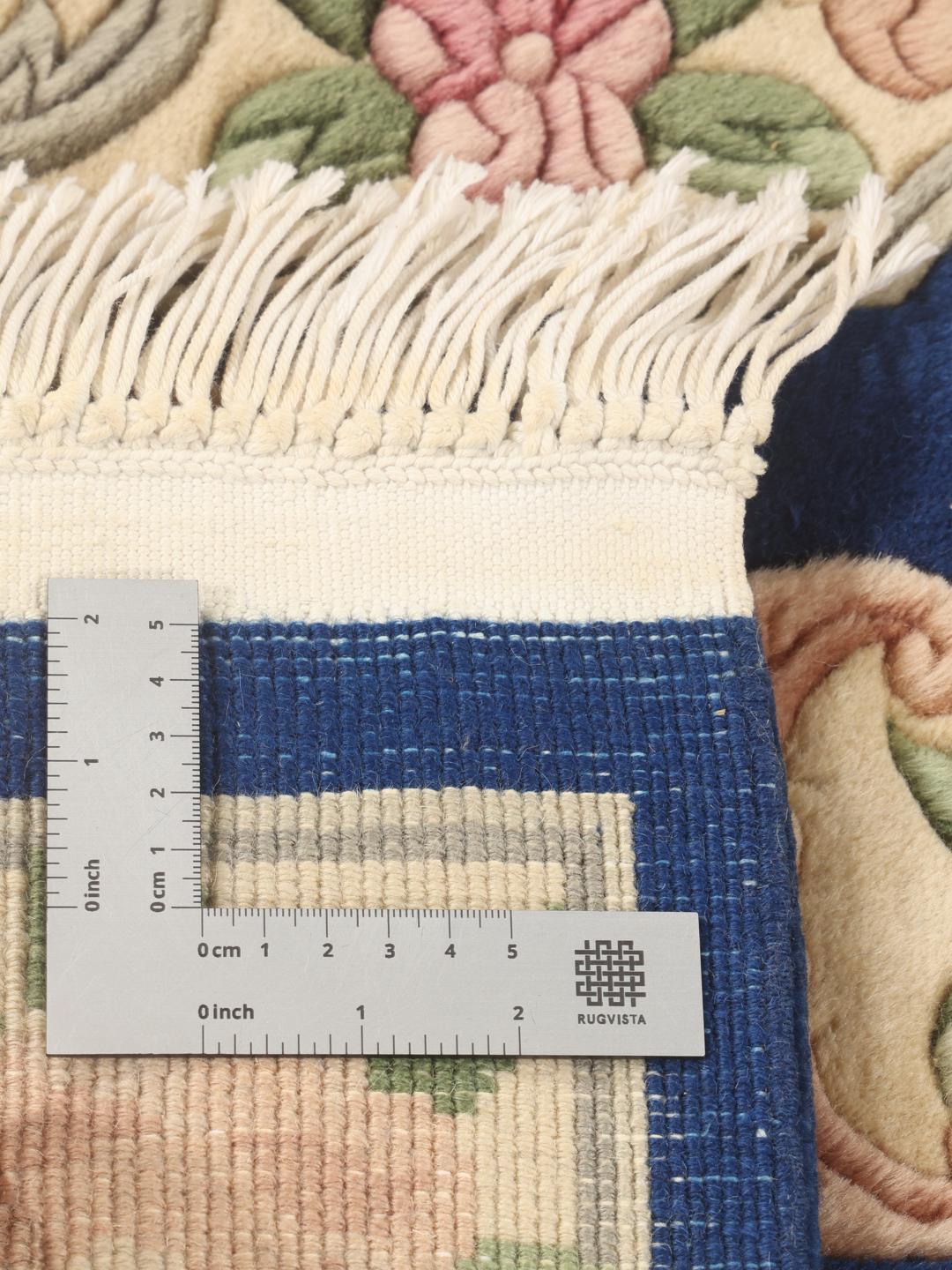
The 90 Line designation refers to a traditional measurement of quality in Chinese rug production, indicating the density of the knots per linear foot. This specific technique allows for the creation of intricate, sculpted designs where the pile is often carved around the floral motifs to give them a three-dimensional appearance, adding depth and texture to the surface.
Floral patterns have always been a cornerstone of this tradition, reflecting a deep appreciation for the natural world. The use of soft, muted tones alongside bolder background colours is a hallmark of the style, meant to evoke a sense of balance and tranquillity. These designs are not merely decorative but are intended to serve as a calming focal point in a room.
Owning a hand-knotted rug from this tradition is an investment in heritage and skill. These pieces are highly valued by collectors and homeowners alike for their ability to blend historical artistry with modern functional needs, serving as a lasting testament to the artisan's dedication to quality and design.