Chinese rug weaving holds a distinct place in the history of textiles, often celebrated for its artistic focus and unique aesthetic evolution. While many regional rug traditions from the Middle East are known for intricate geometric patterns, Chinese rugs often lean into naturalistic imagery, drawing inspiration from classical arts like porcelain painting and silk embroidery.
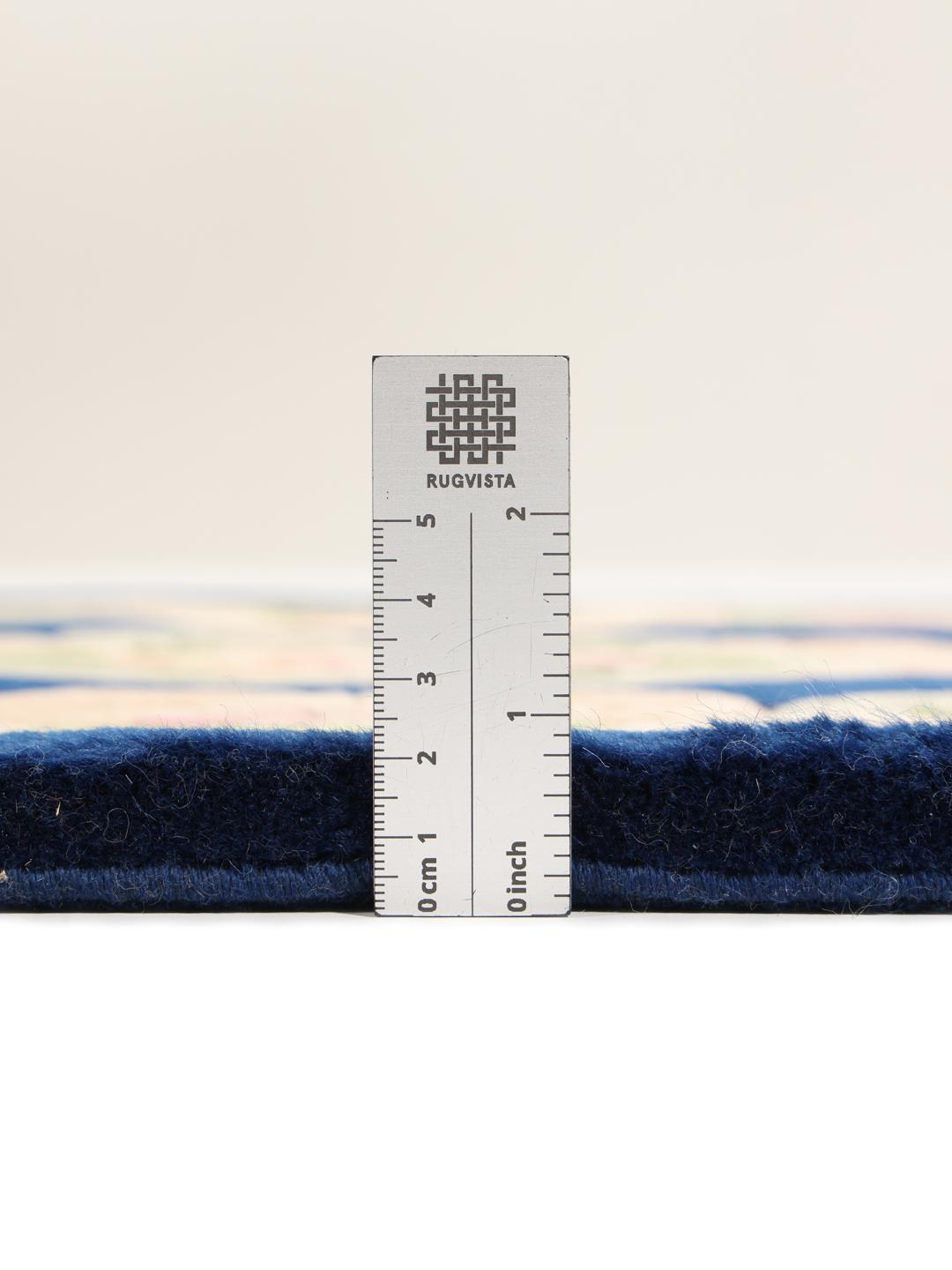
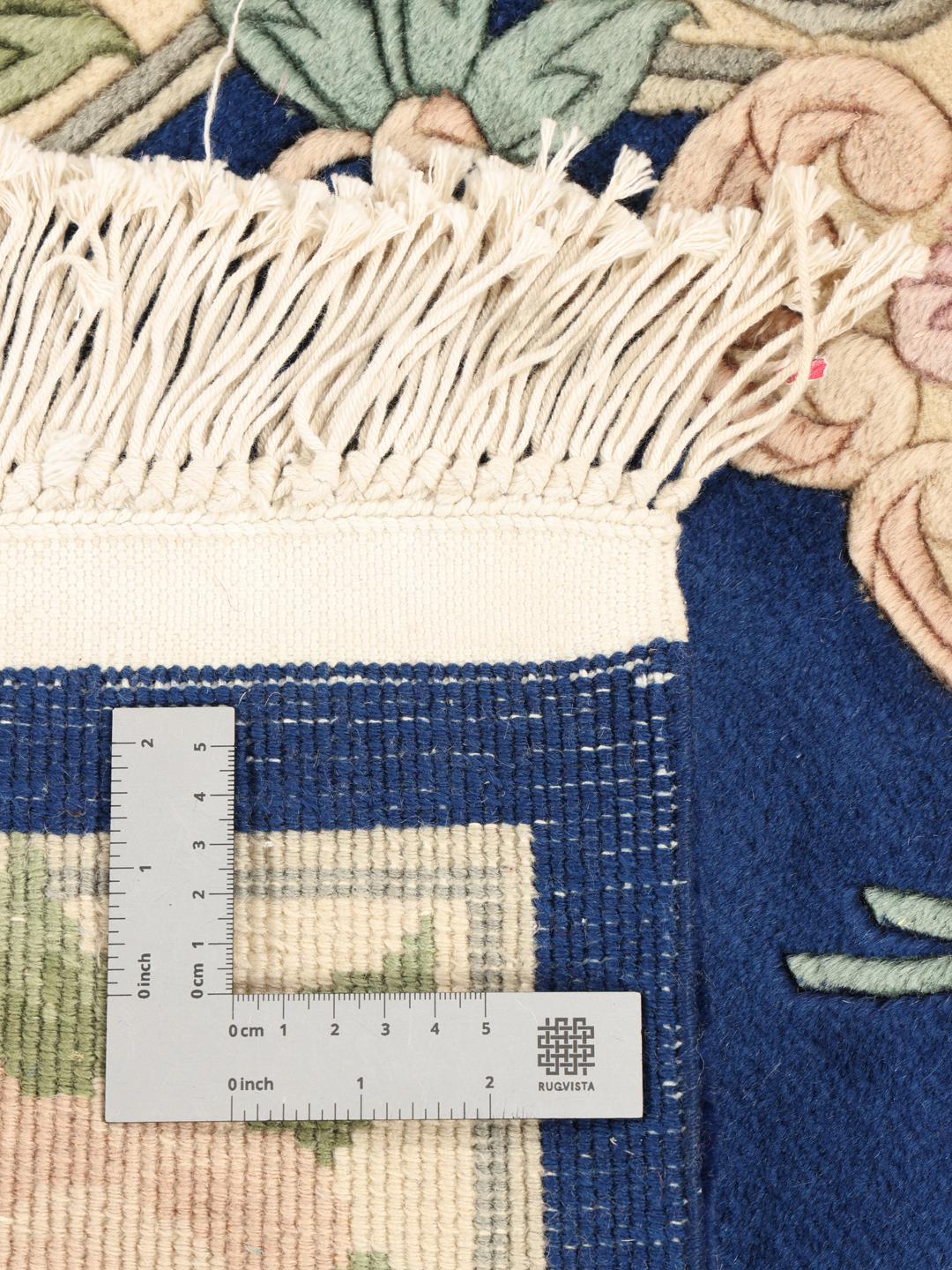
The term 'line' in Chinese rug nomenclature, such as the 90-line designation, refers to the density of the weave. It indicates the number of knots along a specific width, which directly informs the clarity of the design and the durability of the pile. This technical standard has been a hallmark of Chinese production, allowing artisans to achieve the graceful, curved floral lines that define this style.
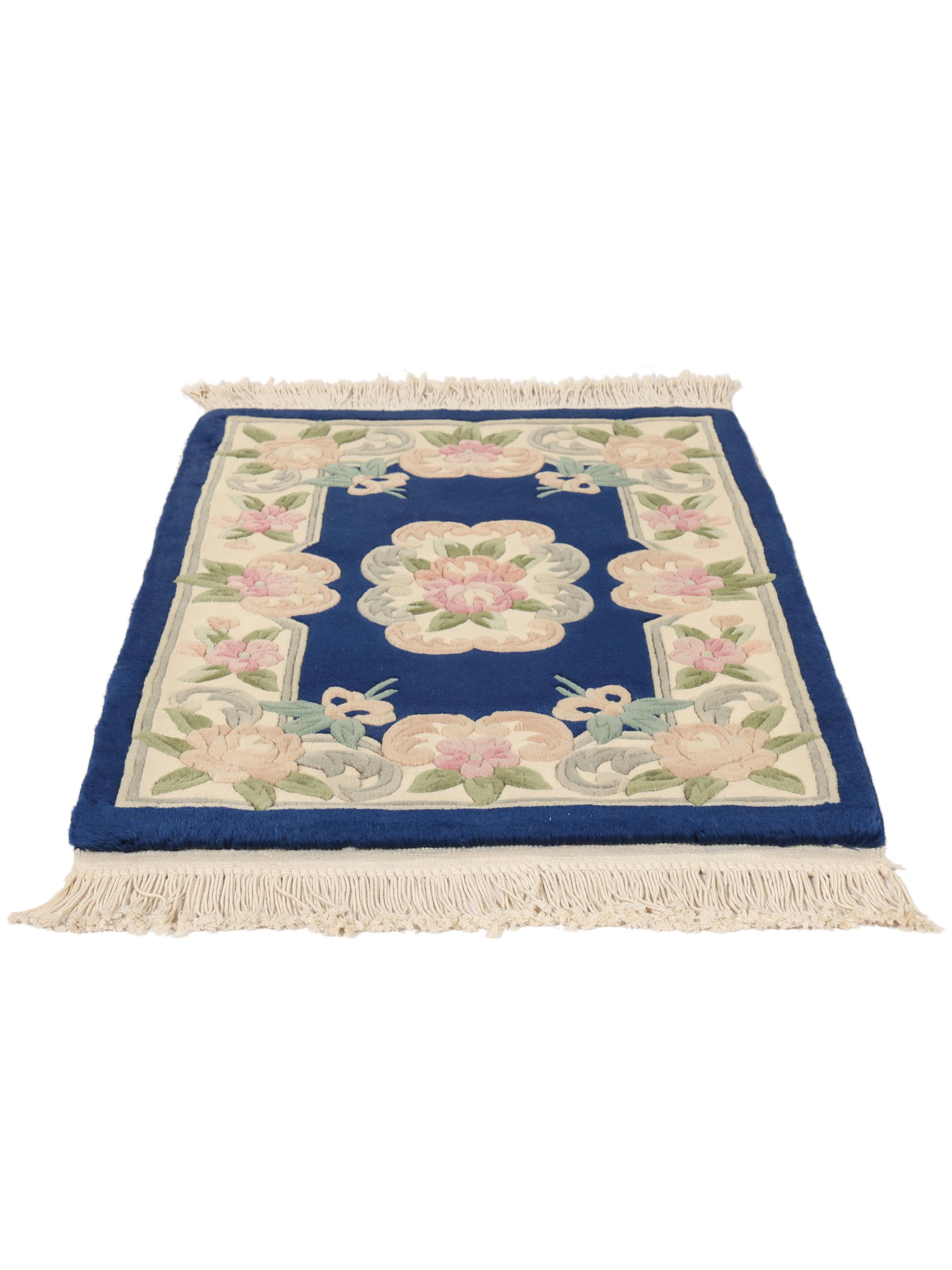
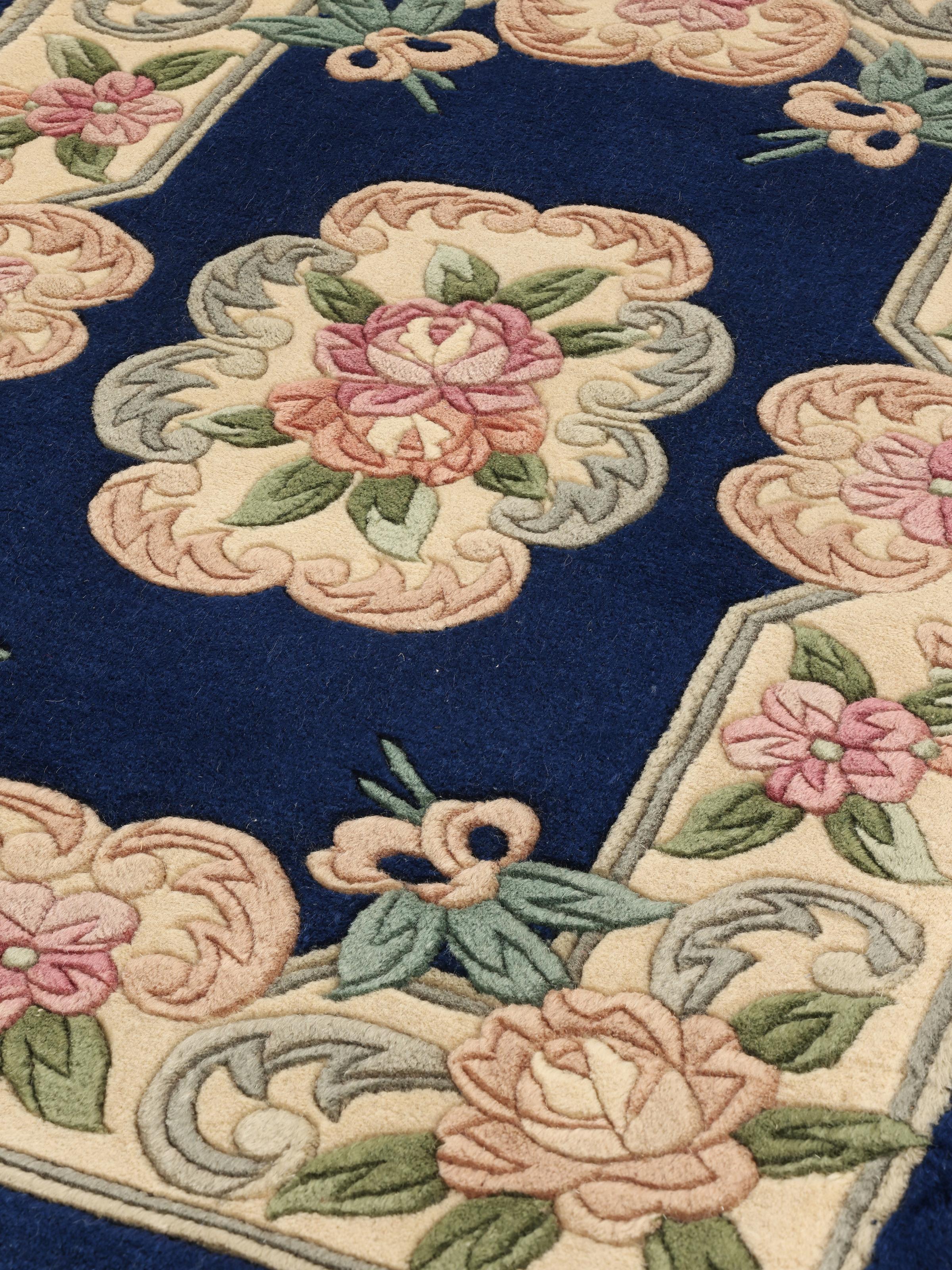
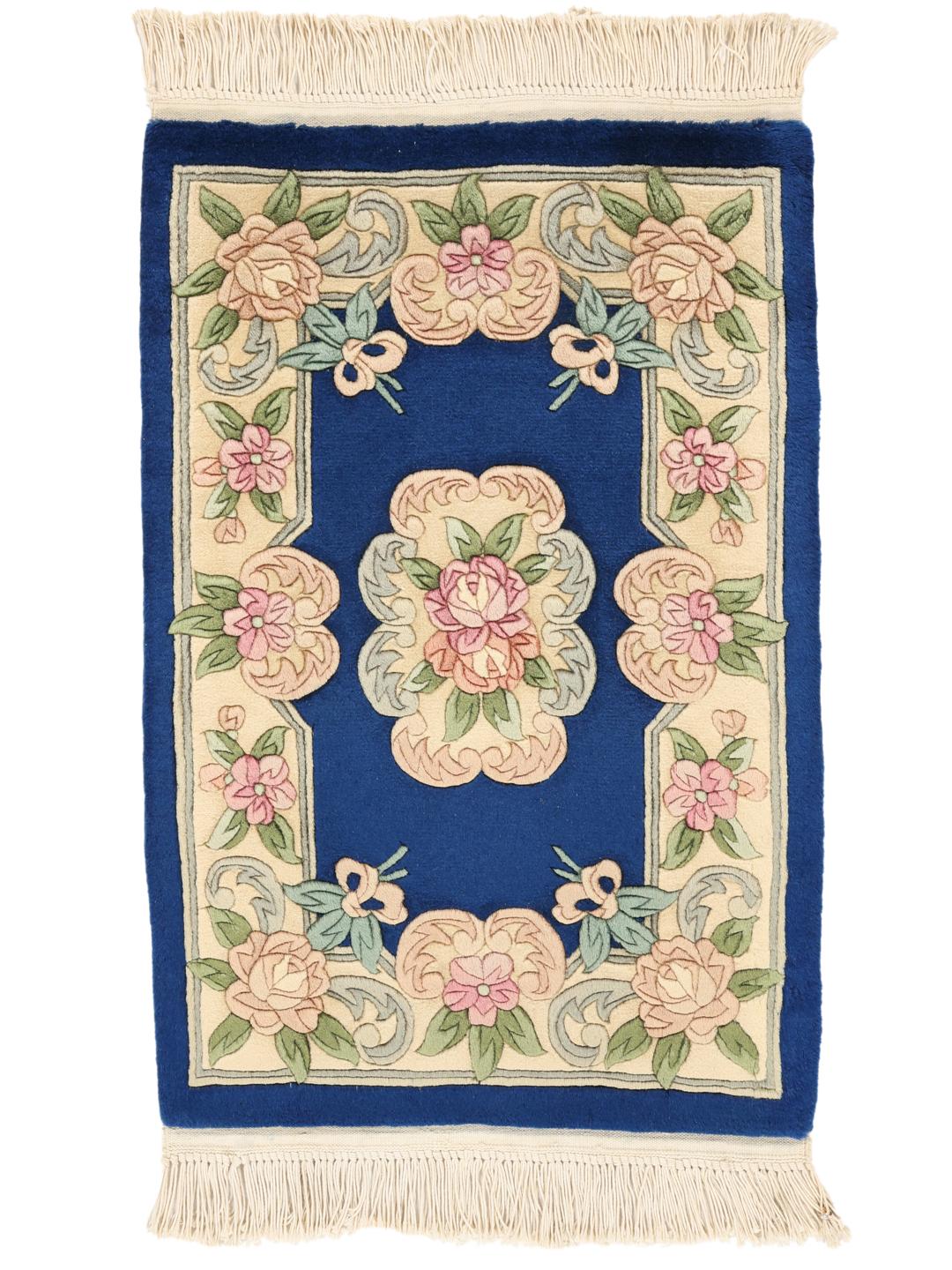
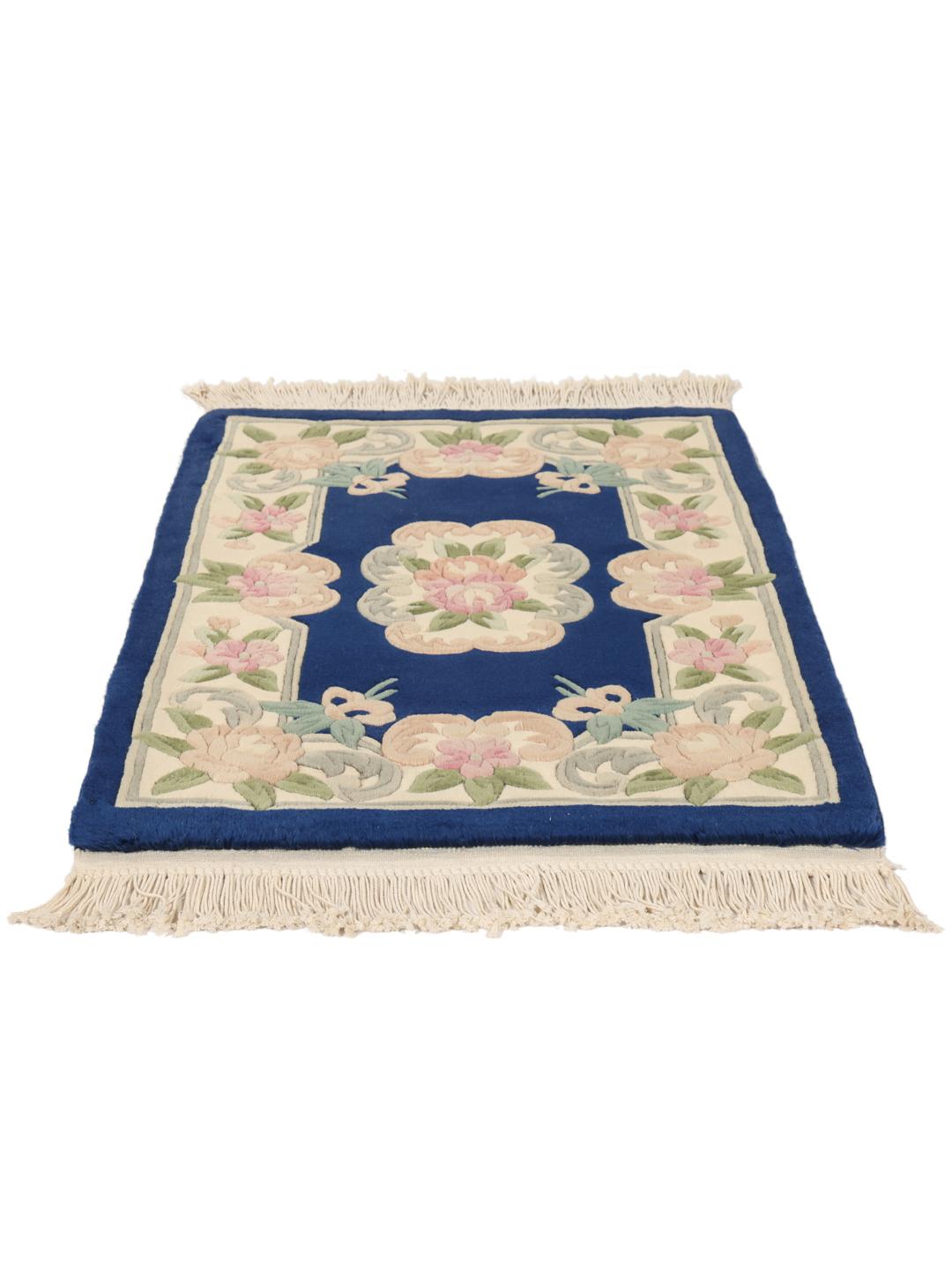
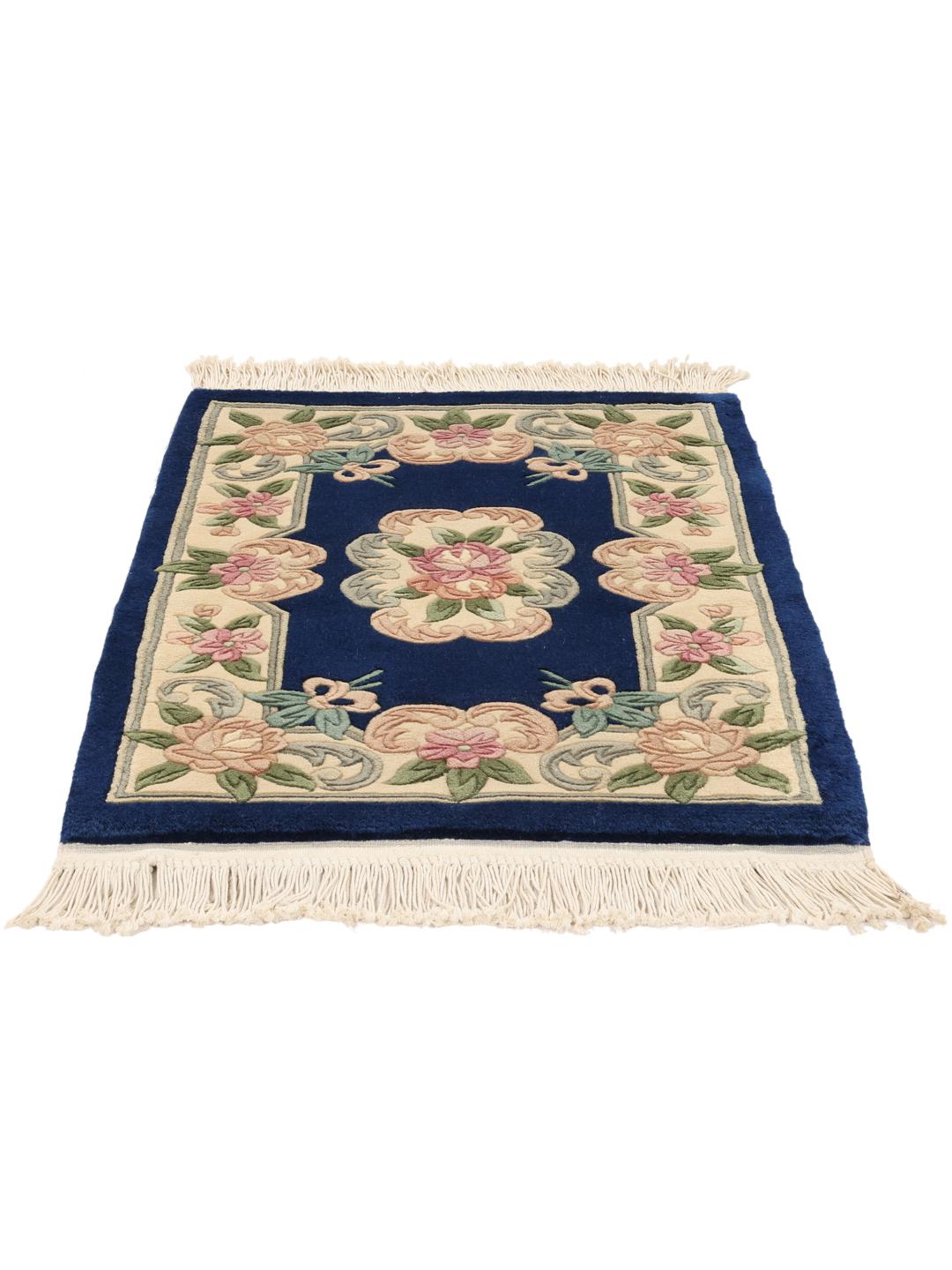
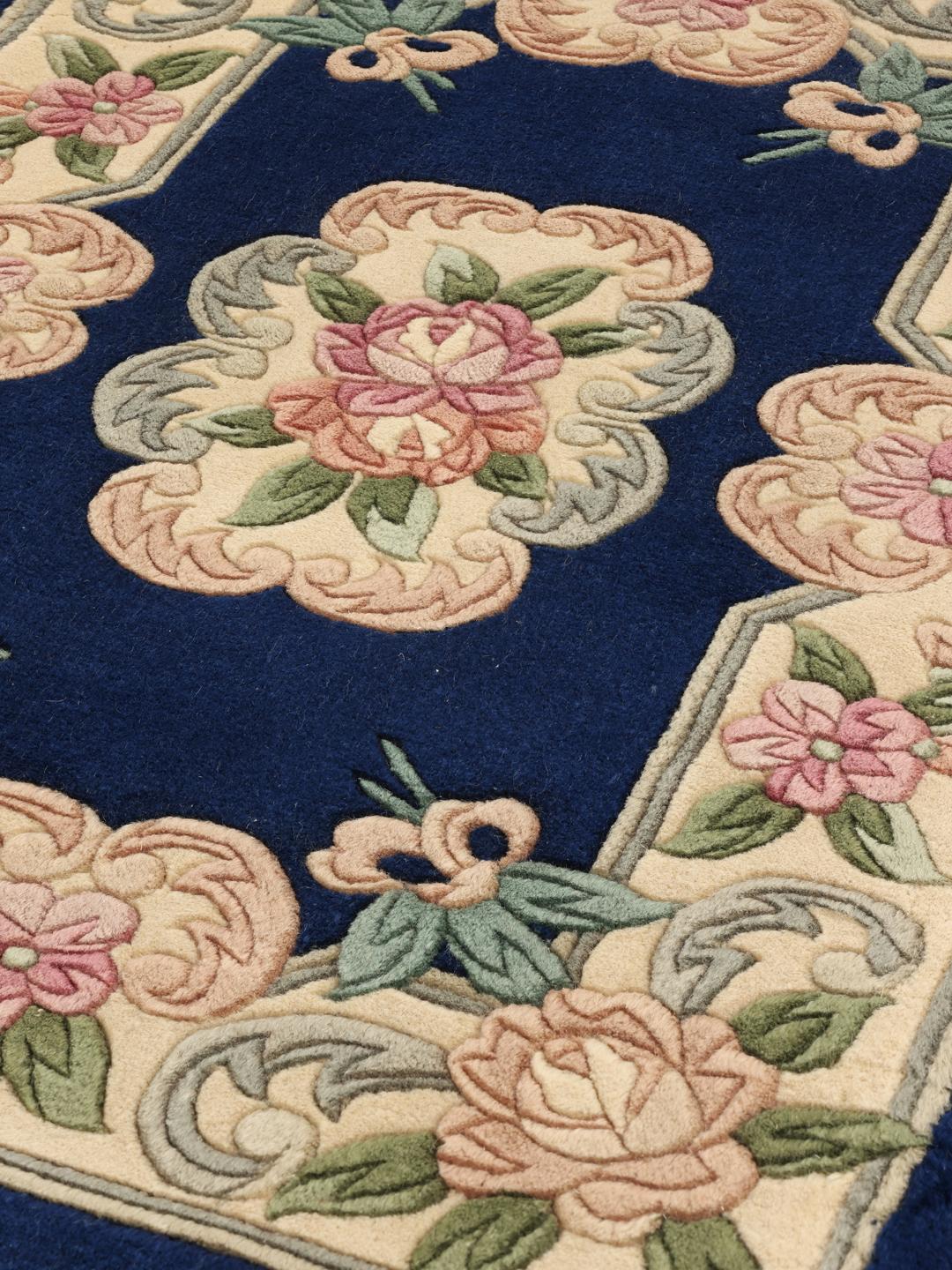
The design of this piece showcases traditional floral motifs, which have been central to Chinese artistic expression for centuries. These patterns, often featuring peonies or lotus blossoms, are not merely decorative but carry deep cultural symbolism, representing prosperity and beauty. The use of a deep blue field provides a modern contrast to these organic shapes, a style that gained significant popularity during the 20th century as Chinese rug makers adapted their heritage for global interiors.
Owning a piece from this tradition is an invitation to bring a slice of cultural history into your home. These rugs are highly valued by collectors not only for their visual elegance but for the human story embedded in every knot. By choosing this rug, you are preserving a legacy of craft that balances aesthetic softness with a durable, long-lasting construction.