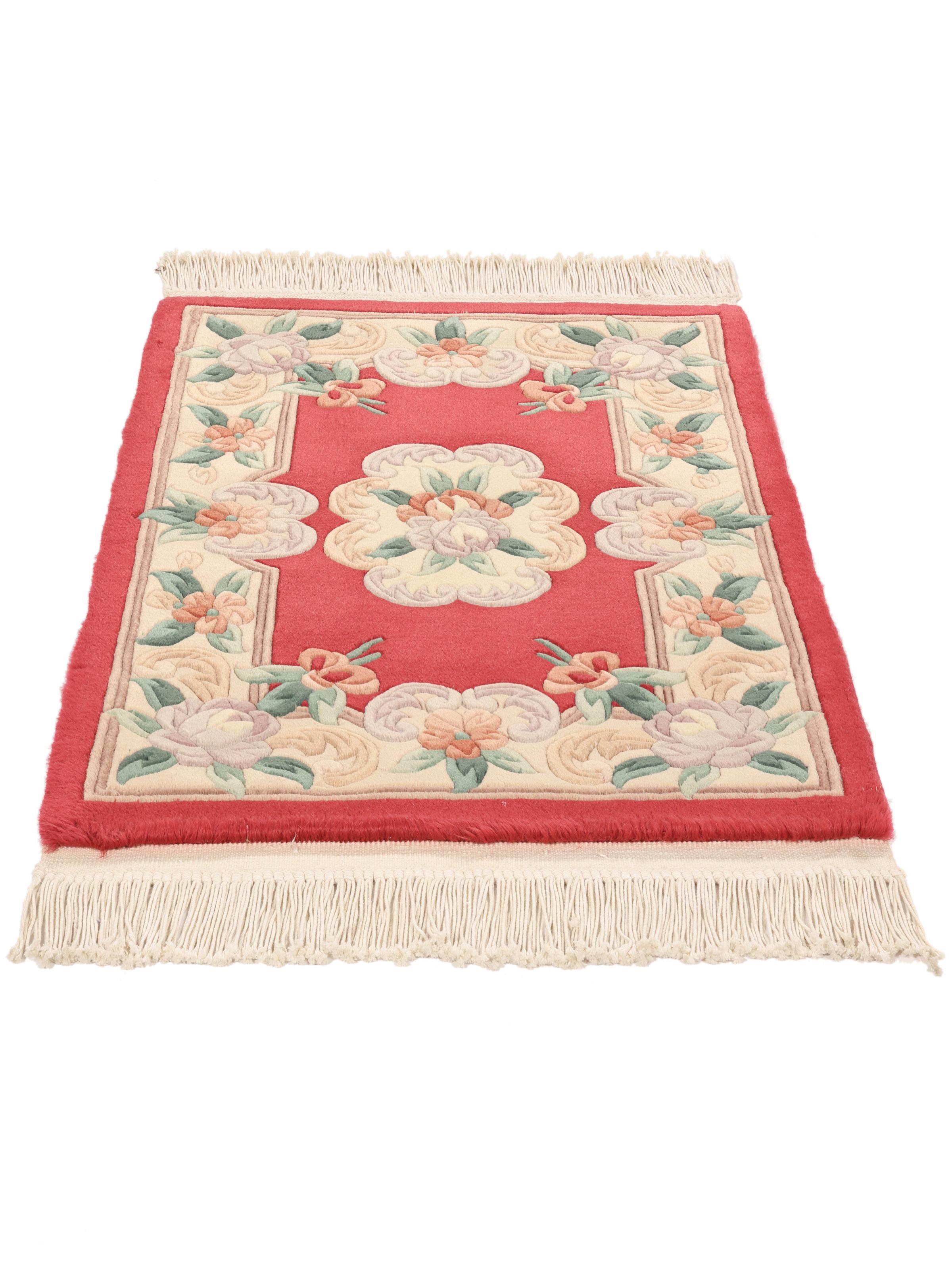
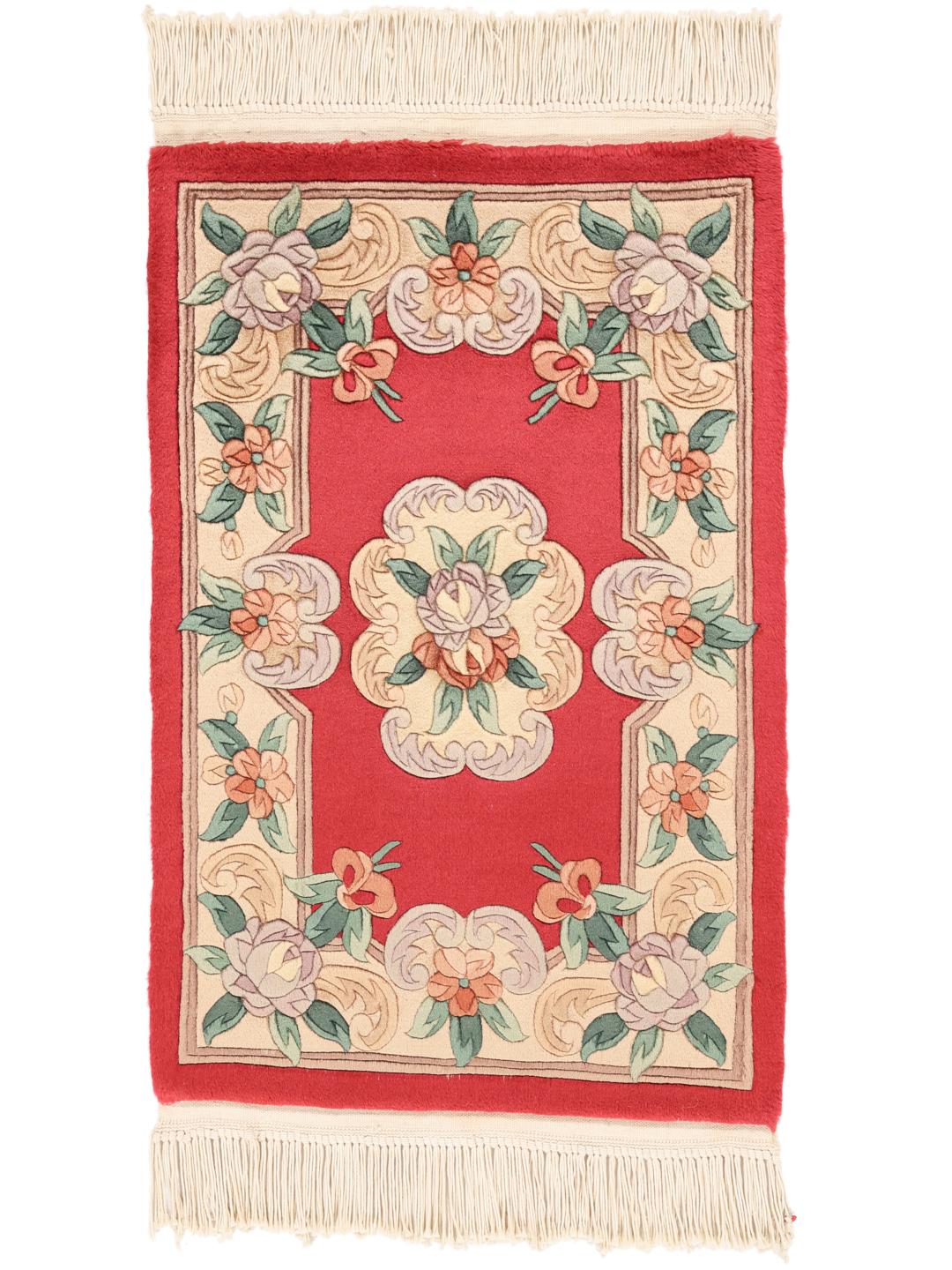
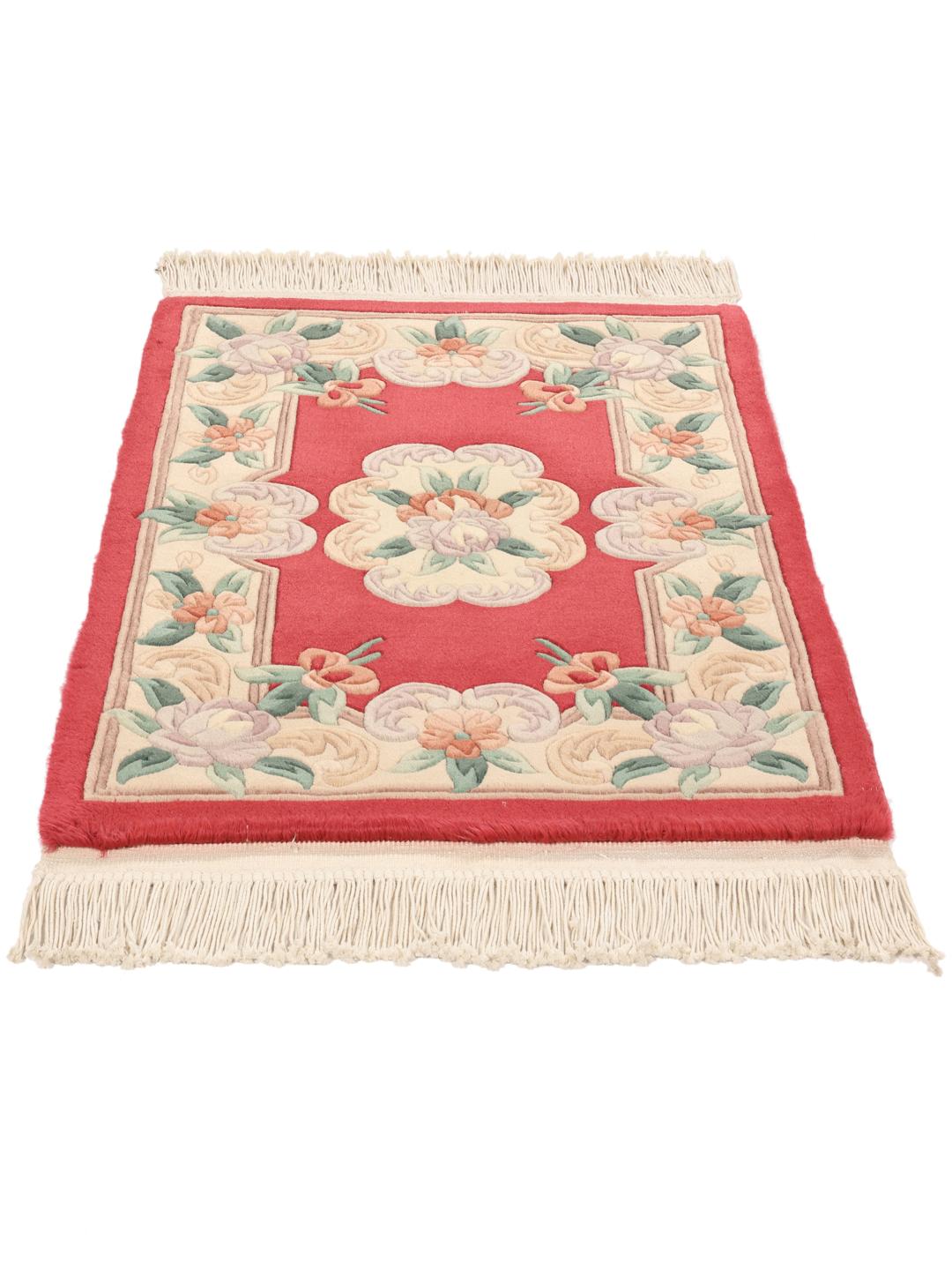
Chinese rug weaving has a storied past that spans centuries, evolving from functional floor coverings into highly prized artistic expressions. The tradition is deeply rooted in the cultural history of the region, where rug making was often influenced by imperial aesthetics and the symbolic language of nature, particularly the use of flowers and auspicious motifs.
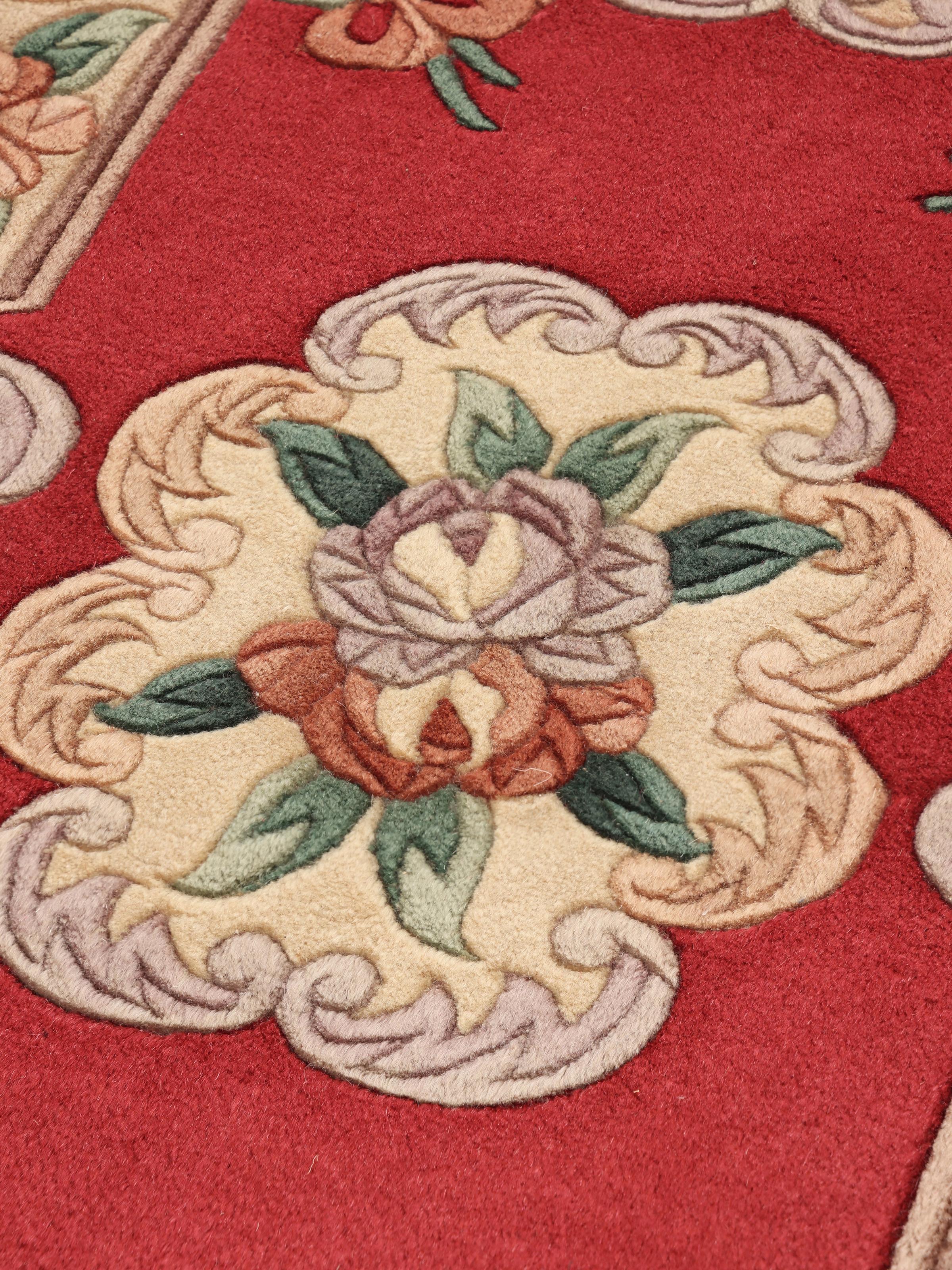
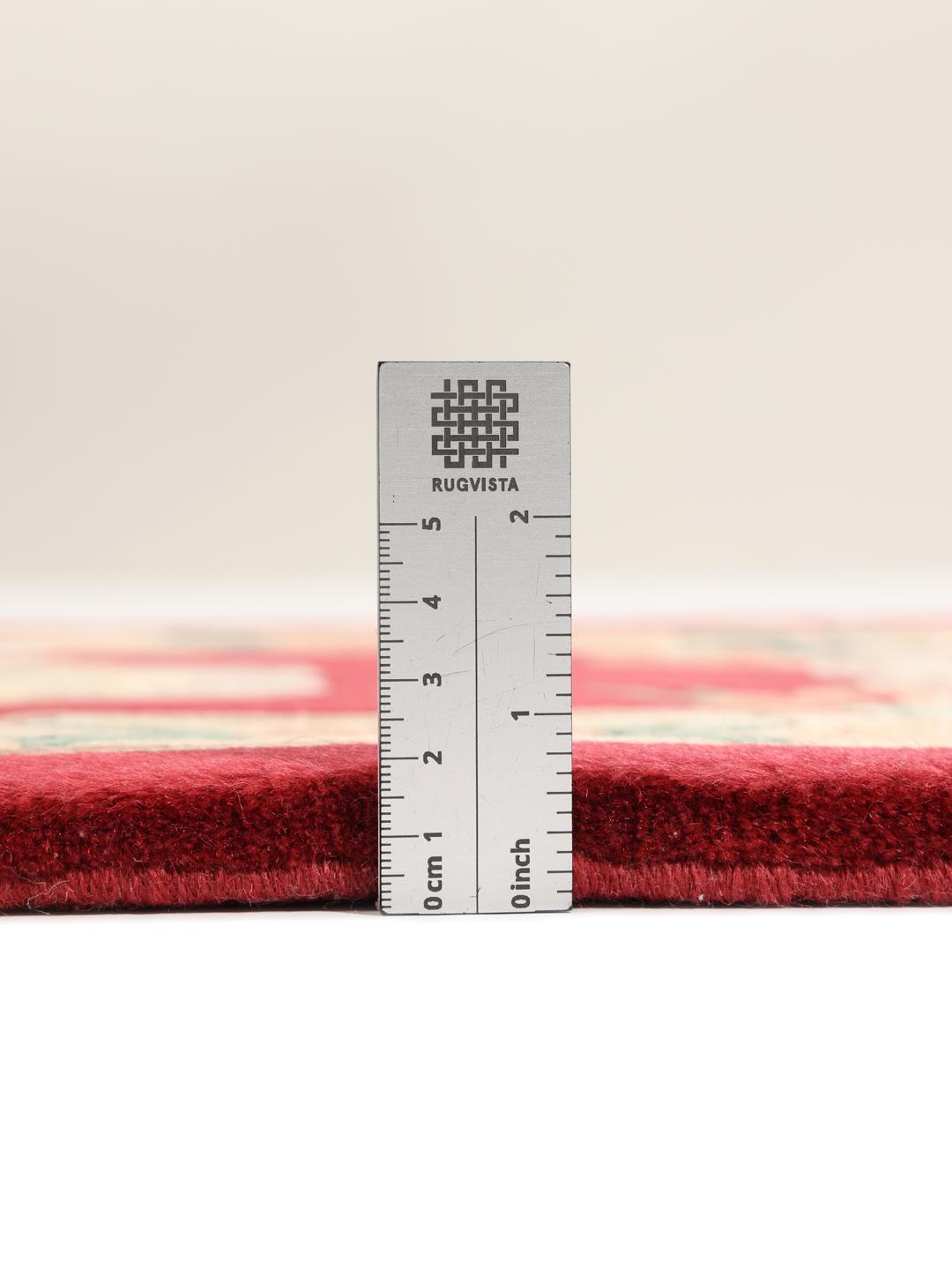
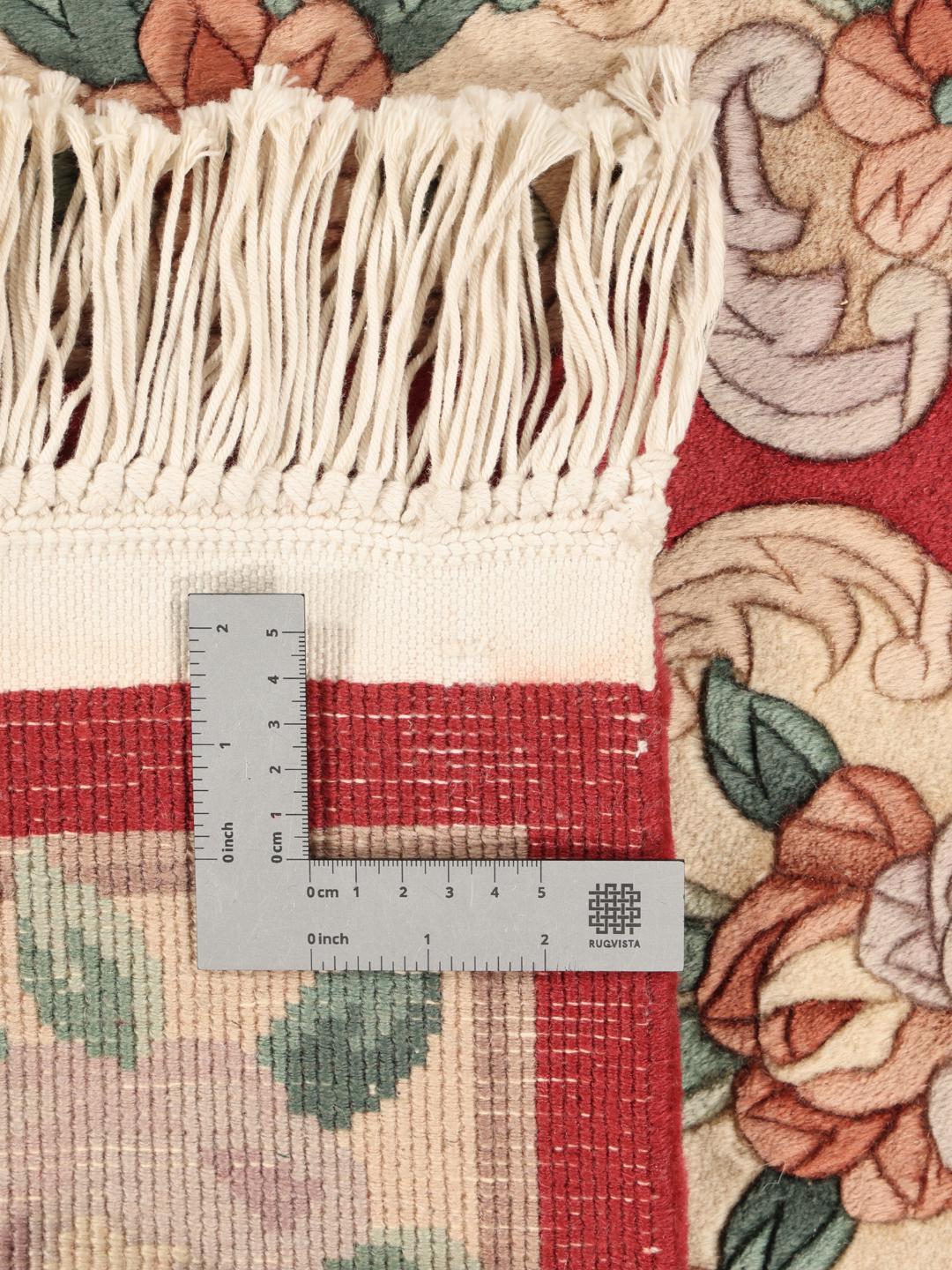
The term '90 Line' refers to a specific traditional grading system used to describe the density of the weave. This measurement indicates how many knots are present across a certain width, which directly correlates to the crispness of the design and the density of the pile. In this tradition, a higher count allows for more detailed, fluid curves in floral patterns, ensuring that the finished product is both beautiful and robust.
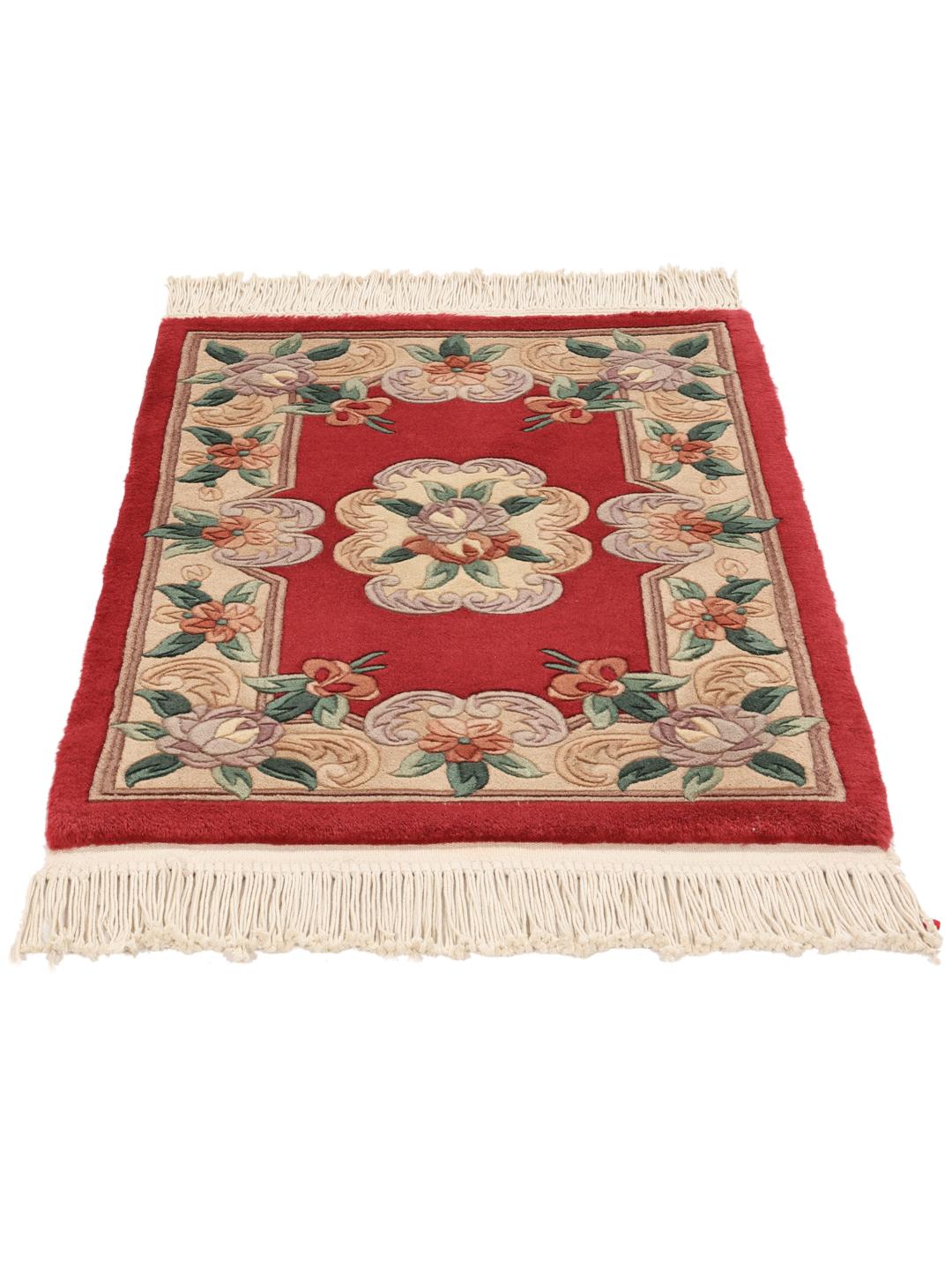
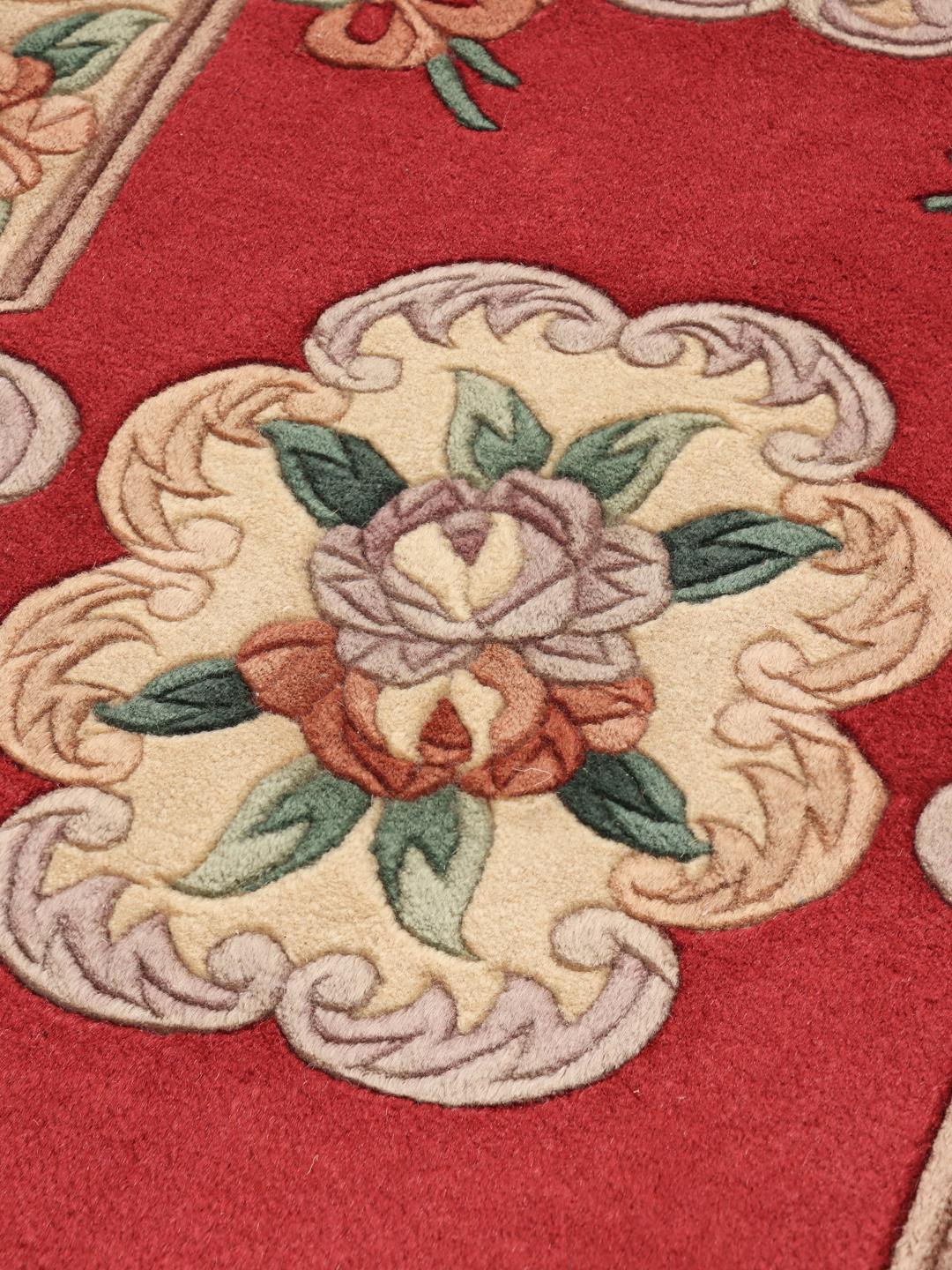
Floral patterns in Chinese weaving are not merely decorative, as they often carry deep cultural significance. The blossoms featured on this rug are characteristic of this tradition, which favours balanced, flowing compositions and harmonious colour contrasts. The inclusion of a formal border is a classic design element that frames the central medallion, creating a sense of order and symmetry that has defined the style for generations.
Collecting rugs from this tradition is a way to preserve a piece of history. These pieces are valued not only for their visual impact but for the skill and heritage they embody. Owning a hand-knotted rug from this region is an investment in a living art form, allowing you to enjoy a connection to a centuries-old craft that continues to bring warmth and sophistication to modern homes.