Chinese rug-making has a long and storied history, evolving from ancient traditions that initially focused on religious and utilitarian textiles. Over centuries, these techniques expanded, incorporating sophisticated floral motifs and balanced compositions that have become hallmarks of the region’s artistic output.
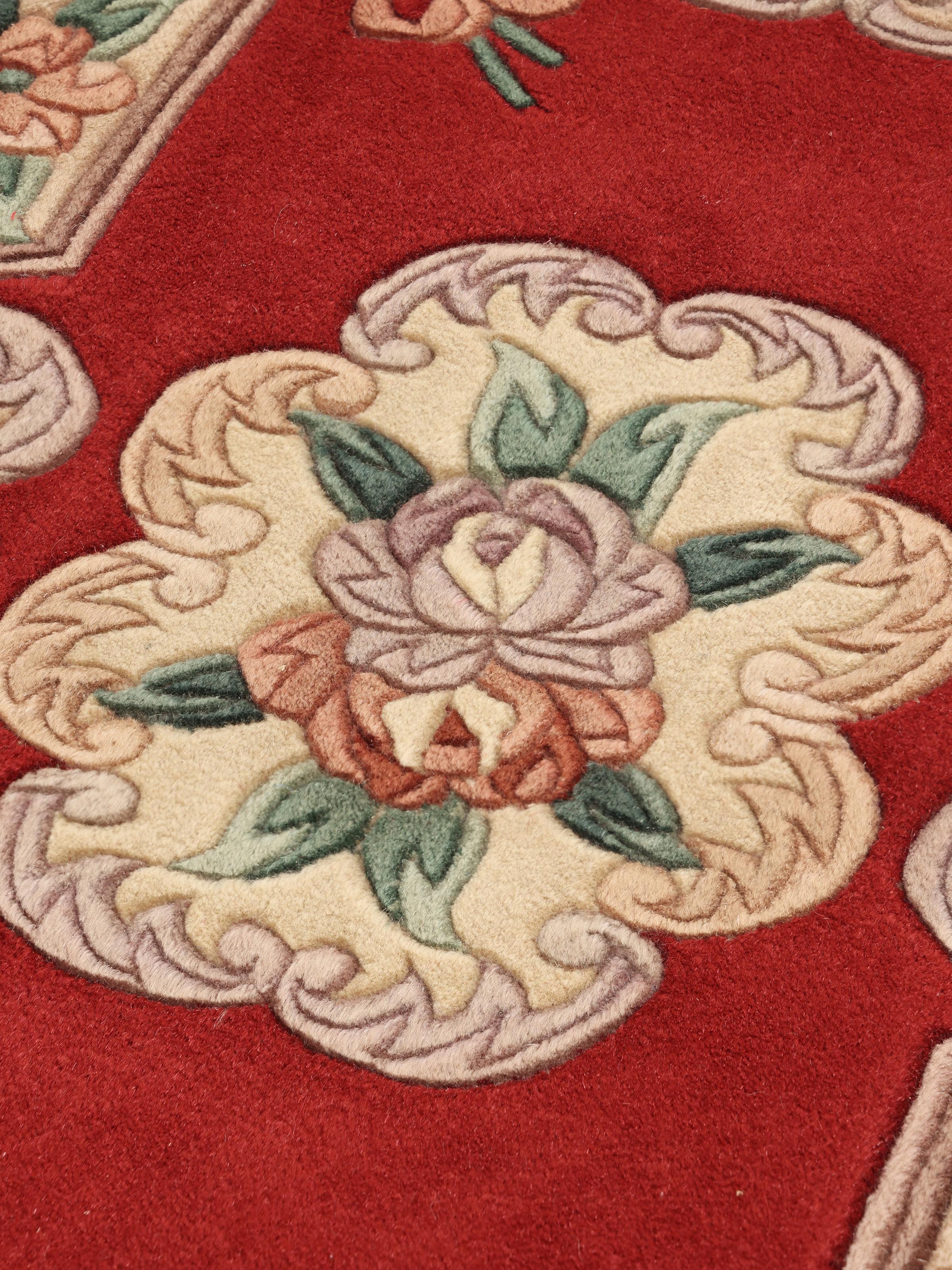
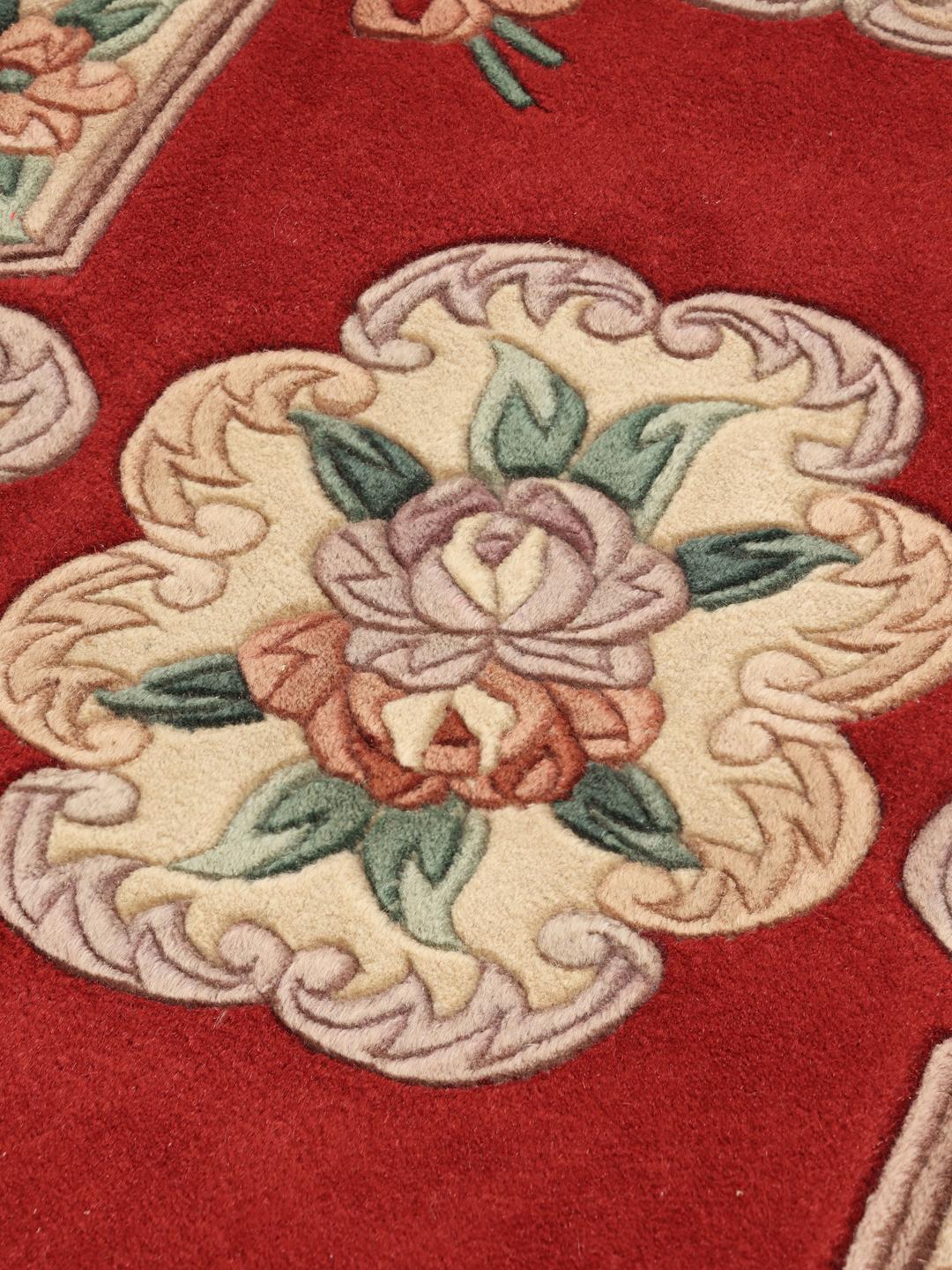
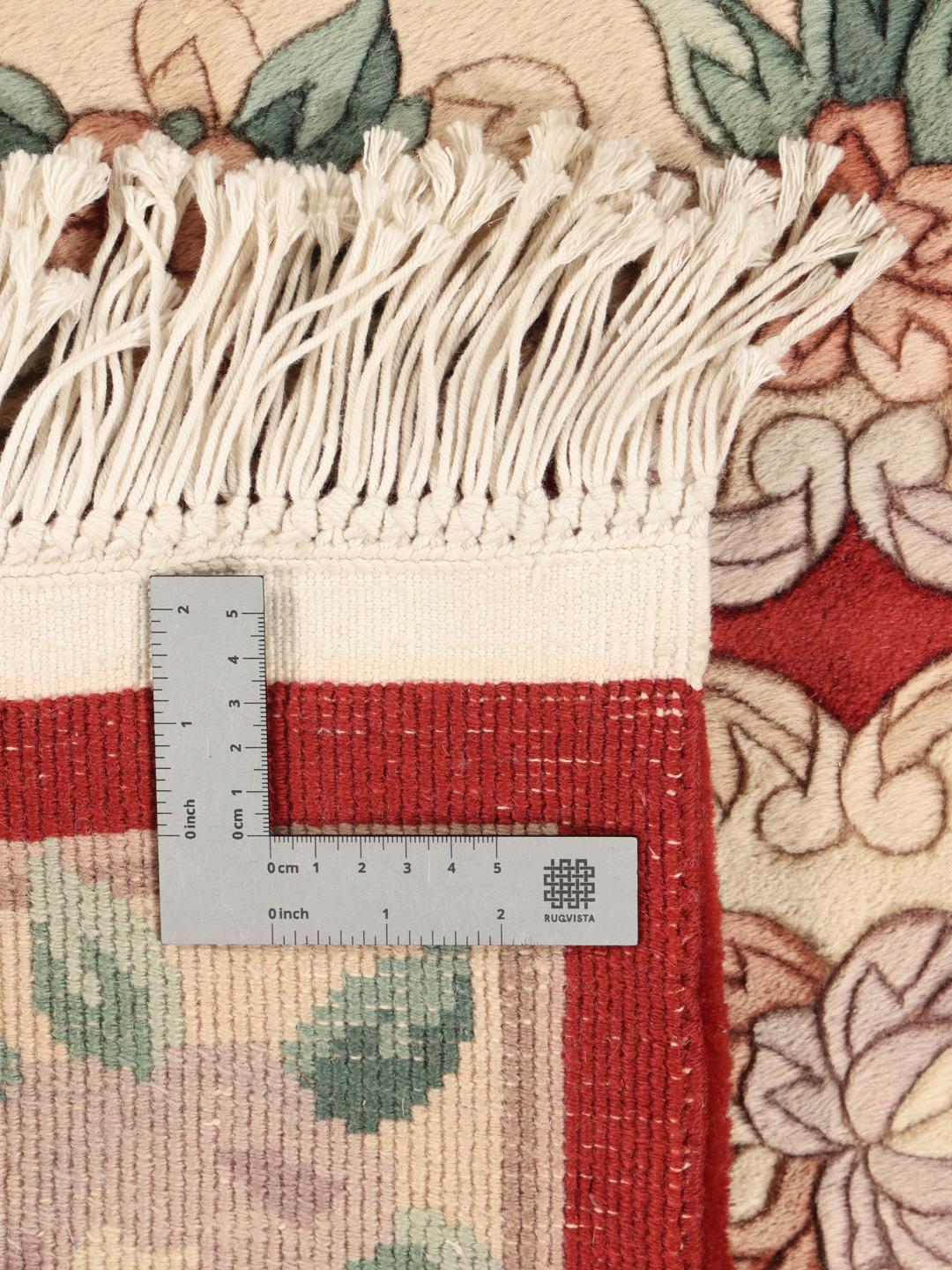
The term '90 Line' refers to the traditional measurement of knot density in Chinese rug production, indicating the number of knots per linear foot. This specific standard has long been used to ensure a consistent, durable pile that allows for the crisp, sculptural relief often seen in these floral designs.
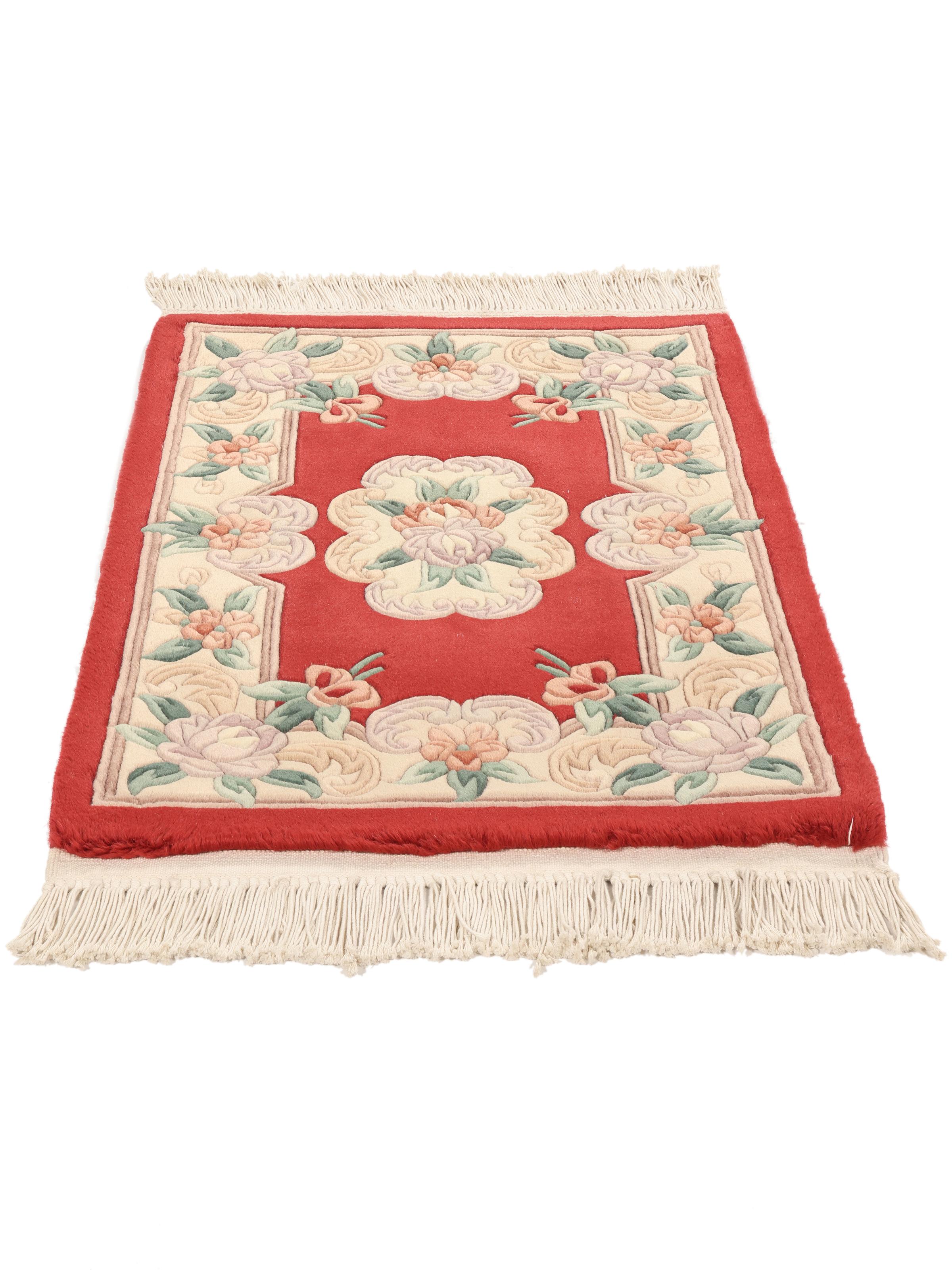
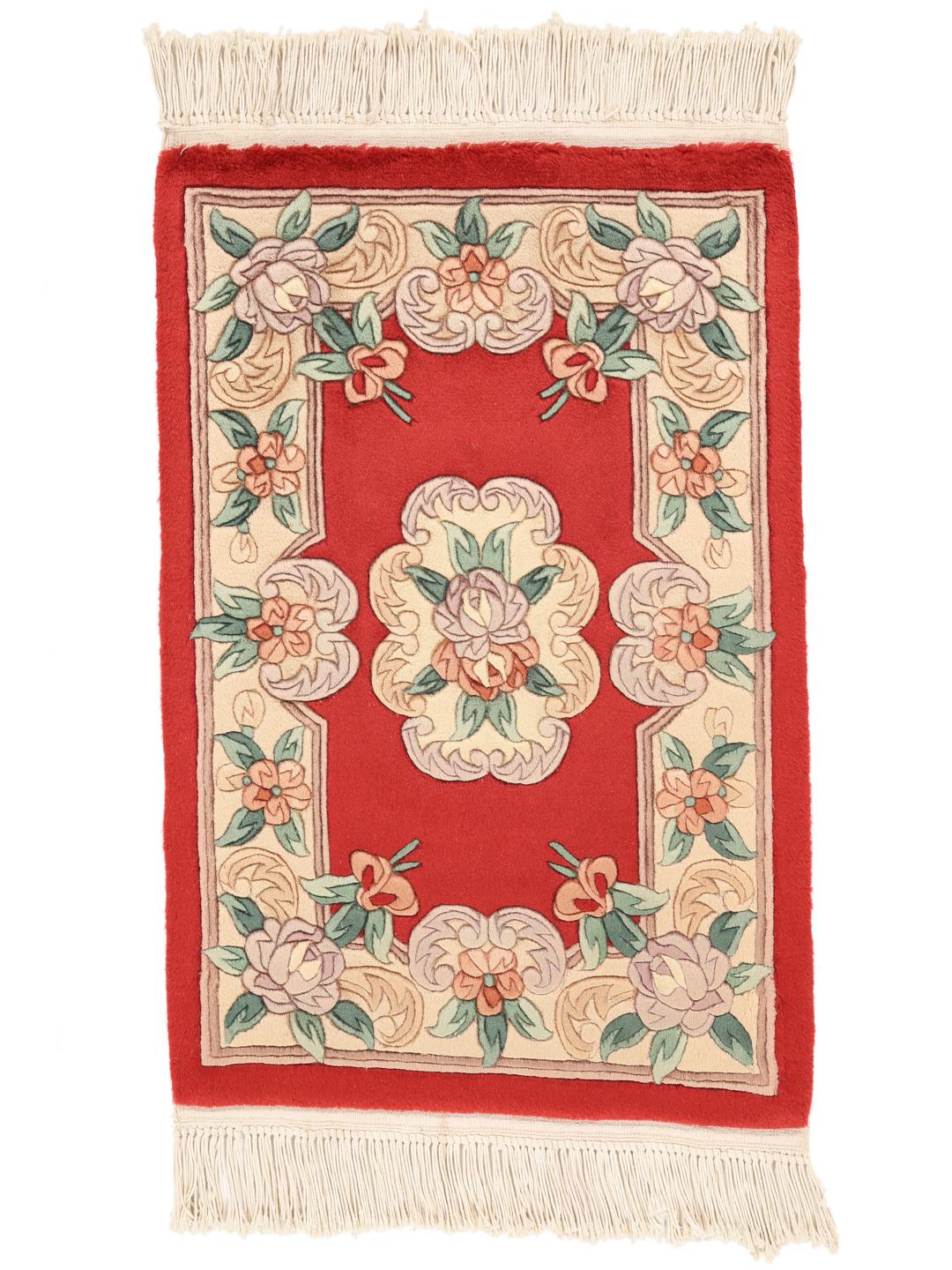
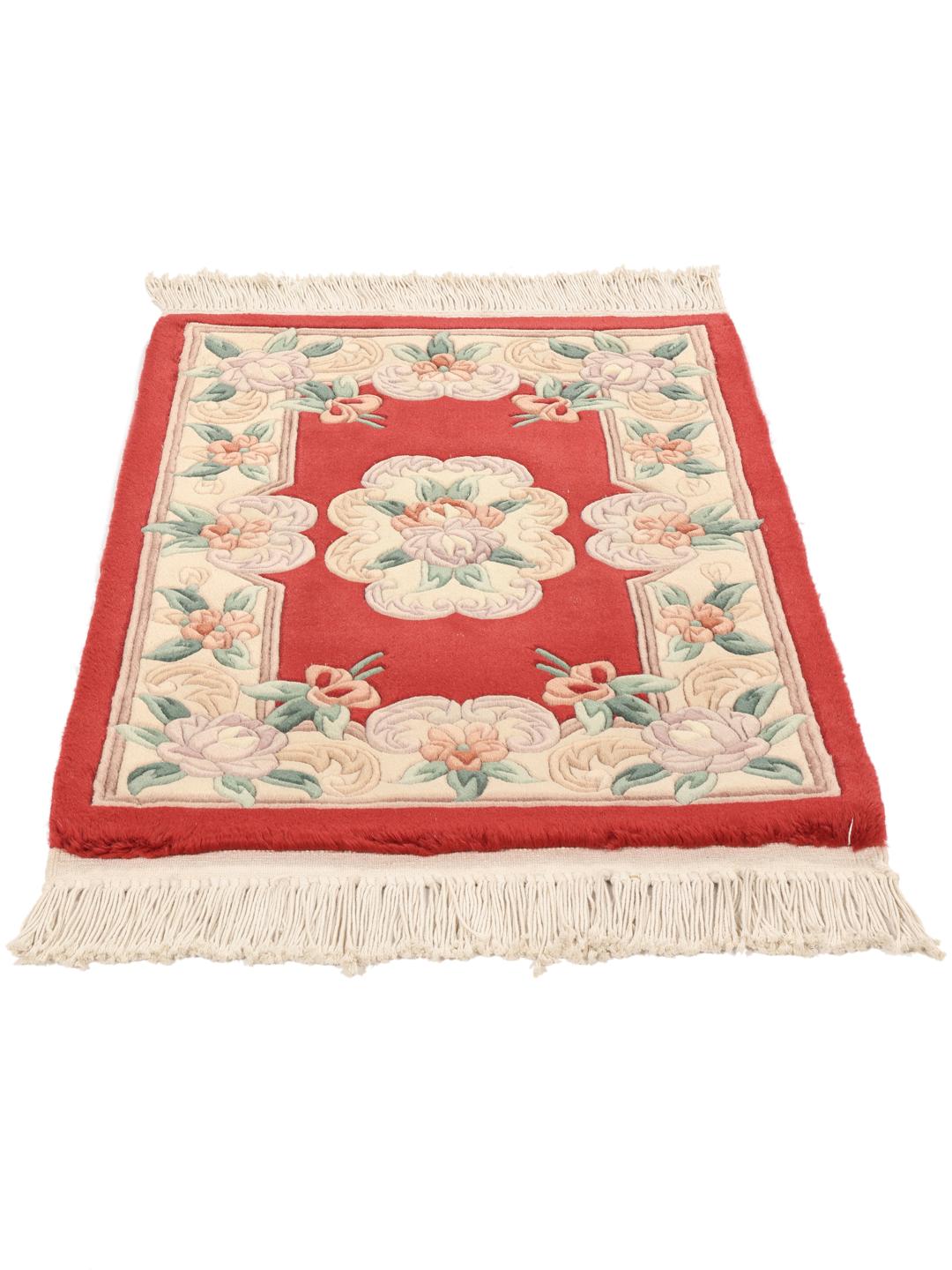
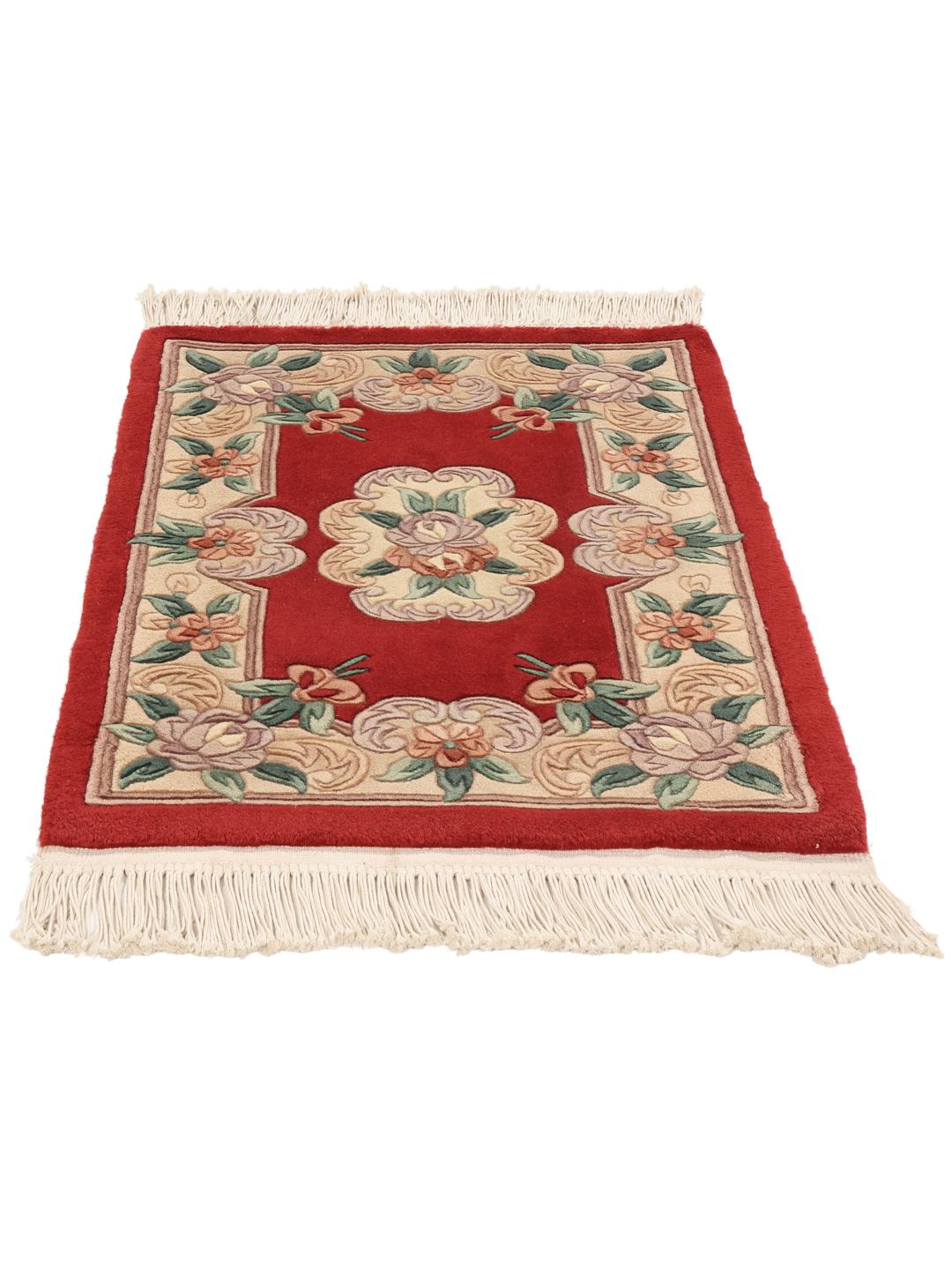
Visually, Chinese rugs are celebrated for their use of negative space and elegant, flowing floral patterns. The design often features a central medallion or a balanced arrangement of blooms and foliage, framed by formal, decorative borders that draw the eye toward the centre of the piece.
Owning a piece from this tradition is an investment in cultural heritage and craftsmanship. These rugs are highly valued by collectors not only for their beauty but for the skill required to translate complex floral scenes into a dense, long-lasting textile that continues to define the standard for quality floor coverings.