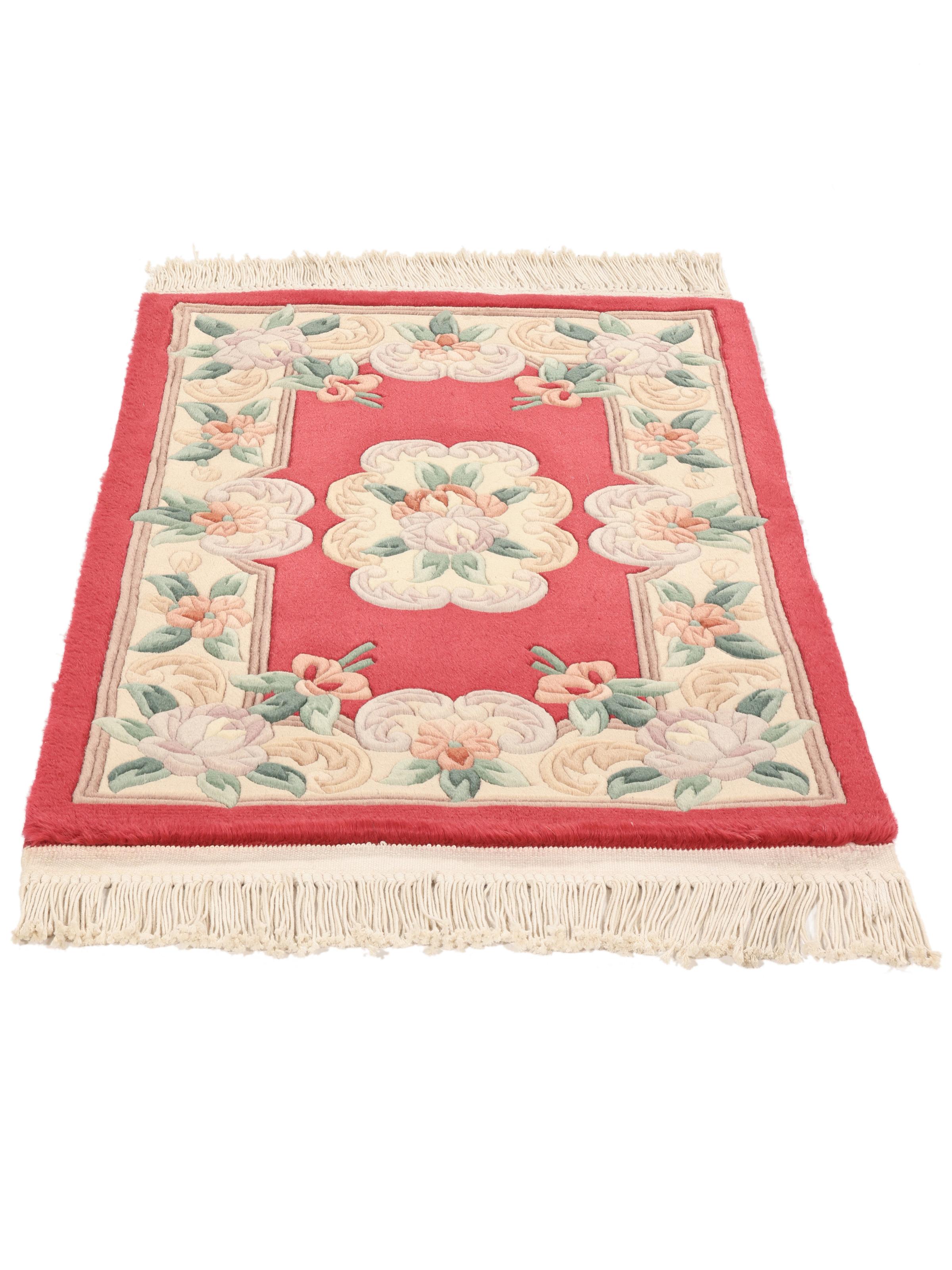
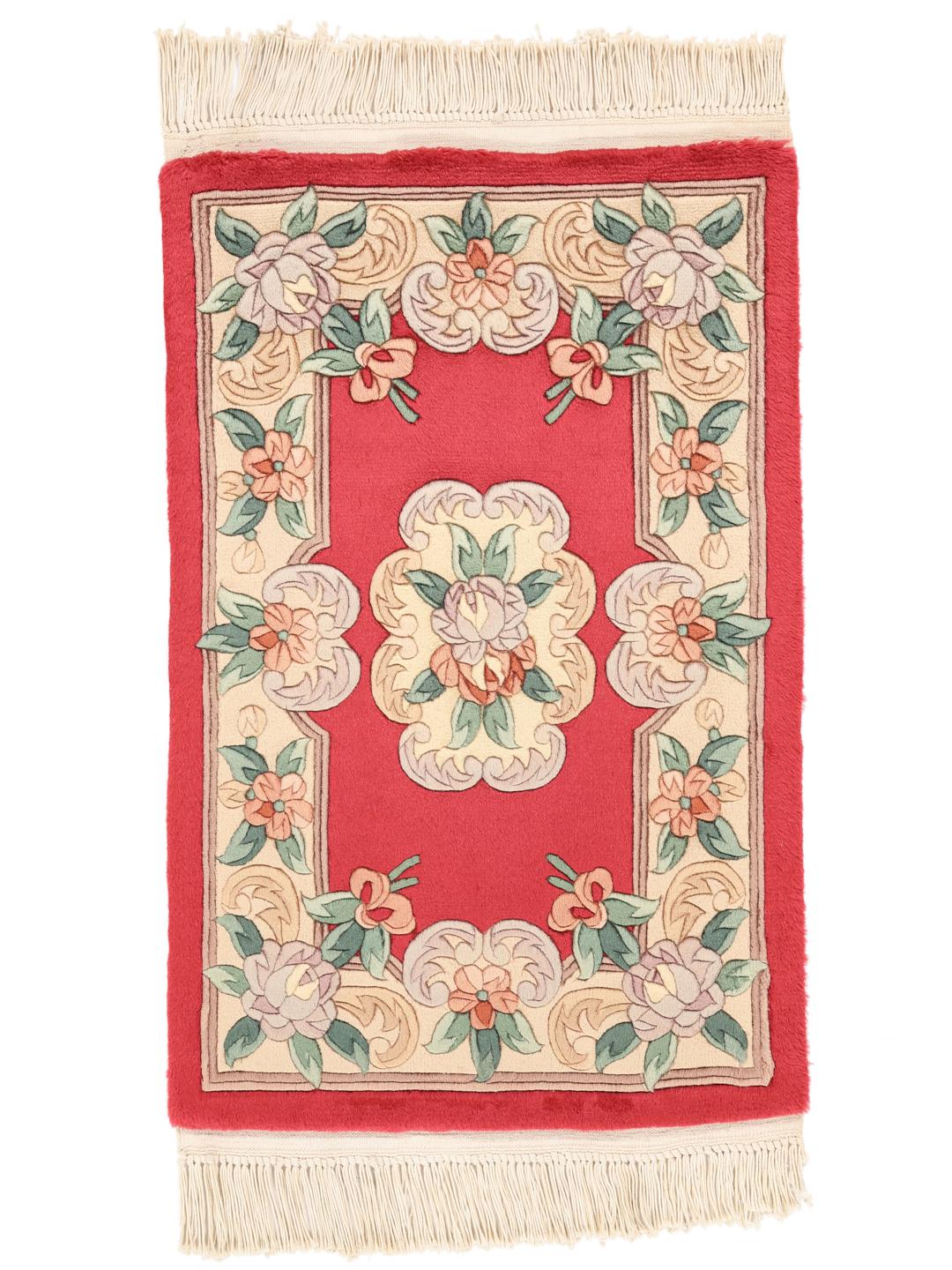
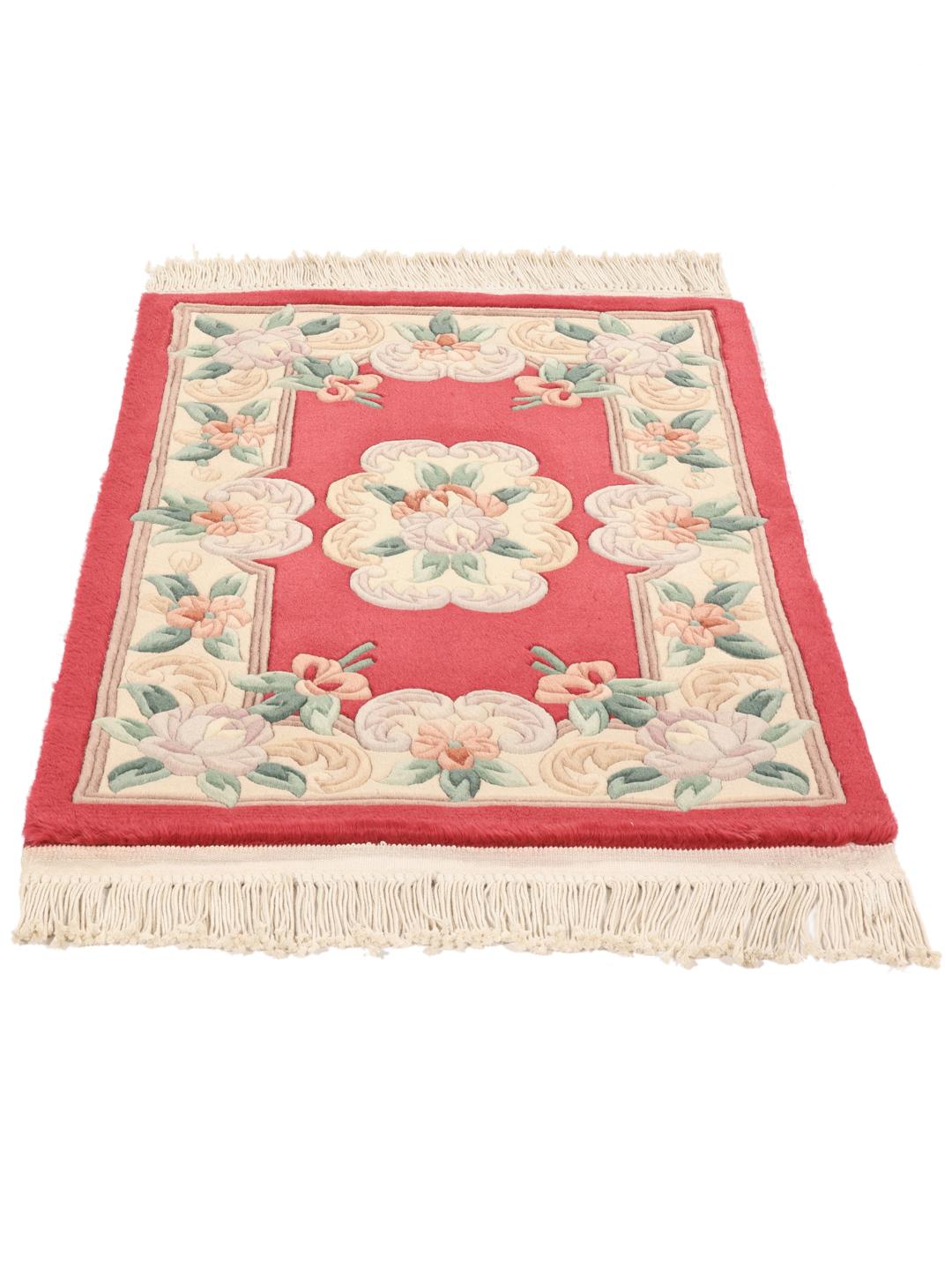
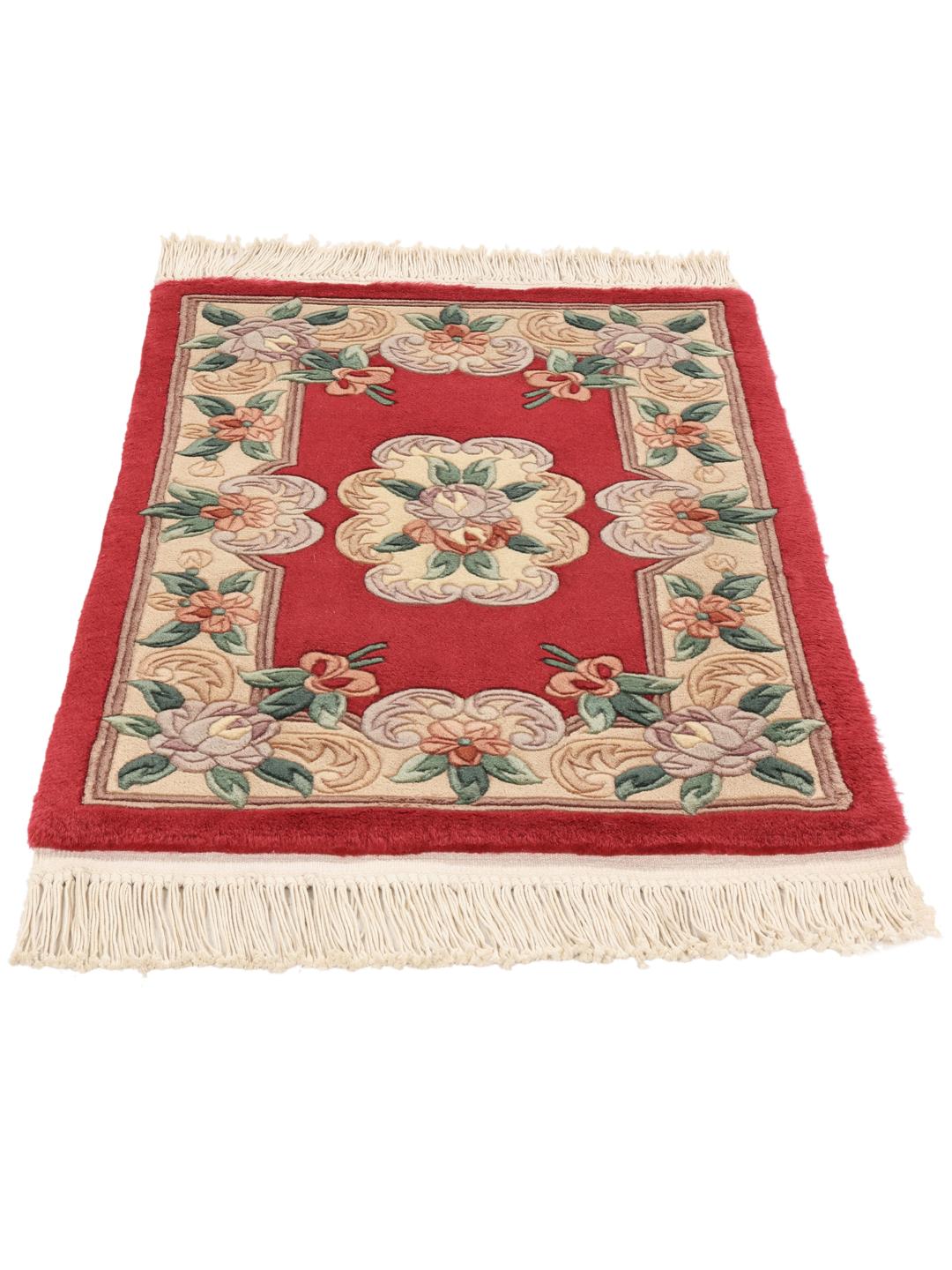
The history of Chinese rug making is deeply intertwined with the country's broader artistic traditions, often drawing inspiration from silk weaving, imperial art, and nature. While many associate Chinese rugs with bold, sculptural carvings in the pile, the tradition also includes refined, delicate patterns that reflect the natural beauty of the landscape and the symbolic importance of flowers in Eastern culture.
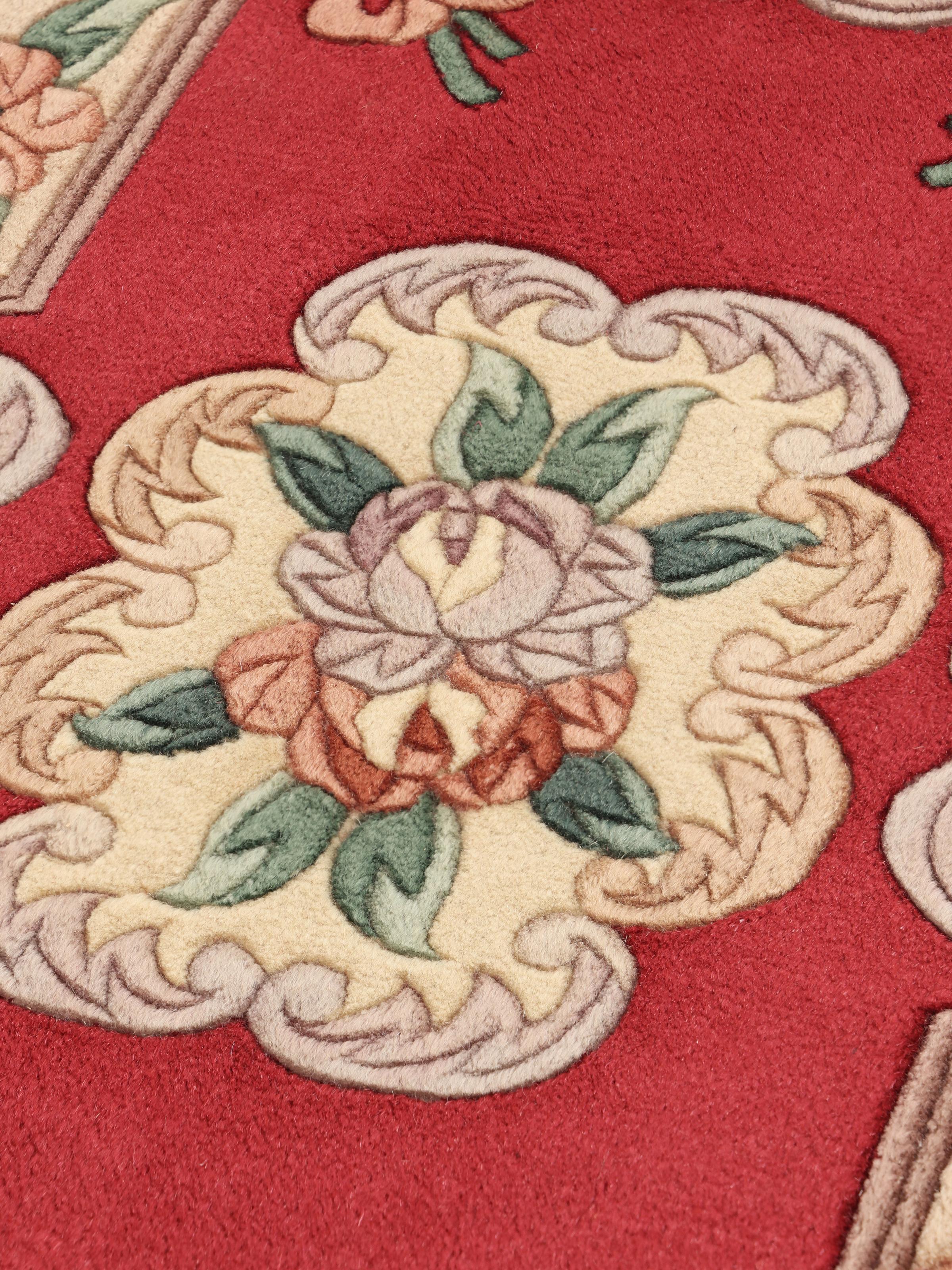
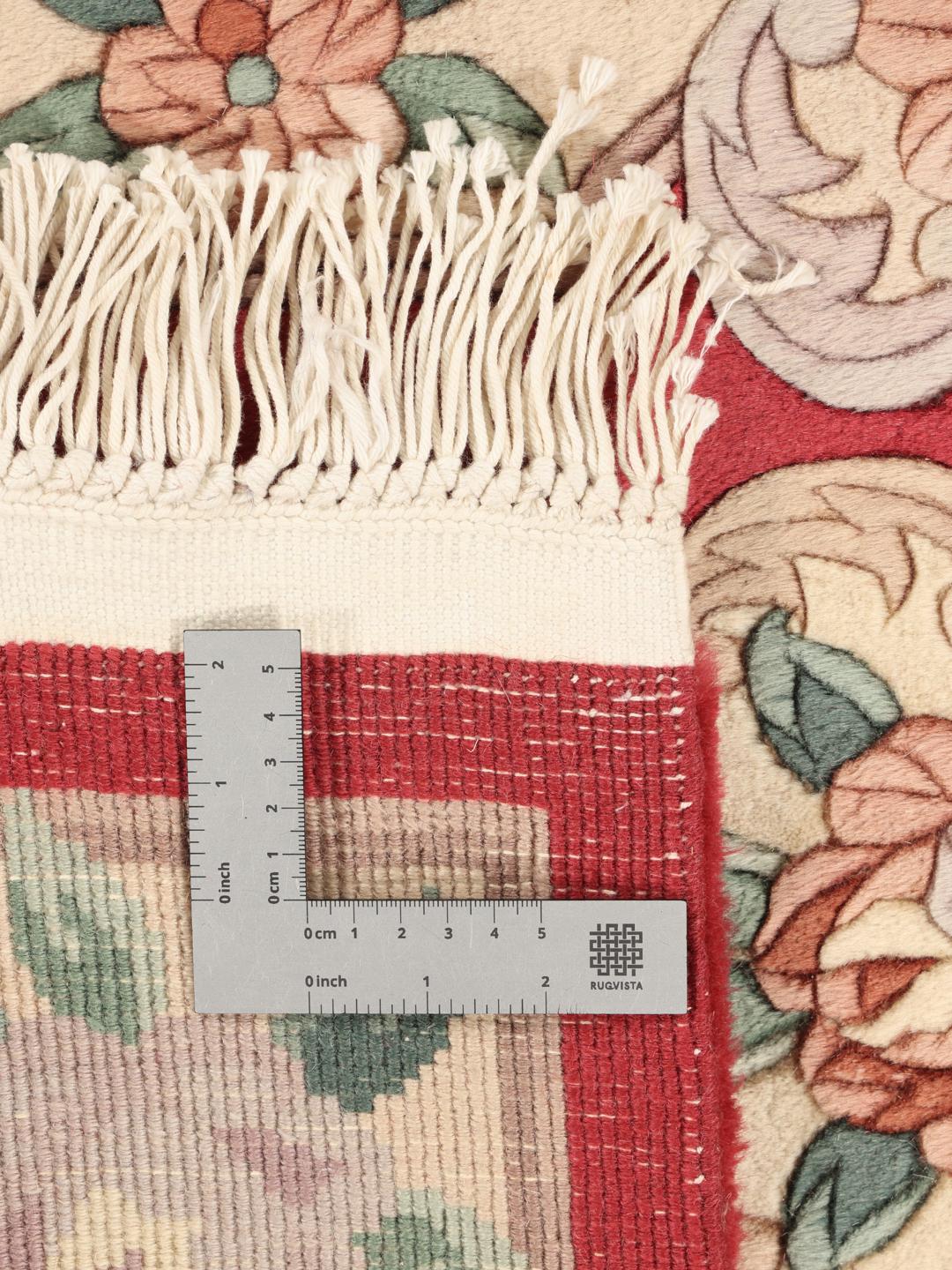
The term 90 Line refers to a traditional method of measuring the density of the knots, which historically helped artisans maintain consistent quality across their work. This technical standard ensures that the rug has a uniform, dense pile, which not only defines the clarity of the floral motifs but also contributes to the longevity and structural integrity of the final piece.
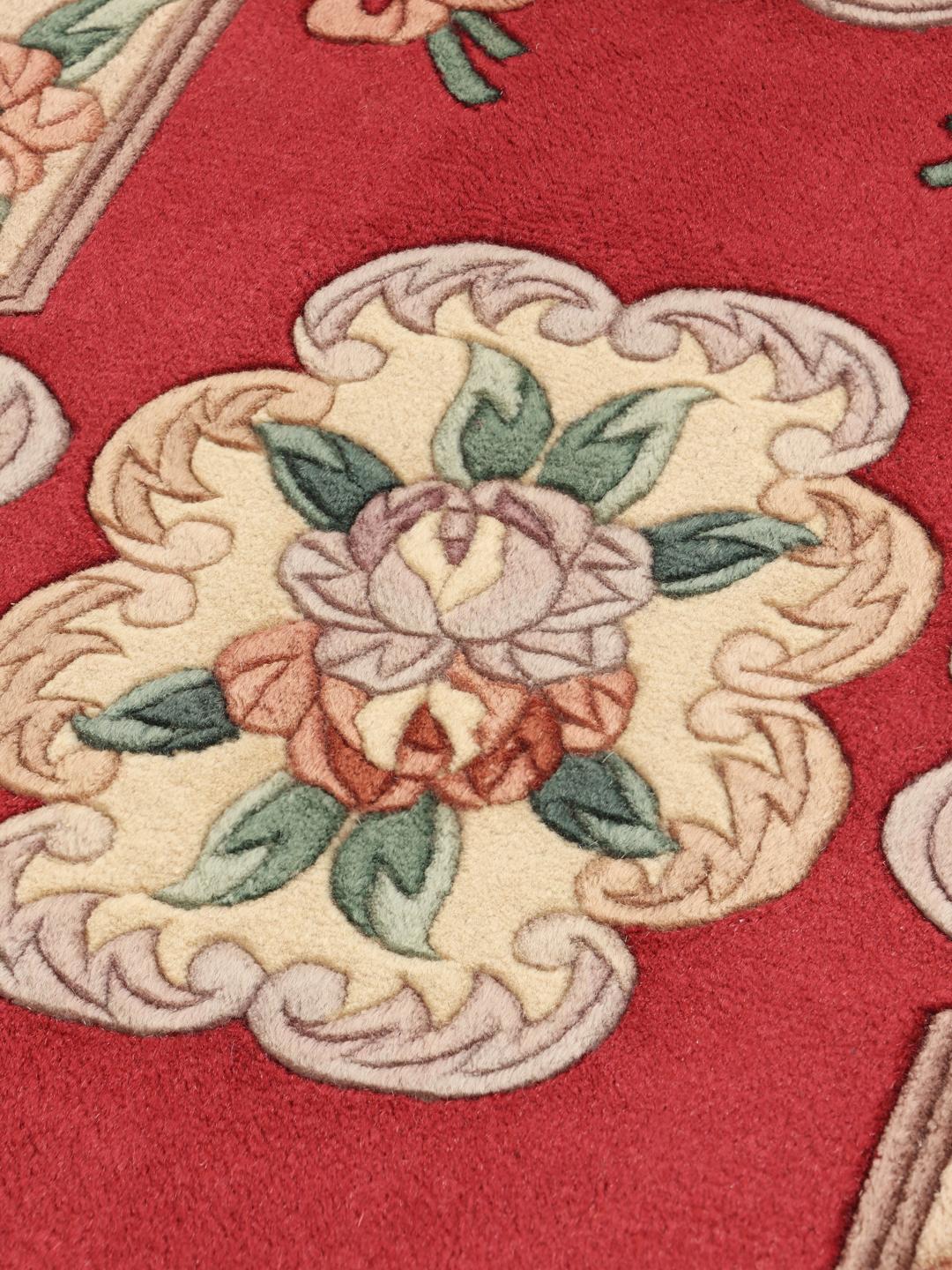
Signature elements in this style often include stylised floral sprays and balanced borders that frame the field. The use of soft curves and harmonious colour transitions is characteristic of the regional aesthetic, which seeks to create a sense of balance and tranquillity. These designs are intended to be meditative, grounding the space with their deliberate and graceful composition.
These rugs are highly valued by collectors and enthusiasts who appreciate the skill required to translate complex floral patterns into a durable, hand-knotted format. Owning a piece from this tradition is an investment in cultural heritage, representing a bridge between ancient artistic practices and the needs of a modern, comfortable home.