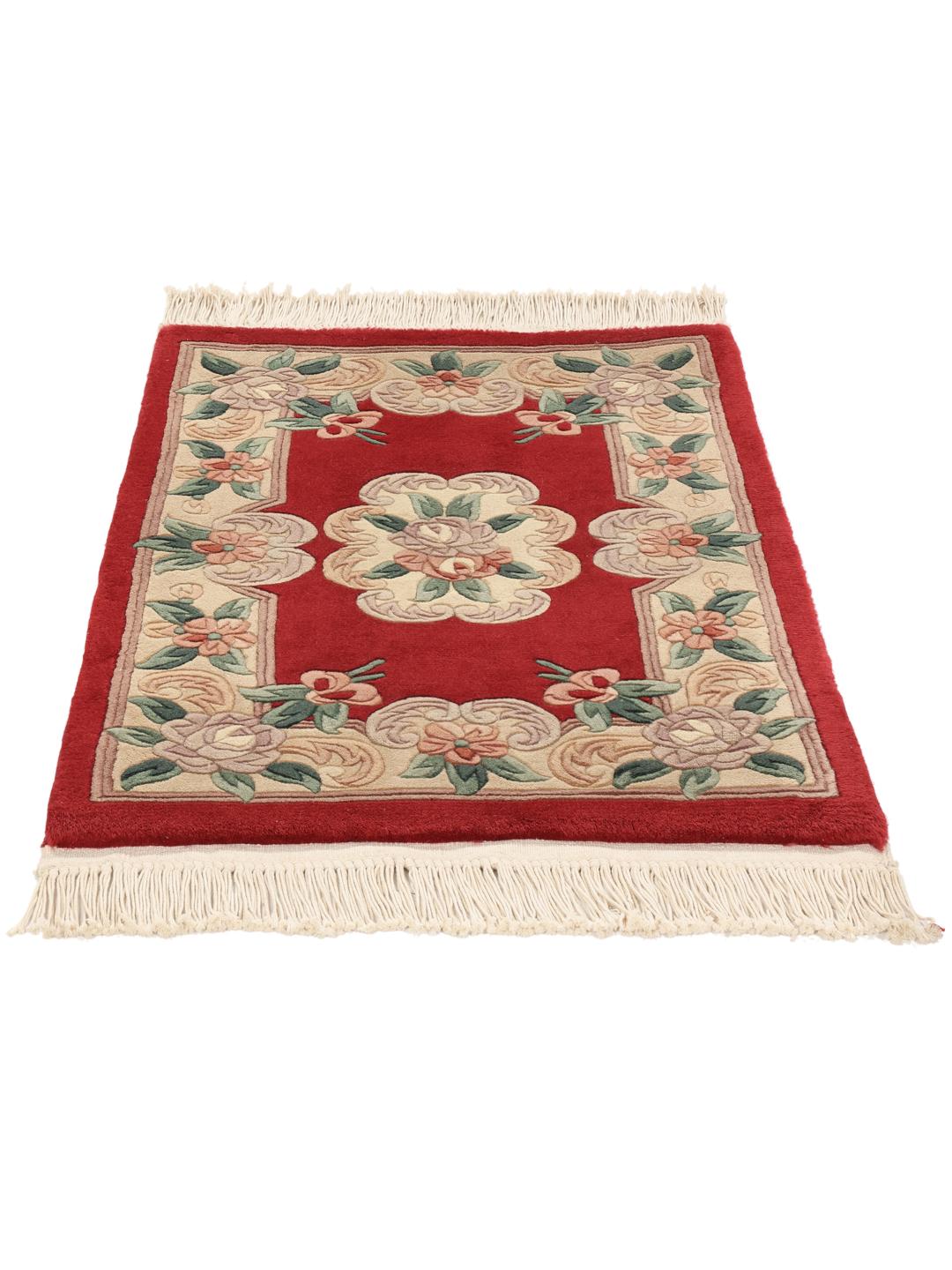
The tradition of Chinese rug weaving is centuries old, with a history deeply rooted in the artistic and cultural evolution of the region. Originally, these rugs were produced for imperial use or for temple settings, often incorporating symbolic motifs that reflected balance, longevity, and prosperity.
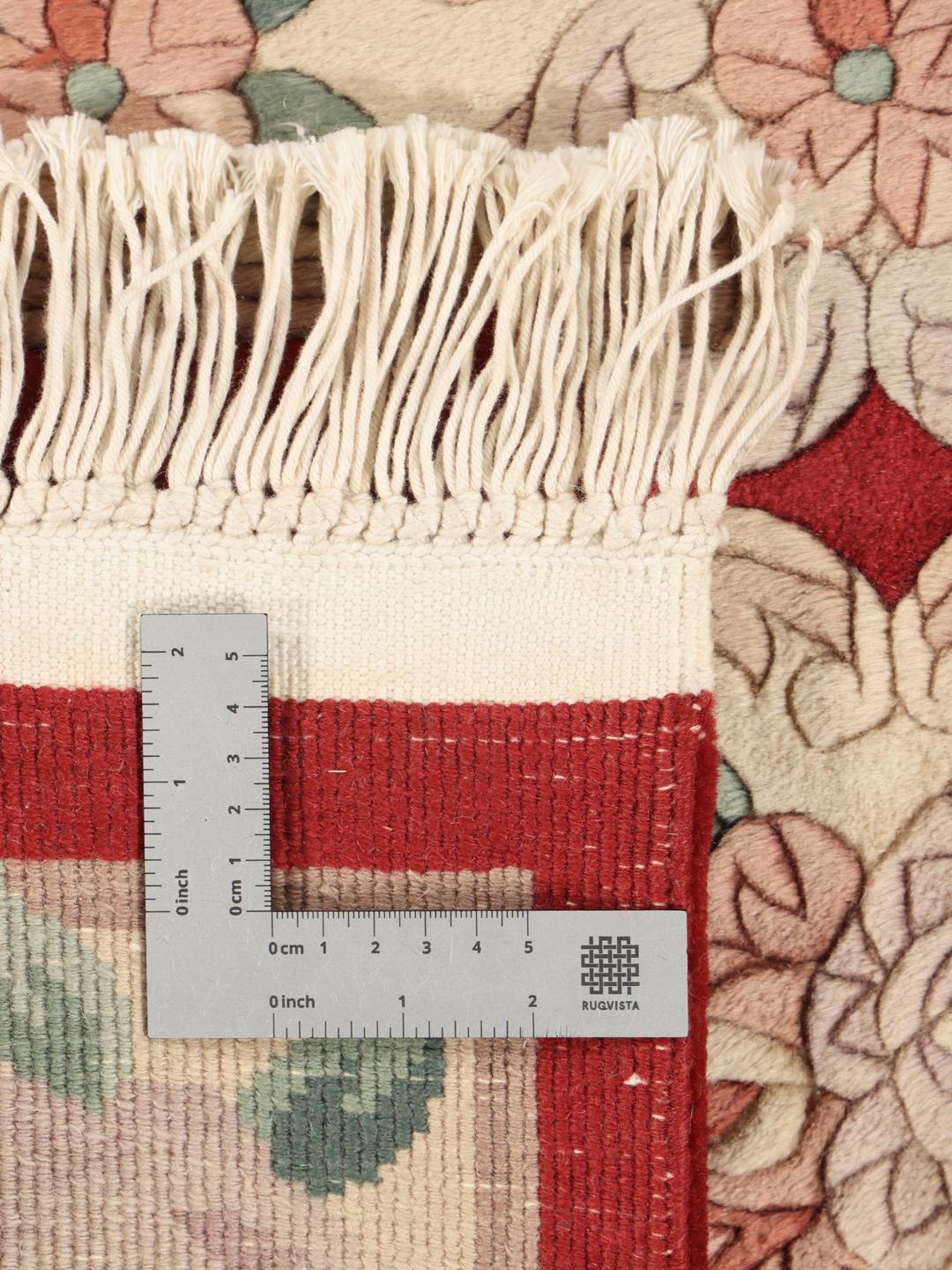
The term '90 Line' refers to a specific traditional grading system used in Chinese rug production, which indicates the number of knots per linear foot. This system has been used for generations to help weavers and collectors understand the density and quality of the finished textile, ensuring that the final product meets established standards of durability and detail.
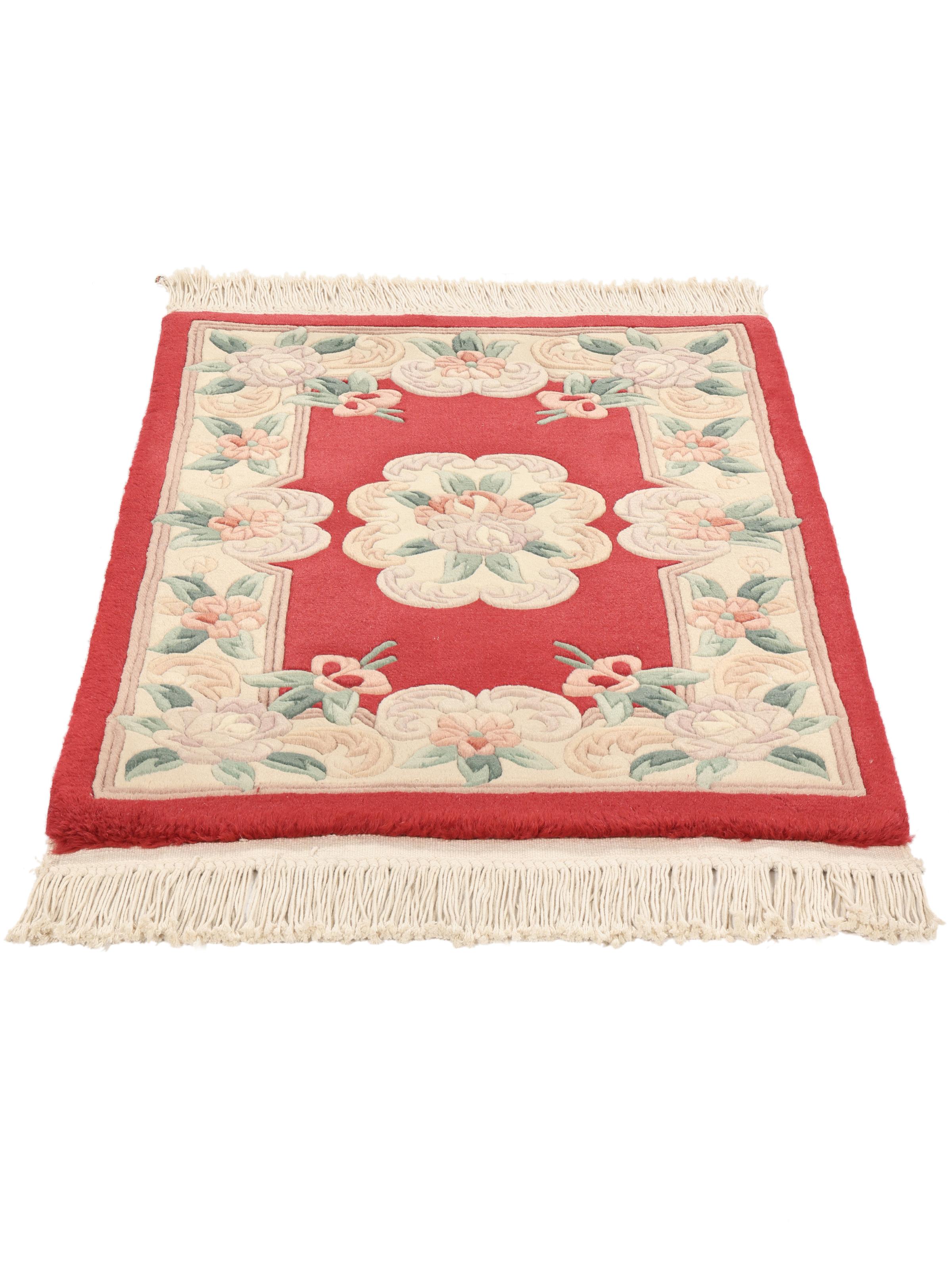
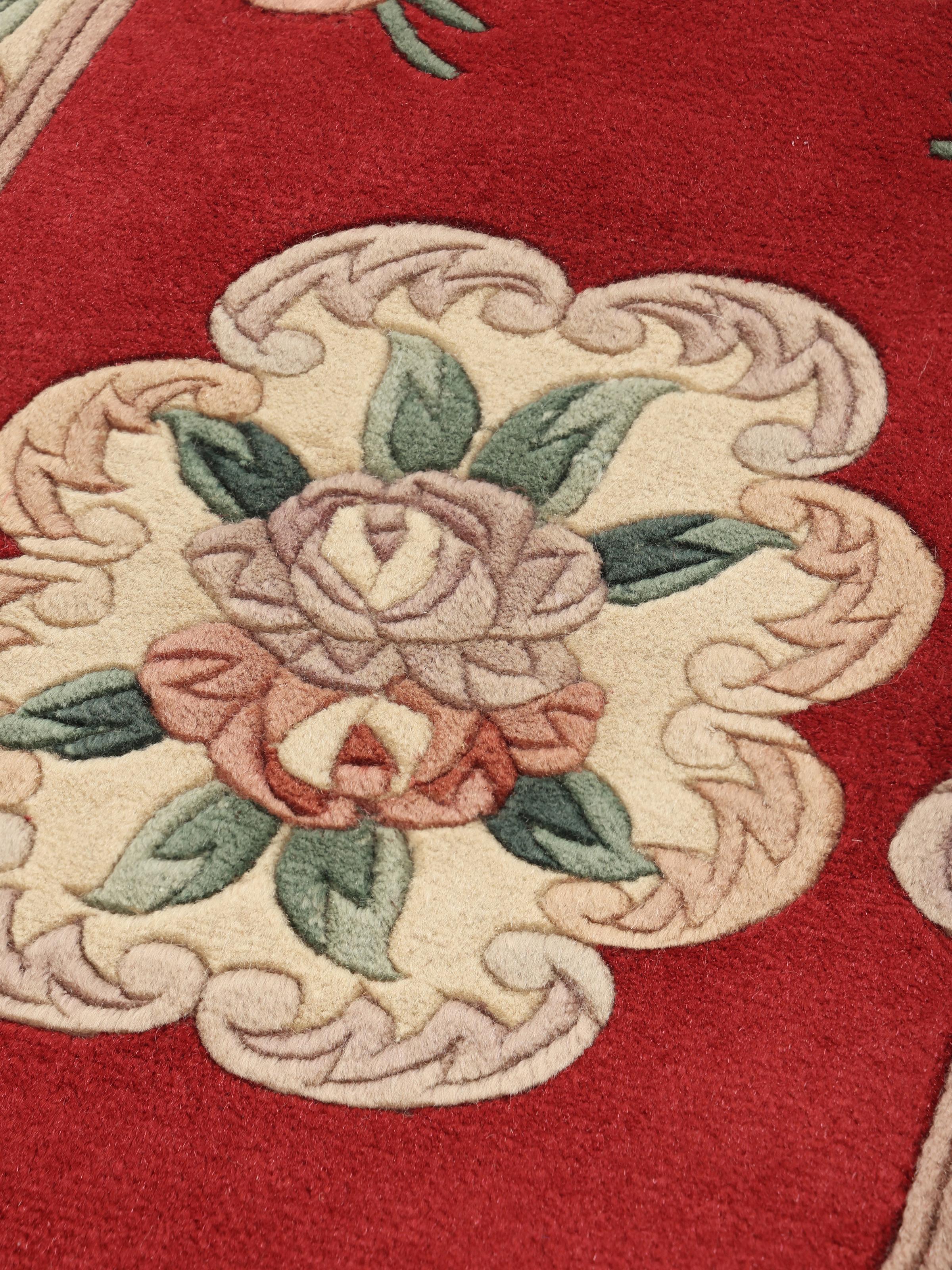
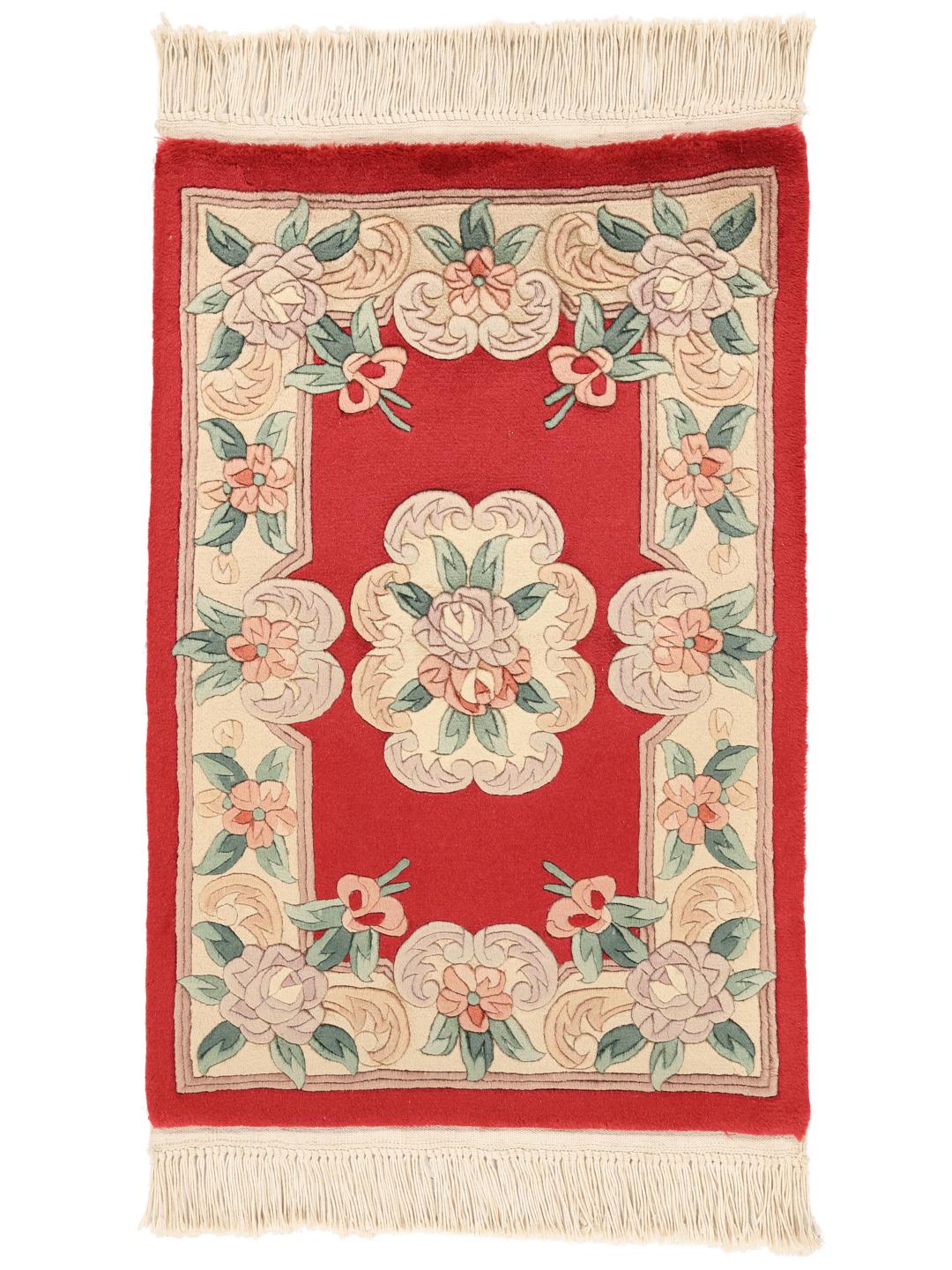
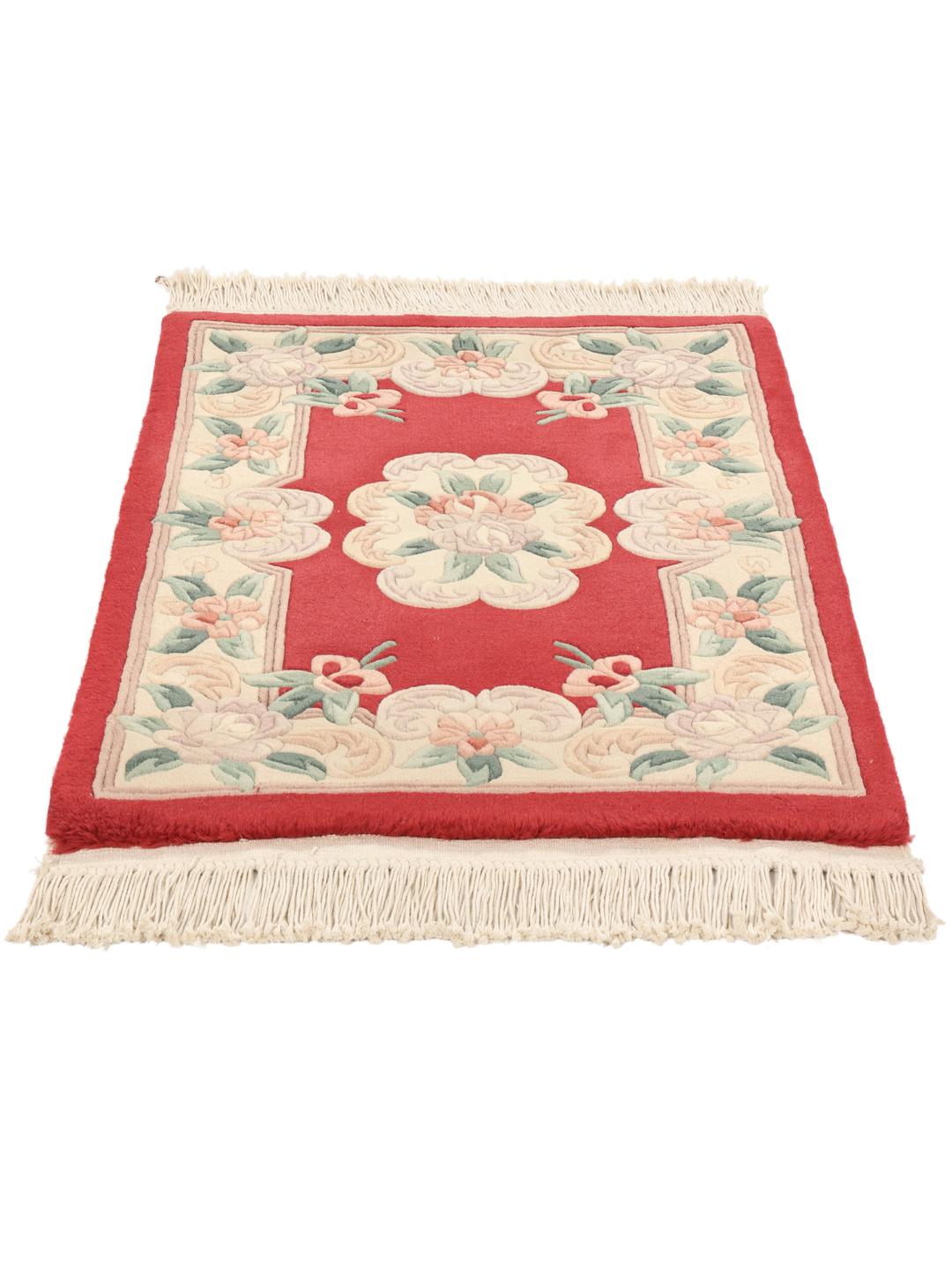
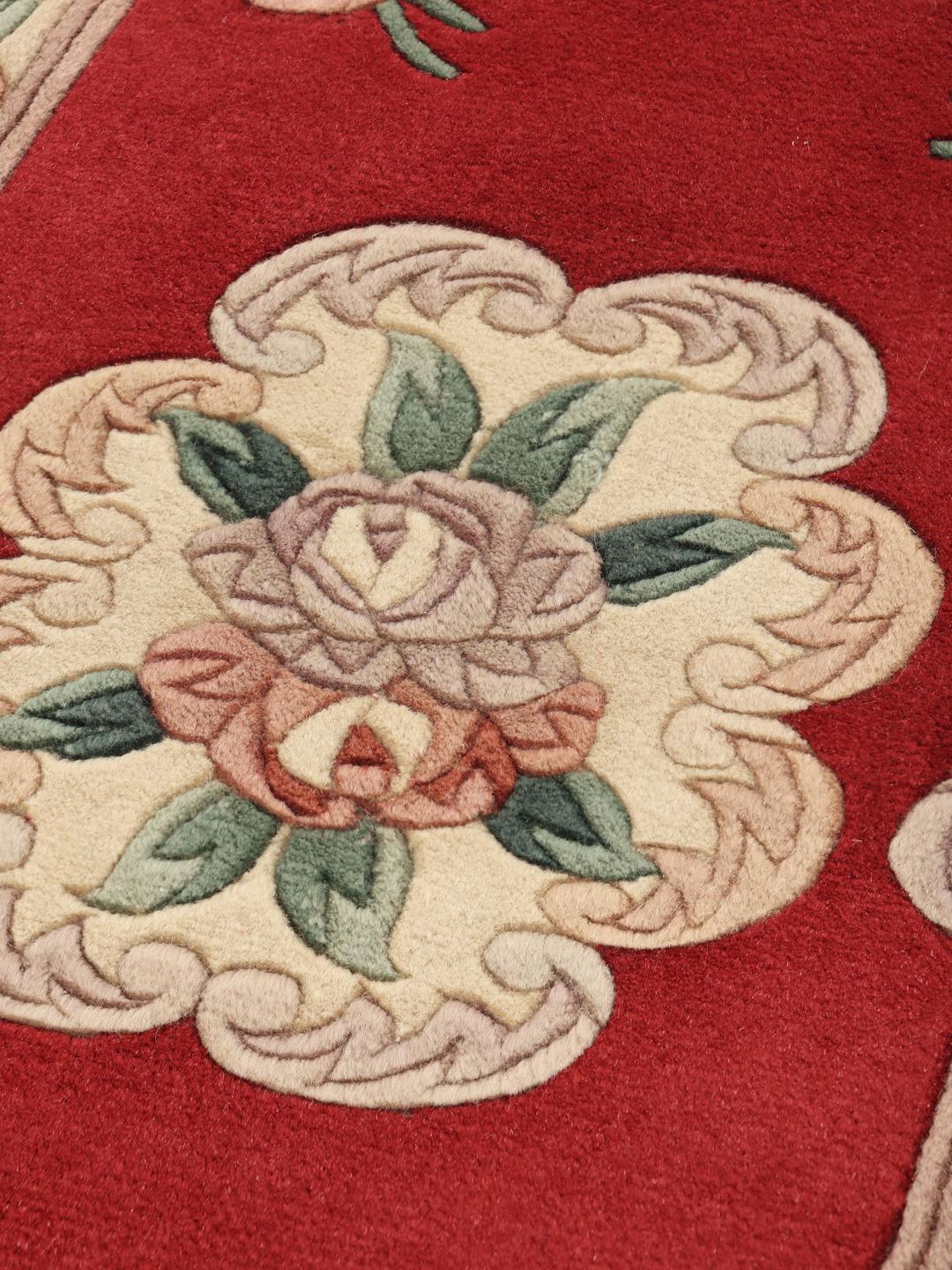
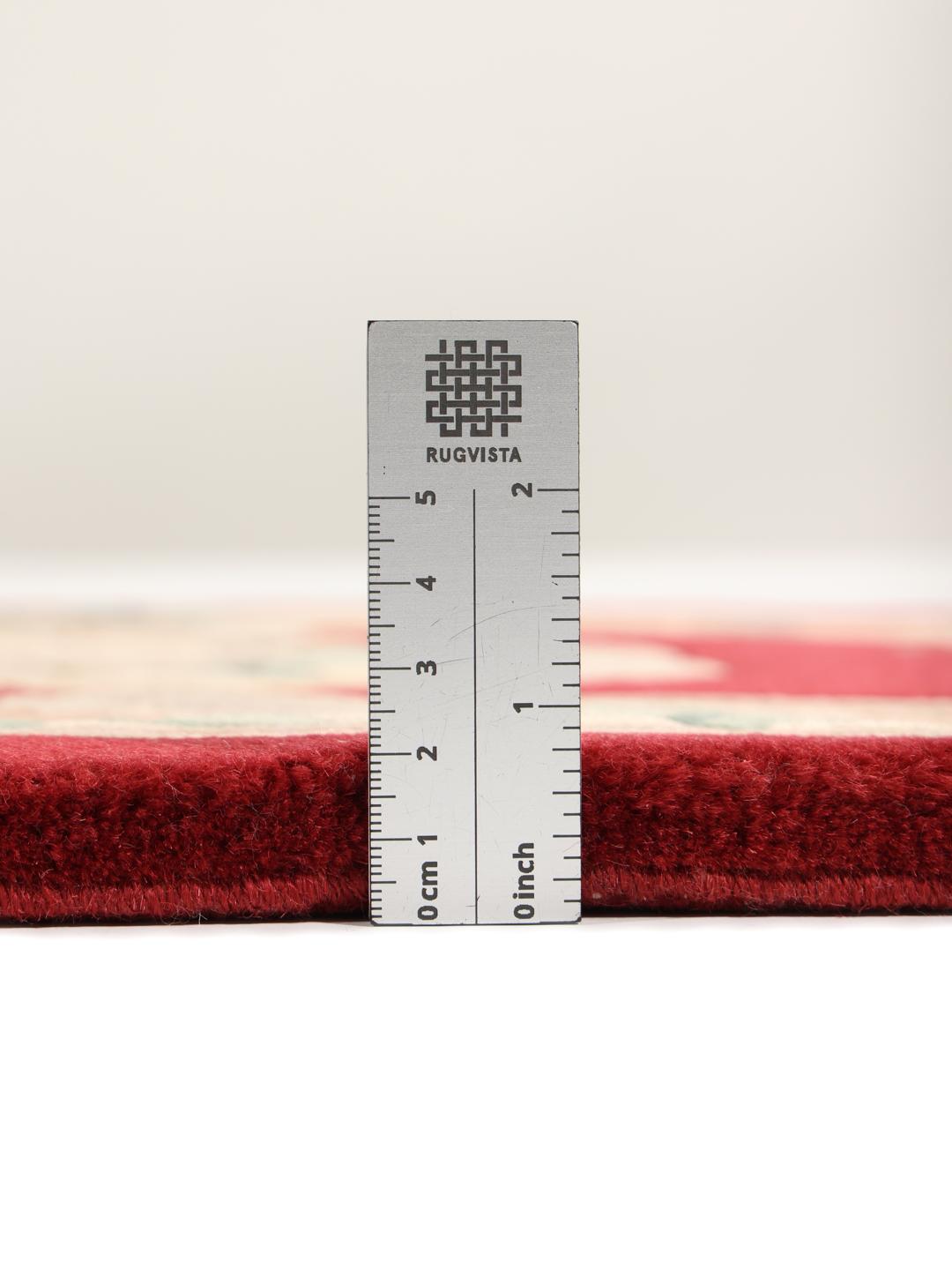
Design-wise, Chinese rugs are famous for their distinctive use of negative space and sculptural floral motifs. While many other traditions fill the entire field with dense patterns, the Chinese style often employs a 'carved' or 'embossed' look where the wool is clipped to different heights to highlight the floral elements, giving the rug a three-dimensional, tactile quality.
Owning a piece from this tradition is an opportunity to connect with a legacy of patience and artistic refinement. These rugs are highly valued by collectors not just for their aesthetic beauty, but for the skill required to translate complex, flowing natural forms into the structured, knotted grid of a textile.