Chinese rug-making is an ancient craft with a history that spans thousands of years, evolving from functional floor coverings into elaborate works of art. The tradition is deeply rooted in the cultural history of the region, where motifs often drew inspiration from nature, mythology, and the elegant aesthetics of traditional silk paintings.
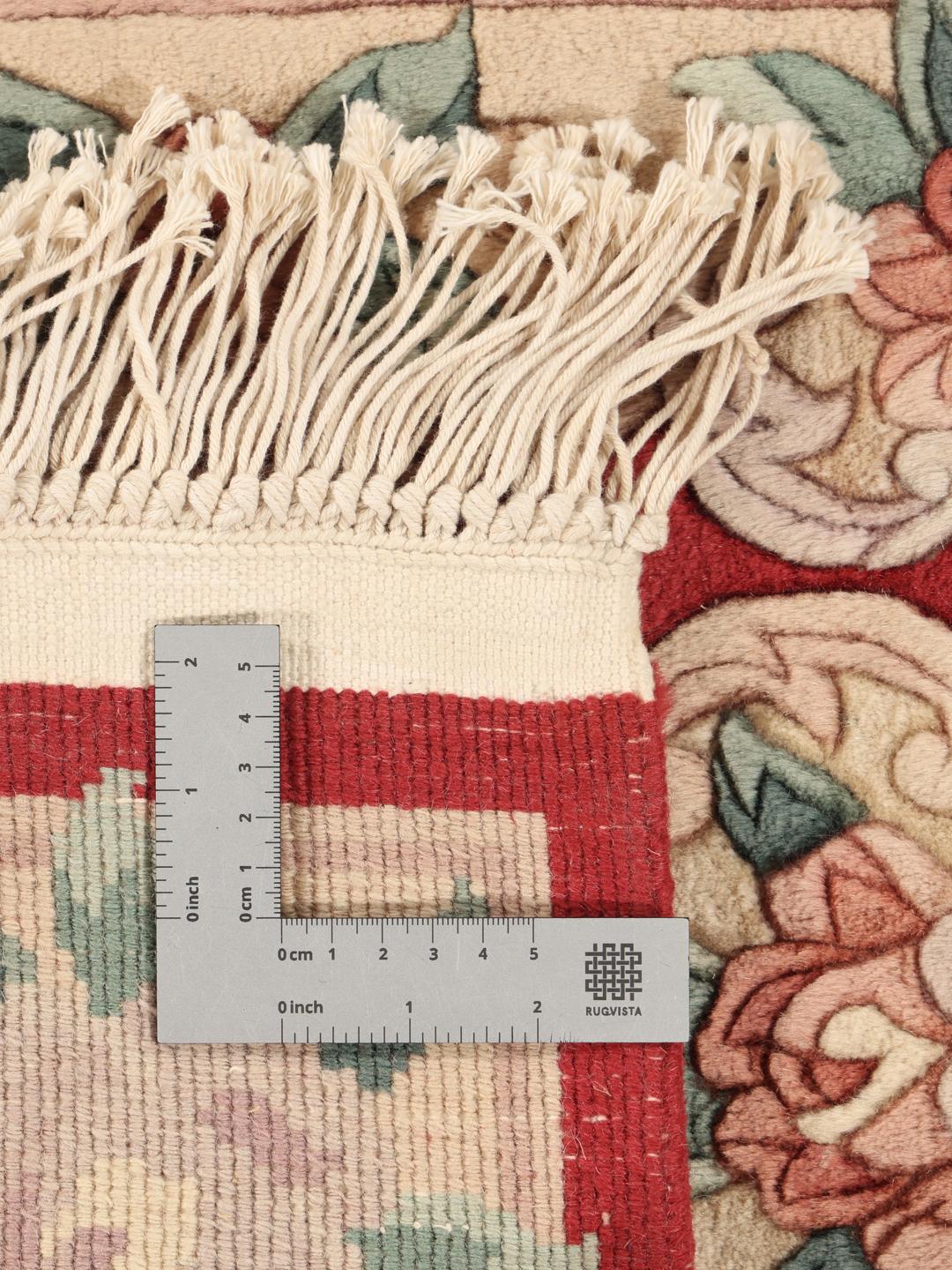
The term '90 Line' refers to a traditional system of measuring knot density in Chinese rug production, indicating the number of knots across a specific width. This technical standard has long been used by master weavers to ensure consistency and quality, allowing for the precise execution of the graceful, sweeping floral patterns that define this regional style.
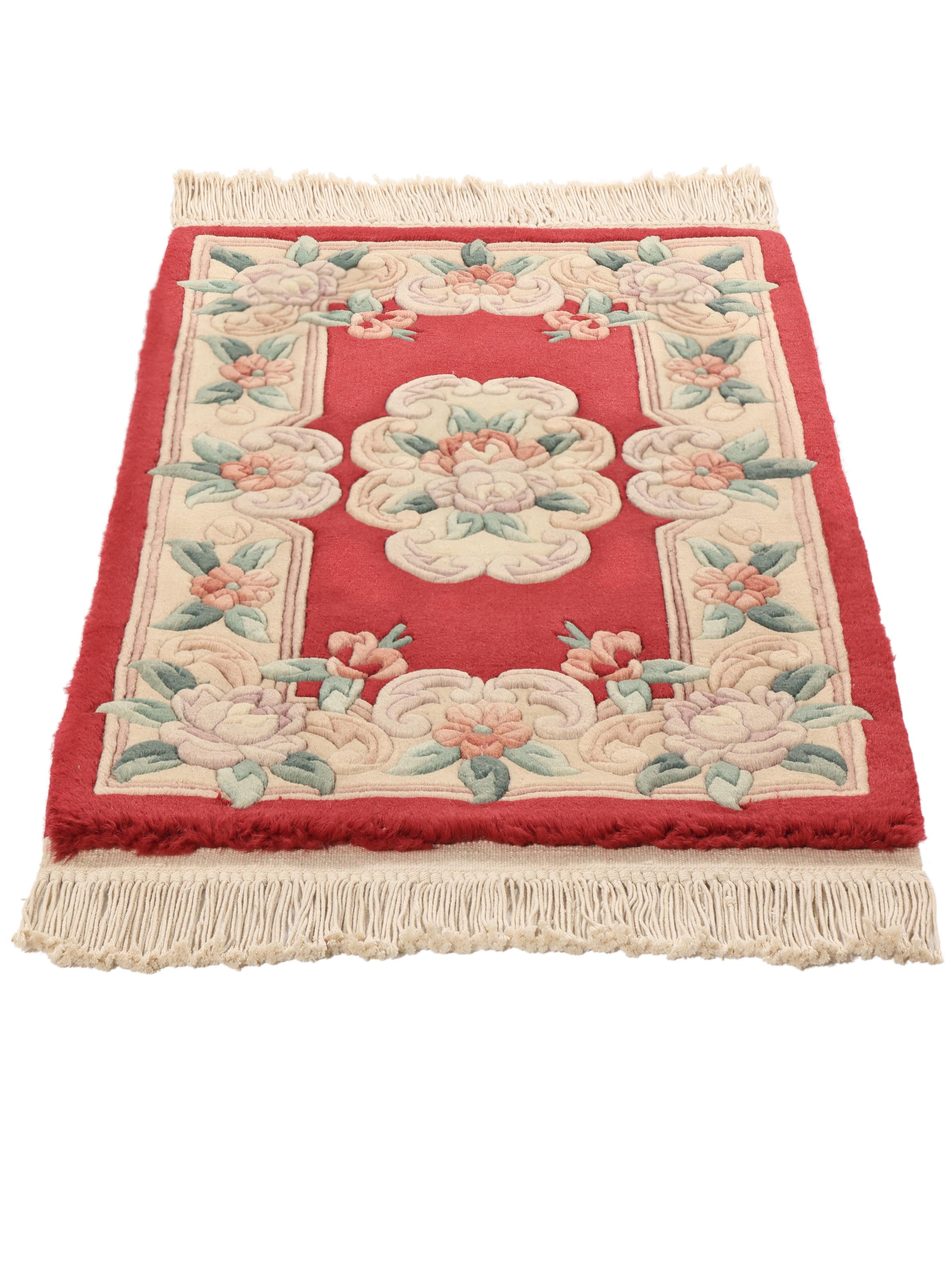
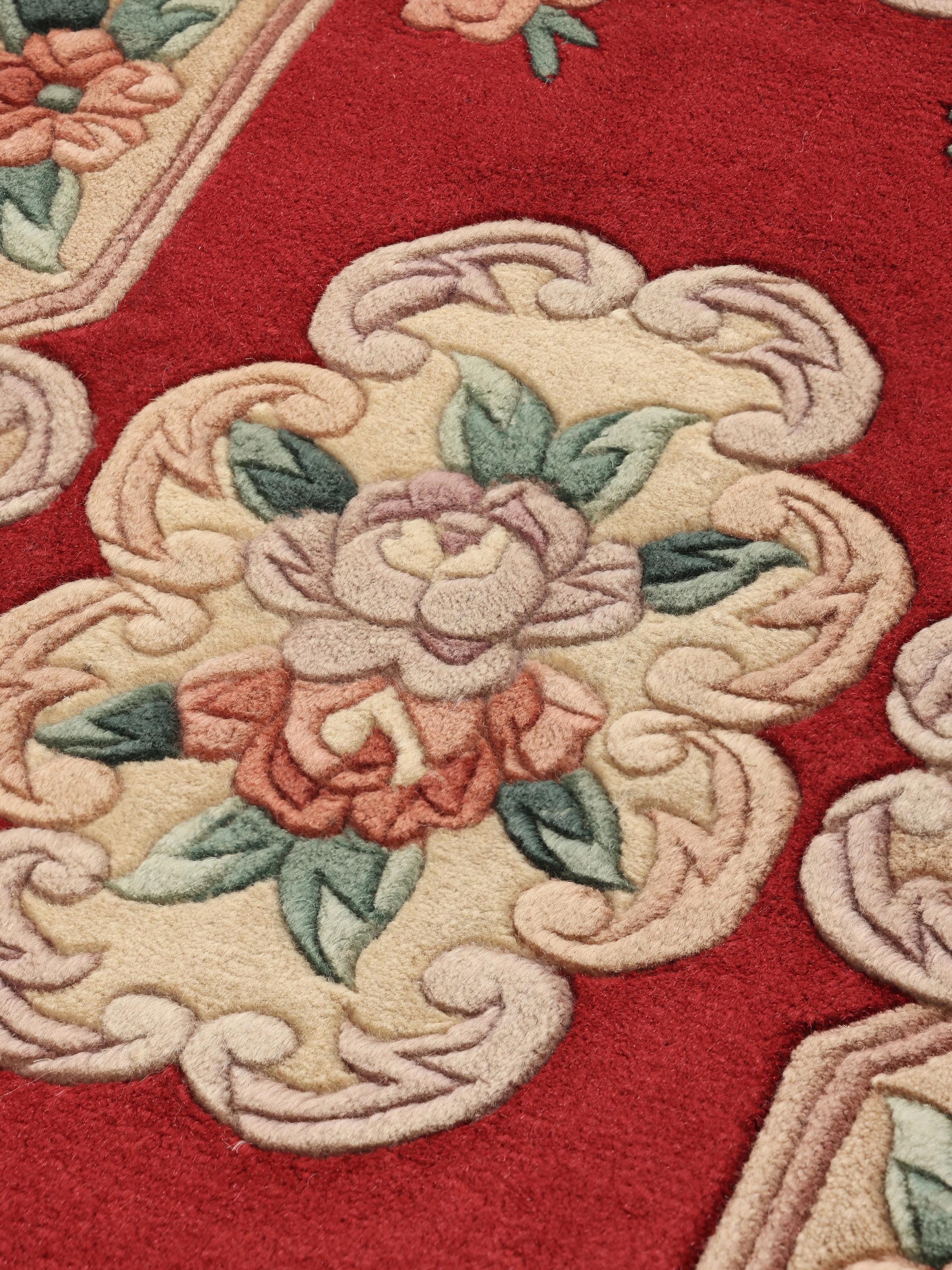
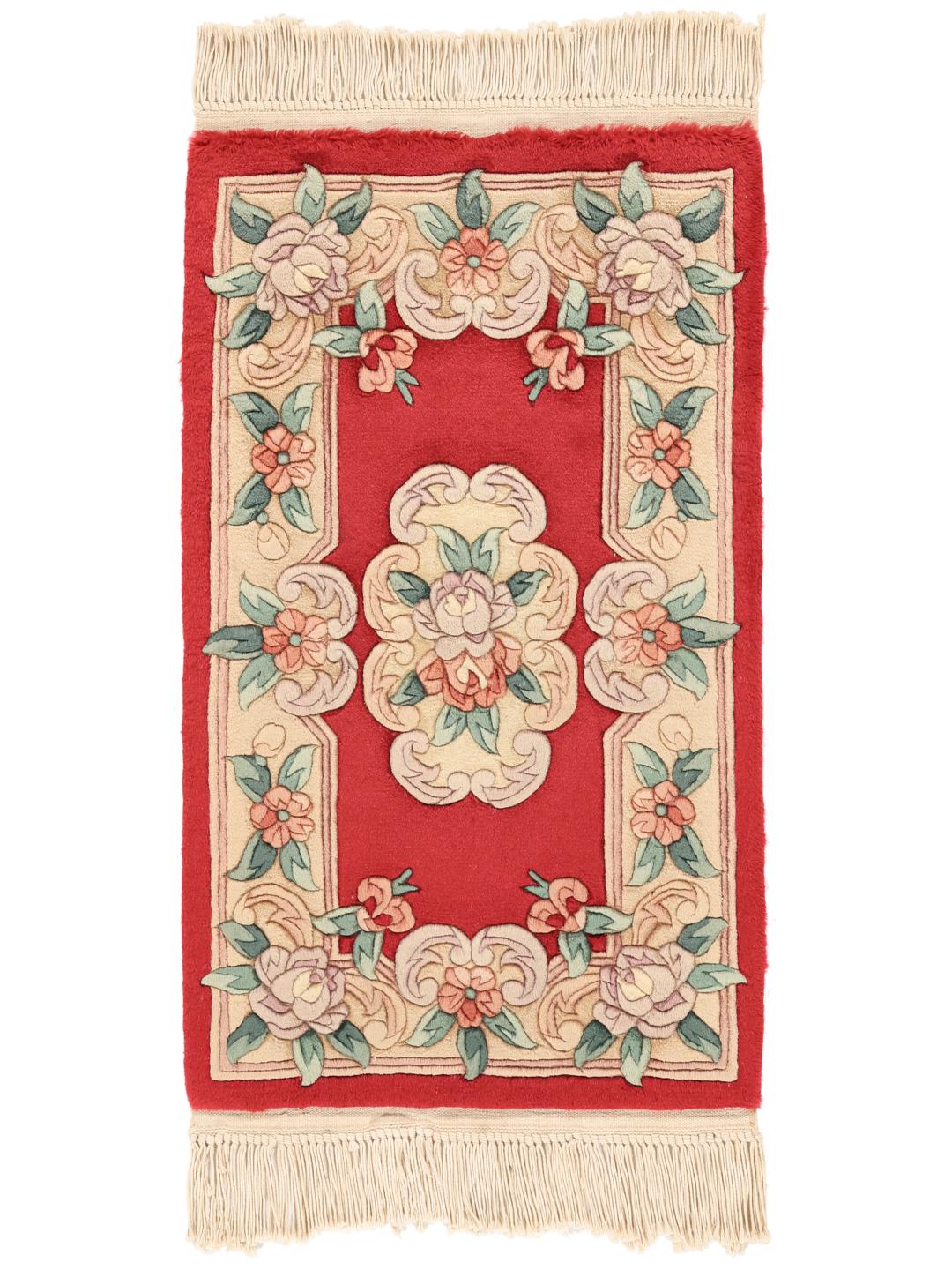
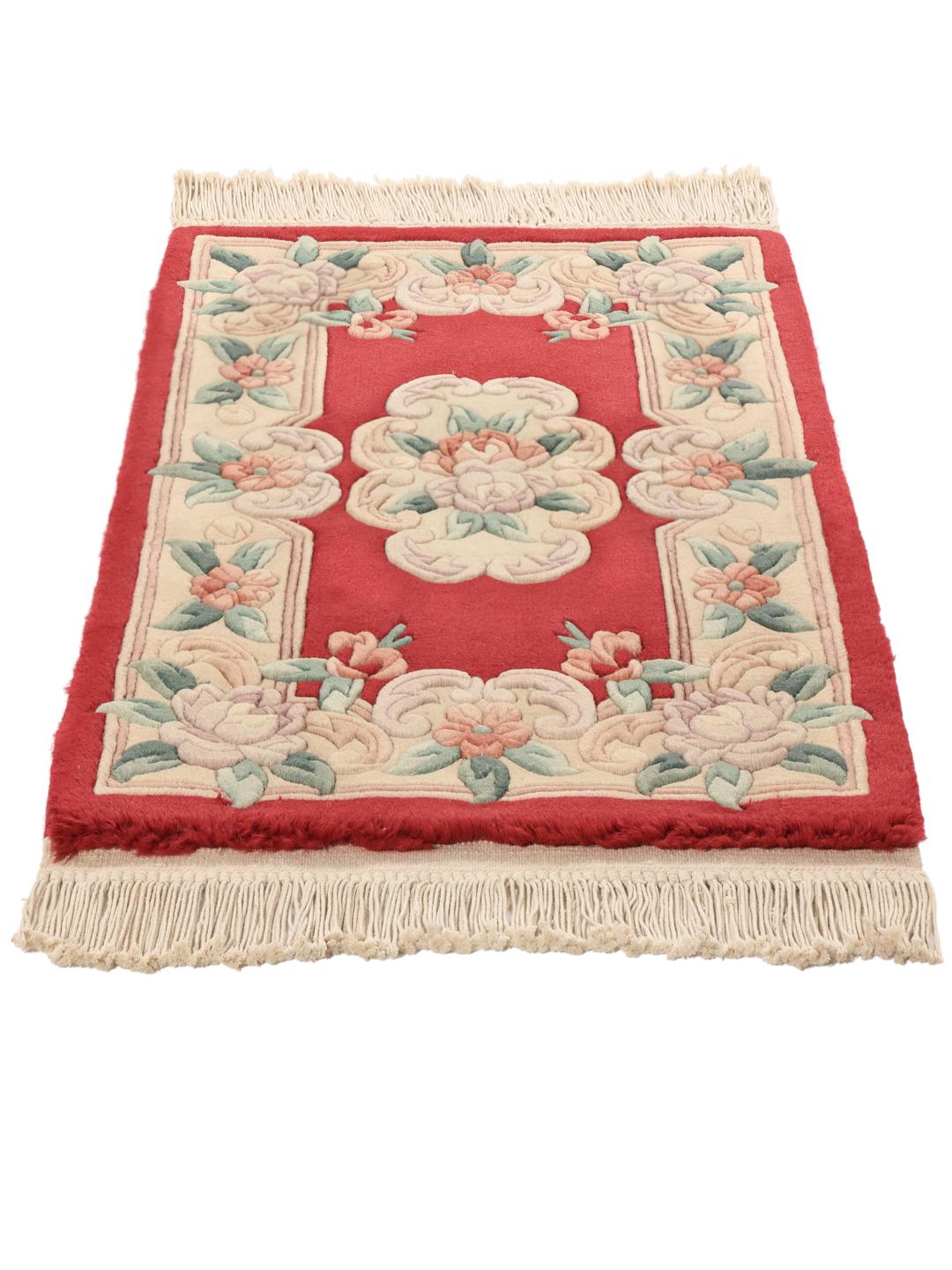
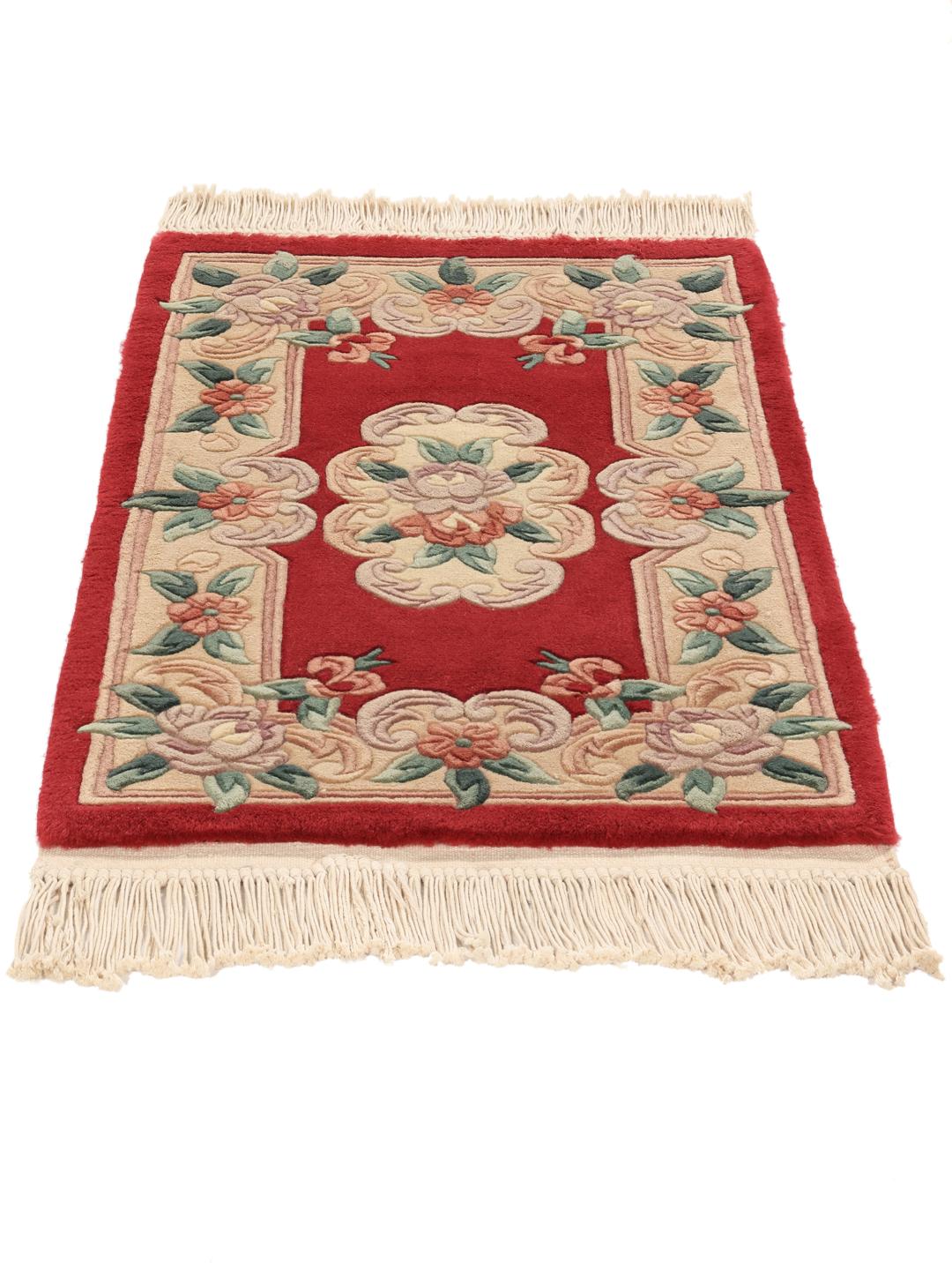
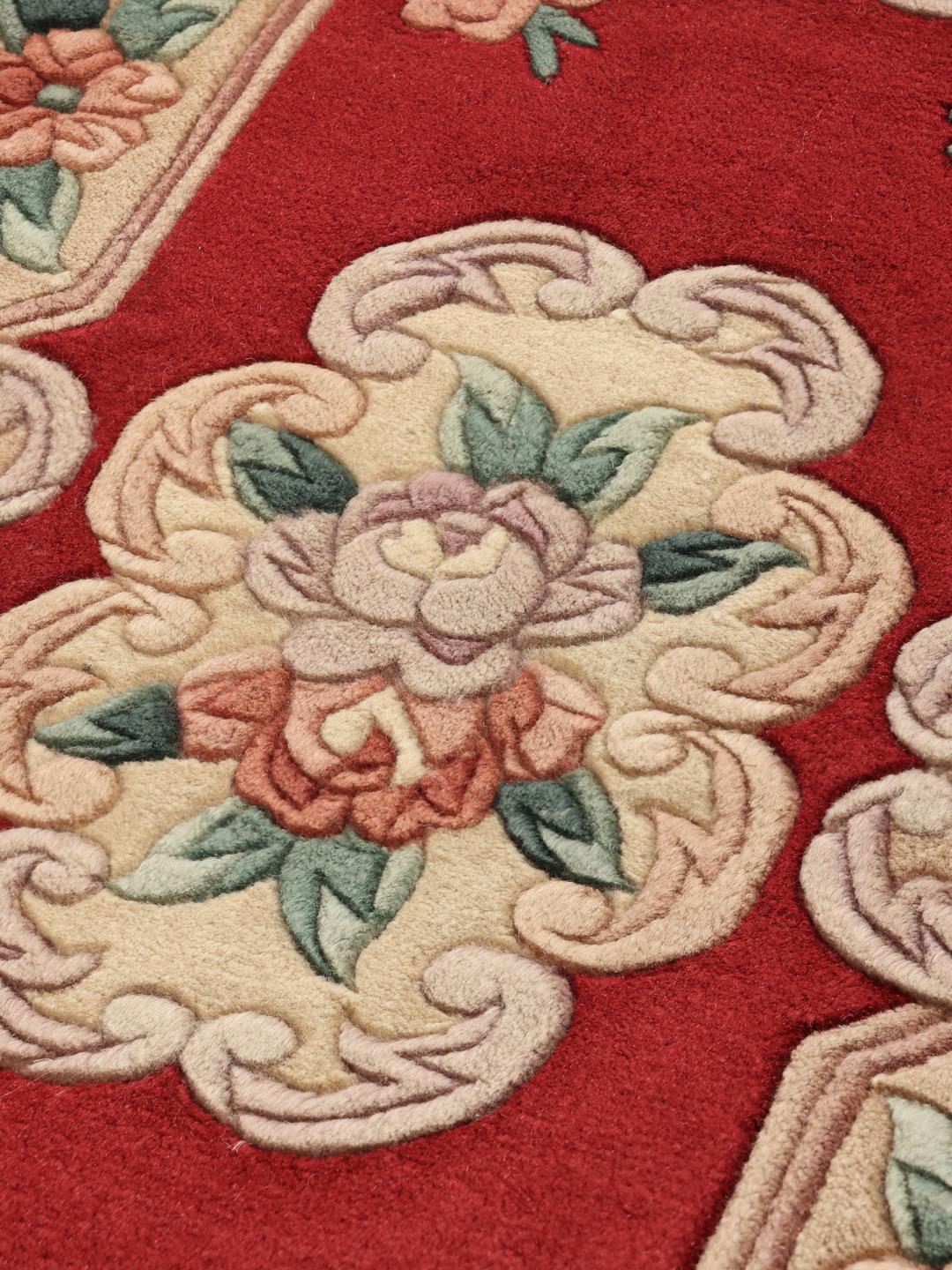
Signature design elements of this tradition often include balanced, symmetrical layouts with a central medallion, surrounded by borders filled with flowers, leaves, or stylized clouds. The use of vibrant, saturated colours paired with lighter, neutral backgrounds is a classic hallmark that helps these rugs bring a sense of harmony and refinement to an interior space.
Collectors value these rugs not only for their aesthetic beauty but also for the cultural heritage they represent. Owning a piece from this tradition is an investment in a craft that prioritises skill and patience, resulting in pieces that serve as enduring testaments to the artistic spirit of their makers.