Chinese rug weaving is an ancient art form that has evolved over centuries, deeply rooted in the cultural and artistic expressions of the region. Historically, these rugs were often commissioned for palaces and temples, featuring motifs inspired by nature, mythology, and Buddhist philosophy, which have since influenced rug-making traditions globally.
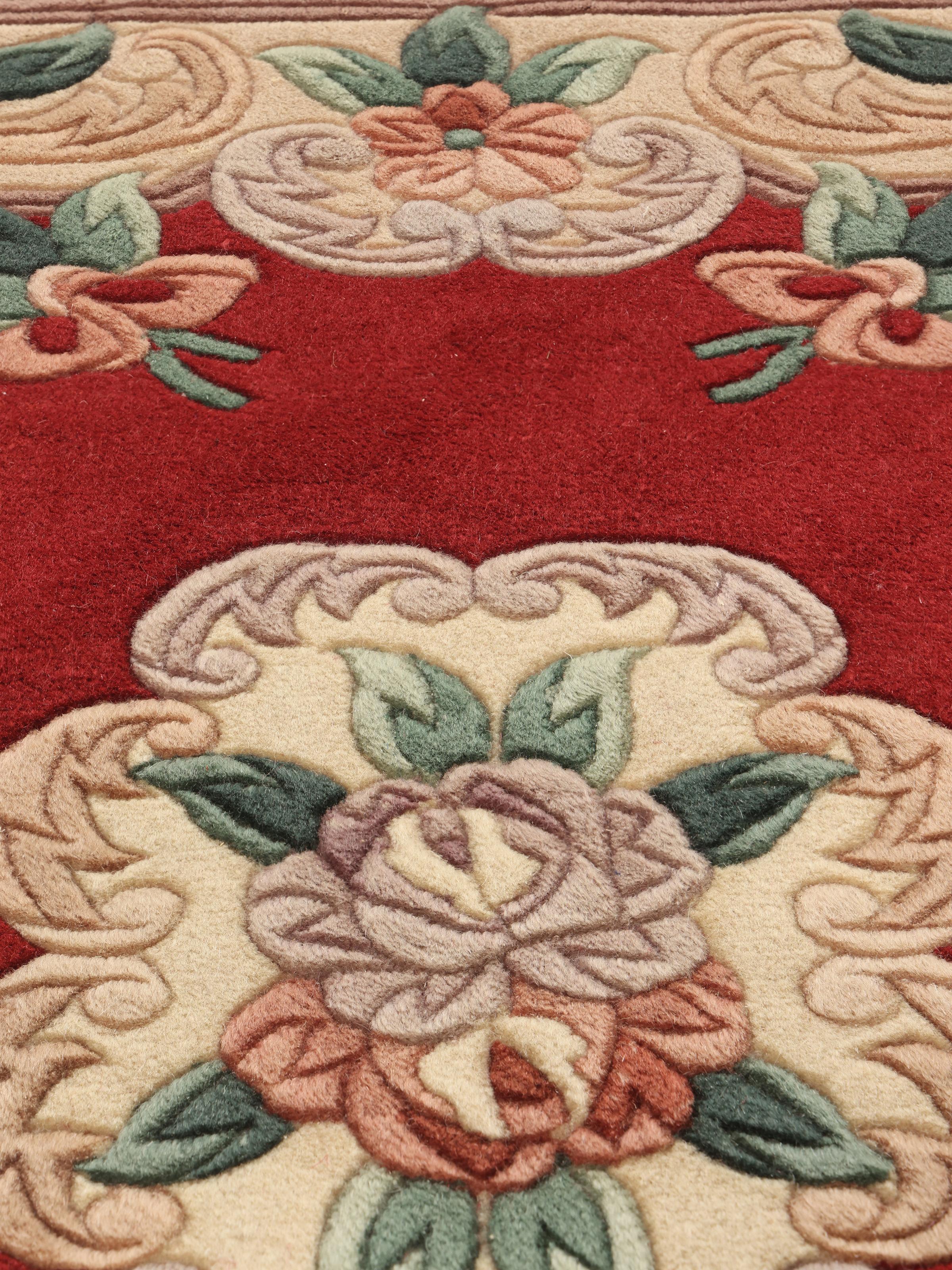
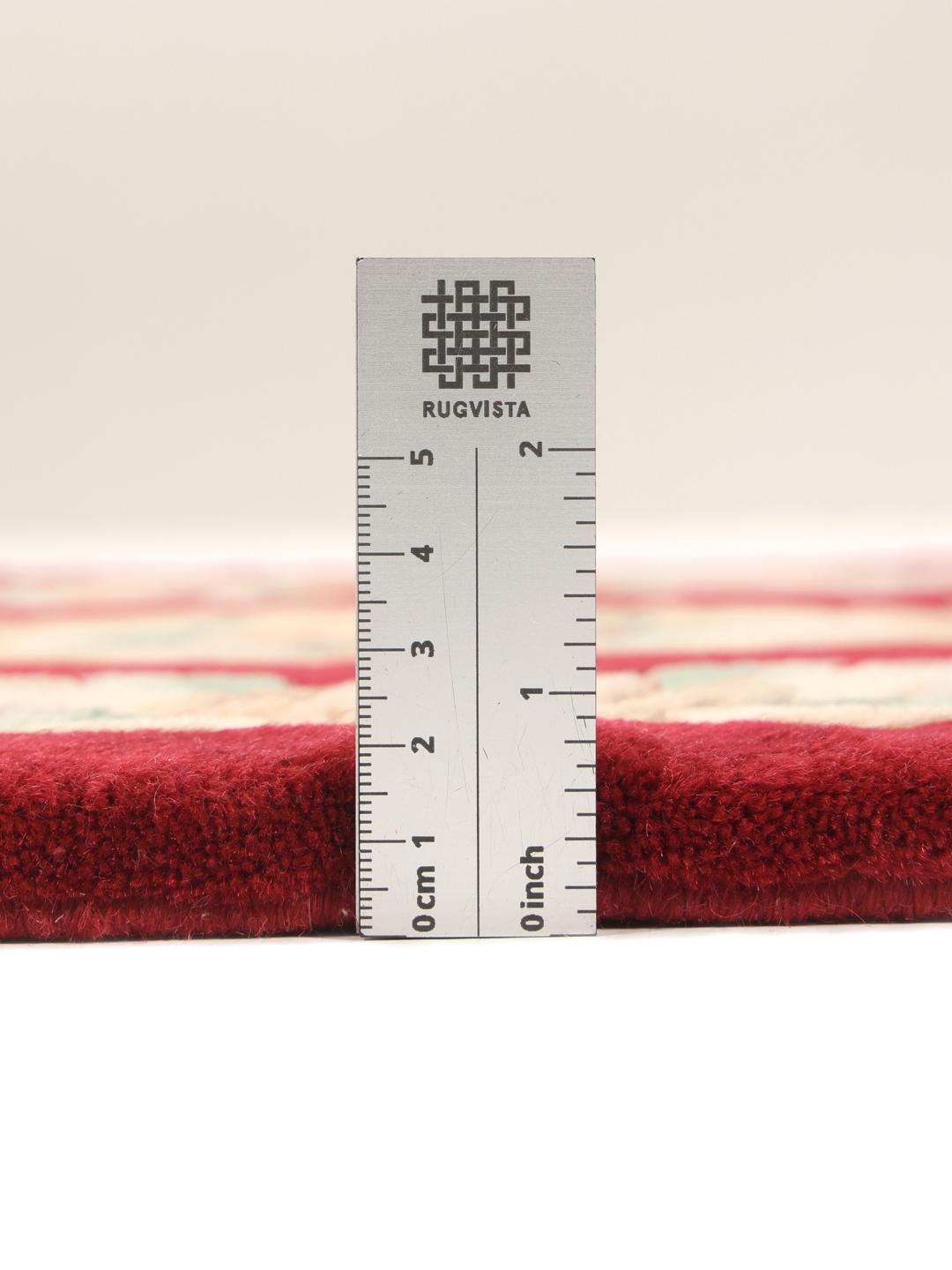
The 90 Line designation refers to a specific traditional grading system used in Chinese rug production. This term indicates the number of knots per linear foot, which directly influences the clarity of the design and the density of the pile. This construction method is highly valued for producing a thick, resilient rug that stands up well to everyday wear.
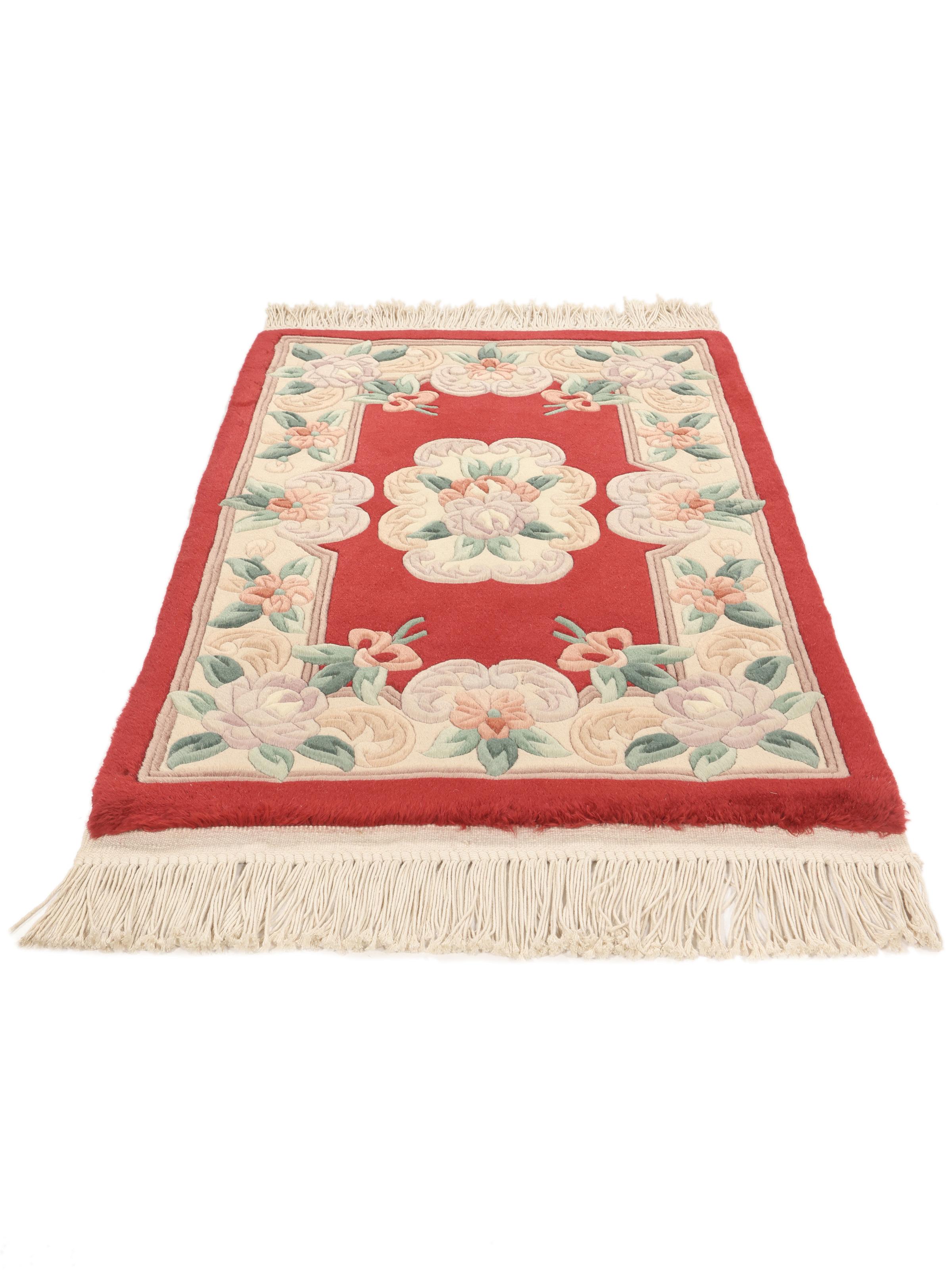
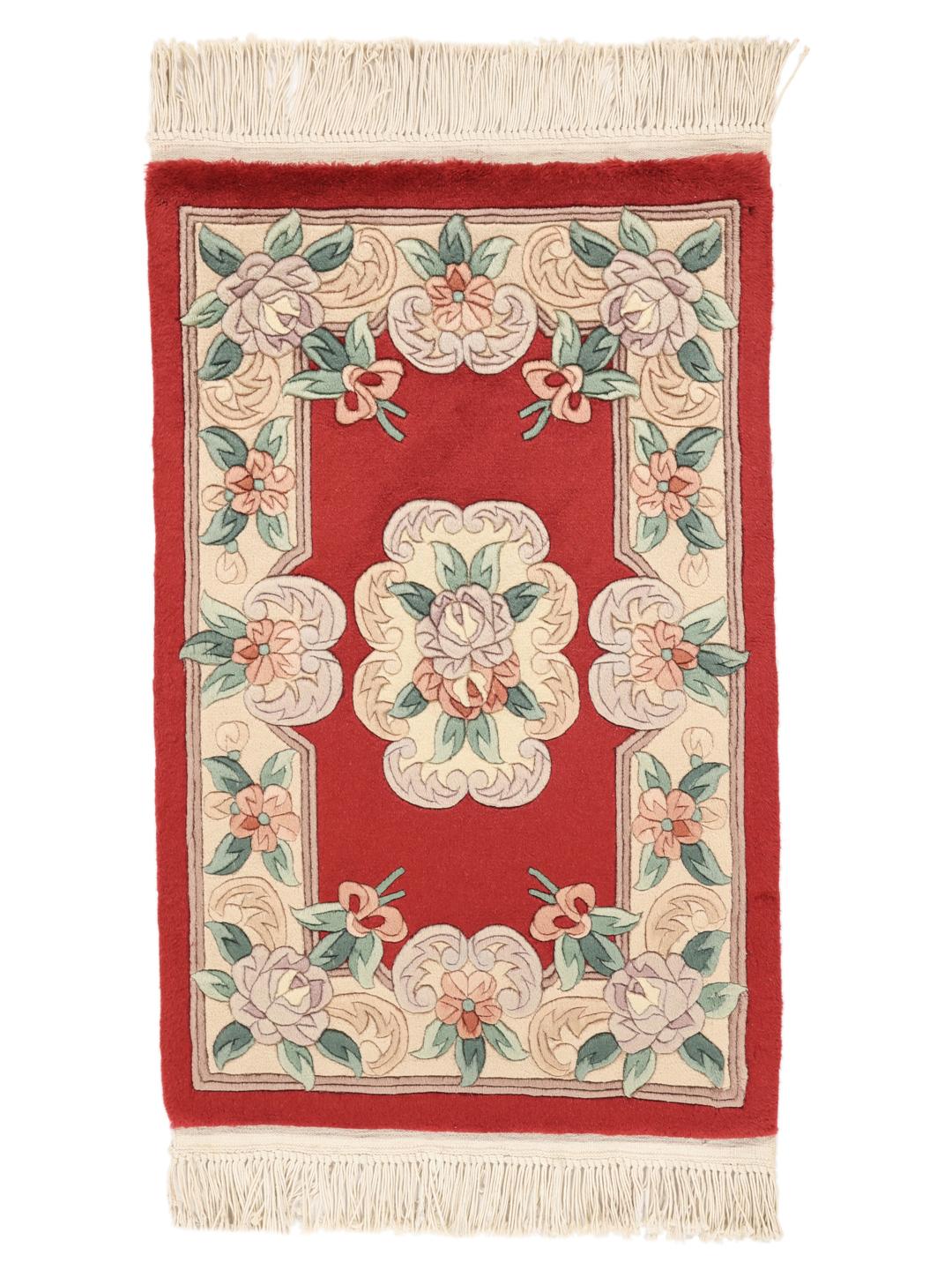
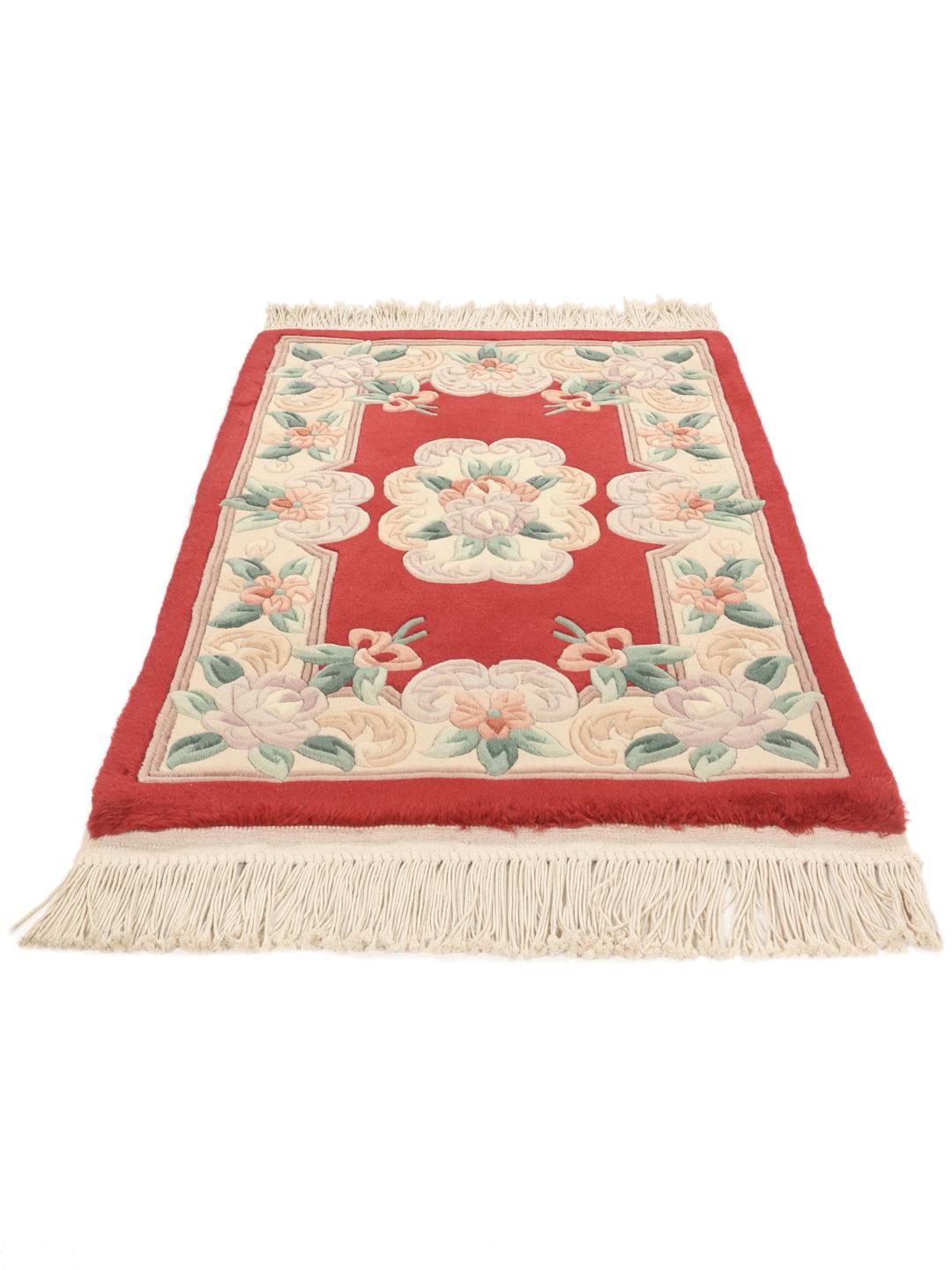
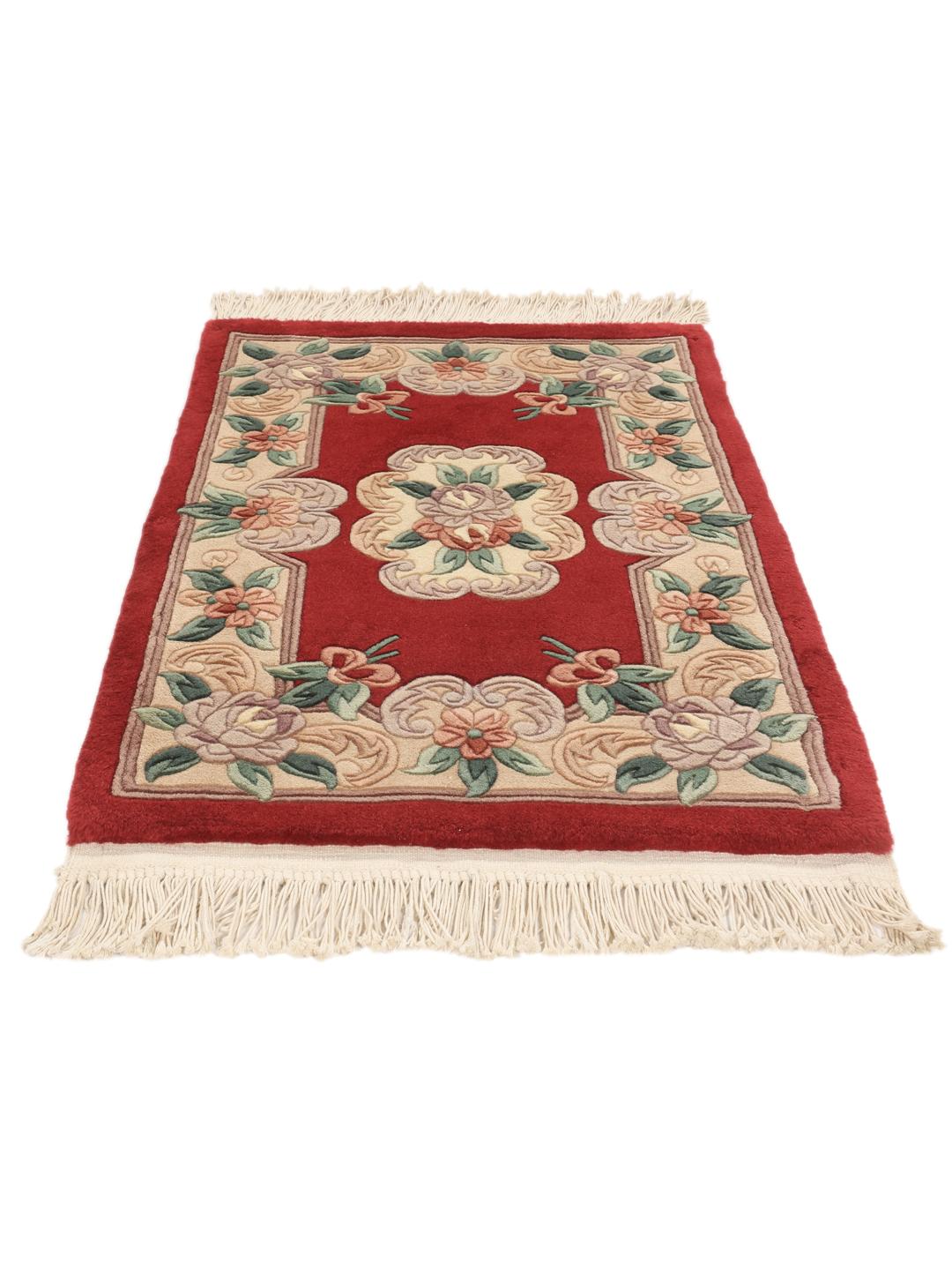
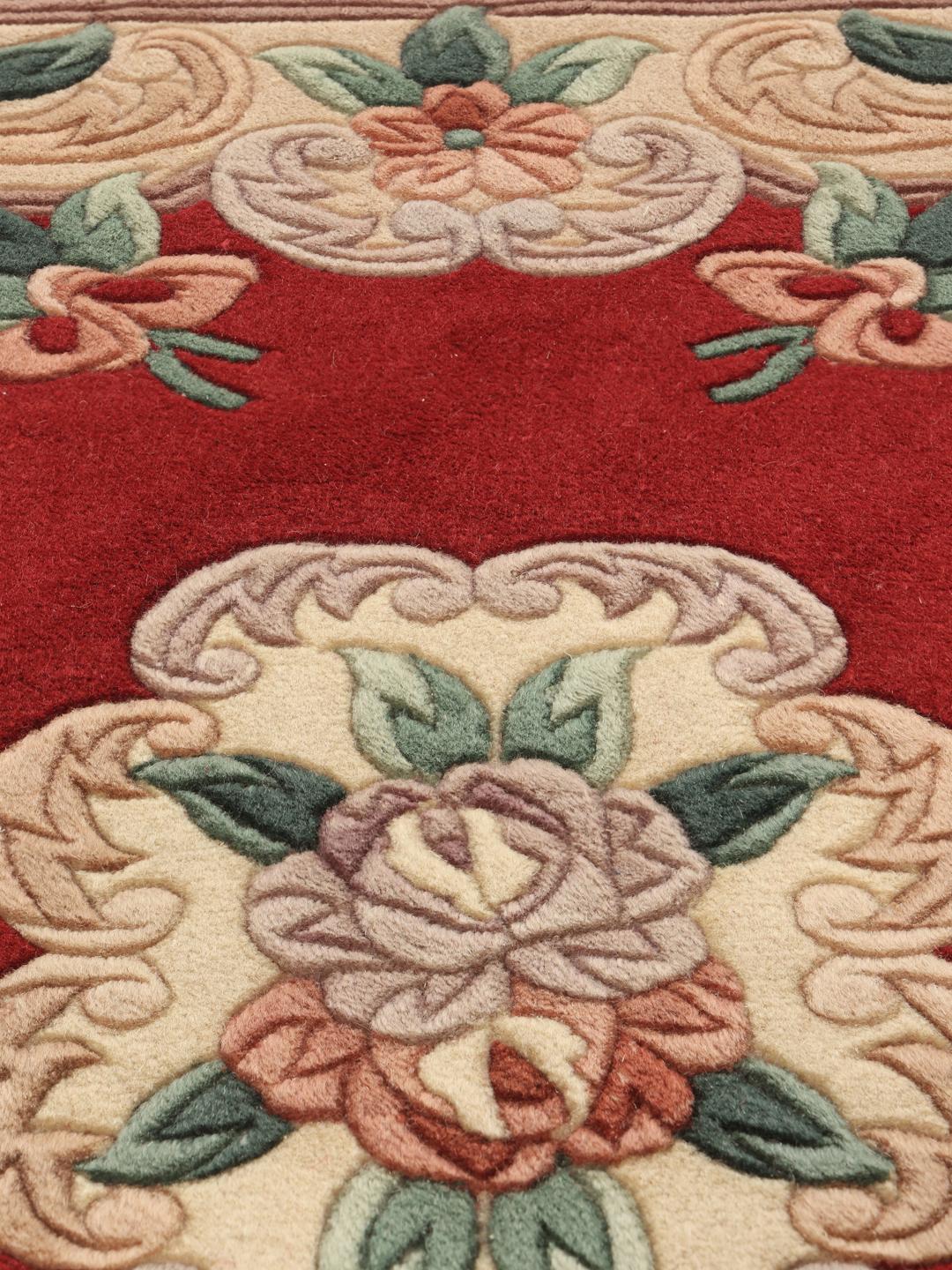
Floral patterns are a hallmark of this tradition, often symbolising prosperity, beauty, and harmony. The use of a central medallion or recurring floral borders is a classic design choice, designed to bring a sense of balance and elegance to the space it occupies. These motifs are rendered with a focus on grace and fluidity.
Owning a hand-knotted rug from this tradition is an investment in human skill and historical heritage. Collectors and enthusiasts value these pieces for their authenticity and the dedication required to create them. By bringing this rug into your home, you are preserving a craft that connects the modern living space to a long and storied past.