Chinese rug-making is a tradition that spans centuries, evolving from functional floor coverings into highly sophisticated works of art. Historically, these rugs were influenced by the aesthetic sensibilities of the imperial court, favouring balanced compositions, symbolic motifs, and a refined colour palette that reflected the natural world.
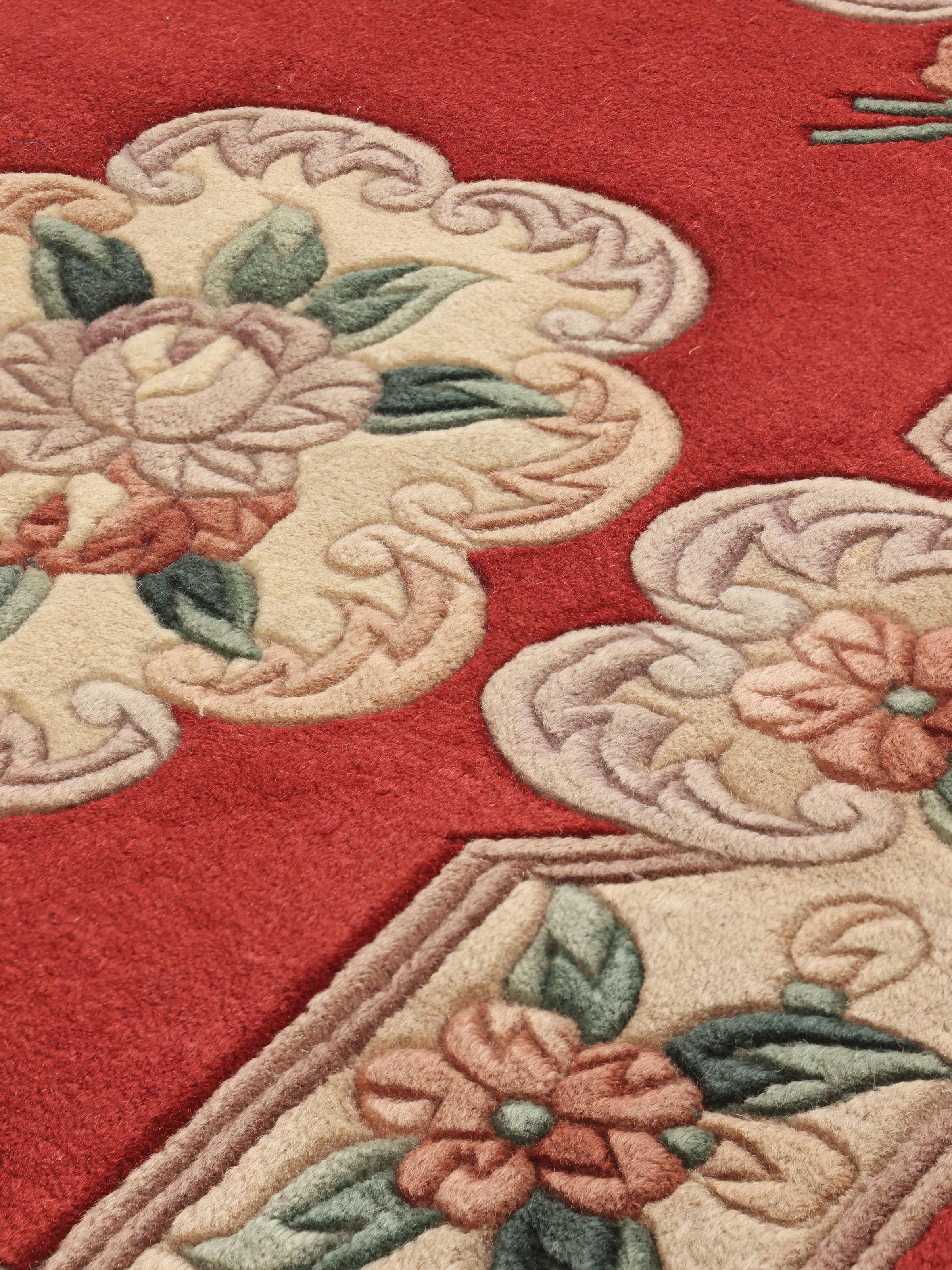
The 90-line classification refers to the traditional method of measuring knot density in Chinese rug production. By counting the number of knots across a specific width, weavers can ensure a consistent and high-quality pile. This technical standard has been used for generations to define the level of detail and durability expected in premium hand-knotted pieces.
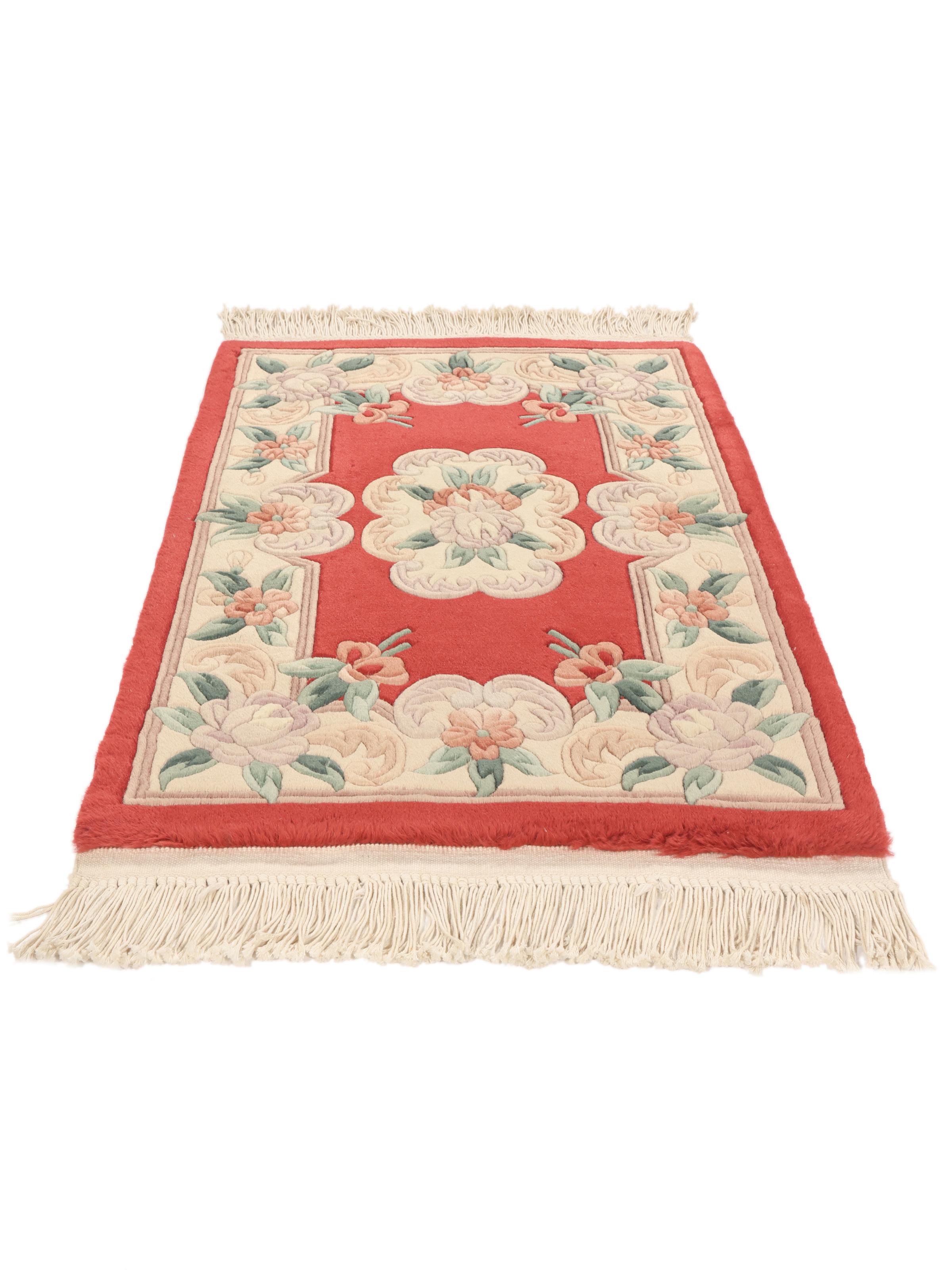
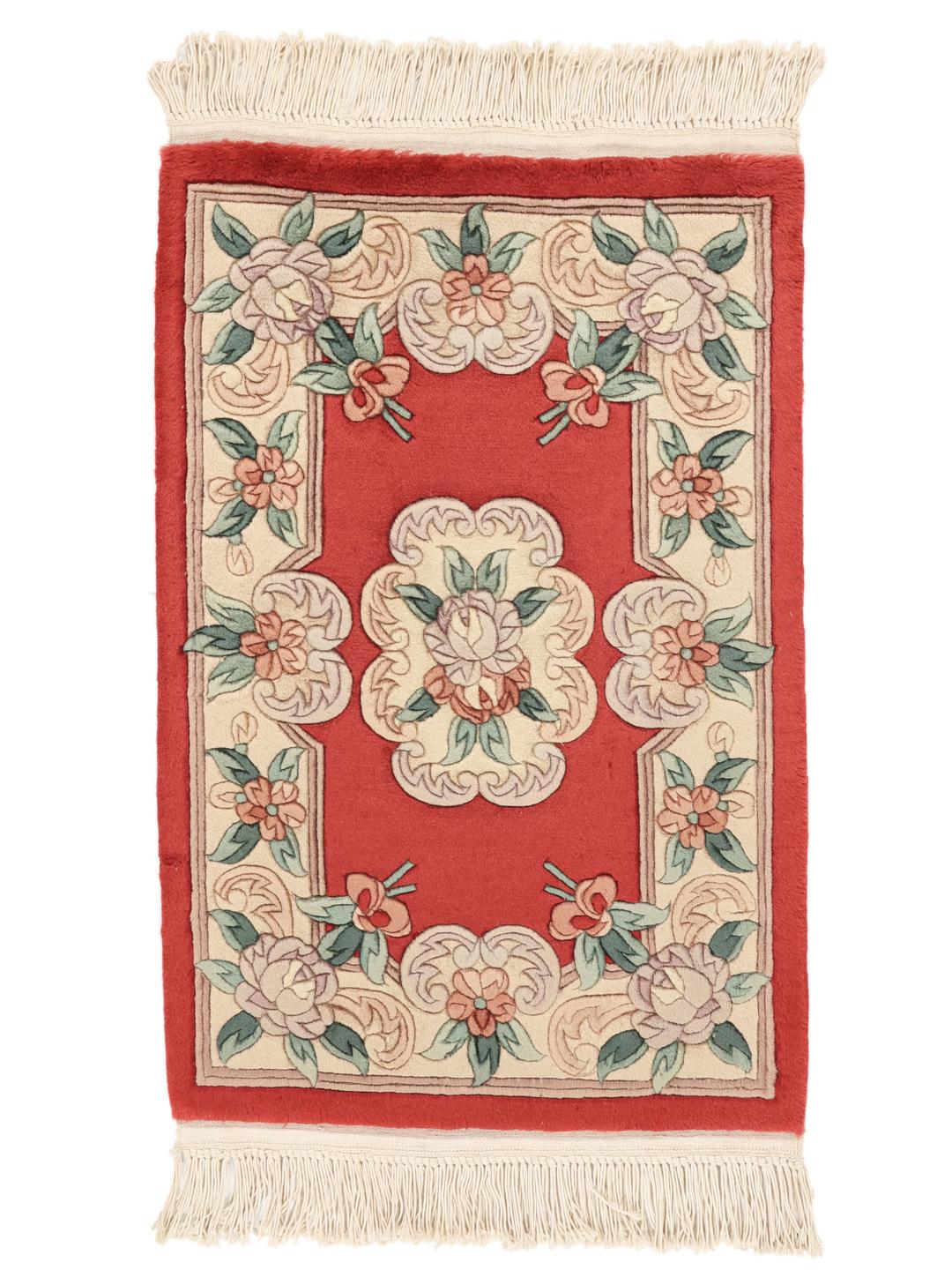
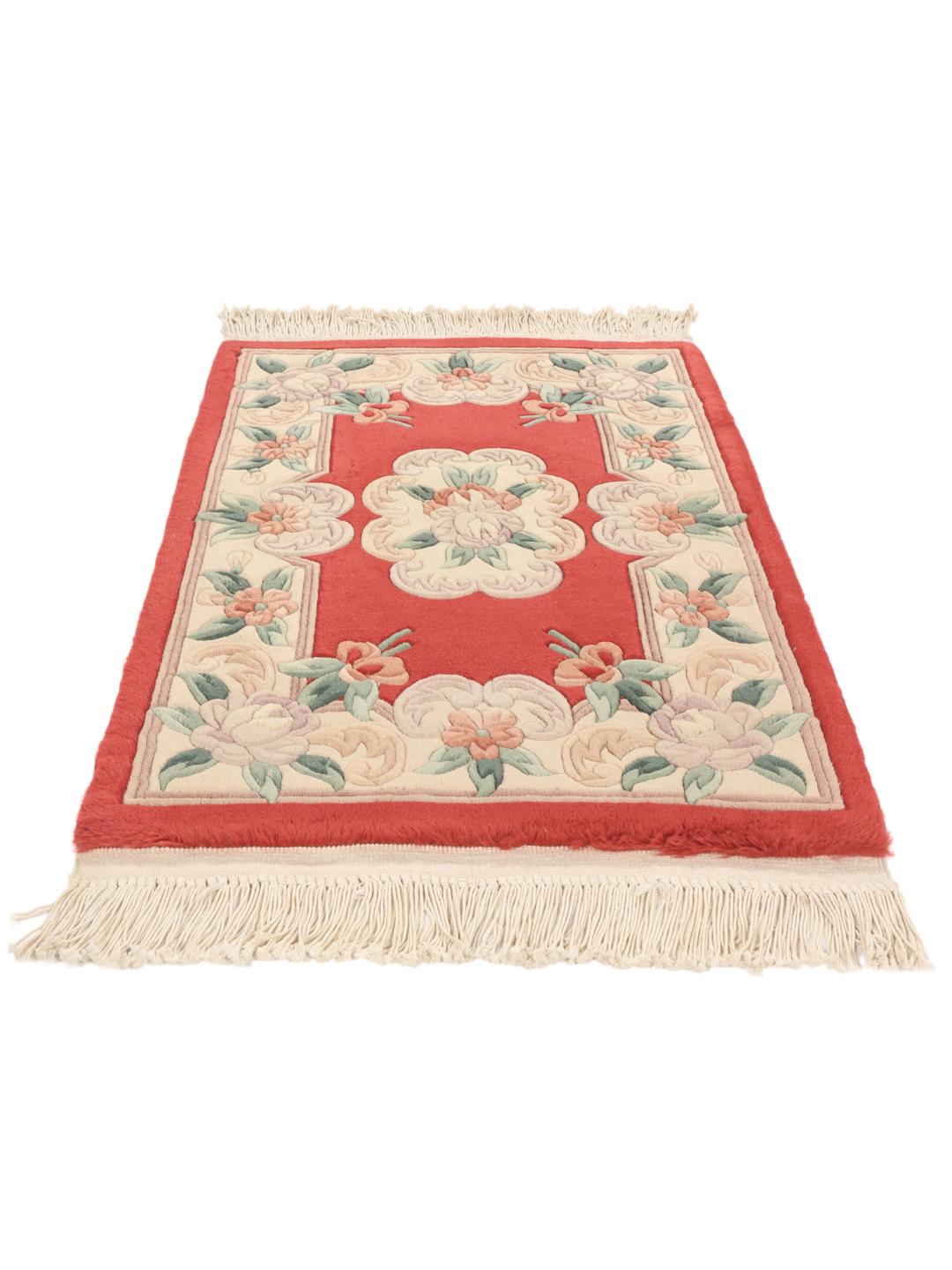
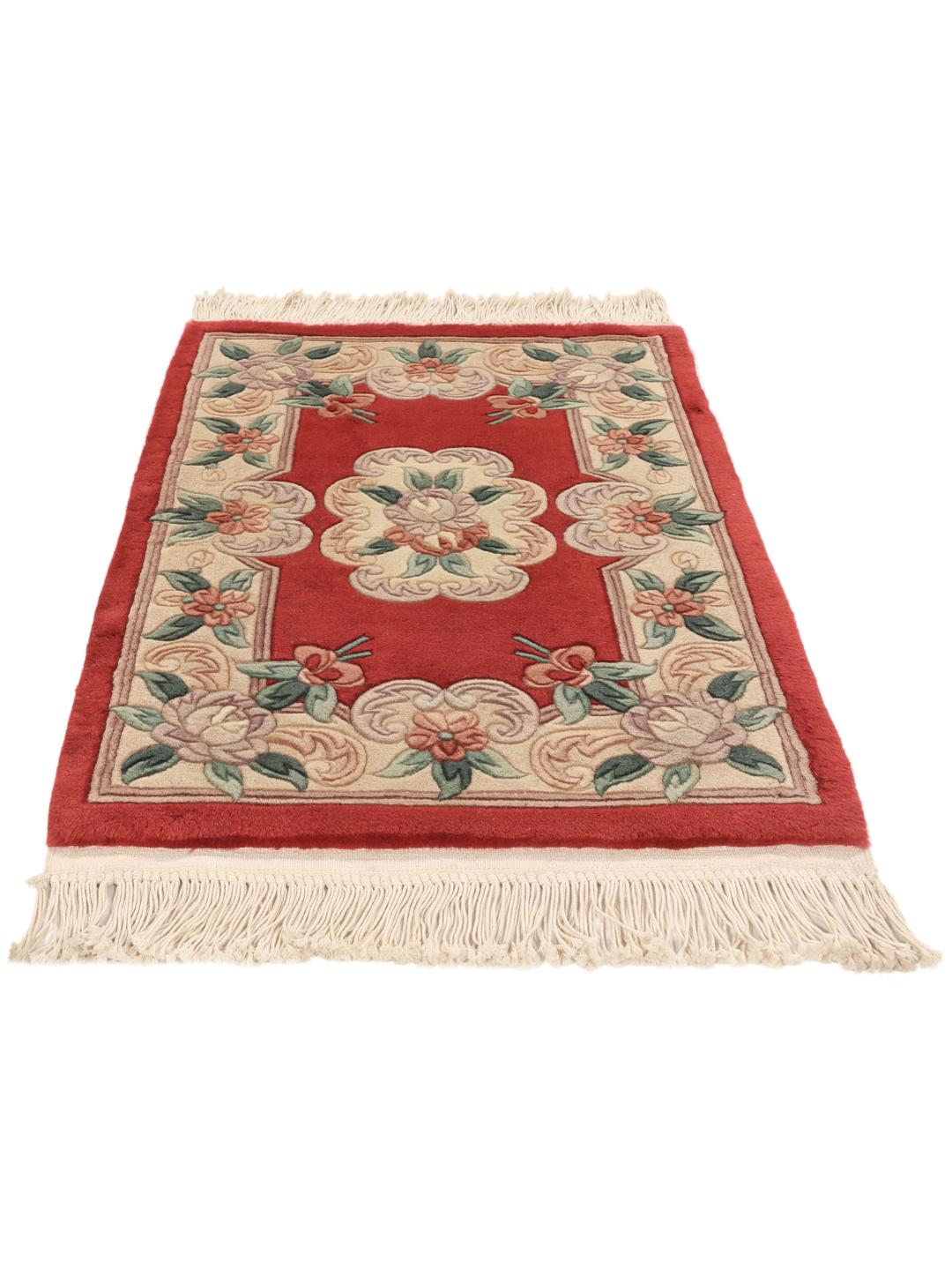
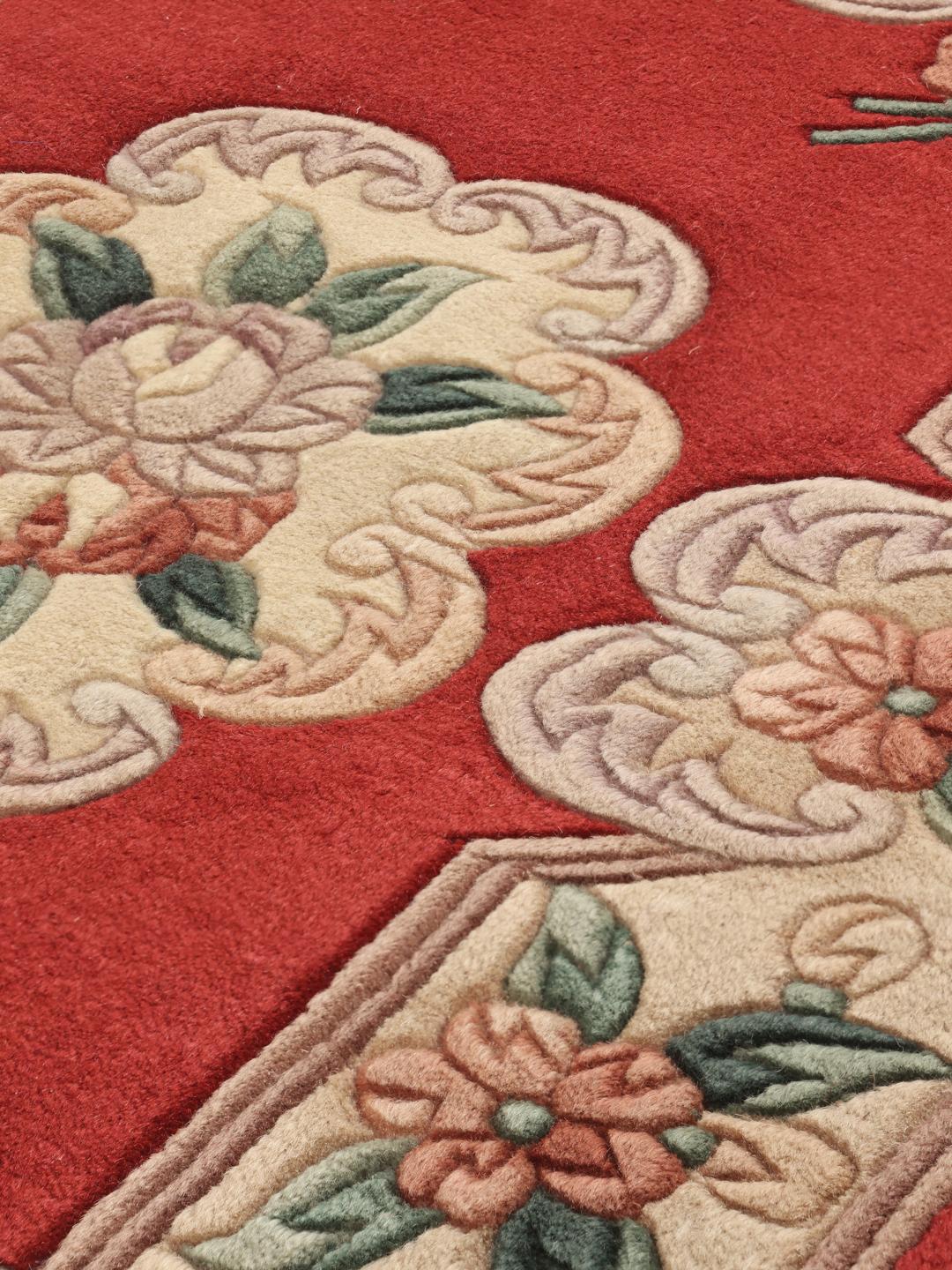
The floral imagery featured on this rug is deeply rooted in Chinese art history, where blossoms are often used to signify prosperity, beauty, and the changing seasons. The arrangement of these motifs, often framed by a formal border, creates a sense of harmony and structure that is characteristic of the finest examples from this region.
Owning a hand-knotted rug from China is an investment in cultural heritage and skilled craftsmanship. Each piece acts as a record of the weaver's expertise, blending ancient design traditions with a level of care that machines simply cannot replicate. These rugs are valued by collectors not just for their beauty, but for the story of human patience and dedication they carry into your home.