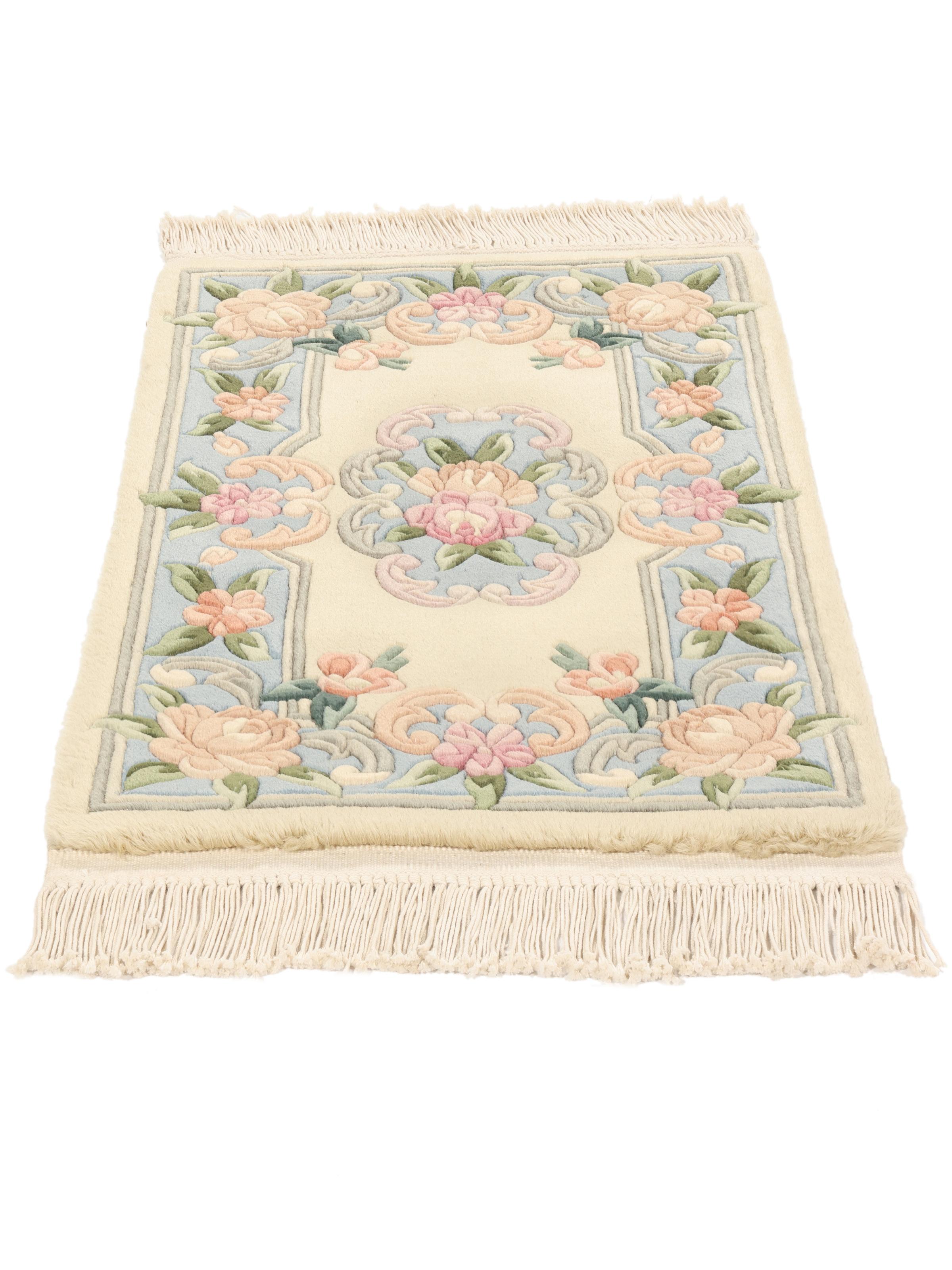
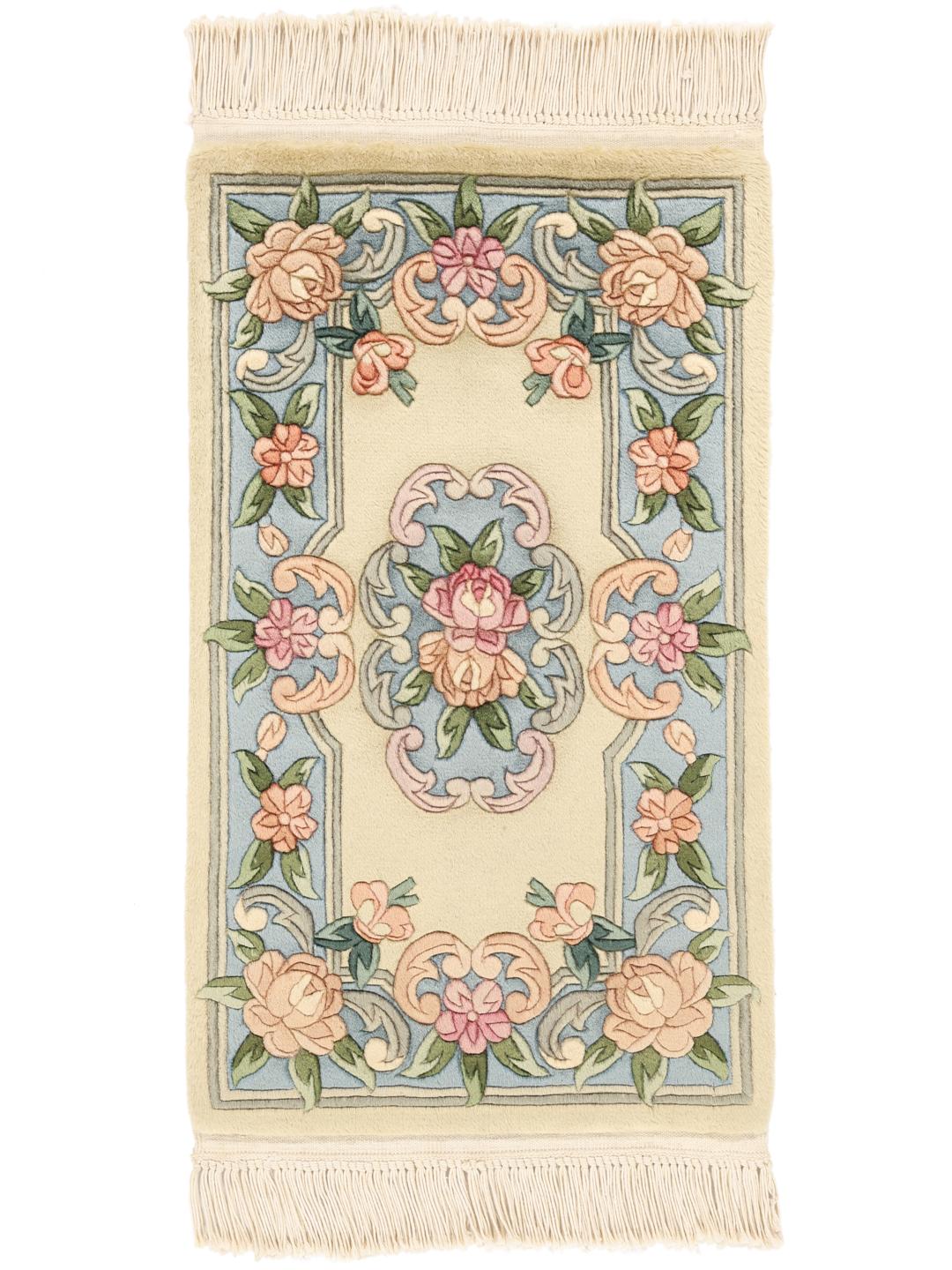
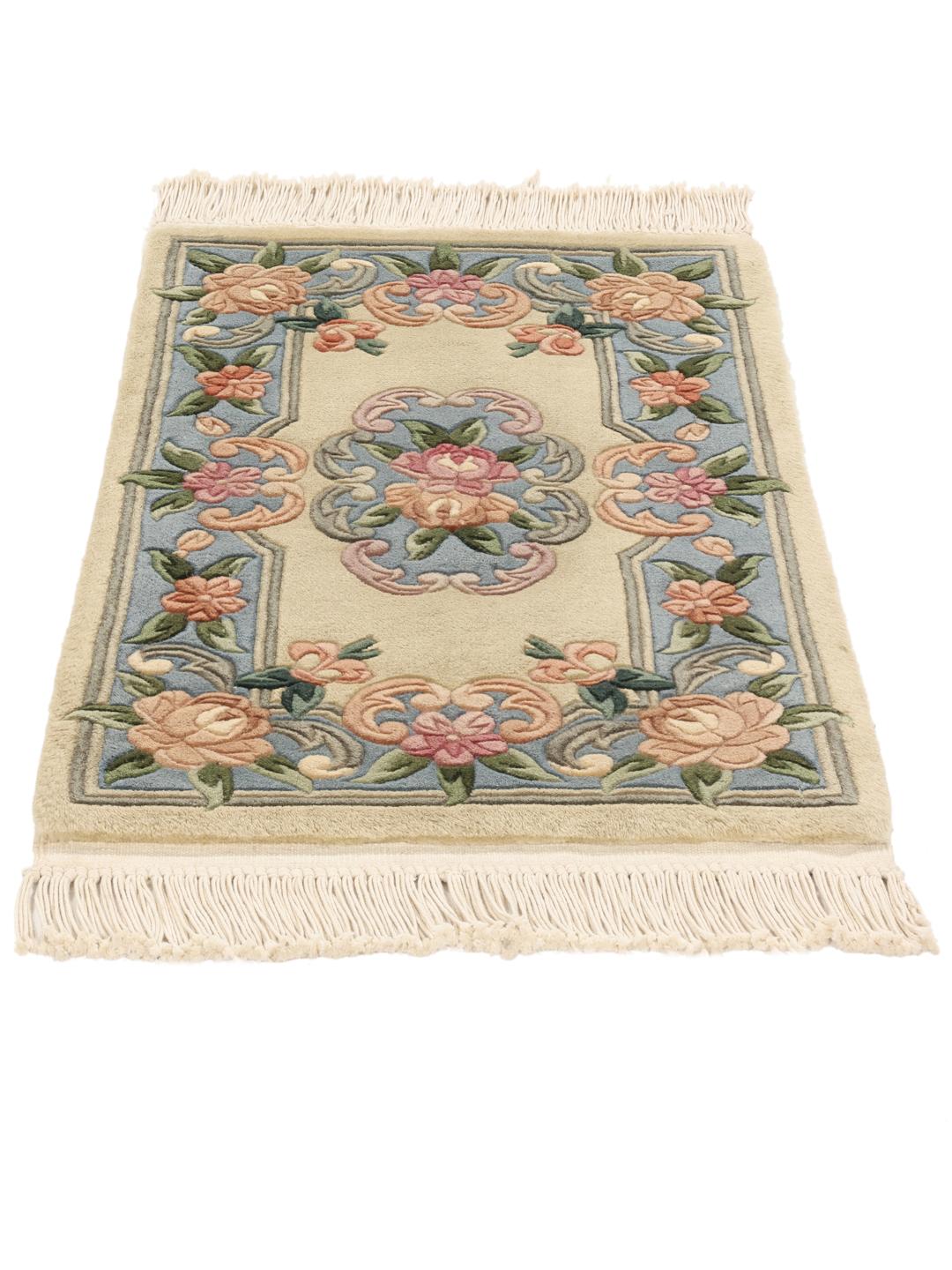
Chinese rug-making is an ancient art form that has evolved over centuries, blending local aesthetic traditions with a mastery of materials. Historically, these rugs were often commissioned for palaces and temples, serving as both functional floor coverings and symbols of status and cultural refinement.
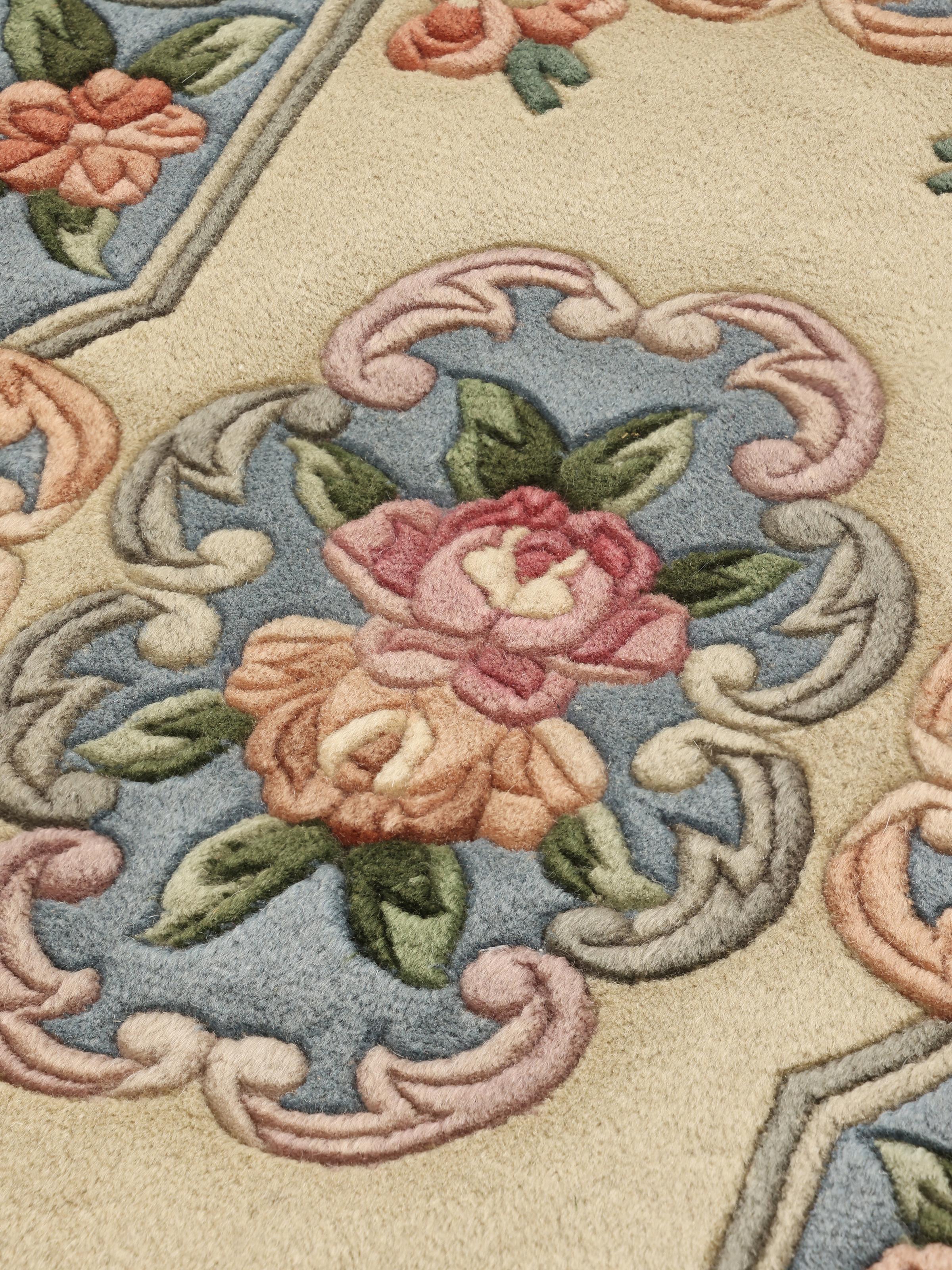
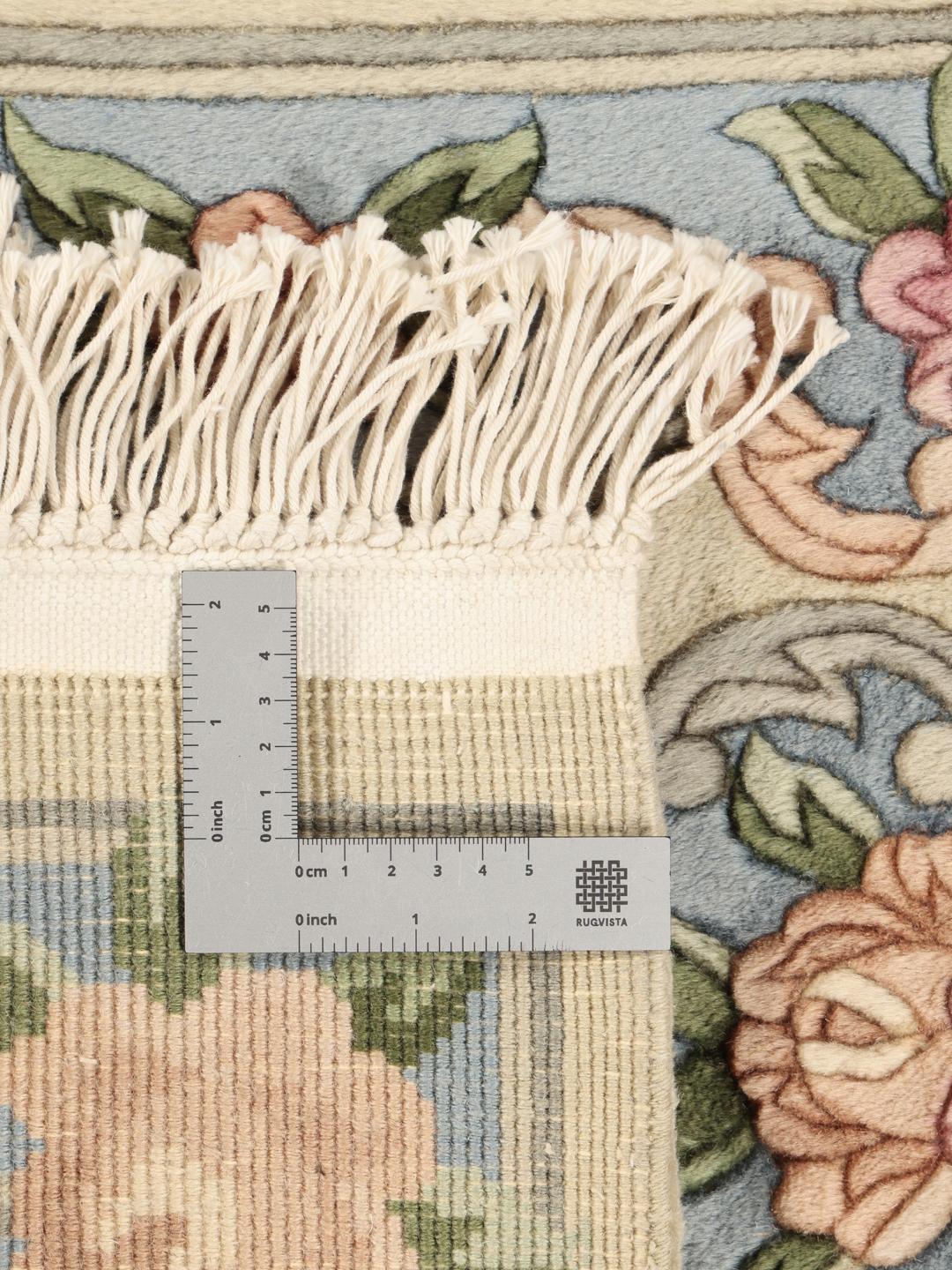
The term '90 Line' refers to a traditional technical standard in Chinese rug production, denoting the count of knots across a specific width. This terminology is a hallmark of the craft, signifying a commitment to a balanced density that allows for both softness and intricate detail in the patterns, ensuring the rug remains both comfortable and visually striking.
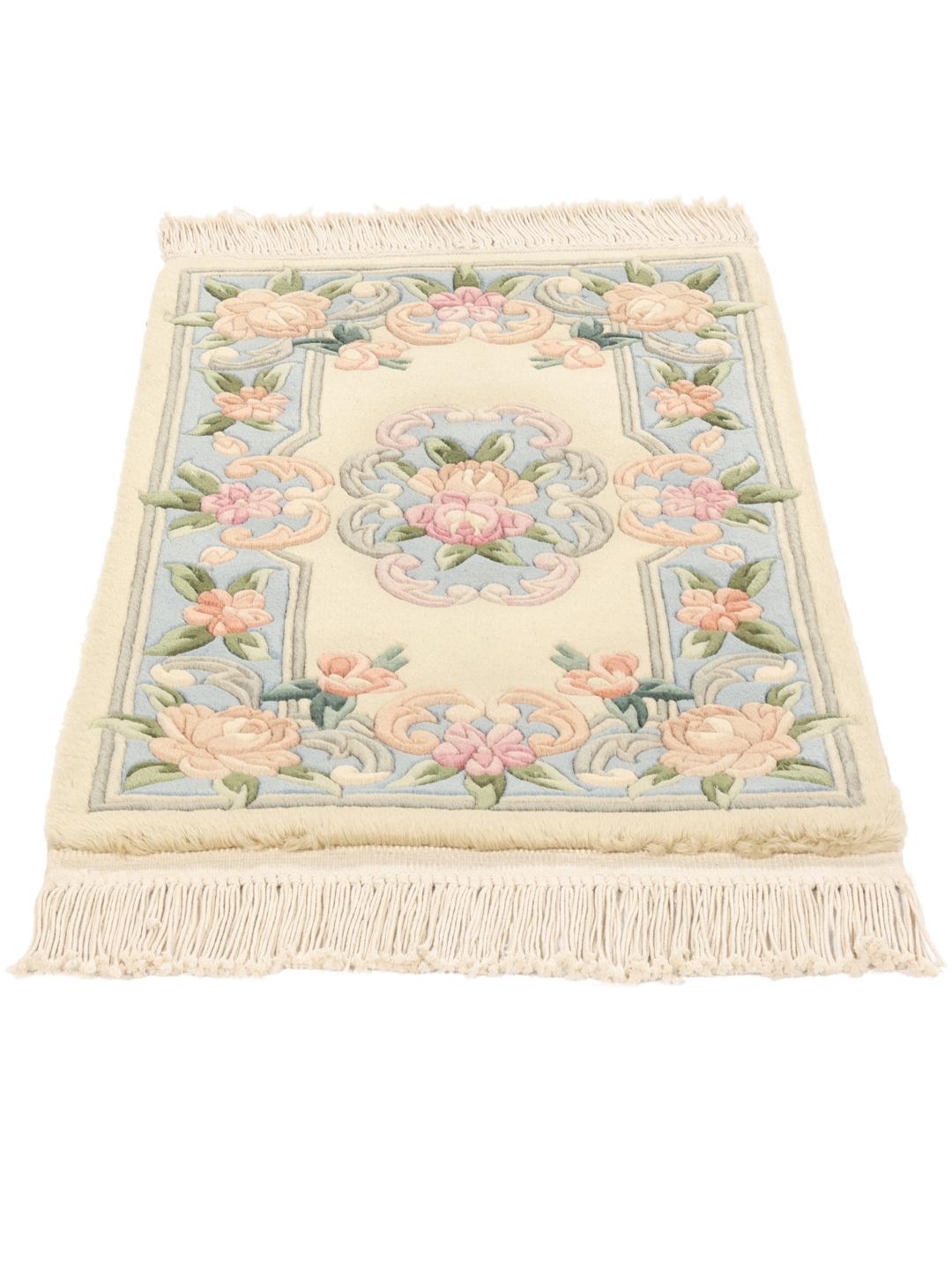
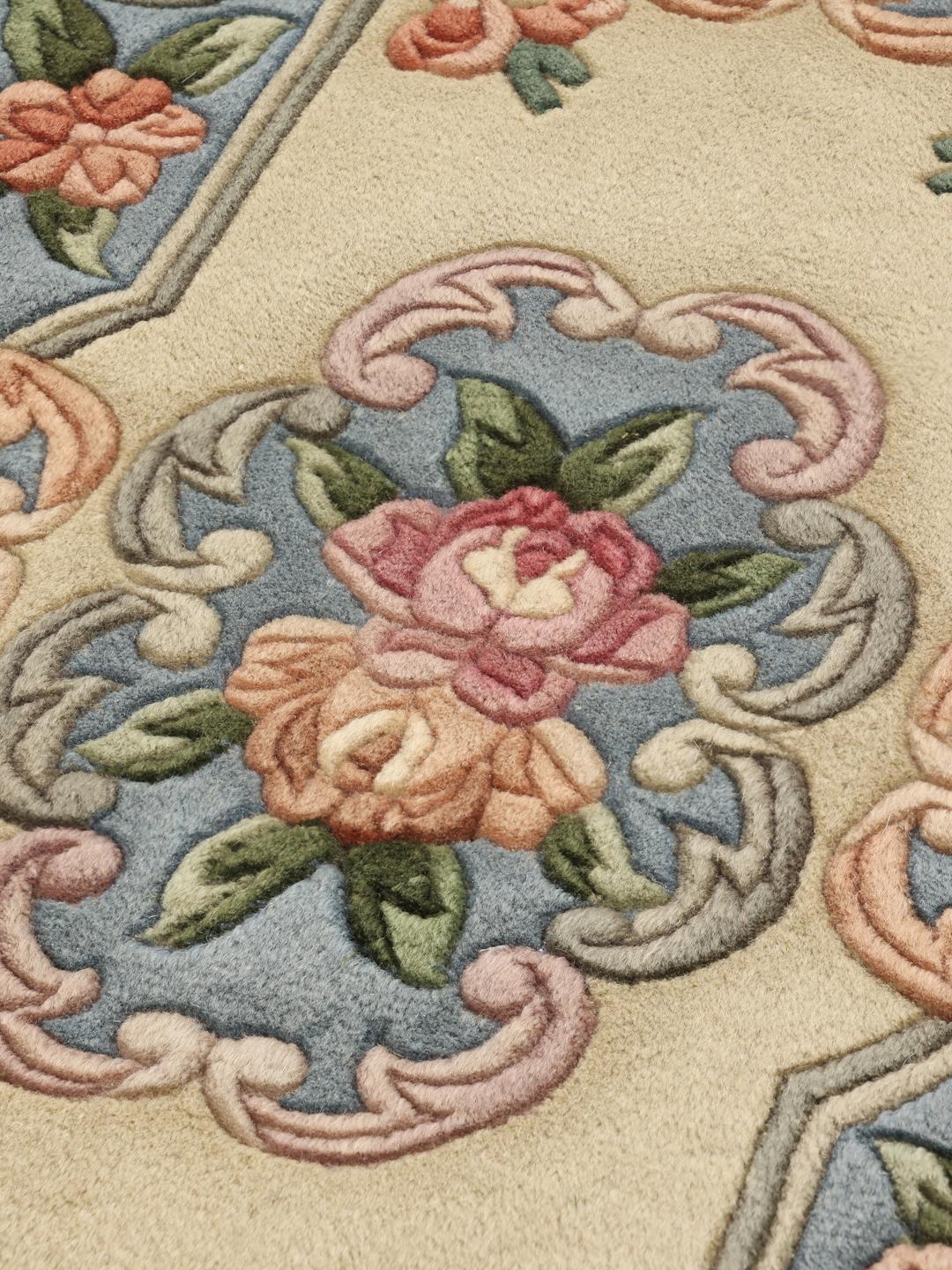
Signature design elements in these Chinese traditions frequently include soft, flowing floral motifs, often rendered in pastel palettes or balanced against a neutral field. These patterns draw inspiration from nature and classical art, creating a harmonious visual rhythm that is both soothing and structured, characteristic of the regional style.
Collecting these rugs offers a connection to a deep history of craftsmanship. They are valued not just for their appearance, but for the skill required to translate complex floral designs into a knotted textile. Owning one is an opportunity to preserve a piece of this enduring cultural legacy within your own home.