Chinese rug weaving has a long and storied history, evolving from ancient traditions that often featured symbolic motifs drawn from nature, philosophy, and folklore. Over centuries, these techniques were refined, leading to the sophisticated styles that characterise the region's output today.
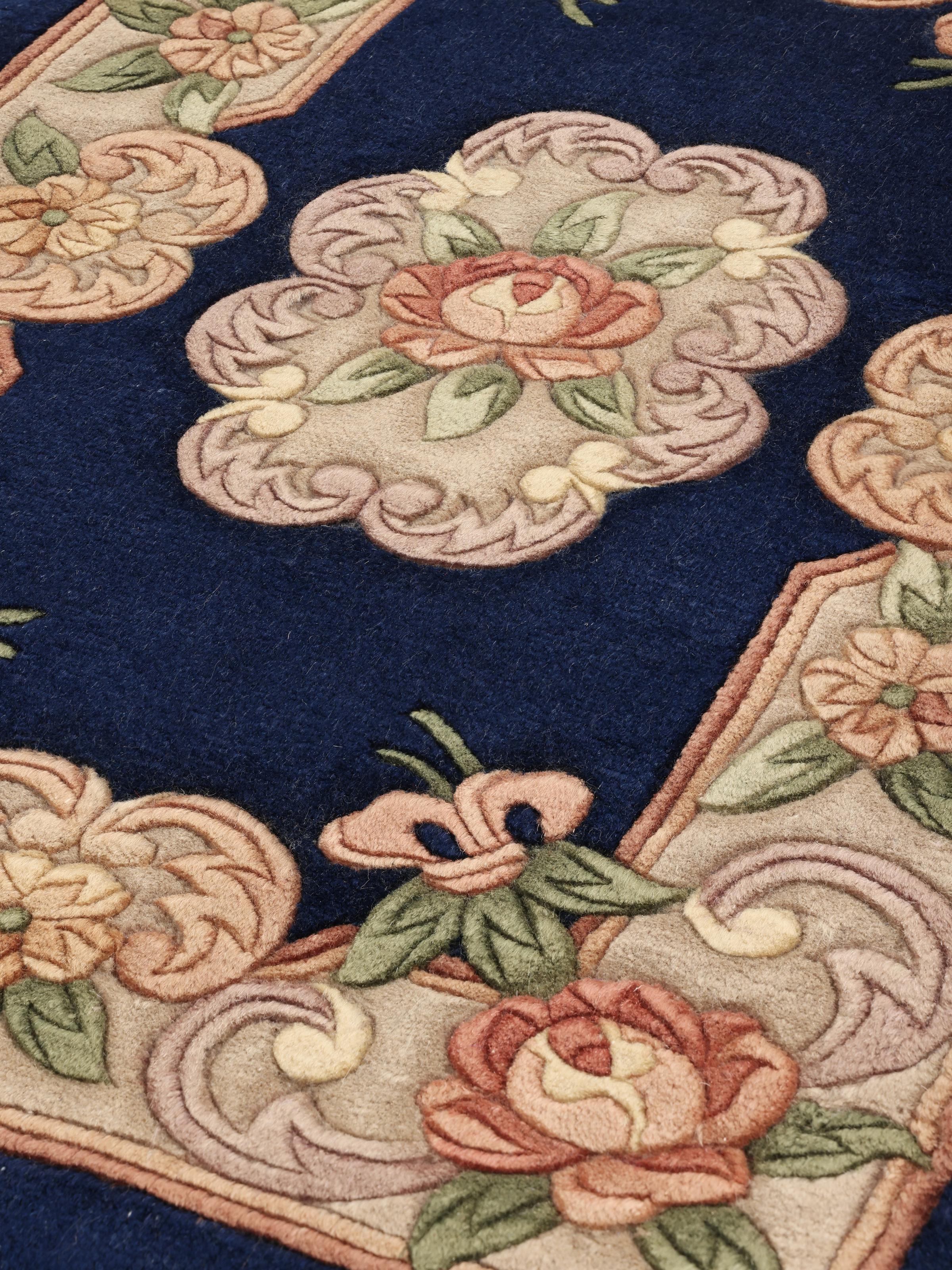
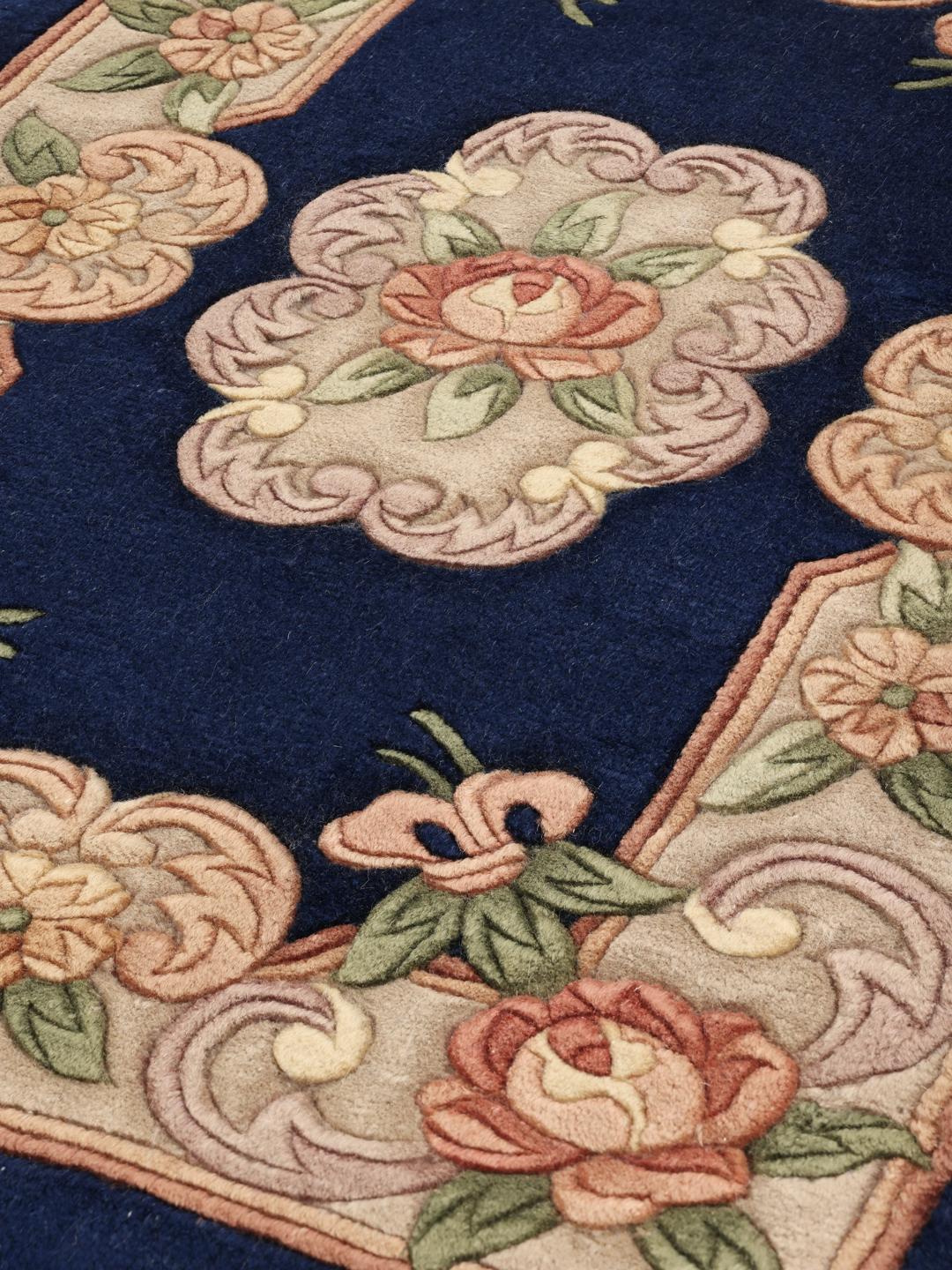
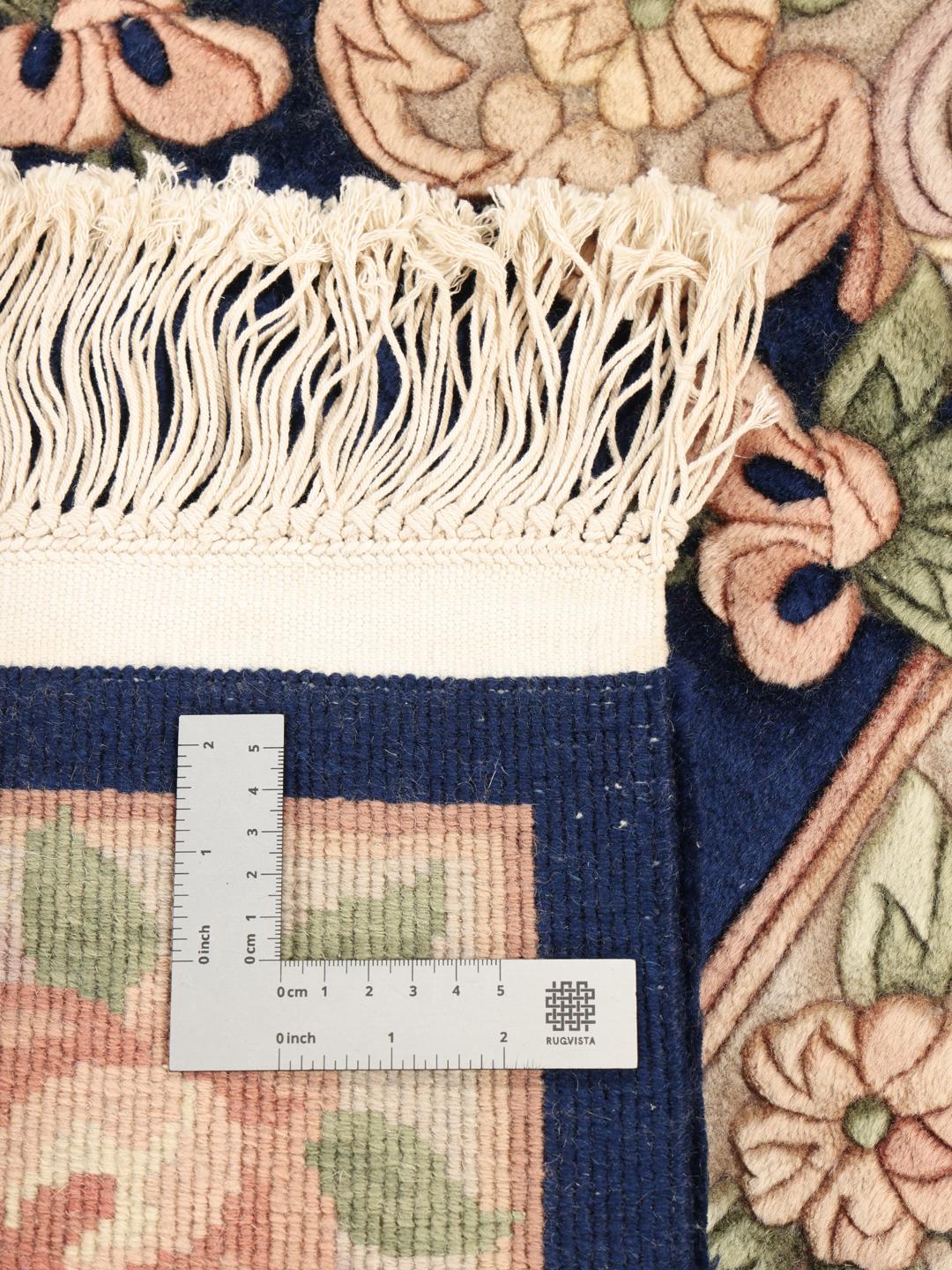
The term '90 Line' refers to a specific traditional measurement system used in the Chinese rug industry. It indicates the density of the weave, which directly influences the crispness of the design and the overall longevity of the rug. A higher line count allows for more detailed patterns and a firmer, more durable foundation that holds its shape beautifully over time.
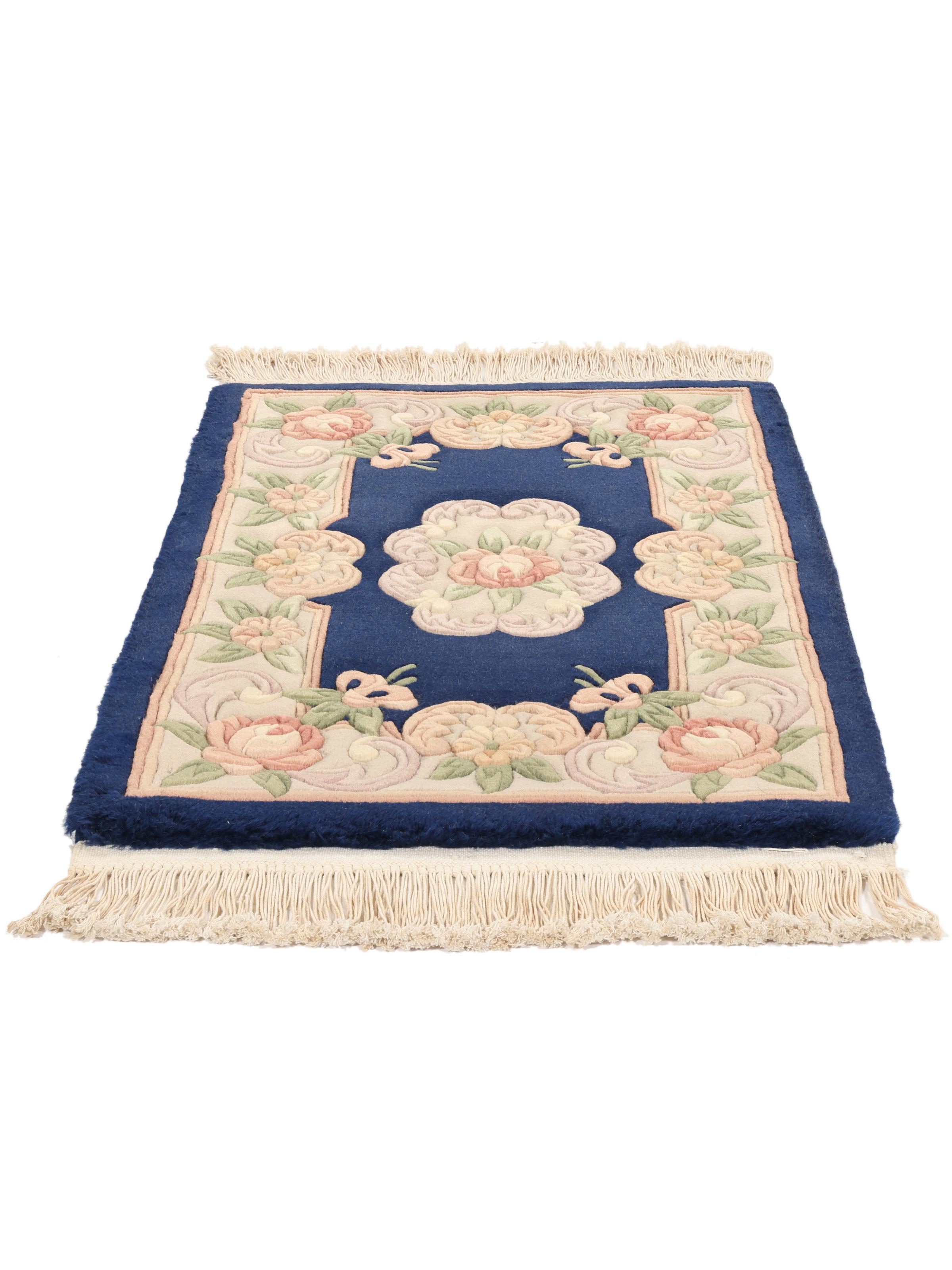
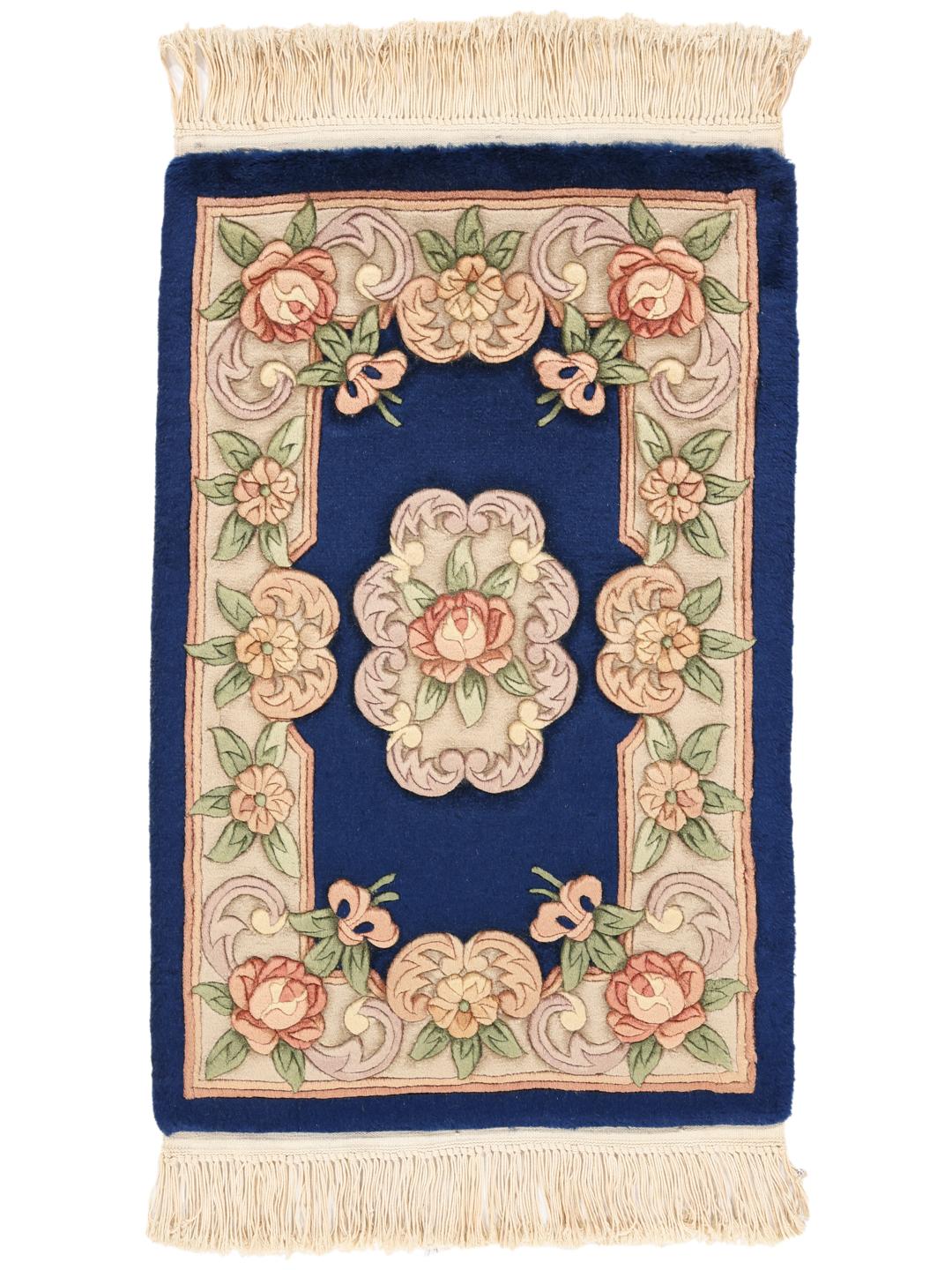
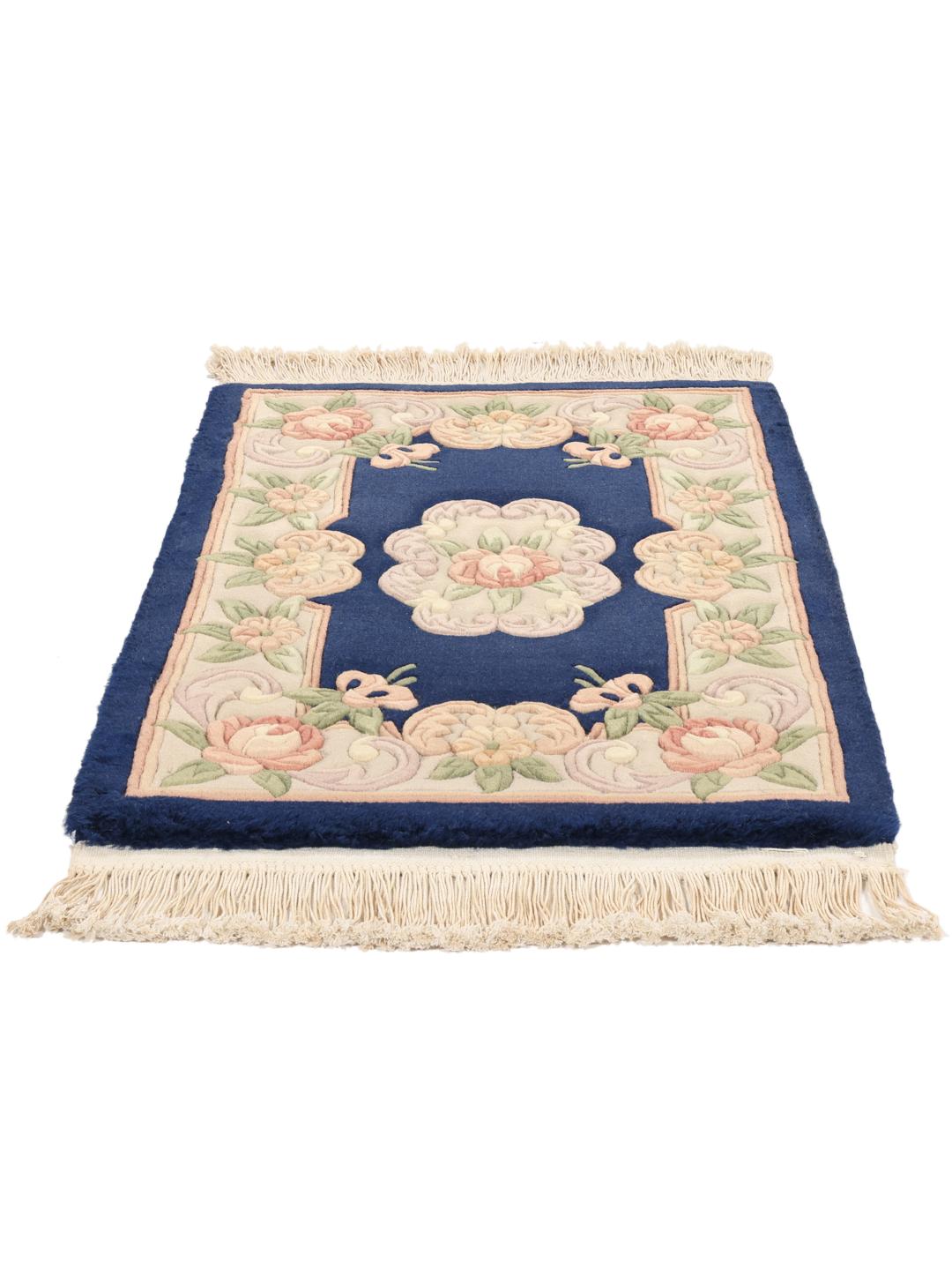
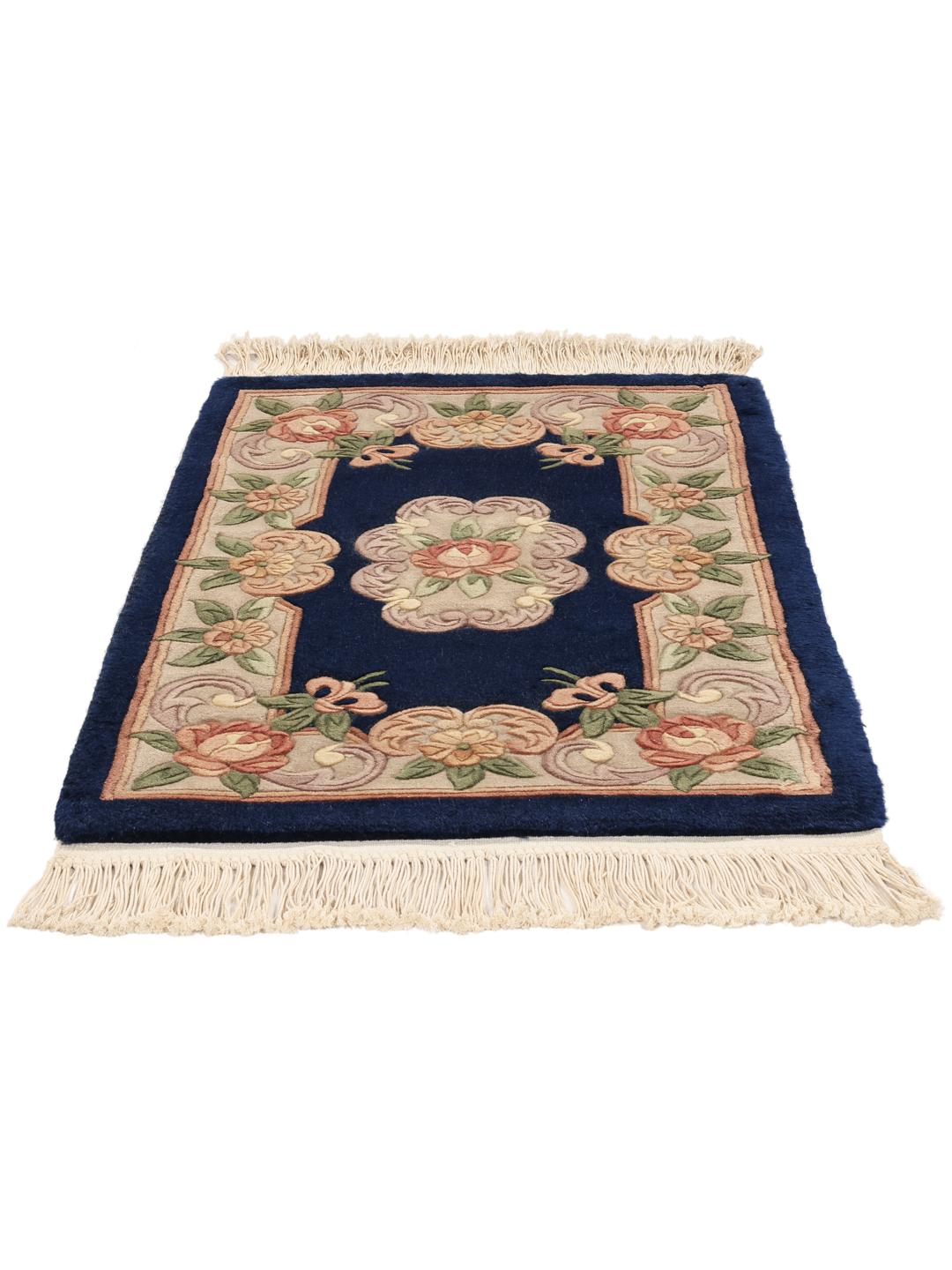
Floral designs in this tradition are more than just decorative. They often incorporate symbols of prosperity, happiness, and longevity, reflecting the cultural heritage of the weavers. The use of a central medallion surrounded by a balanced border is a hallmark of this style, providing a structured yet graceful aesthetic that has remained popular for generations.
Collectors value these rugs for their combination of artistic expression and technical skill. Owning a piece from this tradition connects you to a lineage of craftspeople who have perfected their methods through generations, offering a piece of history that is both functional and culturally significant.