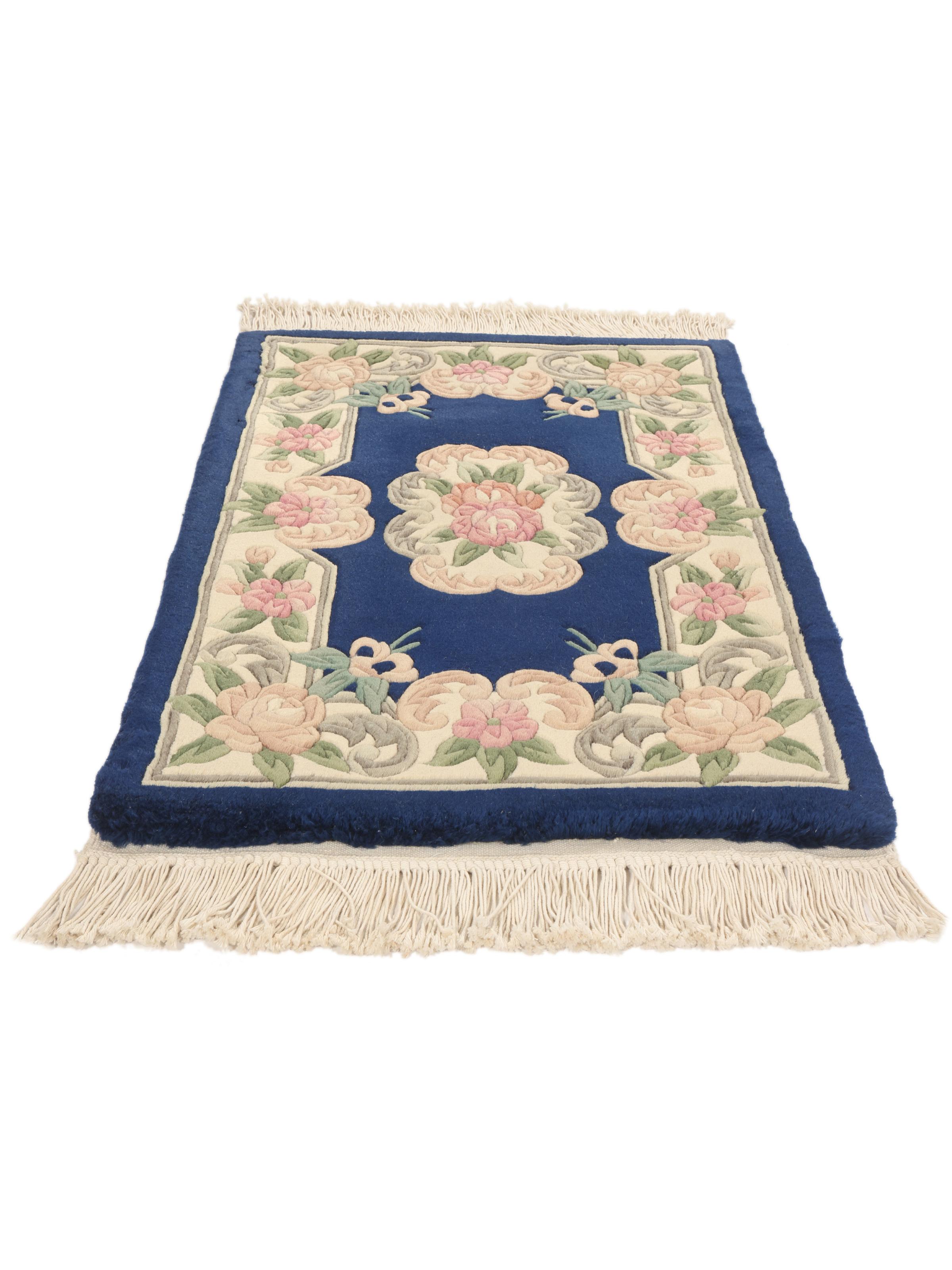
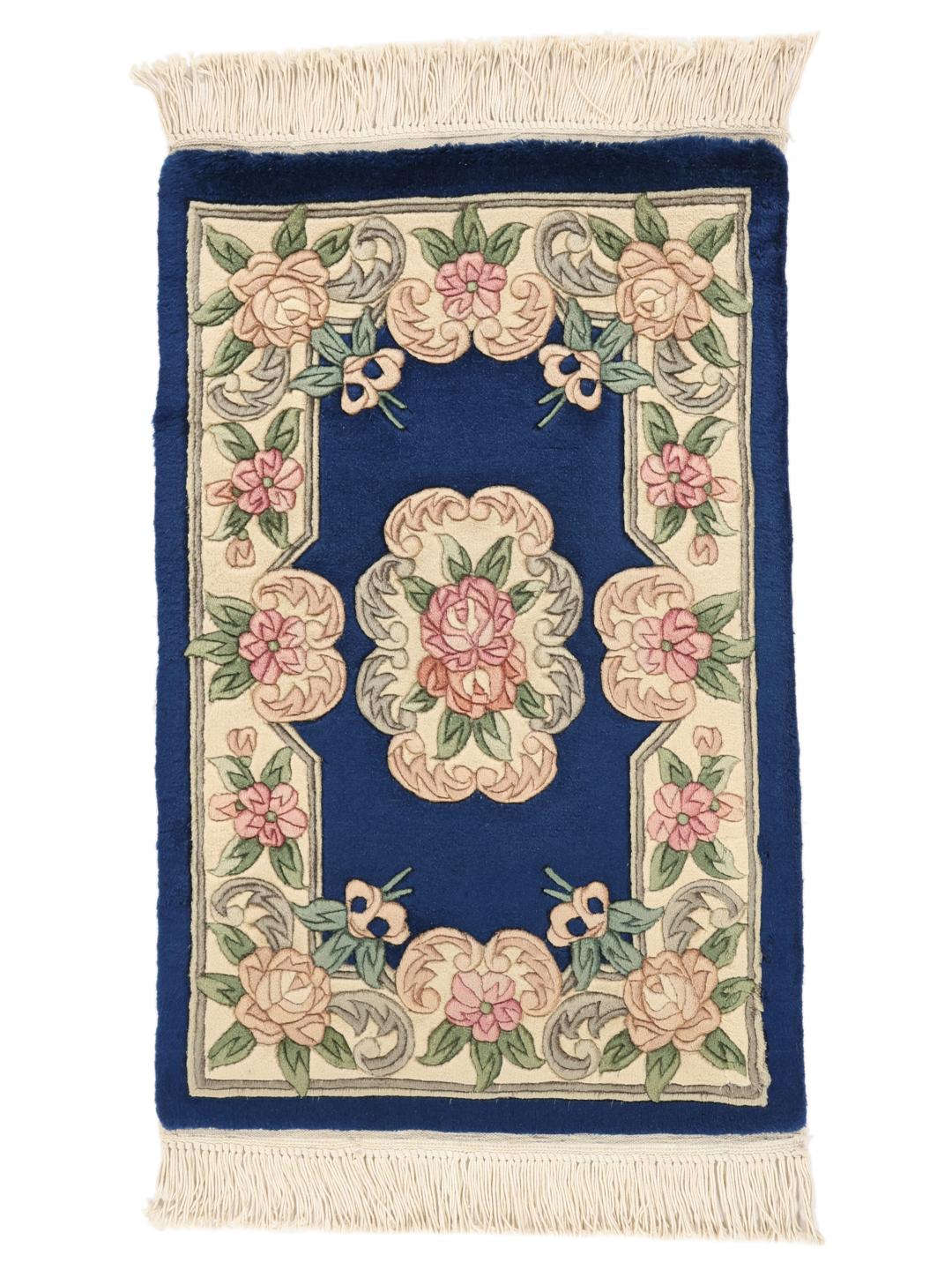
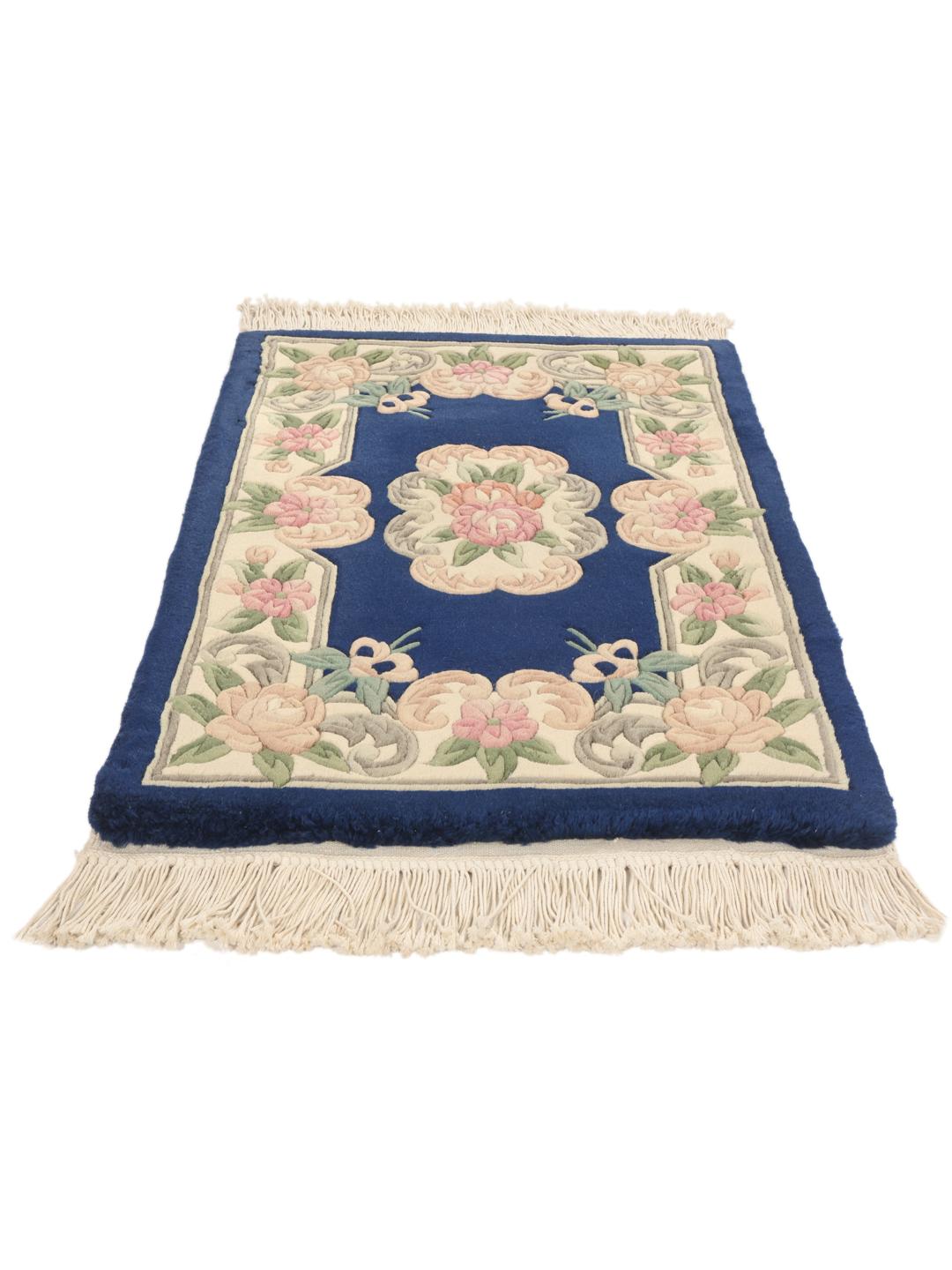
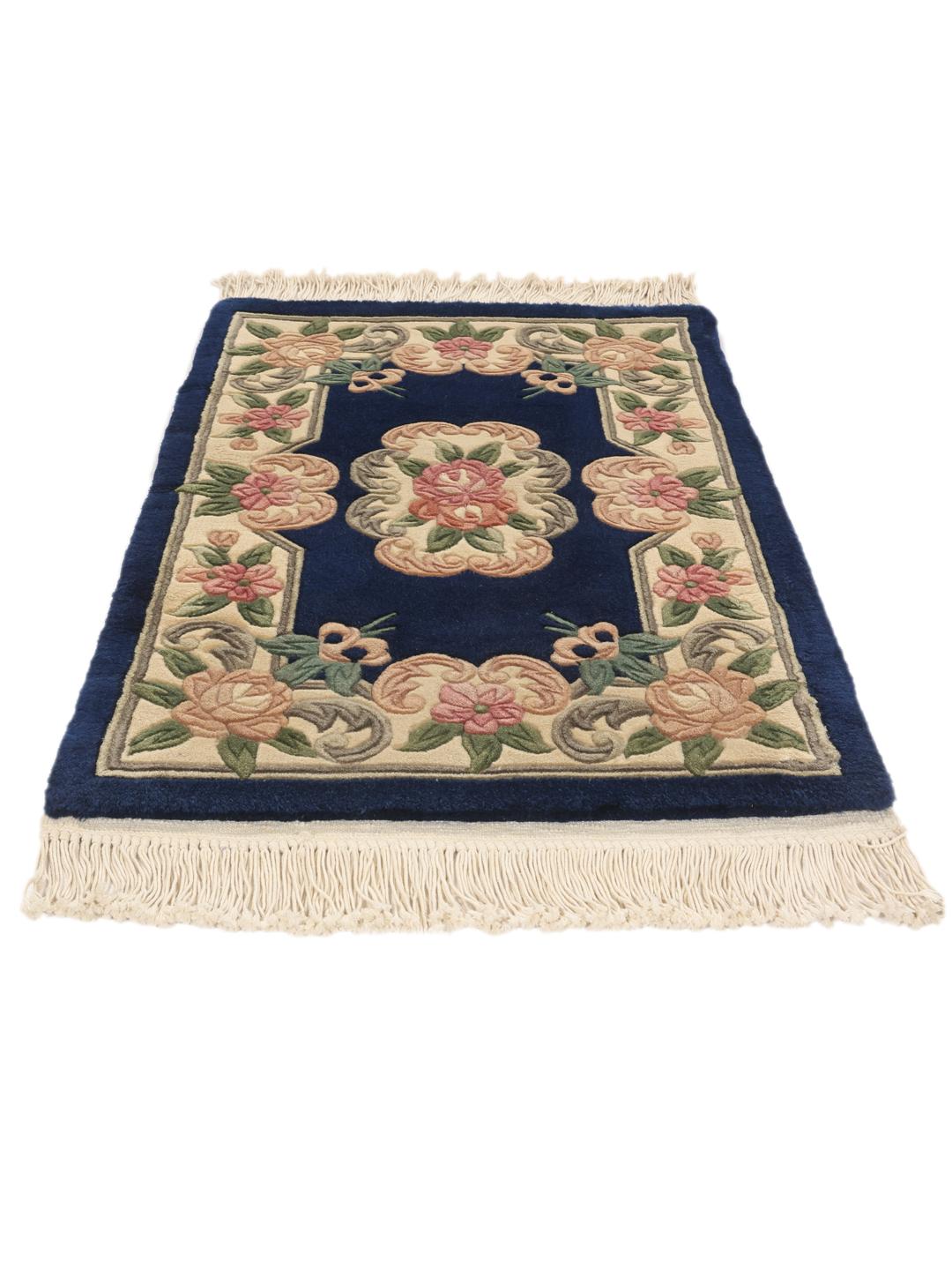
The tradition of Chinese rug weaving is an ancient art form that has evolved over centuries, blending local artistic sensibilities with sophisticated knotting techniques. Historically, these rugs were highly prized for their unique aesthetic, often featuring motifs inspired by nature, mythology, and Buddhist symbolism, reflecting the cultural depth of the region.
The term 'line' in the context of Chinese rugs refers to the traditional method of measuring density by the number of knots across a specific width. This standardised approach has allowed artisans to maintain a consistent quality while exploring intricate designs, resulting in rugs that are celebrated for their structural reliability and soft, supple texture.
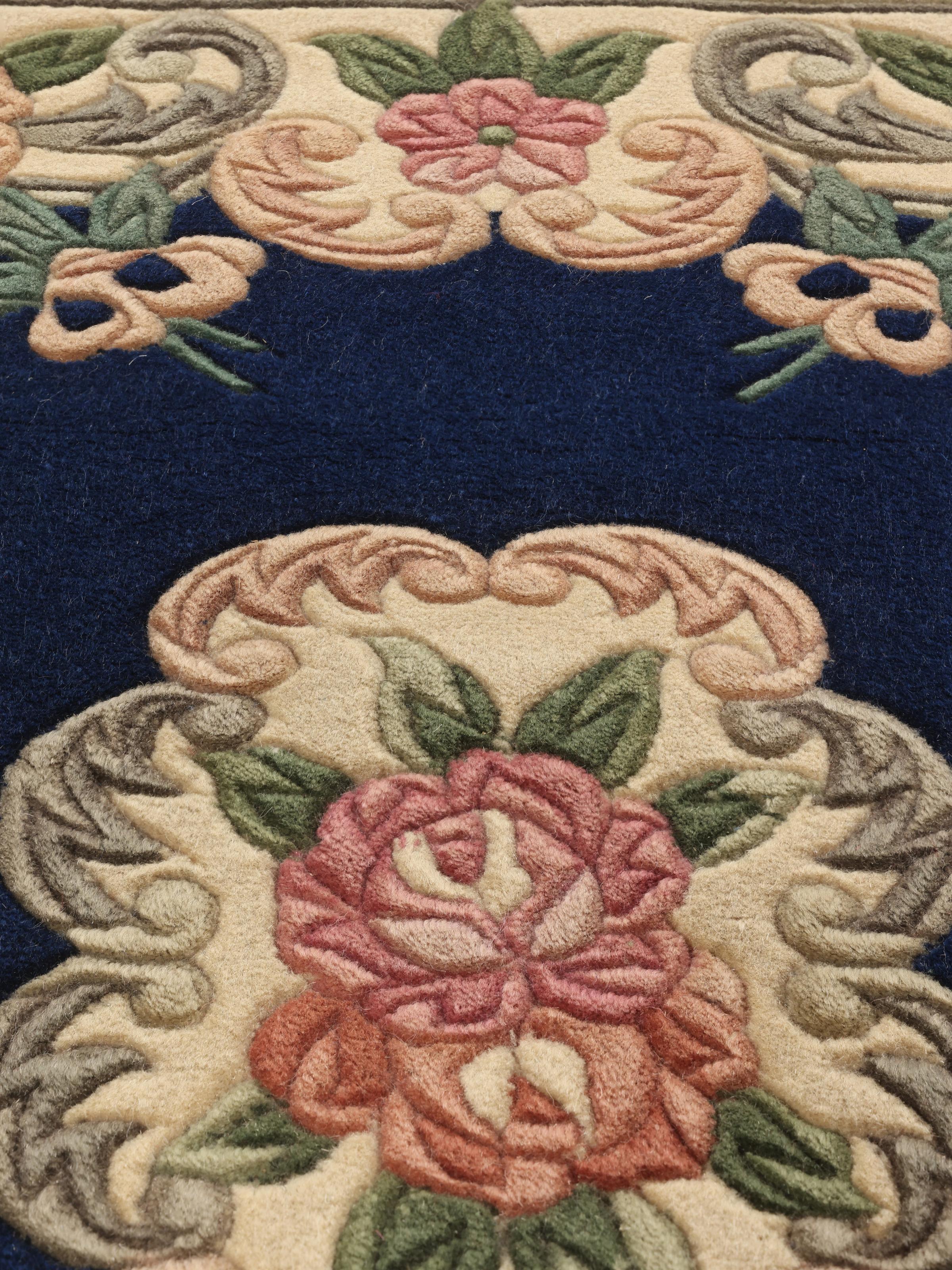
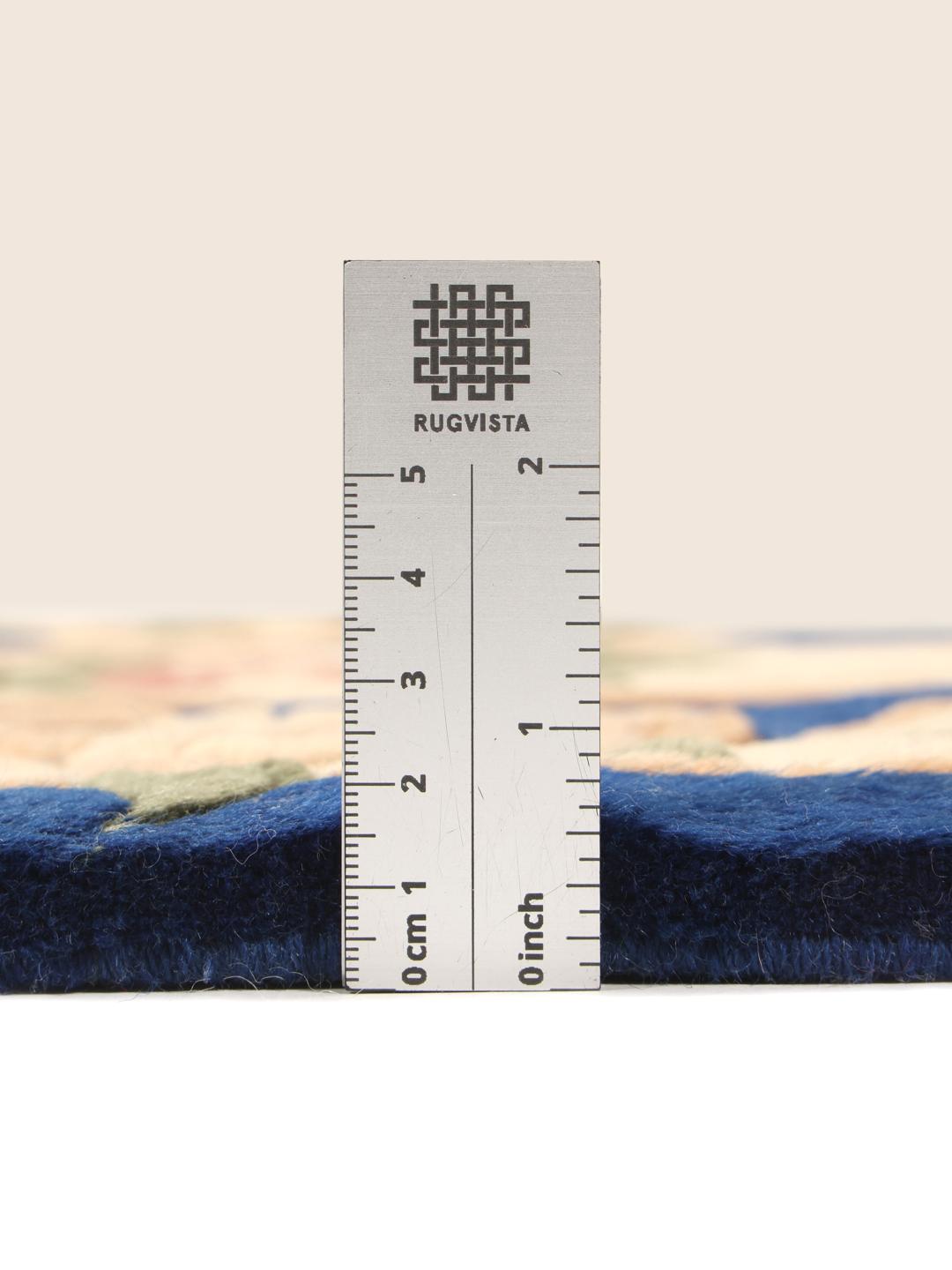
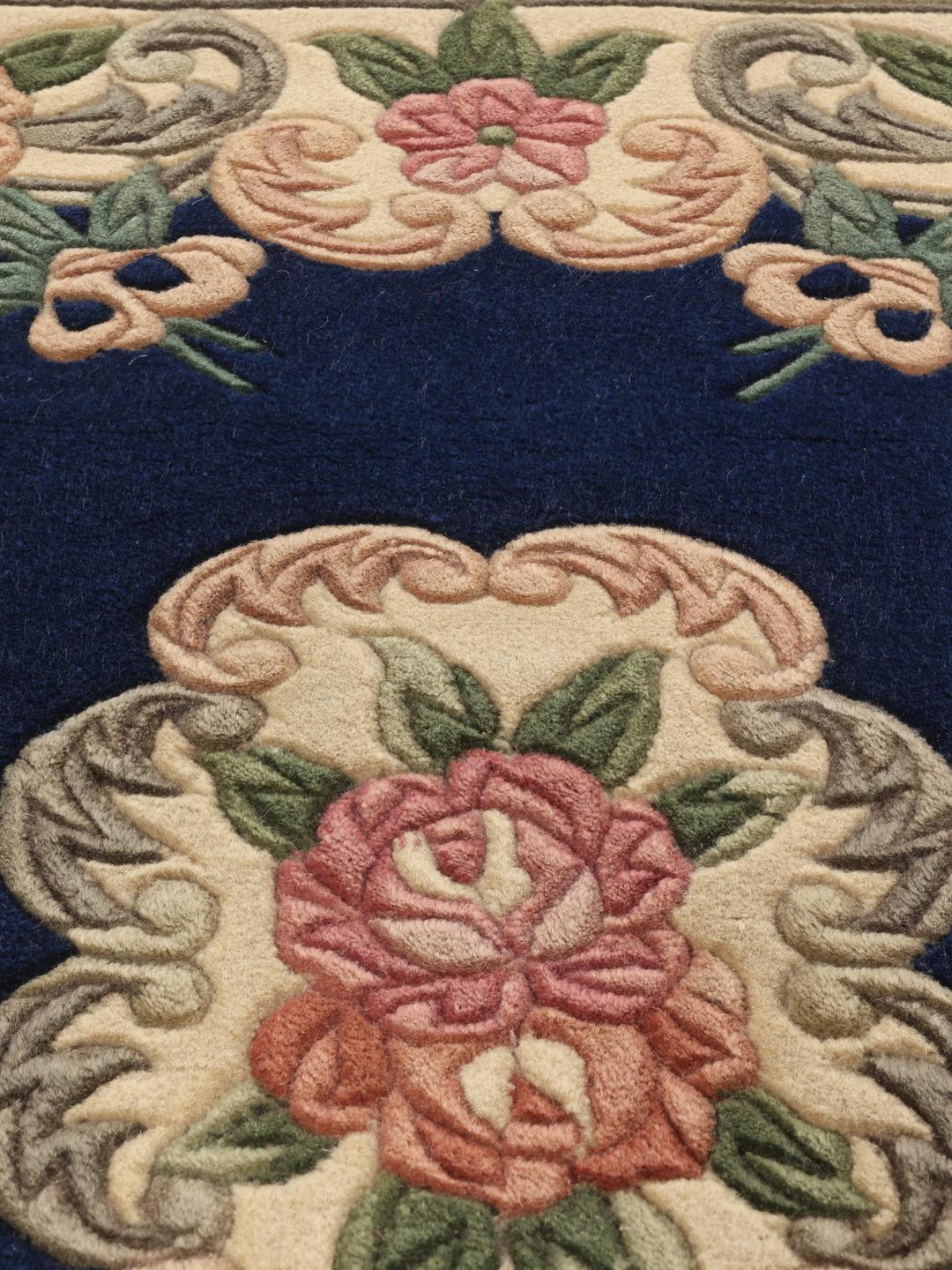
Visually, Chinese rugs are known for their distinct use of negative space and sculptural pile. Artisans often carve the wool around the motifs to create a relief effect, giving the flowers and borders a three-dimensional appearance that defines the category's signature look. This technique highlights the skill involved in bringing patterns to life with depth and clarity.
Collectors value these pieces for their blend of technical precision and artistic expression. Owning a hand-knotted rug from this tradition is an investment in a legacy of craft, representing a bridge between ancient decorative practices and the needs of a modern, comfortable home.