Rugs from China have a storied history that spans centuries, deeply rooted in the artistic traditions of the region. Originally, these pieces were often commissioned for imperial use or temple settings, featuring symbolic motifs that reflected the cultural values and aesthetic preferences of the time. Over the generations, these traditions have evolved, blending historic techniques with refined craftsmanship.
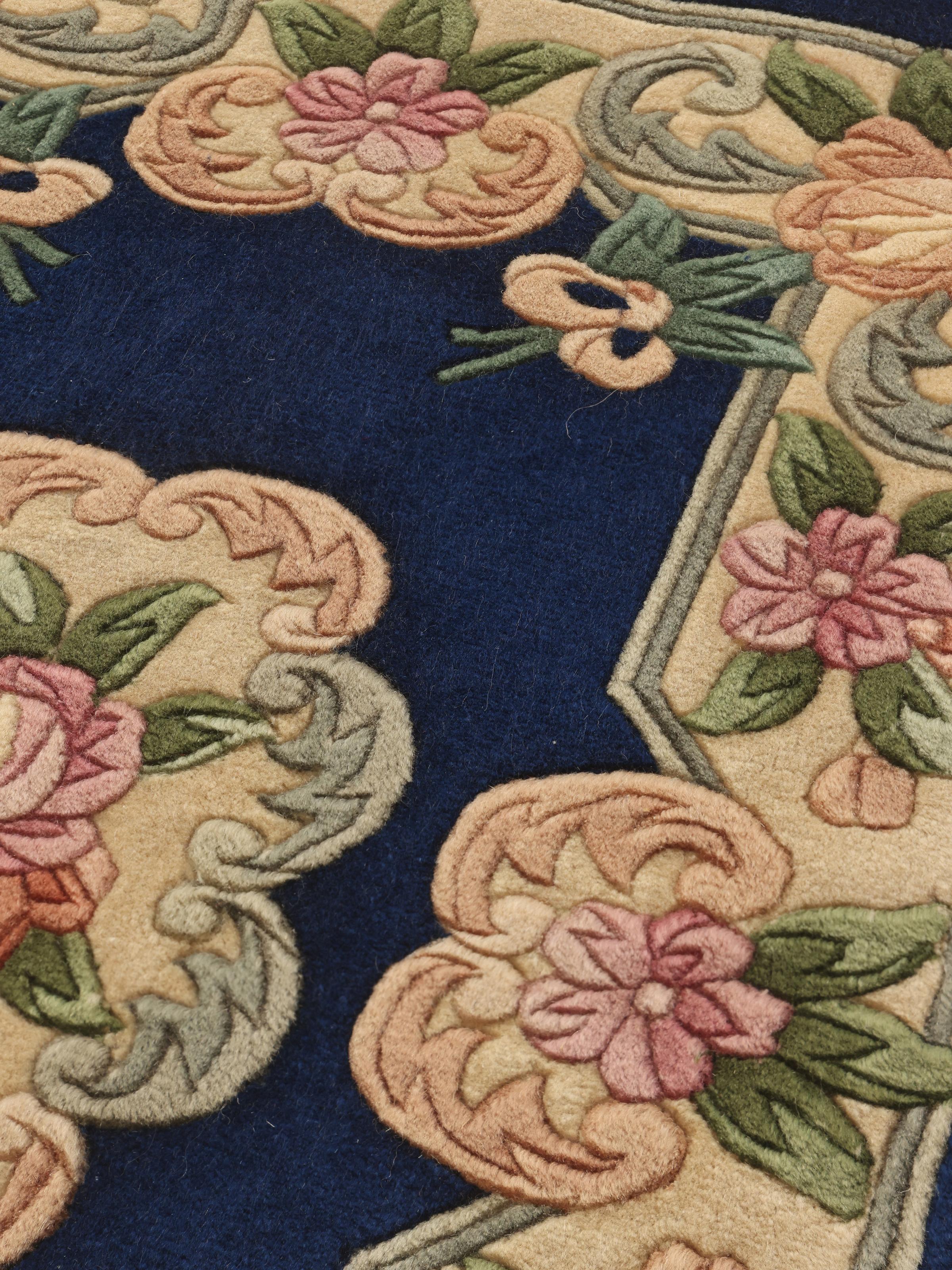
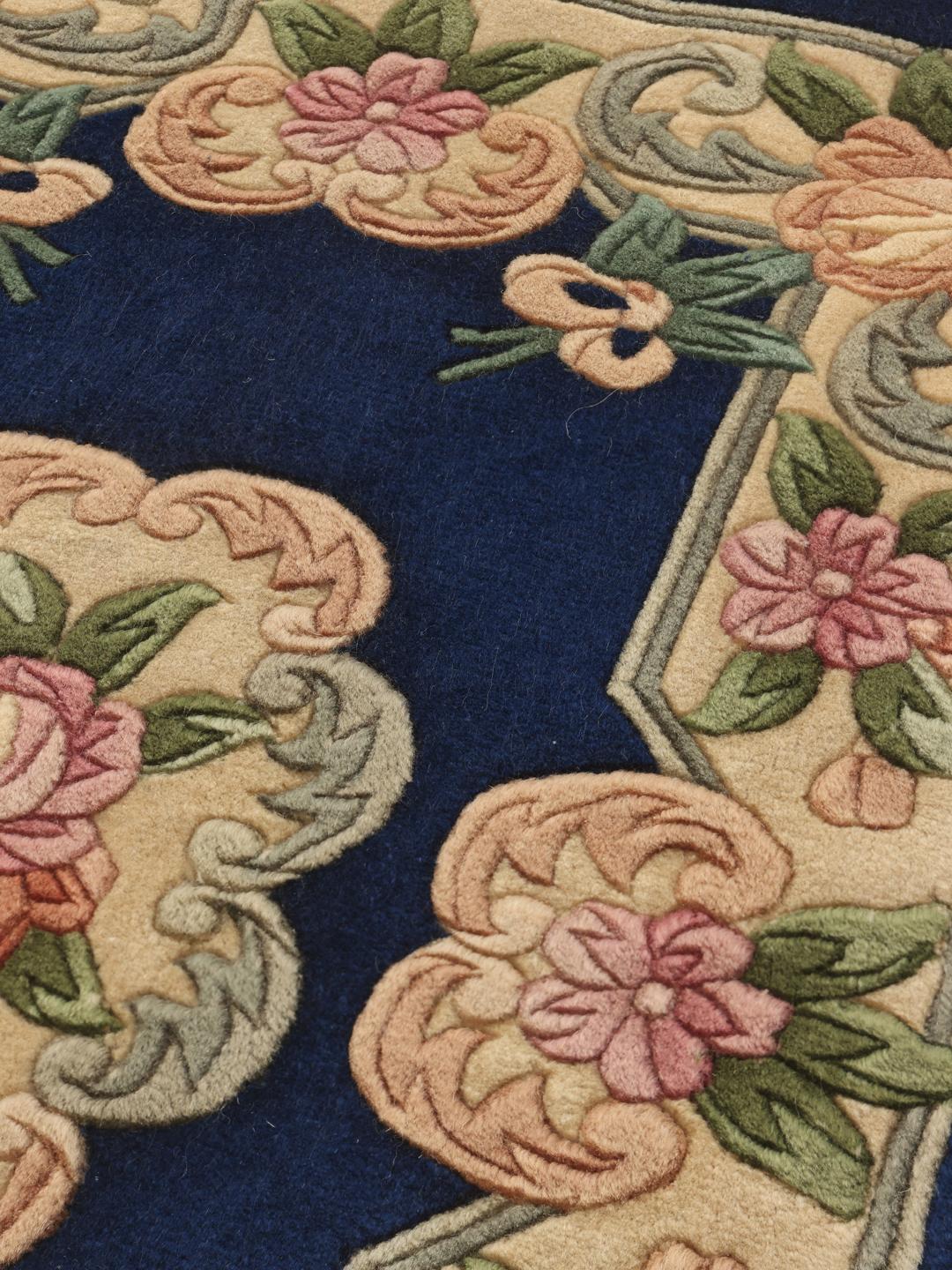
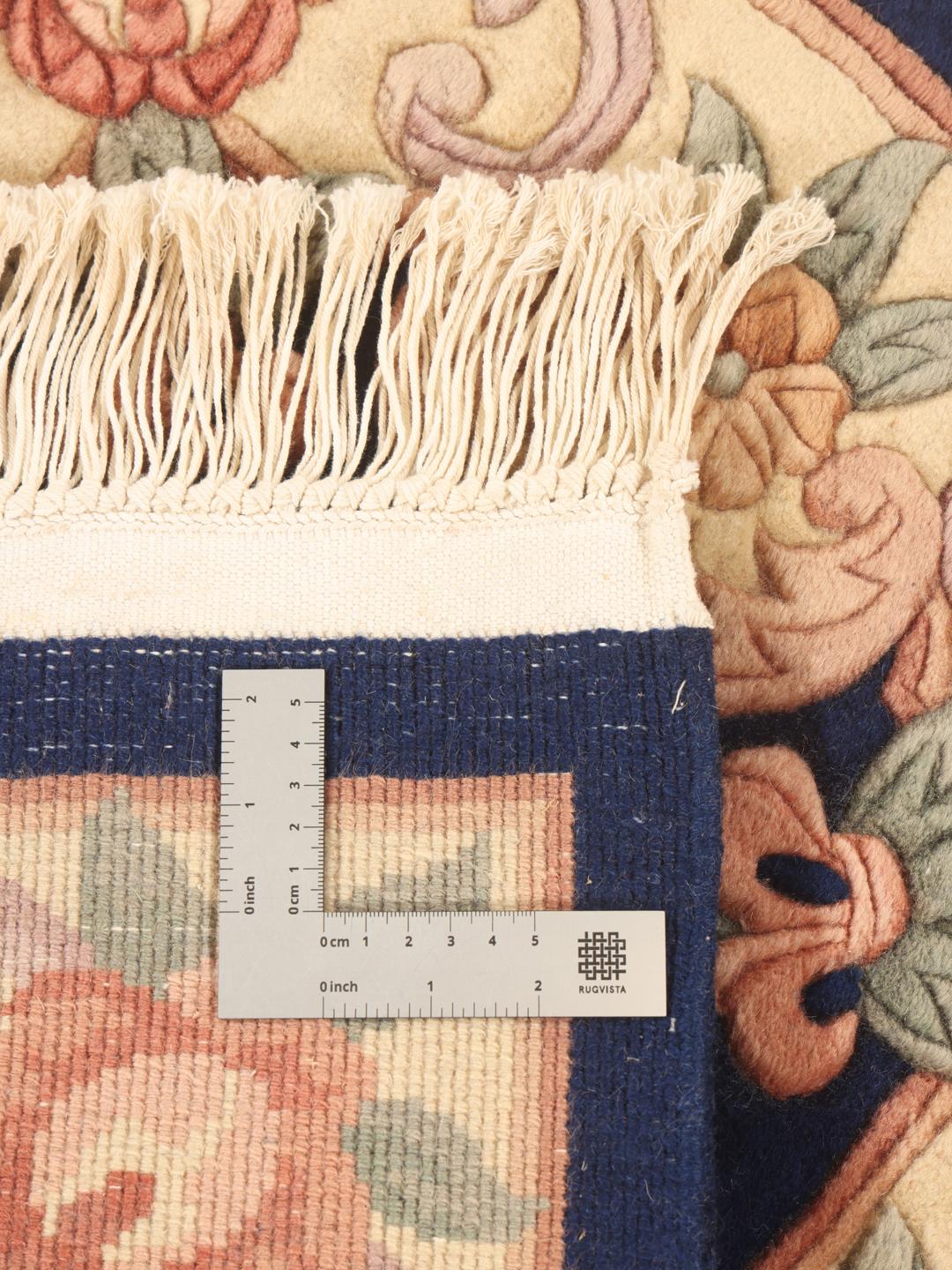
The term '90 Line' refers to a specific technical standard in Chinese rug making, indicating the density of the weave. This measurement is crucial because it dictates the clarity of the design and the robustness of the finished product. A higher line count allows artisans to create more intricate patterns and a denser, more luxurious surface that feels substantial underfoot.
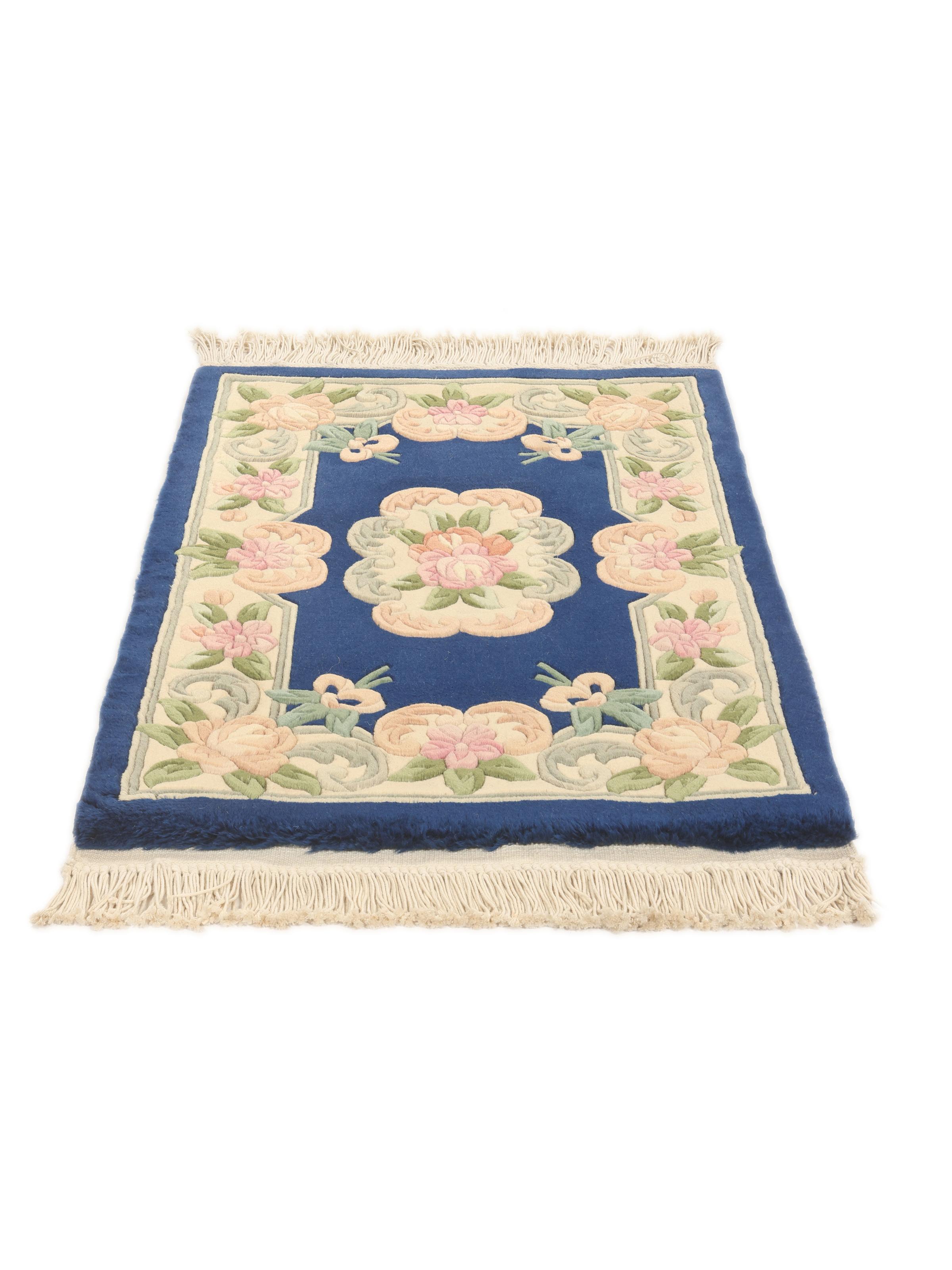
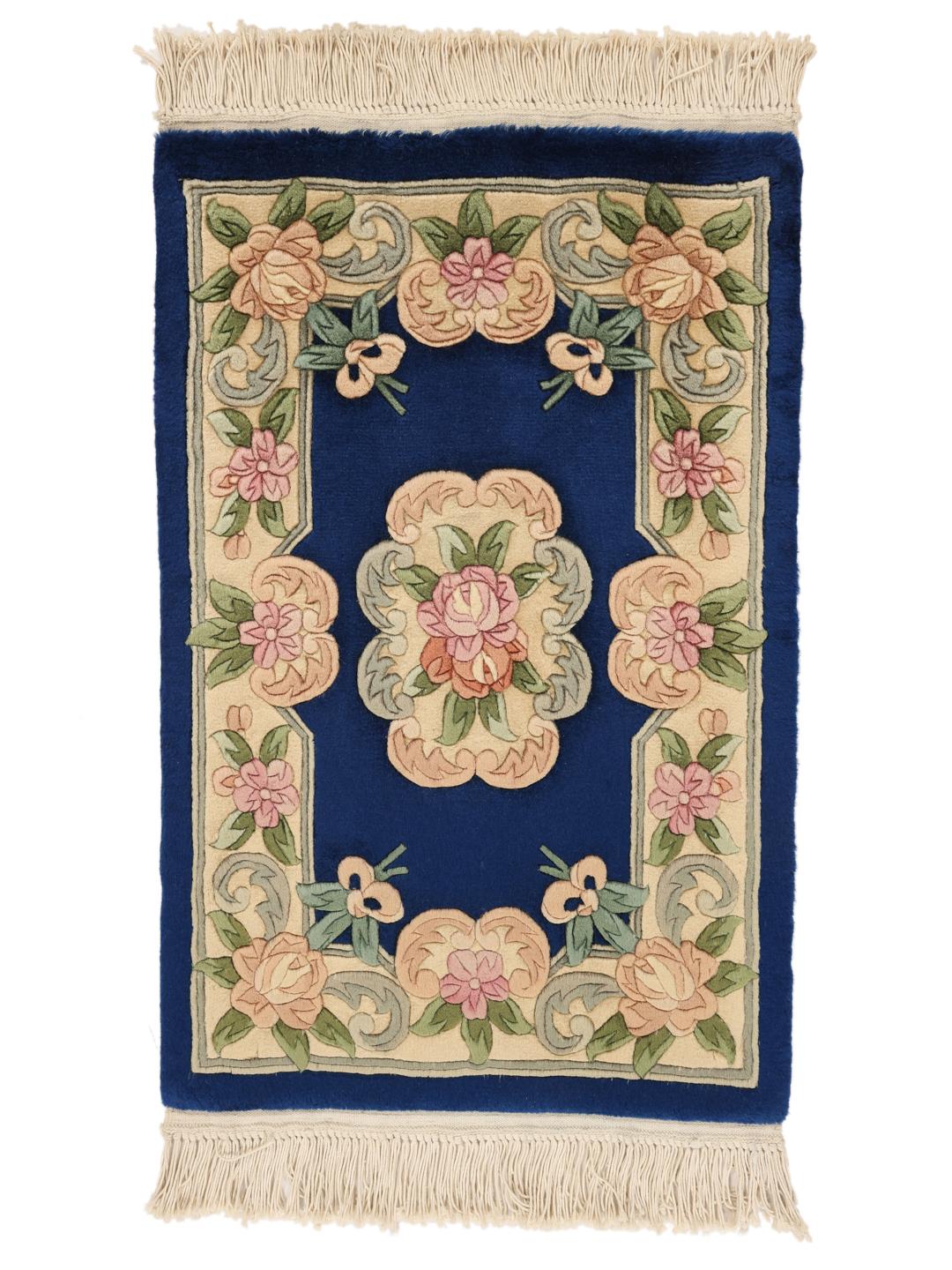
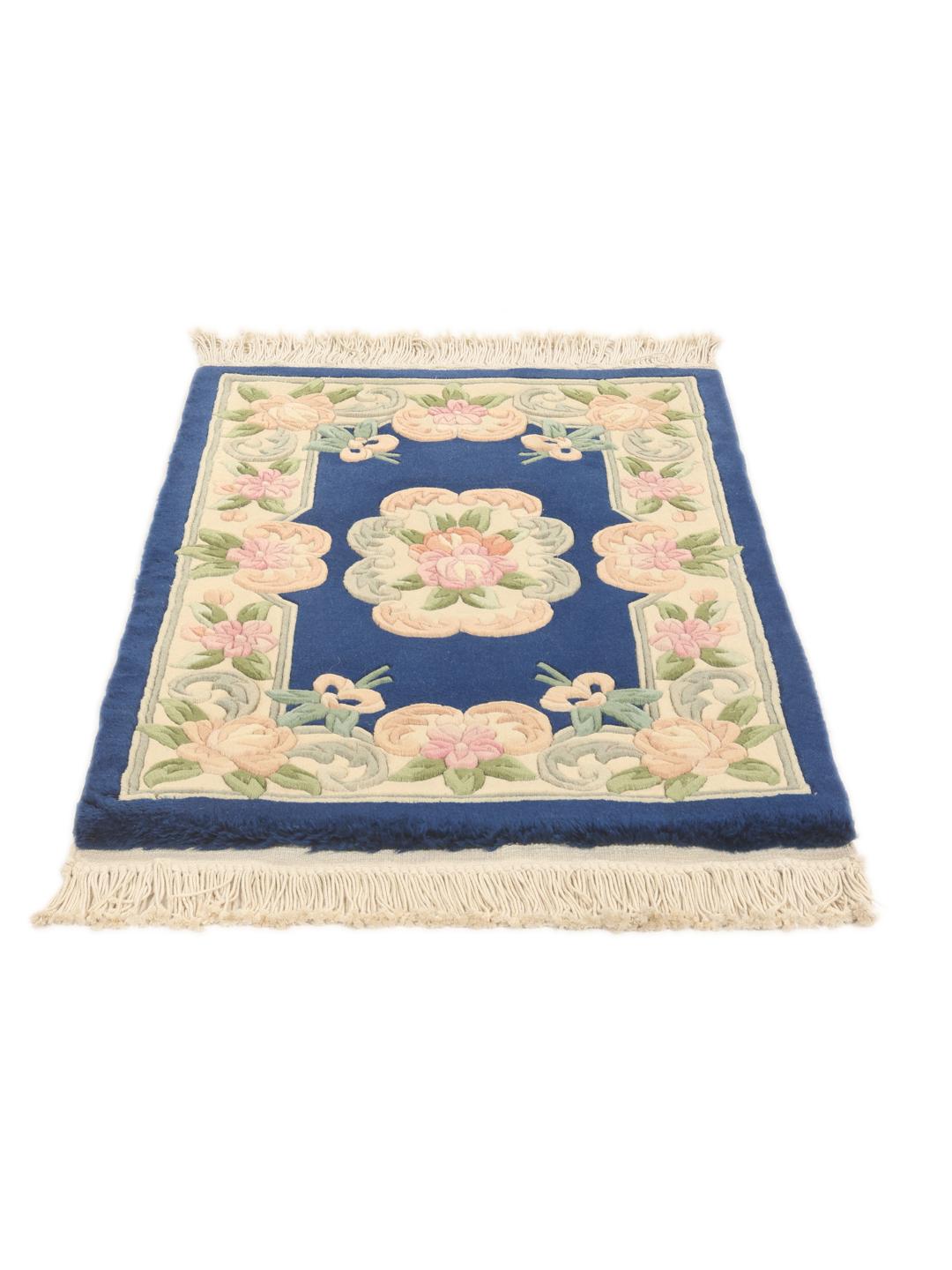
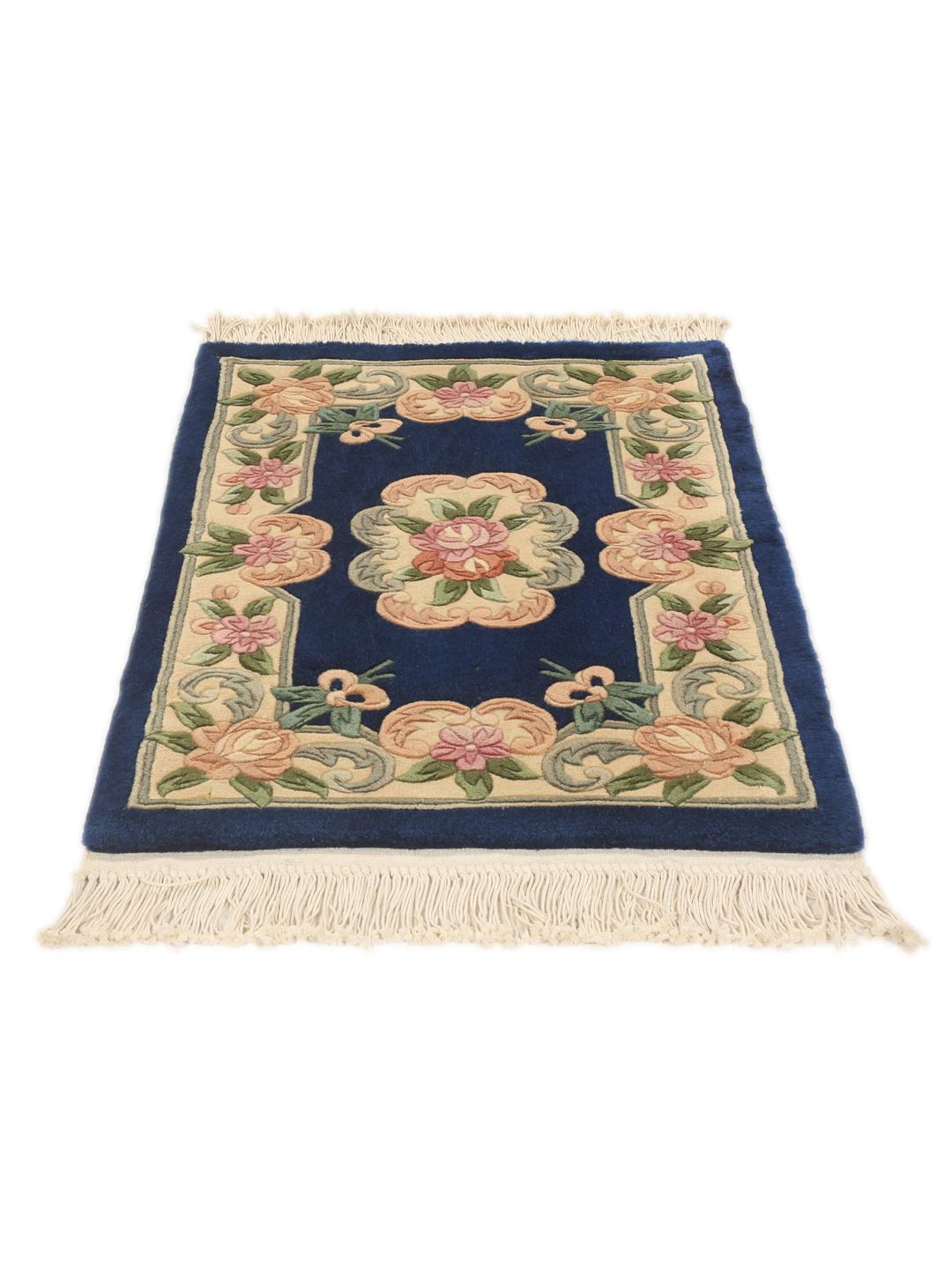
The visual language of these rugs is defined by highly stylized floral patterns and balanced, symmetrical layouts. You will often see blossoms, leaves, and scrolling vines that create a harmonious field, typically framed by a decorative border. The use of vibrant yet sophisticated colour palettes is a hallmark of this tradition, designed to bring a sense of order and natural beauty into the interior space.
Today, these rugs are highly valued by collectors and enthusiasts who appreciate the skill required to produce them by hand. Owning a piece from this tradition is a testament to a long-standing heritage of craftsmanship. It represents a commitment to quality and a respect for the time-honoured methods that continue to define the artistry of Chinese rug making.