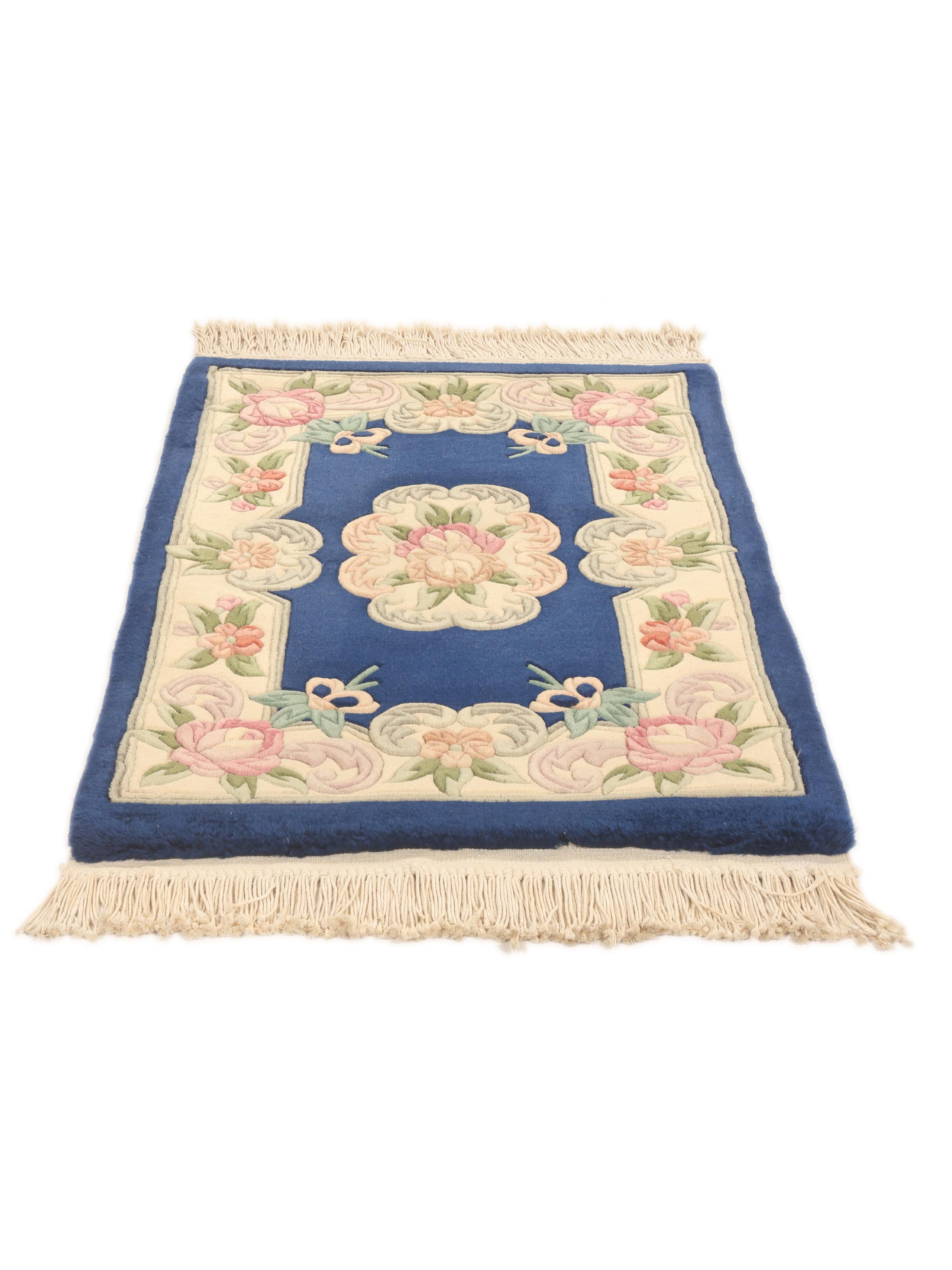
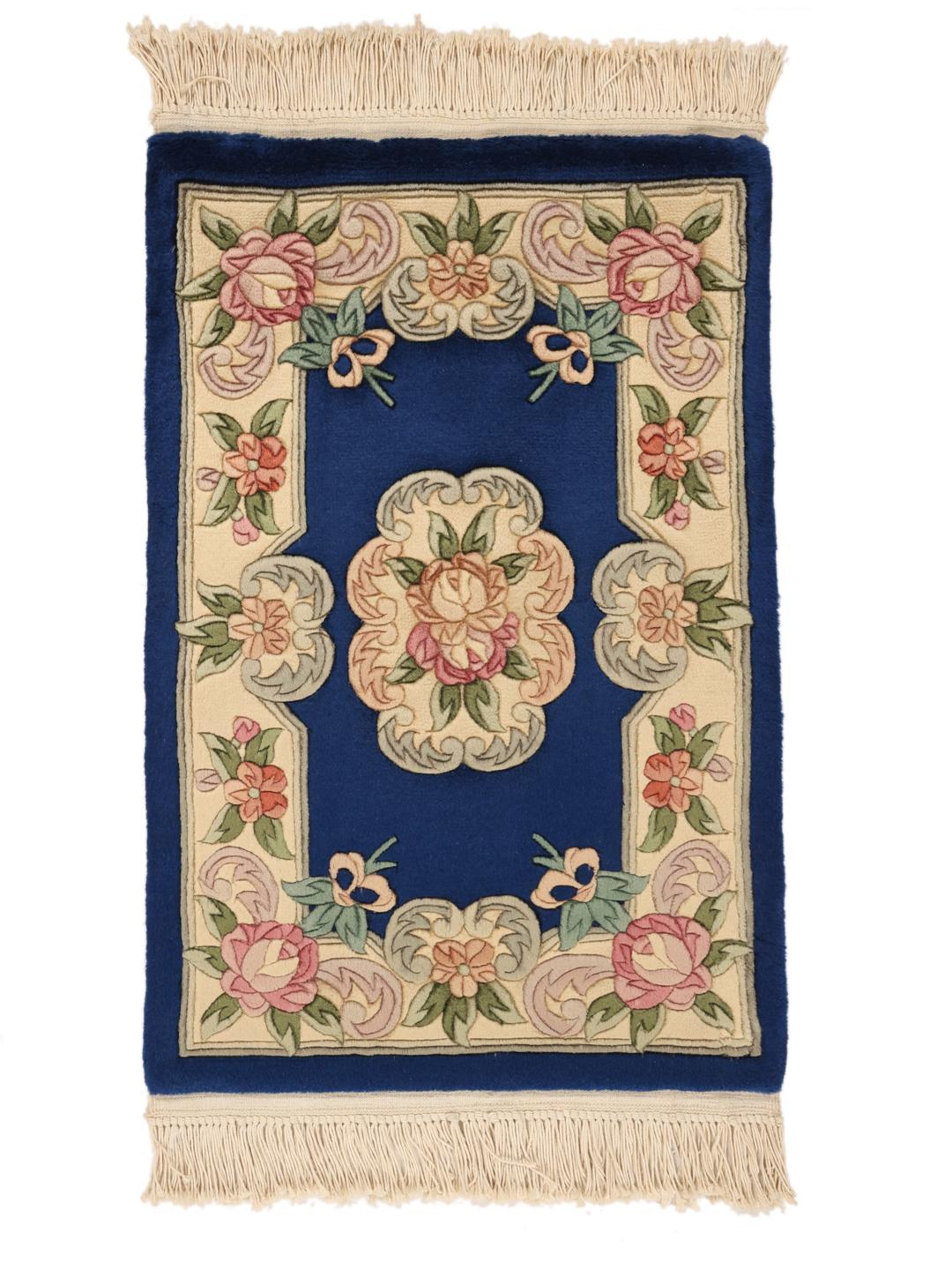
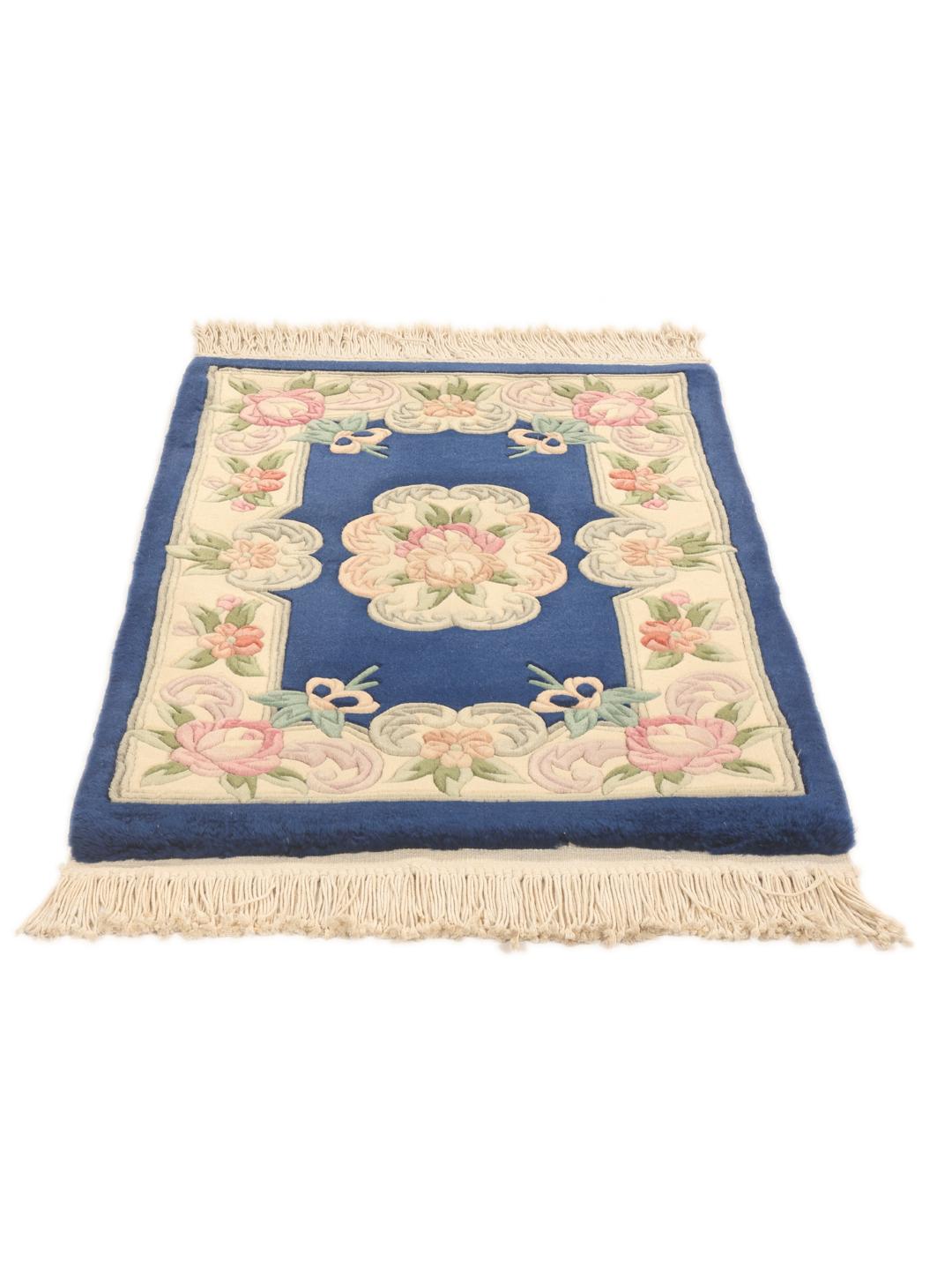
Chinese rug traditions have long been celebrated for their distinct aesthetic, which often blends symbolic floral motifs with a sophisticated use of colour. Historically, these rugs were influenced by both imperial court styles and traditional silk weaving, leading to the development of unique designs that prioritise balance, clarity, and elegance.
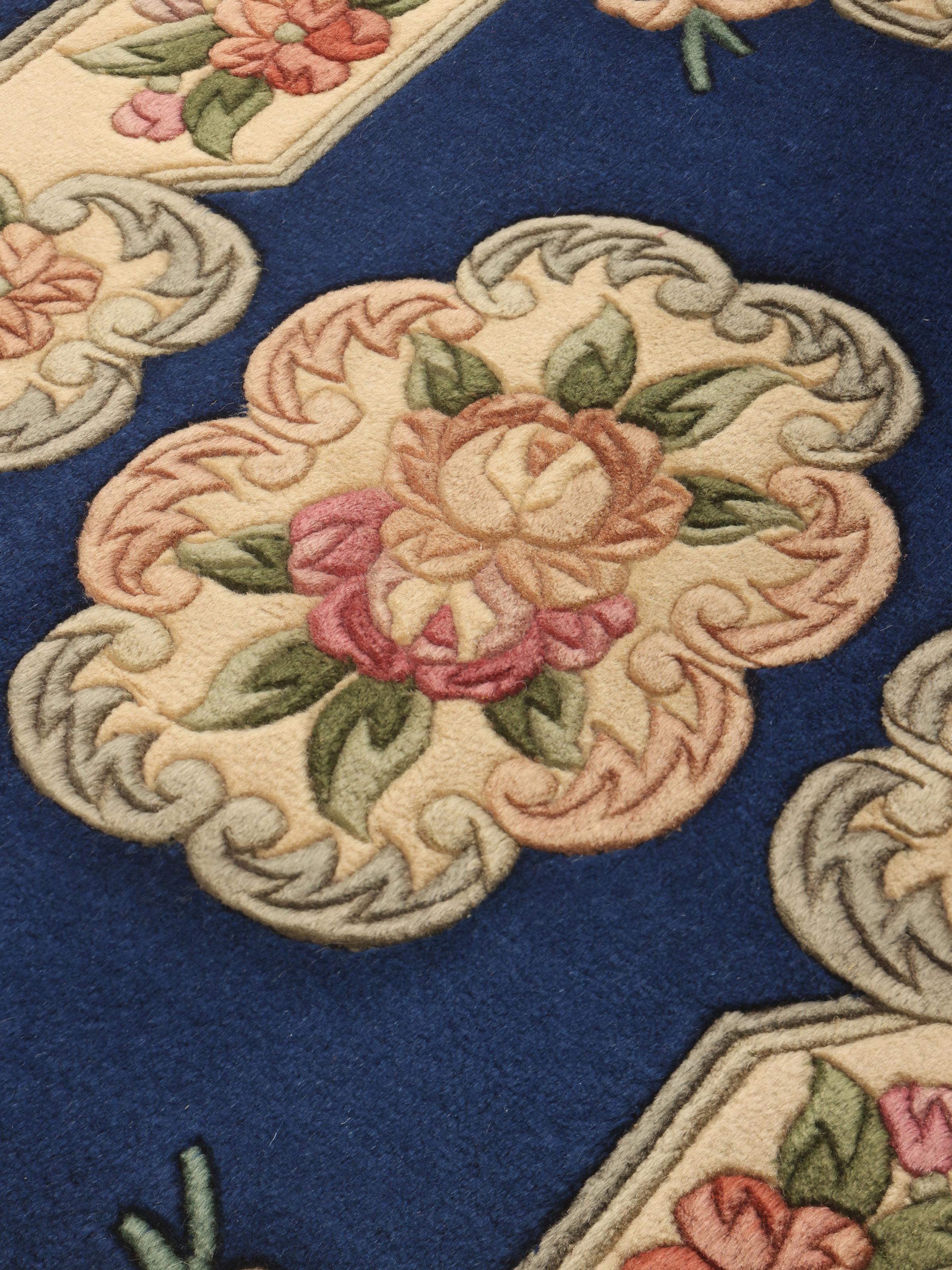
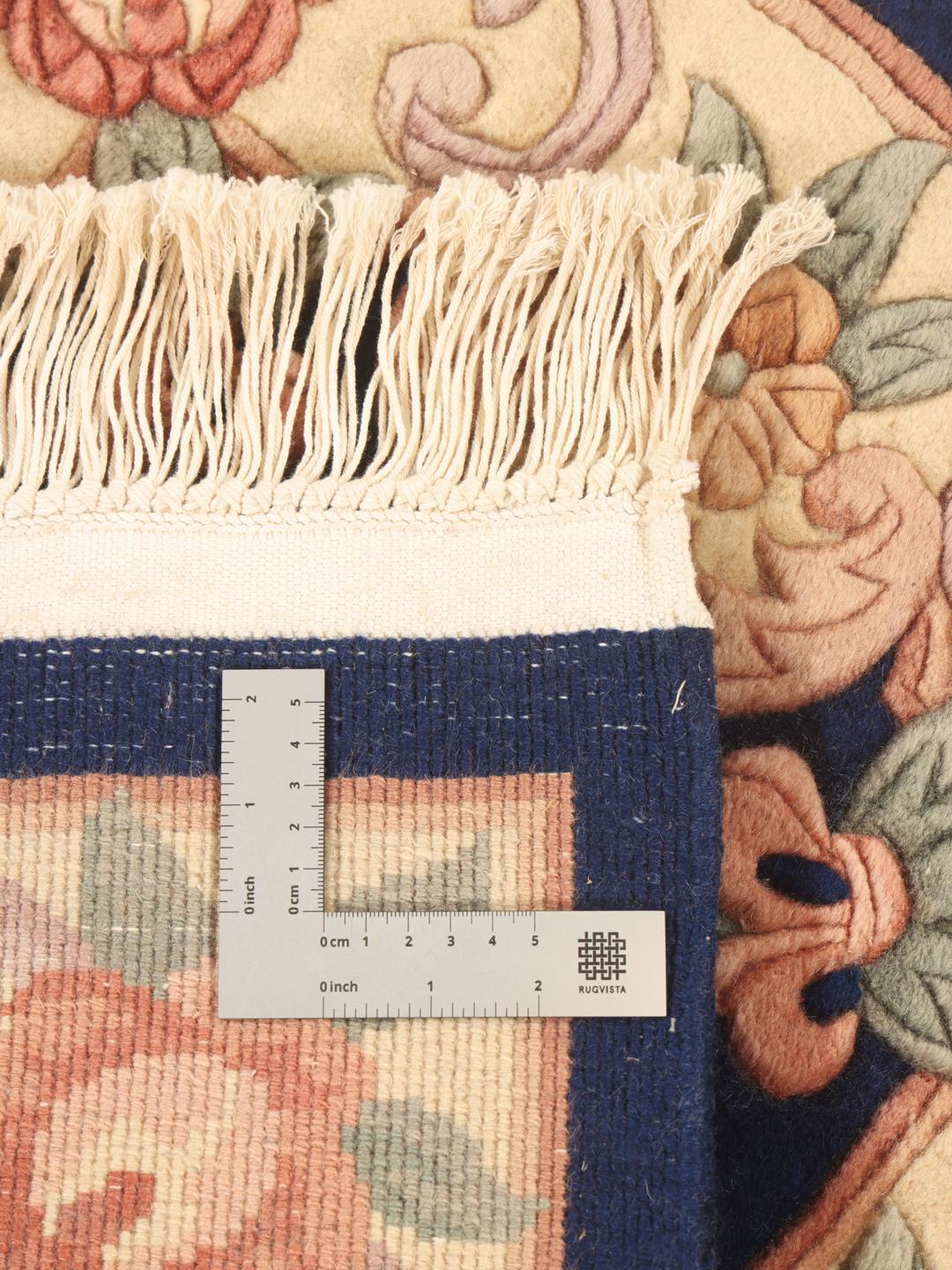
The 90 Line classification refers to a specific, traditional method of measuring the fineness of the weave. This technical standard has been used for generations to ensure consistent quality and density, allowing weavers to create intricate patterns that remain clear and defined over time. Understanding this standard helps highlight the level of skill required to produce such a refined piece.
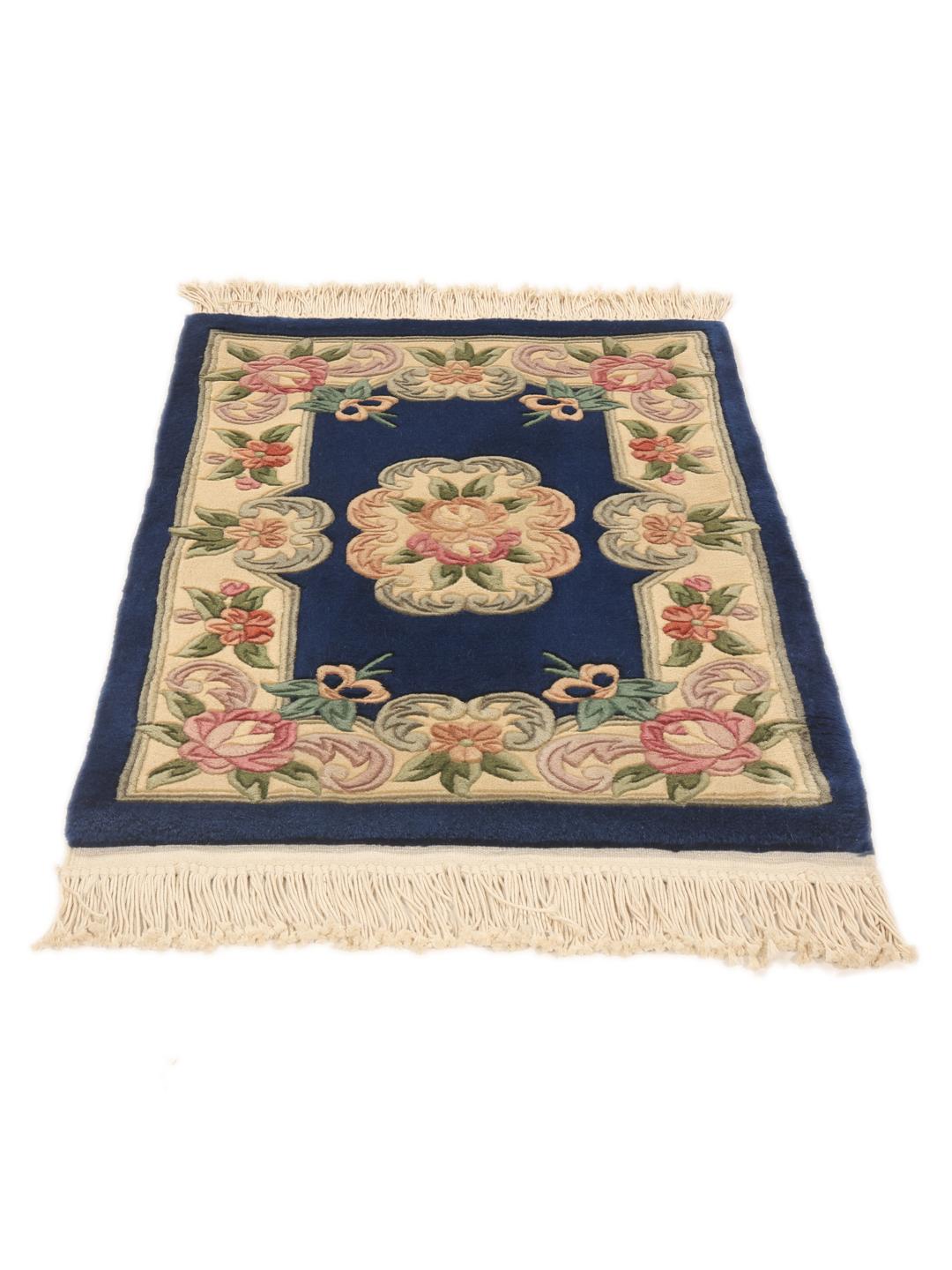
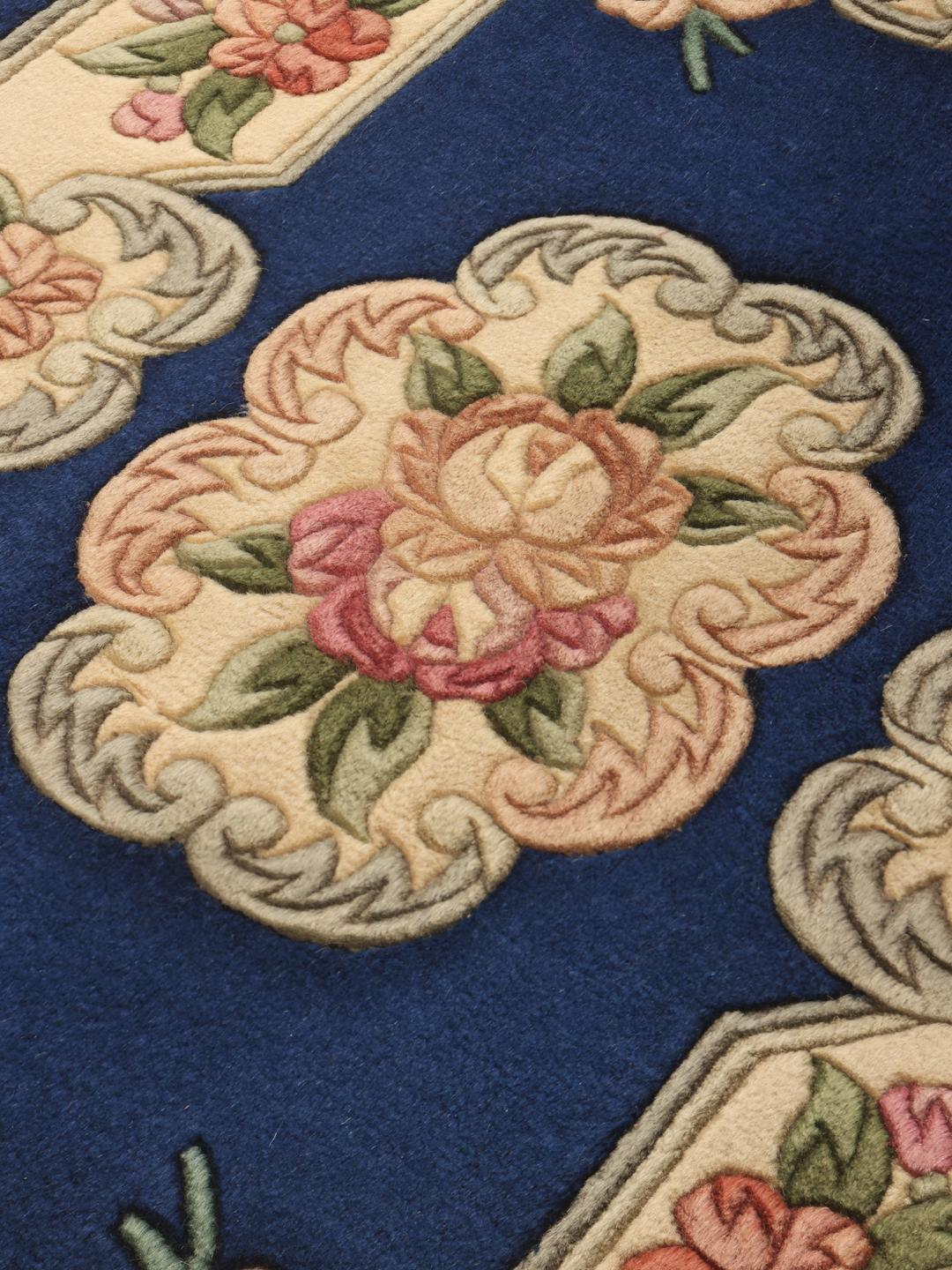
Floral patterns in this tradition are more than just decorative elements. They often carry deep cultural significance, with various blossoms representing seasonal cycles, prosperity, or good fortune. The ornate borders and centred medallions seen here are hallmarks of this style, framing the field in a way that draws the eye toward the central artistry.
Collecting rugs from this tradition is a way to connect with a rich history of craftsmanship that spans centuries. These pieces are valued not only for their beauty but for the human effort and cultural heritage they represent. By bringing this rug into your home, you are continuing a legacy of appreciation for fine, handmade goods.