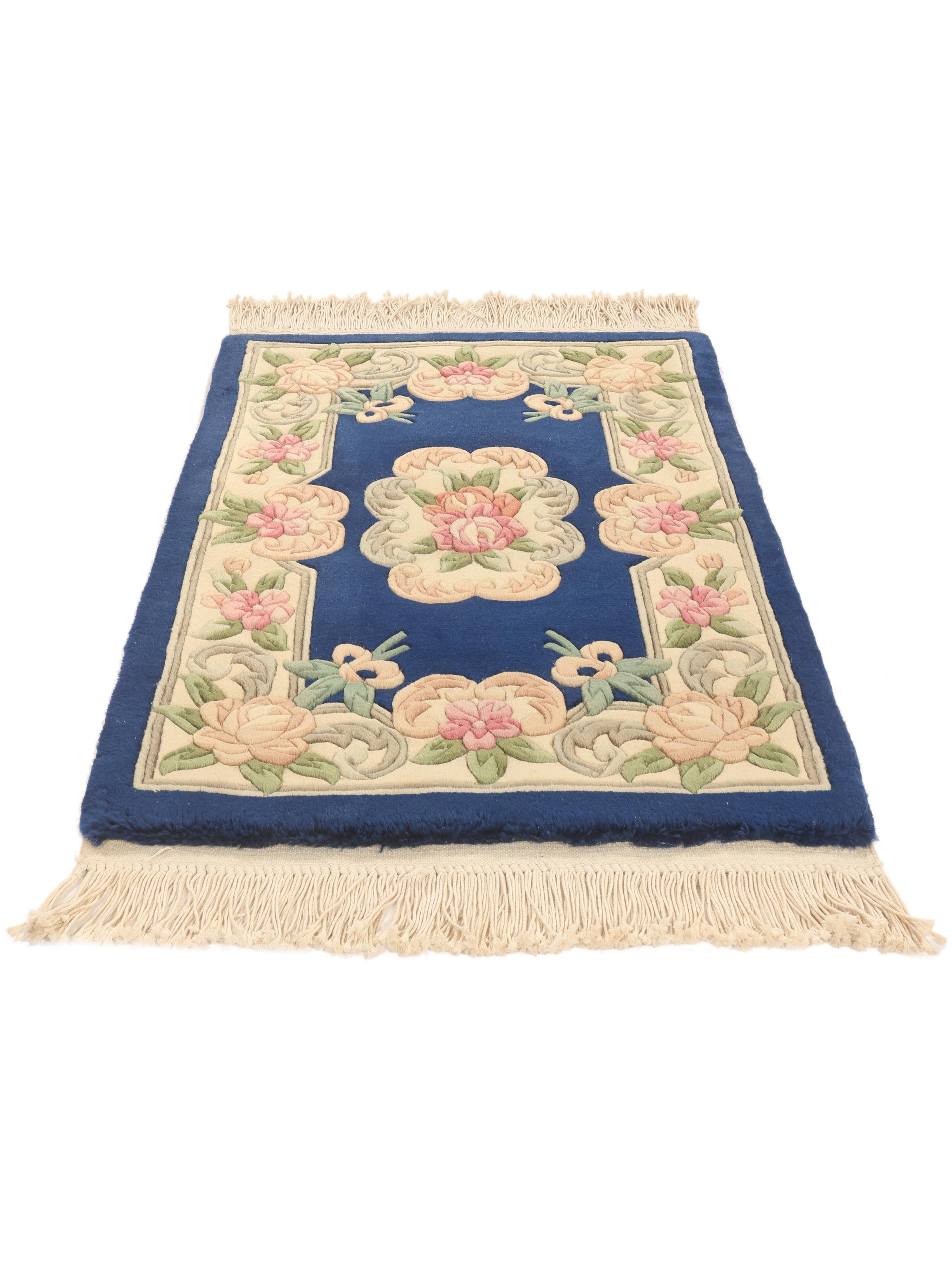
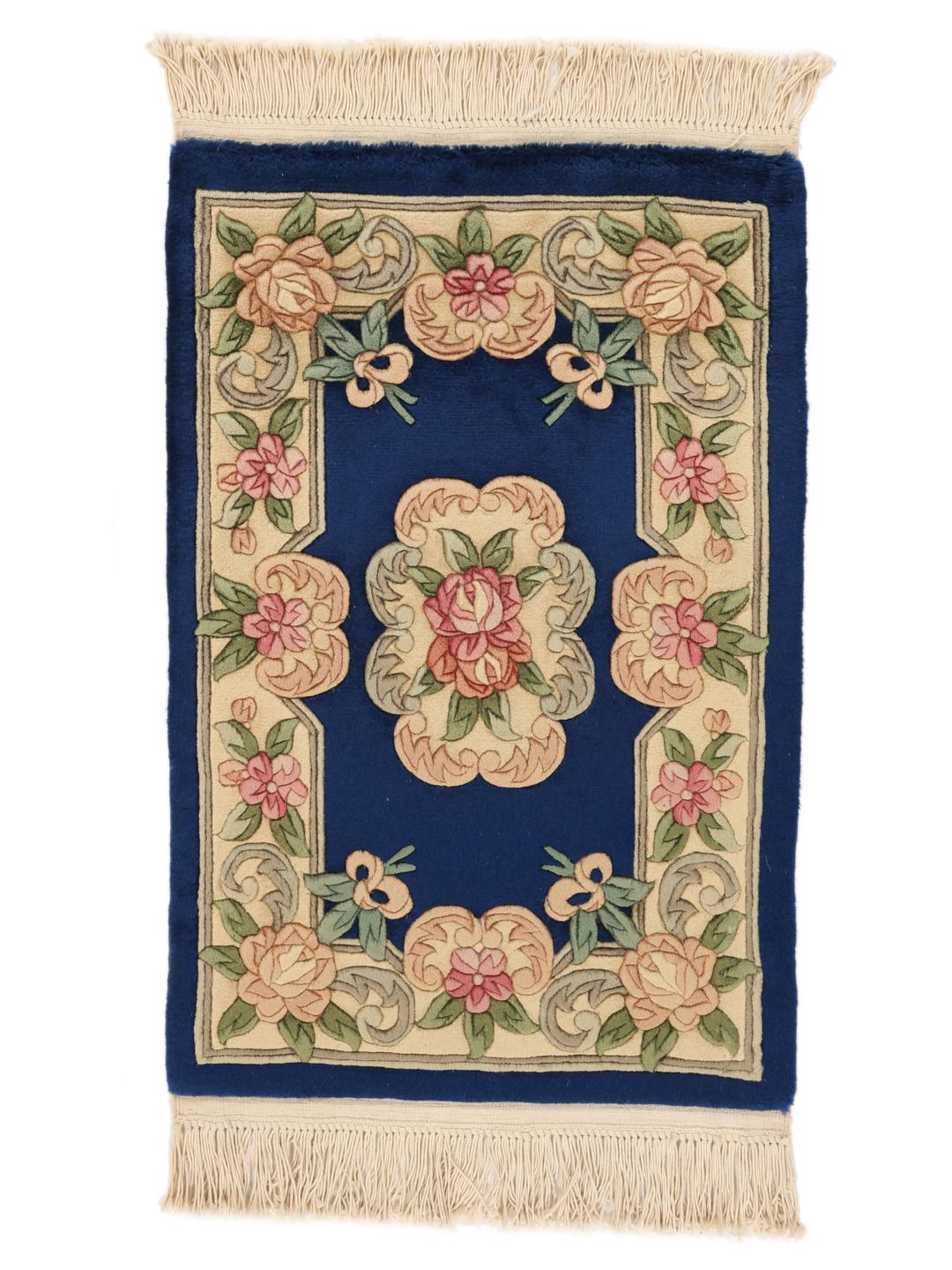
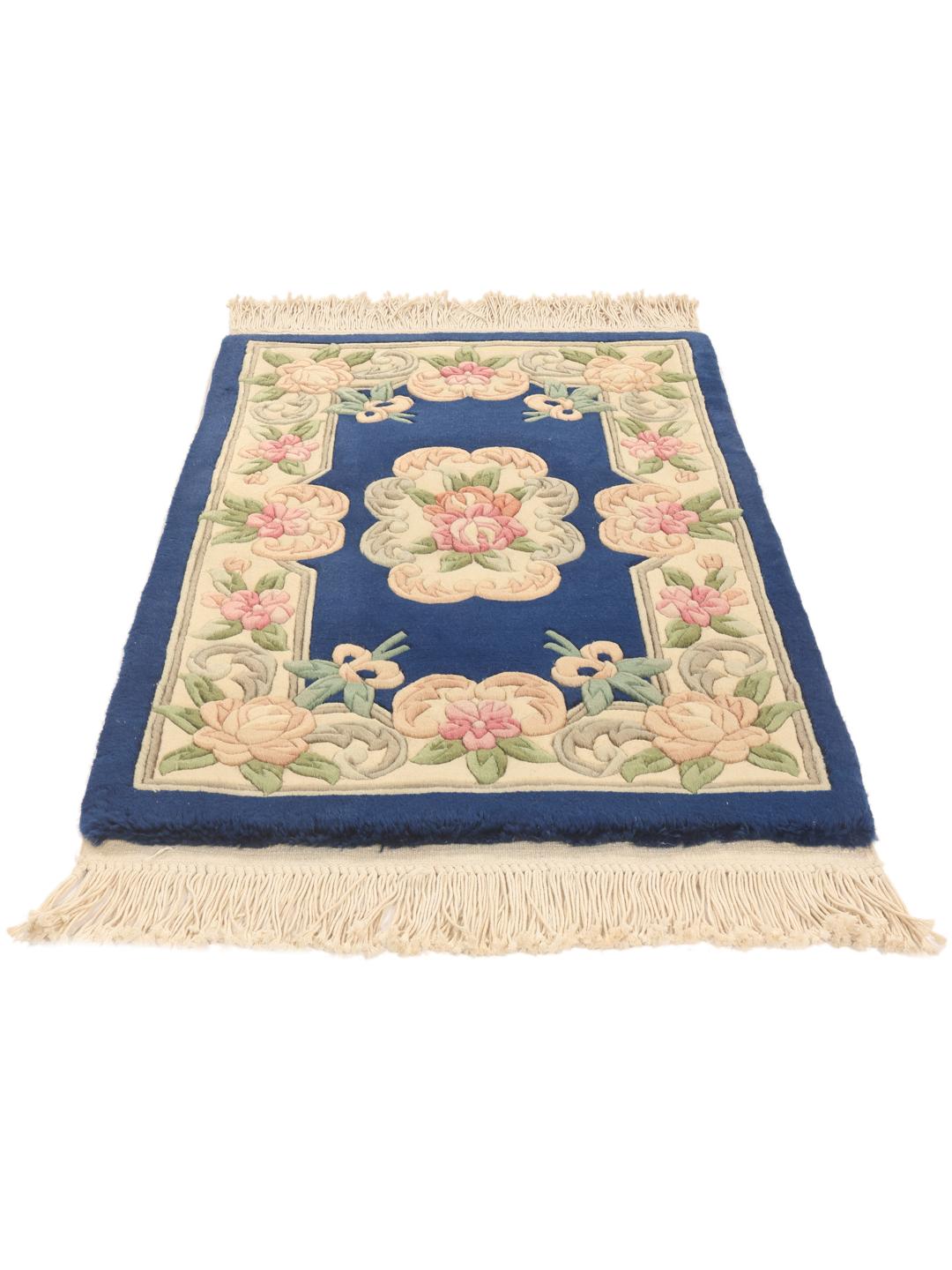
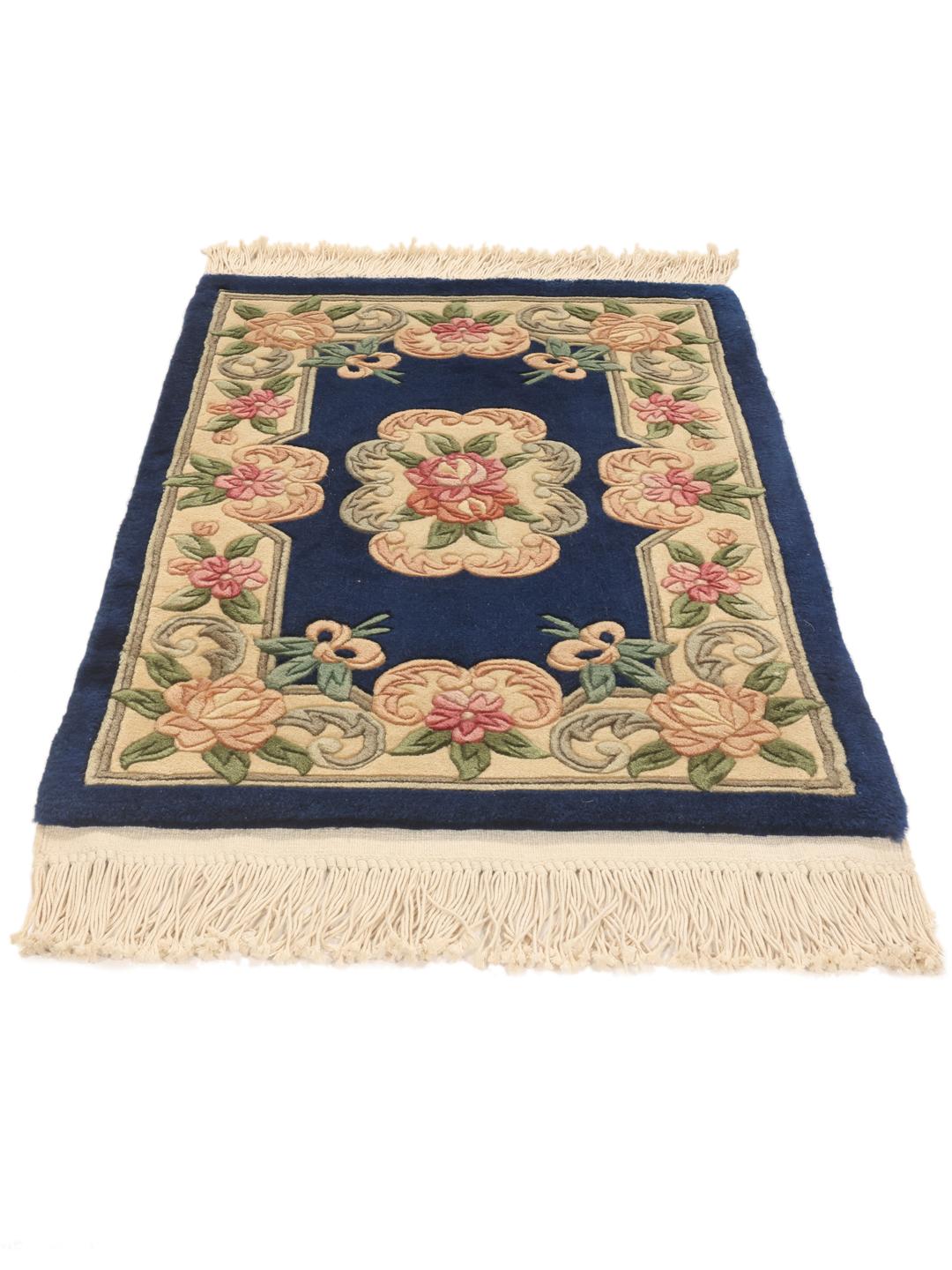
Chinese rug weaving has a history that spans over two thousand years, rooted in the cultural traditions of the Middle East and East Asia. Historically, these rugs were often commissioned for imperial palaces and temples, serving as symbols of status and artistic achievement. Over the centuries, the craft evolved to incorporate local aesthetics, blending traditional floral motifs with the distinct colour palettes that have become hallmarks of the region's output.
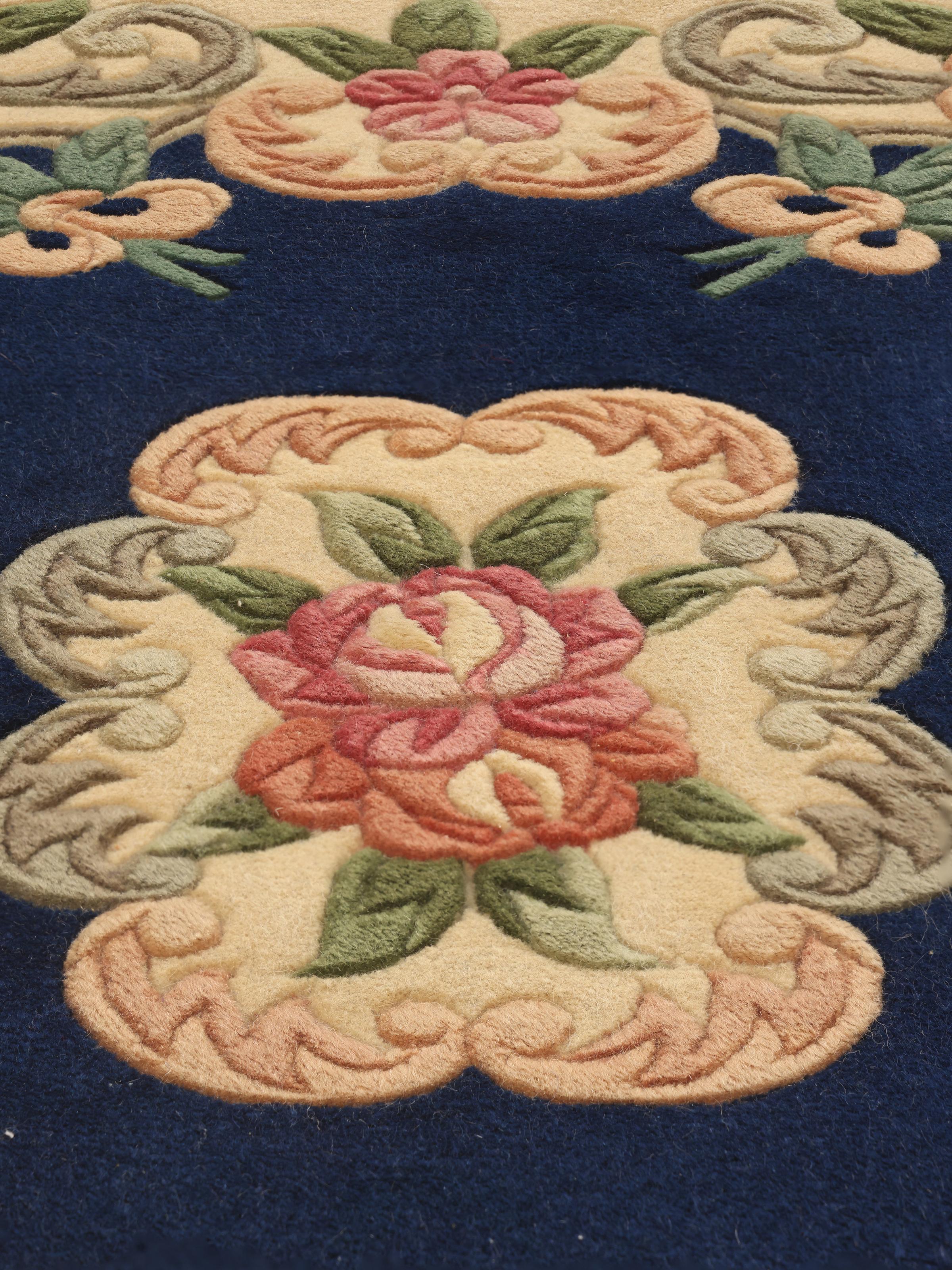
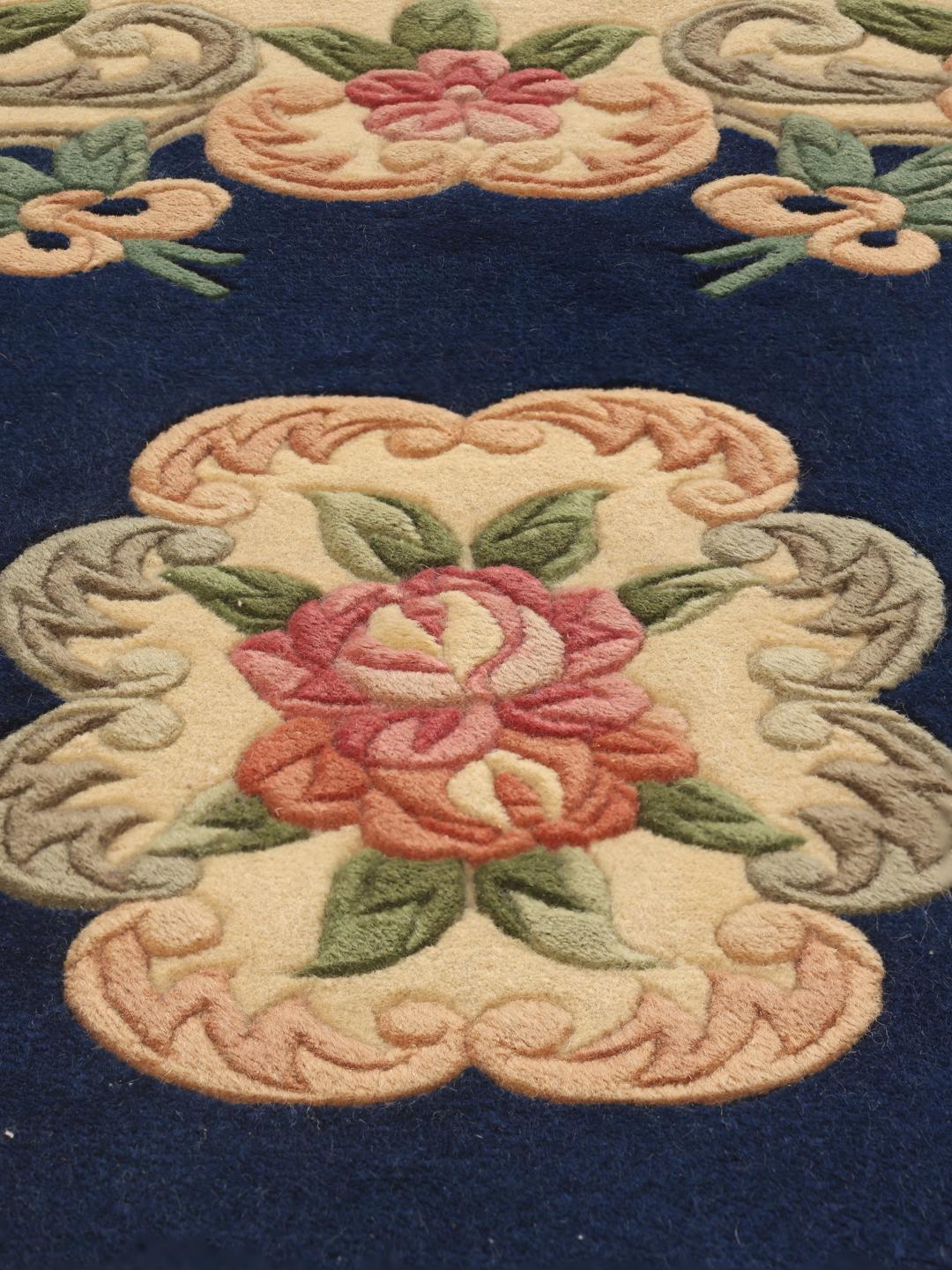
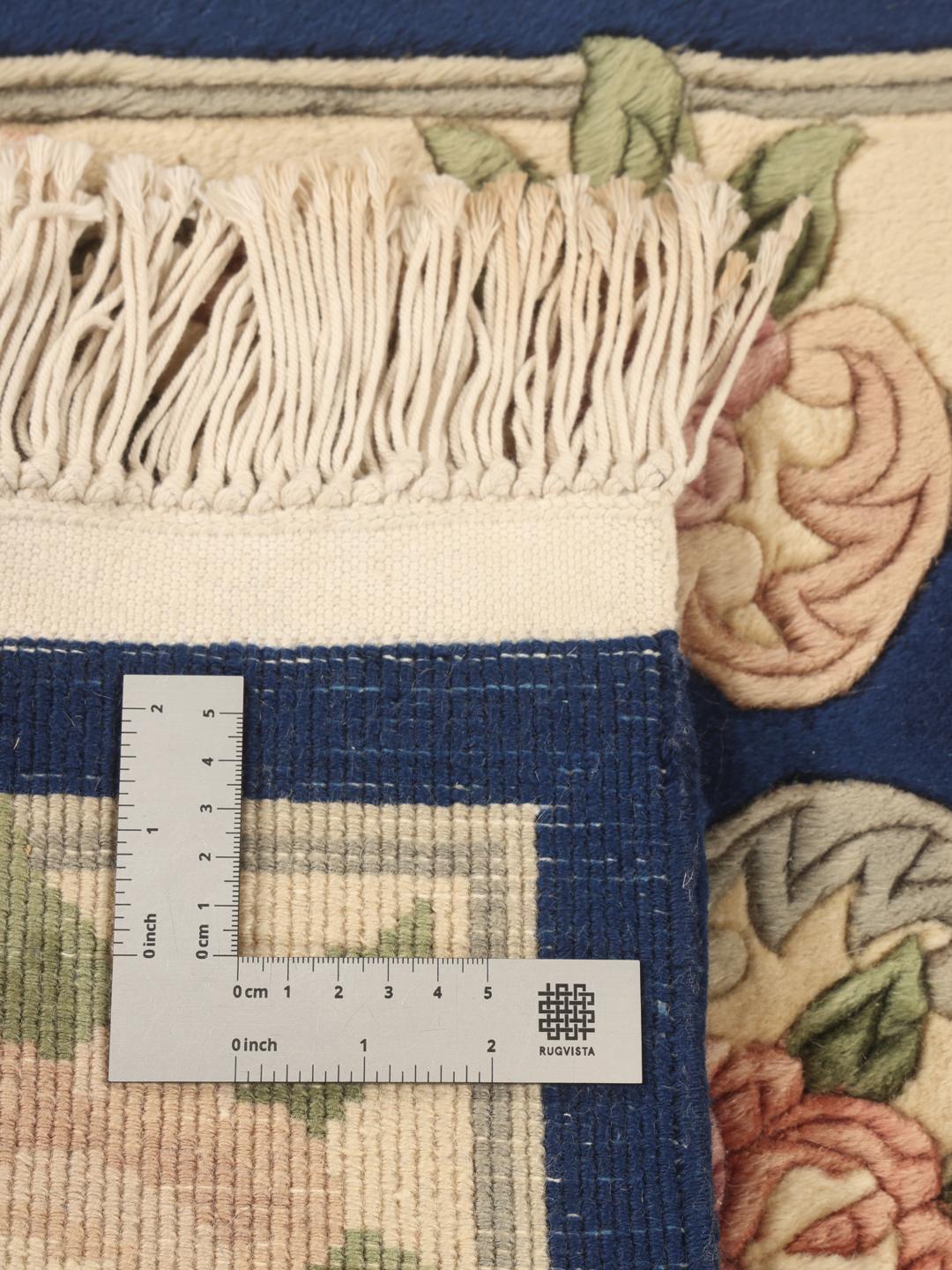
The term '90 line' refers to a specific traditional measurement system used in China to denote the density of the weave. This measurement relates to the number of knots across a specific width, directly influencing the clarity of the patterns and the overall resilience of the pile. A higher line count indicates a more refined and dense surface, providing a smooth, consistent texture that is synonymous with the quality expected from this specific regional tradition.
Chinese rugs are famously characterised by their use of open fields and asymmetrical, nature-inspired motifs. Unlike the dense, all-over patterns seen in other traditions, these rugs often feature floating floral sprays, butterflies, or symbolic objects that appear to drift across the surface. The borders are typically formal and balanced, providing a quiet frame that allows the central design to breathe and remain the focal point of the composition.
Collectors value these rugs for their unique balance of decorative elegance and historical continuity. Owning a piece from this tradition is an investment in a storied craft that prioritises both aesthetic grace and structural integrity. These rugs are not simply floor coverings; they are cultural artefacts that offer a glimpse into a long-standing artistic heritage, providing an authentic sense of warmth and character to the modern home.