The history of rug making in China is a long and storied tradition that has evolved significantly over the centuries. While early Chinese rugs were often designed for temples or palaces, the craft has adapted over time to incorporate a broader range of floral and artistic motifs that resonate with international design tastes.
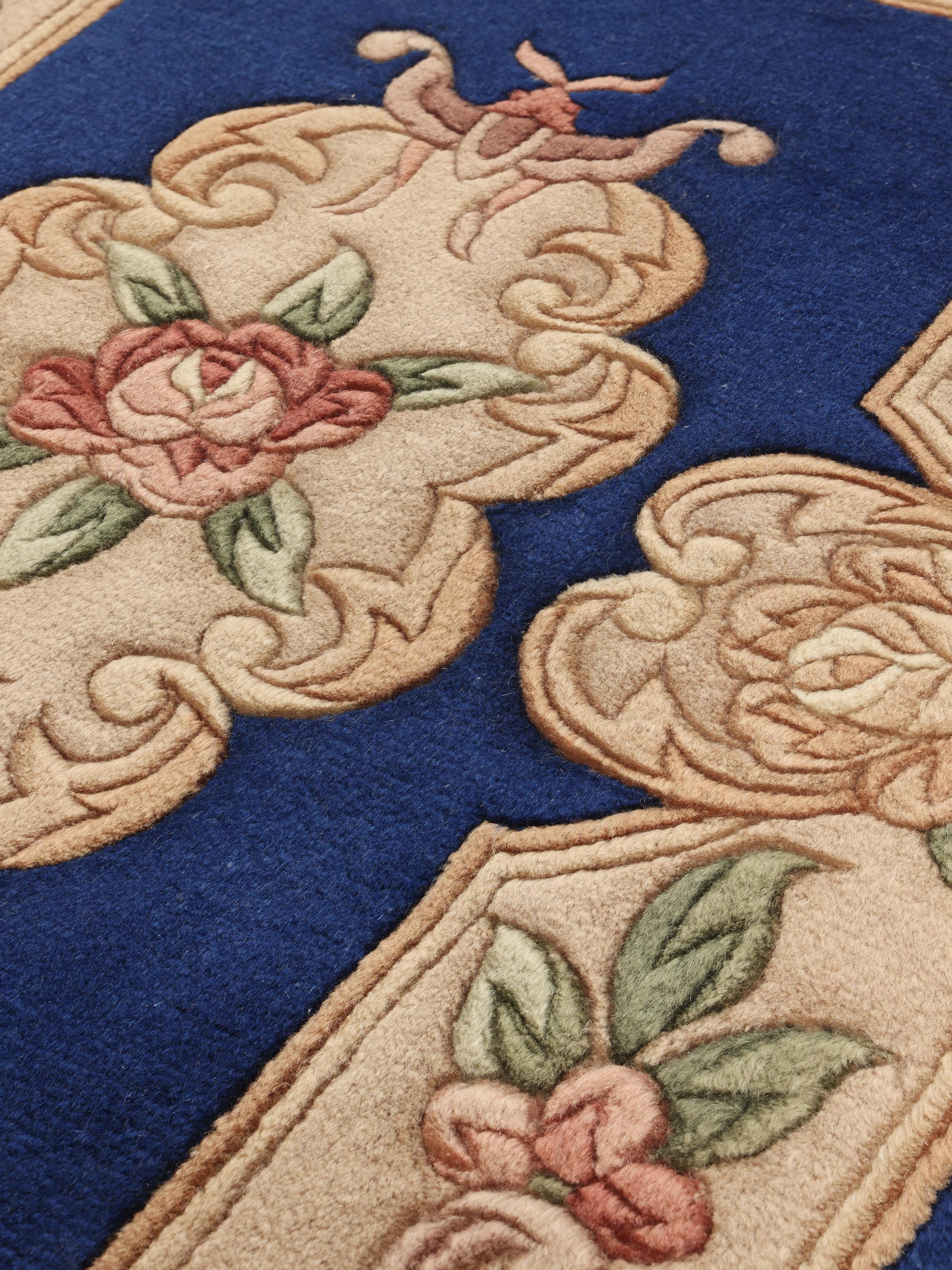
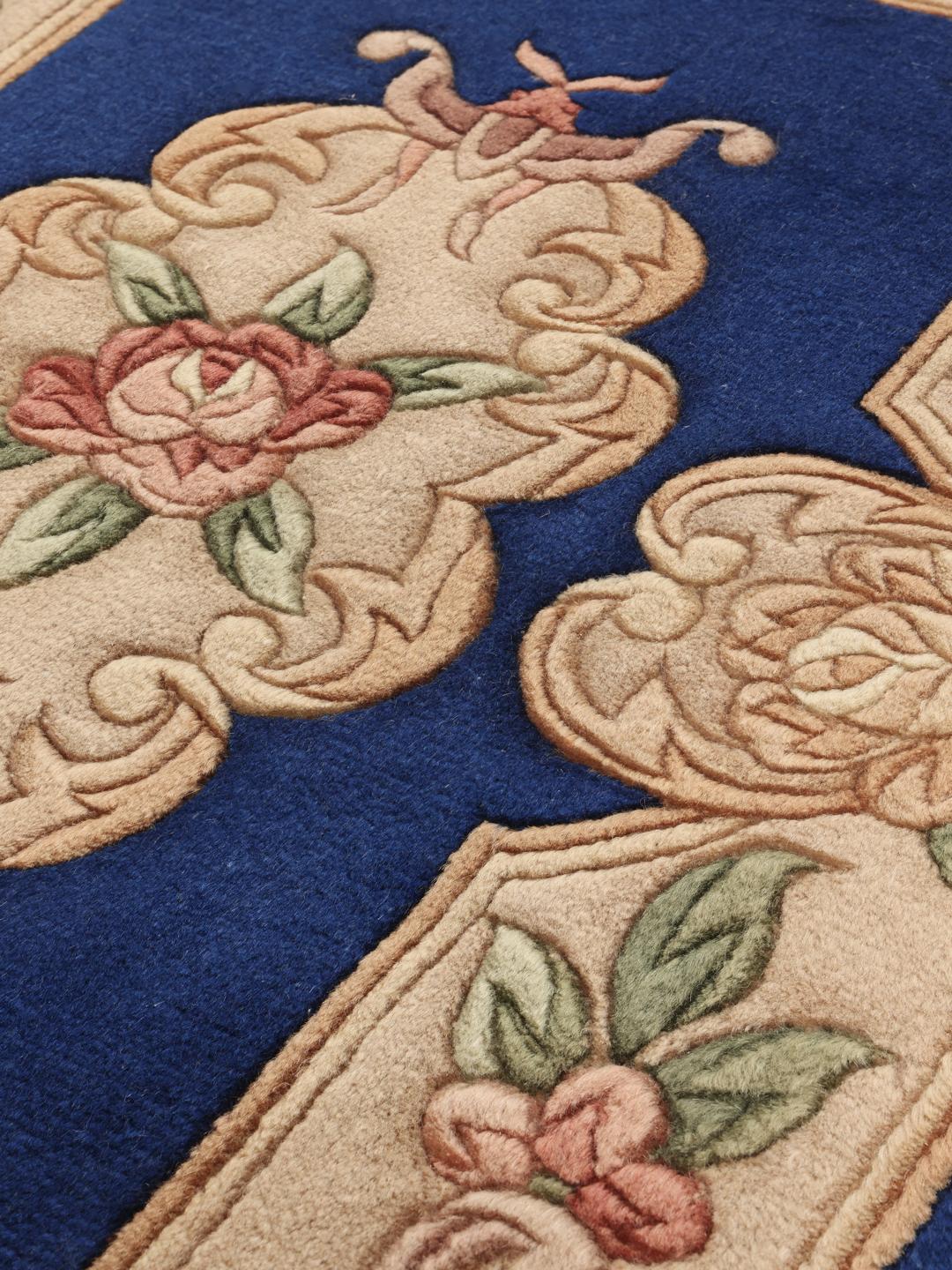
The term '90 line' refers to a traditional measurement of quality in Chinese rug production, indicating the number of knots per linear foot. This specific construction method is known for producing a consistent, dense pile that allows for refined pattern work, which is essential for the graceful, flowing floral designs often found in this tradition.
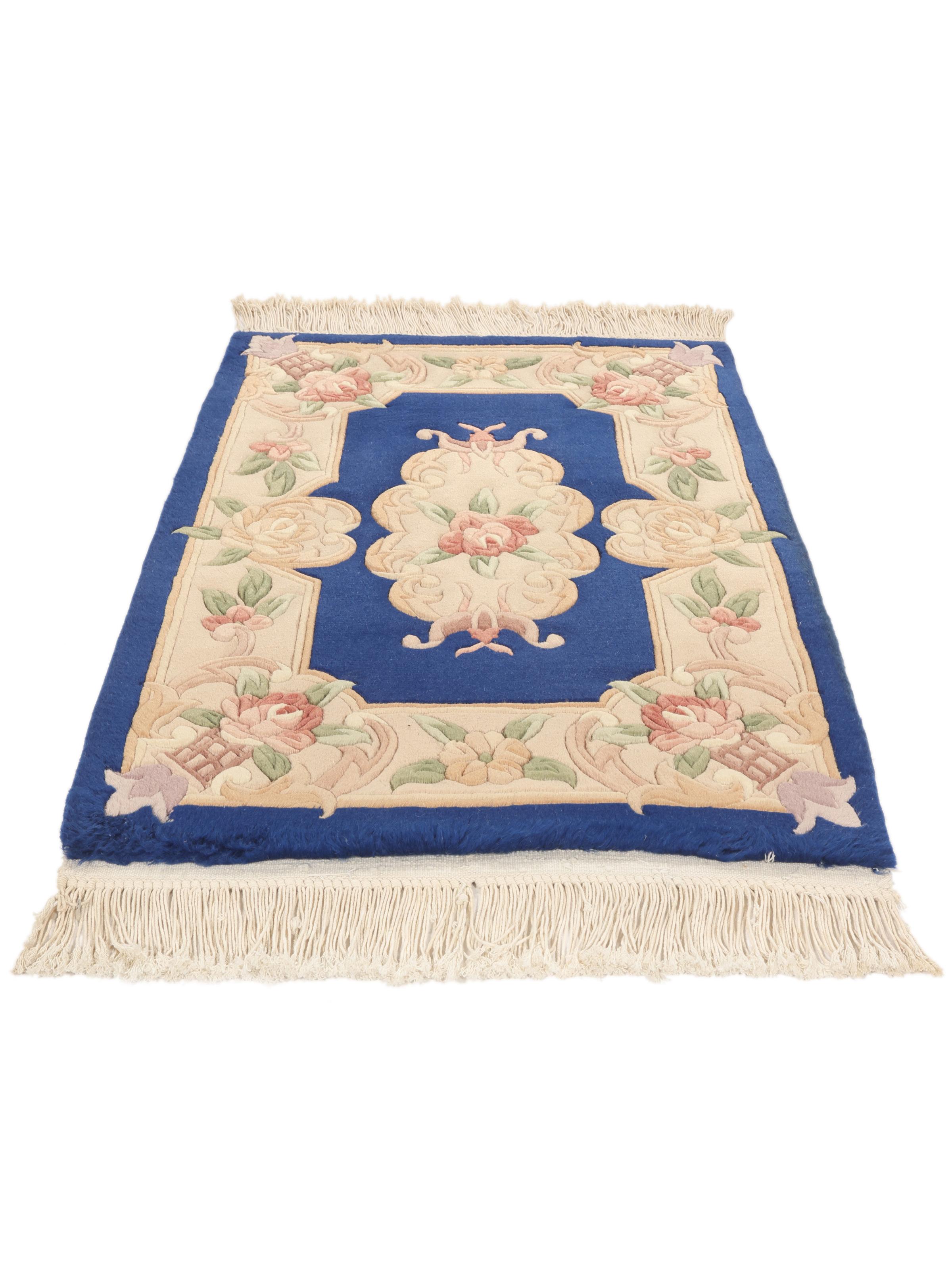
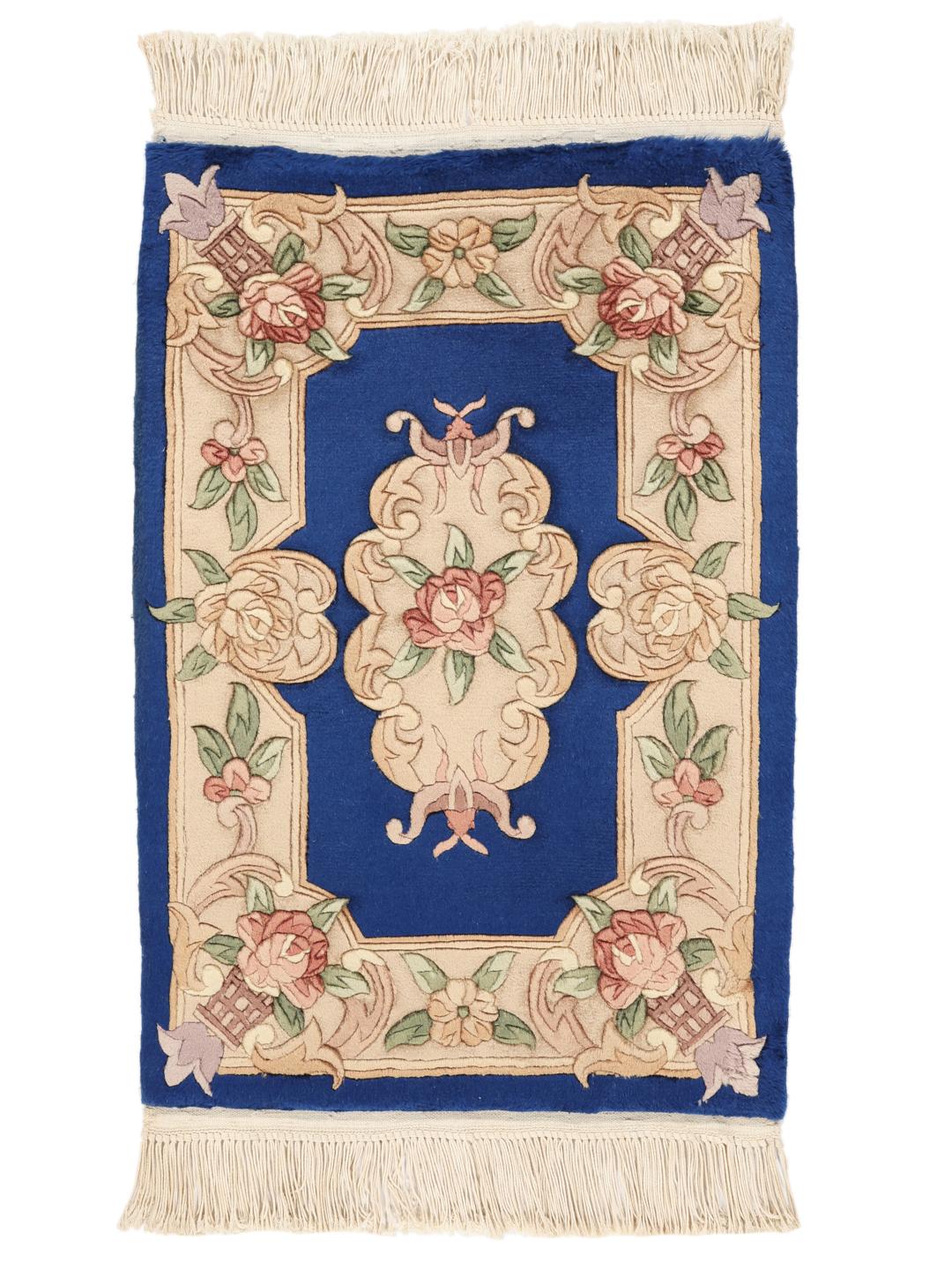
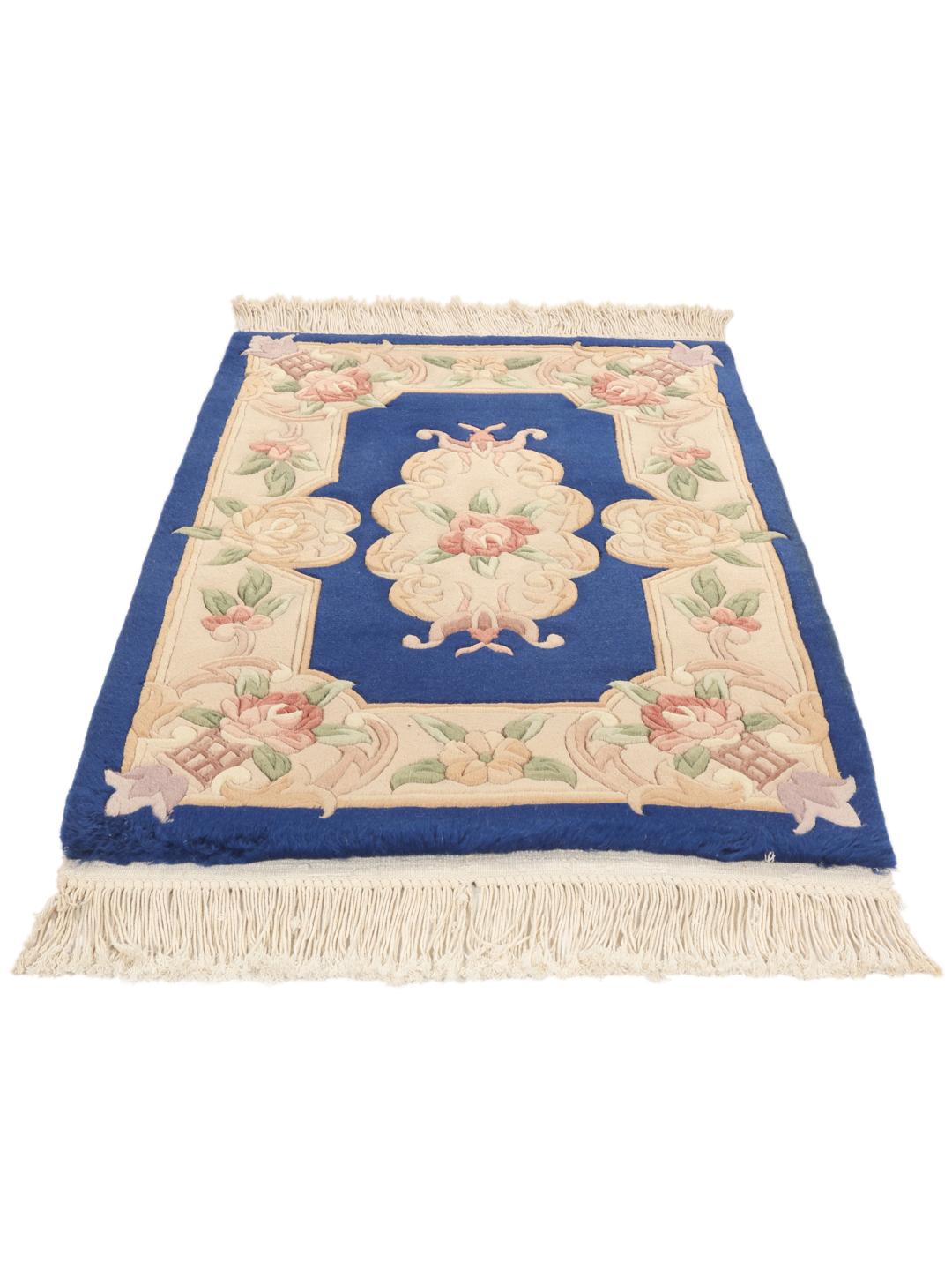
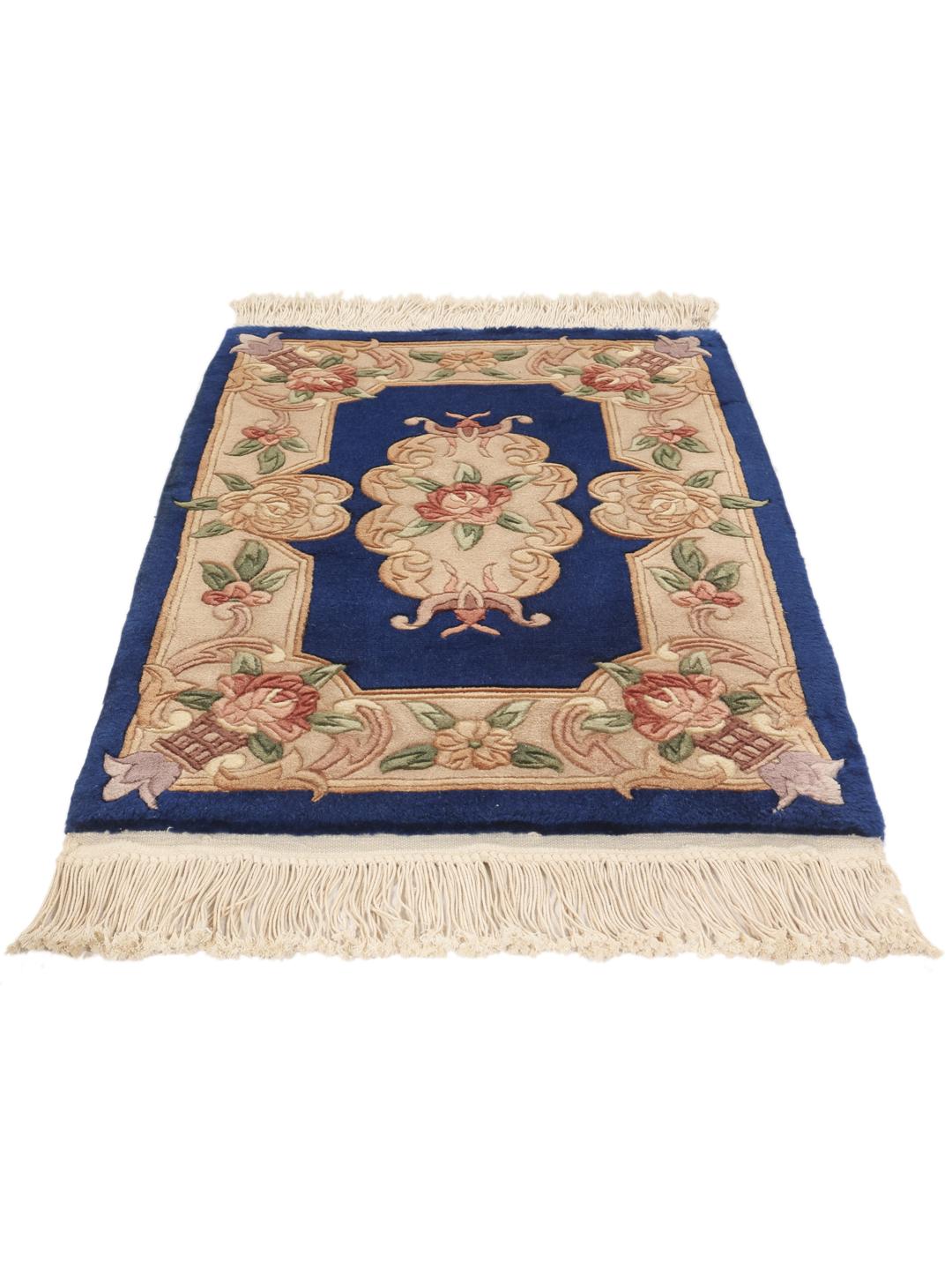
Floral motifs in Chinese rug design are deeply symbolic, often representing beauty, longevity, or prosperity. The design featured here draws on these classic traditions, using a balanced arrangement of blossoms and ornate borders to create a harmonious and symmetrical look that anchors a room with its focused, central medallion.
Owning a piece from this tradition means connecting with a legacy of craftsmanship that has survived and thrived through generations. These rugs are highly regarded by collectors for their blend of technical precision and artistic expression, making them a meaningful addition to any home that values heritage and enduring quality.