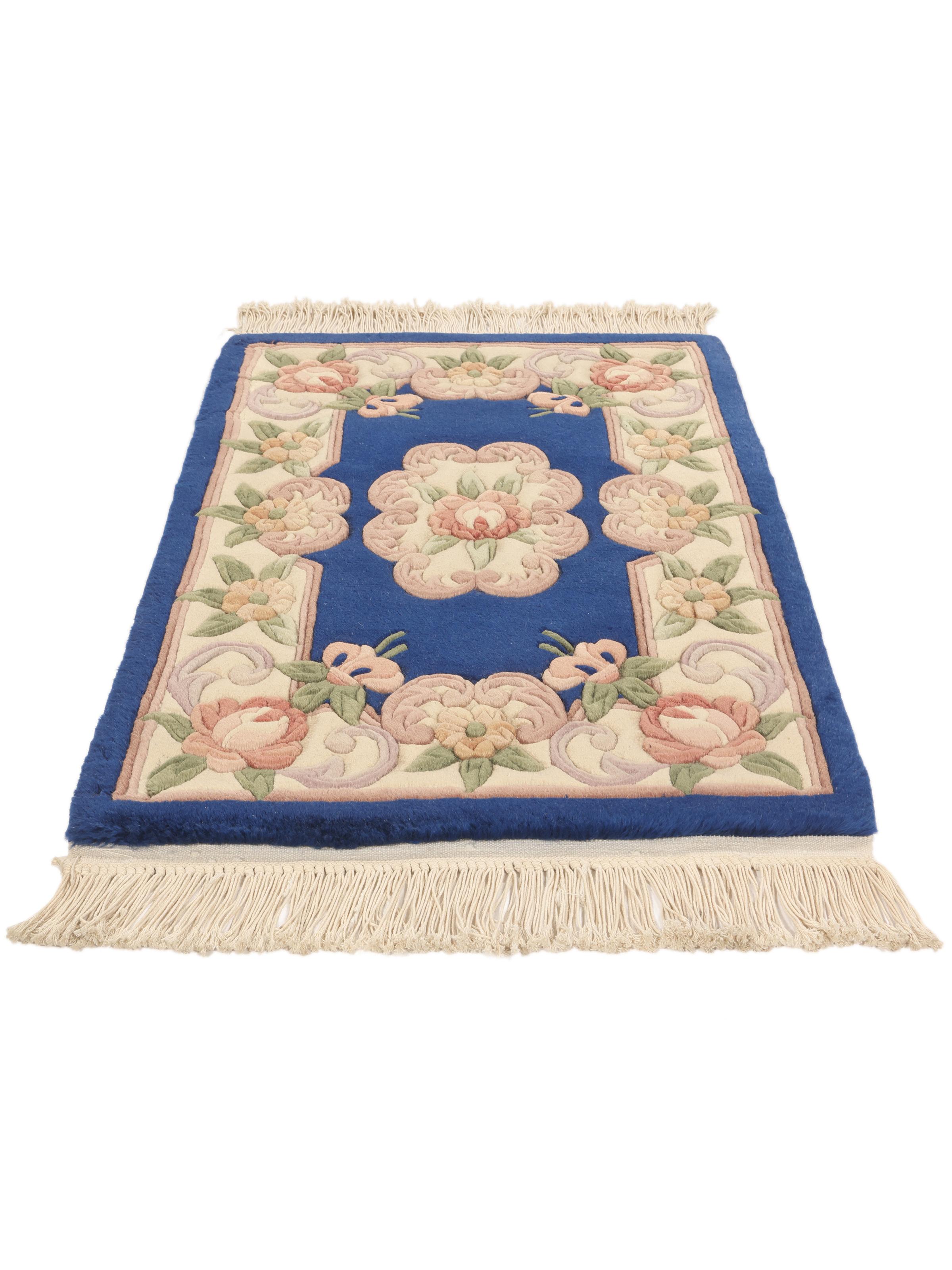
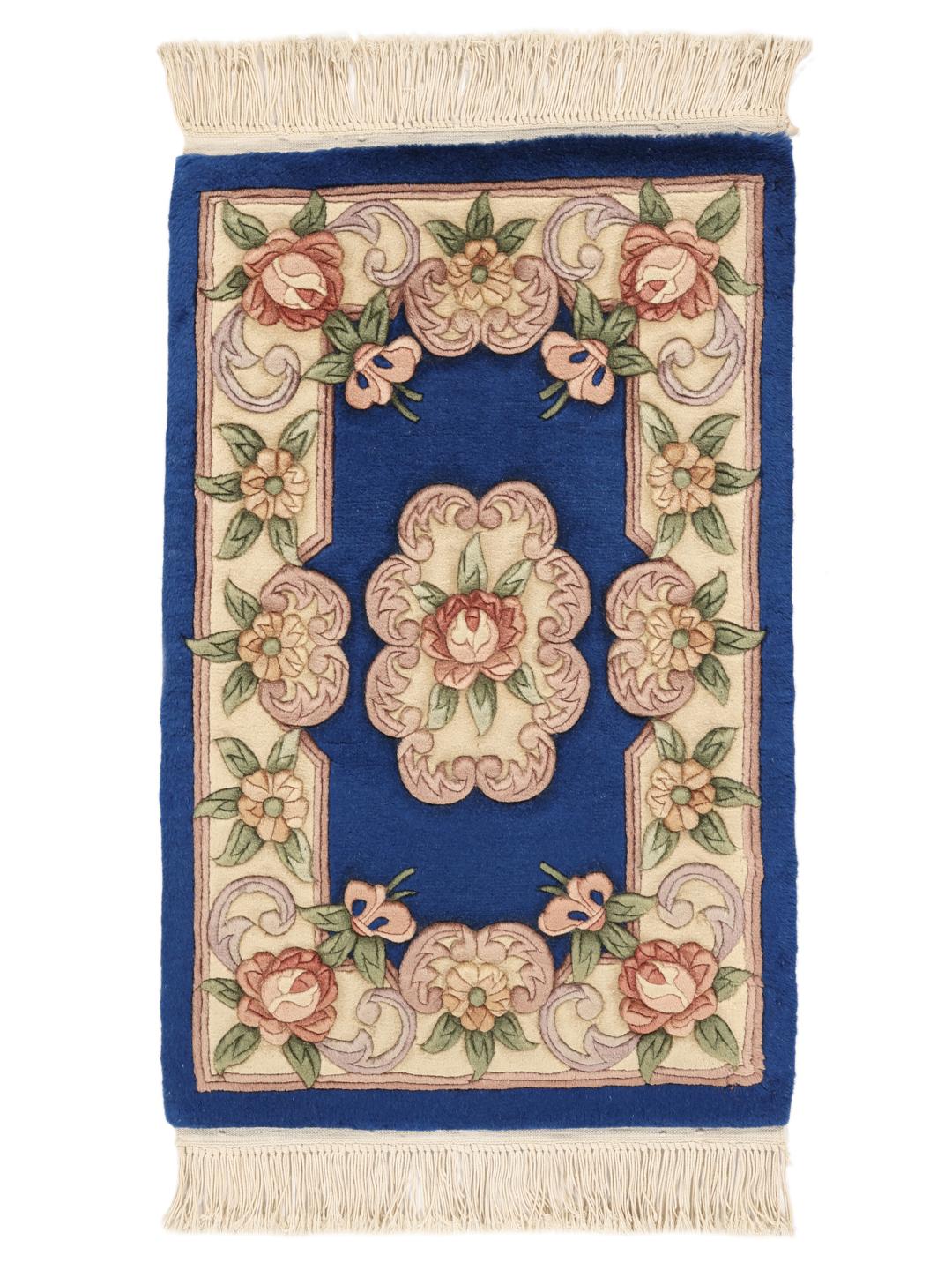
Chinese rug weaving is a tradition that spans centuries, characterised by a distinct aesthetic that often draws inspiration from nature and classical art. Unlike the dense, geometric patterns found in other regions, Chinese rugs are celebrated for their open, spacious fields and symbolic imagery. These rugs have evolved to incorporate both traditional motifs and refined, elegant designs that suit modern interiors while maintaining their historical integrity.
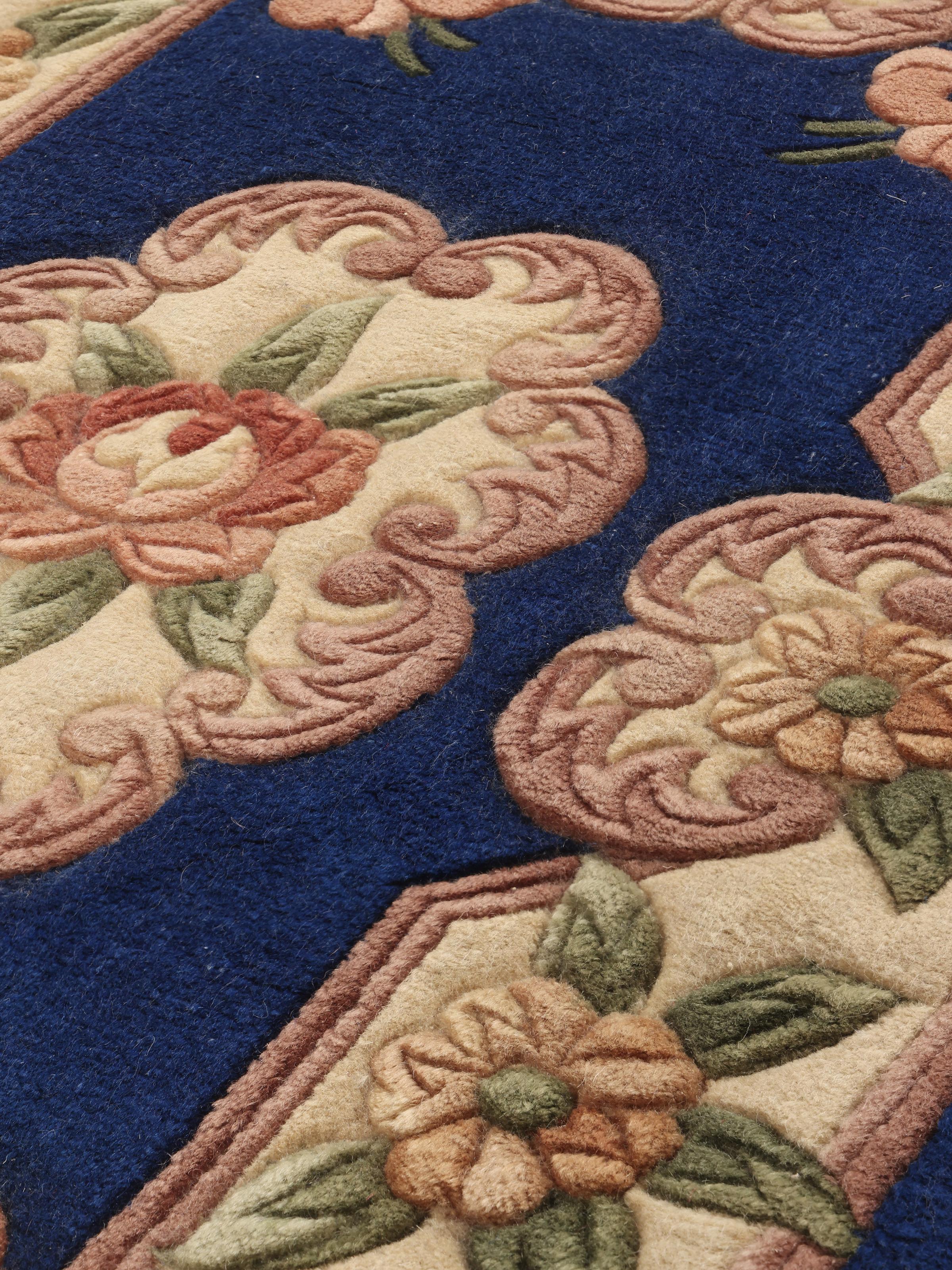
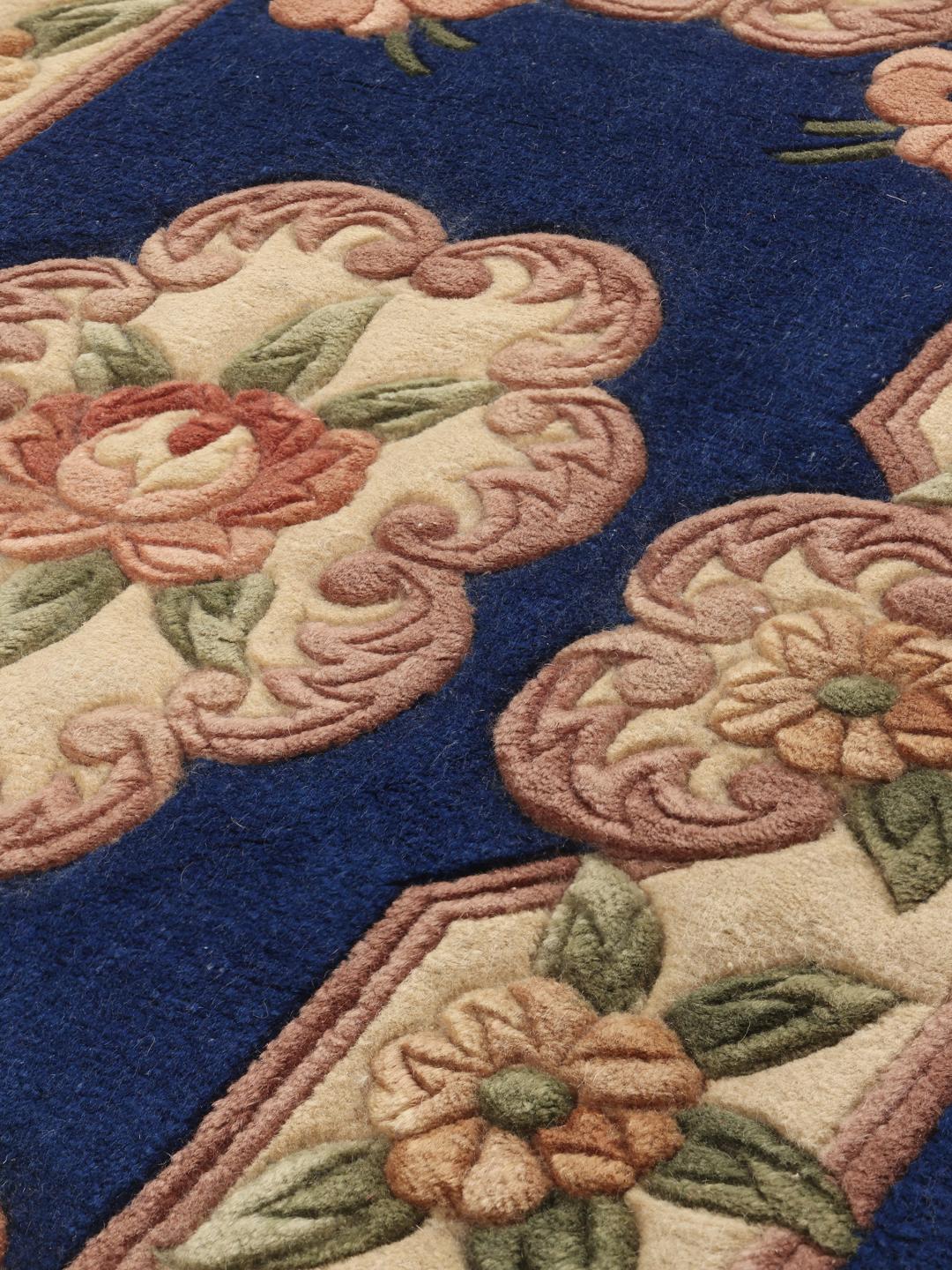
The term '90 Line' refers to a traditional technical classification used in the Chinese rug industry to denote the density of the weave. This measurement relates to the number of knots per linear foot, which directly influences the sharpness of the design and the density of the pile. A higher line count allows for more fluid curves and more intricate detail, ensuring that the floral patterns appear soft and painterly rather than pixelated.
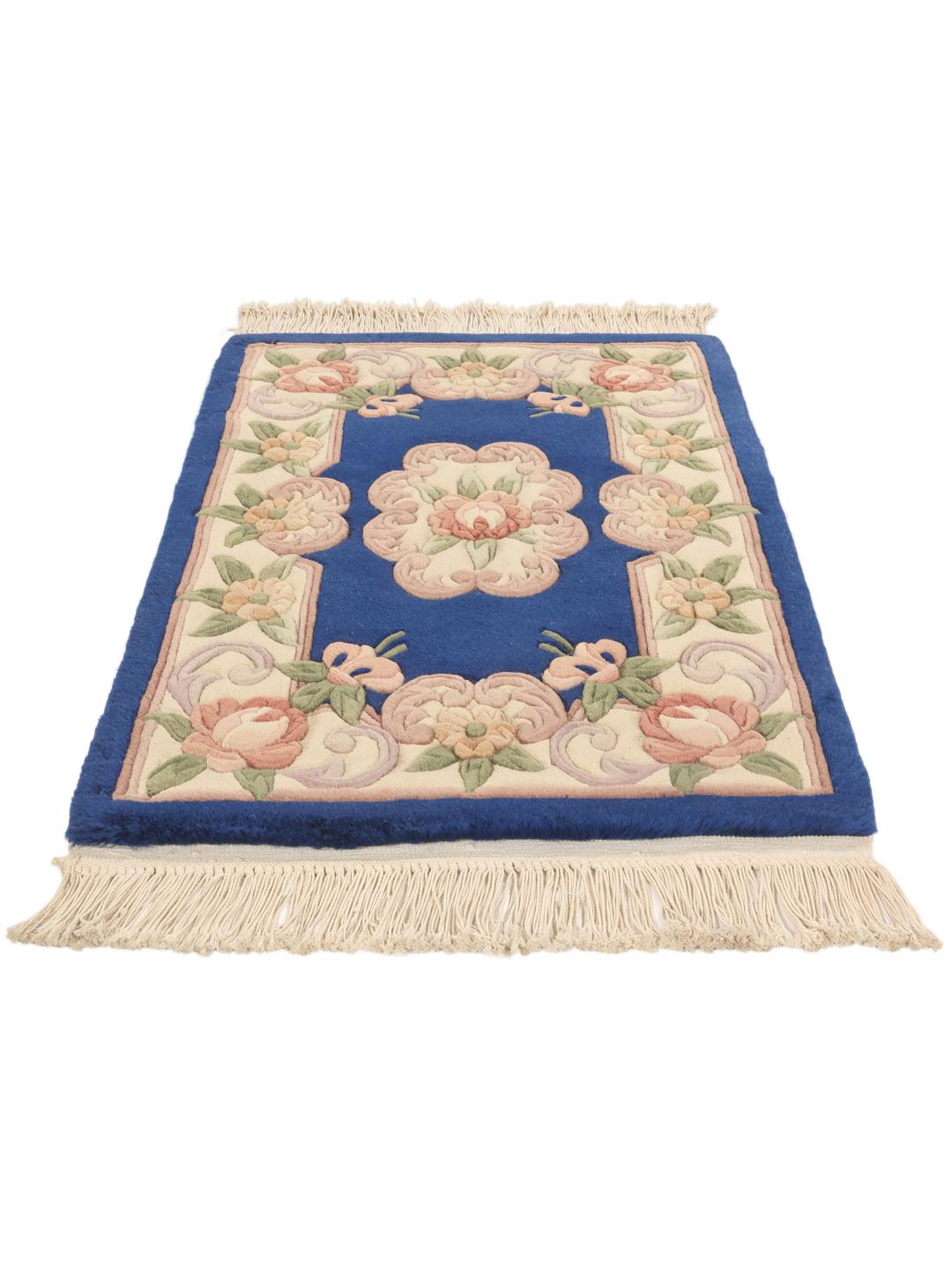
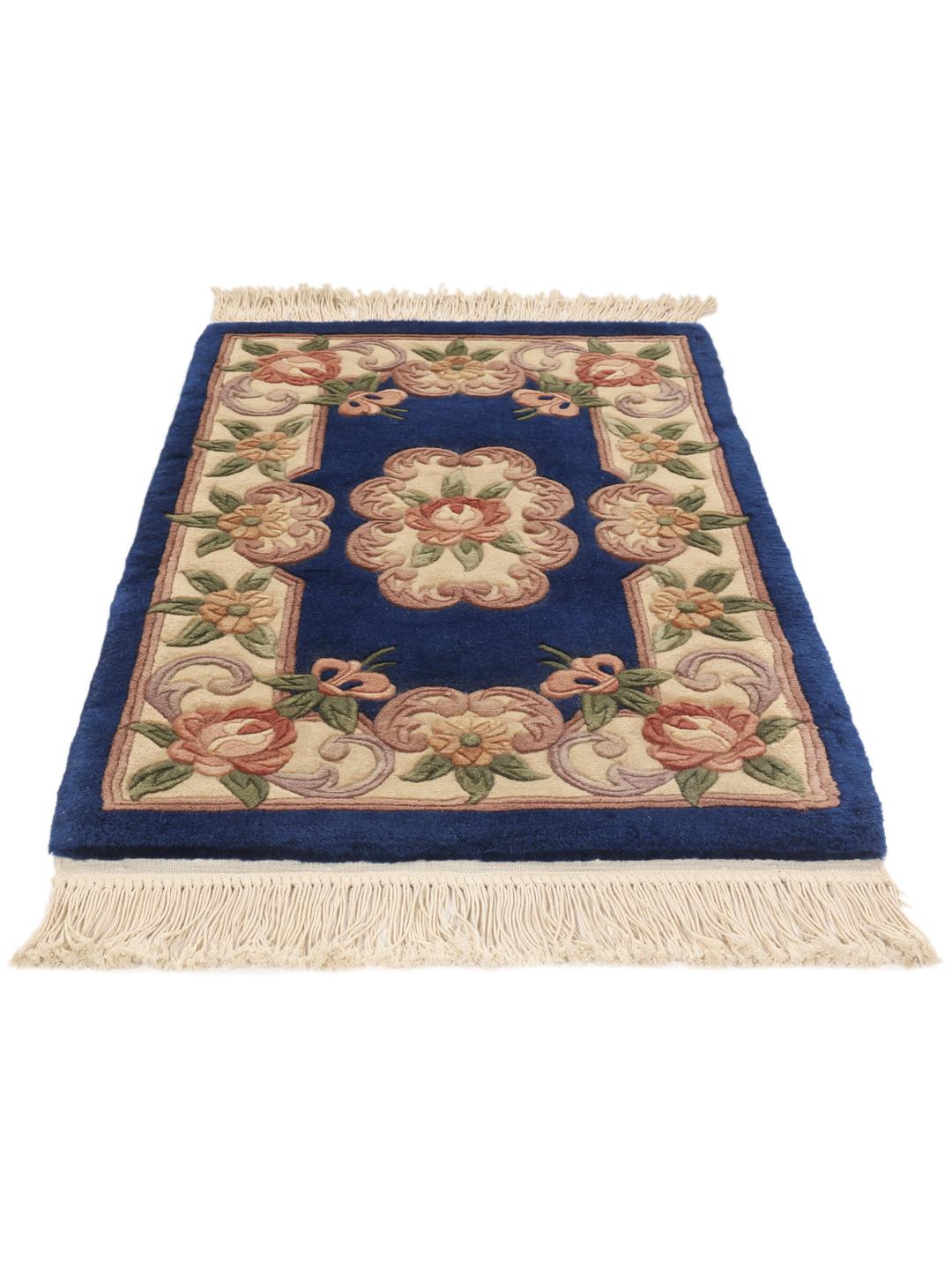
Floral motifs are a cornerstone of this tradition, often representing prosperity, longevity, and natural beauty. The use of specific colours, such as the deep blue seen here, is a classic choice that highlights the artistry involved. These rugs are not merely decorative but are imbued with a sense of harmony that is characteristic of the region's long-standing design philosophy.
Collectors value these rugs for their unique combination of technical precision and artistic expression. Owning a piece from this tradition is an opportunity to connect with a rich history of textile art. Because each rug is created by hand, it carries the unique mark of its maker, making it a highly prized item for those who appreciate the intersection of heritage, skill, and enduring beauty.