Chinese rug weaving is a storied tradition that has evolved over centuries, blending artistic expression with functional design. Historically, these rugs were highly prized for their unique aesthetic, often incorporating symbolic motifs inspired by nature, mythology, and imperial art. The evolution of Chinese weaving techniques has allowed for a wide range of styles, from the understated to the highly ornate, reflecting the country's diverse cultural influences.
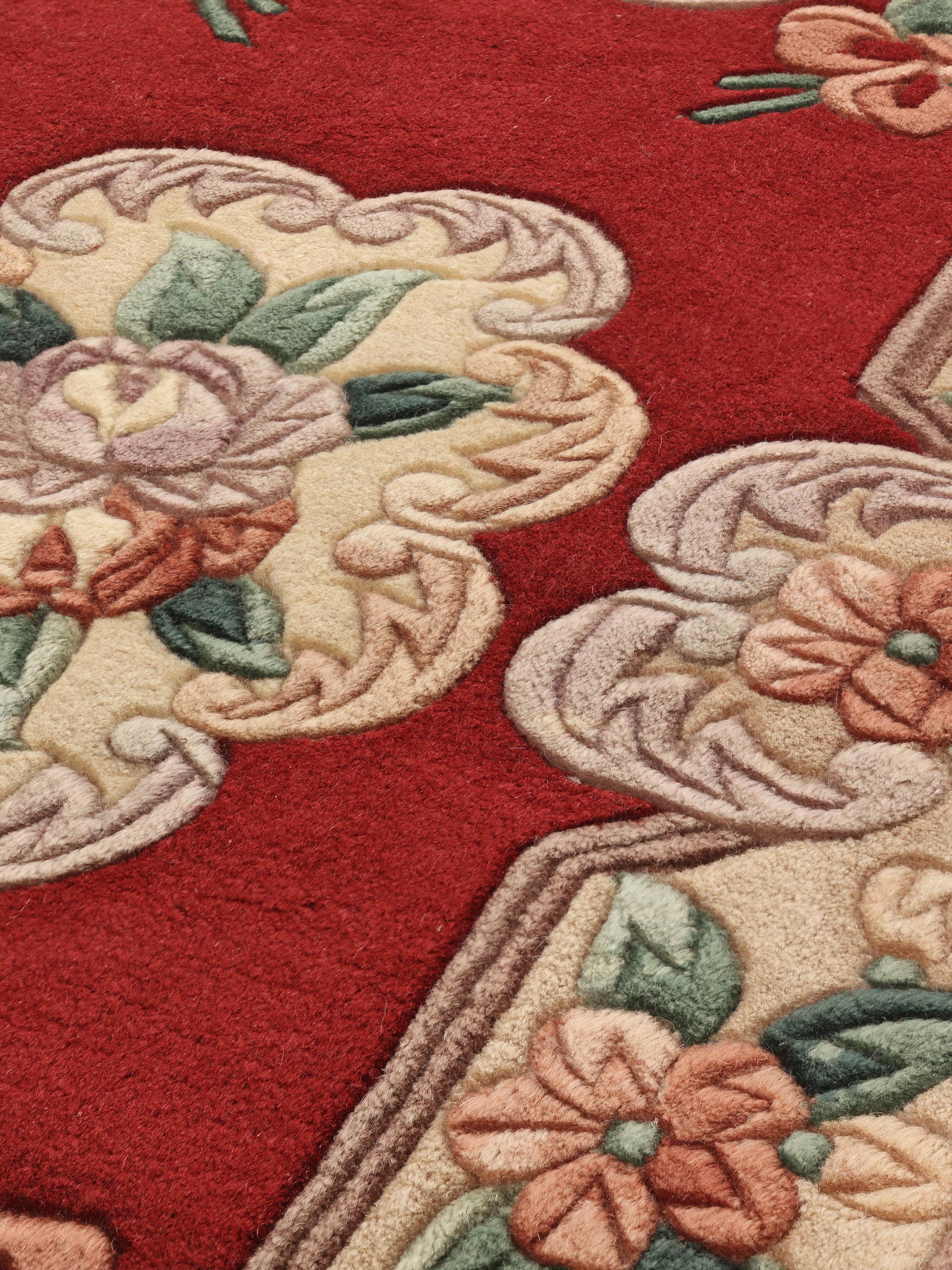
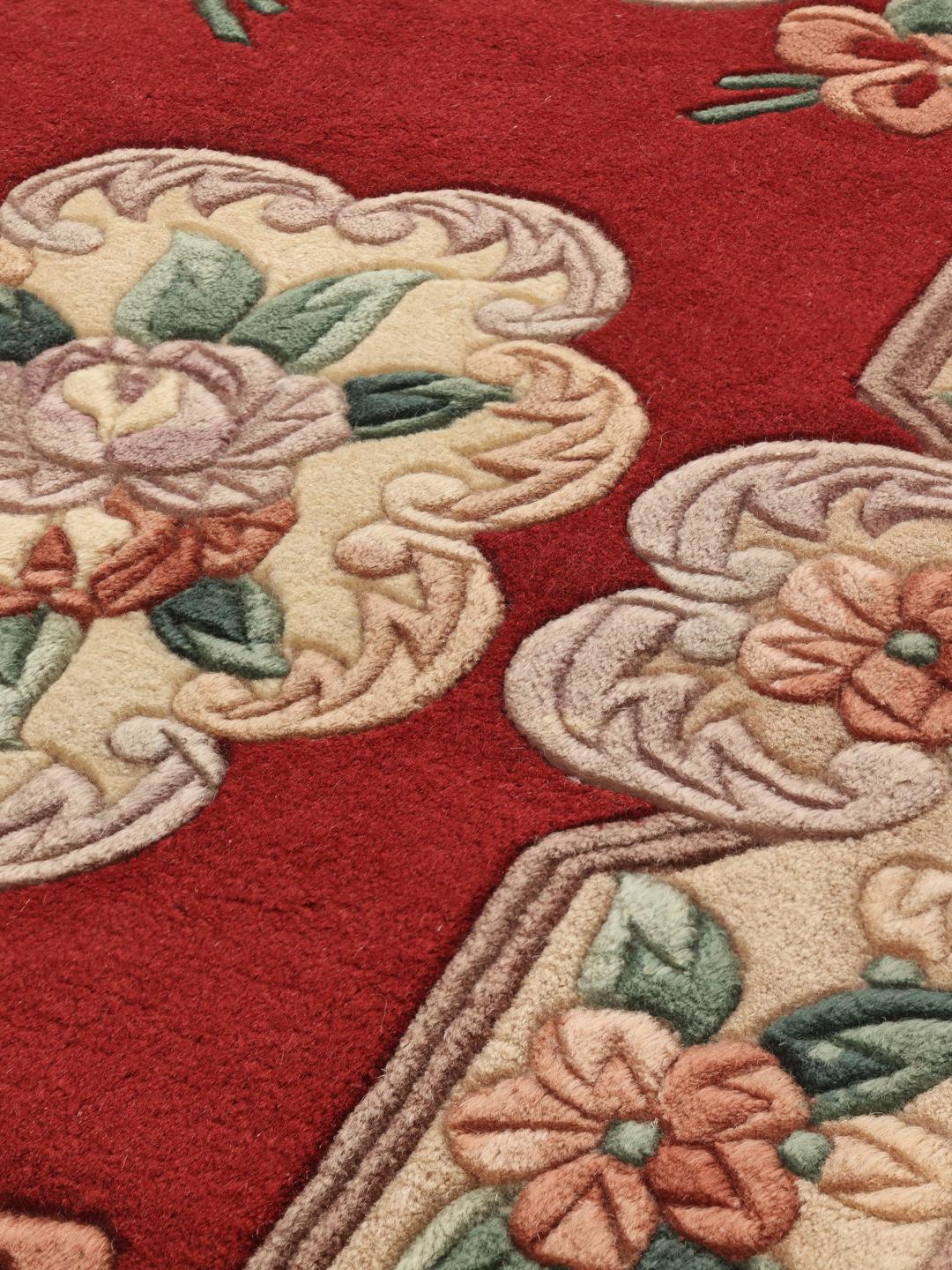
The term '90 line' refers to a specific technical measurement in Chinese rug production, indicating the number of knots per linear foot. This standard is a hallmark of quality, ensuring that the rug has a consistent pile density and a clear definition of patterns. By maintaining this level of precision, weavers are able to achieve the smooth, rounded floral shapes that have become synonymous with the Chinese style.
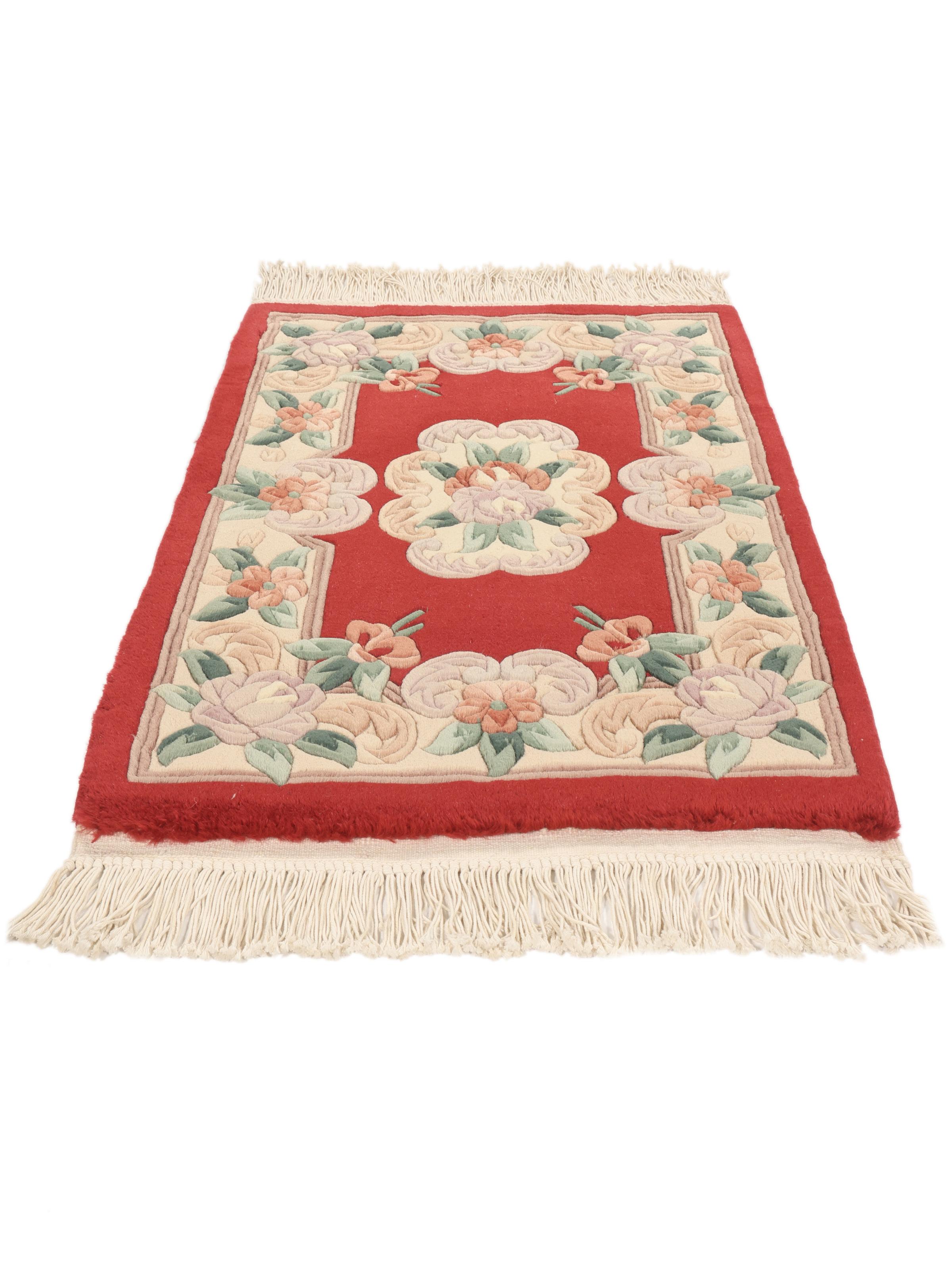
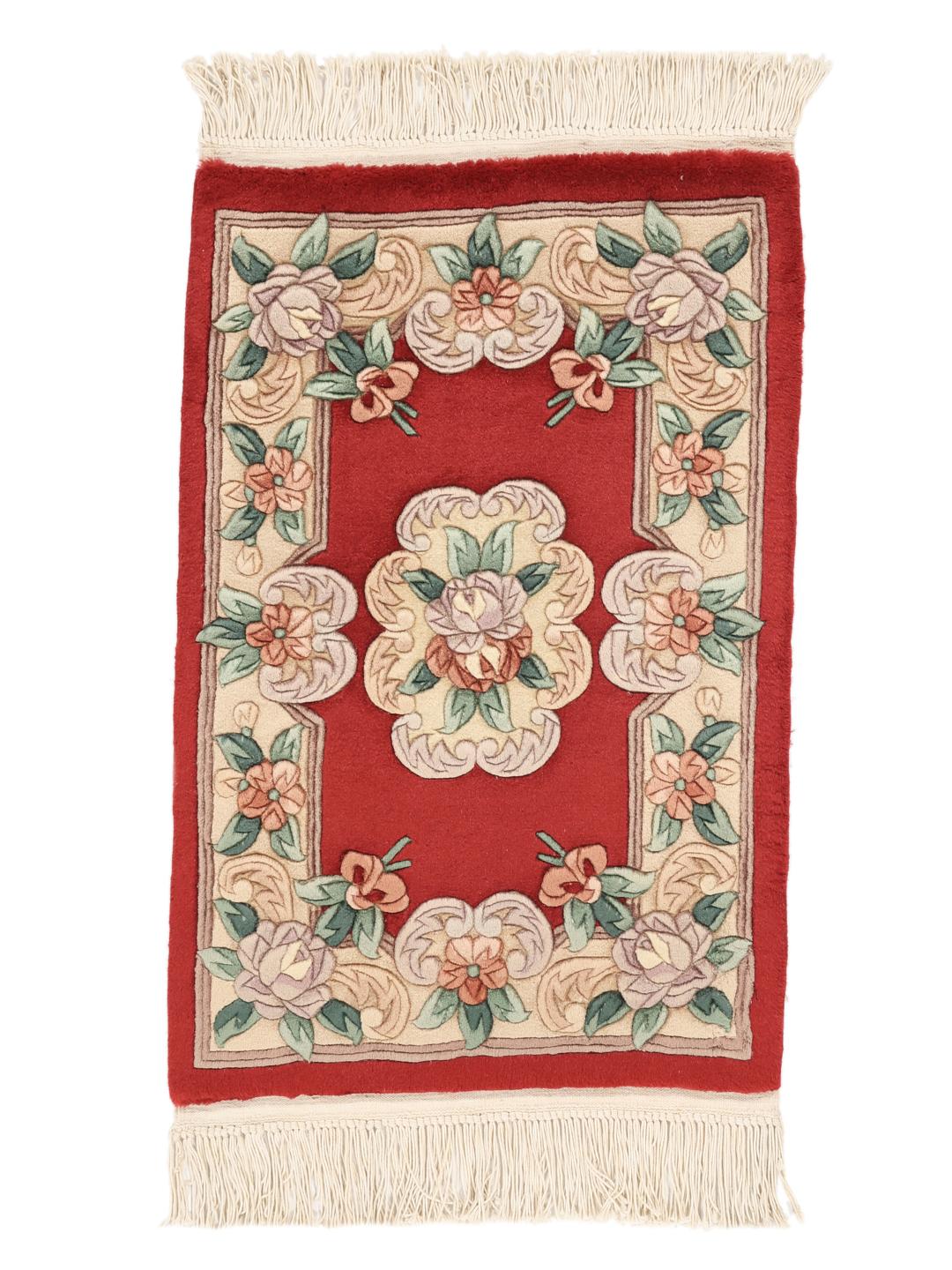
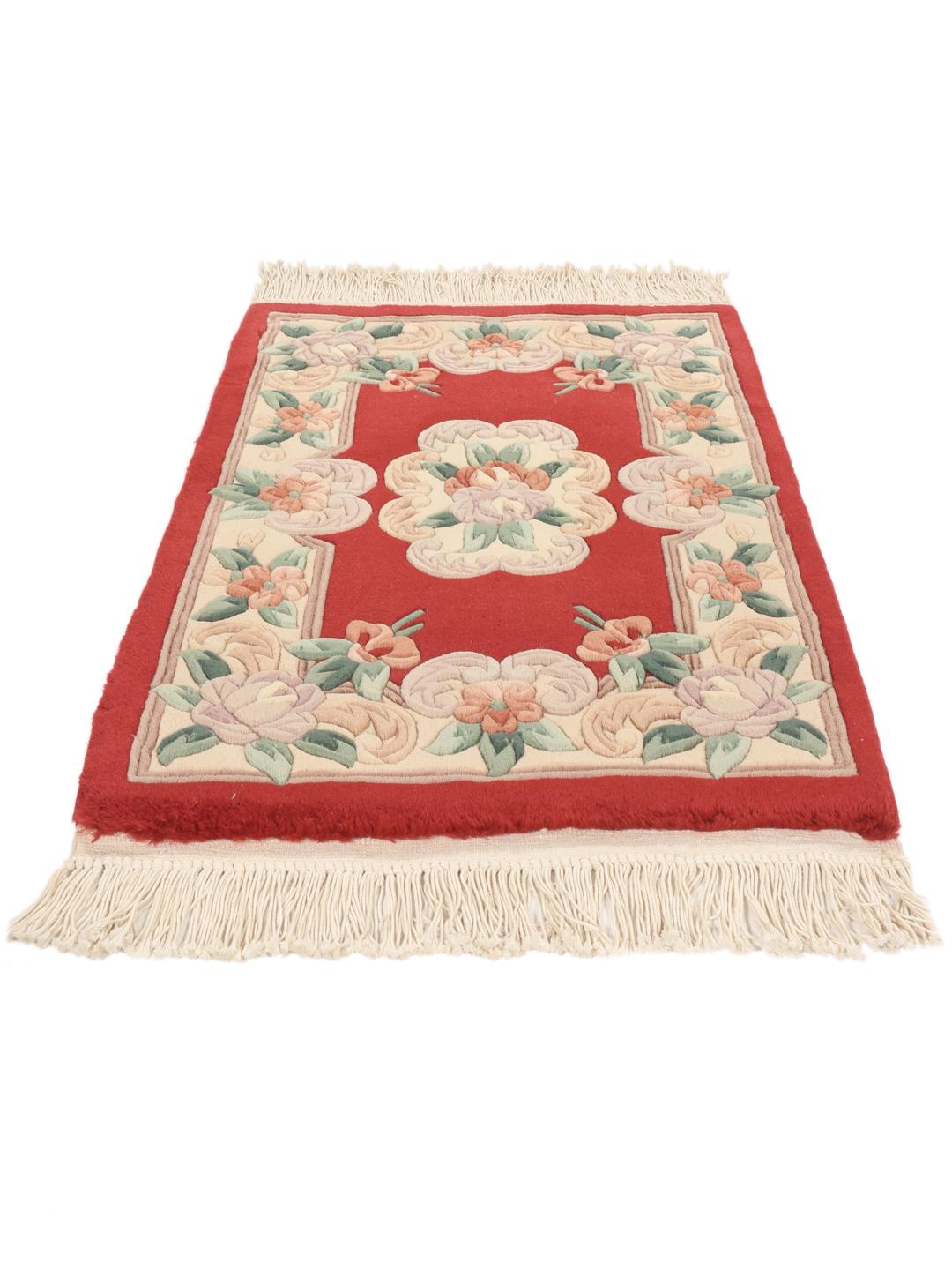
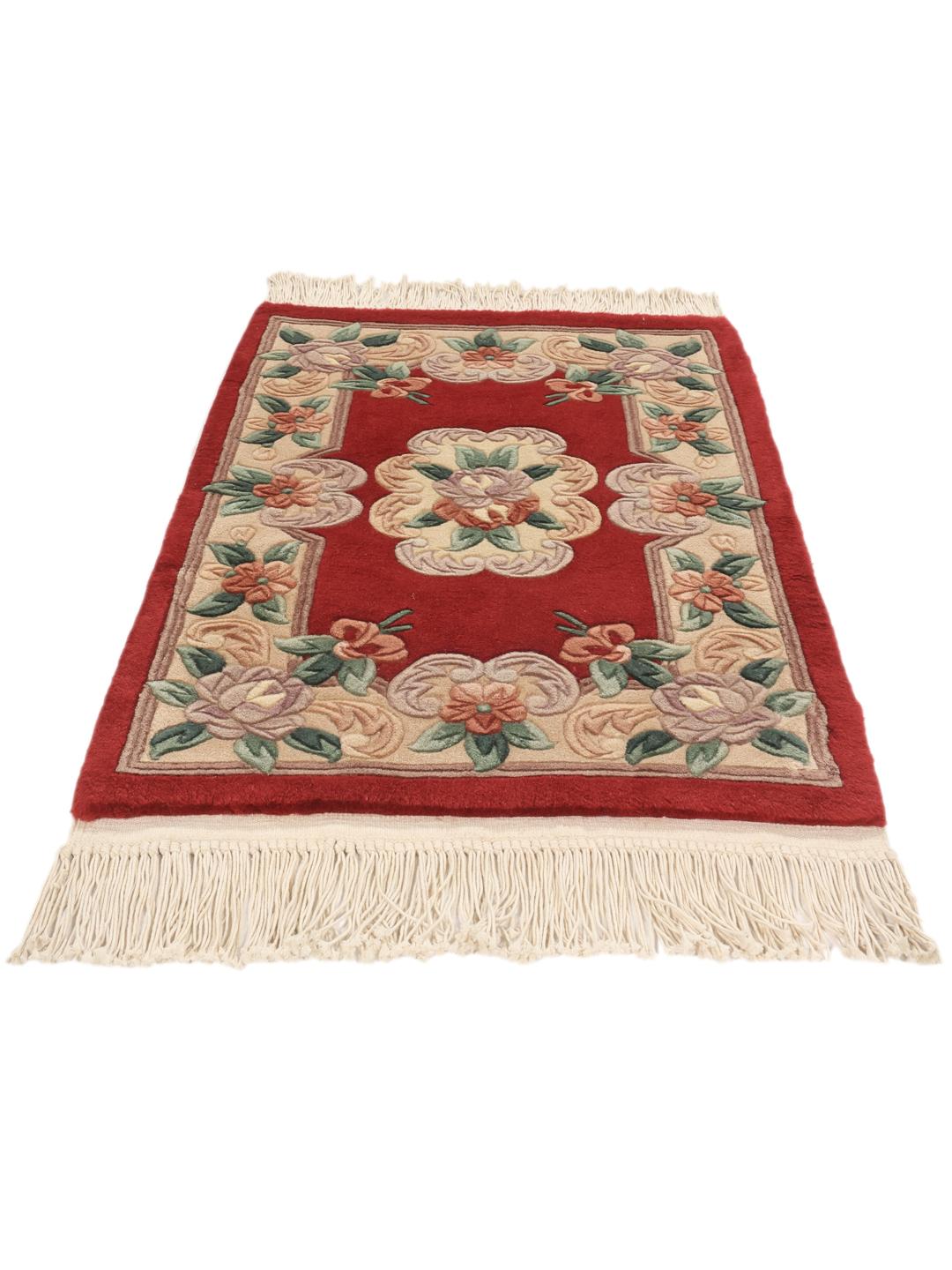
Signature design elements in this category often feature a central medallion or floral cluster, framed by intricate borders that balance the composition. The use of natural wool creates a rich canvas for these patterns, allowing the colours to appear vibrant and deep. It is common to see a skilful use of contrast, where soft, organic motifs are set against a bold, solid field to highlight the craftsmanship of the design.
Collecting rugs from this tradition is an appreciation of both history and skill. These pieces are valued for their ability to bring a sense of cultural weight and sophistication into a home. By choosing an authentic, hand-knotted piece, collectors are not only acquiring a beautiful floor covering but also participating in a legacy of artistry that honours the dedication of the hands that created it.