The tradition of Chinese rug weaving is deeply rooted in centuries of artistic development, often drawing inspiration from the motifs found in classical Chinese porcelain, silk painting, and imperial textiles. While the craft has evolved significantly over time, the emphasis on harmonious composition and symbolic imagery remains a cornerstone of the regional style.
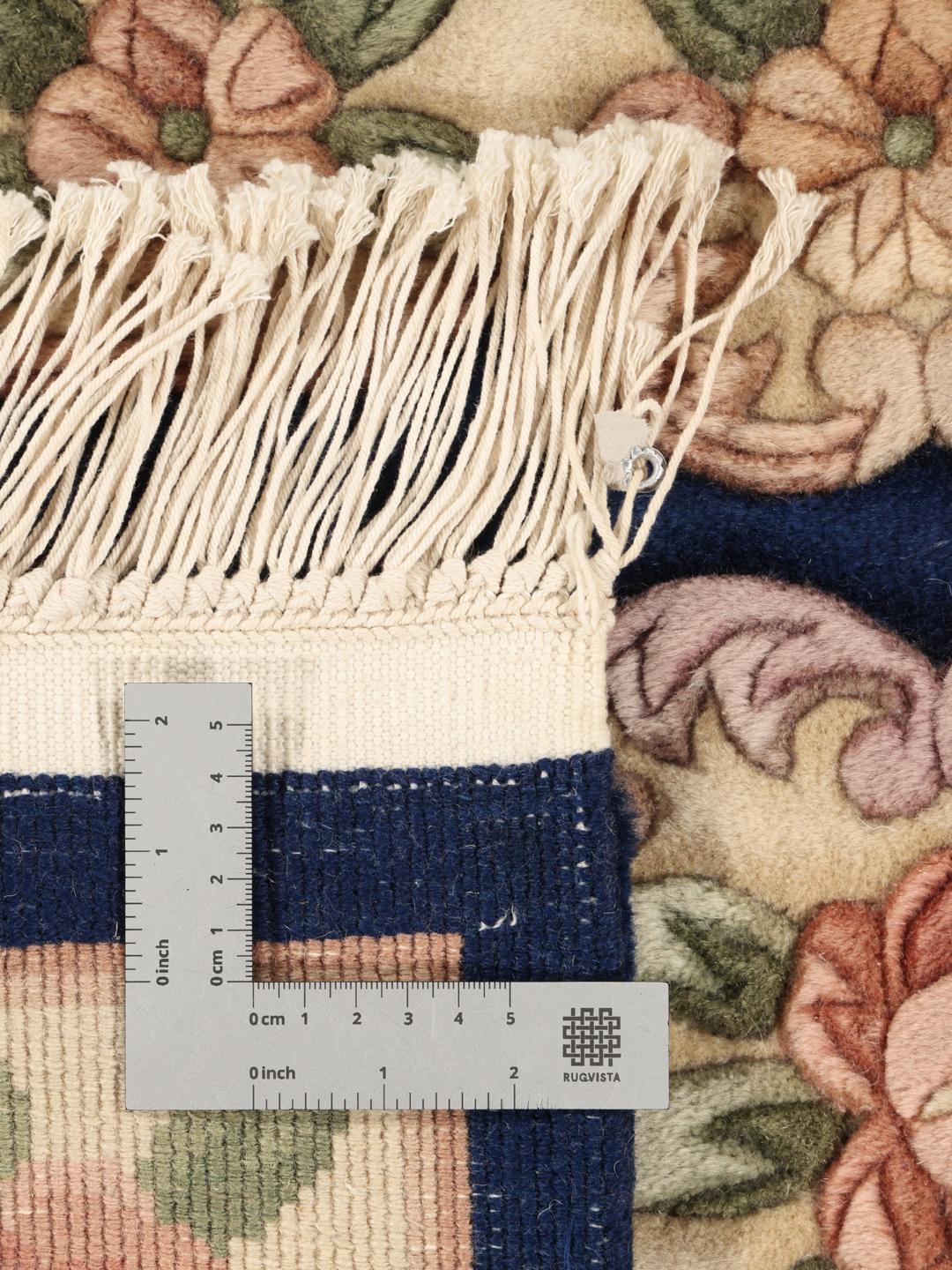
The term '90 line' refers to a traditional measurement of quality in Chinese rug making, indicating the density of the knots across a specific width. This standardised approach allows for a consistent, reliable structure that ensures the rug remains durable and maintains its shape over time, regardless of how it is placed in the home.
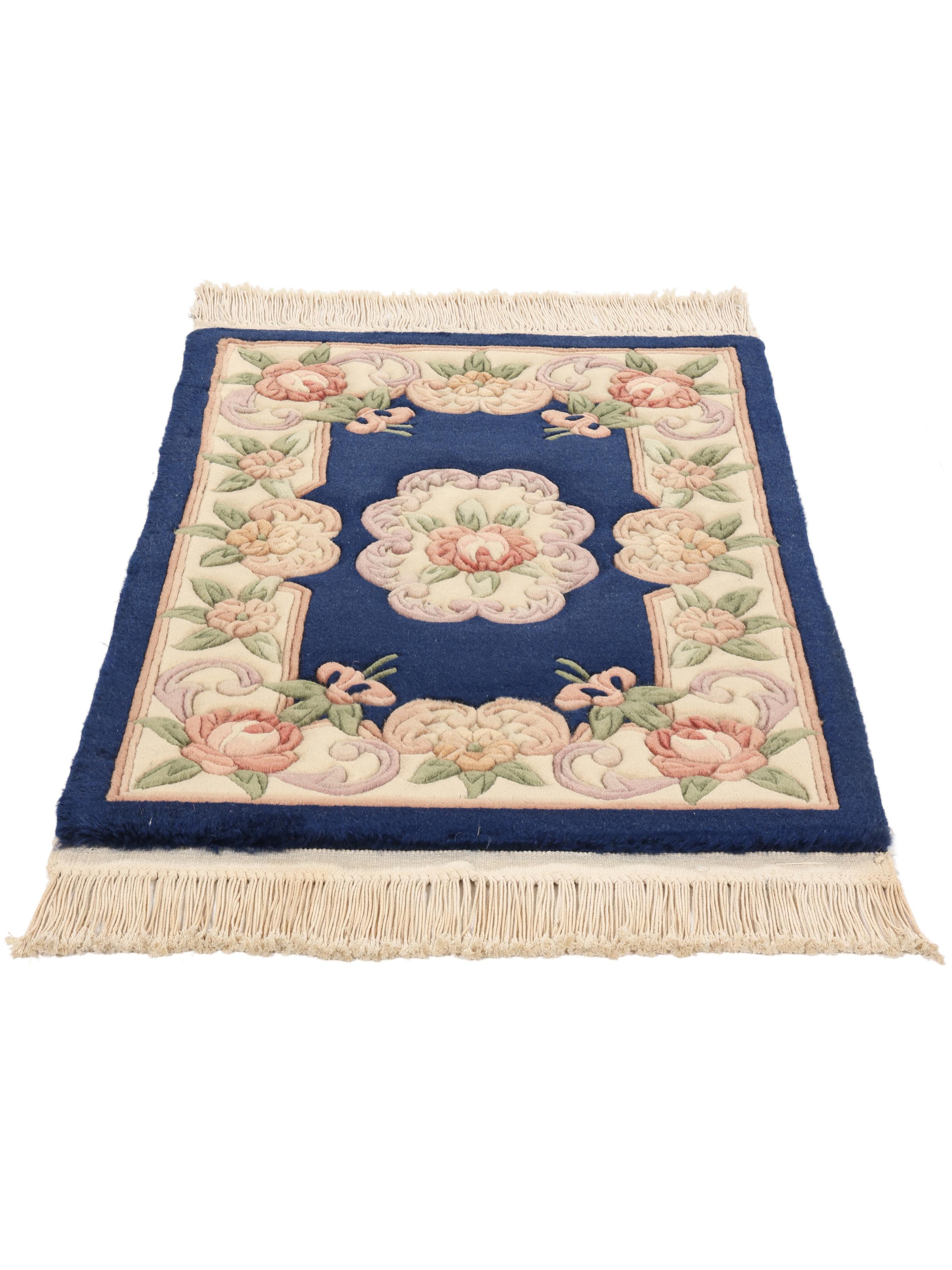
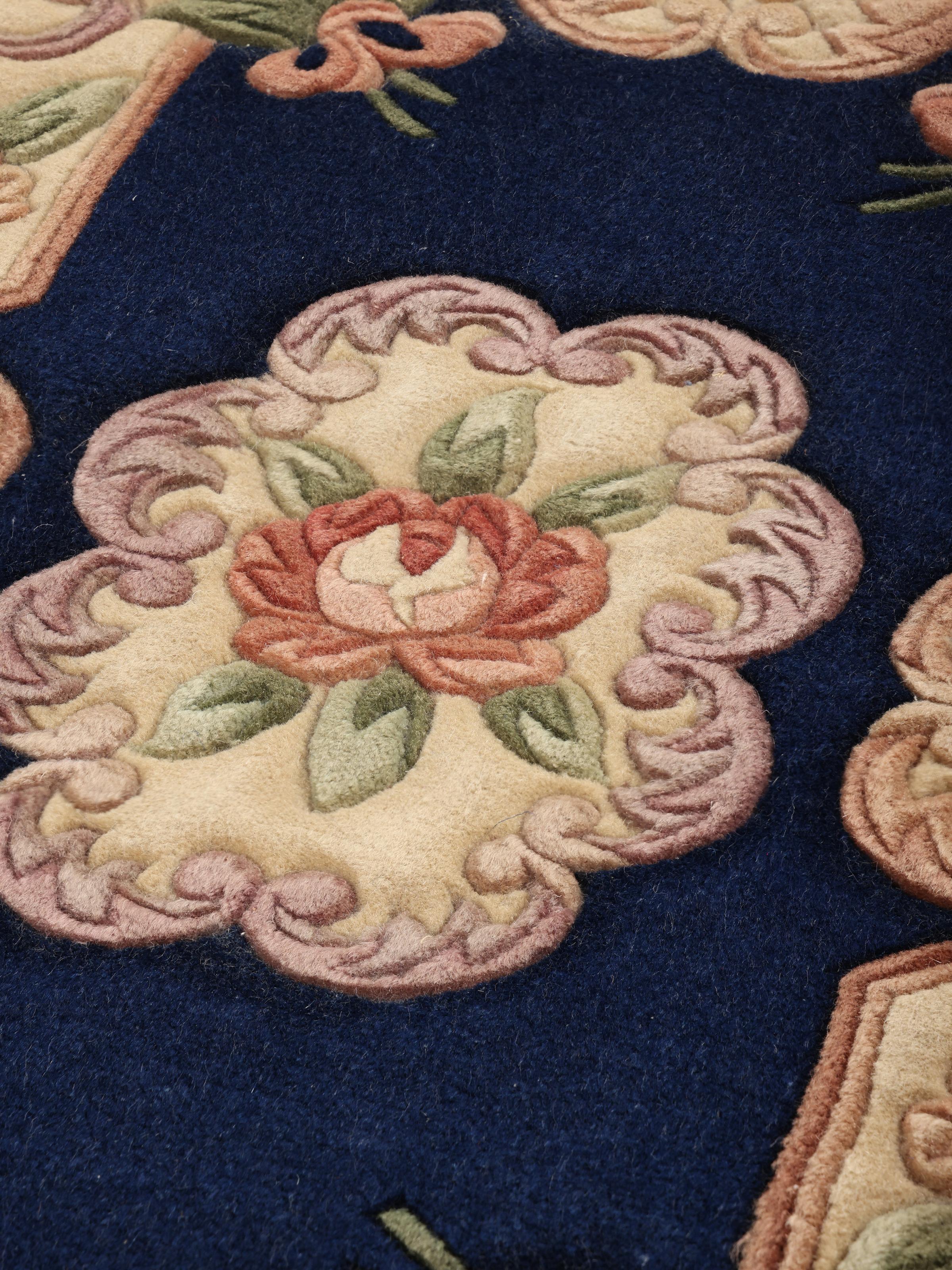
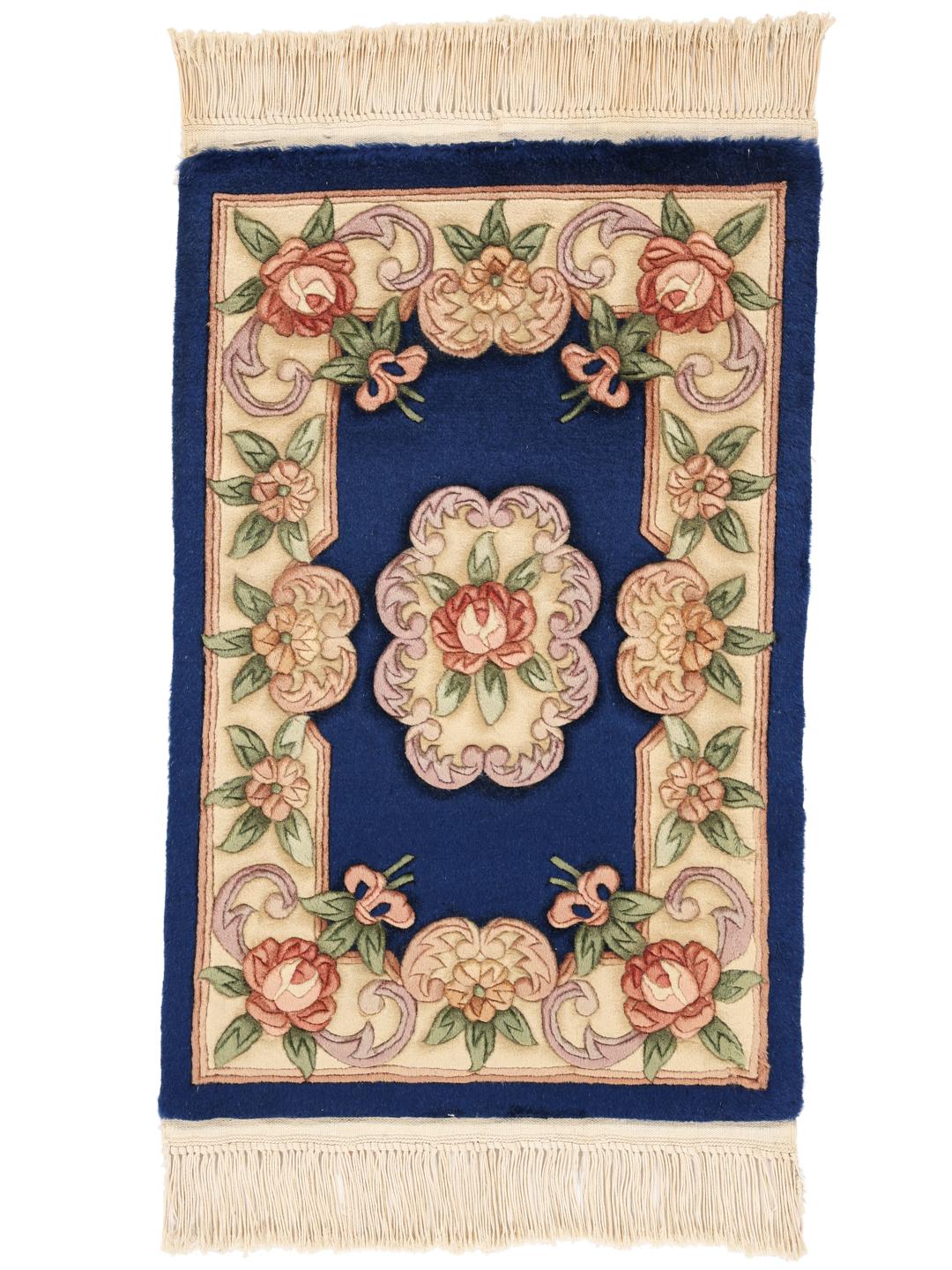
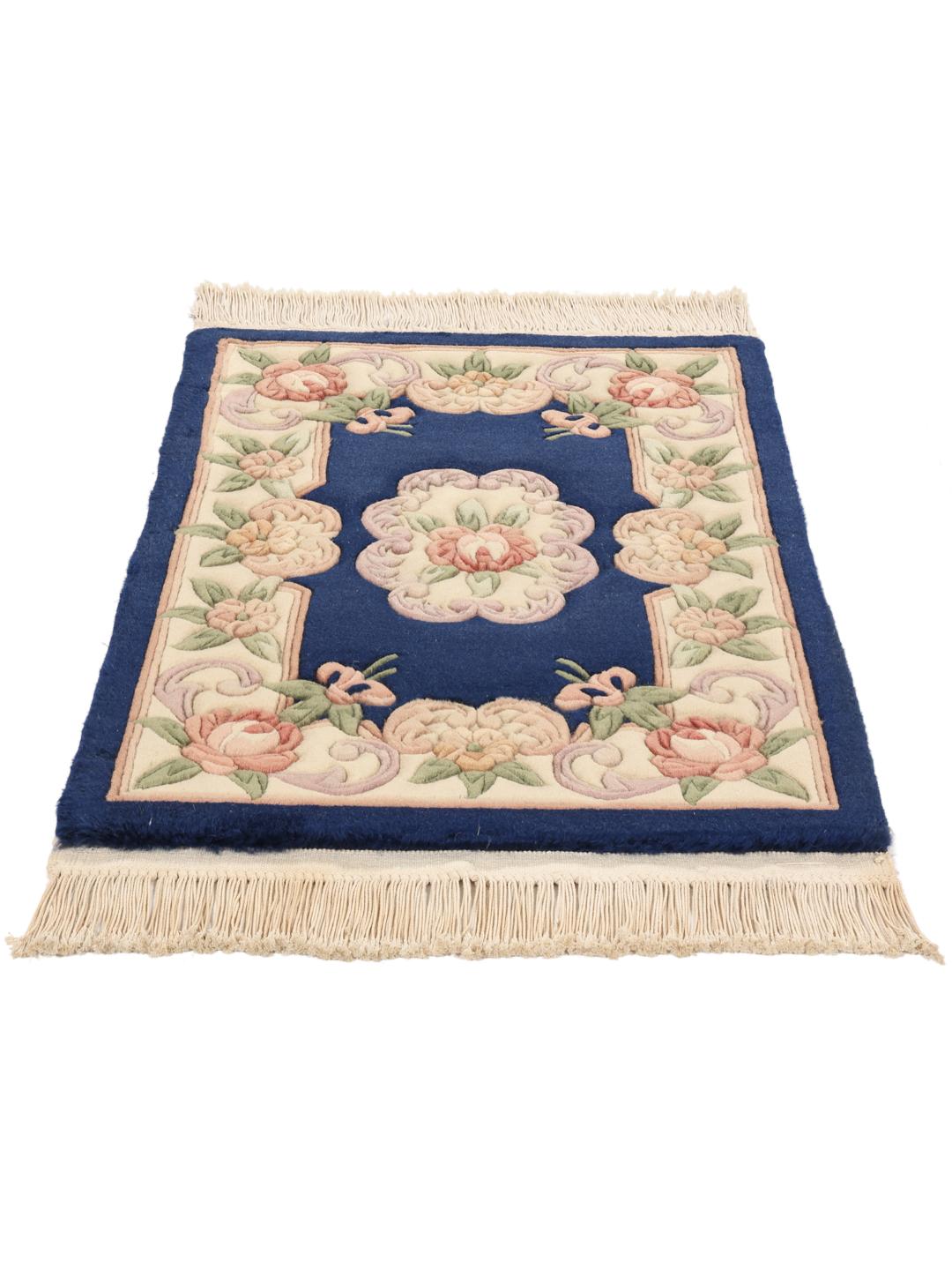
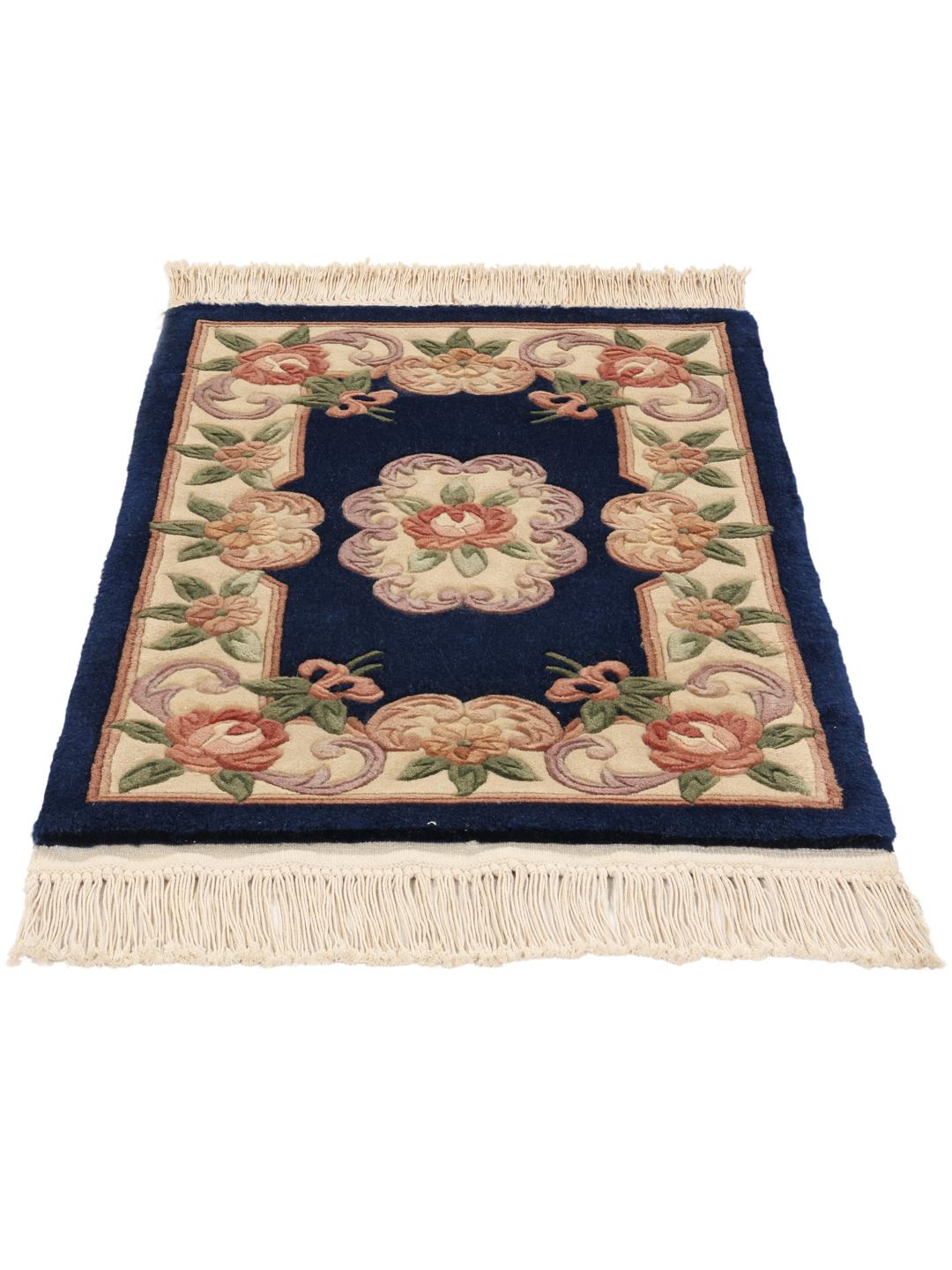
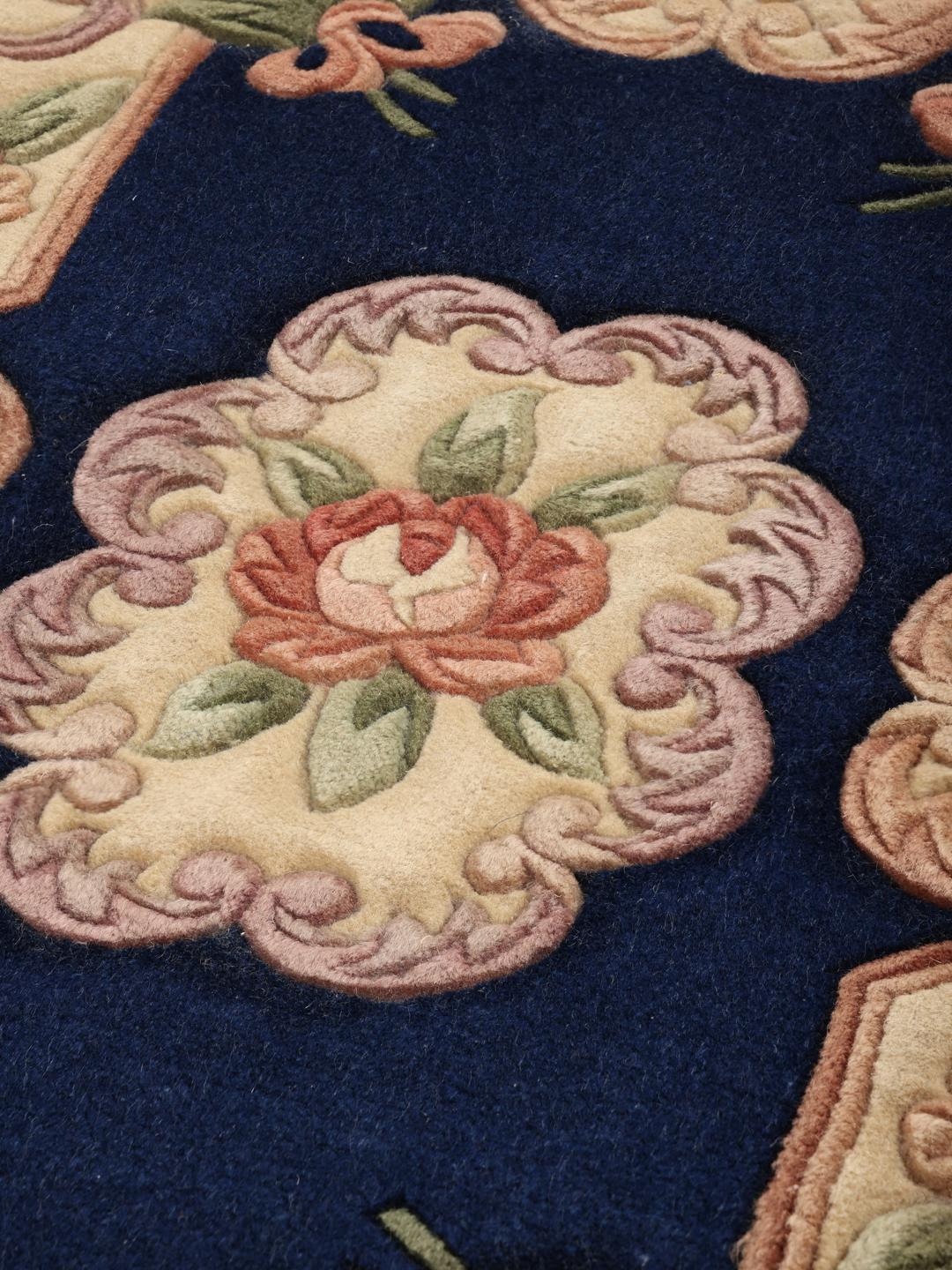
Design-wise, Chinese rugs are famous for their sophisticated use of negative space and sculptural floral motifs. Unlike many other traditions that fill every inch of the field with patterns, Chinese weavers often use open areas of colour to let the central designs breathe. This specific rug features a classic floral arrangement, where soft-hued blossoms are framed by a decorative border, a layout that highlights the natural beauty of the Wool.
Collectors value these pieces for their unique blend of cultural heritage and functional artistry. Owning a hand-knotted rug from China is an investment in a storied craft, where the combination of patience, traditional design, and natural materials results in an object that adds genuine character and history to a modern home.