Chinese rug weaving is a tradition that spans centuries, evolving from functional floor coverings into celebrated works of textile art. Historically, these rugs were influenced by the aesthetic language of imperial art, utilising motifs that carried deep cultural symbolism. Over time, the region has become renowned for its ability to adapt these ancient designs into styles that resonate with modern sensibilities, blending historical depth with a refined, artistic sensibility.
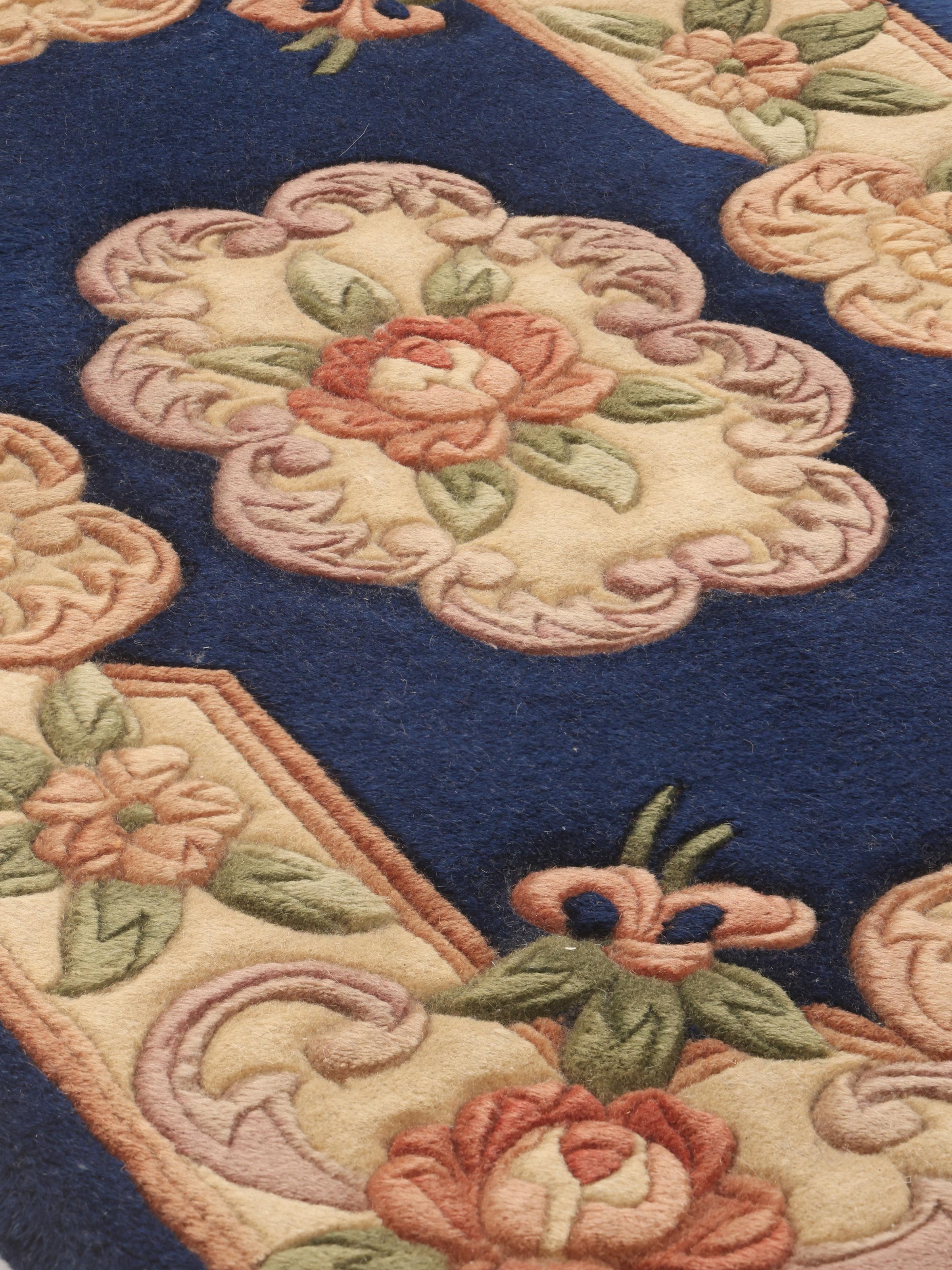
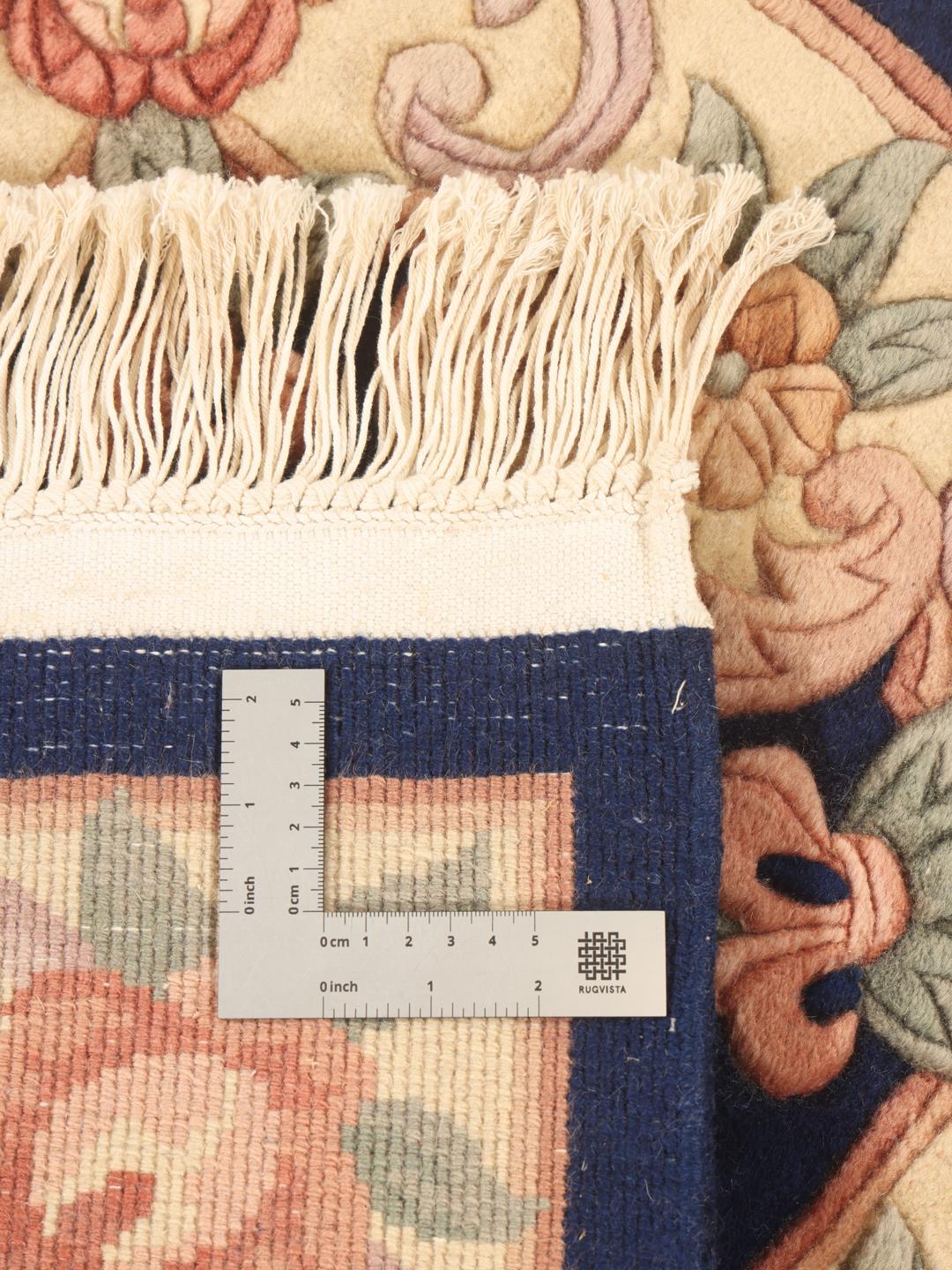
The term '90 line' refers to the historical method of measuring the density of the knots across the rug's width. This measurement is a critical indicator of quality, as it dictates the sharpness of the pattern and the density of the pile. A higher line count requires more precision and time during the weaving process, which directly correlates to a more defined design and a more luxurious, tactile feel for the owner.
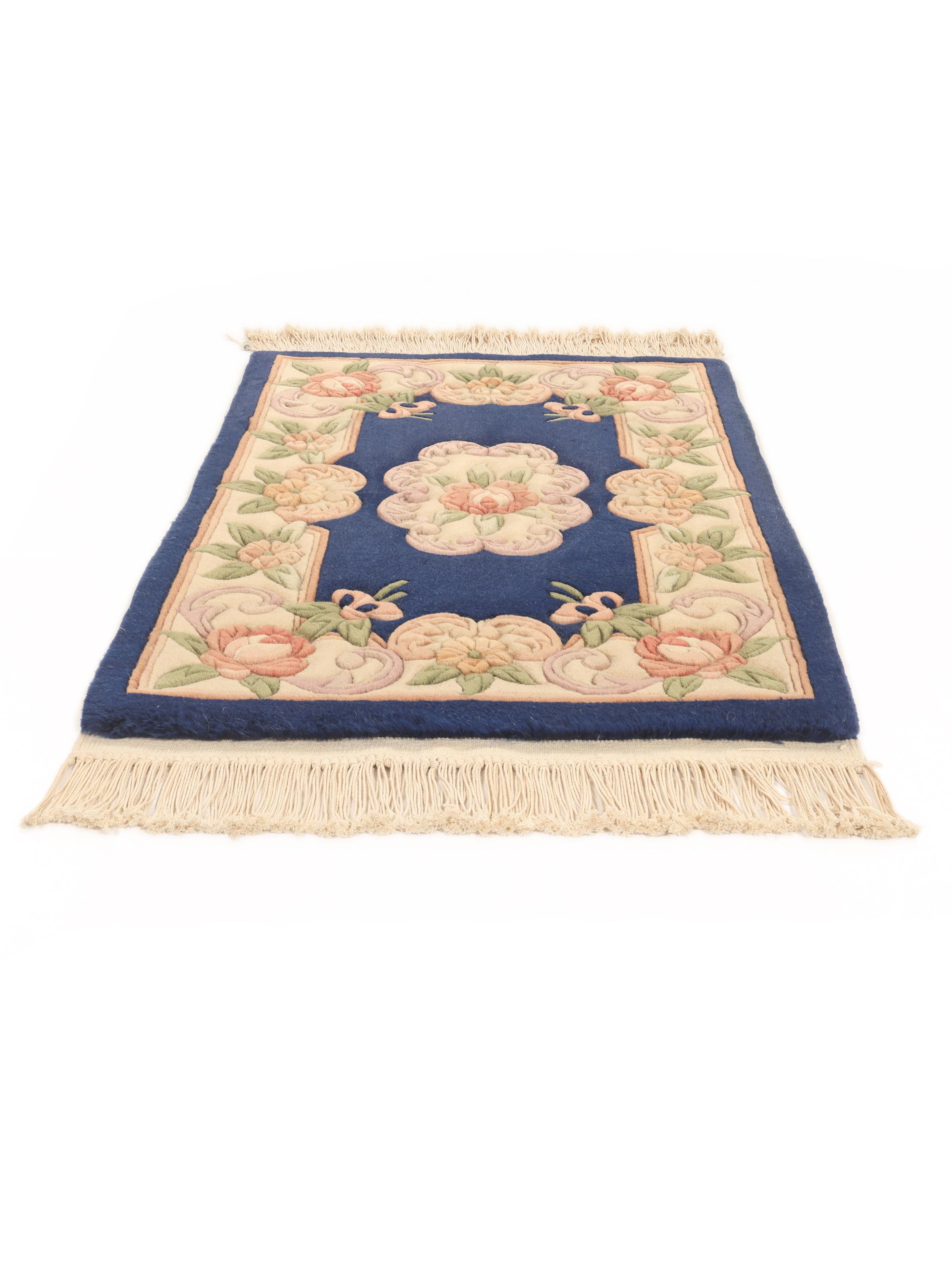
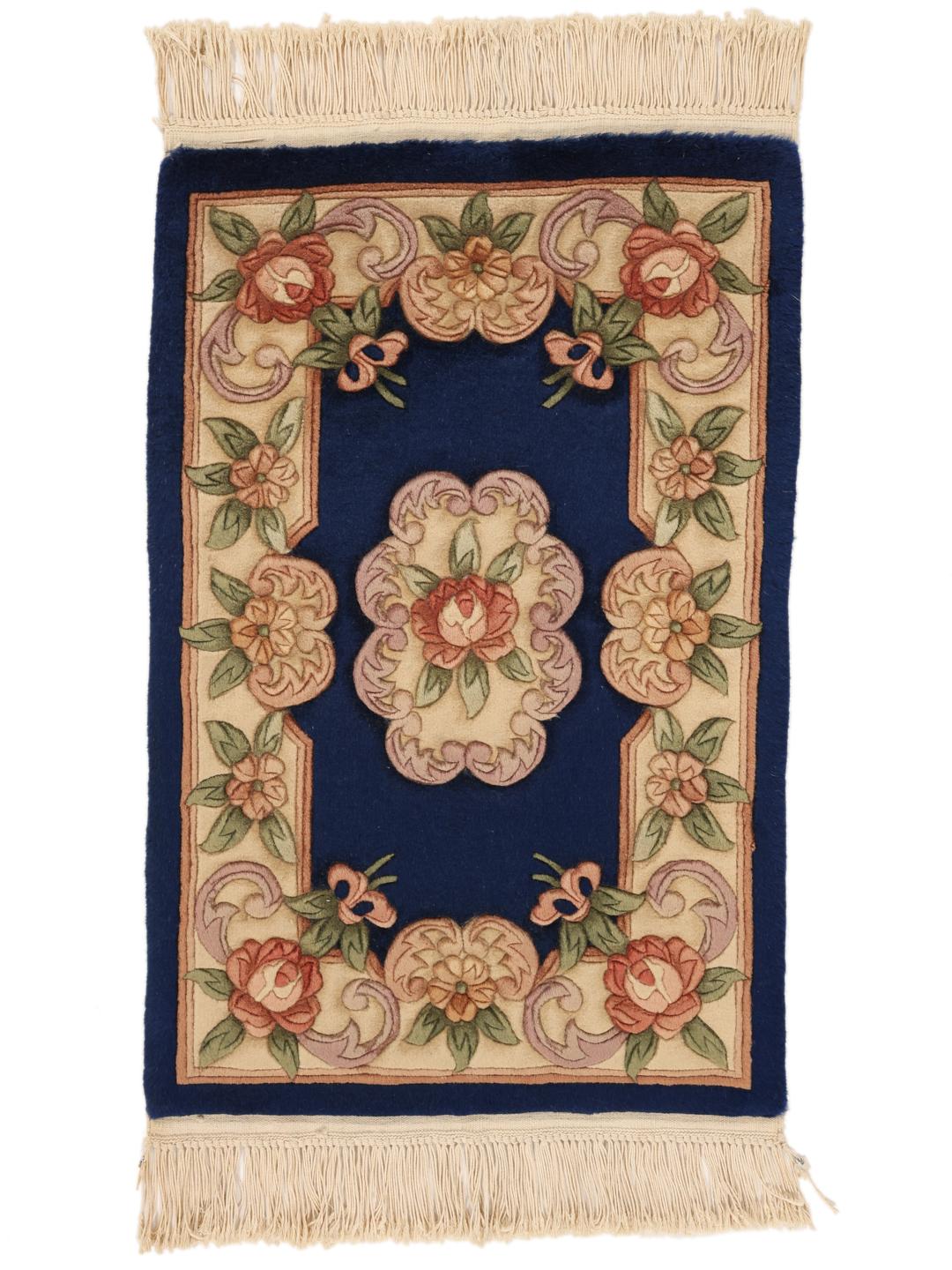
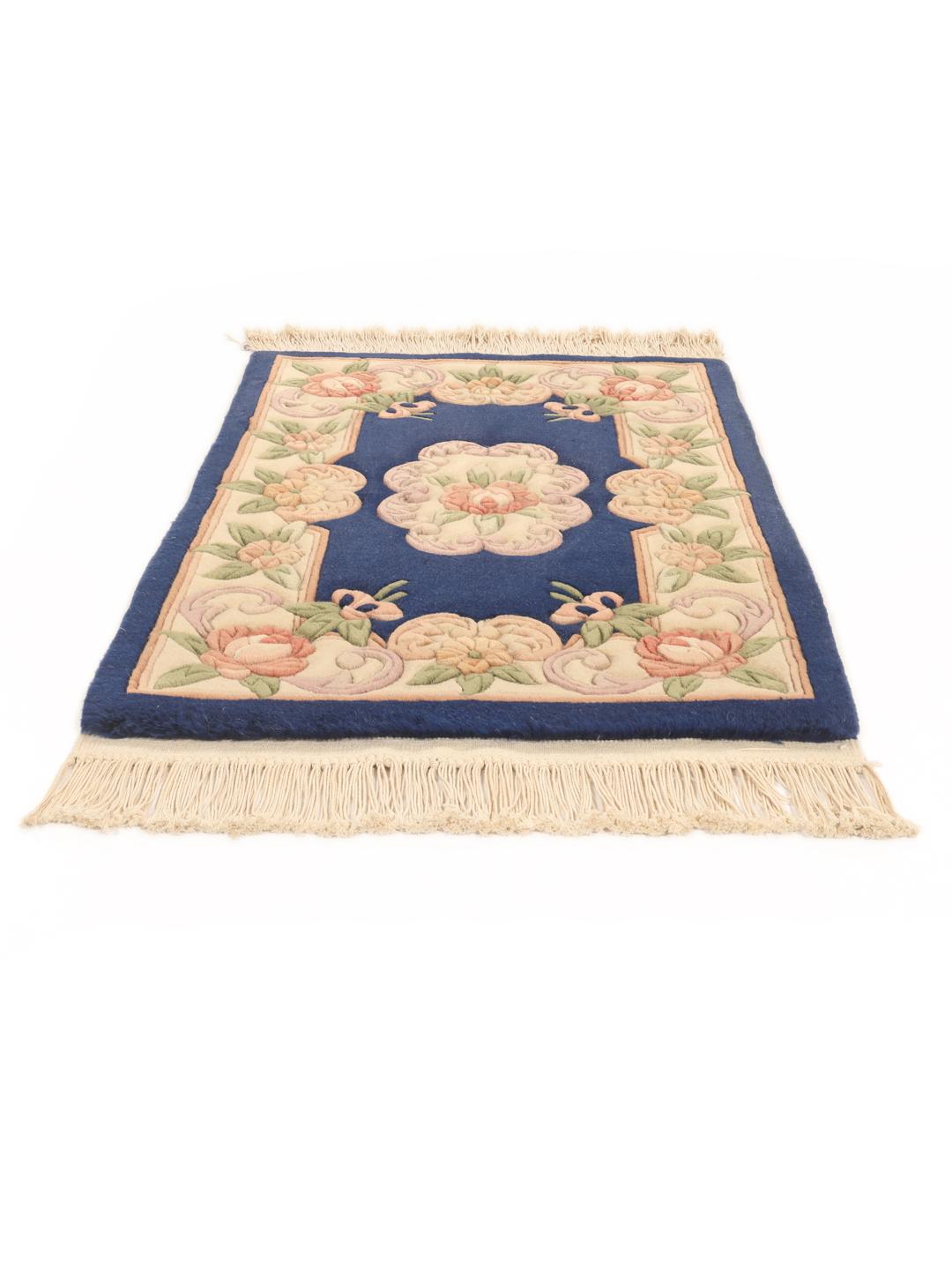
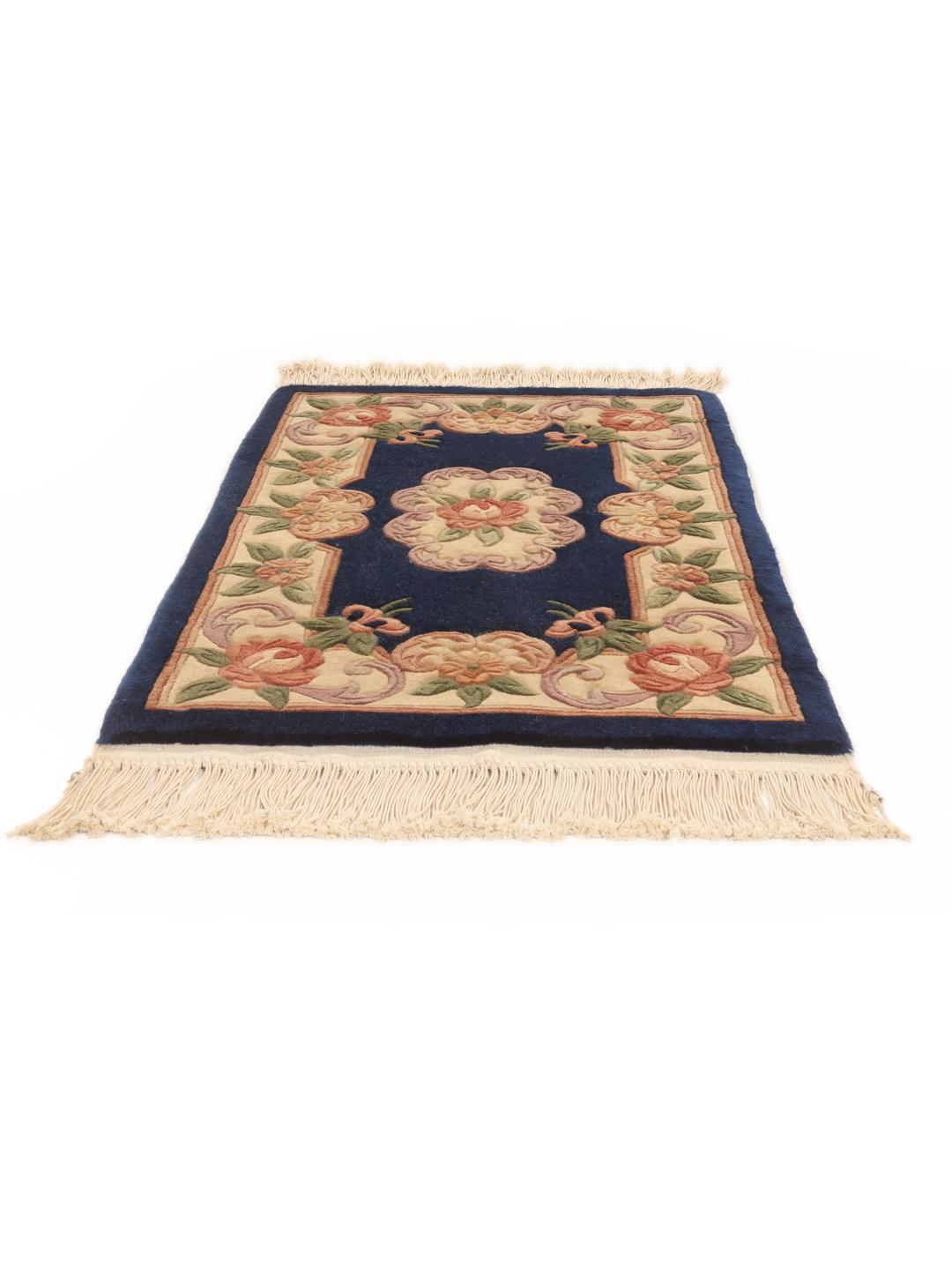
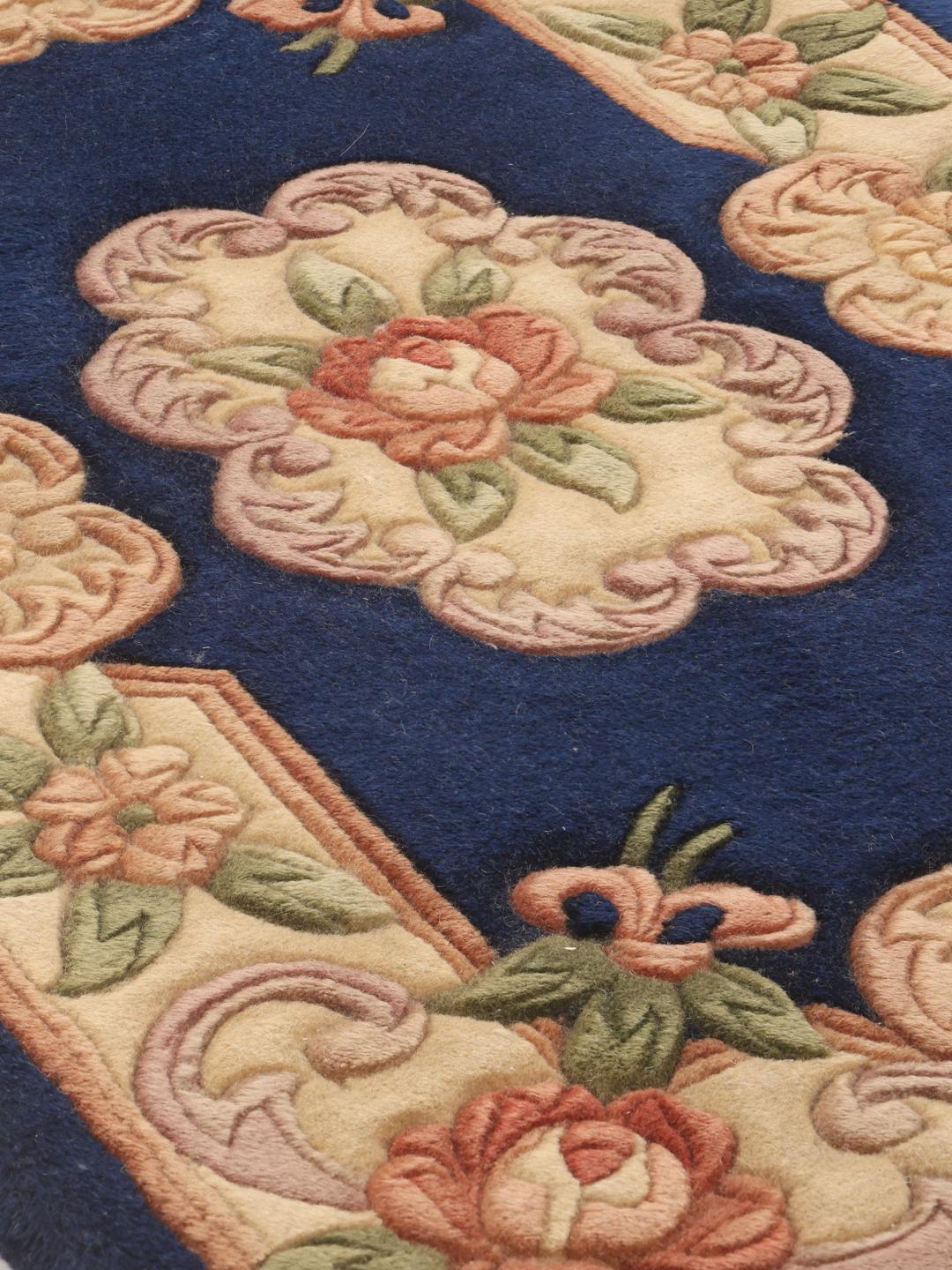
Signature elements of this tradition often include floral motifs, flowing scrolls, and stylised botanical patterns that draw from the rich history of Chinese painting and porcelain design. These patterns are typically arranged in a balanced, harmonious layout, often framed by decorative borders that anchor the composition. The use of deep, resonant colours like blue is a classic hallmark, chosen to provide a strong, elegant base for the more delicate floral details.
Owning a hand-knotted rug from this tradition is an act of preserving a heritage of skill and dedication. These pieces are valued by collectors not only for their visual appeal but for the human effort embedded in every square centimetre. By choosing this rug, you are welcoming a piece of cultural history into your home, celebrating the enduring legacy of artisans who have perfected their craft through generations.