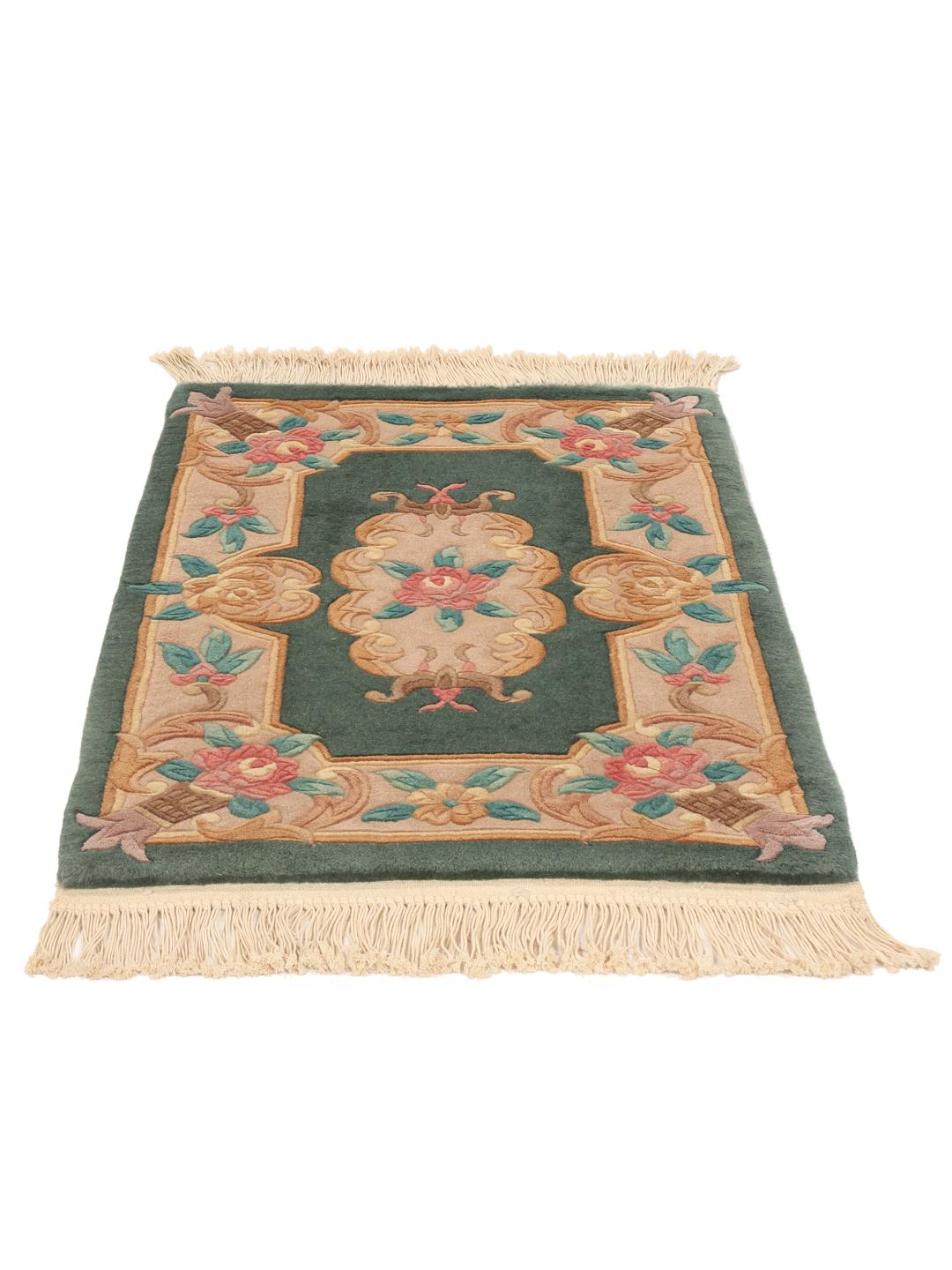
Chinese rug weaving is a tradition that spans centuries, evolving from functional floor coverings to intricate works of art. Historically, Chinese rugs were often woven with silk and wool, frequently incorporating motifs derived from nature, such as flowers, birds, and landscapes, which carry deep cultural significance and symbolise prosperity and longevity.
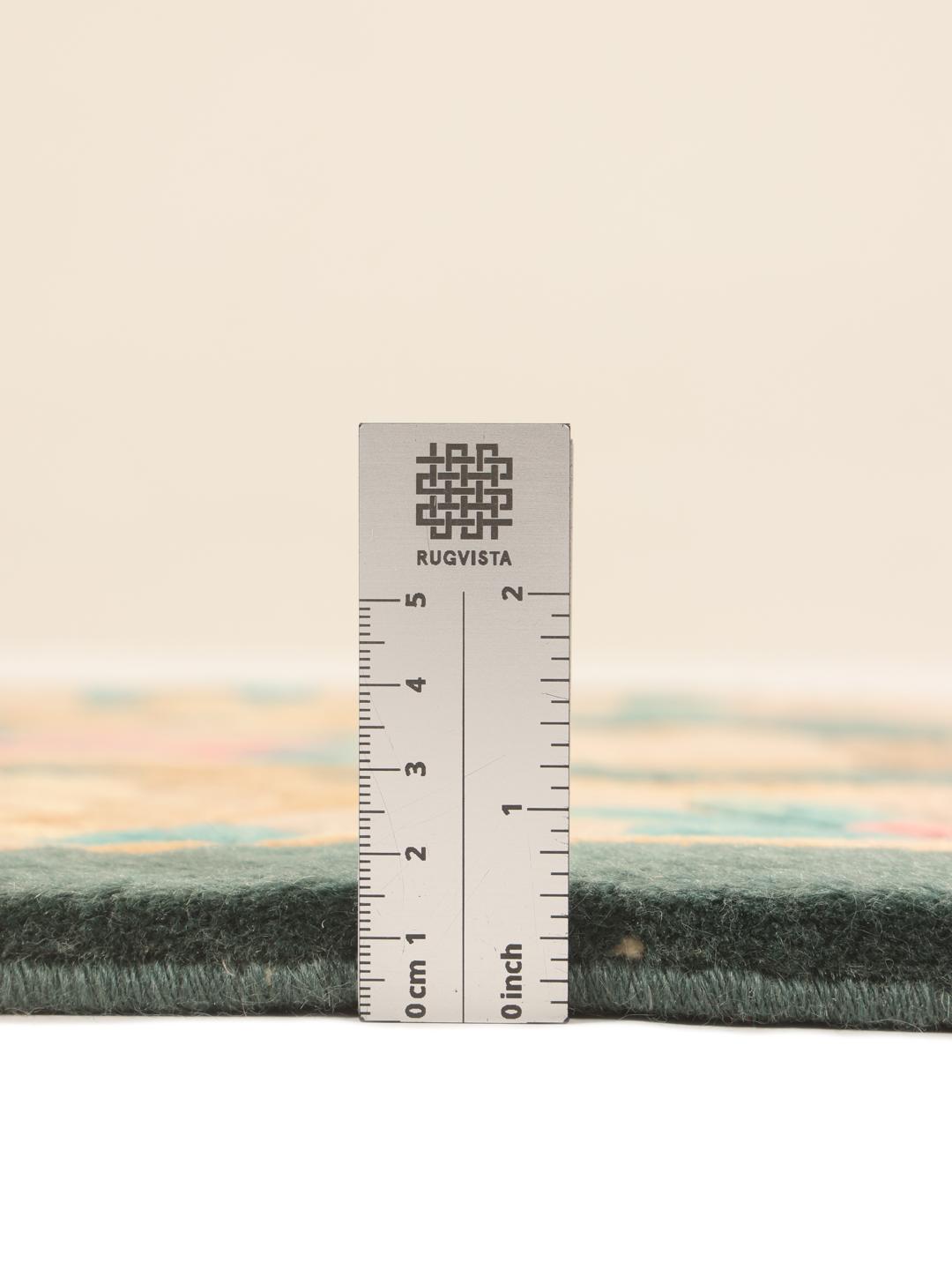
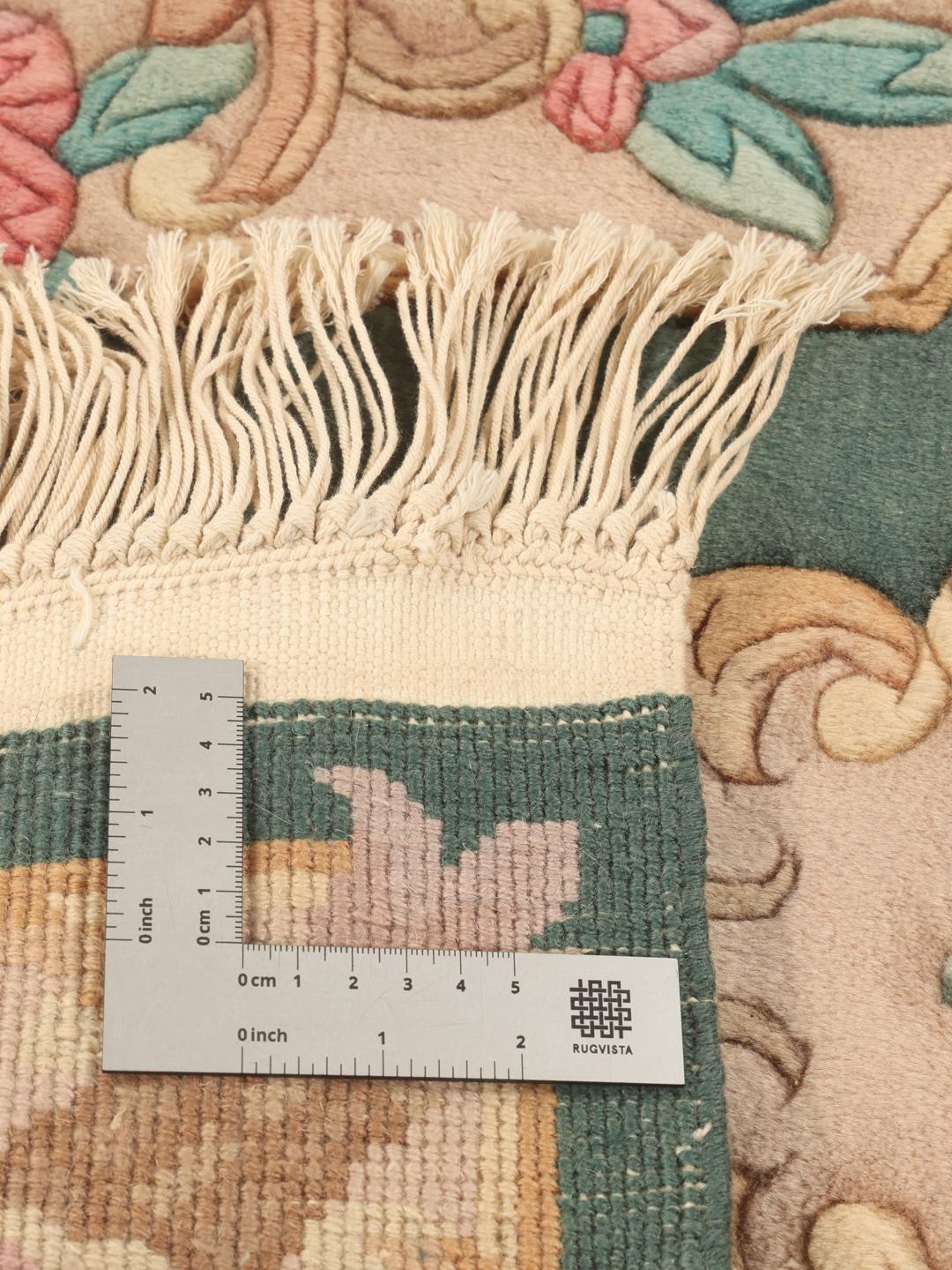
The term '90 line' refers to a traditional system used to measure the density of the knots in Chinese rugs. This measurement has long been a benchmark for quality, indicating the number of knots across a specific width. A higher line count traditionally denotes a finer, more detailed pattern and a more compact, durable pile structure that enhances the rug's longevity and tactile appeal.
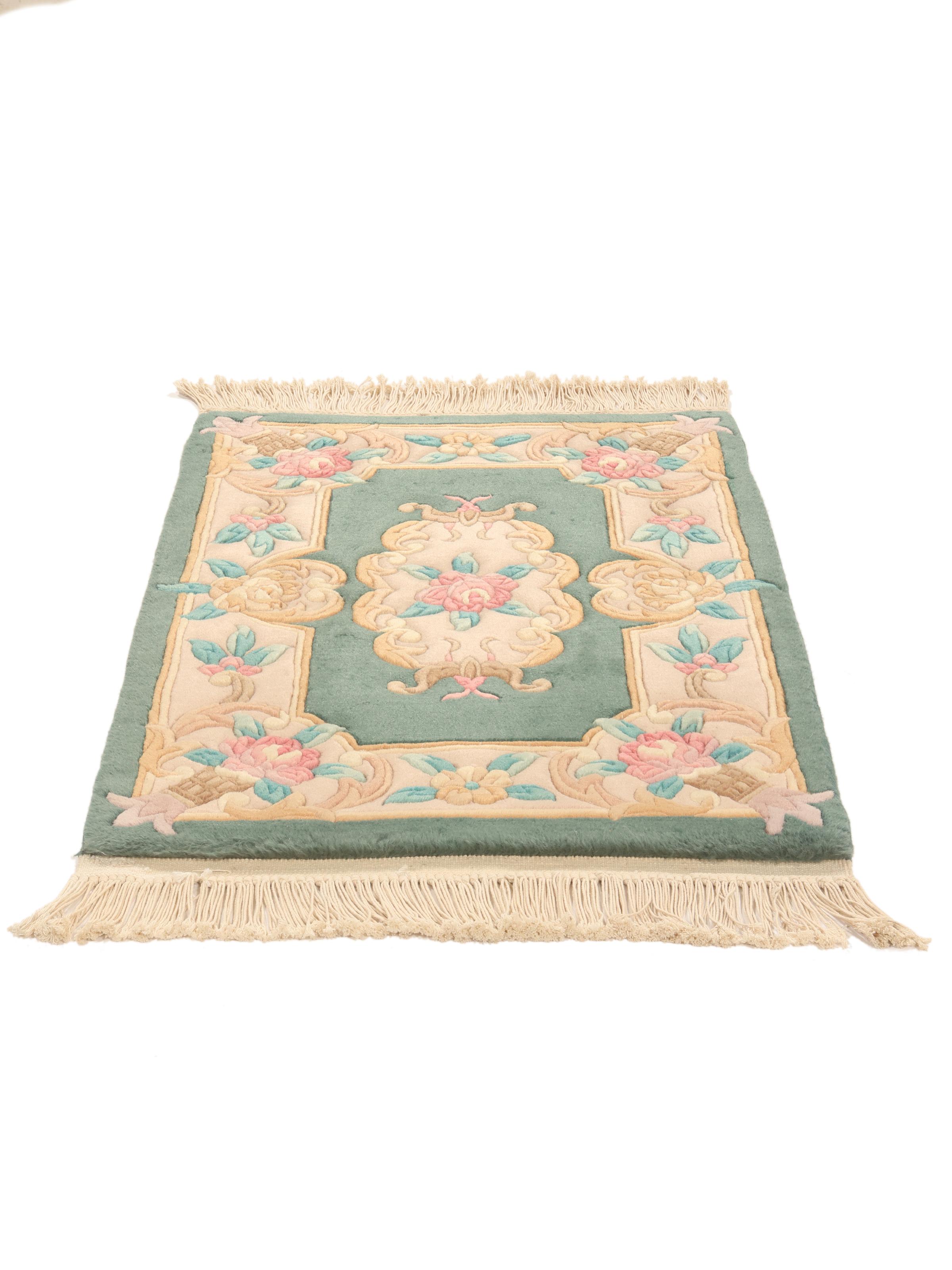
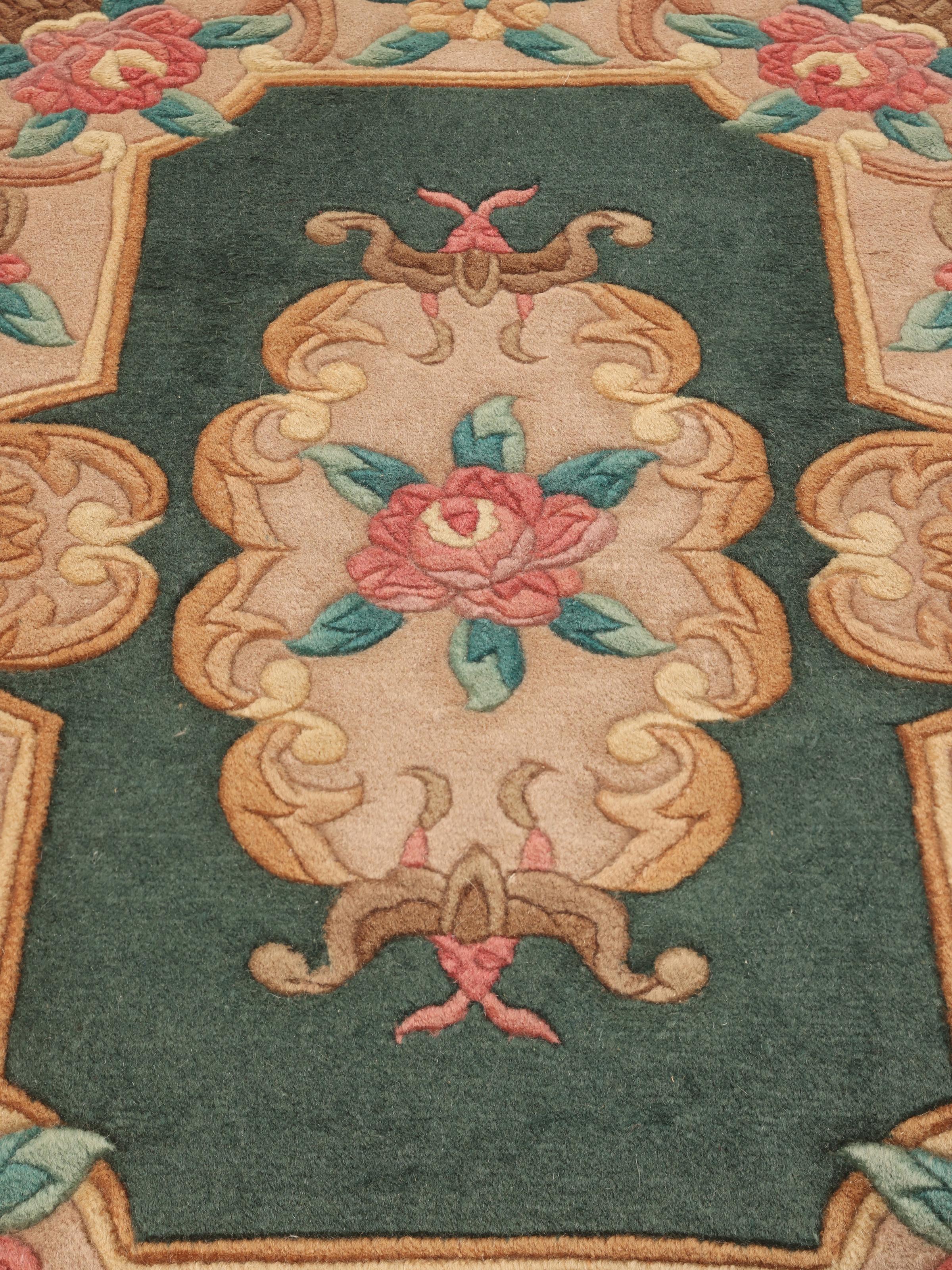
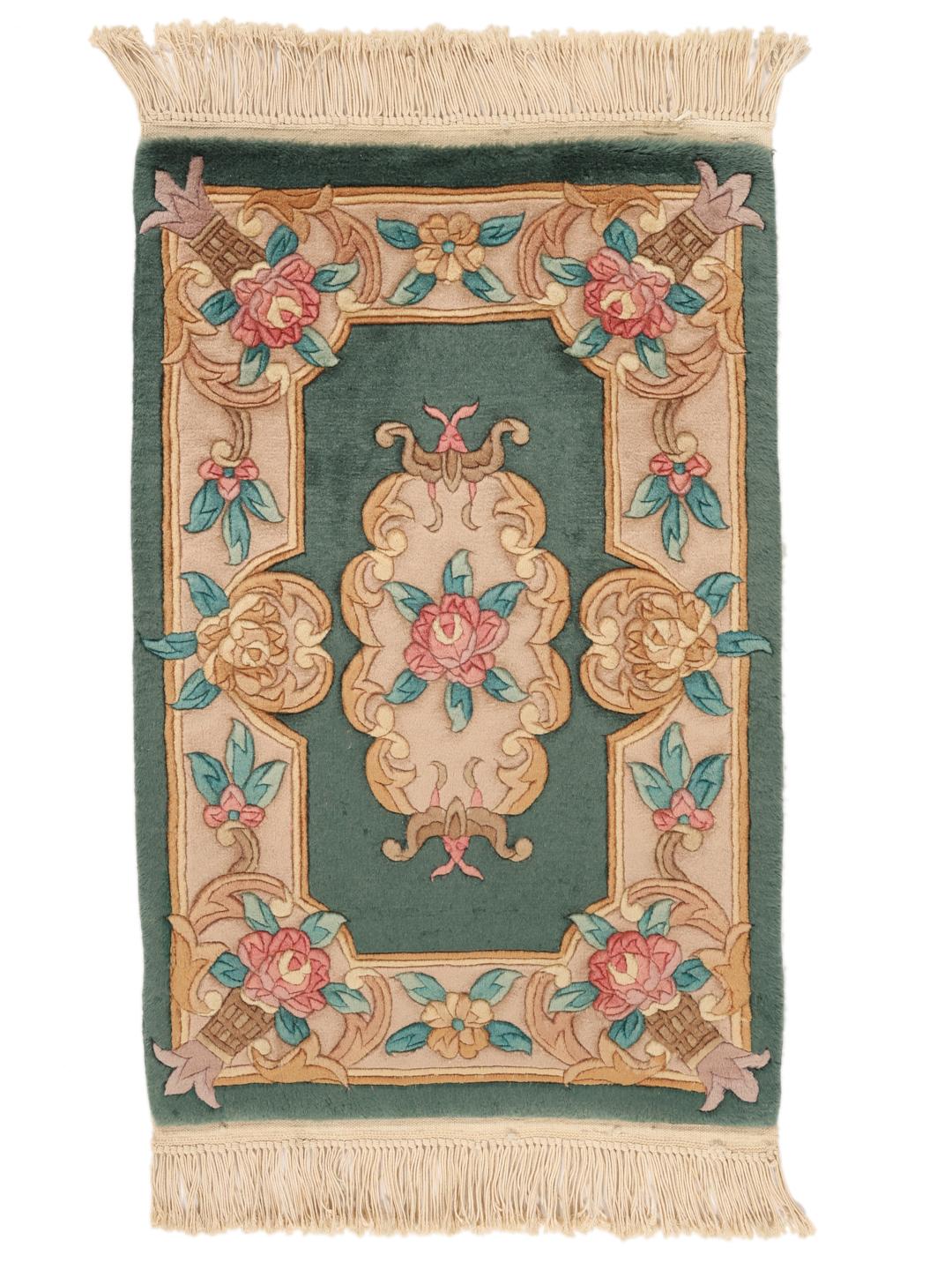
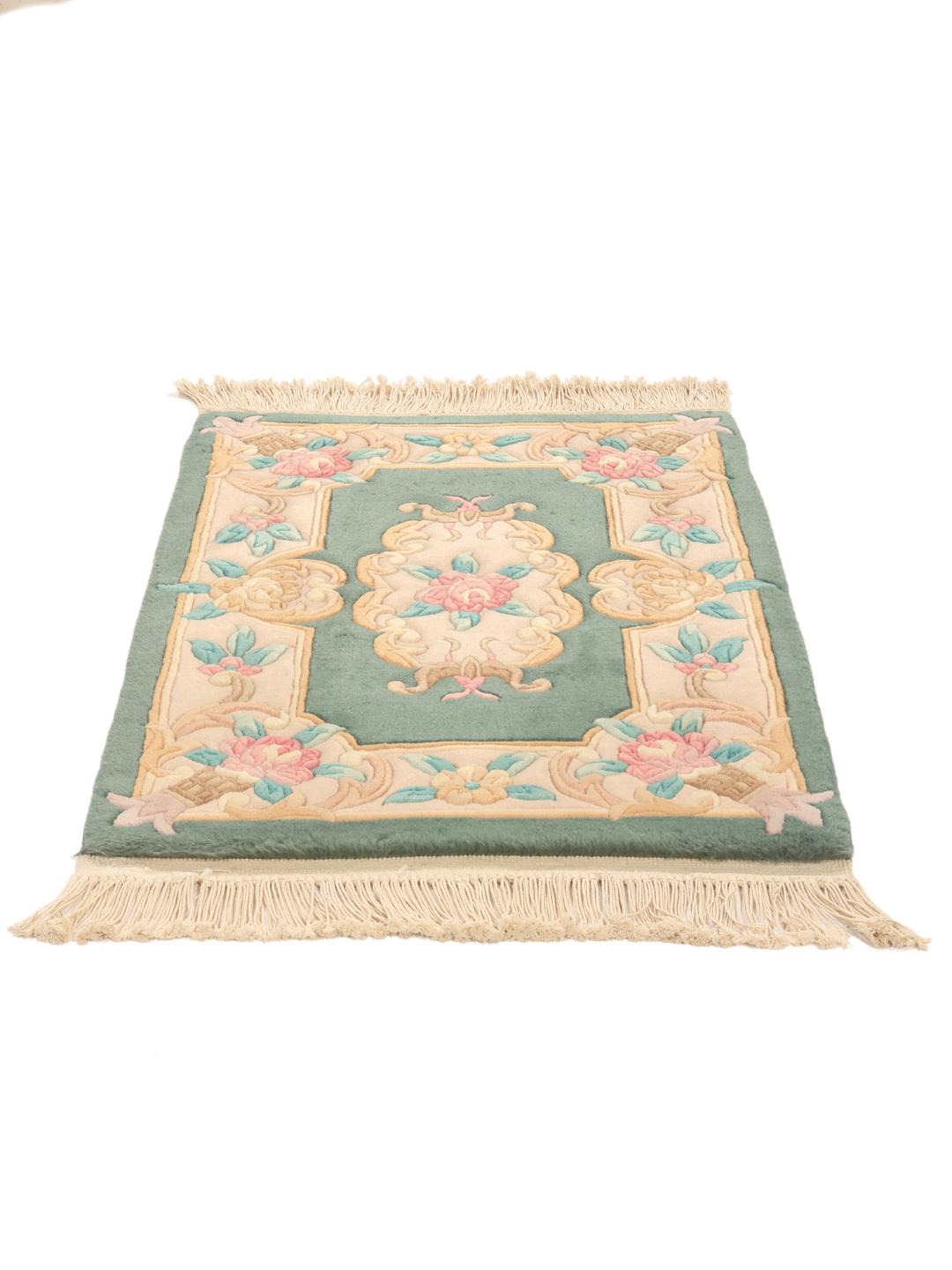
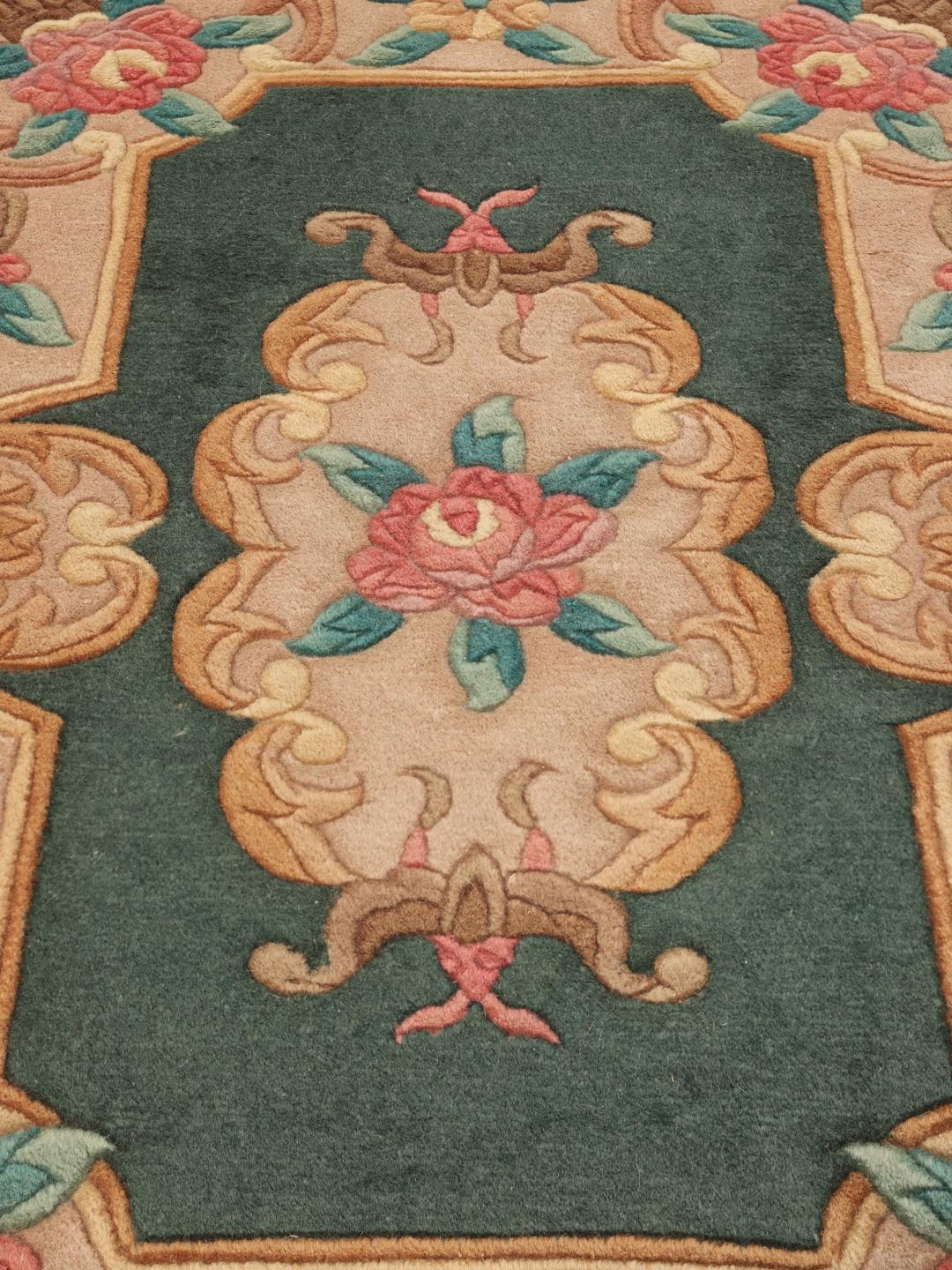
The design of this rug showcases a classic floral composition, a staple in Chinese decorative arts. The use of repeating motifs and balanced borders is characteristic of the tradition, designed to bring a sense of harmony and order to a room. The integration of soft, organic shapes within a structured frame highlights the skill involved in adapting these historical patterns for modern living.
Collecting a hand-knotted rug from China is an opportunity to own a piece of a storied craft tradition. These rugs are highly valued for their ability to blend traditional symbolism with functional design. Owning such a rug is a way to honour the artistry of the weavers while adding a layer of heritage and sophisticated character to your living environment.