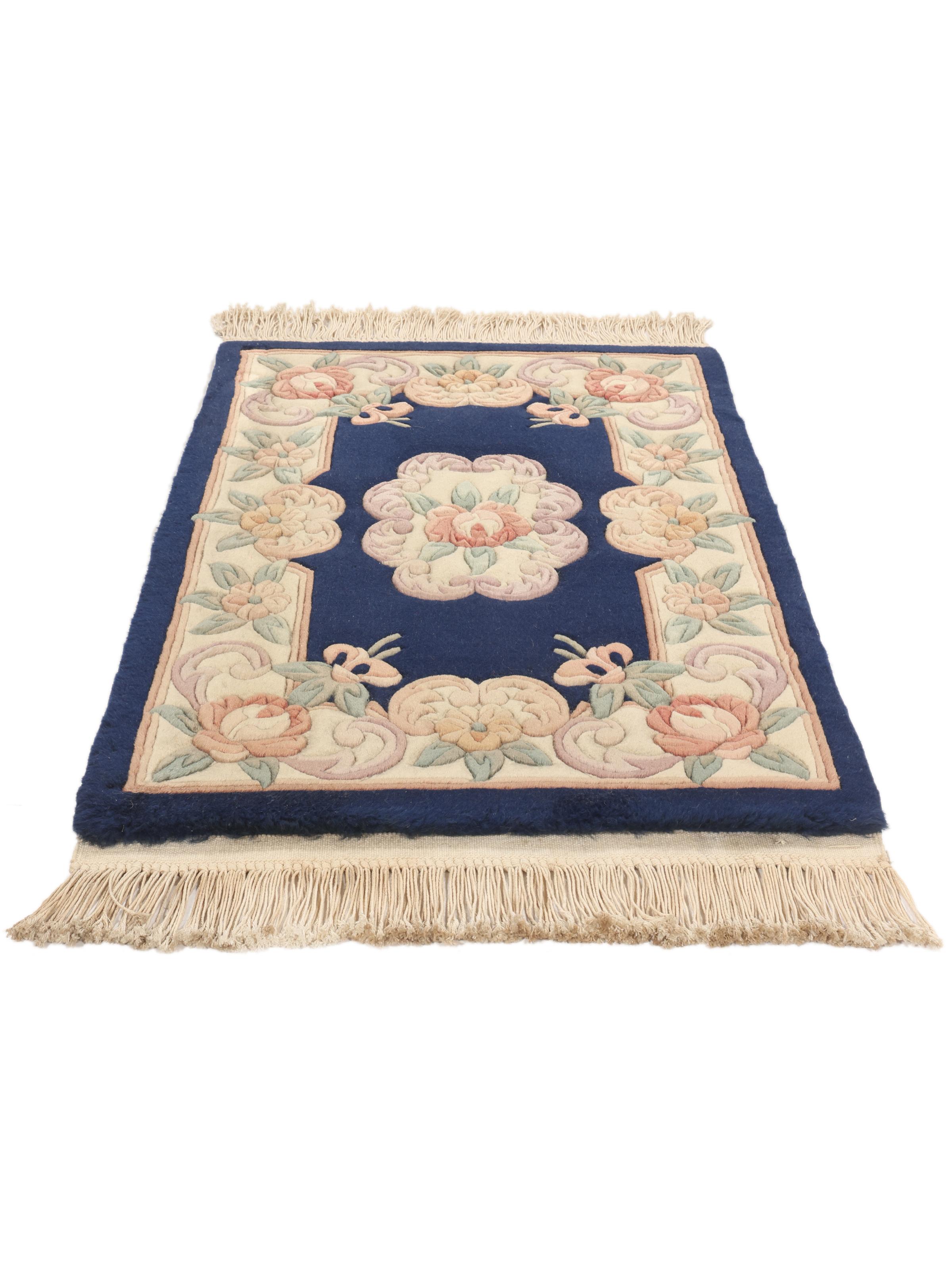
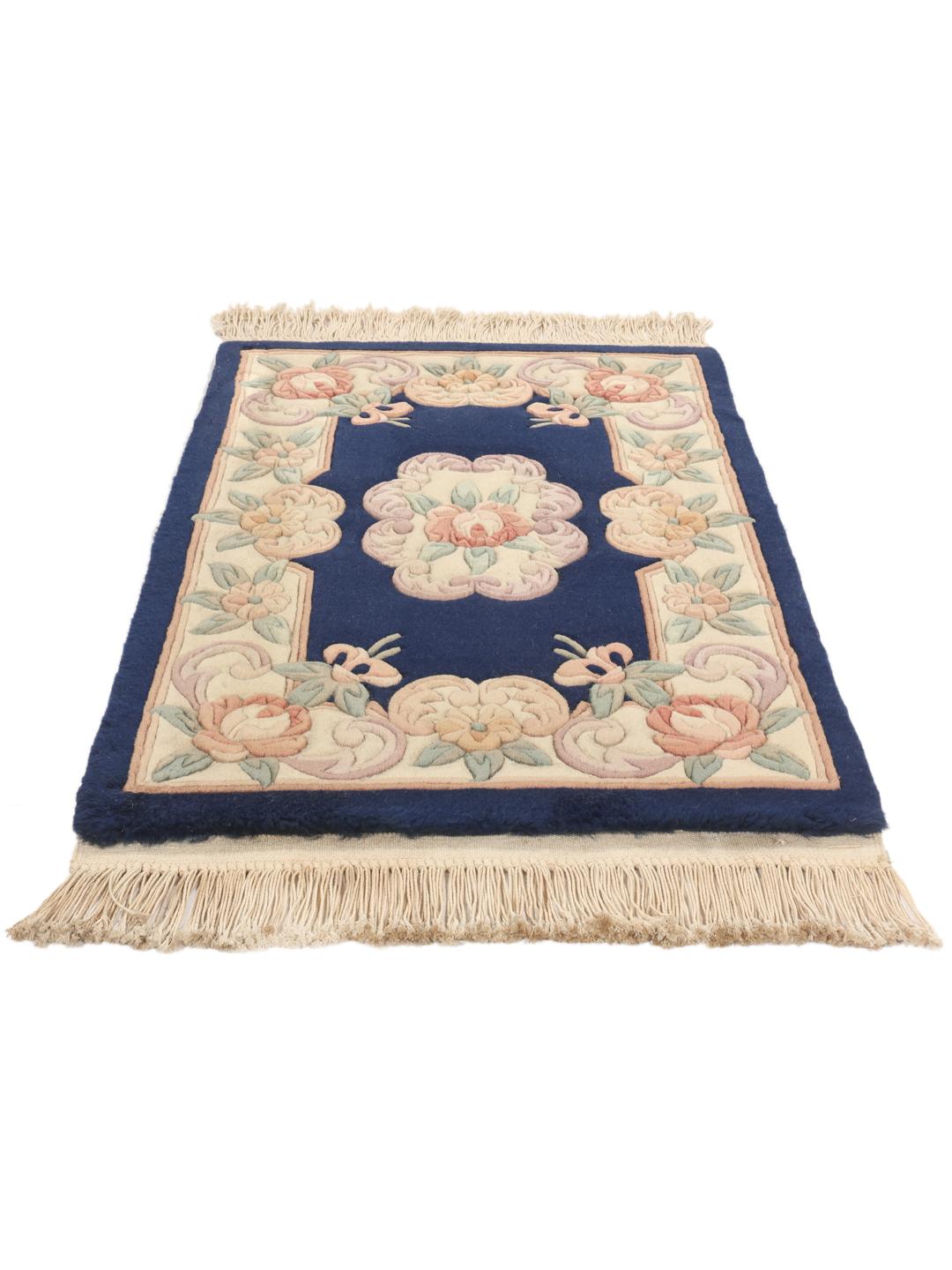
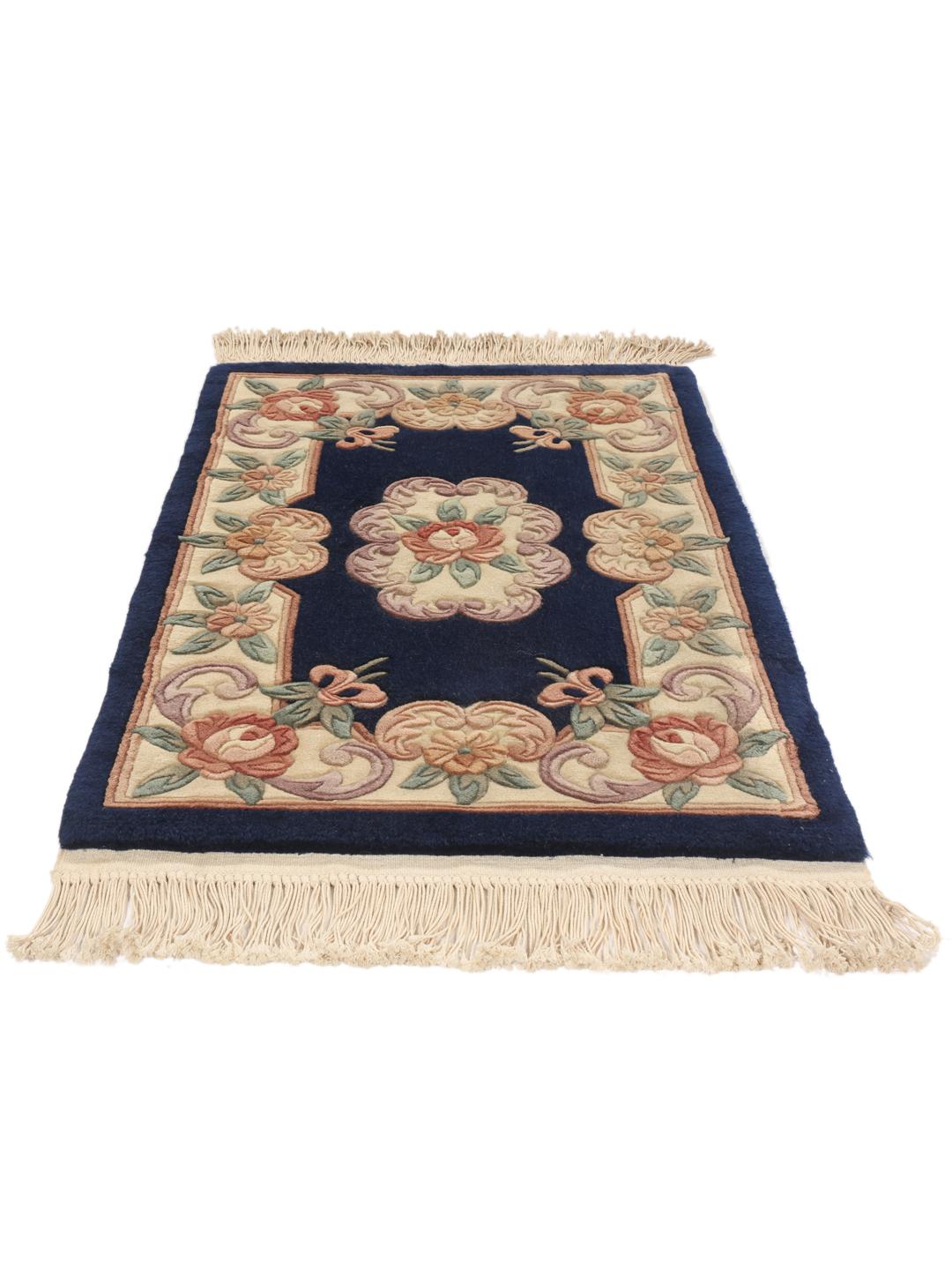
Chinese rug production has a long and storied history, evolving from ancient techniques that were once reserved for imperial palaces and temples. Today, these rugs are celebrated for their distinctive aesthetic, which often features silk-like wool and artistic, symbolic motifs that draw from centuries of cultural heritage.
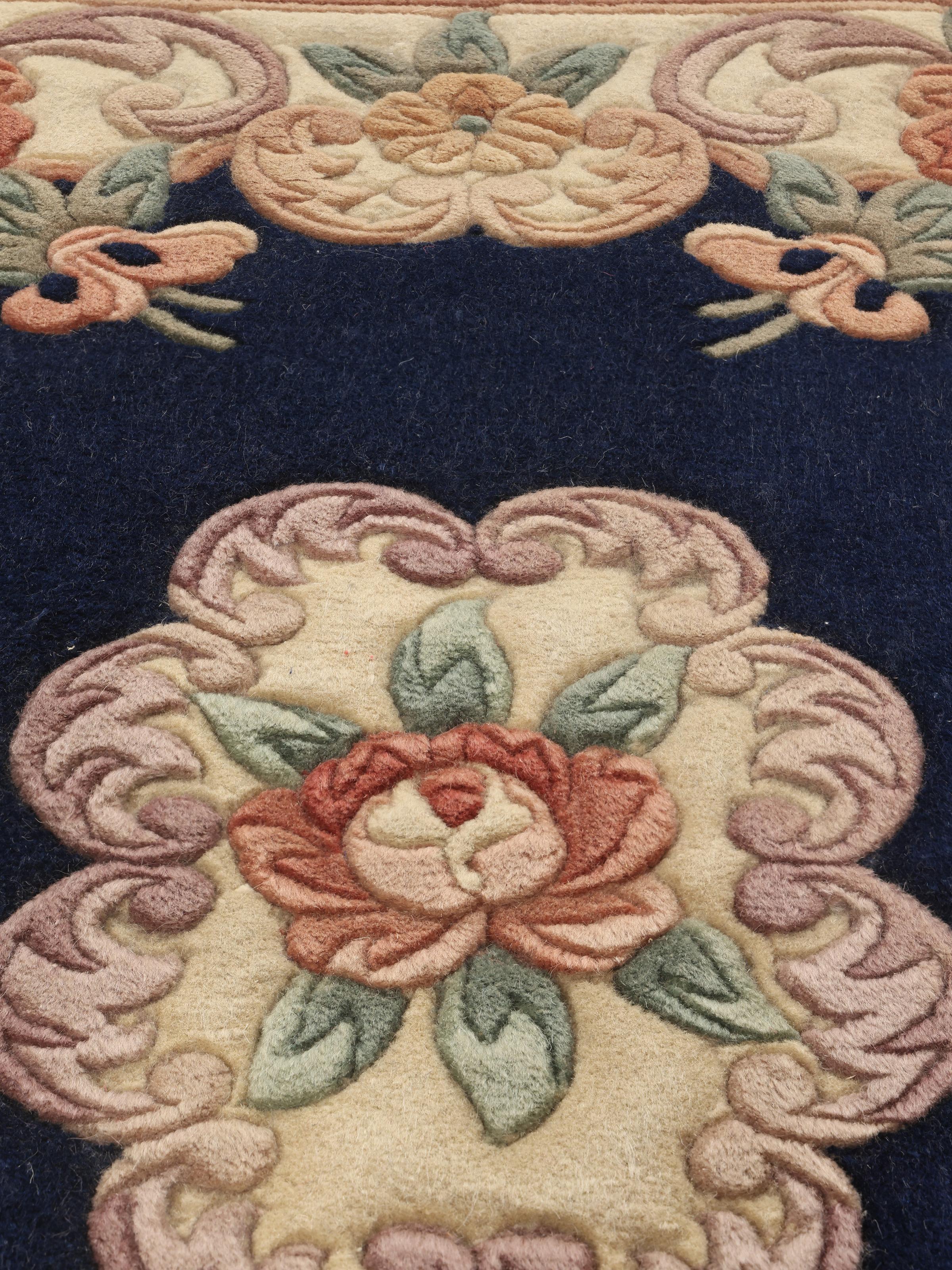
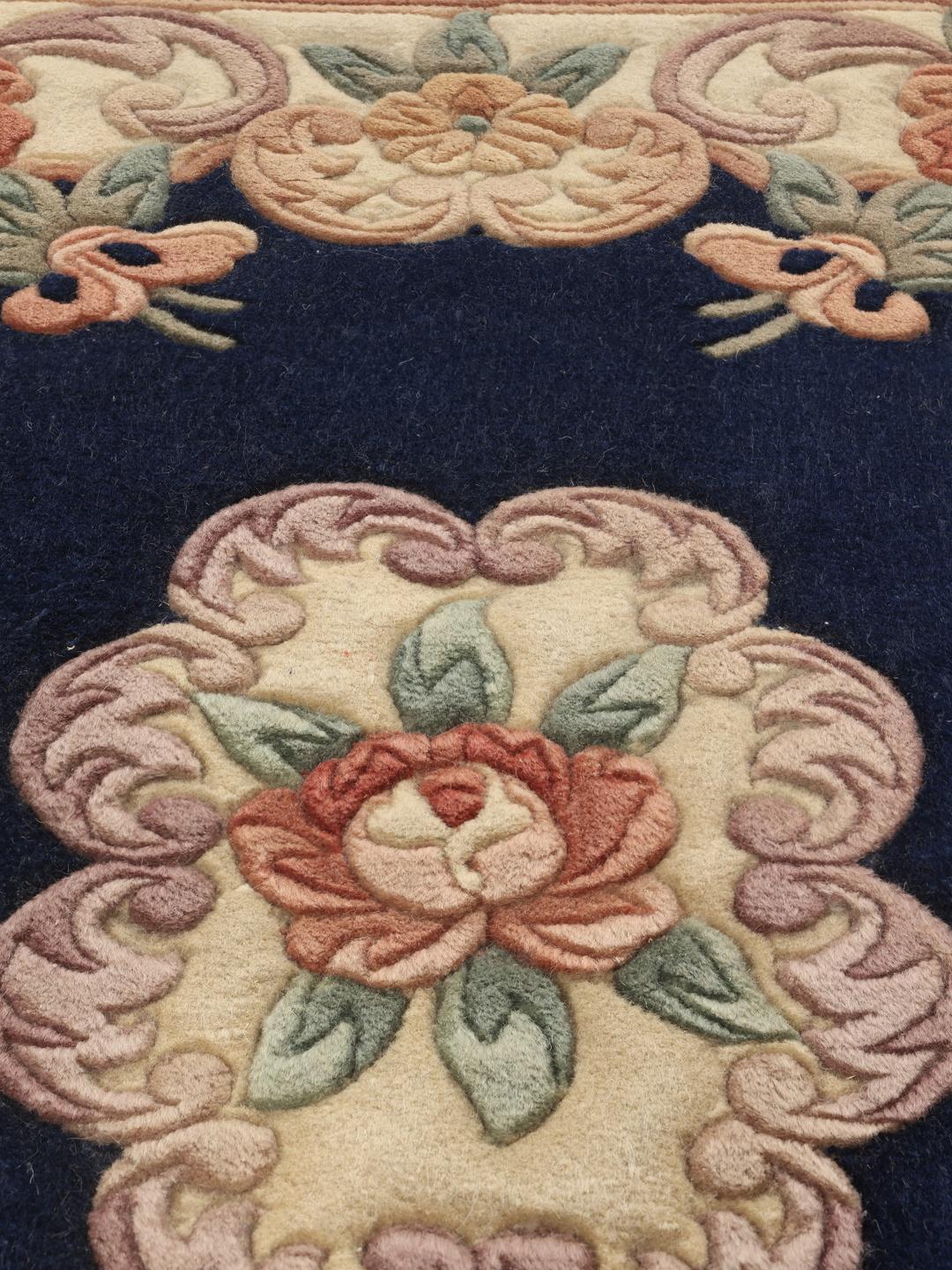
The term 90 Line refers to a traditional method of measuring density in Chinese rug weaving, based on the number of knots per foot. This technical standard is a hallmark of the region's craft, ensuring that the resulting pile is dense, plush, and capable of holding intricate designs with remarkable clarity, providing both comfort and long-term durability.
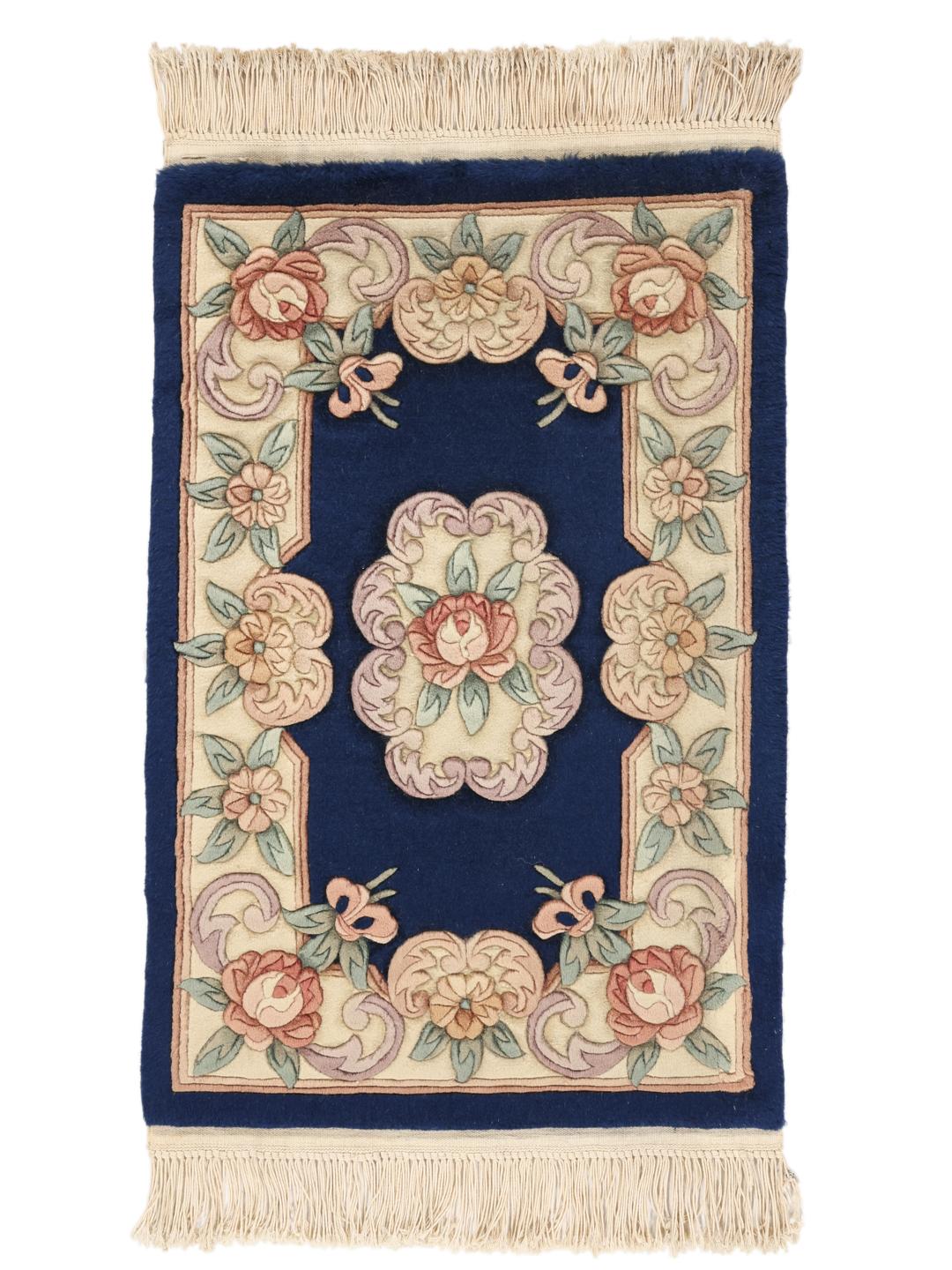
Signature design elements in this tradition often include balanced floral compositions, scrolling vines, and clear borders that frame the central field. The use of negative space and the careful arrangement of medallions are classic characteristics that give these rugs their airy yet structured appearance, making them highly sought after by collectors.
Owning a piece from this tradition is an investment in human skill and historical design. These rugs are valued not just for their aesthetic appeal, but for the legacy of craftsmanship they represent. Each rug serves as a bridge to a refined artistic lineage, offering a sense of permanence and cultural depth to the modern home.