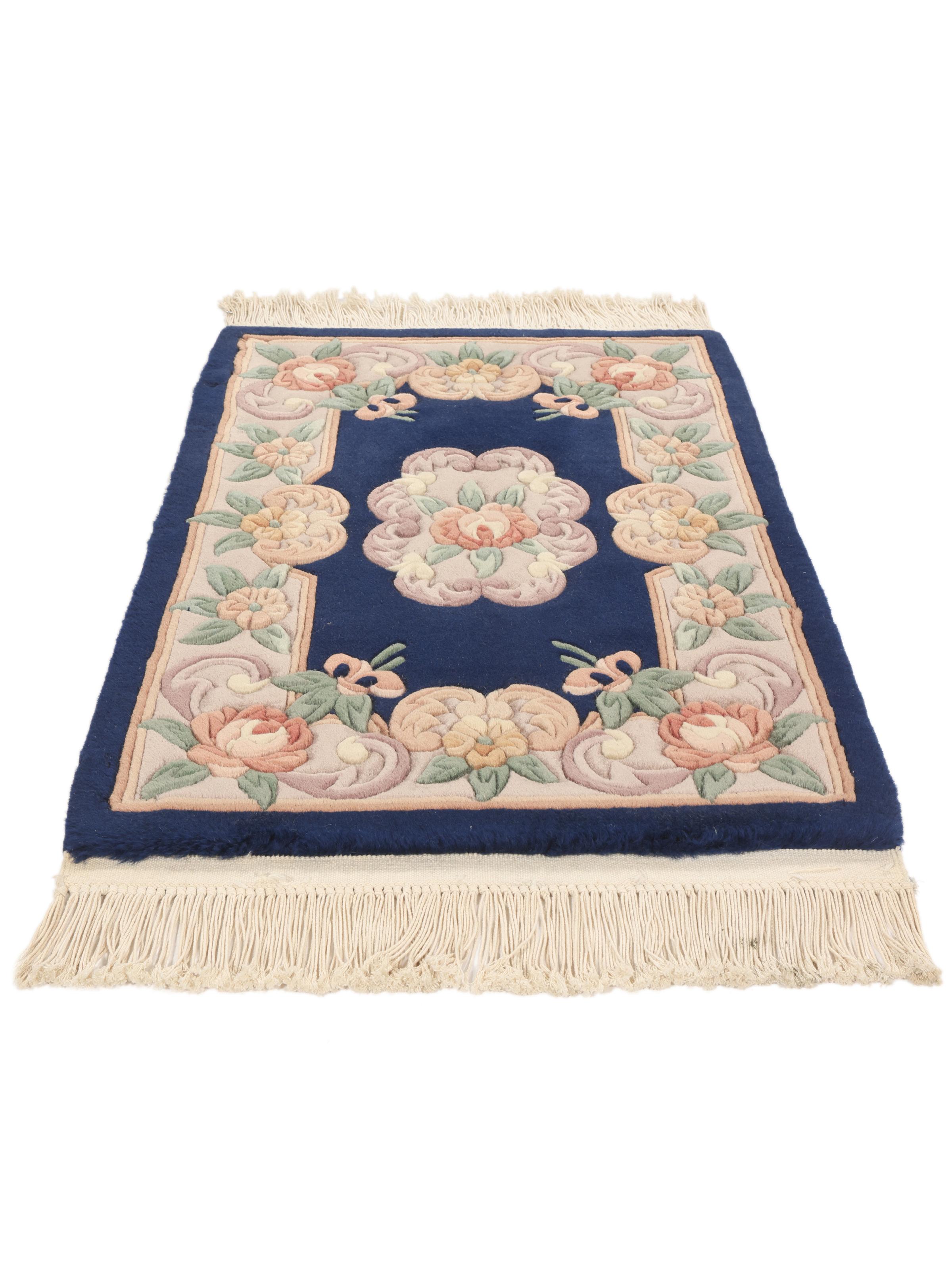
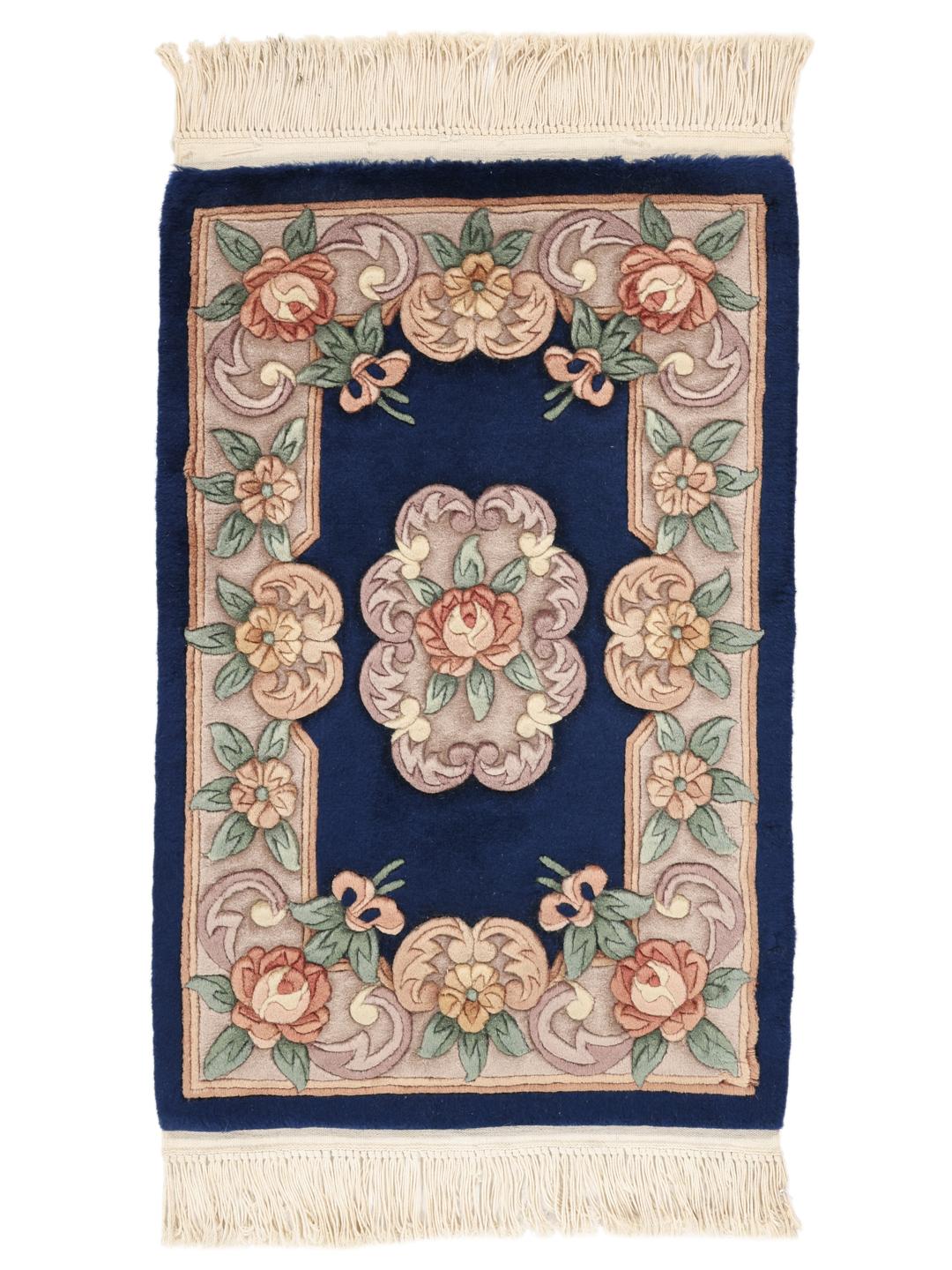
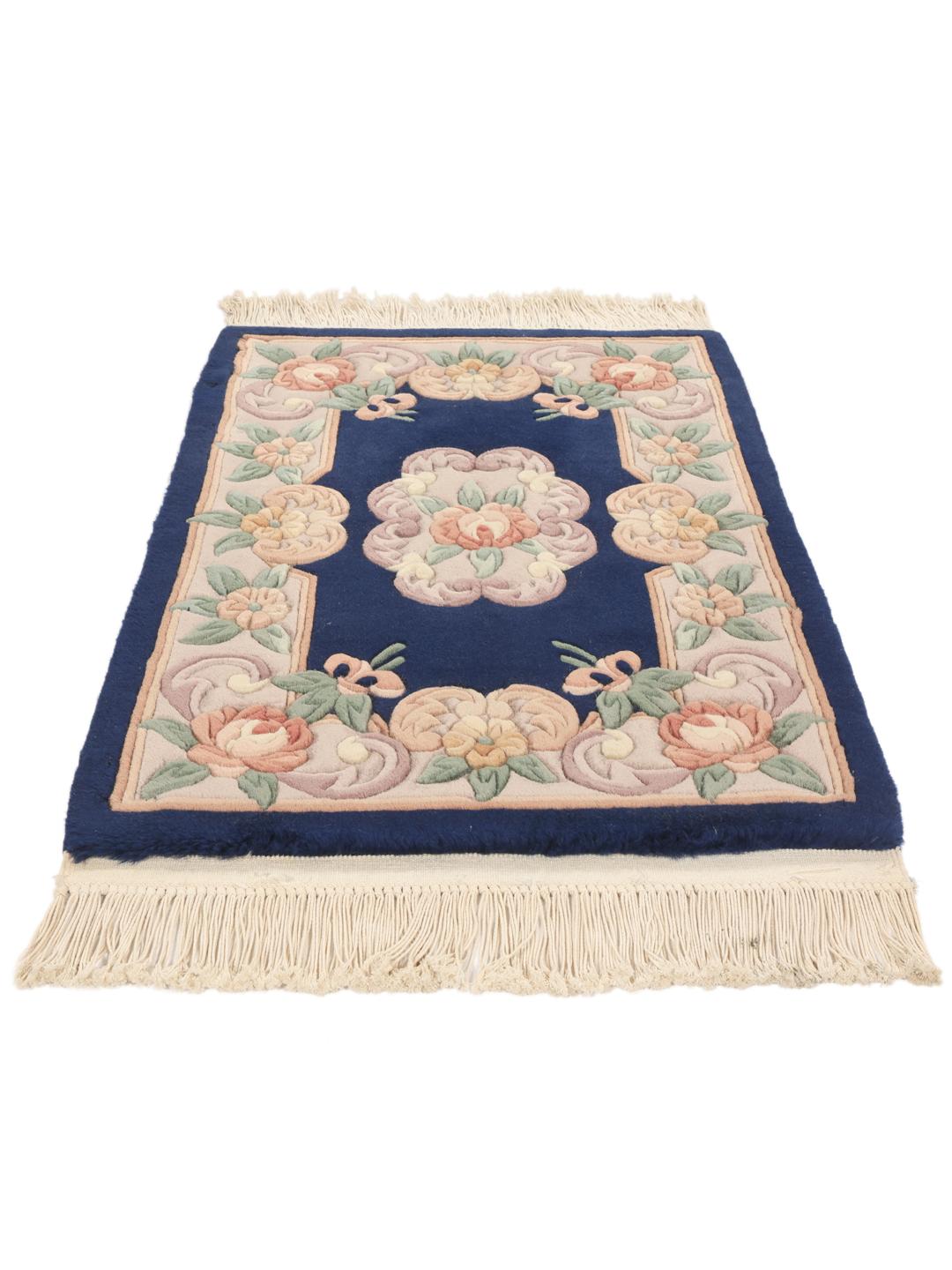
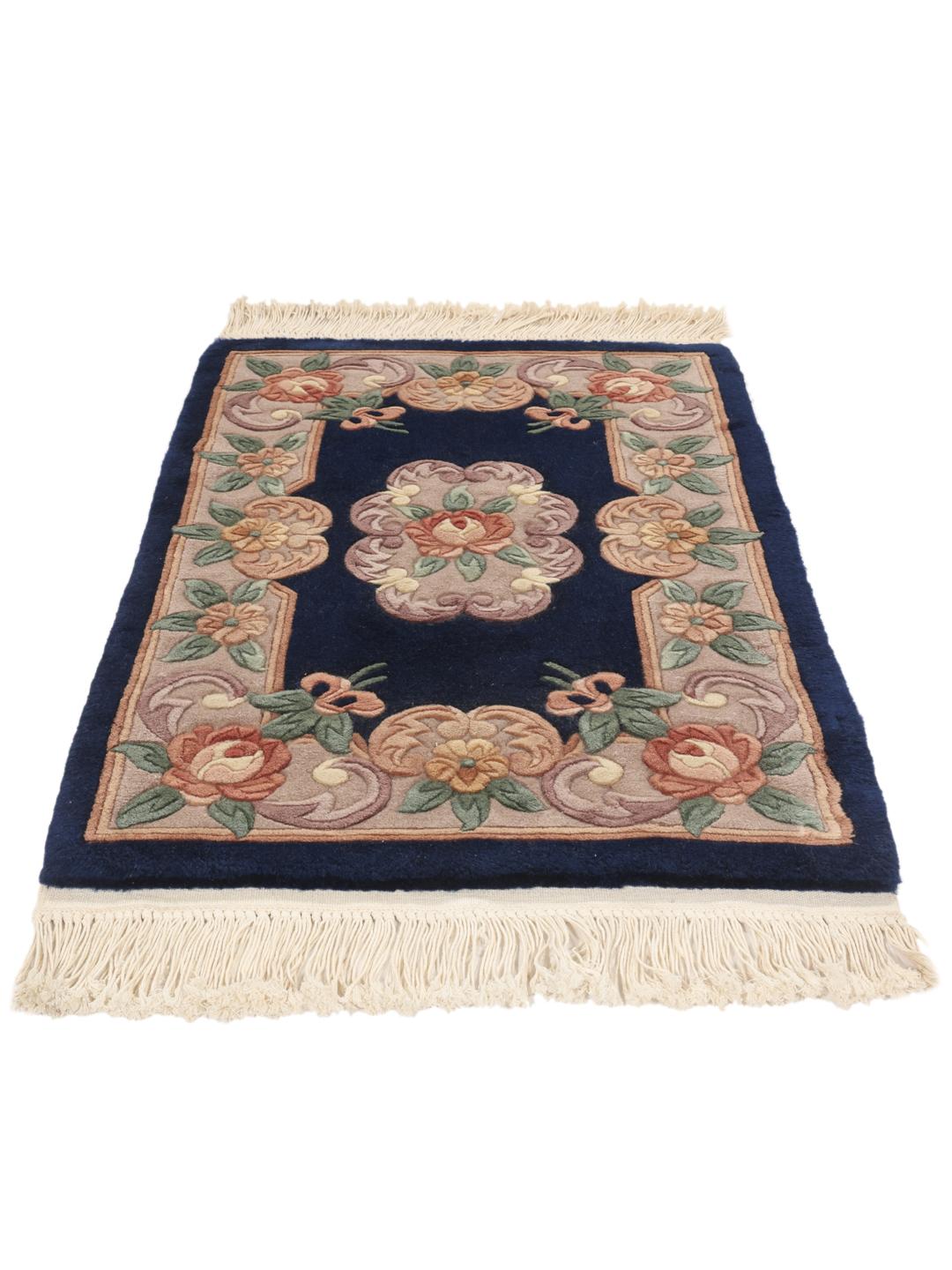
Chinese rug weaving has a storied past that spans centuries, evolving from ancient traditions into a refined art form that gained global recognition. The distinct style of these rugs often draws inspiration from classical Chinese motifs, including natural elements like flowers, birds, and landscapes, which are rendered with a unique sense of balance and harmony.
The term '90 Line' refers to the traditional method of measuring the fineness of a rug by counting the number of knots across a specific width. This technical standard is essential for quality control, as it dictates the complexity of the design and the density of the pile. A higher line count generally indicates a more detailed pattern and a more luxurious, durable surface, showcasing the weaver's ability to maintain precision over thousands of individual knots.
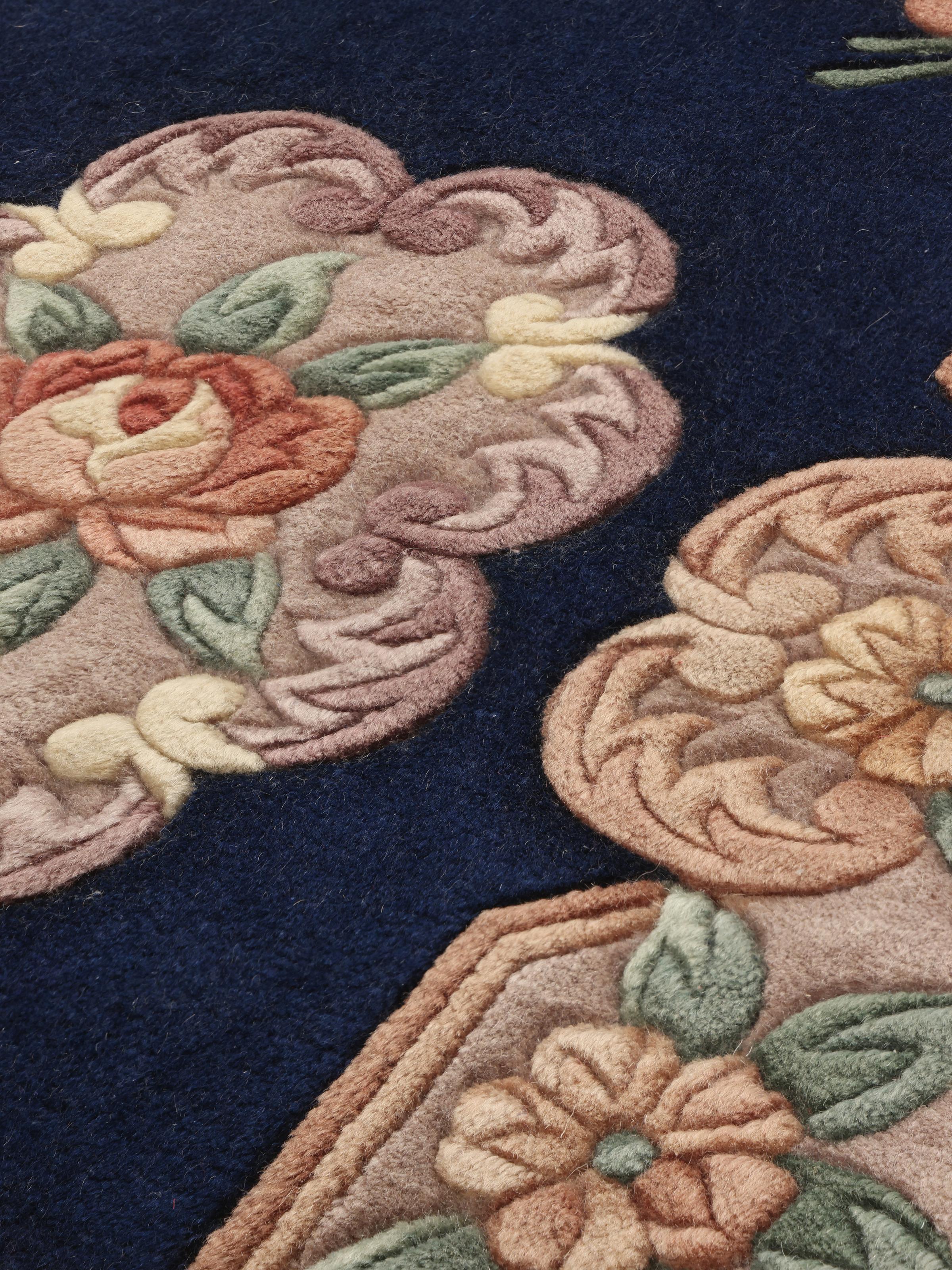
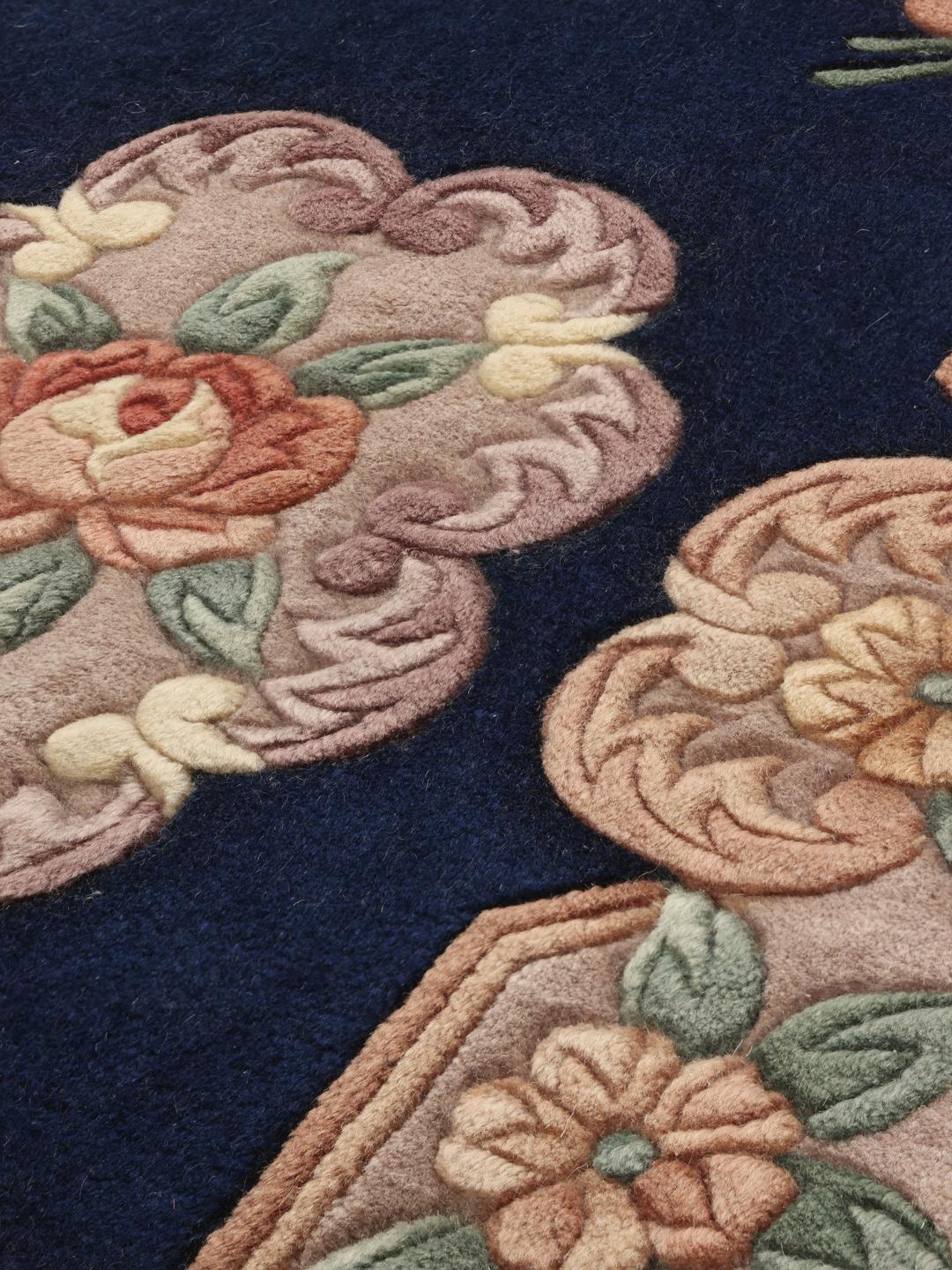
Visually, these rugs are known for their sculptural, embossed appearance, where the floral motifs are often highlighted through careful carving of the pile. This technique creates a sense of depth and dimension that makes the flowers and patterns appear to lift off the surface of the rug. Typically, the colour palettes are chosen to complement the intricate designs, often featuring deep, rich ground colours that make the softer floral tones stand out.
Collectors and enthusiasts value these rugs for their combination of artistic beauty and technical skill. Owning a piece from this tradition is an appreciation of a heritage that values both aesthetic grace and longevity. These rugs are not merely decorative items but are recognised as significant examples of craft that bring a sense of history and cultural depth into a modern home.