Chinese rug-making is a storied tradition that has evolved over centuries, blending artistic expression with functional utility. Historically, these rugs were highly sought after by imperial courts and elite households, known for their sophisticated use of space and colour. Today, this tradition continues to flourish, with artisans adapting age-old techniques to create pieces that resonate with modern sensibilities while honouring their cultural roots.
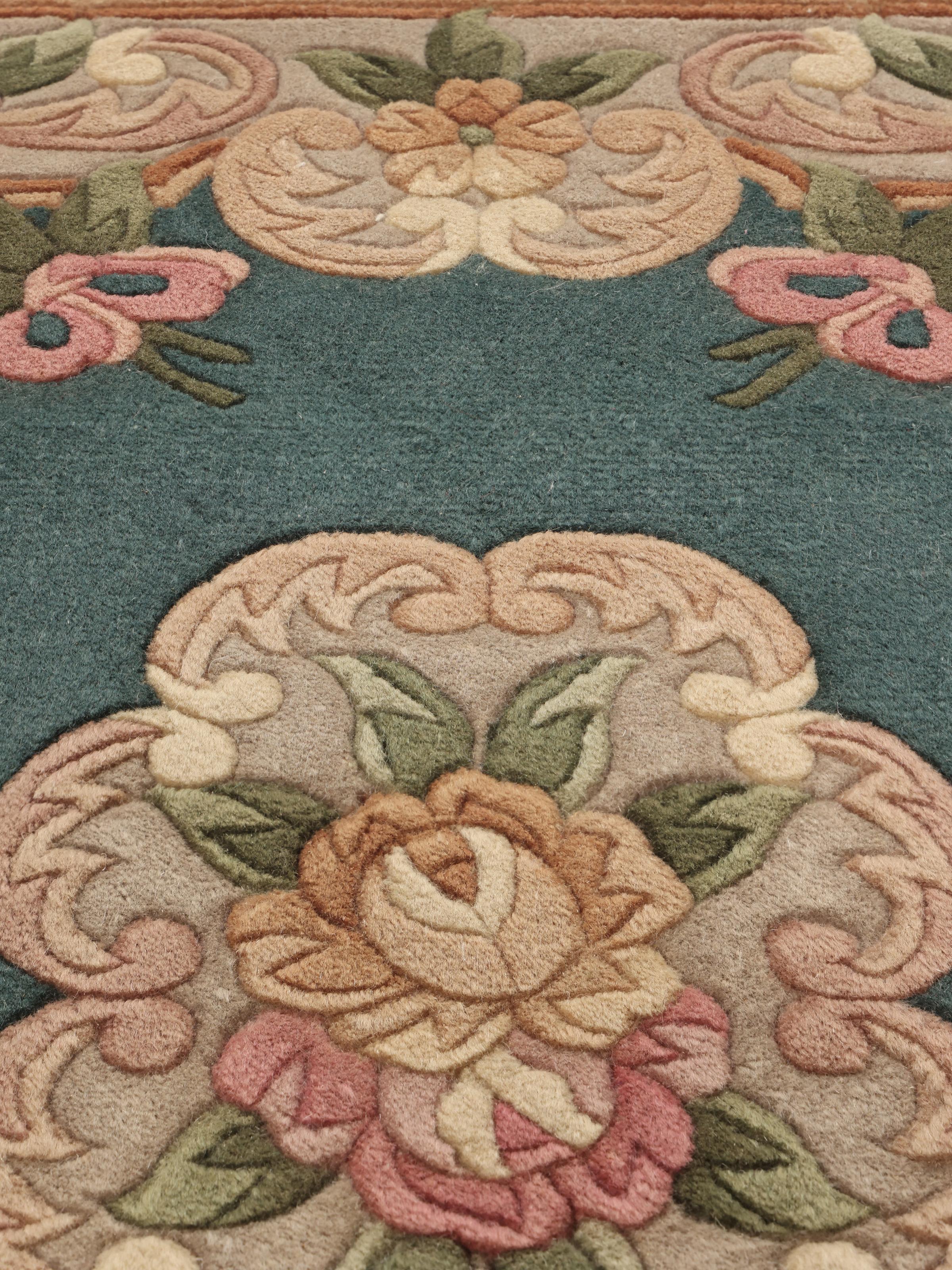
The terminology used to describe these rugs, such as the line count, is a vital indicator of quality and craftsmanship. A higher line count generally signals a more refined and dense construction, which allows for more intricate pattern work and a more durable, lush pile. Understanding these technical aspects helps appreciate why these rugs are not just floor coverings, but products of a precise and demanding craft.
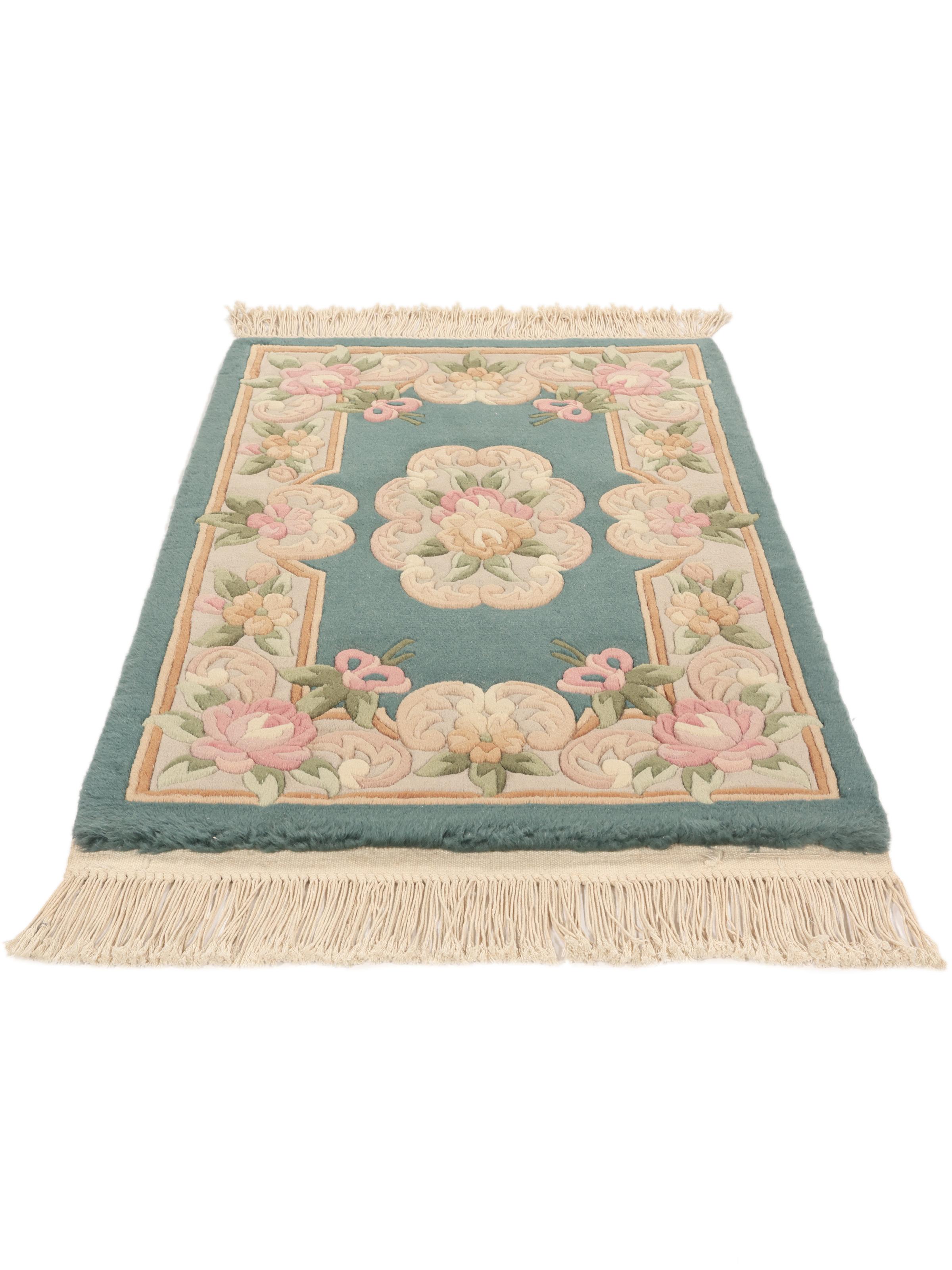
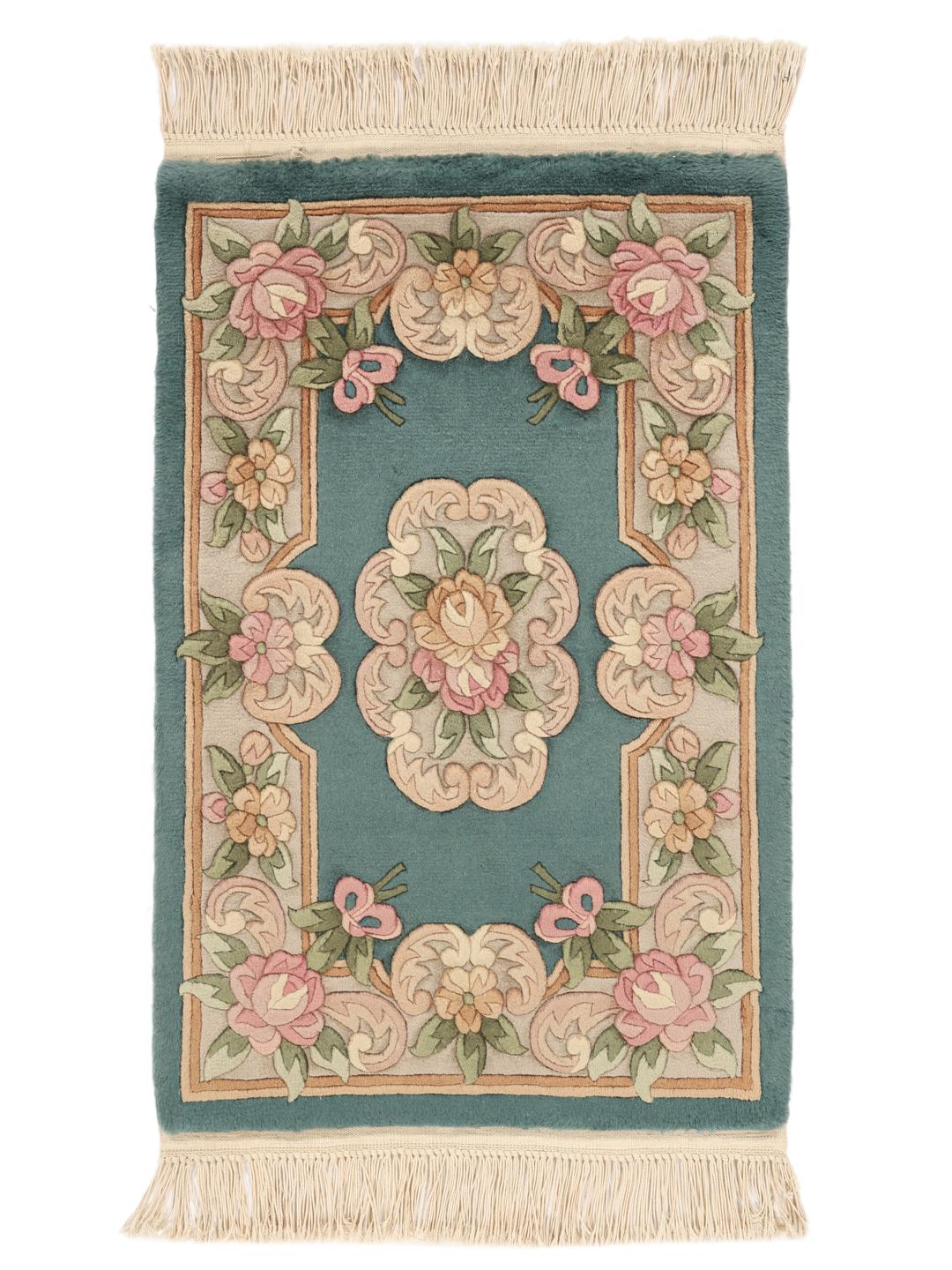
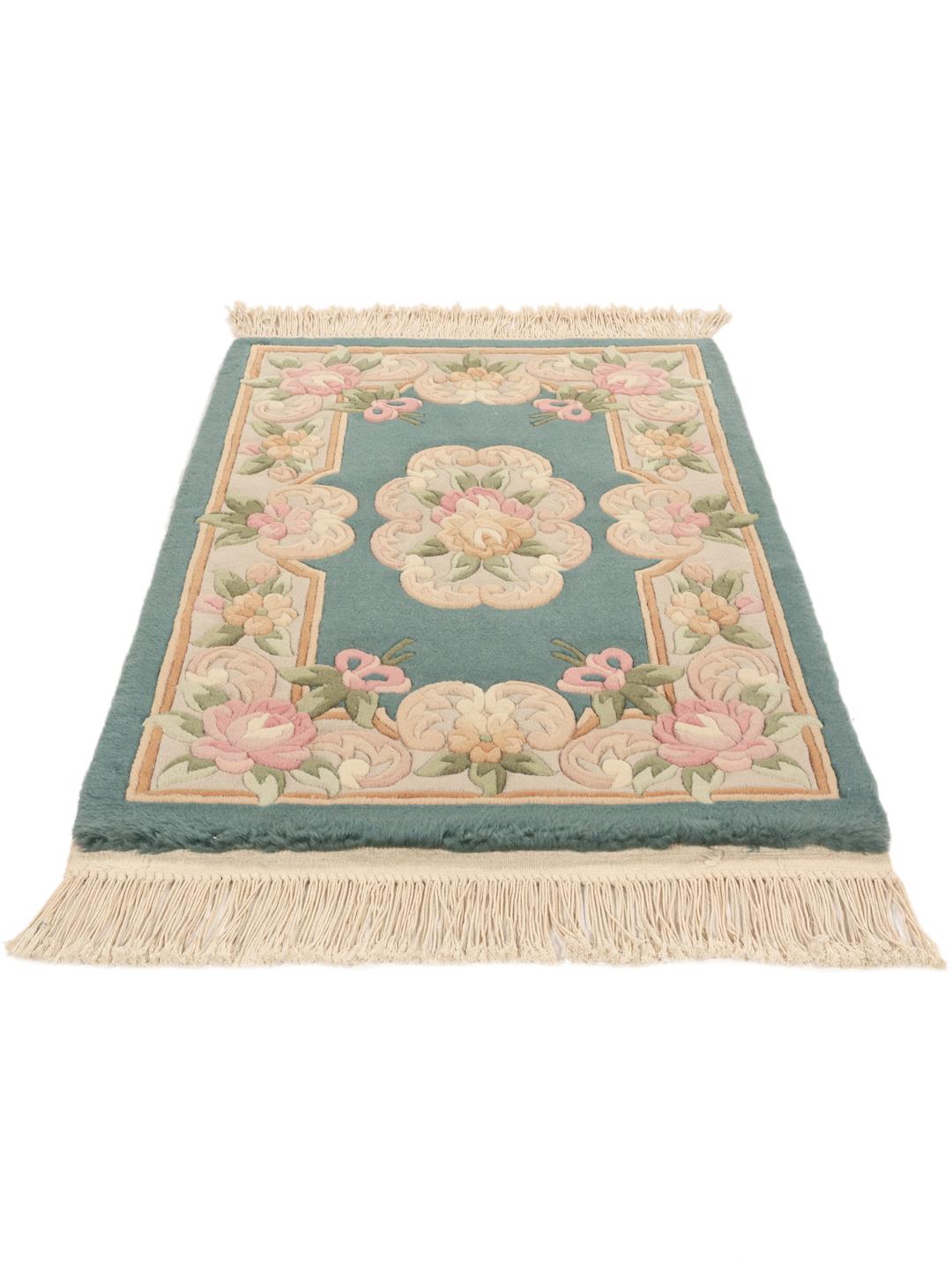
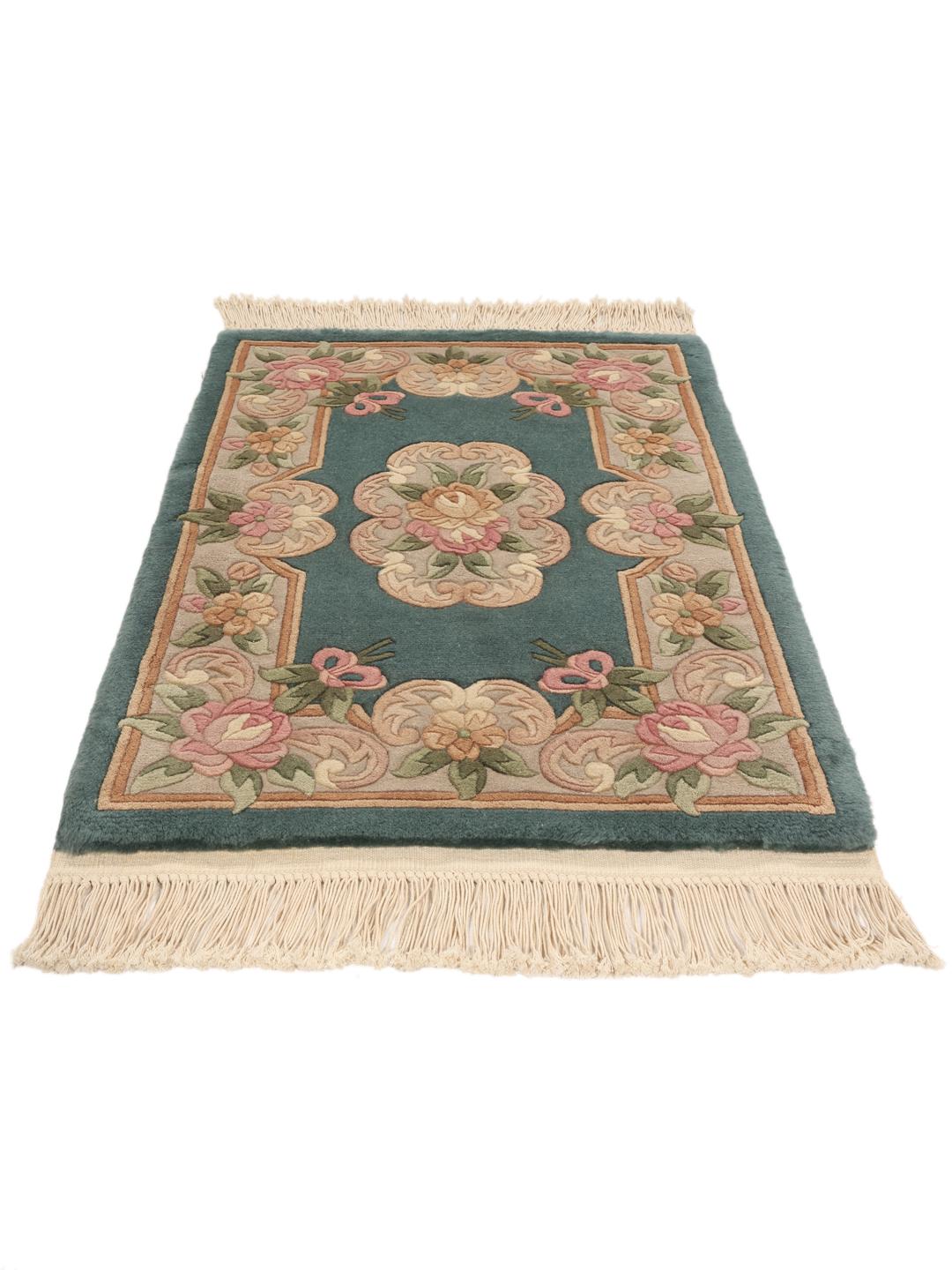
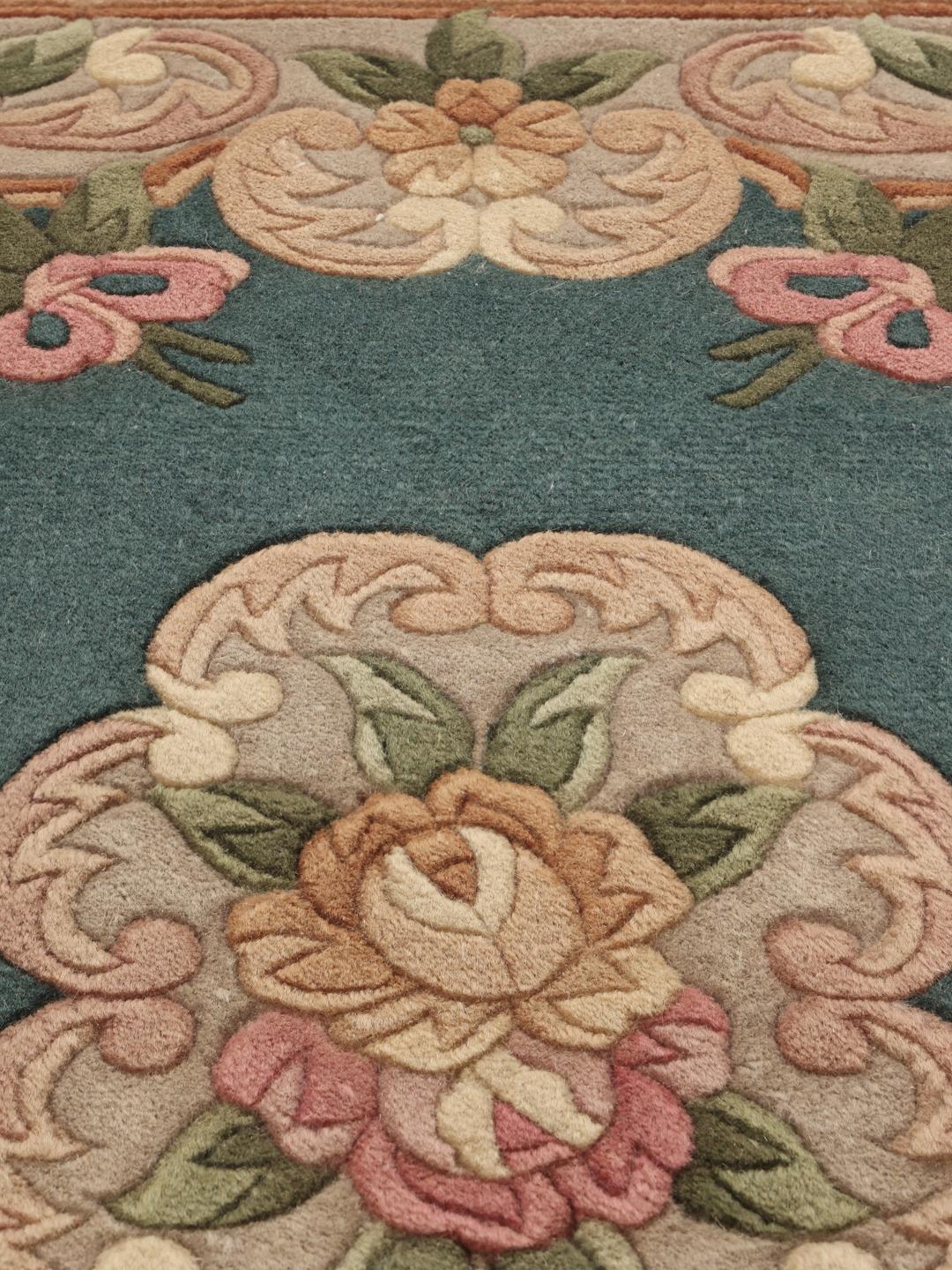
The visual language of this tradition often features elegant floral motifs, symbolic patterns, and balanced compositions that draw inspiration from nature and classical art. The use of soft, harmonious colour palettes is a hallmark of this style, often designed to create a sense of harmony and tranquillity within the home. This specific rug, with its delicate floral details, is a beautiful example of how these classic design elements are used to create a soothing aesthetic.
Collecting rugs from this tradition is a way to connect with a legacy of skill and dedication. These pieces are valued not only for their aesthetic beauty but for the human effort that goes into every knot and fibre. Owning a hand-knotted rug from this lineage means bringing a piece of cultural history into your home, ensuring that this tradition of fine craftsmanship remains alive and appreciated for generations.