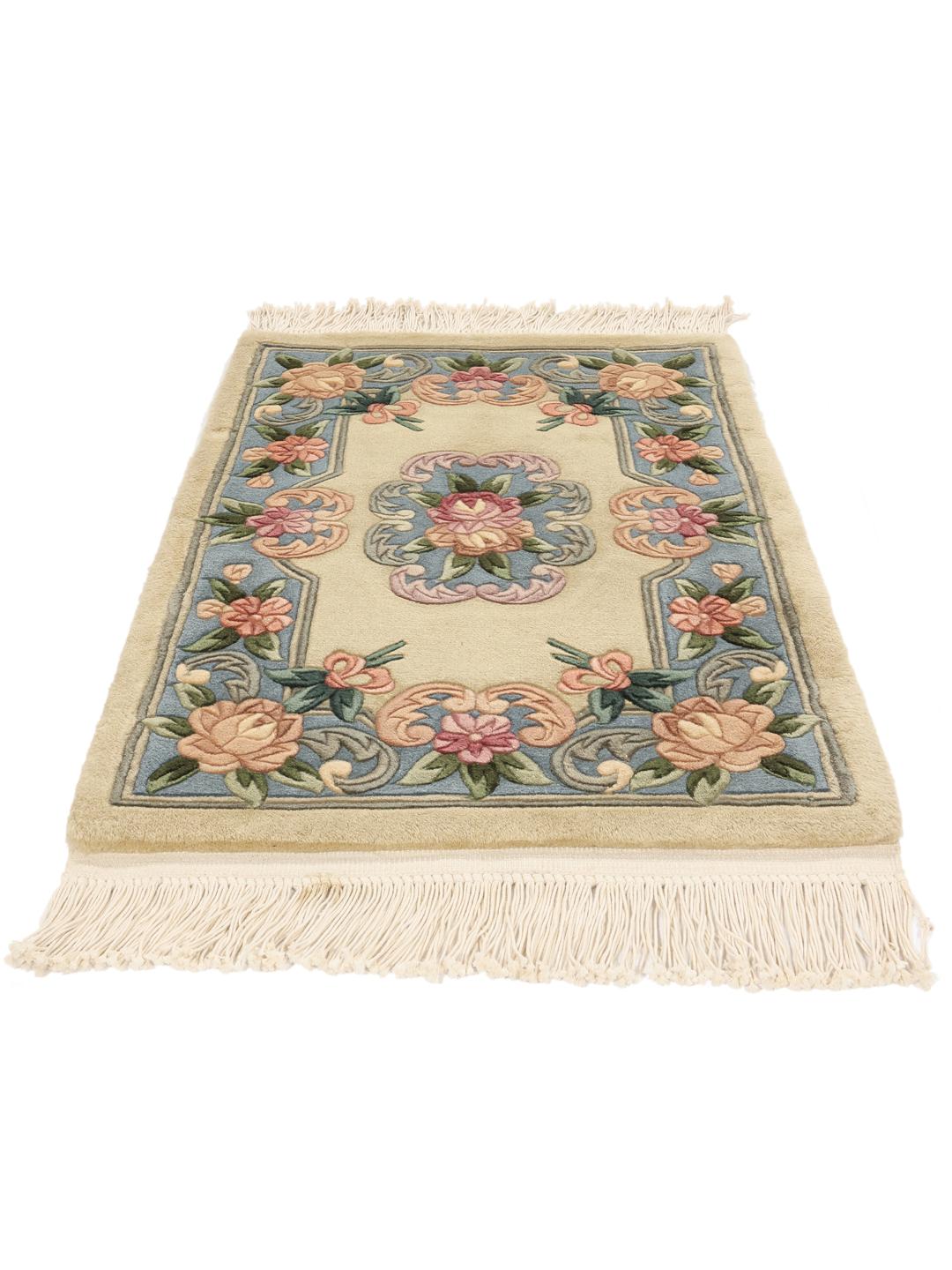
Chinese rug weaving has a storied past, evolving from ancient traditions of creating decorative textiles for imperial palaces and temples. Over the centuries, these rugs became renowned for their distinctive use of silk and Wool, often incorporating motifs inspired by nature, mythology, and calligraphy.
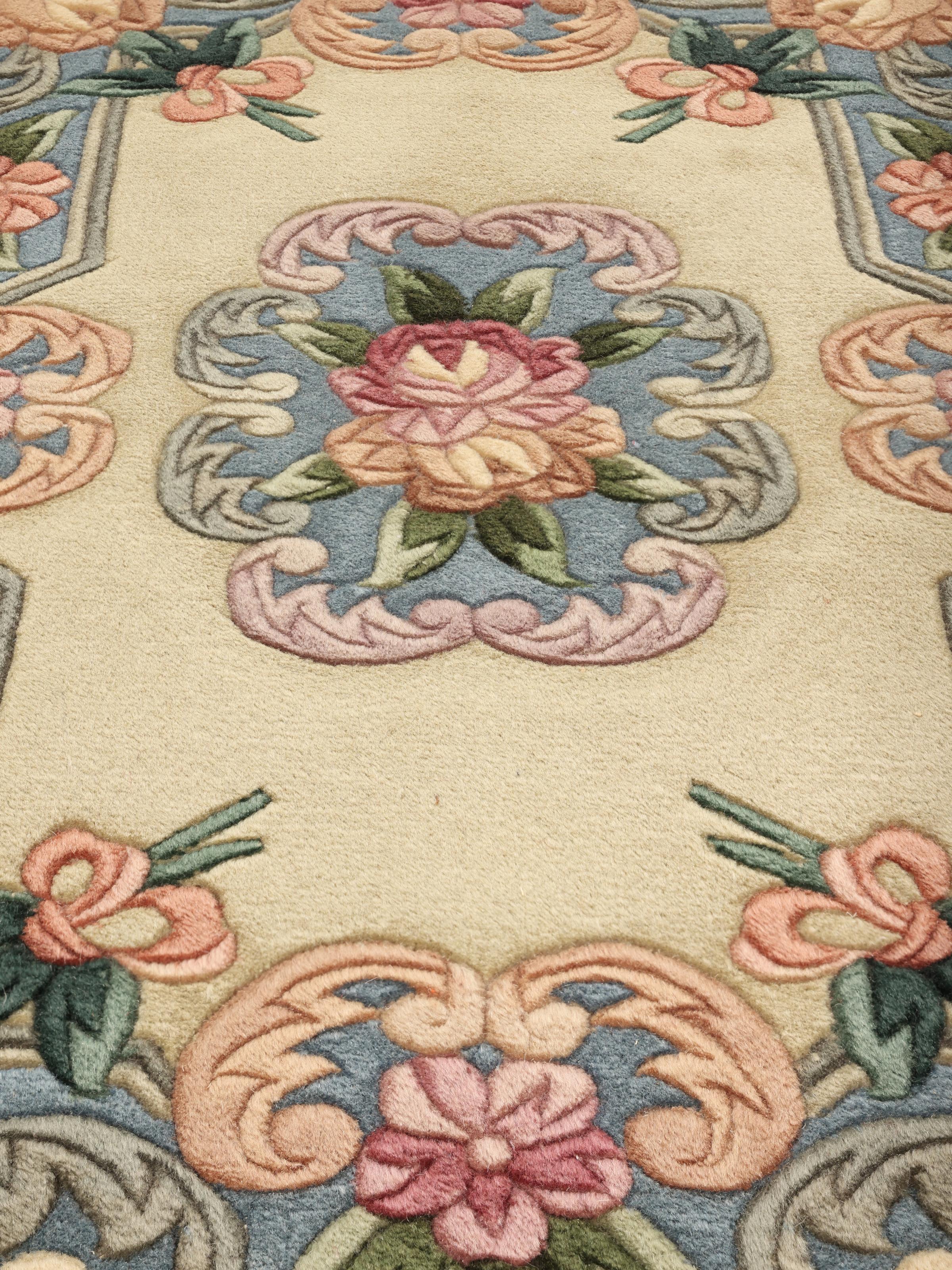
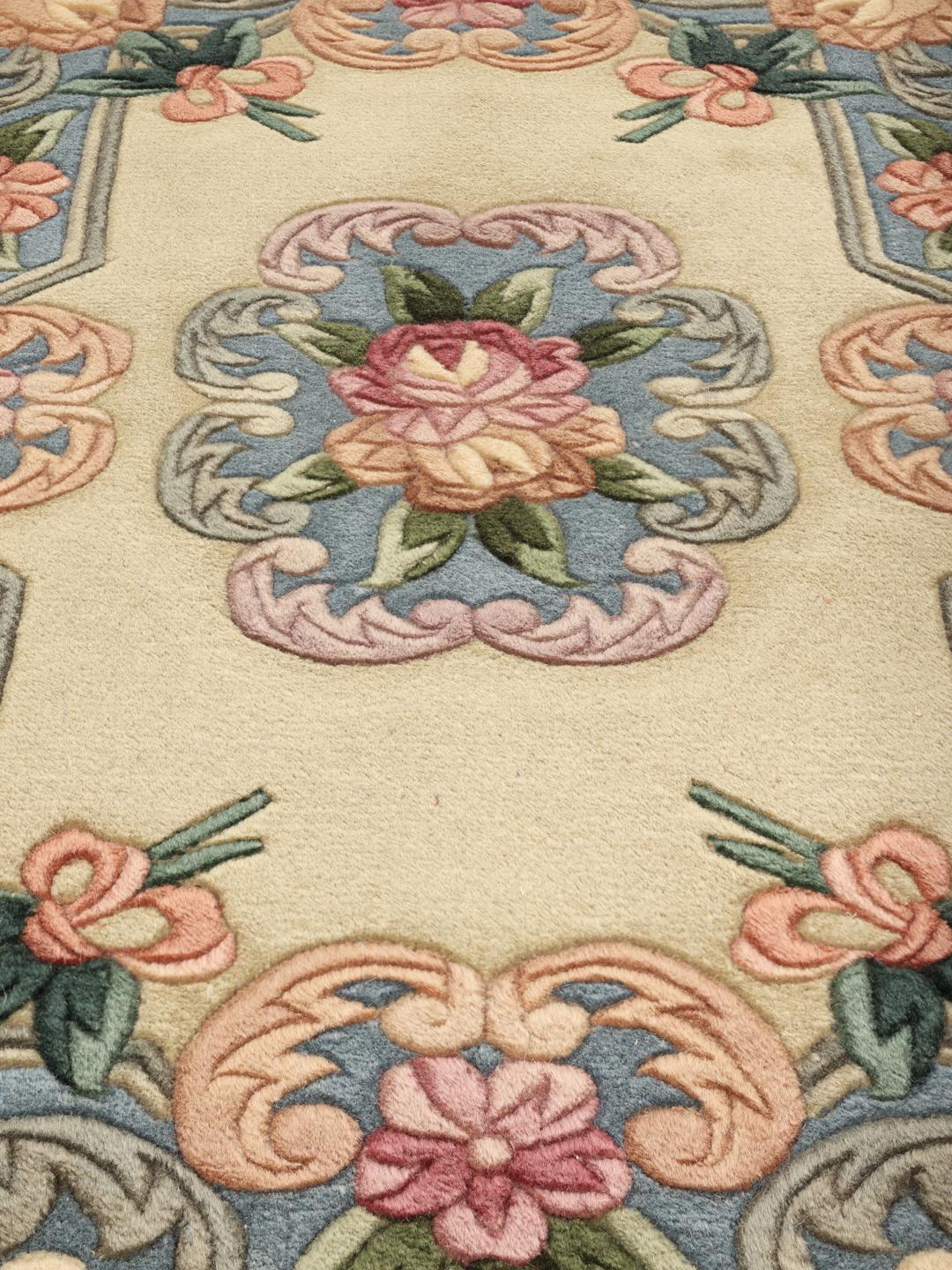
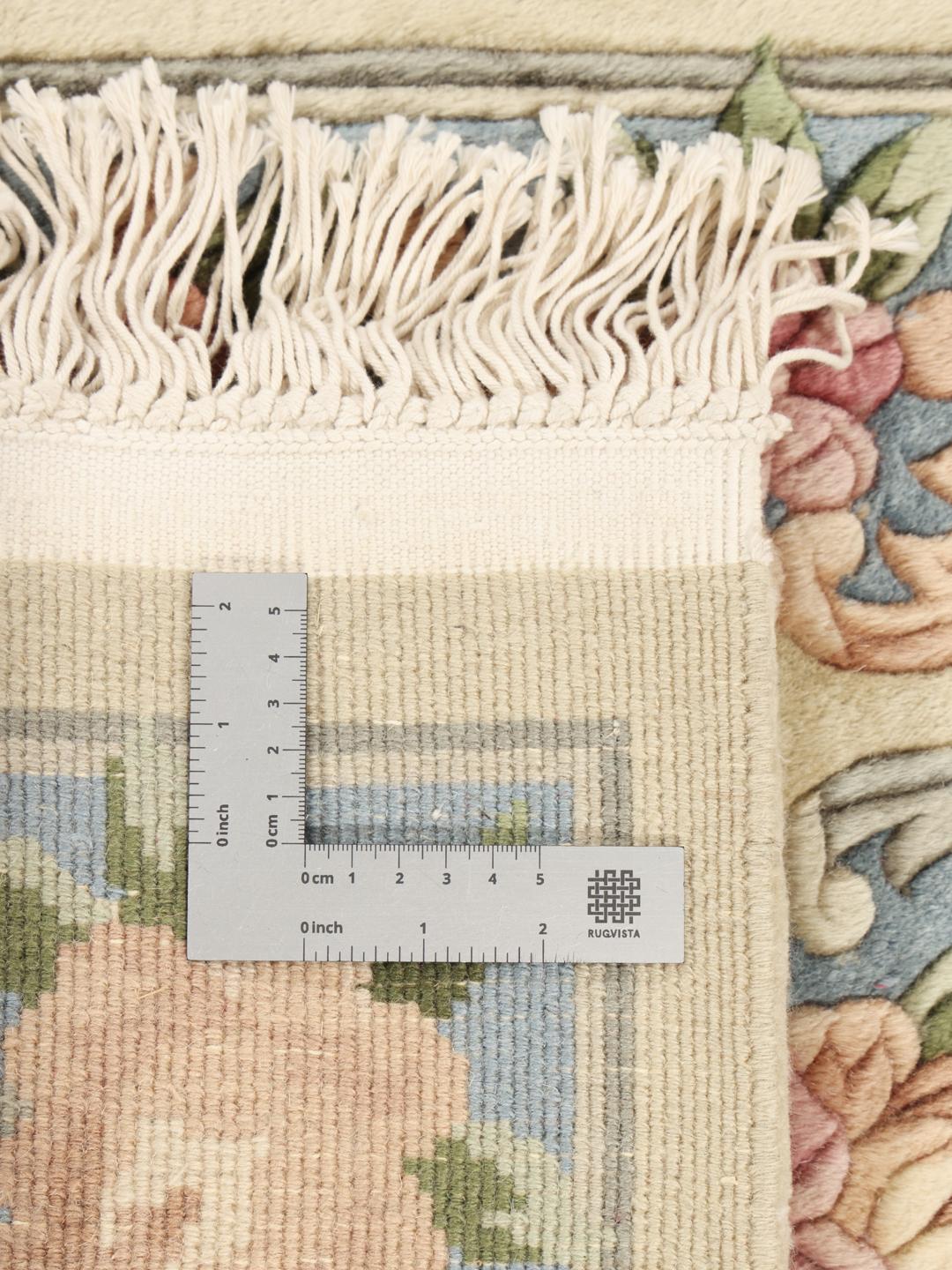
The term 90 line refers to a specific system of measuring the density of the knots, which has historically been used in the Chinese rug industry to standardise quality. A higher line count indicates a finer, more detailed pattern and a more compact pile, which directly contributes to the rug's longevity and the crispness of its intricate floral designs.
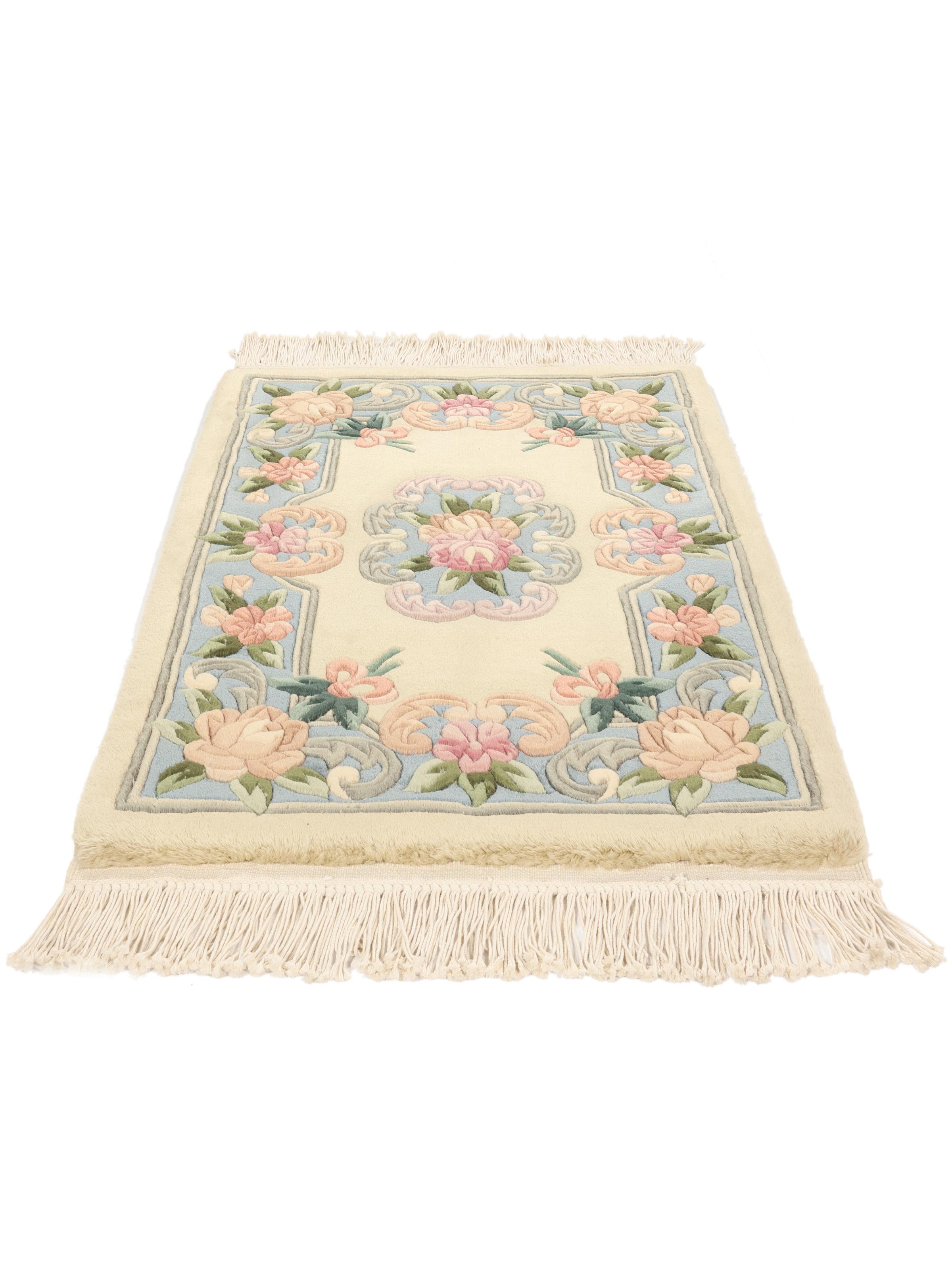
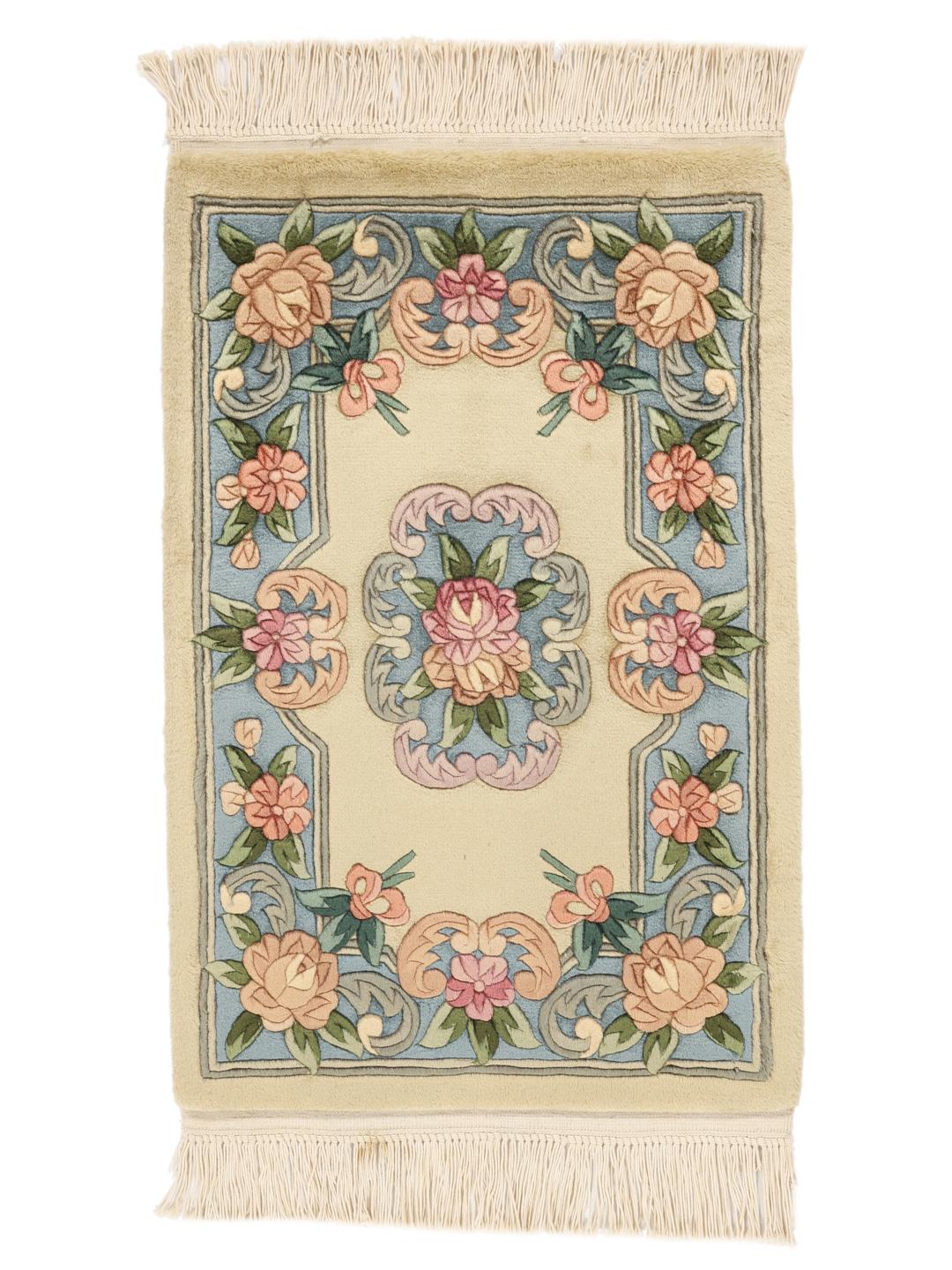
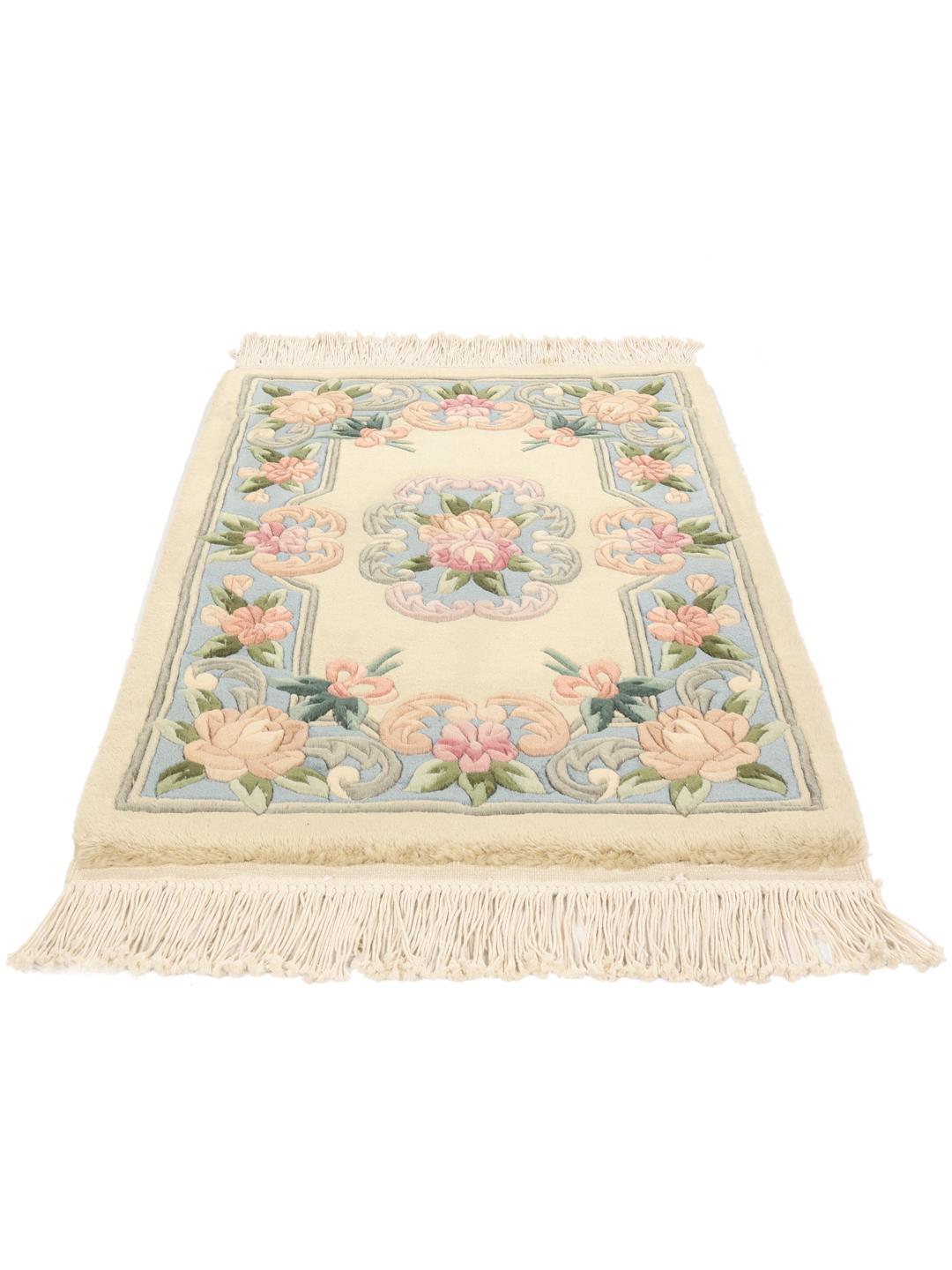
Floral patterns have long been central to the Chinese aesthetic, often symbolising beauty, prosperity, and the changing seasons. The classic layout typically features a central medallion surrounded by a decorative border, a design language that has been refined over generations to create a sense of harmony and balance in the home.
Owning a hand-knotted rug from this tradition is a way to connect with a legacy of artistic dedication. These pieces are highly valued by collectors and homeowners alike for their ability to blend cultural history with practical, everyday luxury, making them lasting investments for any household.