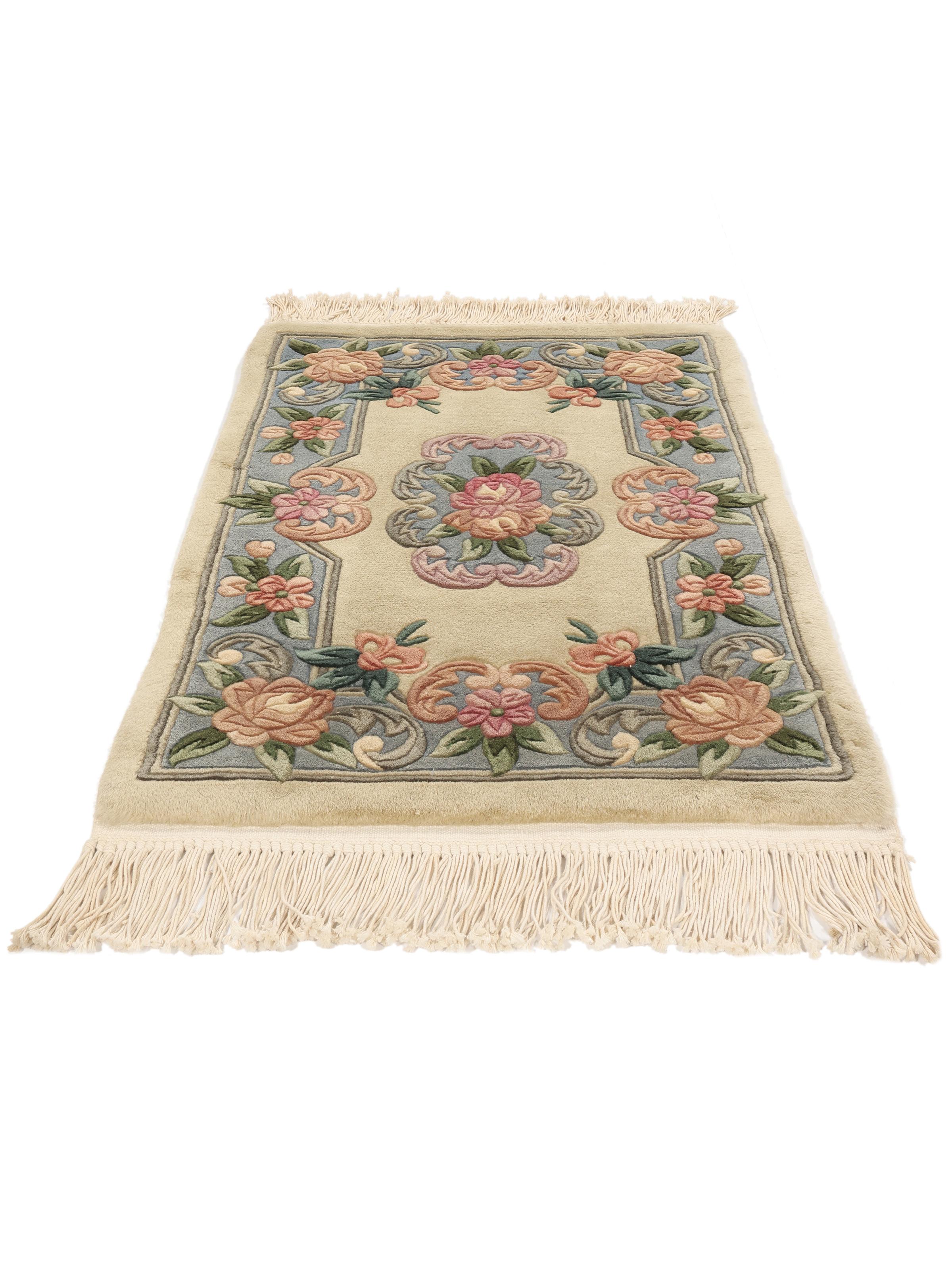
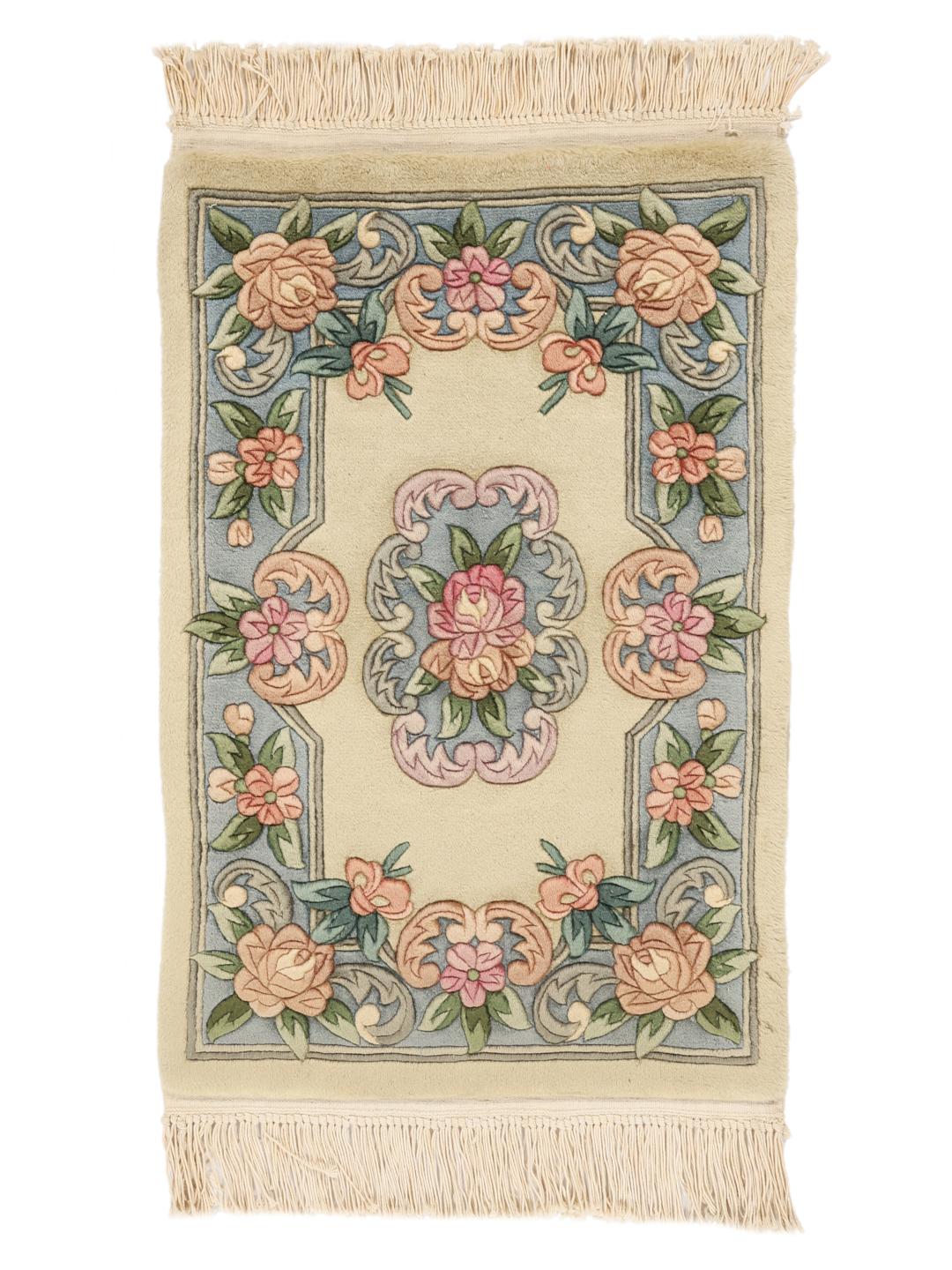
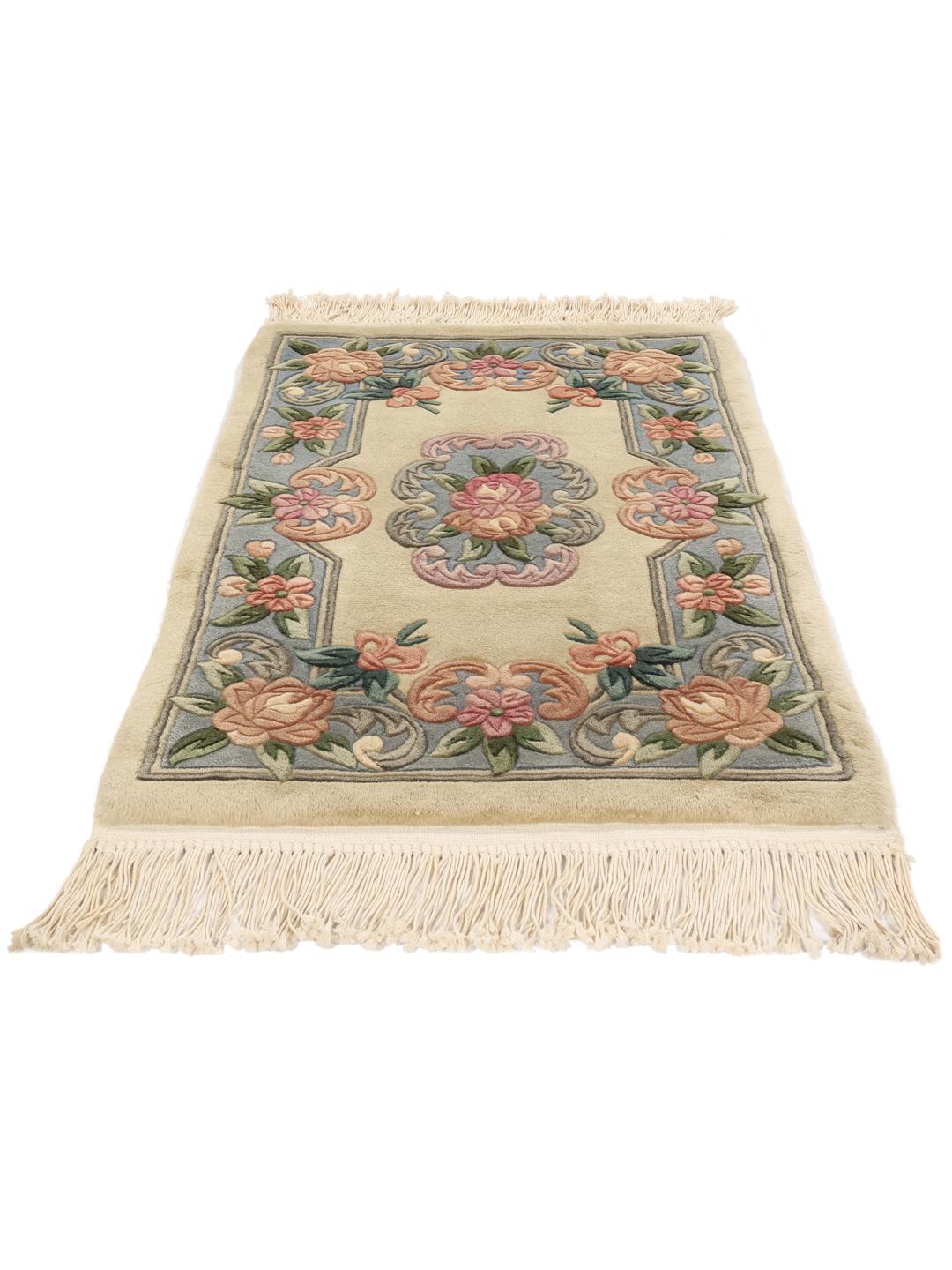
Chinese rug-making has a history spanning centuries, deeply rooted in the artistic traditions of the region. While early pieces were often crafted for imperial use or religious temples, the tradition evolved to incorporate motifs that reflect a deep appreciation for nature and symbolism. Today, Chinese rugs are celebrated for their ability to blend these historical design sensibilities with a clean, approachable aesthetic.
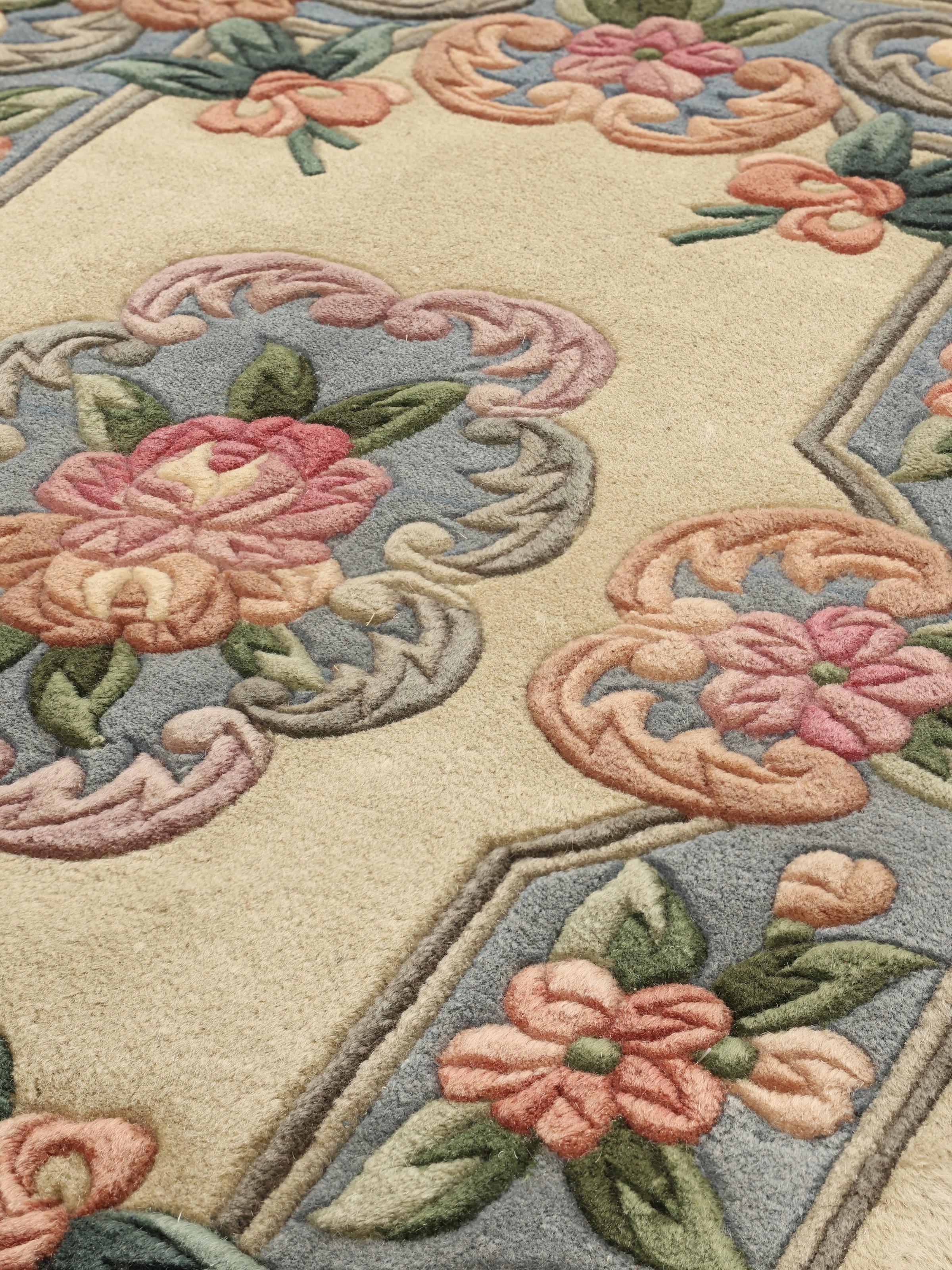
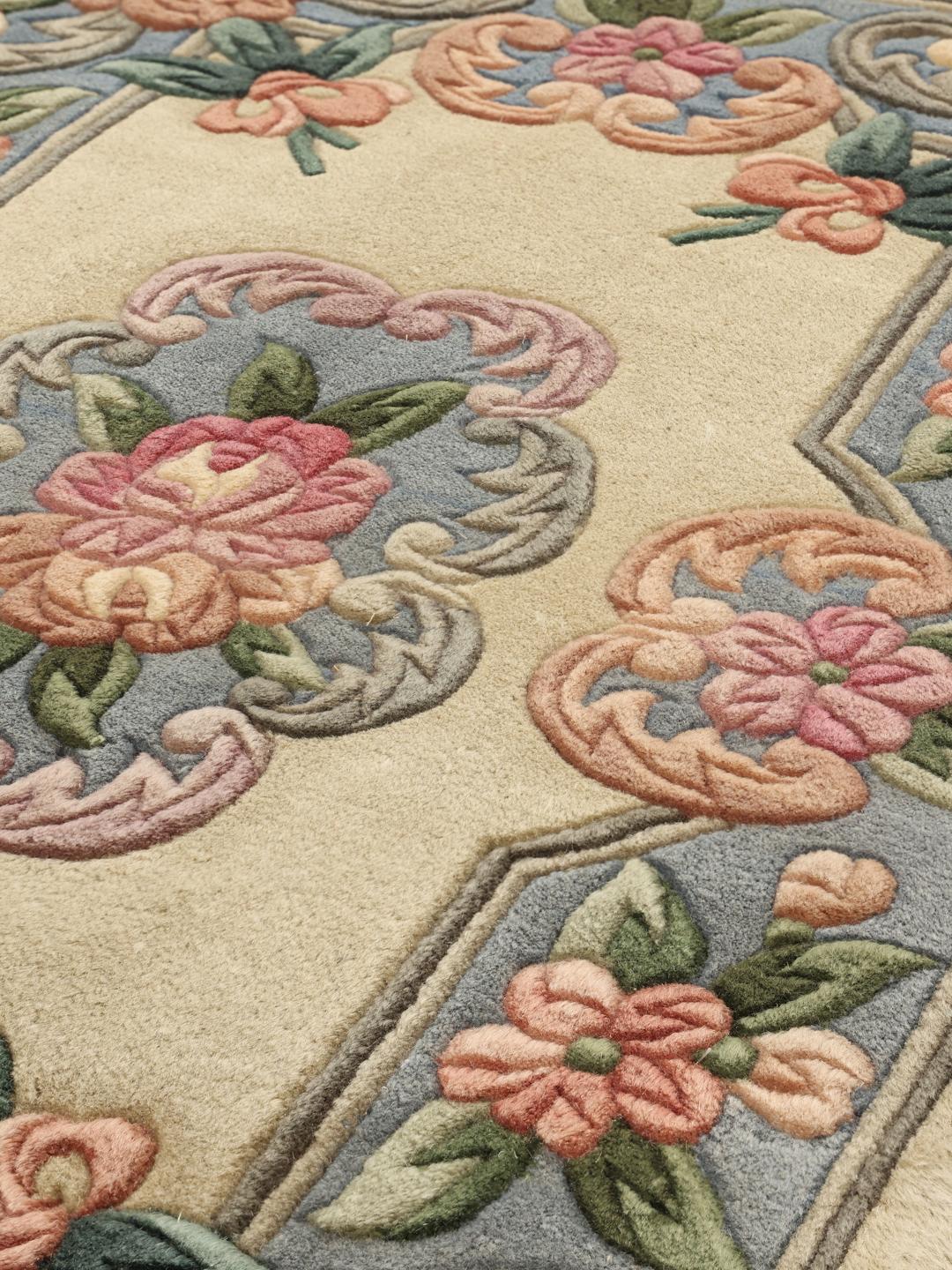
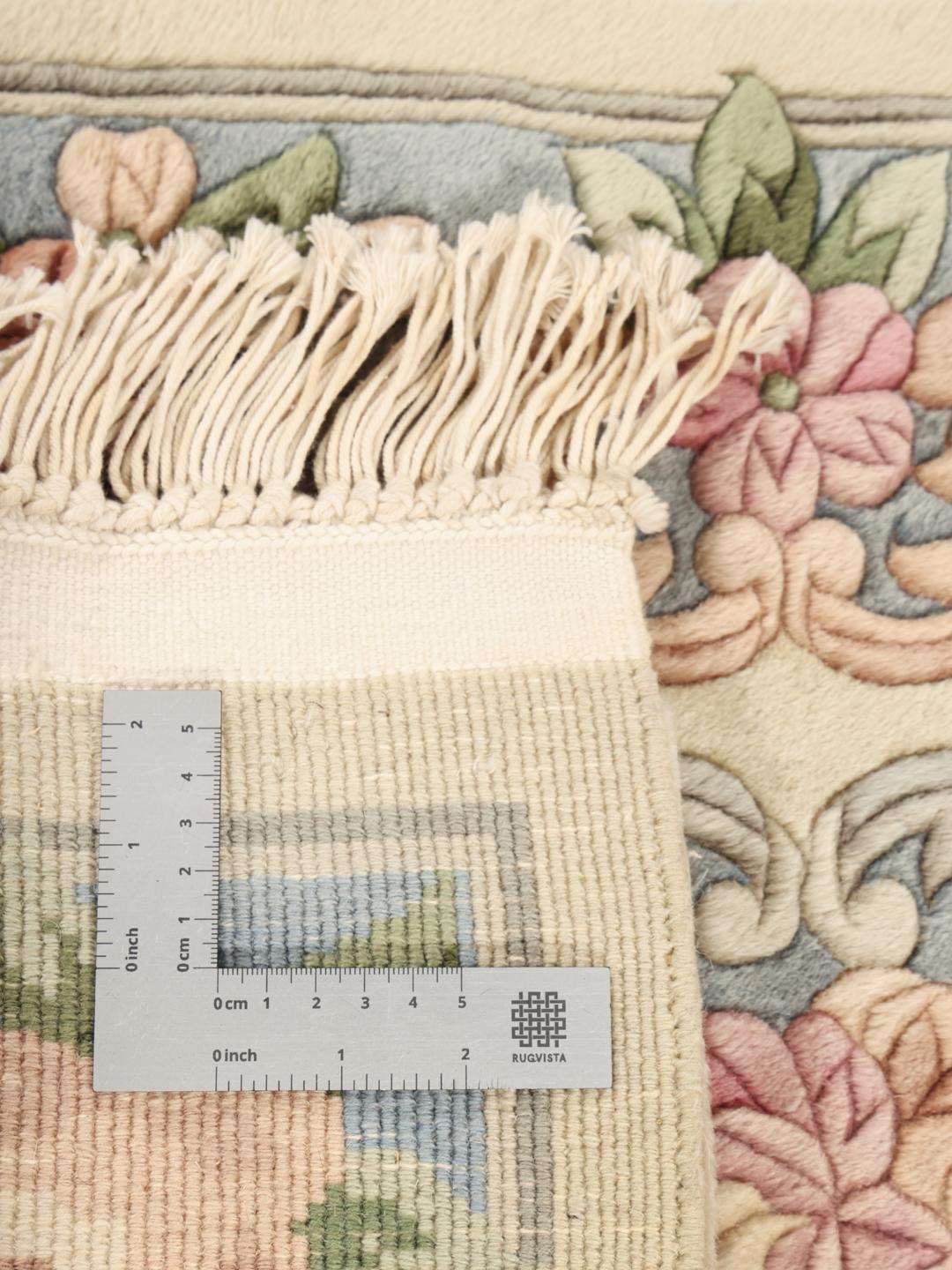
The term '90 Line' refers to a specific traditional measurement system used to classify the density of hand-knotted rugs in China. This system measures the number of knots per linear foot, which directly dictates the clarity and sharpness of the patterns seen on the surface. A higher line count allows for more intricate curves and finer details, ensuring the floral motifs appear crisp and well-defined.
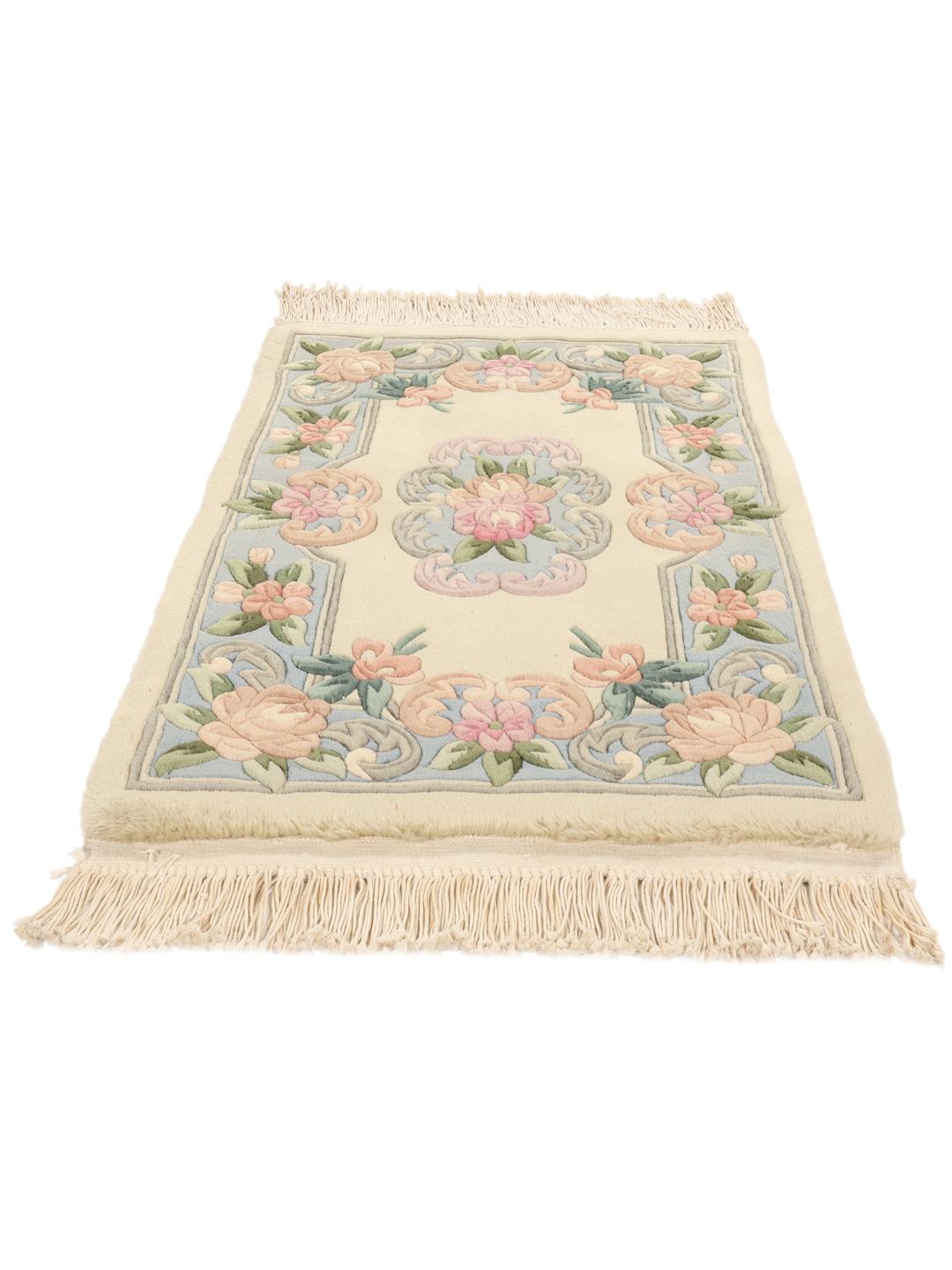
Floral patterns have long been a signature of this tradition, often featuring roses, peonies, or lotus flowers that symbolise beauty and prosperity. These designs are frequently framed by decorative borders, creating a sense of balance and harmony. The use of soft, muted colour palettes is also characteristic, designed to harmonise with diverse interiors rather than dominating them.
Owning a hand-knotted rug from this tradition is an invitation to appreciate the skill of generations of weavers. These rugs are highly valued by collectors not just for their aesthetic appeal, but for the cultural heritage they represent. When you bring this piece into your home, you are acquiring a tangible connection to a craft that values patience, precision, and the enduring beauty of hand-worked textiles.