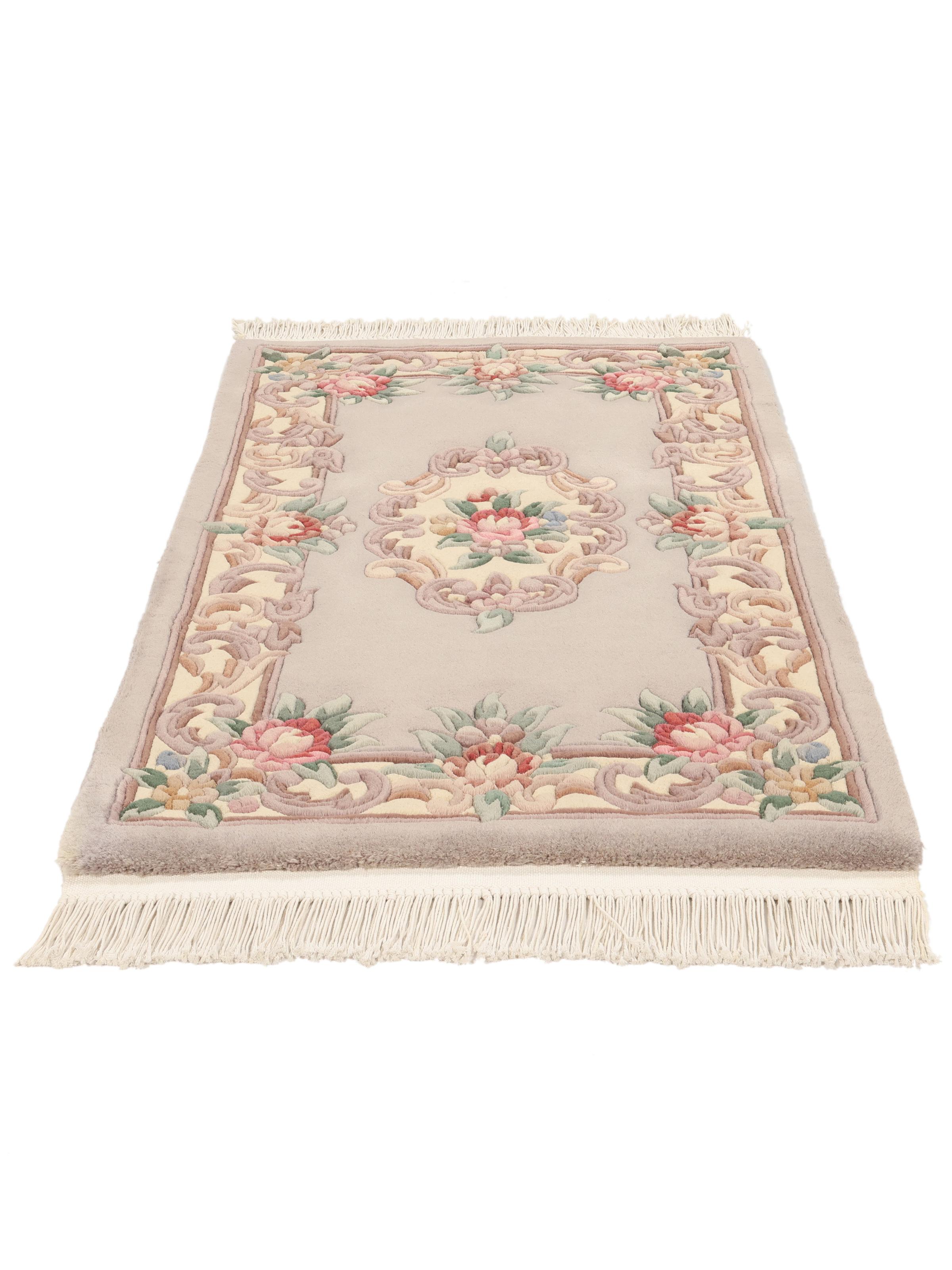
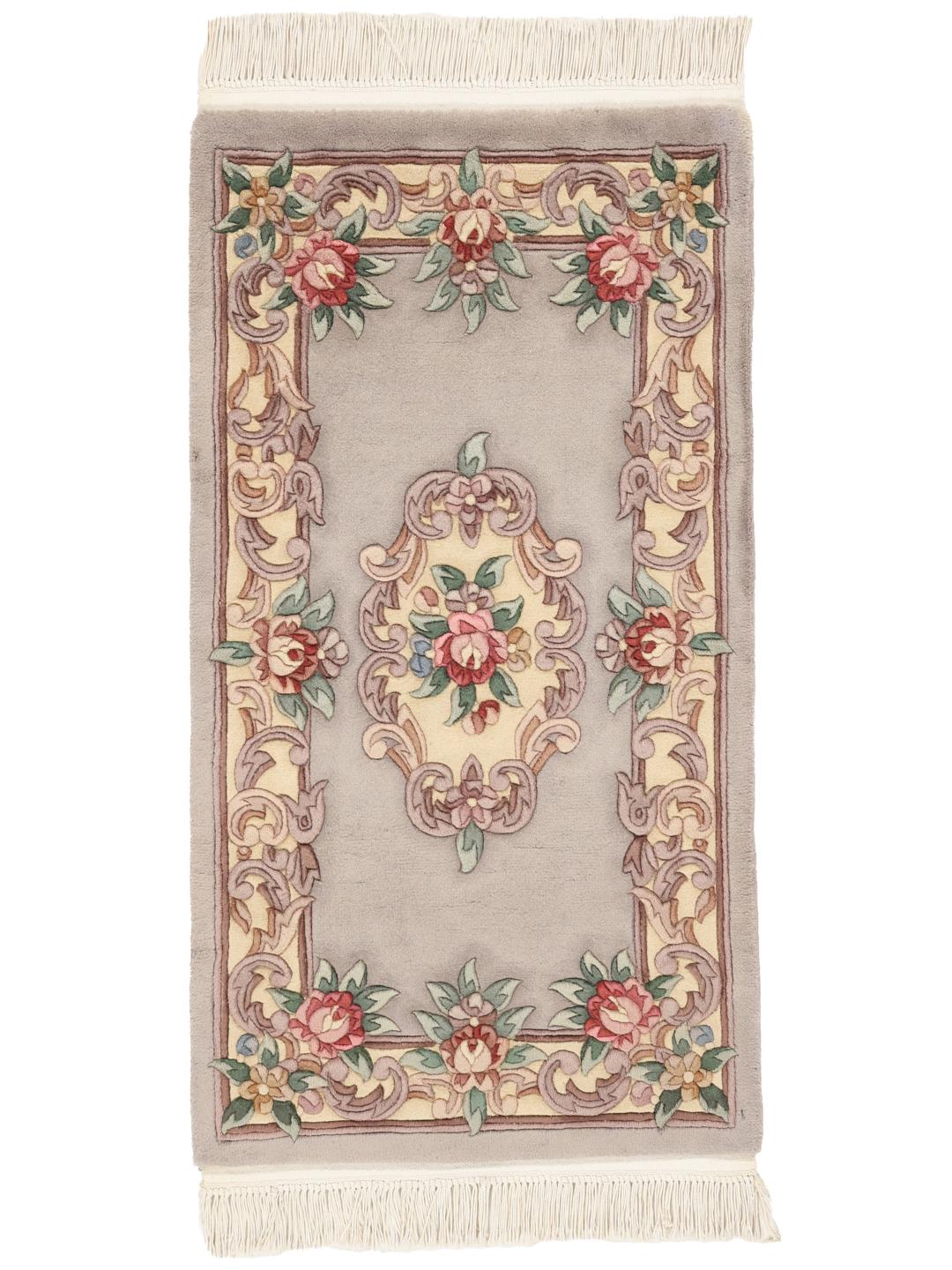
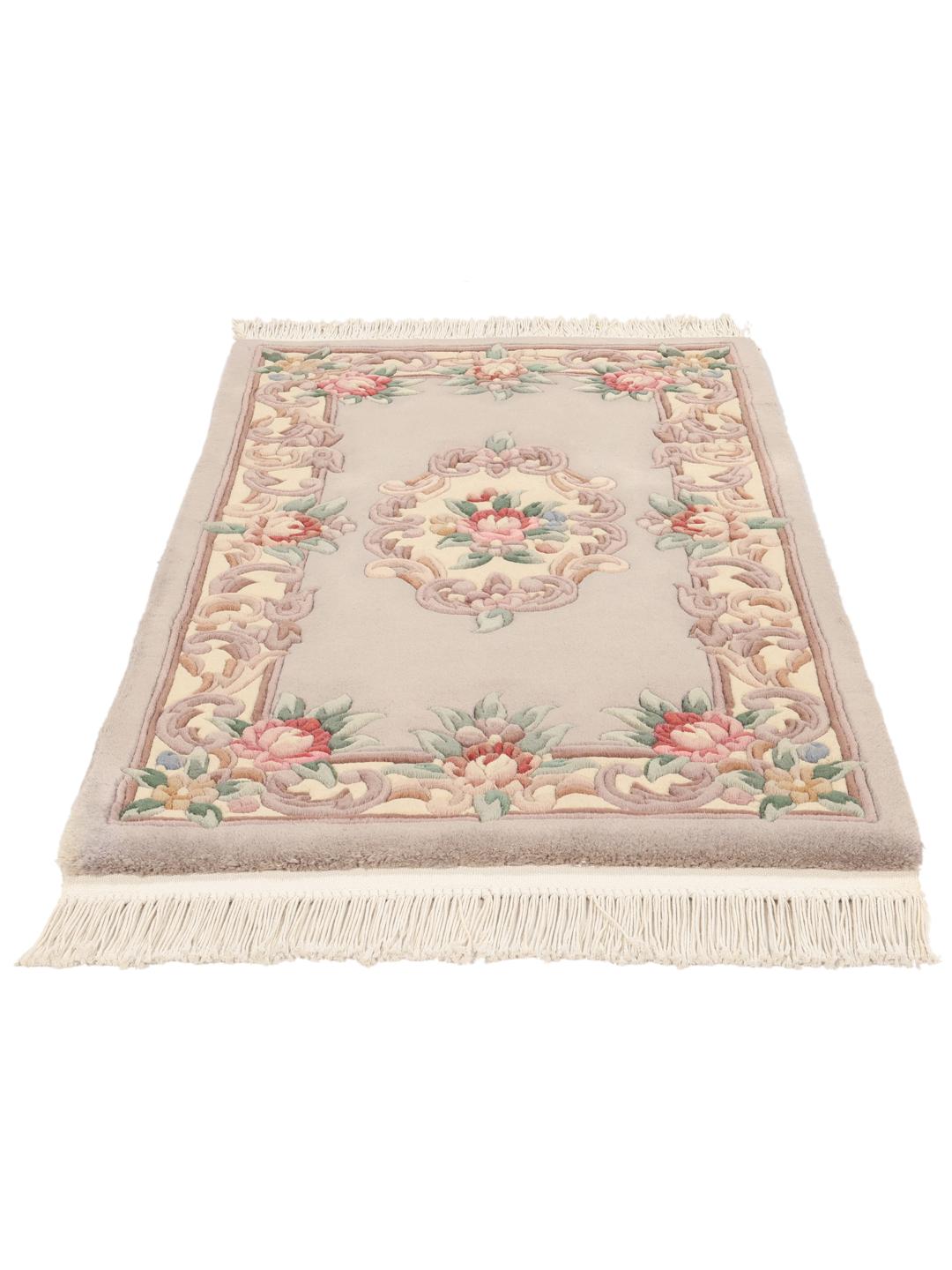
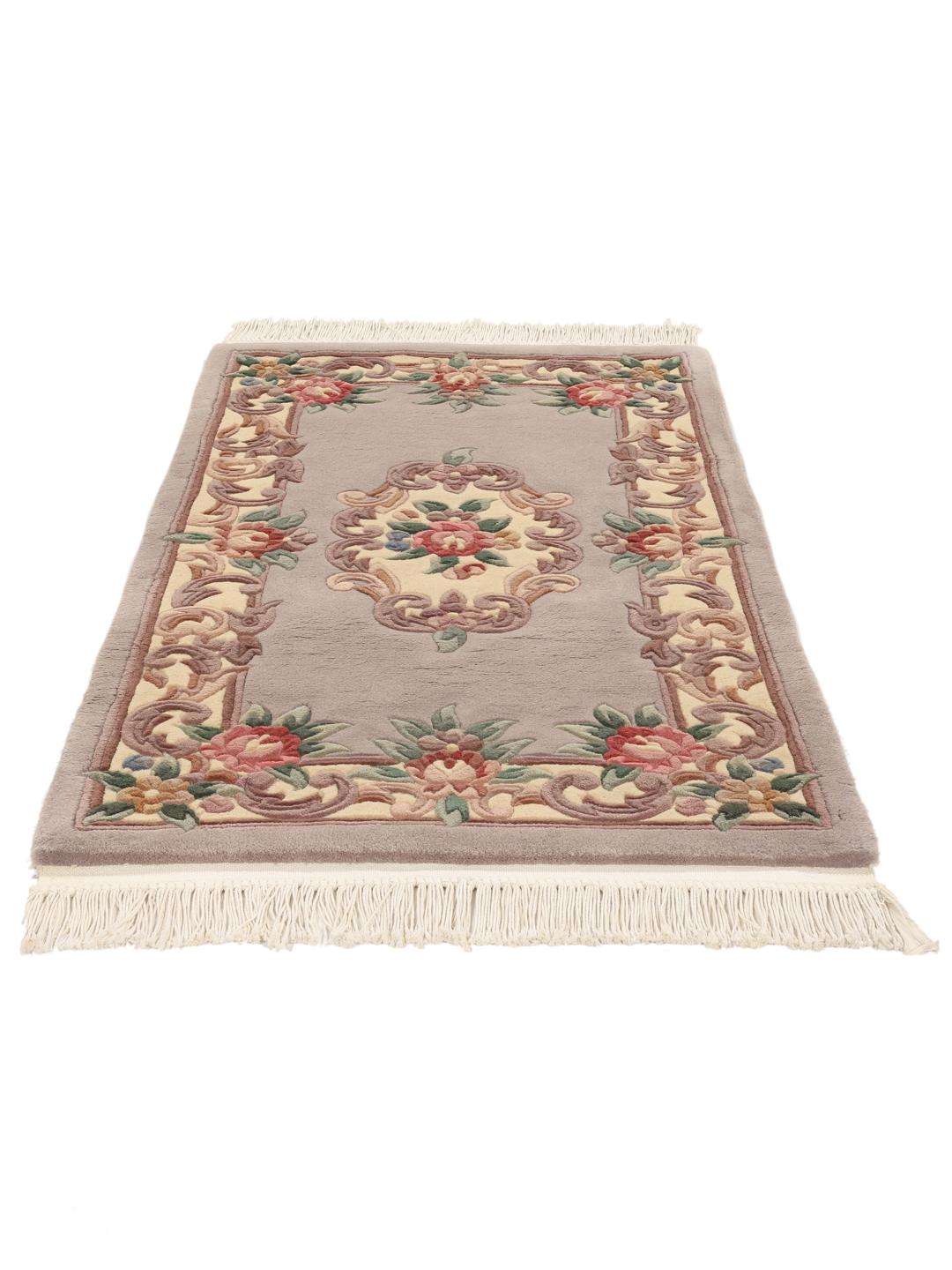
The history of rug making in China is a storied tradition that has evolved over centuries, blending local artistic sensibilities with influences from the broader Middle Eastern and Central Asian weaving traditions. Chinese rugs are renowned for their distinct aesthetic, often featuring balanced, symmetrical designs that draw inspiration from nature, literature, and classical motifs.
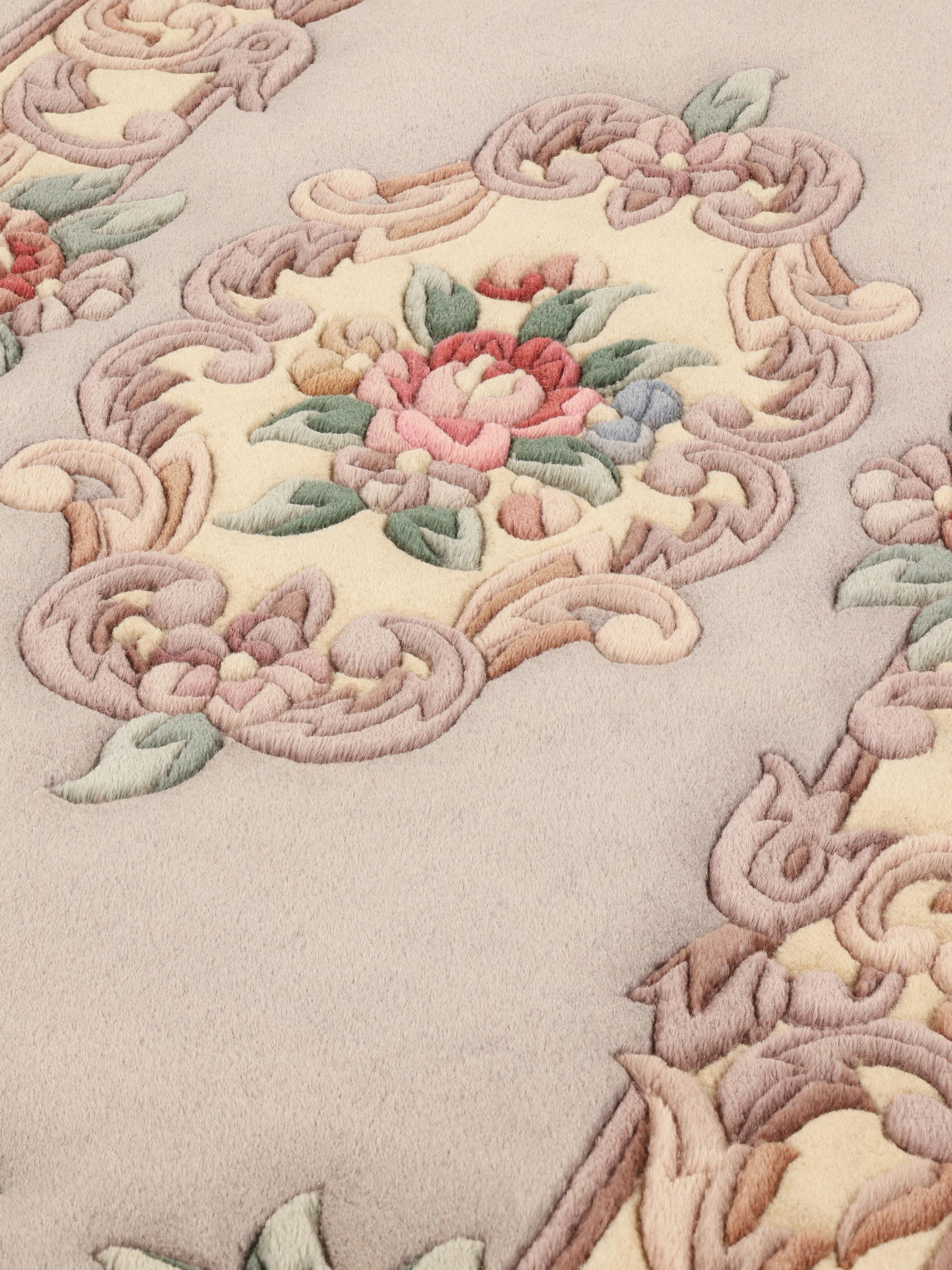
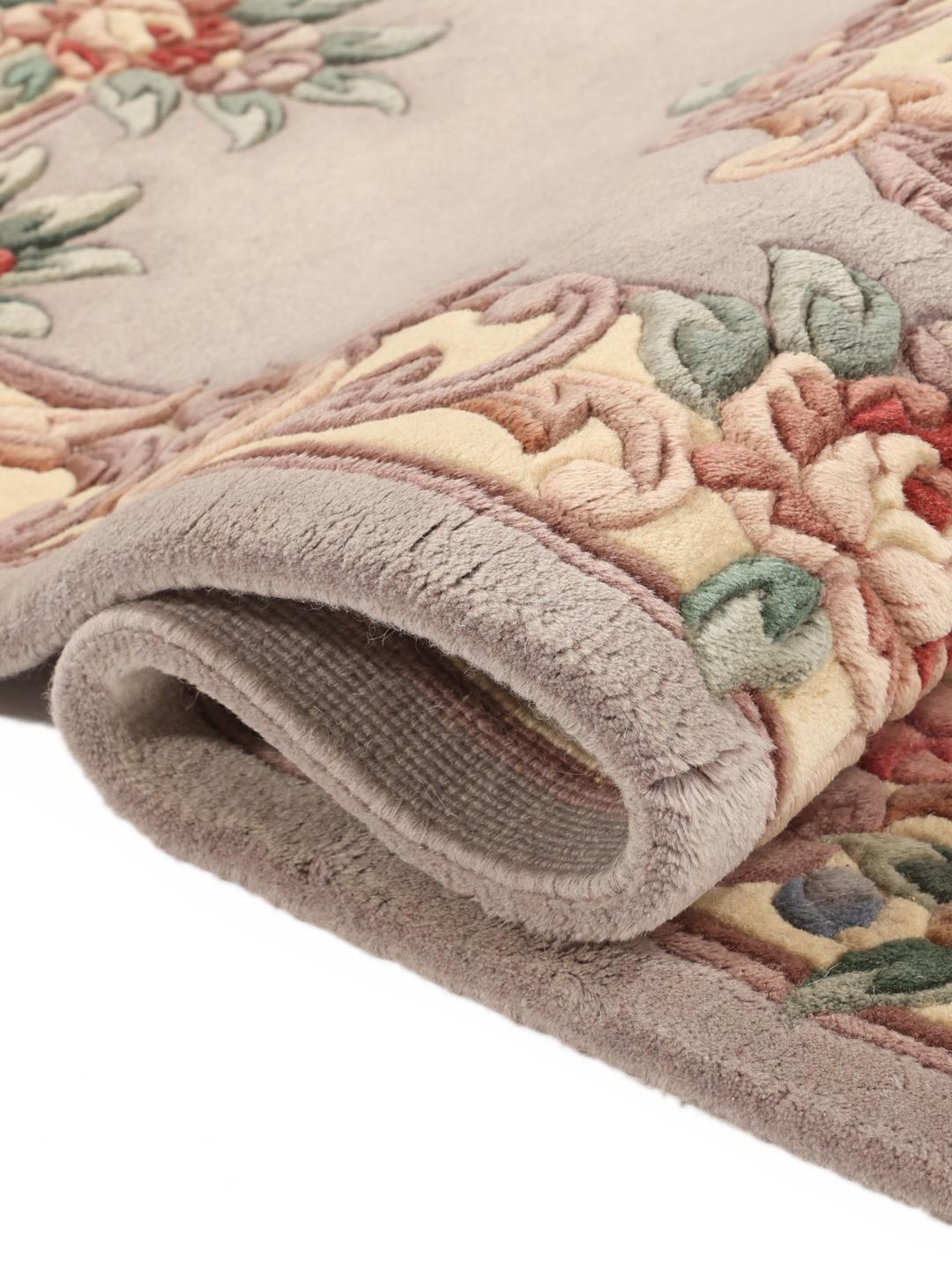
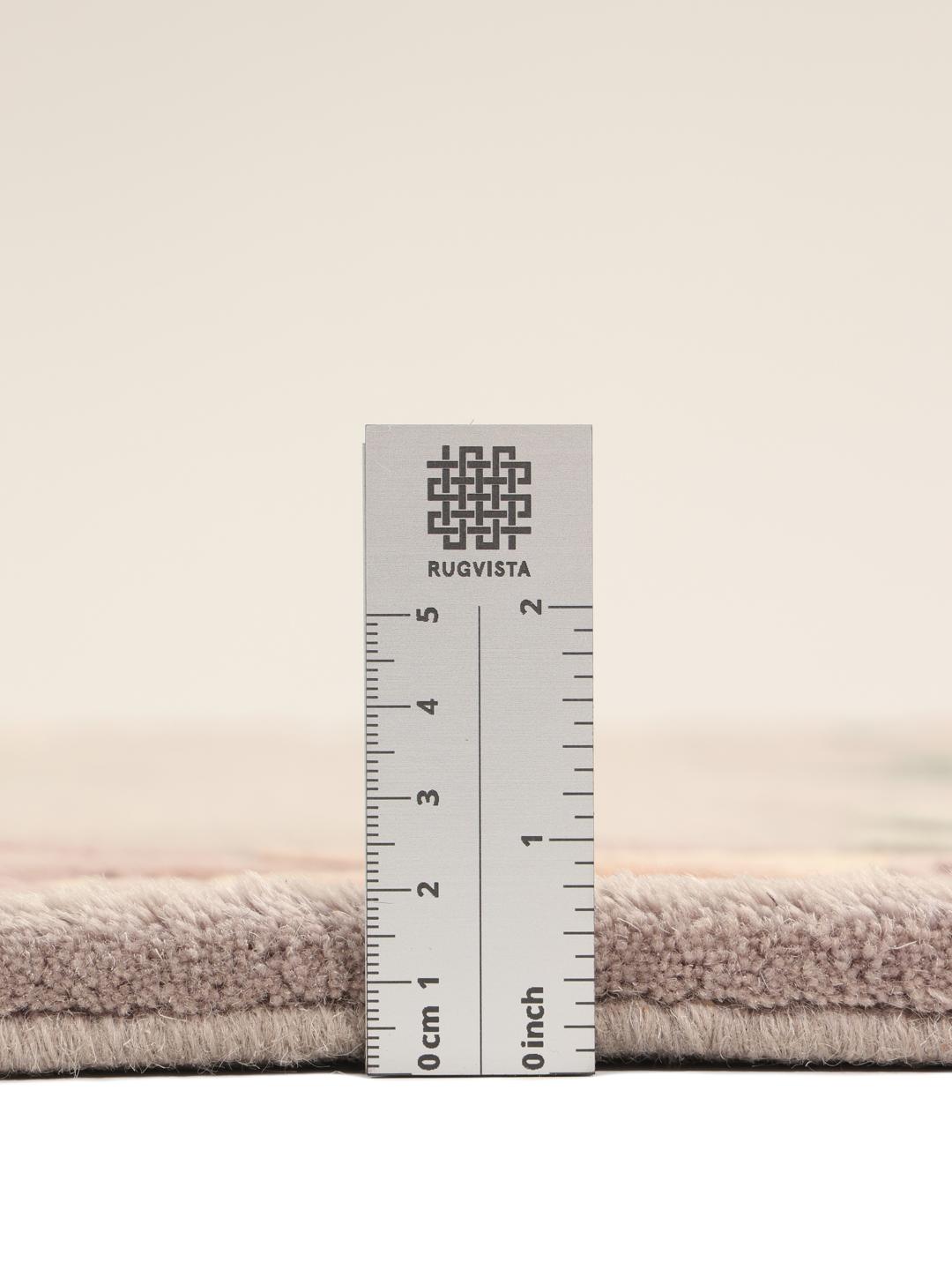
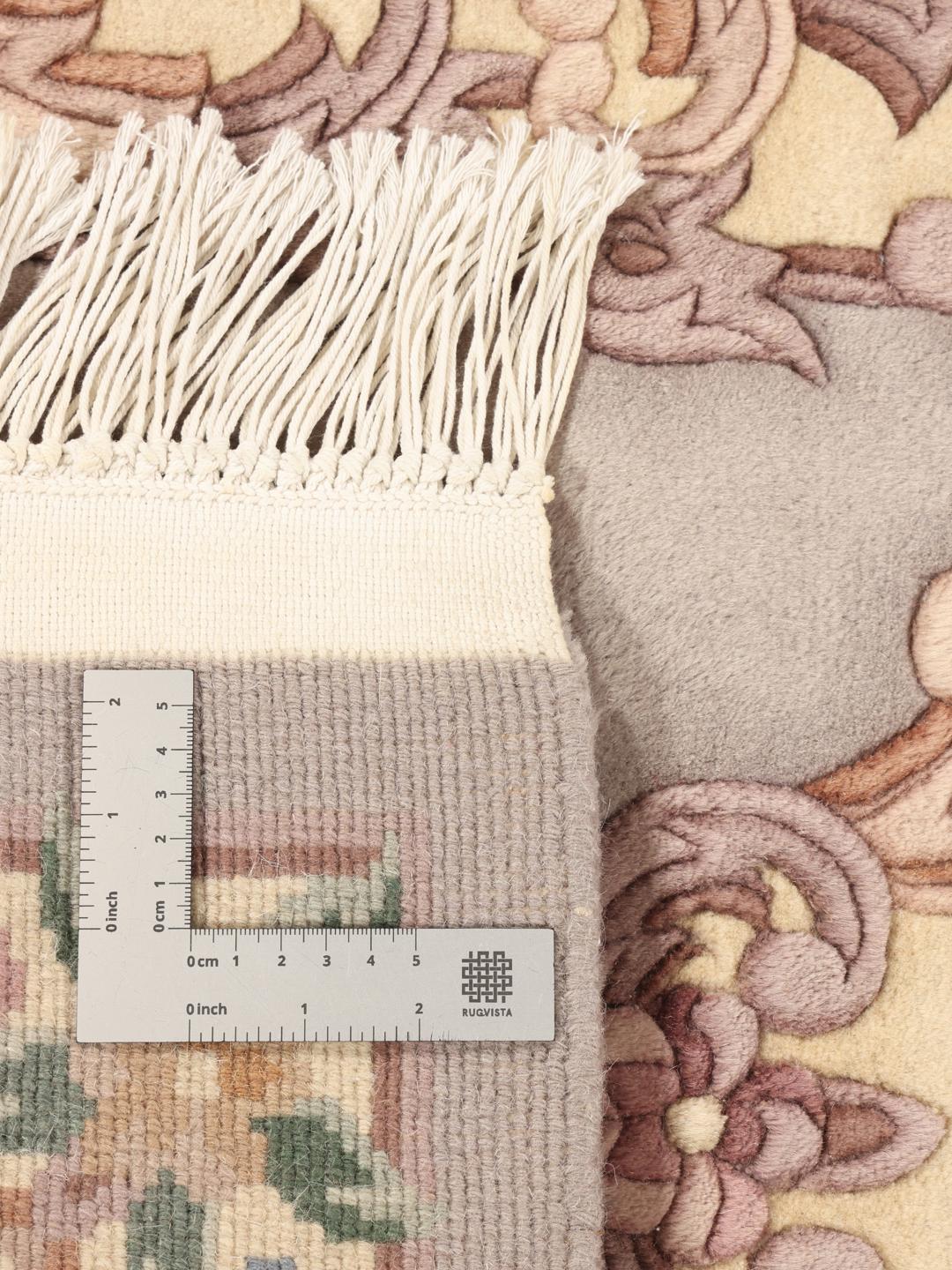
The term '90 Line' refers to a traditional quality classification system in Chinese rug production, denoting the number of knots per linear foot. This specific density is a testament to the artisan's skill, allowing for a refined level of detail in the floral patterns while maintaining a practical, durable pile height that has made these rugs beloved in homes across the globe.
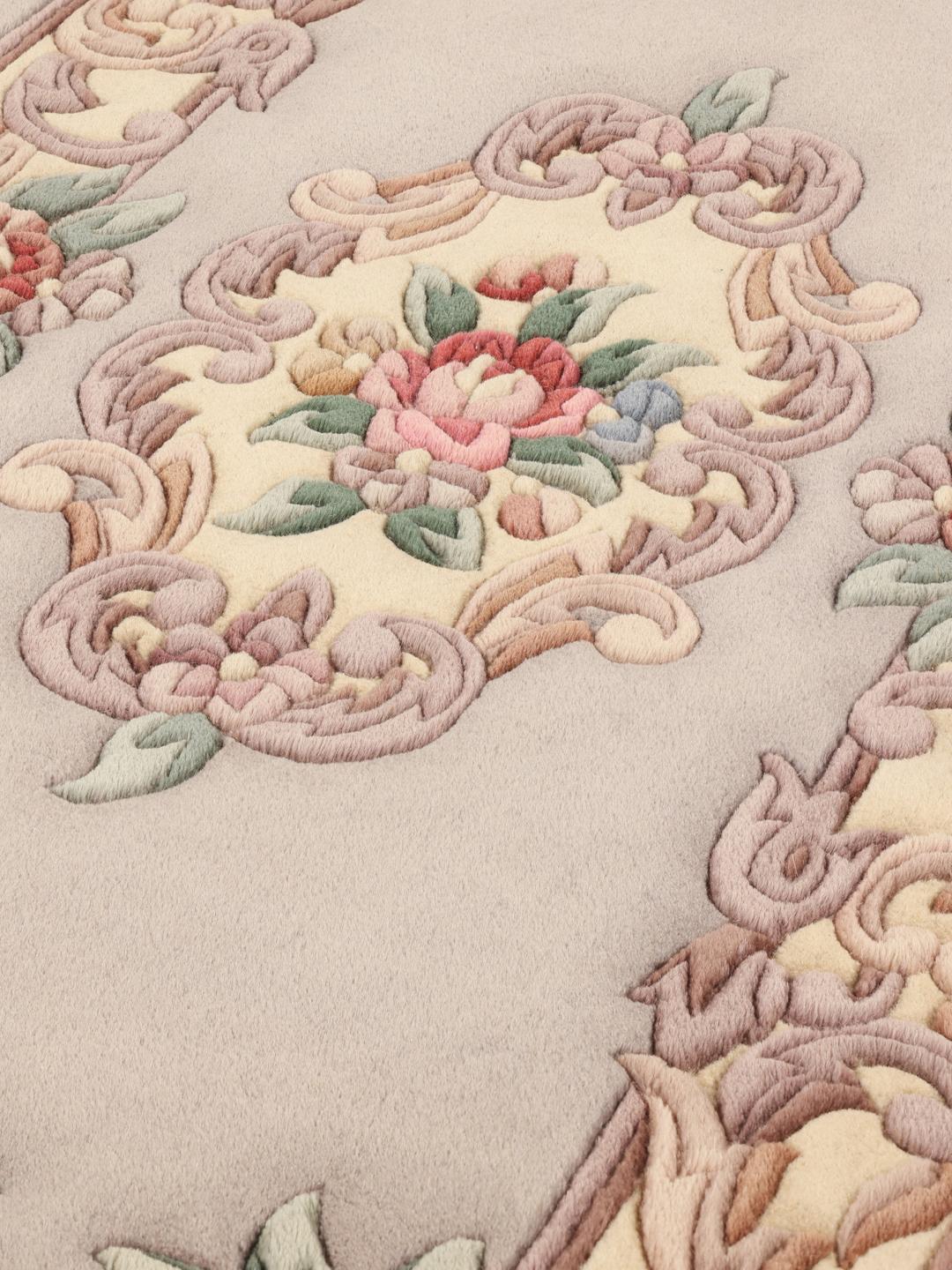
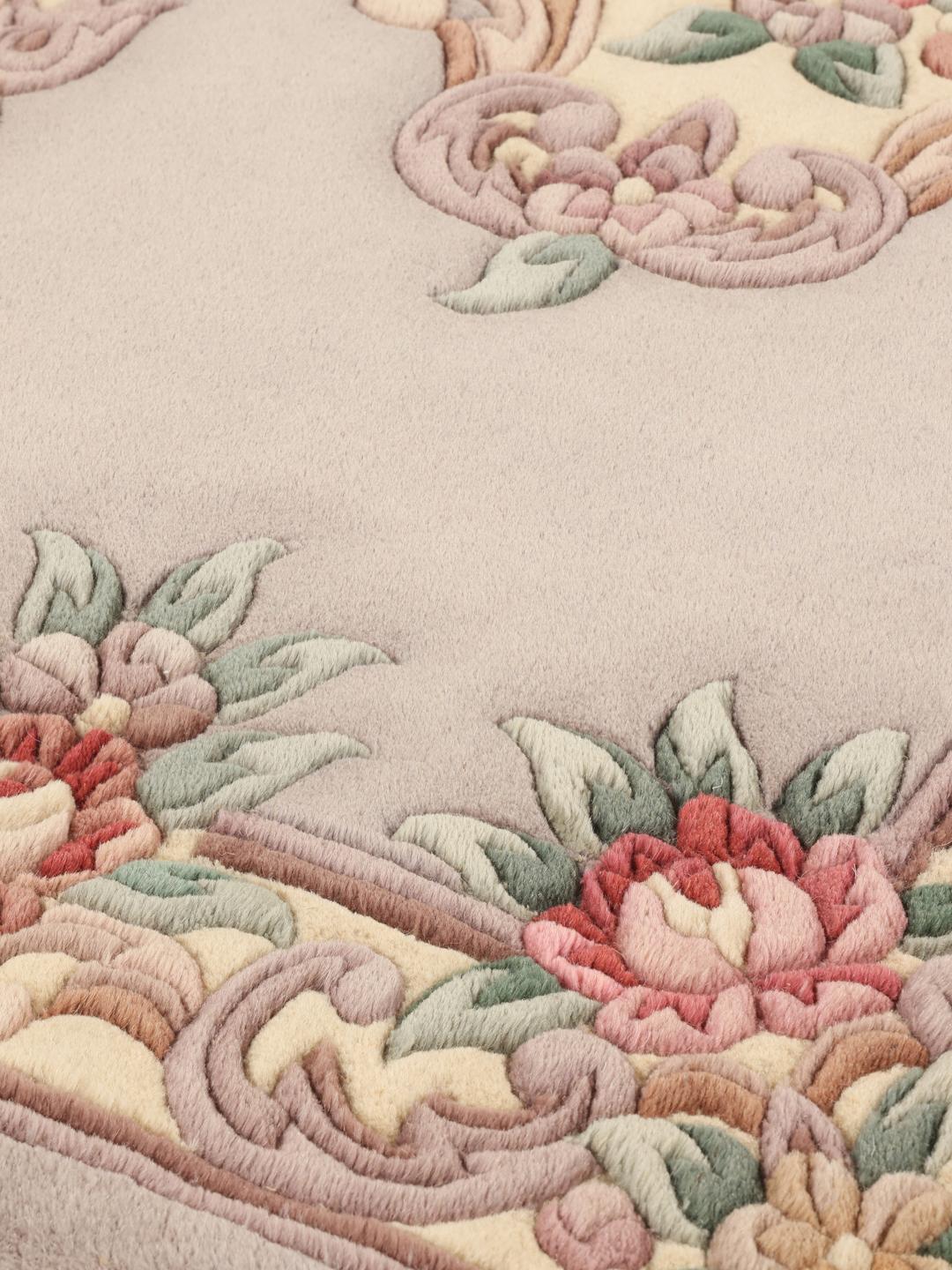
Floral motifs, such as the blossoms seen here, are central to the Chinese decorative language. These designs often symbolise prosperity, longevity, and natural beauty, executed with a unique sense of space that emphasises the relationship between the central medallion and the surrounding field. The use of soft, harmonious colour palettes further distinguishes these pieces as classic examples of regional craftsmanship.
Collecting these rugs means acquiring a piece of heritage that honours the patience and precision of generations of weavers. Each rug tells a story of cultural exchange and artistic refinement, making it a valuable addition for anyone who appreciates the intersection of history, skill, and the lasting comfort of a well-made floor covering.