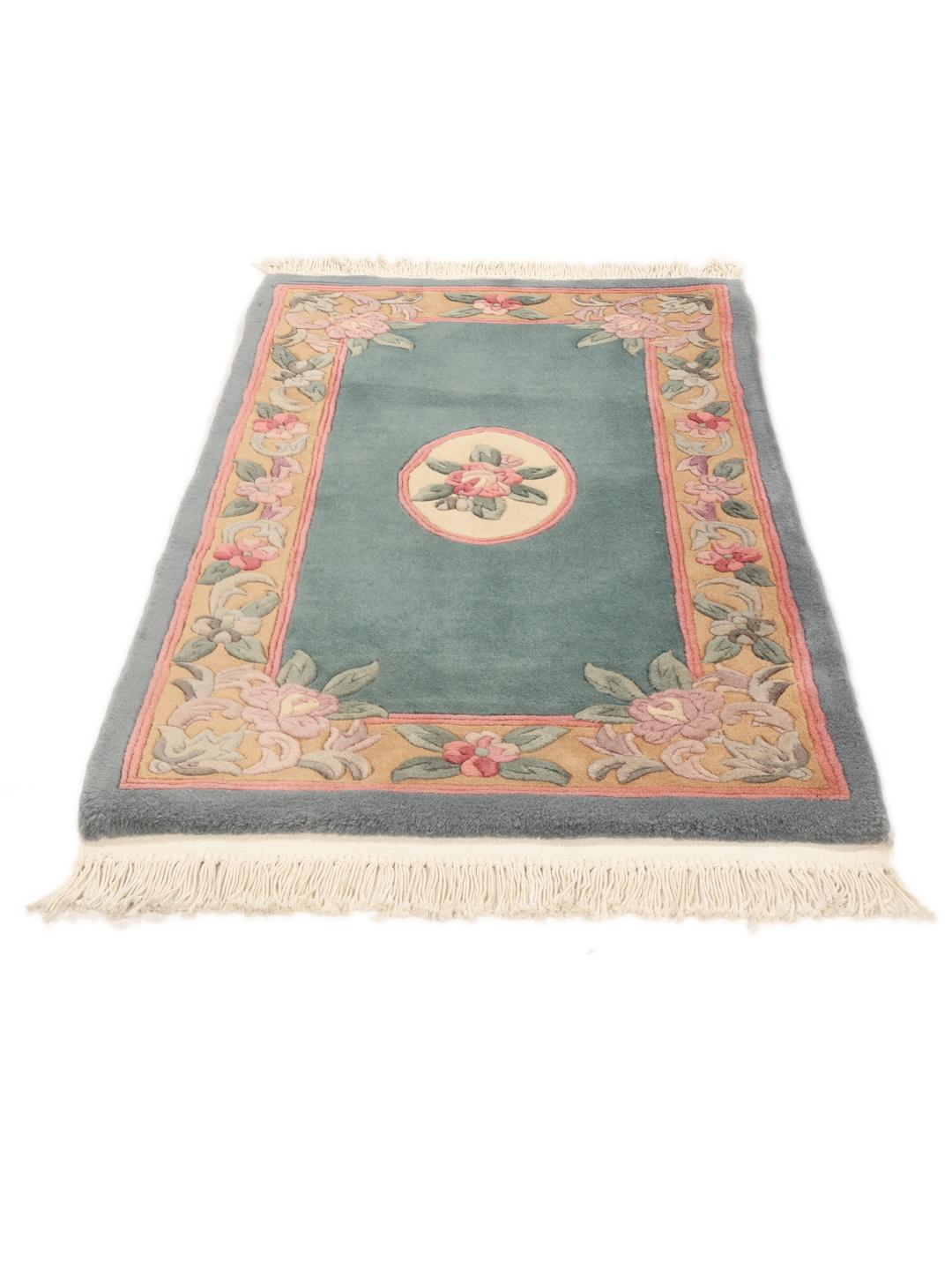
Chinese rug weaving has a long and storied tradition that spans centuries, evolving from functional floor coverings into celebrated works of textile art. The region is known for its distinct approach to design, often drawing inspiration from nature, mythology, and the elegant simplicity of traditional art forms.
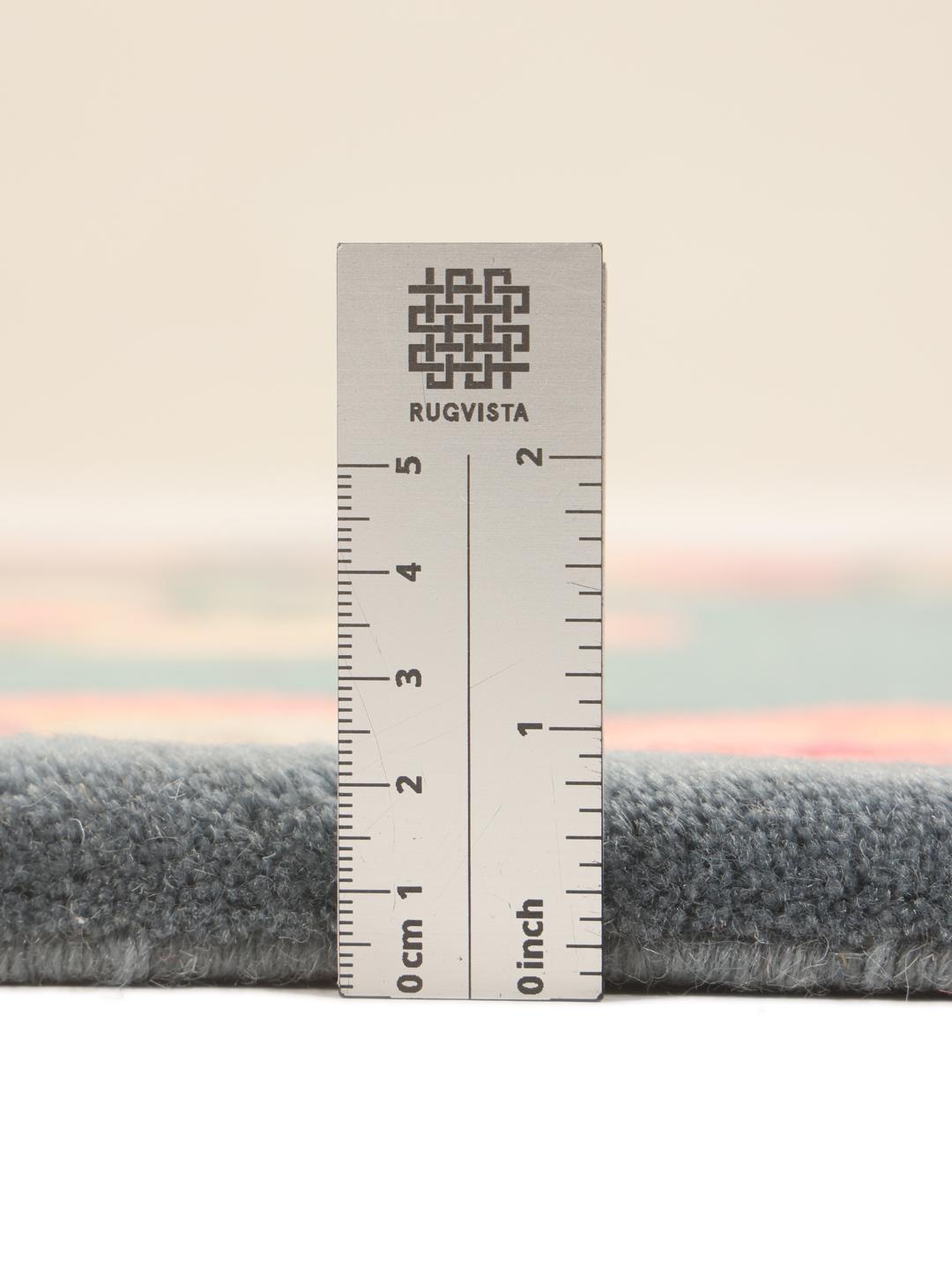
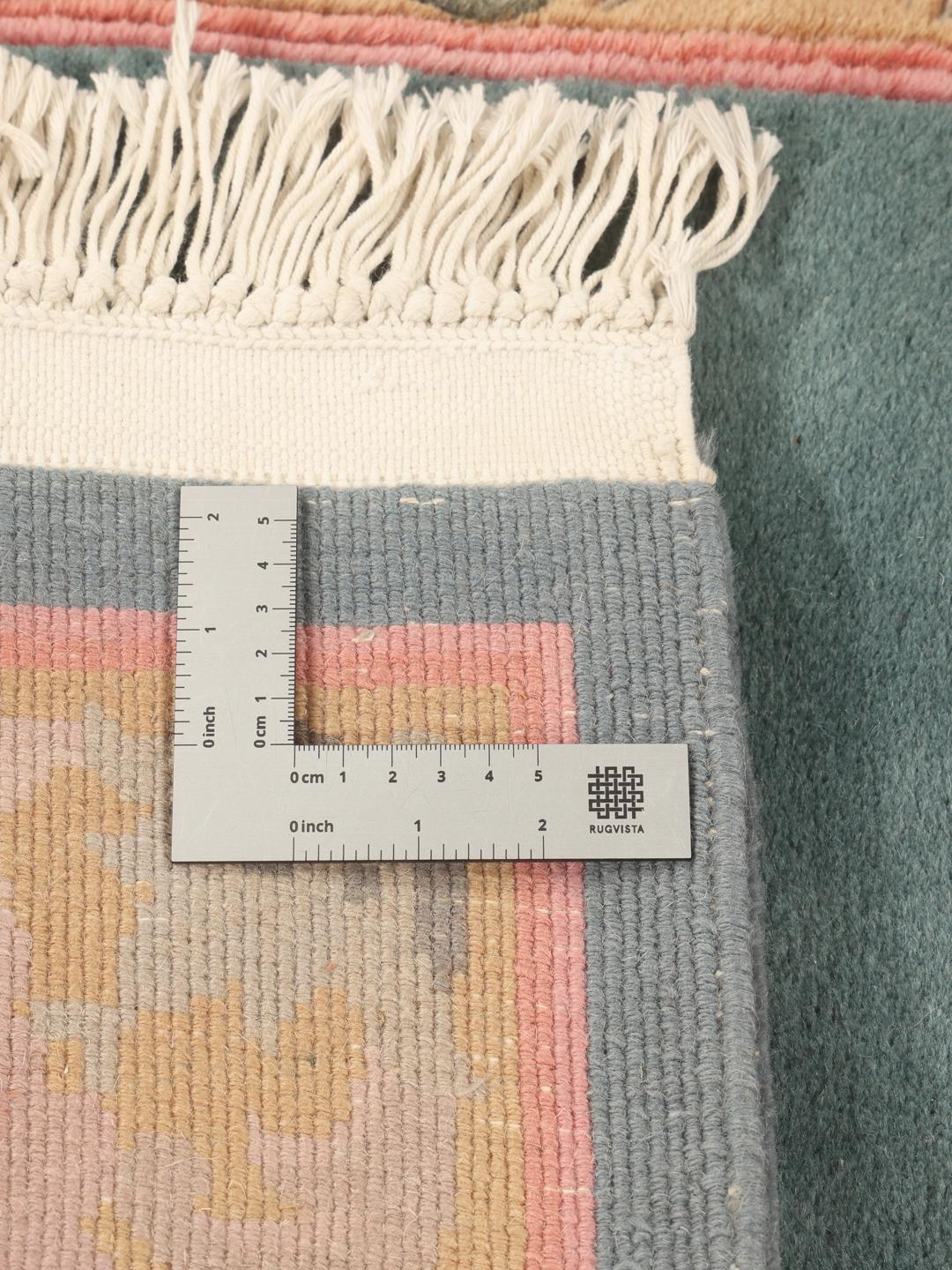
The term 90 line refers to a specific system of measurement used to define the density of the rug's construction. In this tradition, the line count indicates the number of knots per foot, which directly influences the crispness of the patterns and the overall longevity of the piece. A higher line count allows for more detailed floral designs and a denser, more luxurious pile that withstands the passage of time.
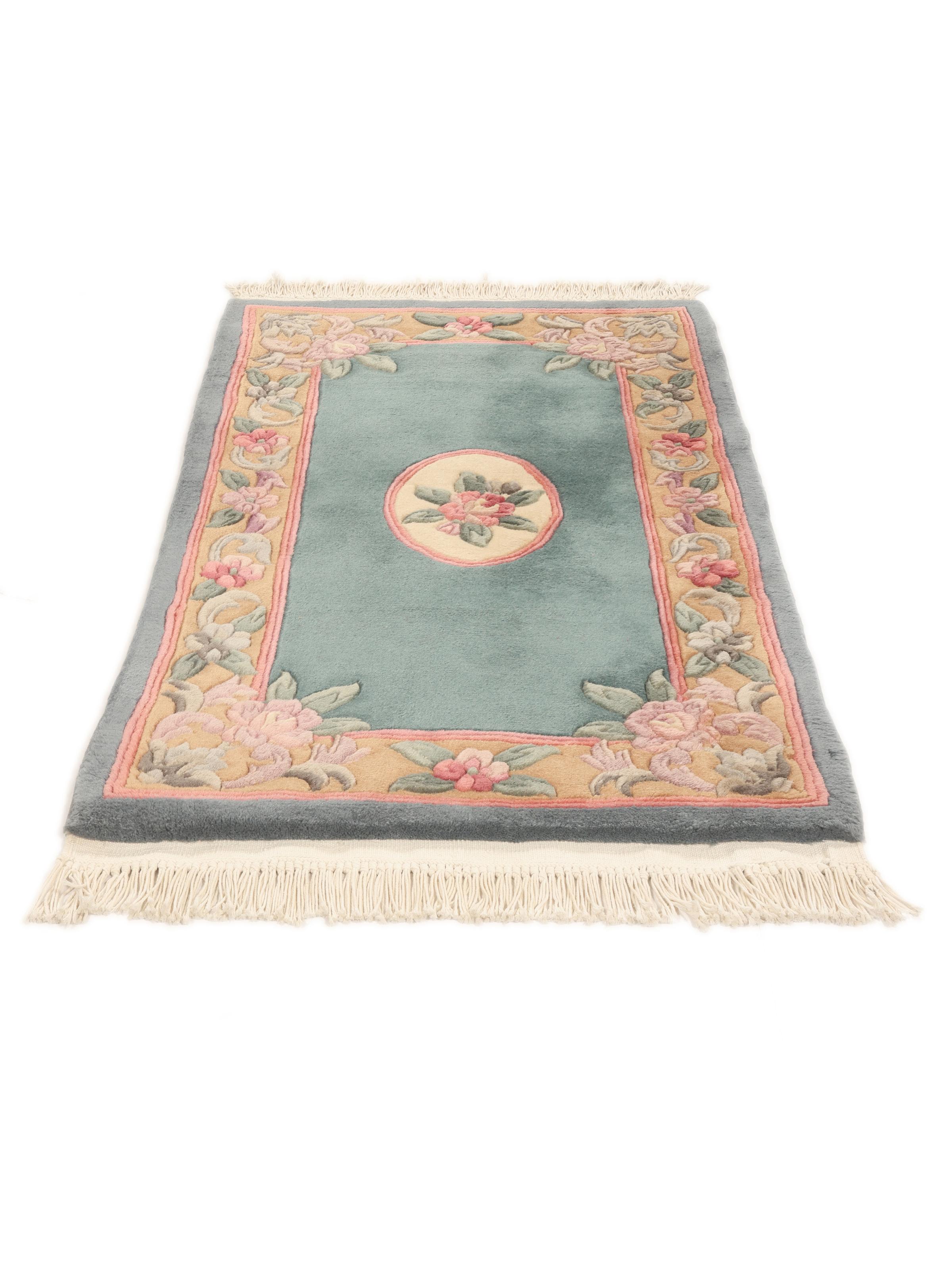
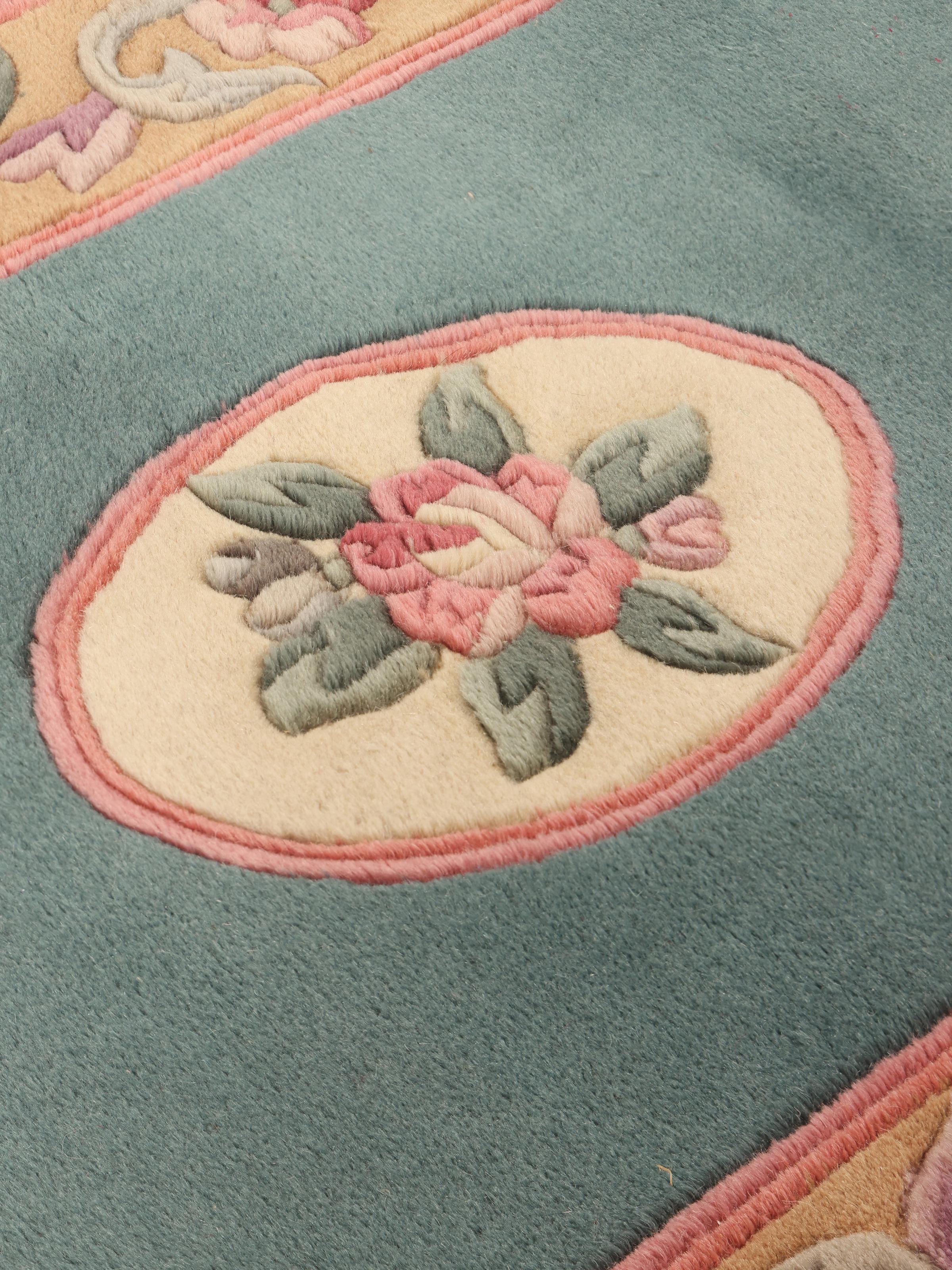
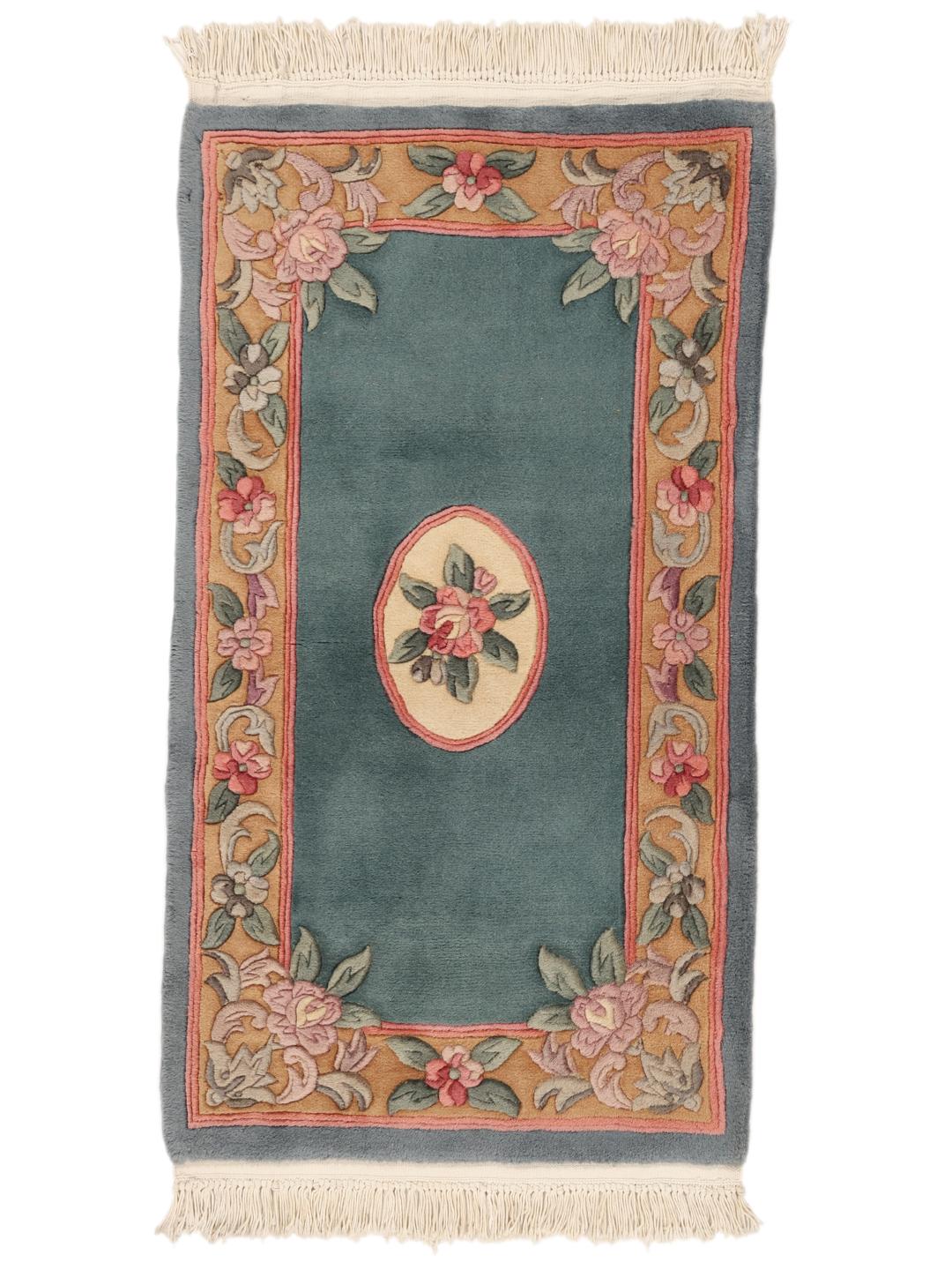
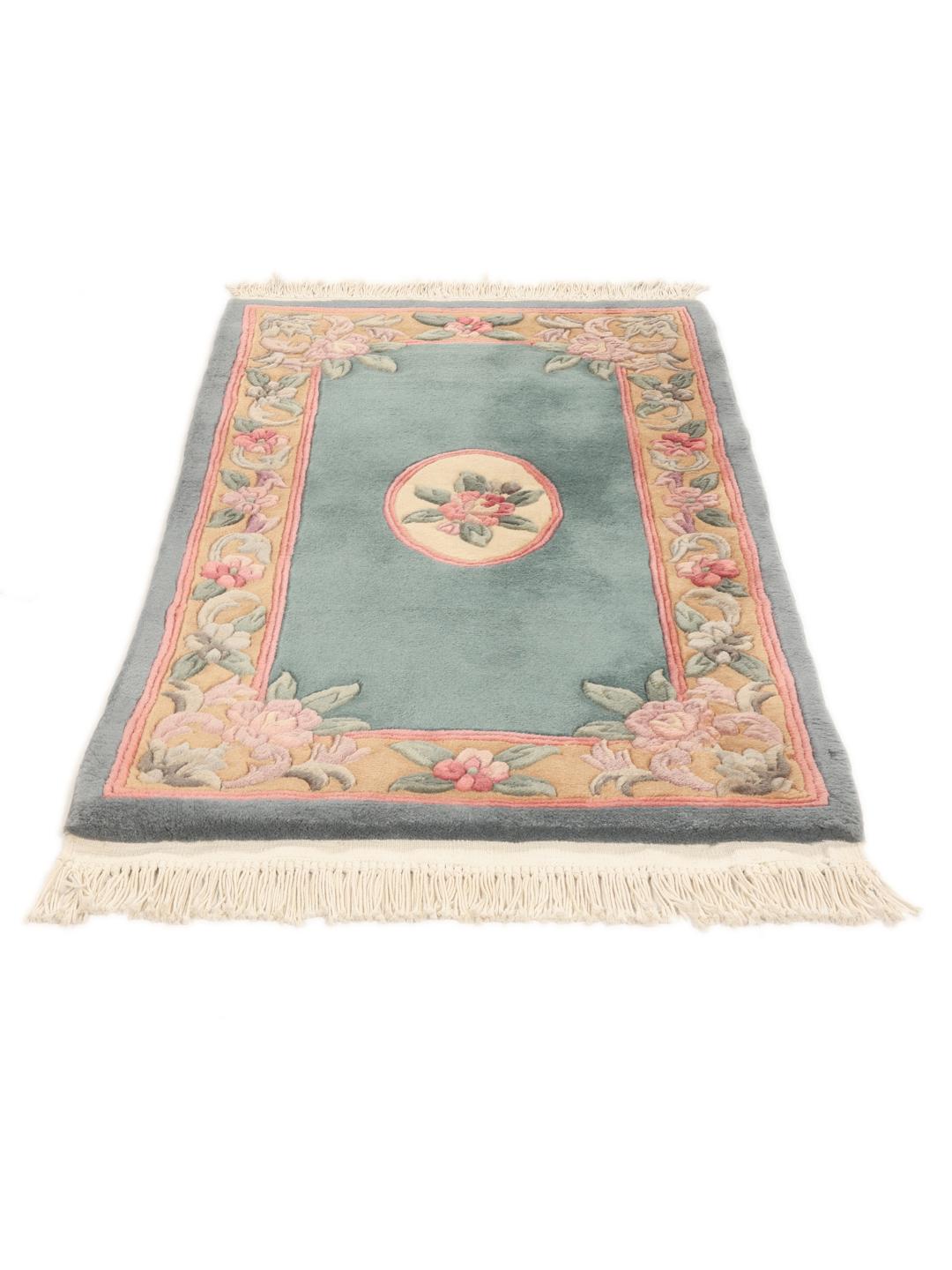
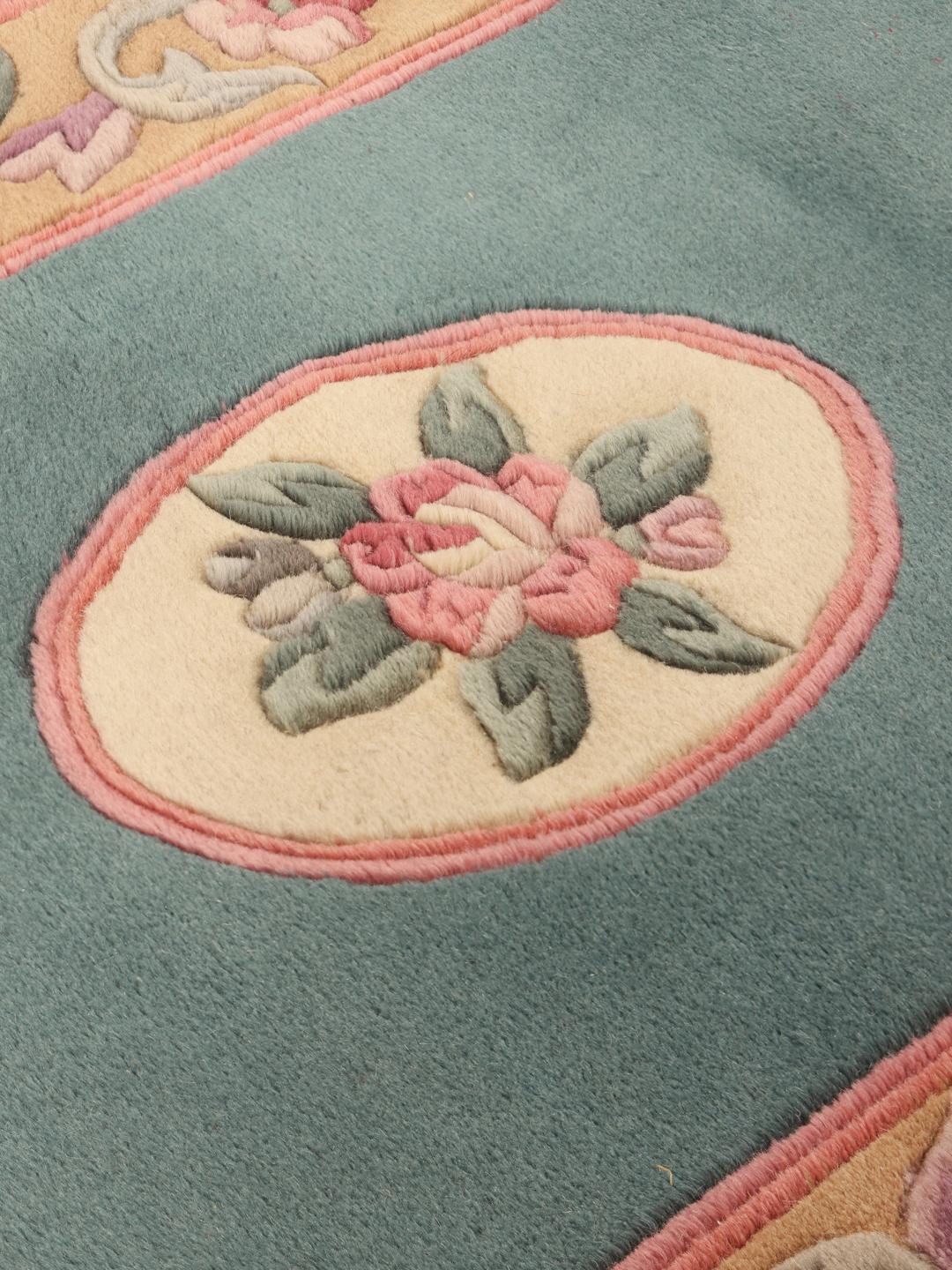
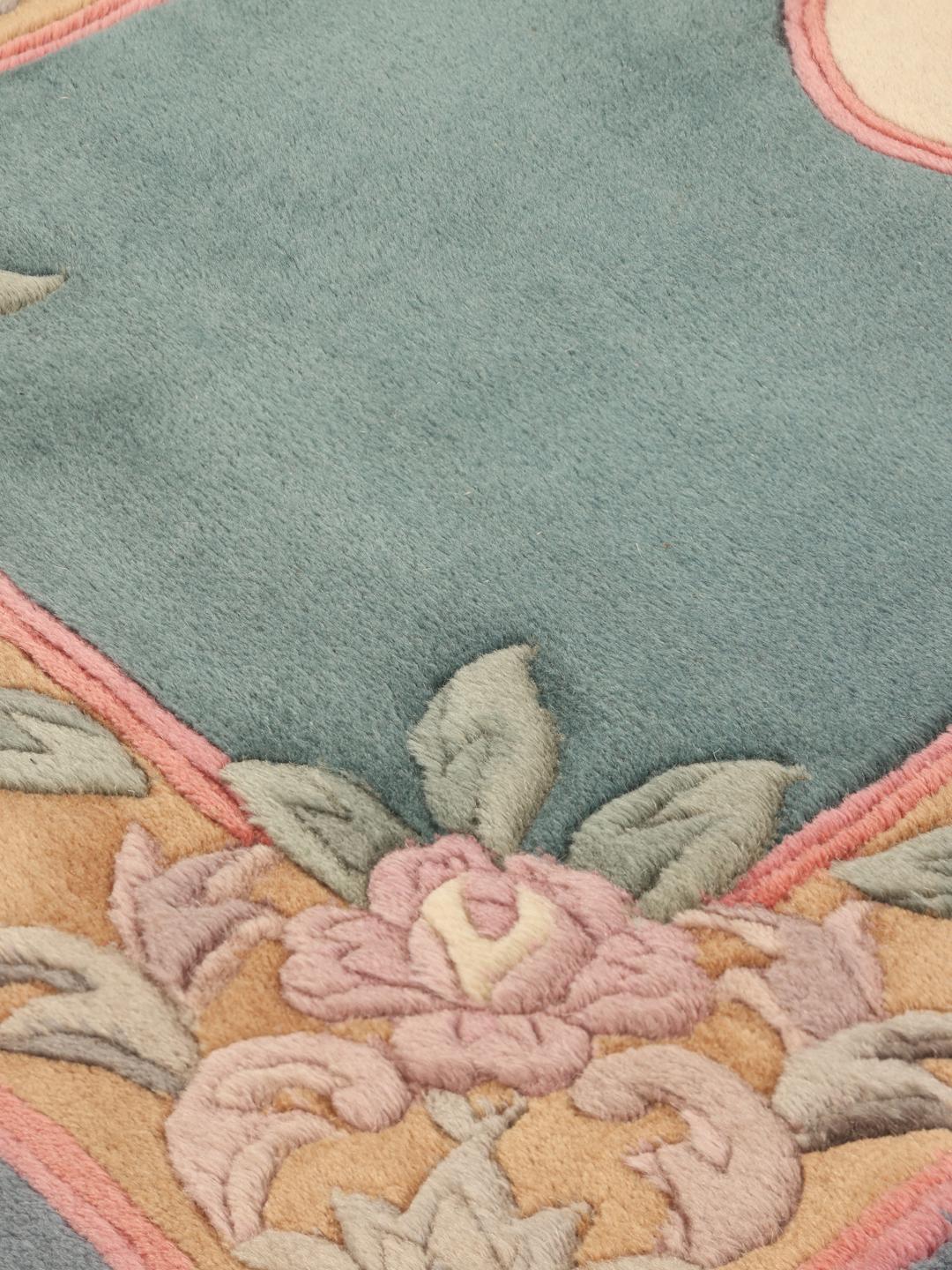
Floral motifs are a hallmark of this tradition, reflecting a deep appreciation for botanical beauty. The design often features stylised peonies, lotus flowers, or chrysanthemums, which are not only decorative but also carry symbolic meaning in regional culture. These rugs are renowned for their sculptural quality, where the design is often carved into the pile to create depth and dimension.
Collectors value these pieces for their blend of technical precision and artistic expression. Owning a hand-knotted rug from this tradition is an investment in cultural heritage, representing a level of skill that is increasingly rare. It is a piece that carries the weight of history and the dedication of the maker, making it a meaningful addition to any curated home.