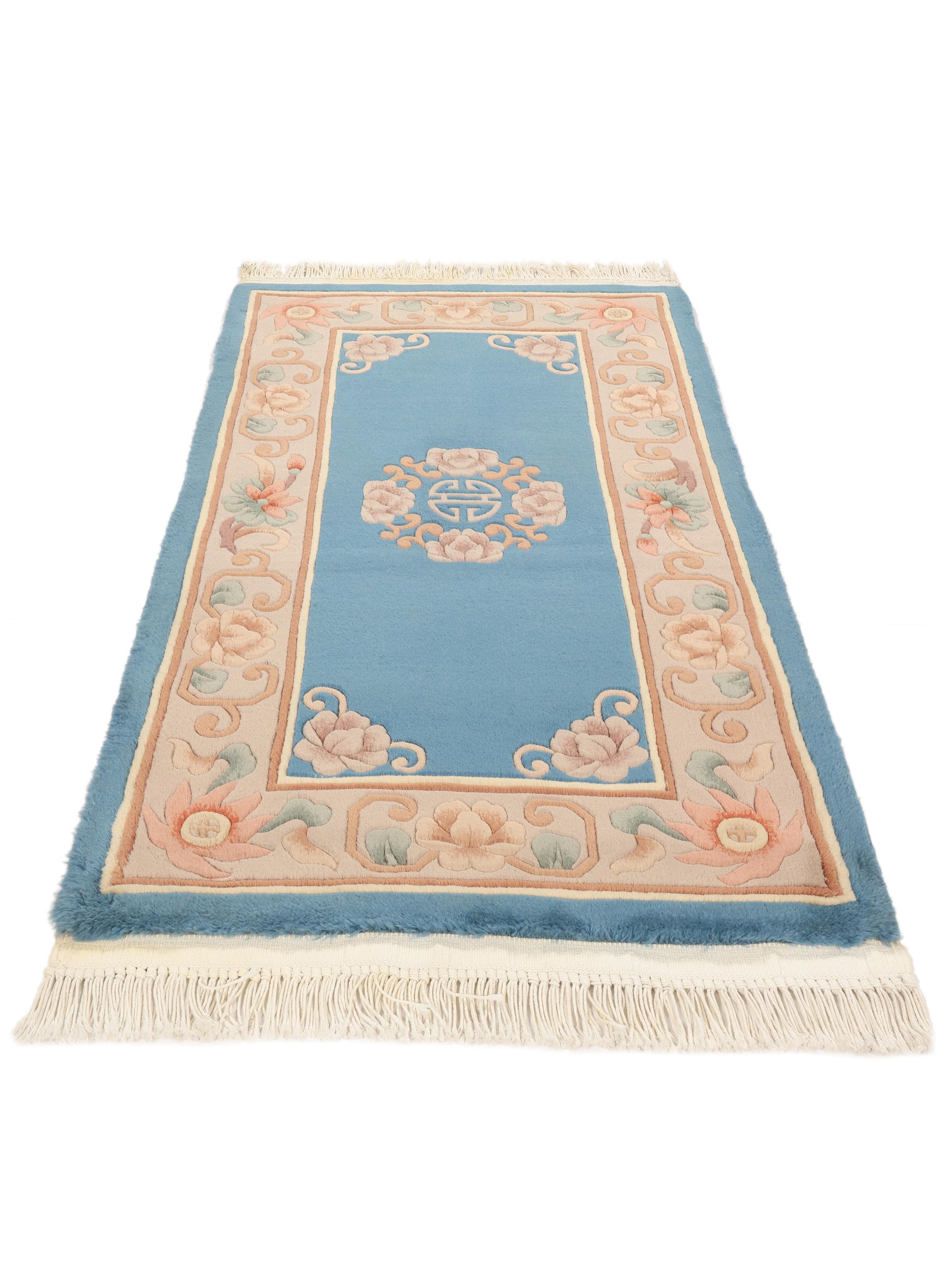
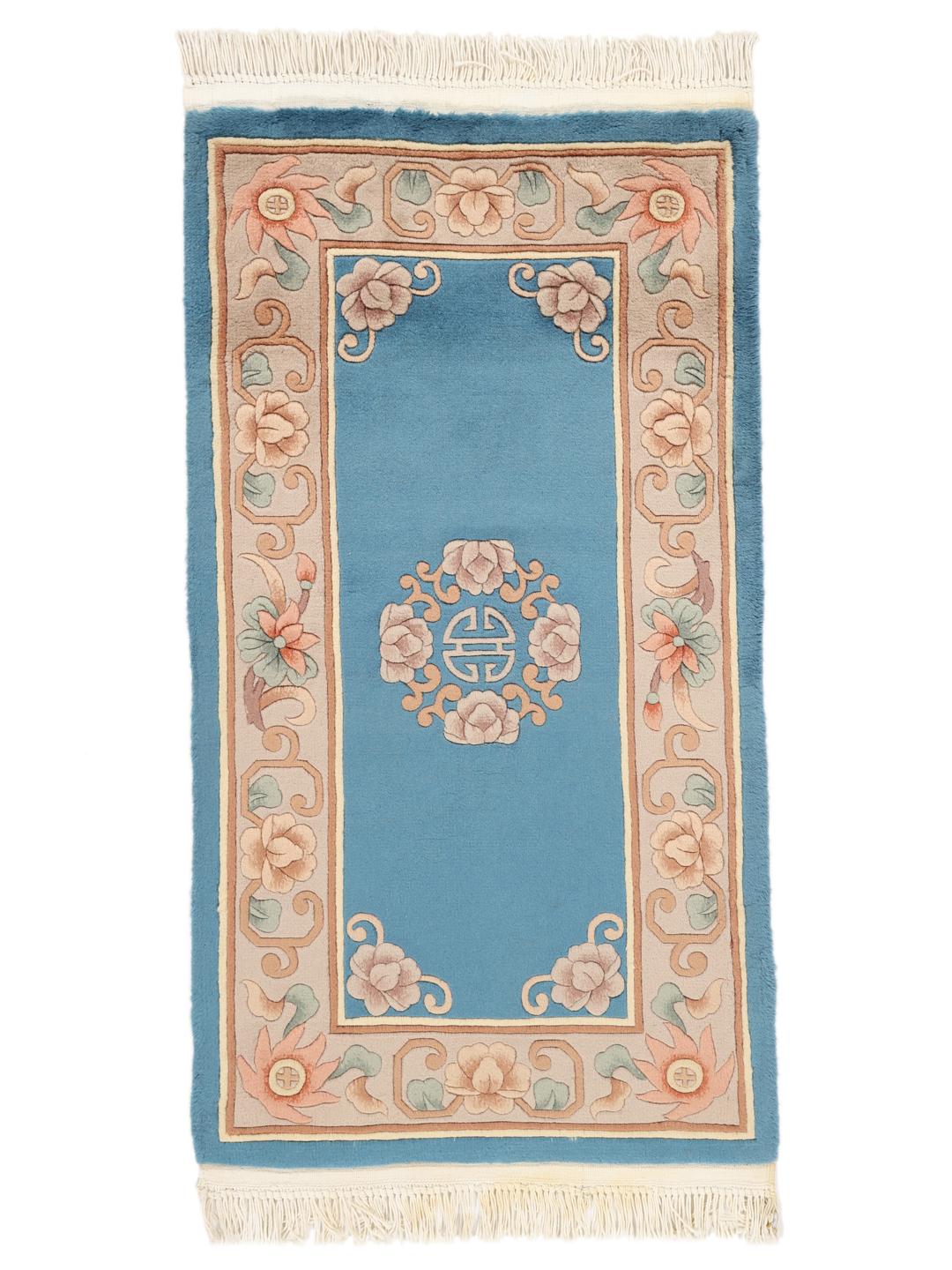
Chinese rug-making is an ancient art form that has evolved over centuries, deeply rooted in the country's rich cultural and artistic heritage. Historically, these rugs were often commissioned for imperial palaces and temples, featuring symbolic motifs that represented longevity, prosperity, and harmony. Today, this tradition continues to flourish, blending classical techniques with refined designs that resonate in contemporary homes.
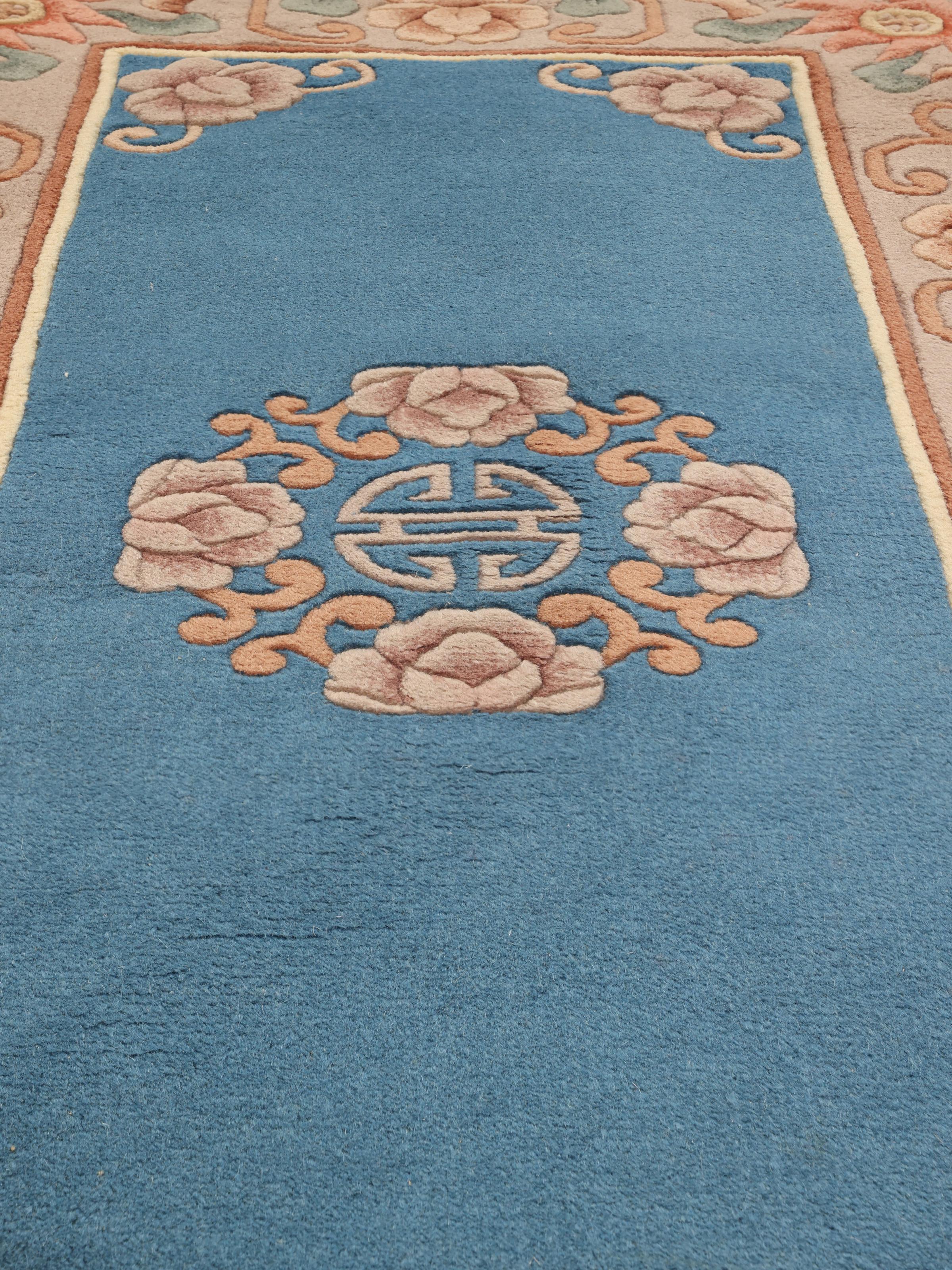
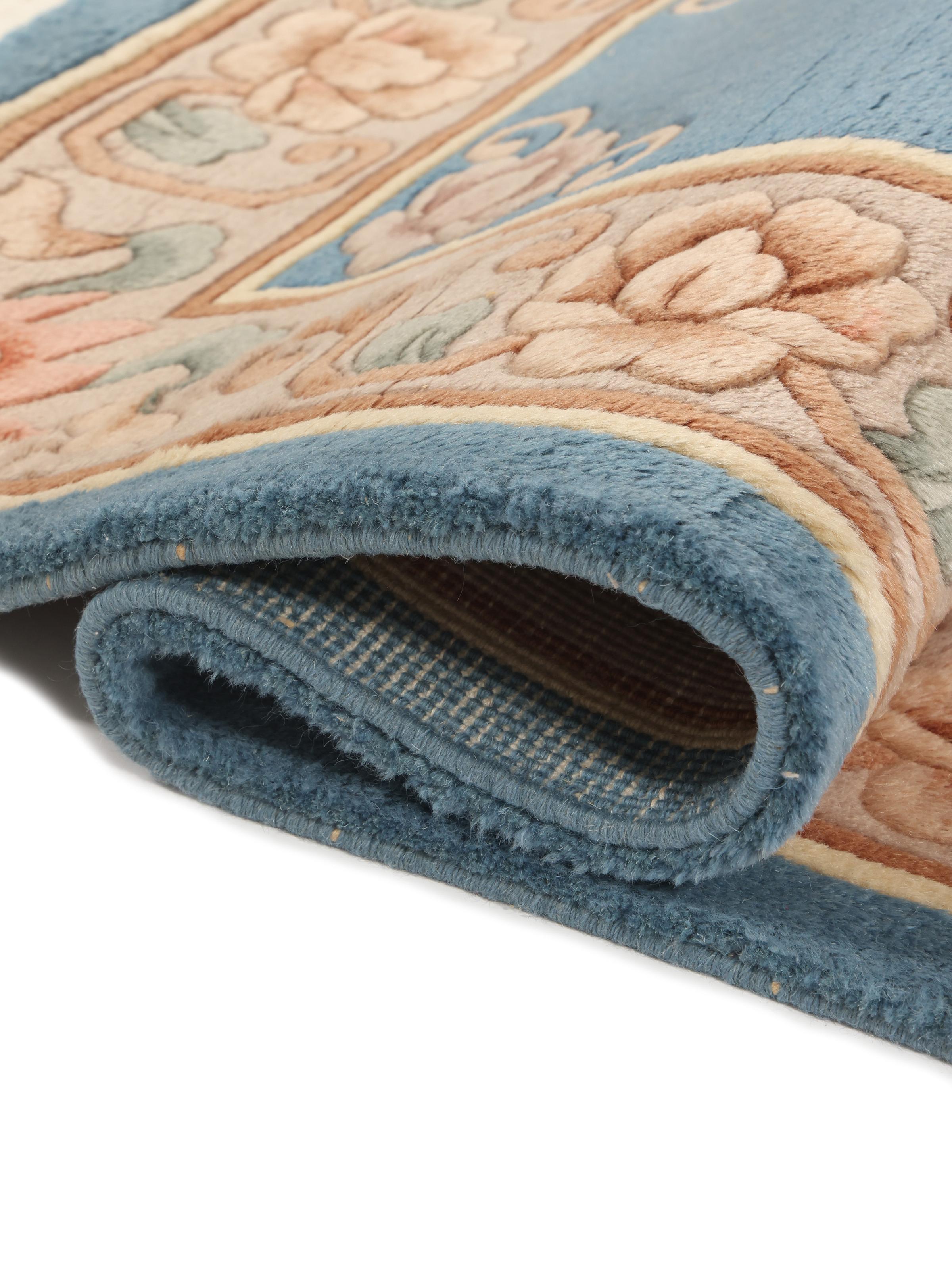
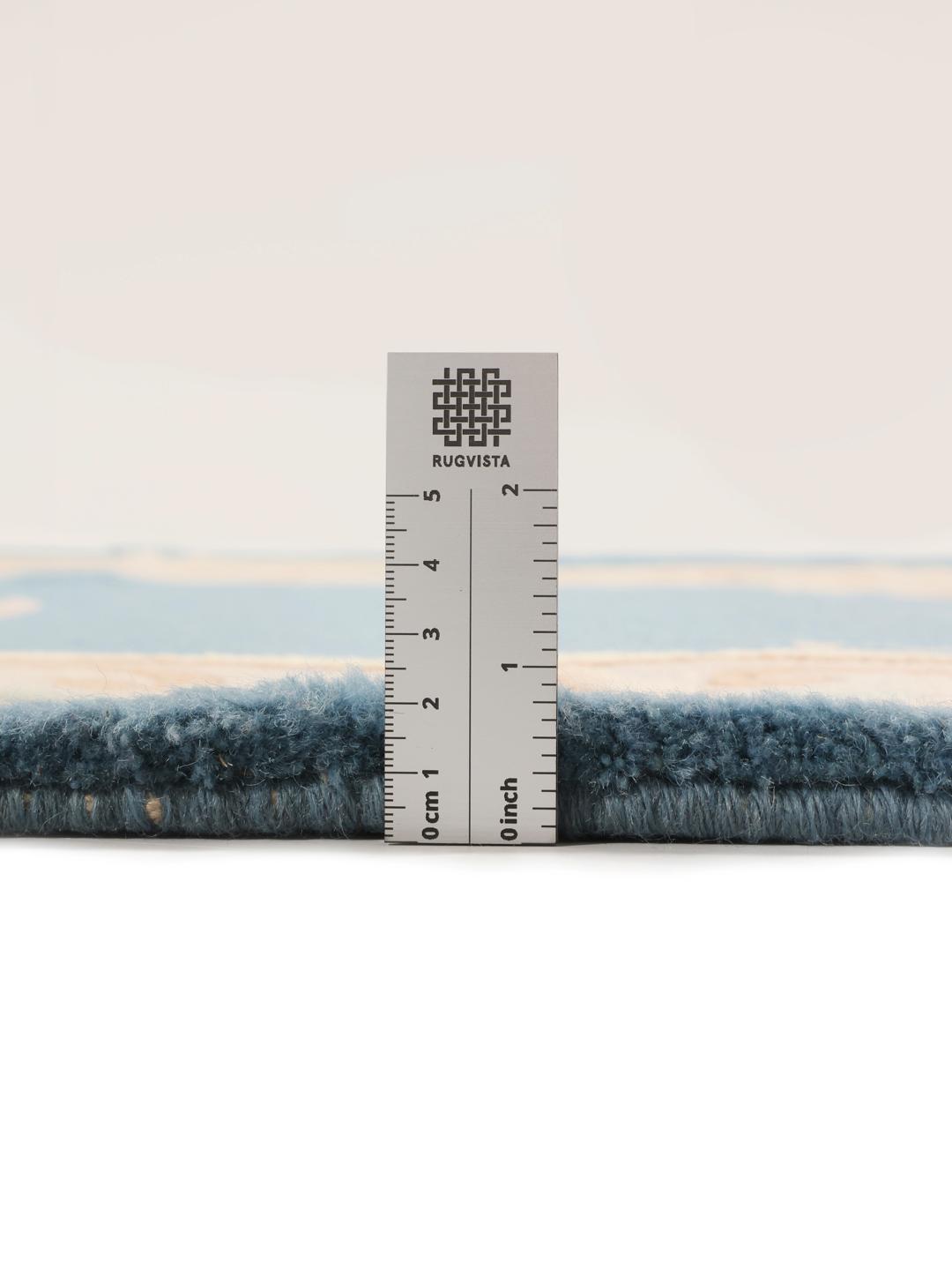
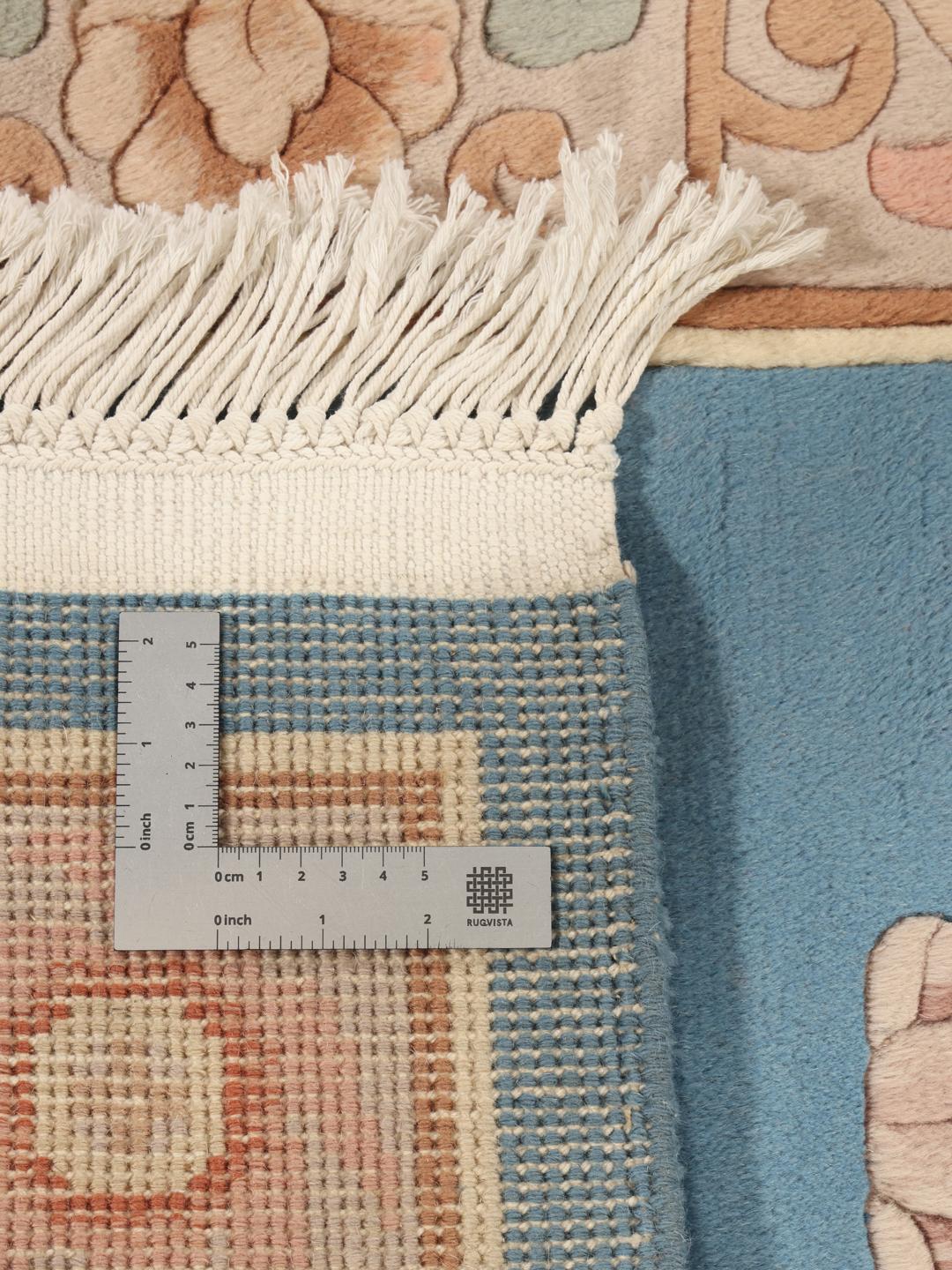
The term 90 line refers to a traditional measurement of quality in Chinese rug production, indicating the density of the knots across a specific width. This standardised approach has long served as a benchmark for excellence, ensuring that the finished rug has a consistent texture and a clear, well-defined pattern. This technical precision is what allows for the intricate floral details often seen in this style.
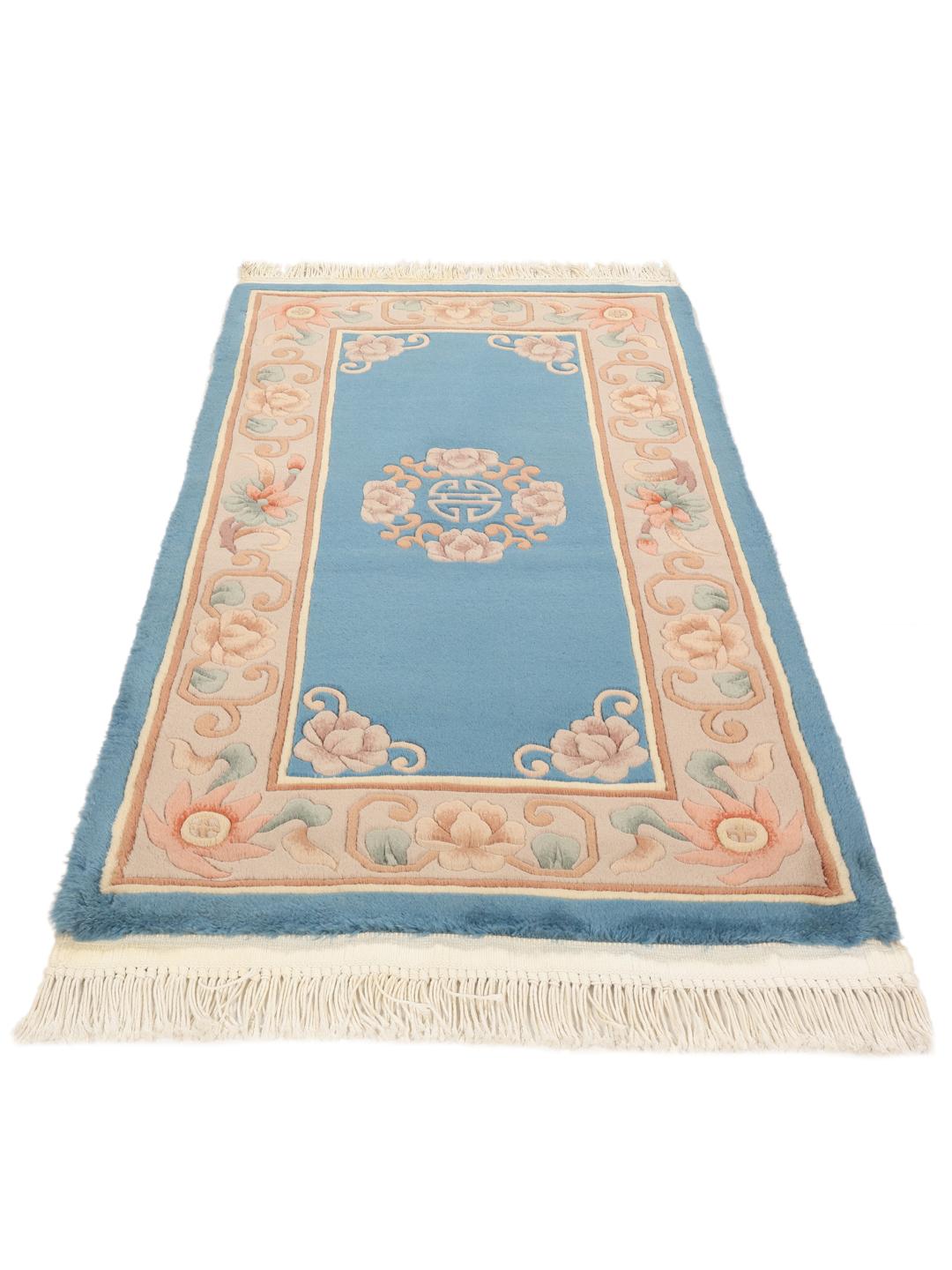
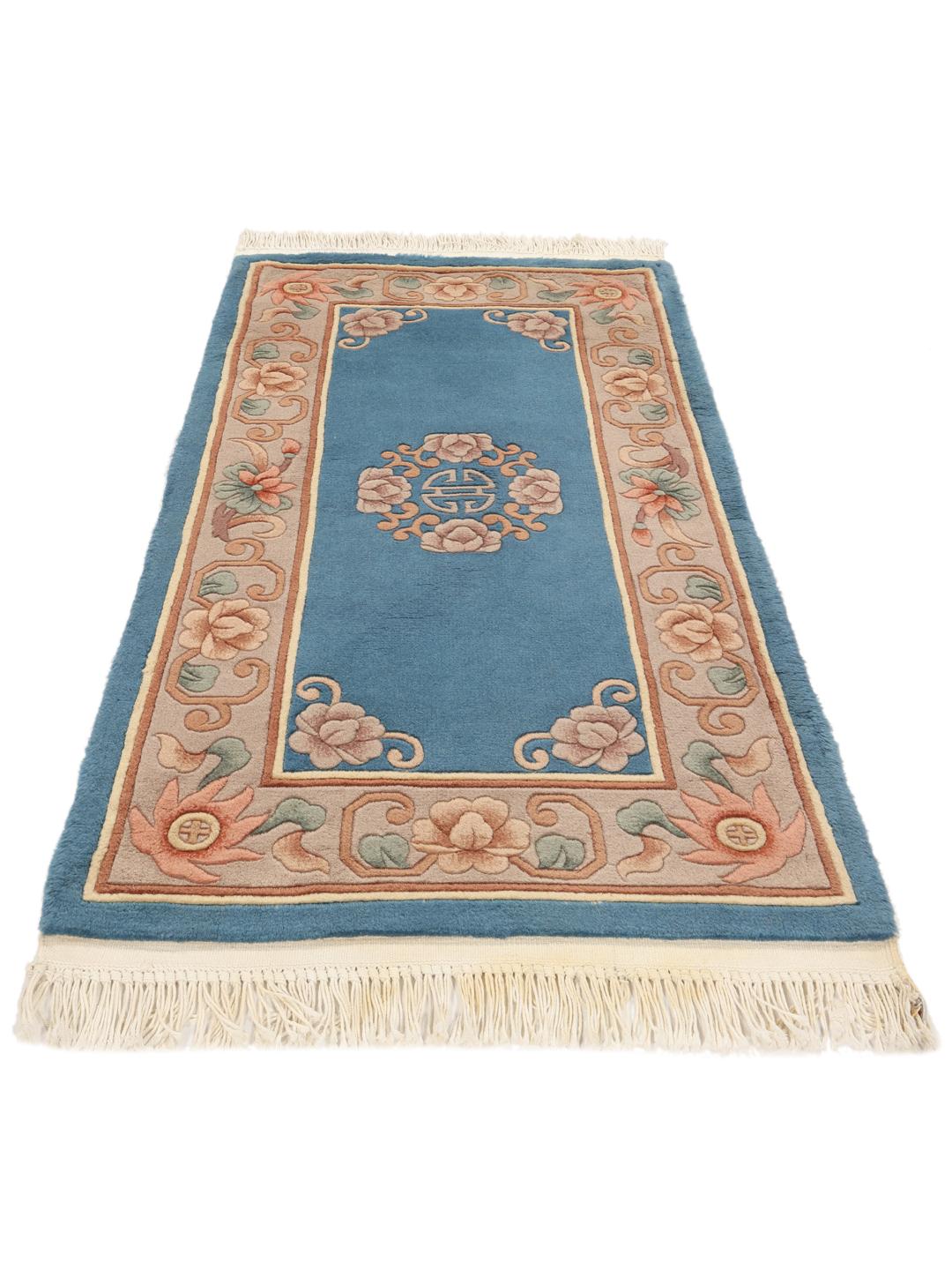
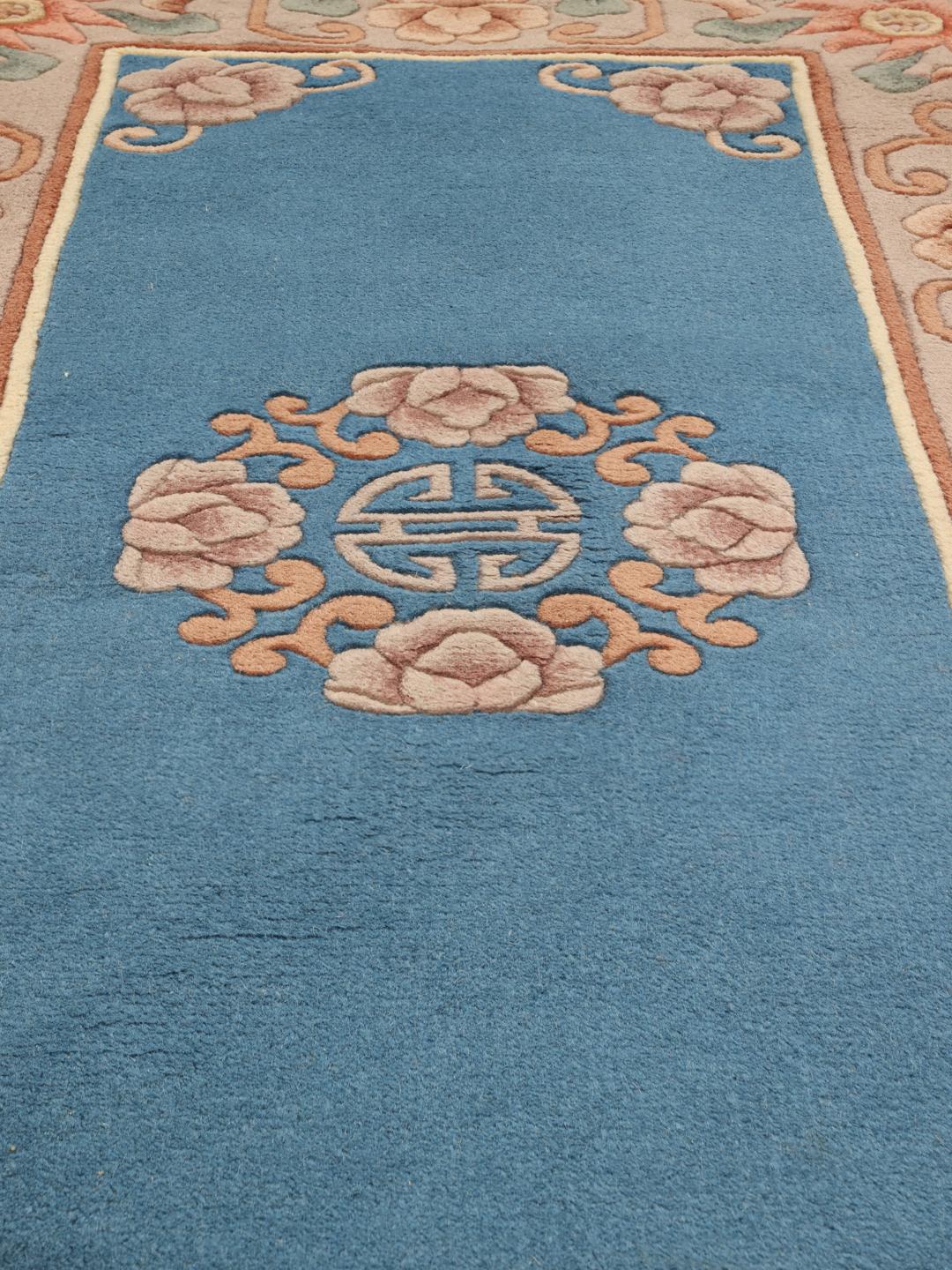
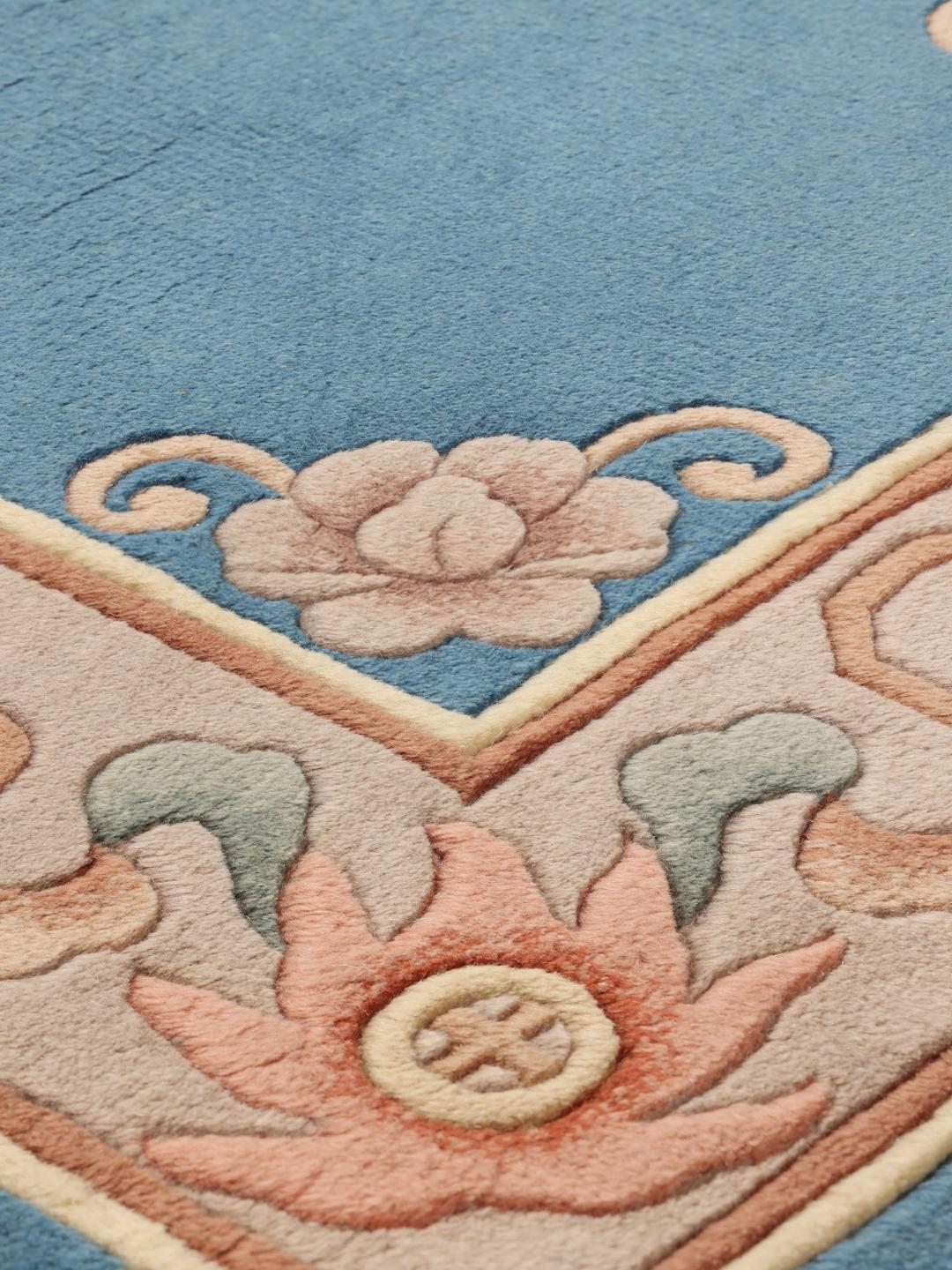
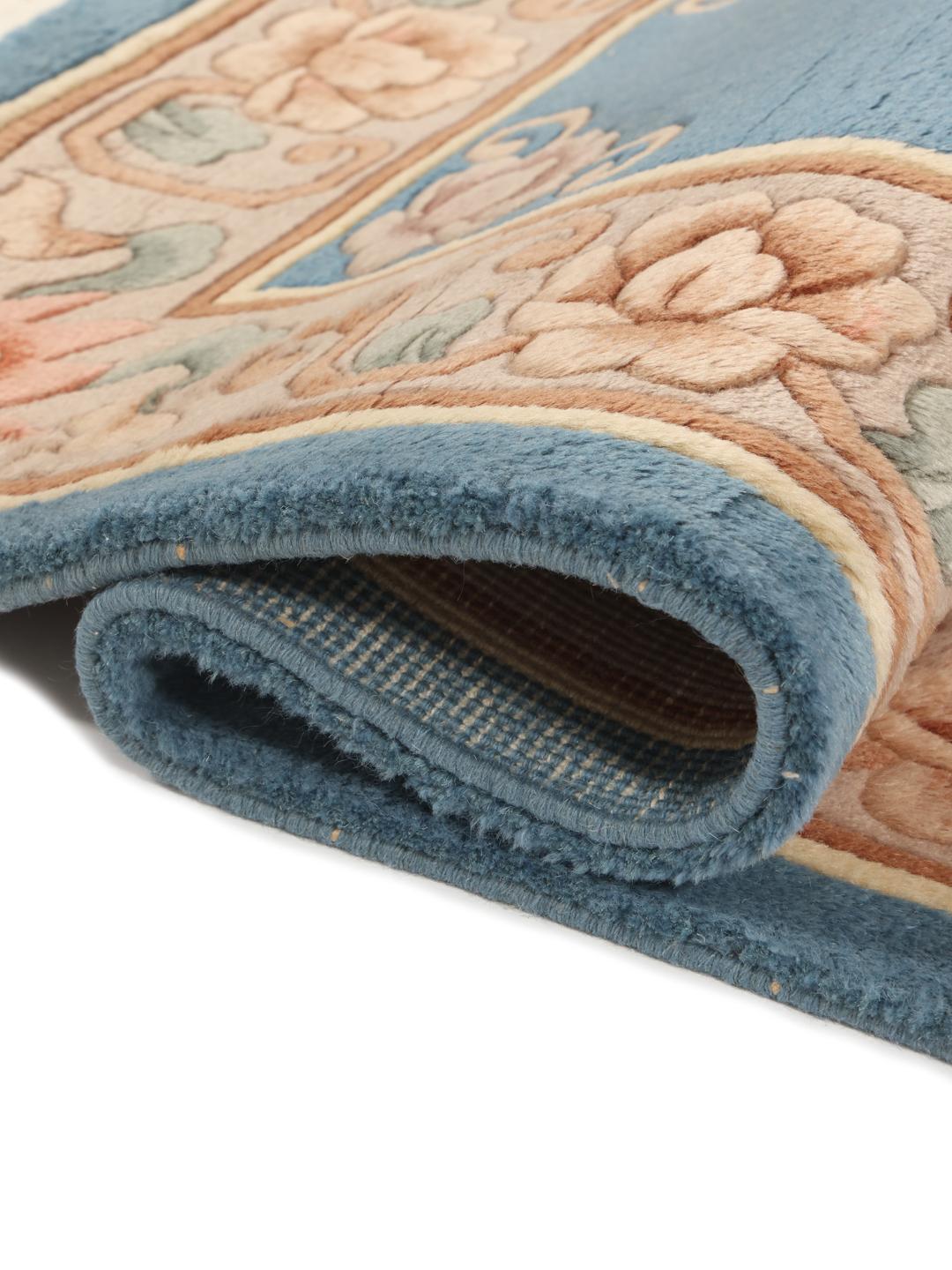
Visually, these rugs are defined by their use of negative space and balanced, symbolic imagery. Traditional motifs often include lotus flowers, peonies, and geometric fretwork, all framed by elegant borders. While many traditional Chinese rugs feature rich, deep palettes, this particular piece utilises a lighter, more modern blue, showcasing how the tradition can adapt to create a fresh and airy aesthetic while maintaining its classical soul.
Owning a hand-knotted rug from this tradition is about more than just decoration, it is about connecting with a legacy of master craftsmanship. Collectors value these pieces for their durability, the depth of their cultural narrative, and the sheer skill required to bring such balanced designs to life. To bring one into your home is to preserve a piece of history that continues to hold its value and beauty.