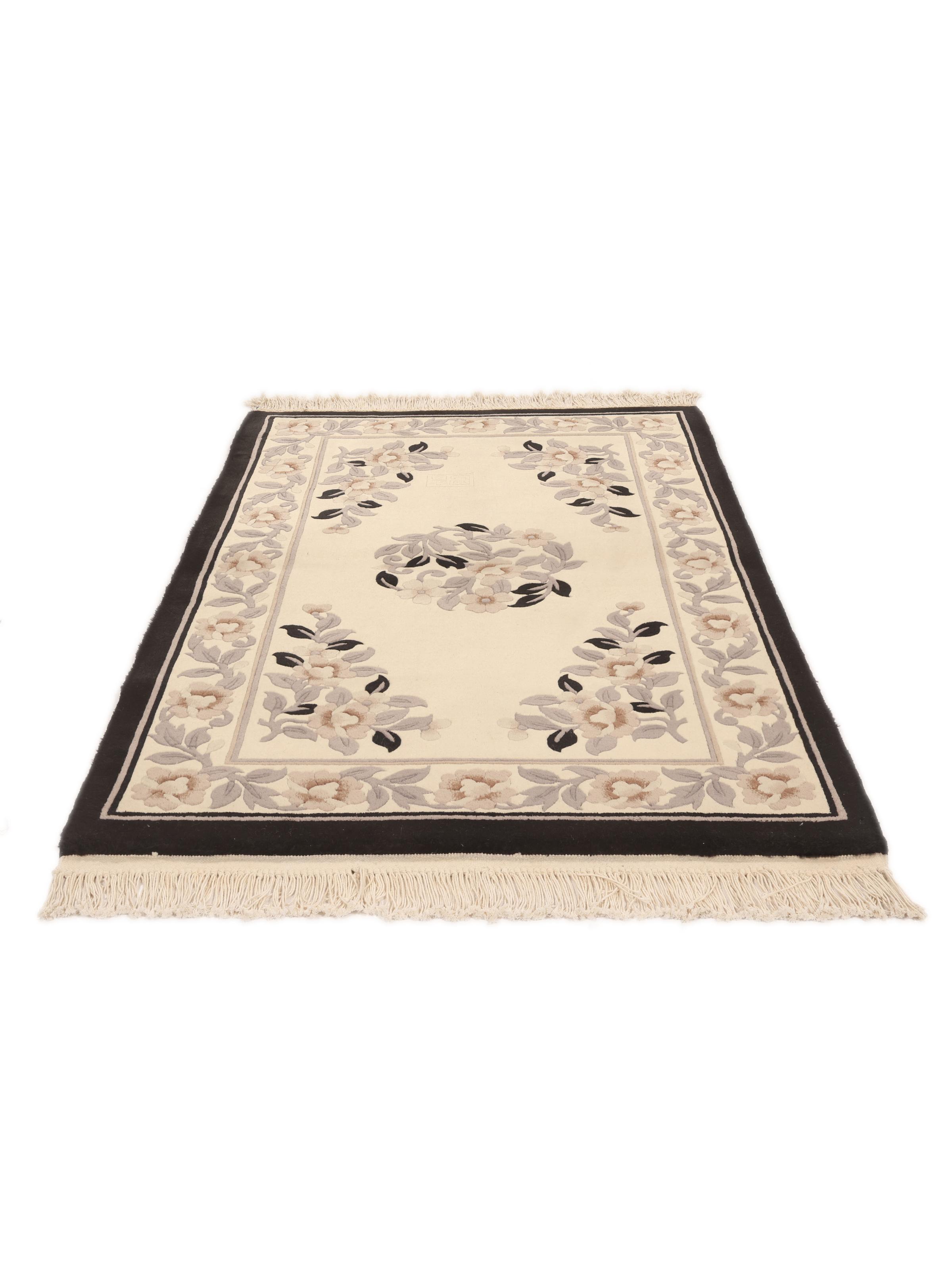
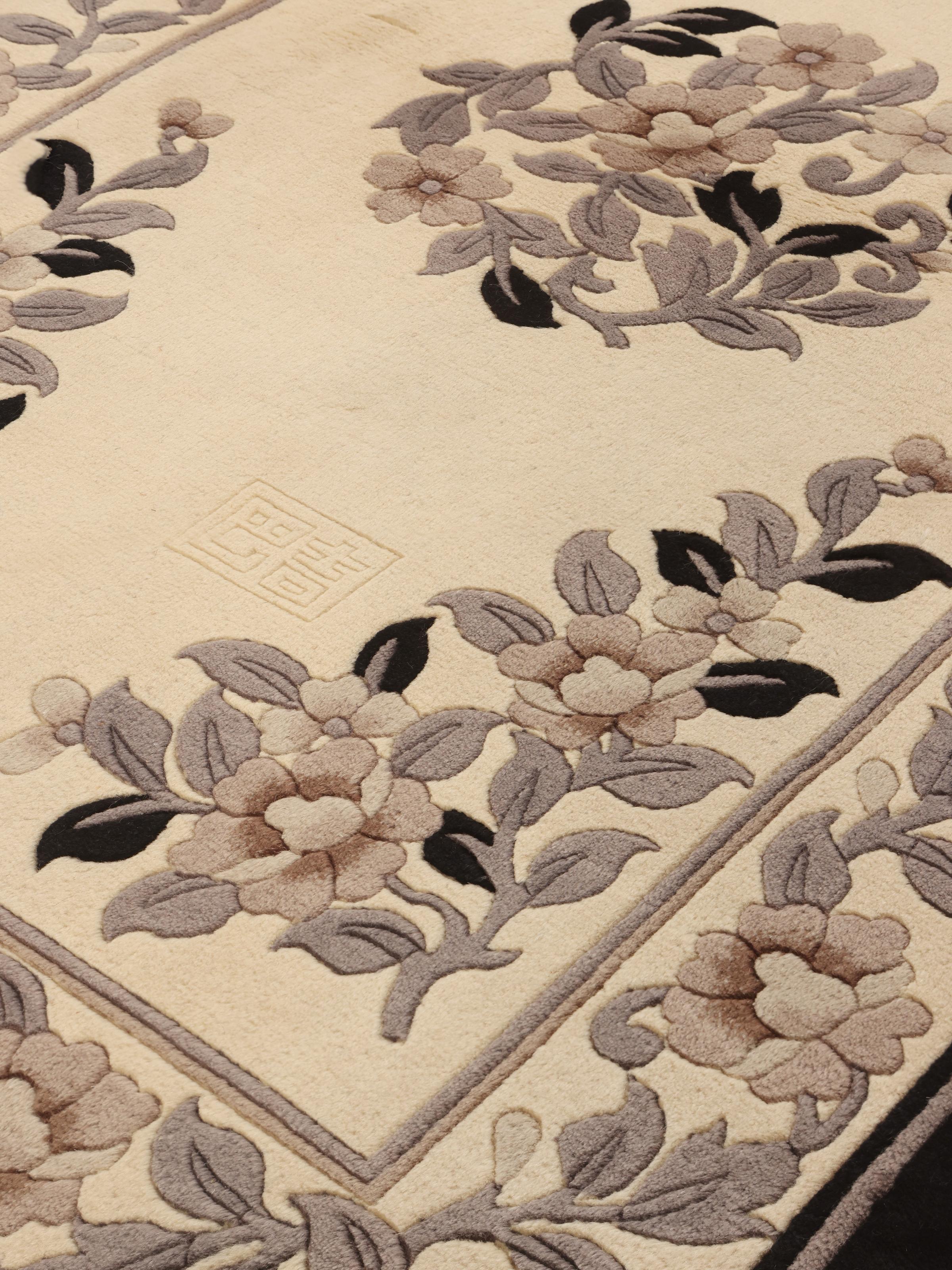
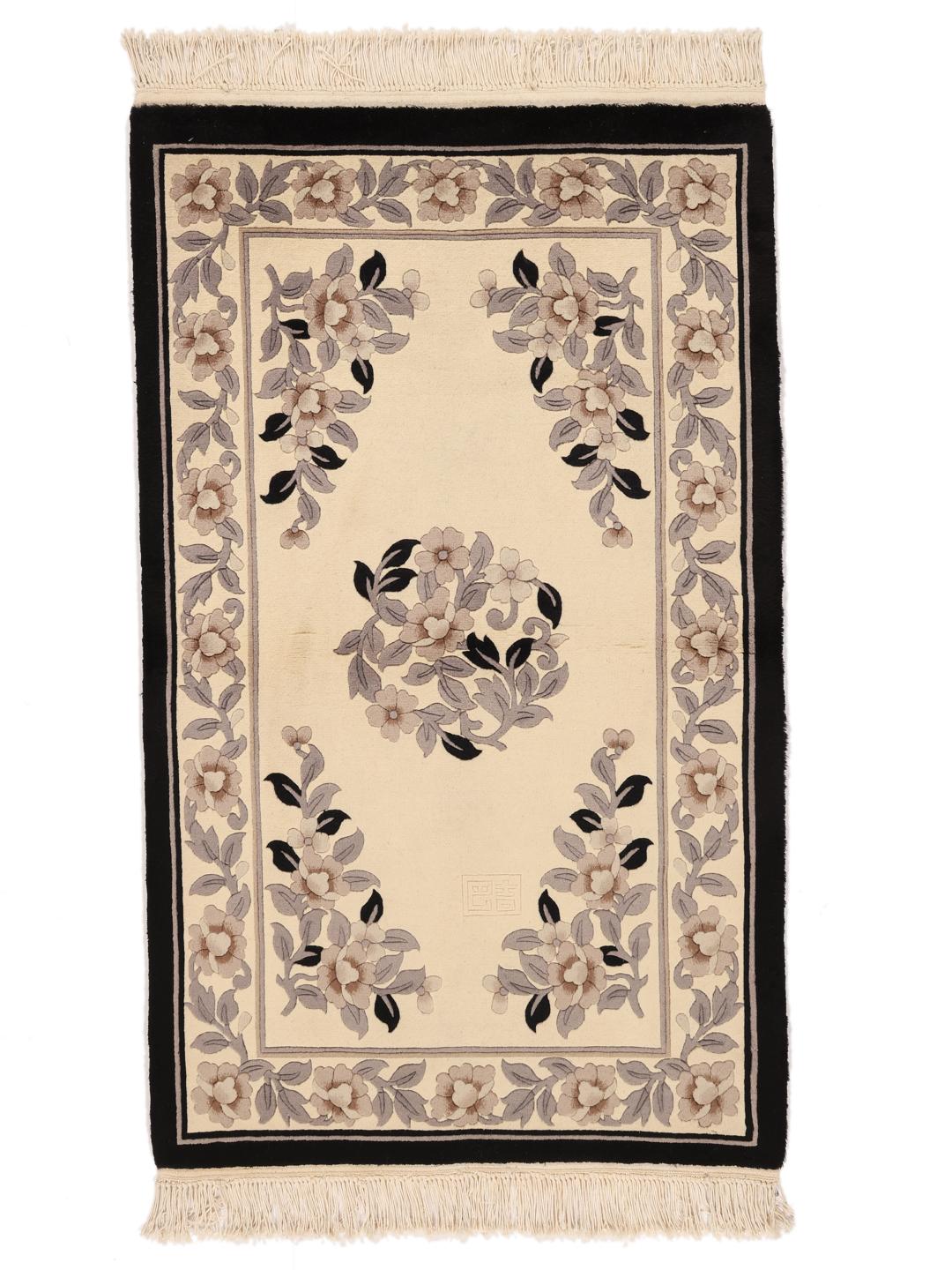
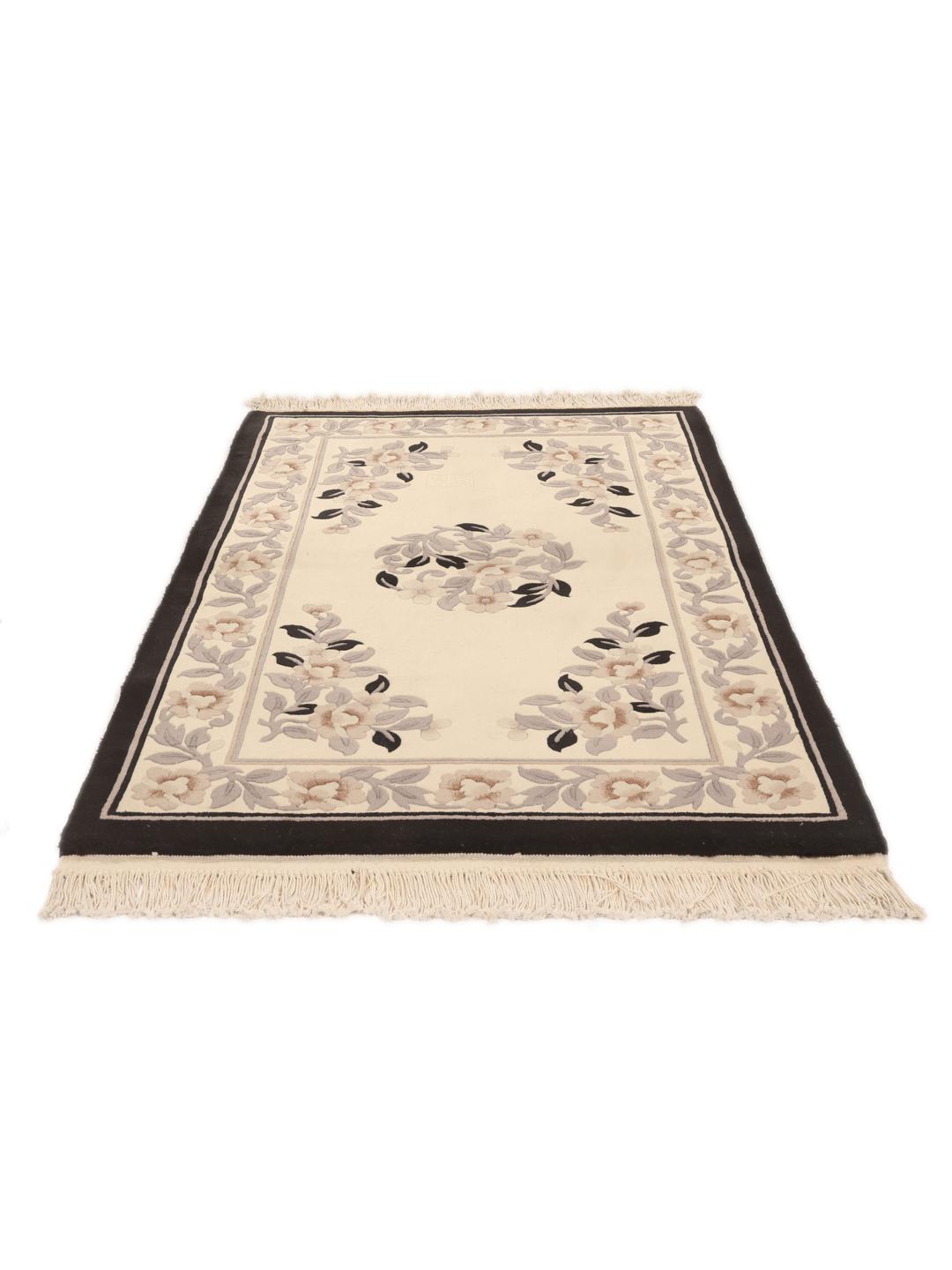
Chinese rug weaving is an ancient tradition that has evolved significantly over centuries, moving from functional pieces used in temples and palaces to the fine decorative rugs we appreciate today. The region is known for its distinct aesthetic, which often incorporates symbolic motifs derived from nature, such as flowers, birds, and landscapes, reflecting a deep cultural appreciation for harmony and balance.
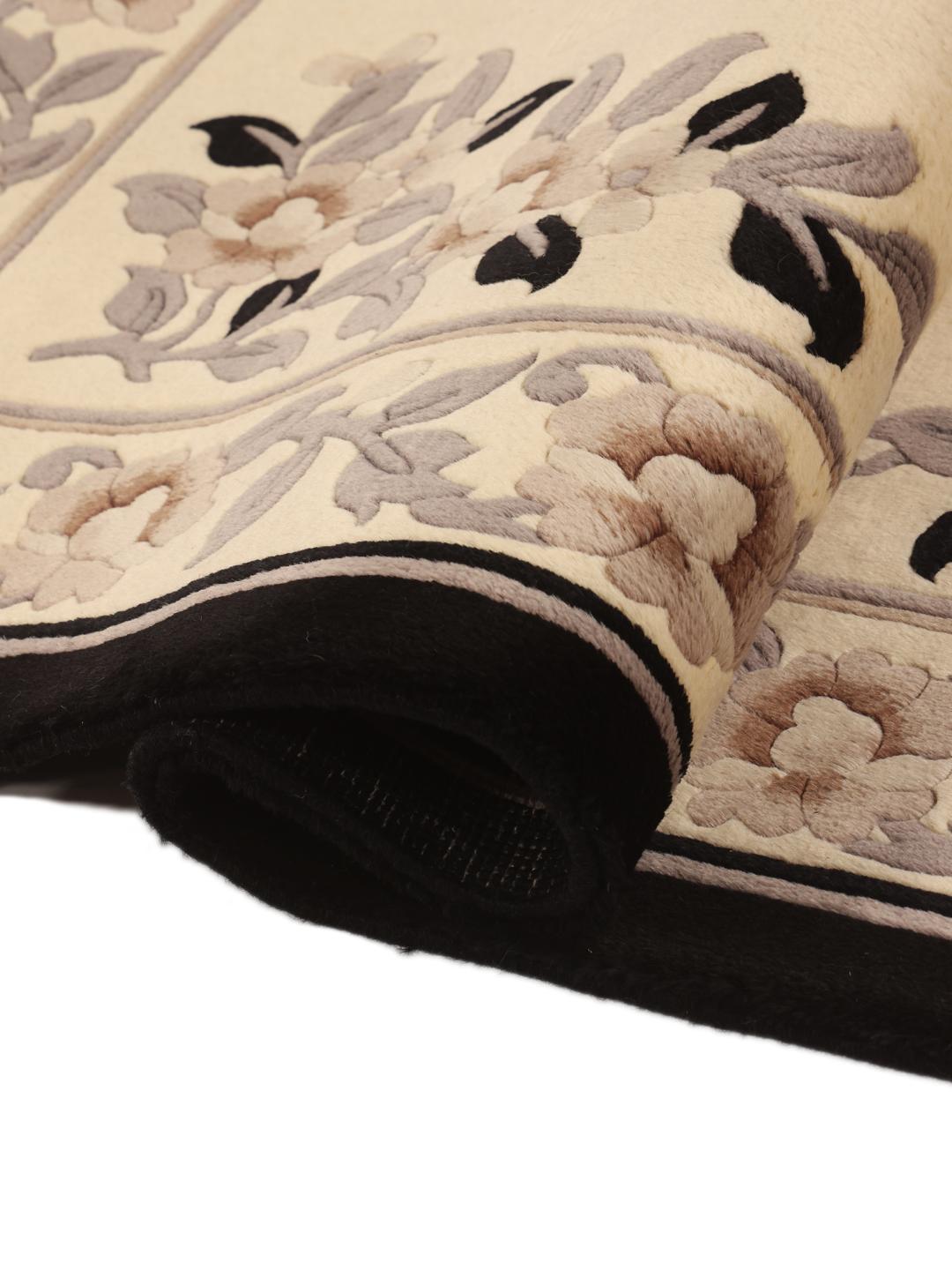
The designation of 90 line refers to a traditional measurement of quality in Chinese rug production, indicating the density and precision of the knots. This specific construction technique is designed to produce a thick, resilient pile that is both soft to the touch and capable of withstanding daily use. The interplay between the knotting density and the material ensures a durable surface that retains its intricate design patterns.
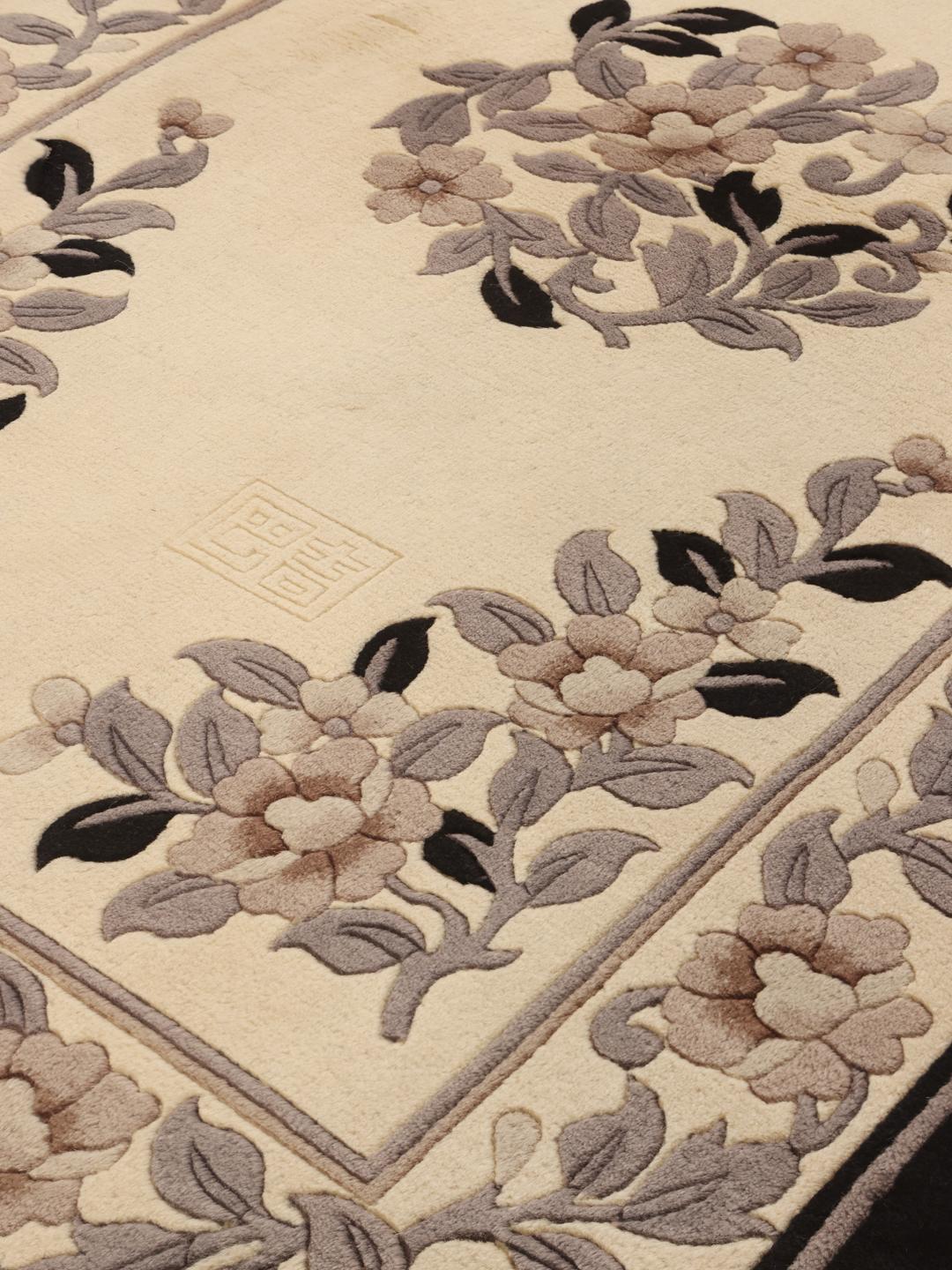
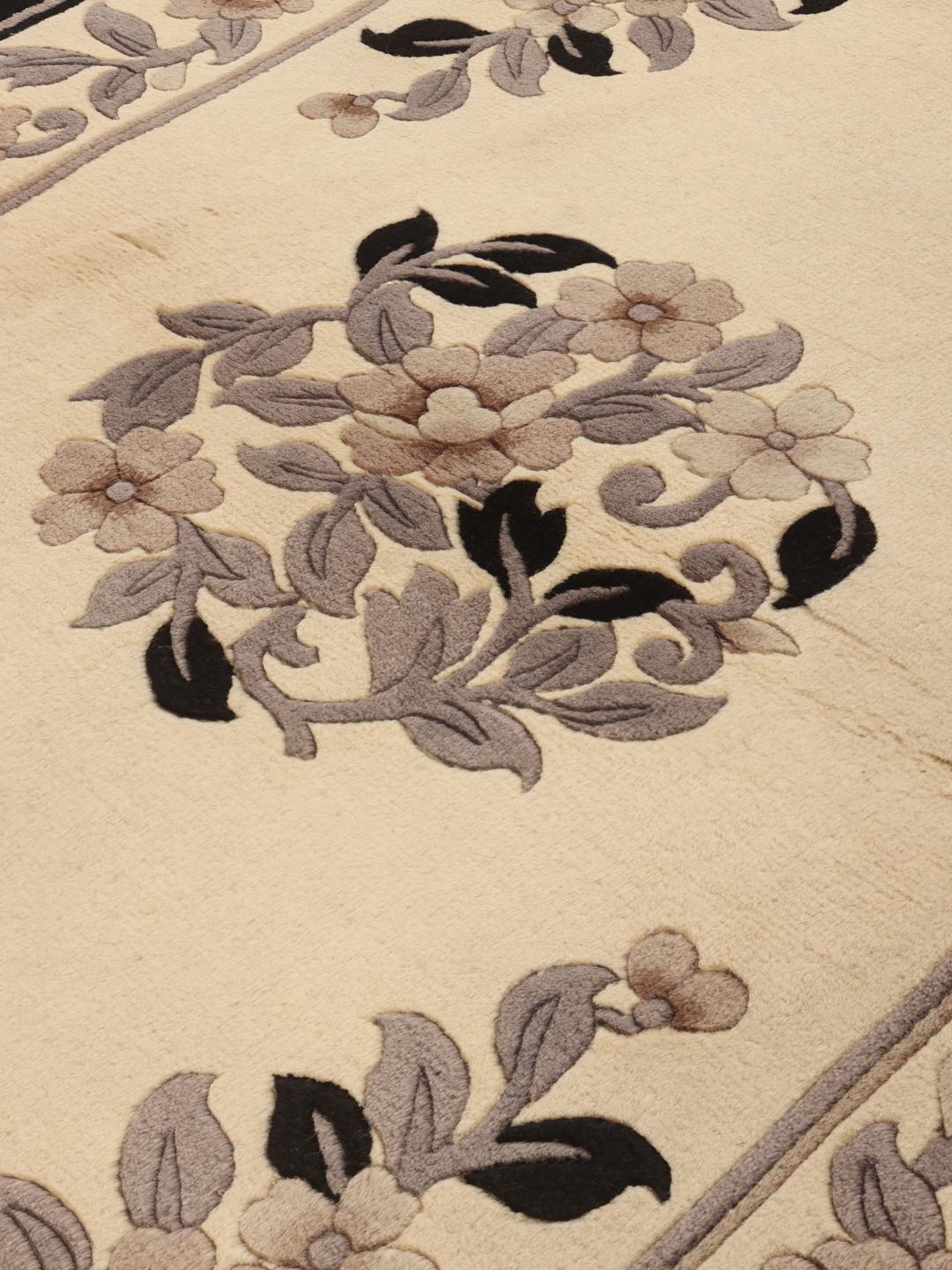
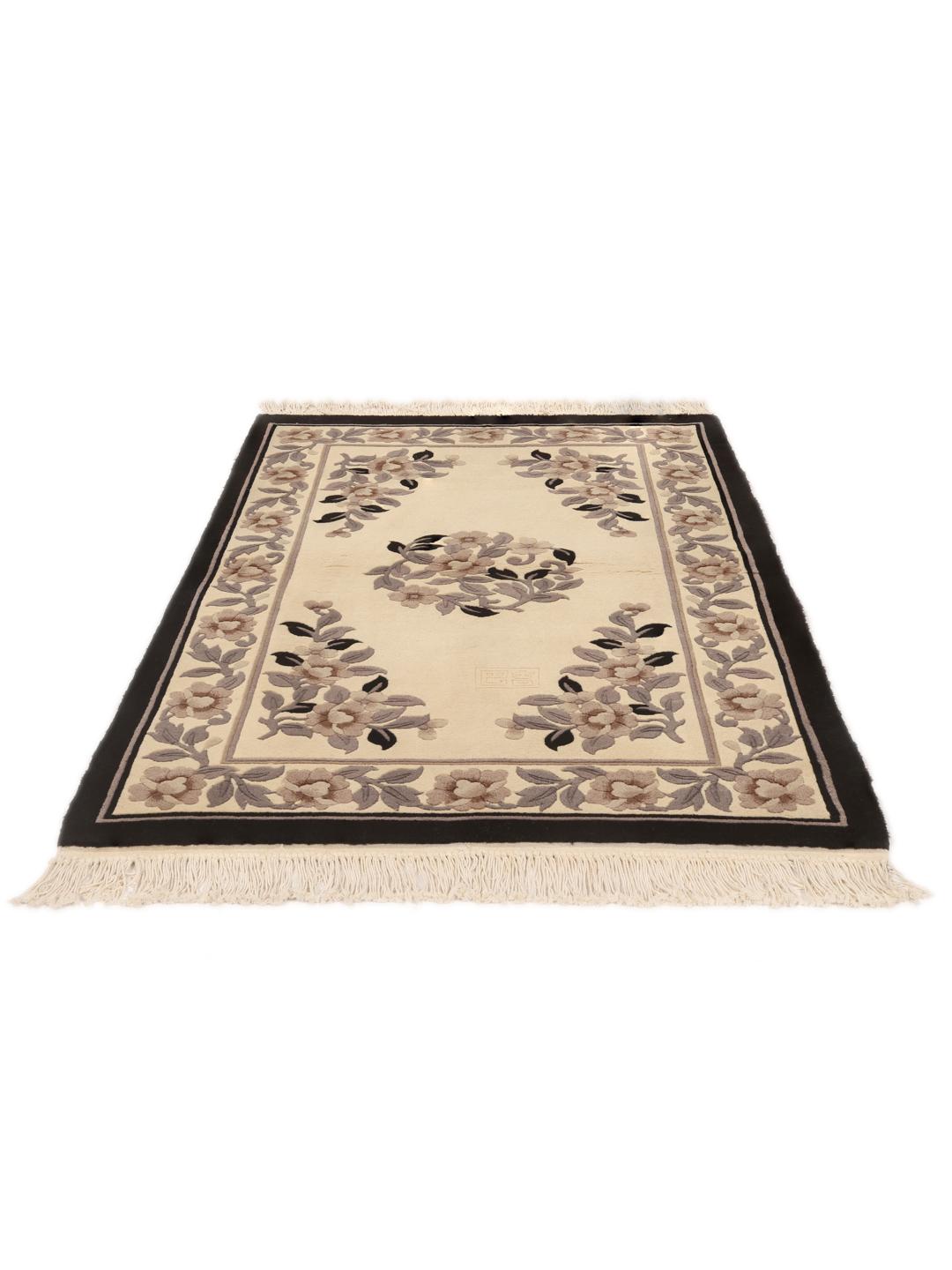
Signature elements in this style often include open, airy fields that allow the central motifs to breathe, contrasted by dark, bold borders that frame the composition. The use of subtle, tonal colours is a hallmark of this tradition, creating a sense of understated elegance that complements various interior settings. The inclusion of subtle artistic details, such as the decorative border, serves to anchor the design and provide a sense of completeness.
Collecting rugs from this tradition is an act of preserving a piece of cultural history. These rugs are highly valued for their blend of artistic expression and technical skill, representing a marriage of form and function. By adding such a rug to your home, you are not just choosing a floor covering, but a piece of heritage that embodies the patience and expertise of generations of weavers.