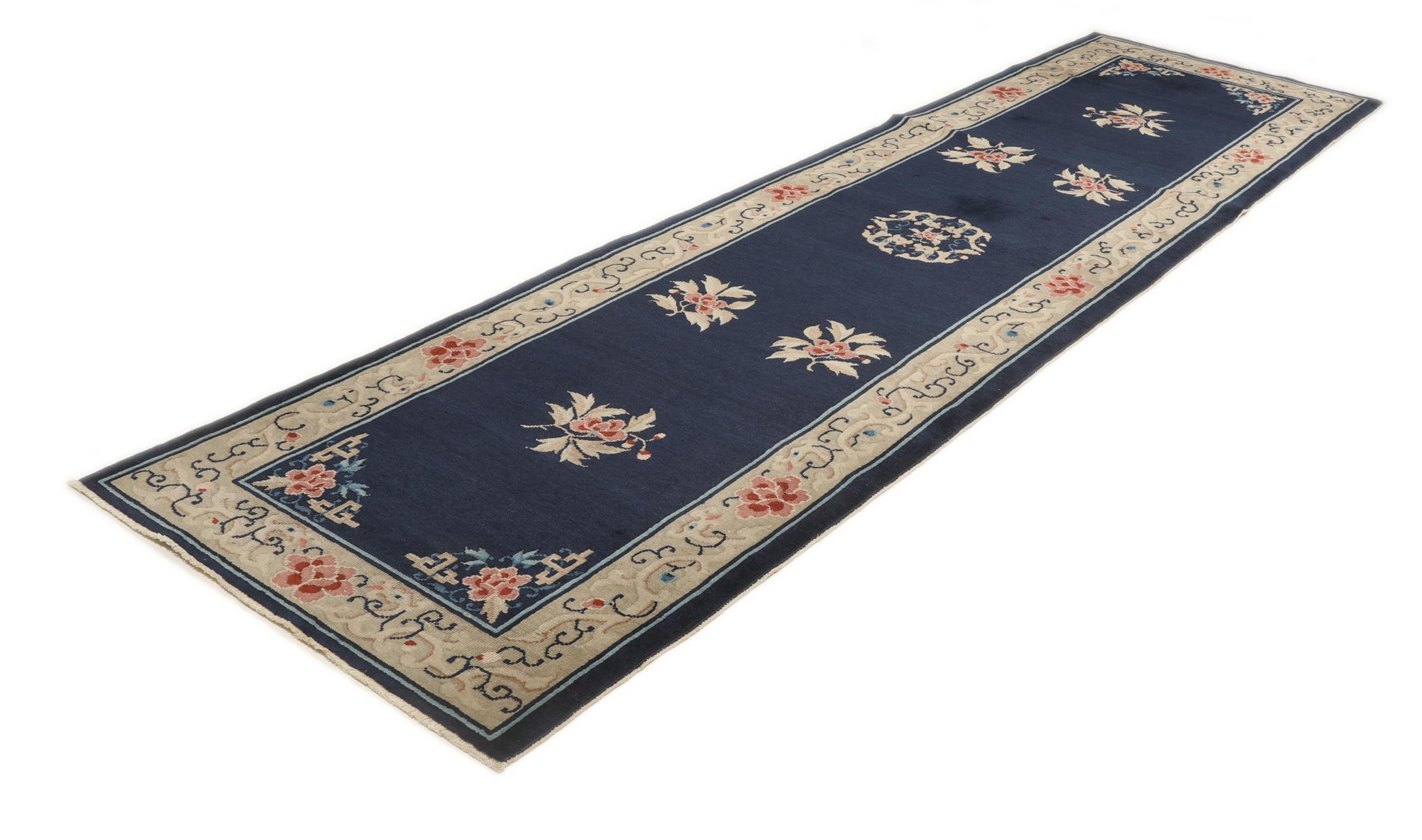
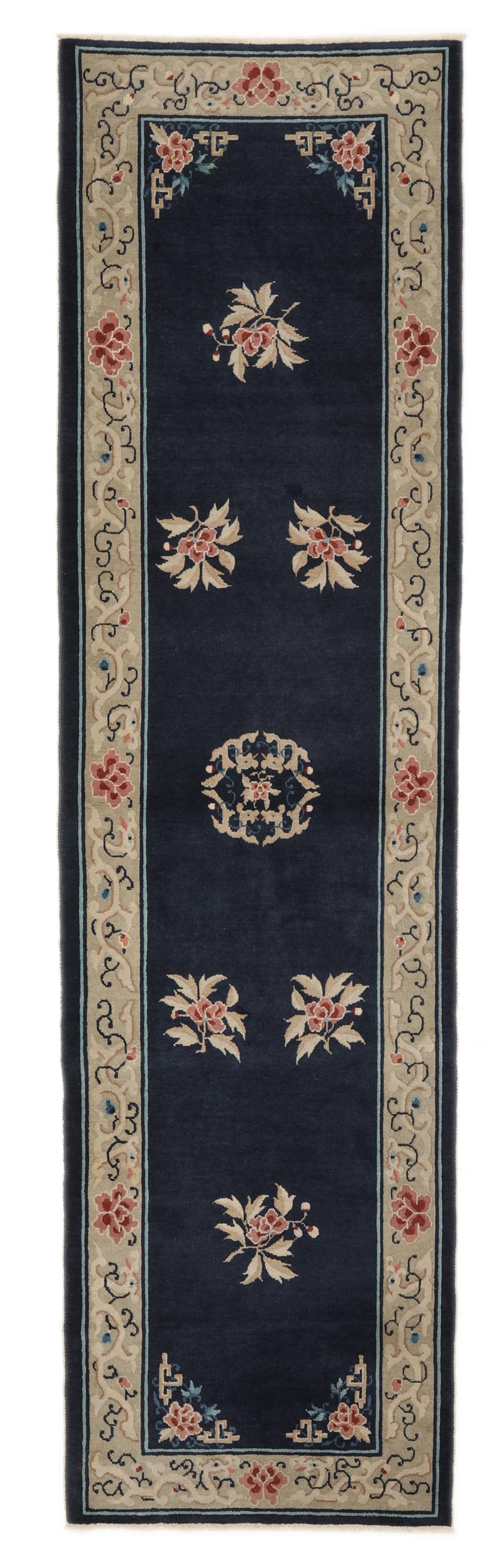
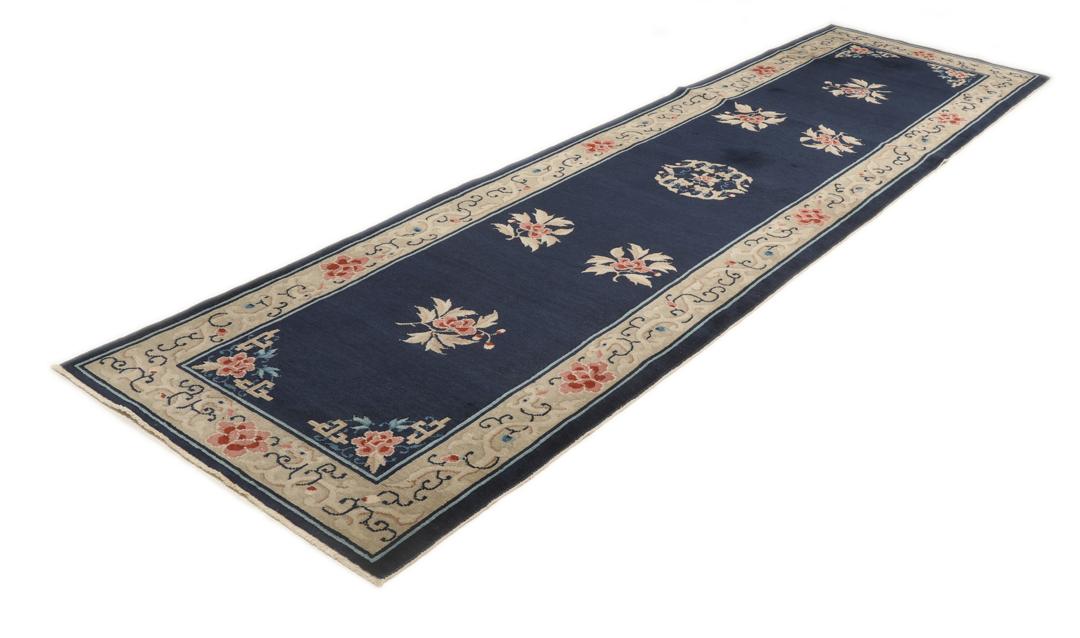
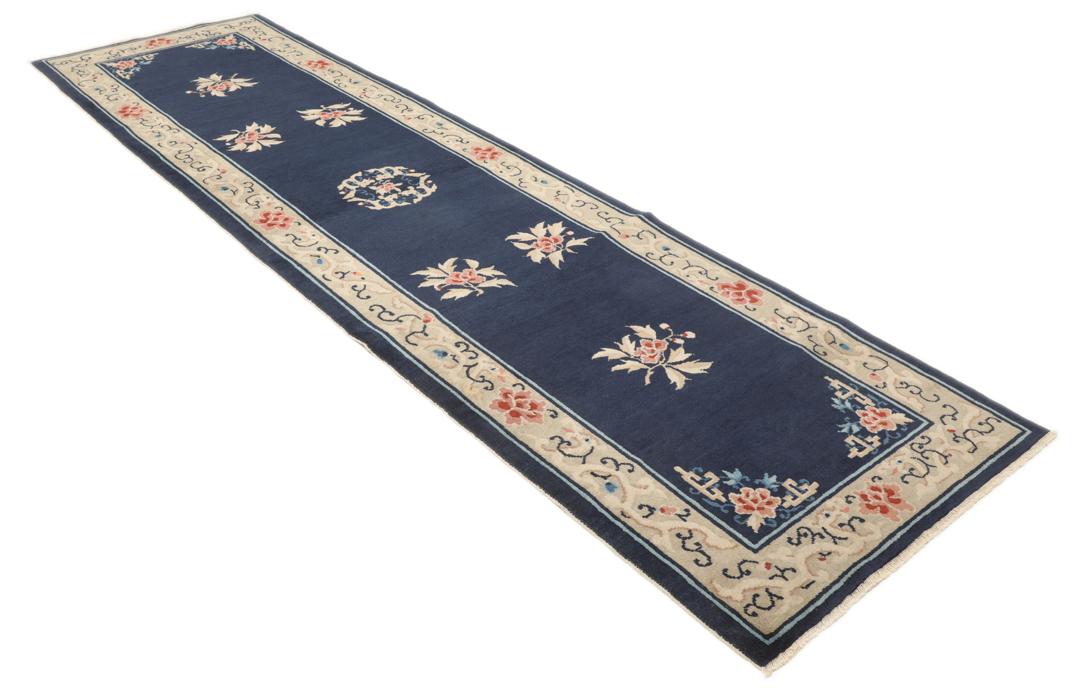
Antique rugs from China, particularly those known as Peking rugs, gained significant international recognition during the early 20th century. Often produced in workshops in and around Beijing, these rugs were highly sought after for their distinctive aesthetic, which diverged from the more geometric, dense patterns found in Middle Eastern weaving traditions. They were frequently commissioned by Western collectors who admired the unique blend of traditional Chinese symbolism and refined, open-space compositions.
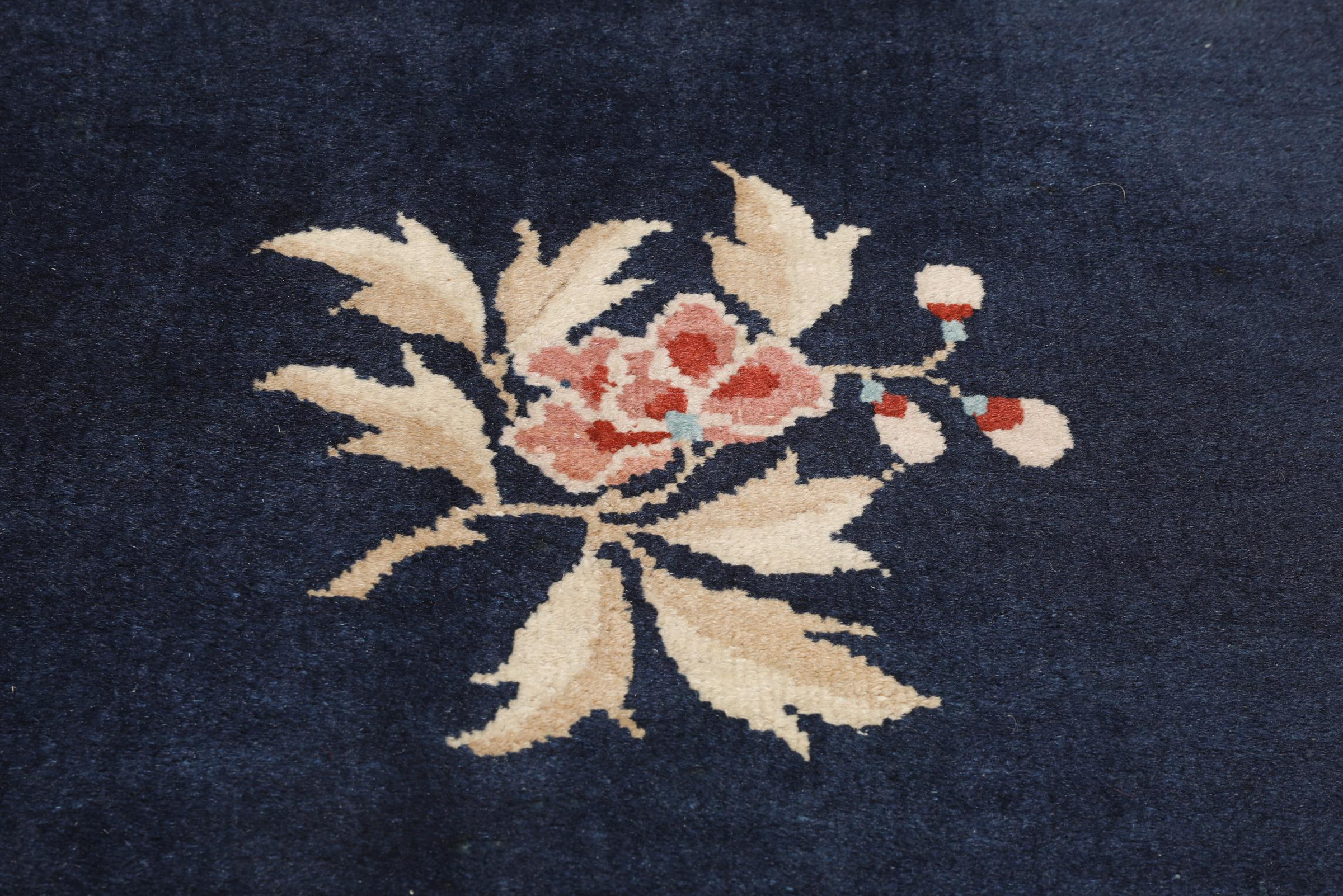
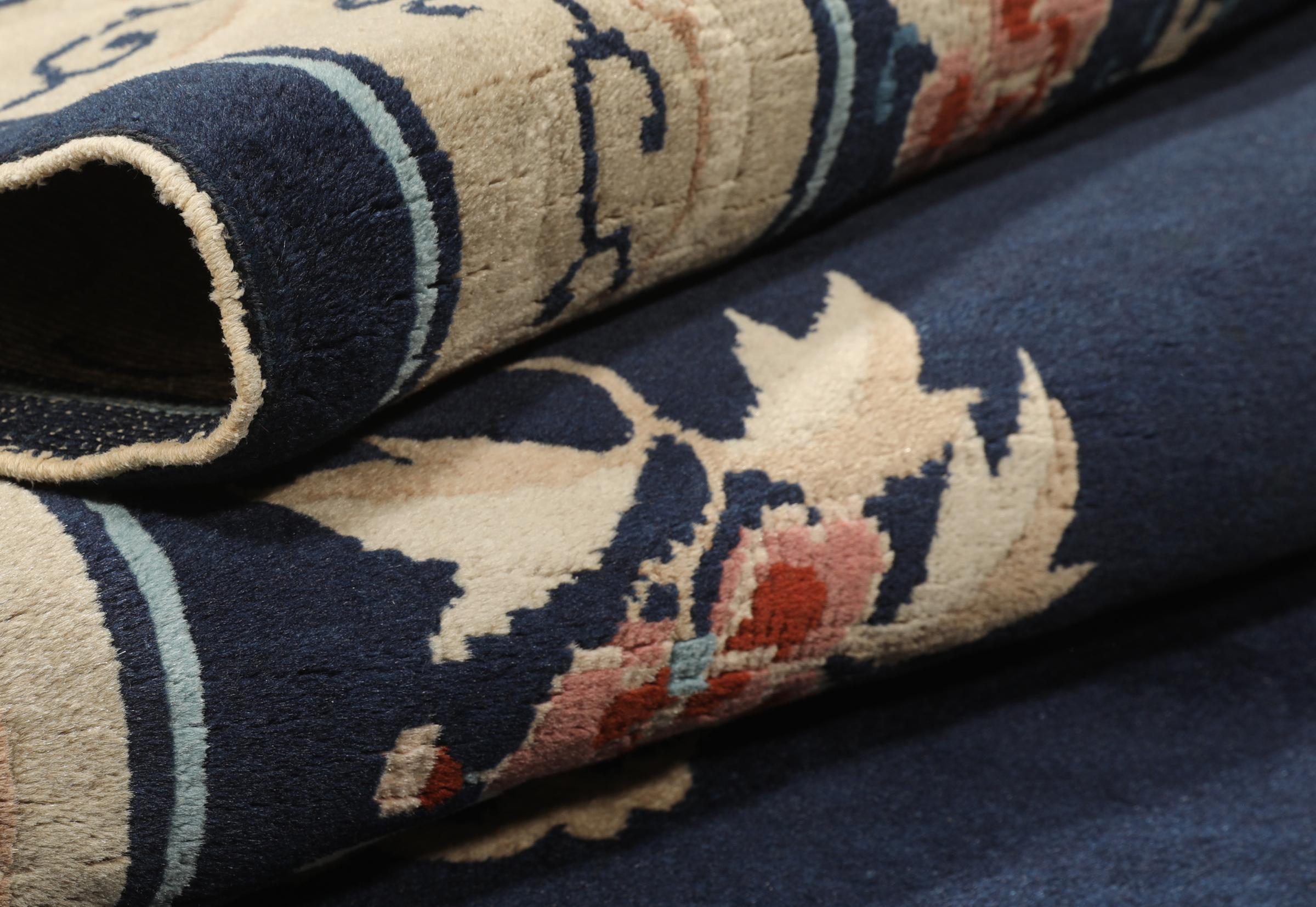
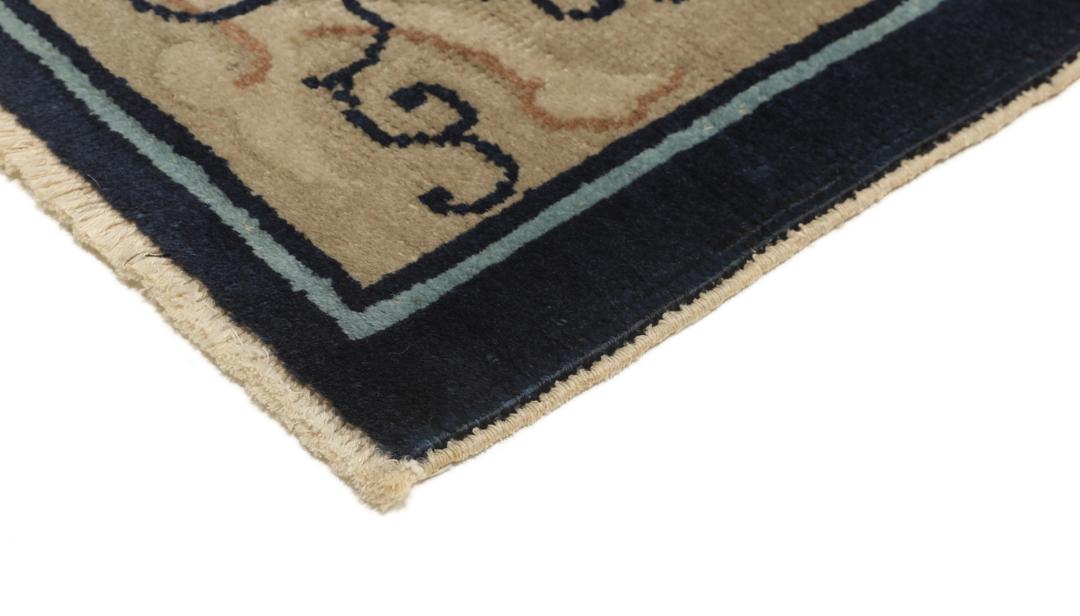
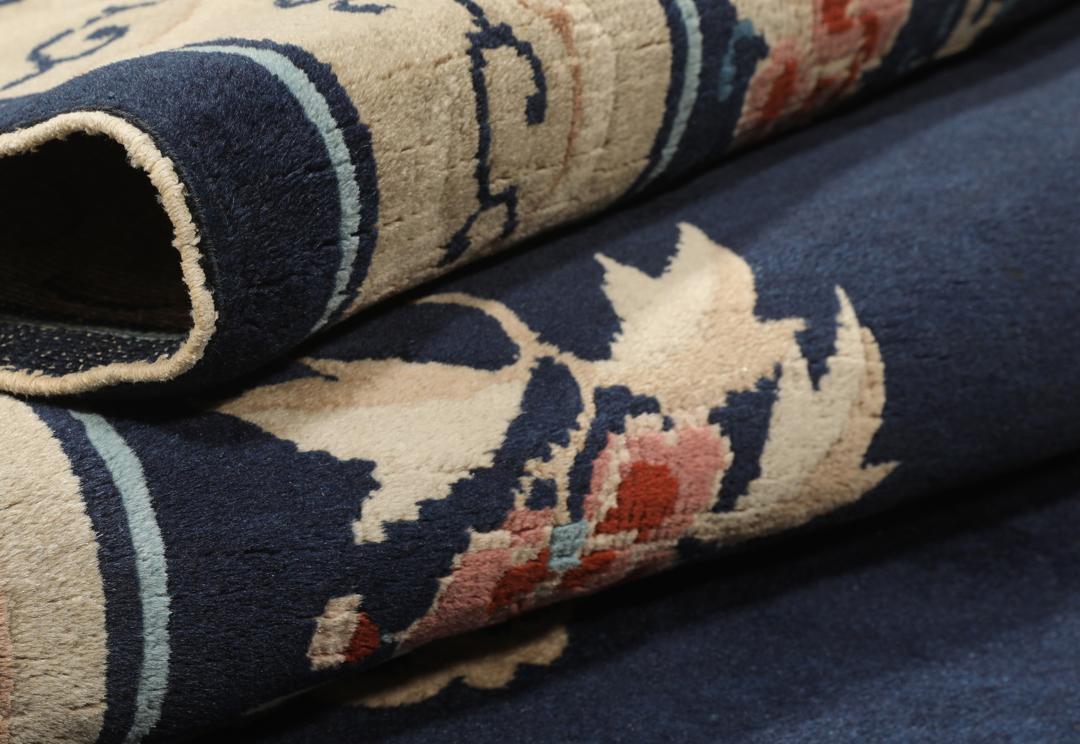
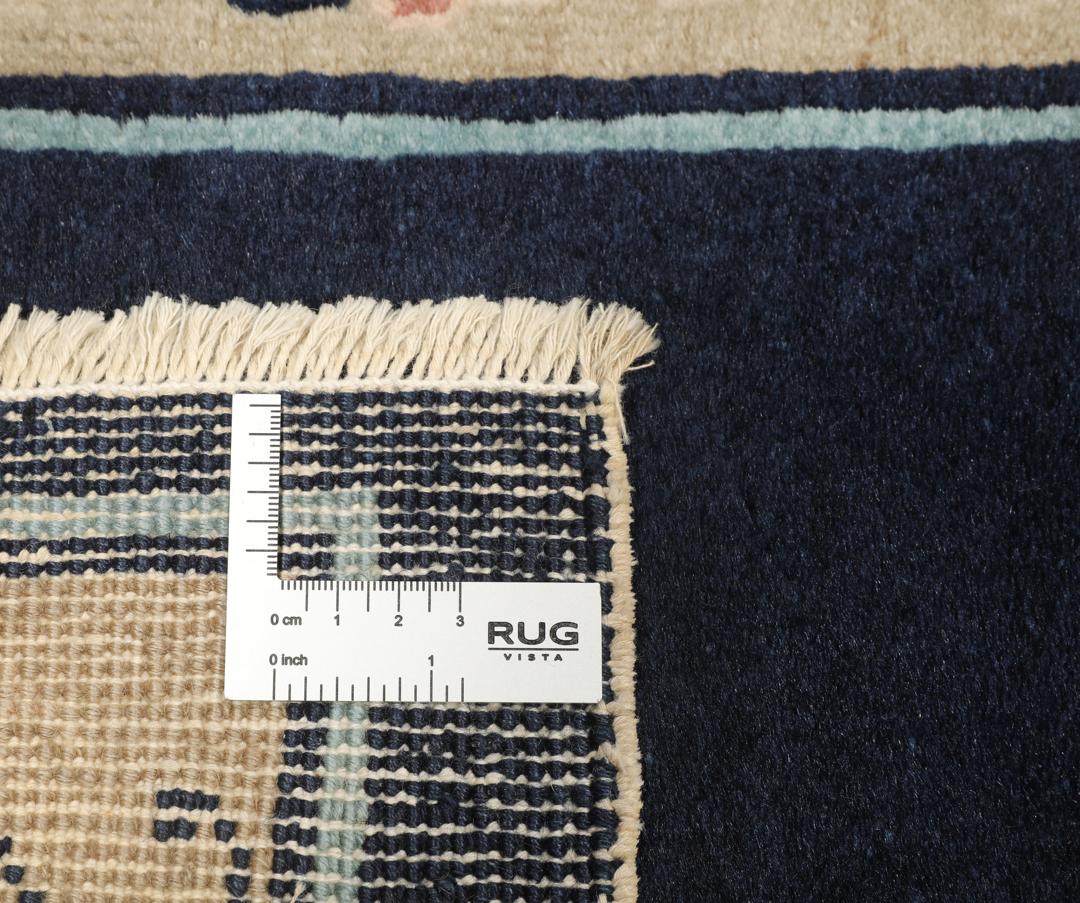
The construction of these rugs typically involves a combination of Wool pile on a cotton foundation. This specific material choice was deliberate, as the Wool provided a soft, luxurious hand, while the cotton foundation offered the necessary stability for the rug to lie flat and maintain its shape over decades of use. The term Peking rug refers not just to a location, but to a specific design movement that embraced a softer colour palette and a more minimalist approach to floral and pictorial motifs.
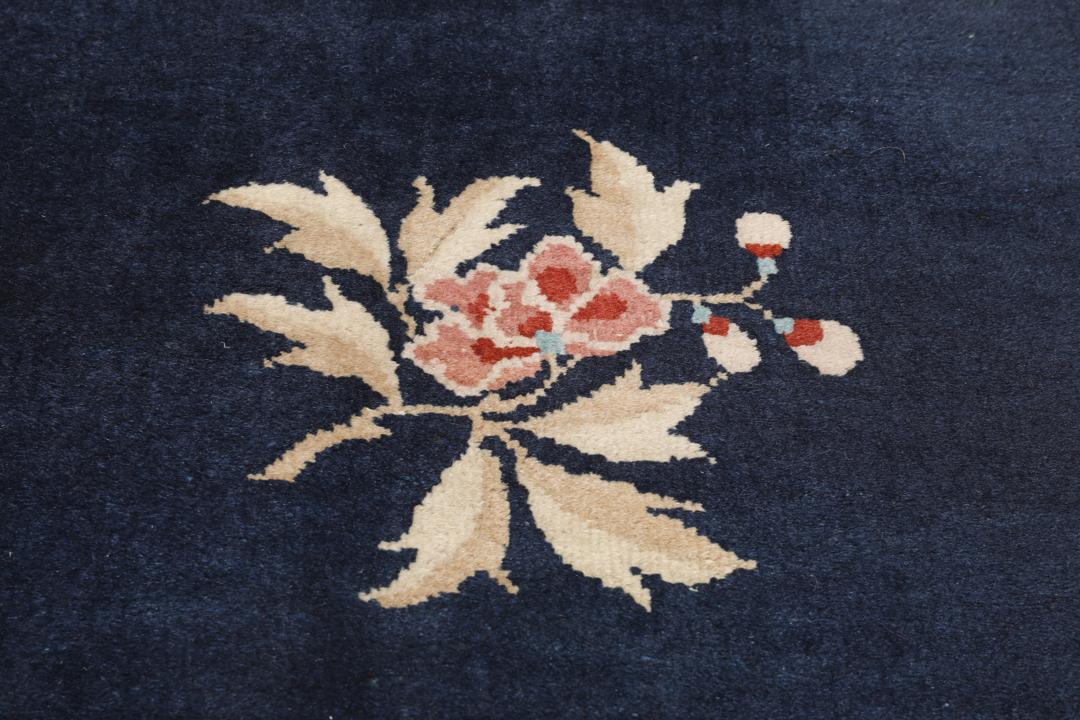
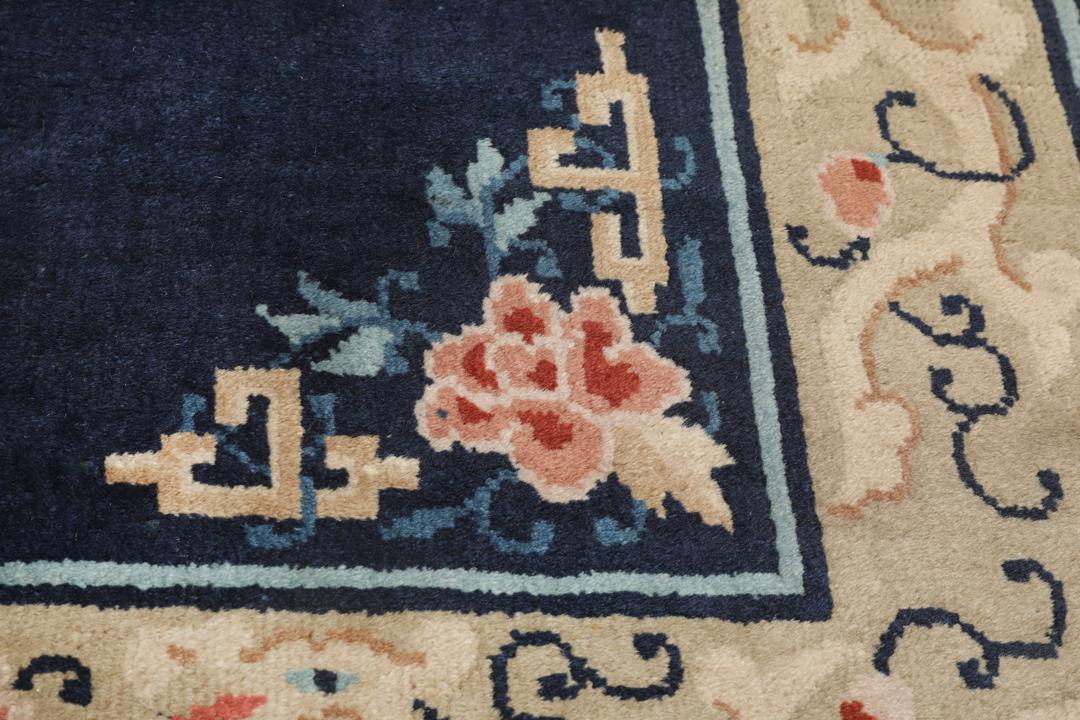
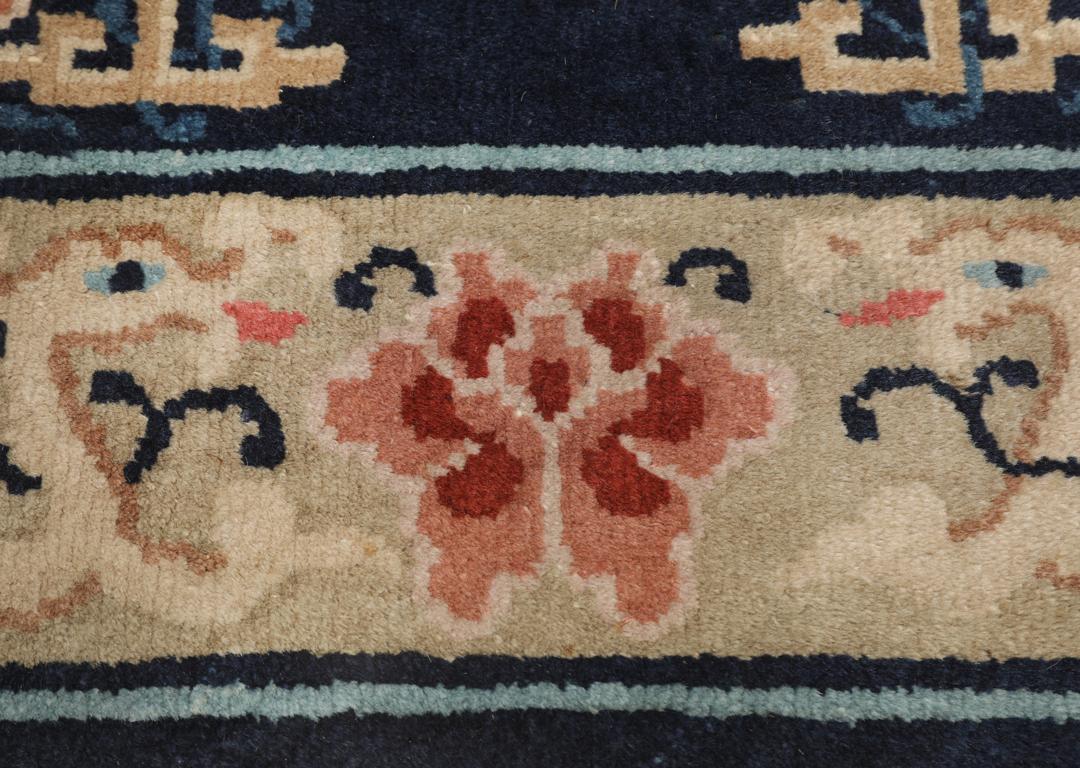
Signature design elements in these rugs often include stylised floral sprays, Buddhist symbols, and central medallions set against a vast, open field. Unlike the all-over patterns common in other regions, the Peking style celebrates negative space, allowing the eye to rest and the individual motifs to stand out. The use of deep blues, soft beiges, and muted reds was classic, designed to complement the sophisticated interiors of the era while maintaining a connection to imperial artistic traditions.
Owning an antique Peking rug is an act of preserving a specific moment in global trade and art history. These pieces represent a bridge between the ancient silk-weaving traditions of the East and the evolving design preferences of the early 20th century. Collectors value them for their rarity, their cultural significance, and the way they bring a sense of history and quiet refinement to a contemporary home.