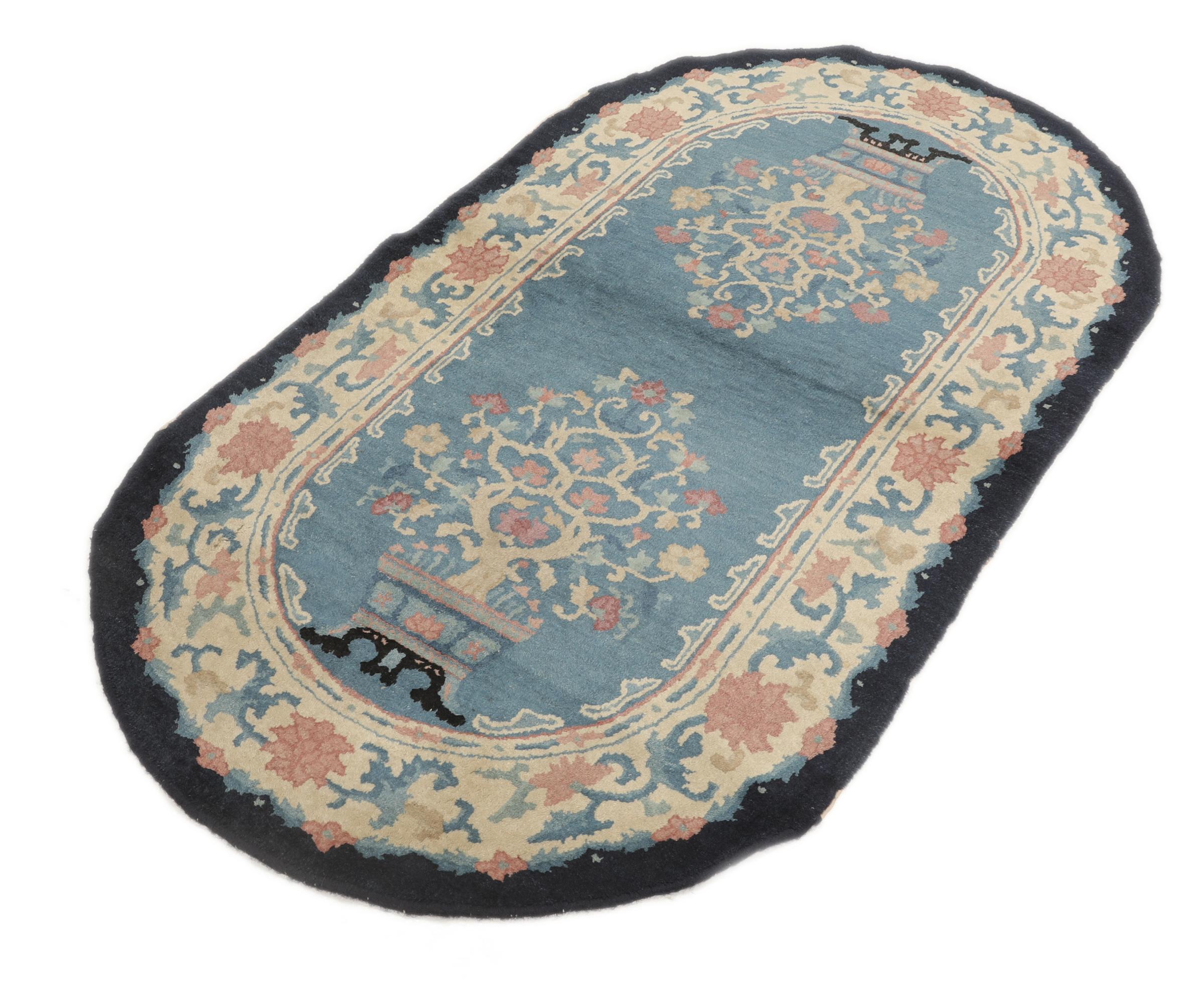
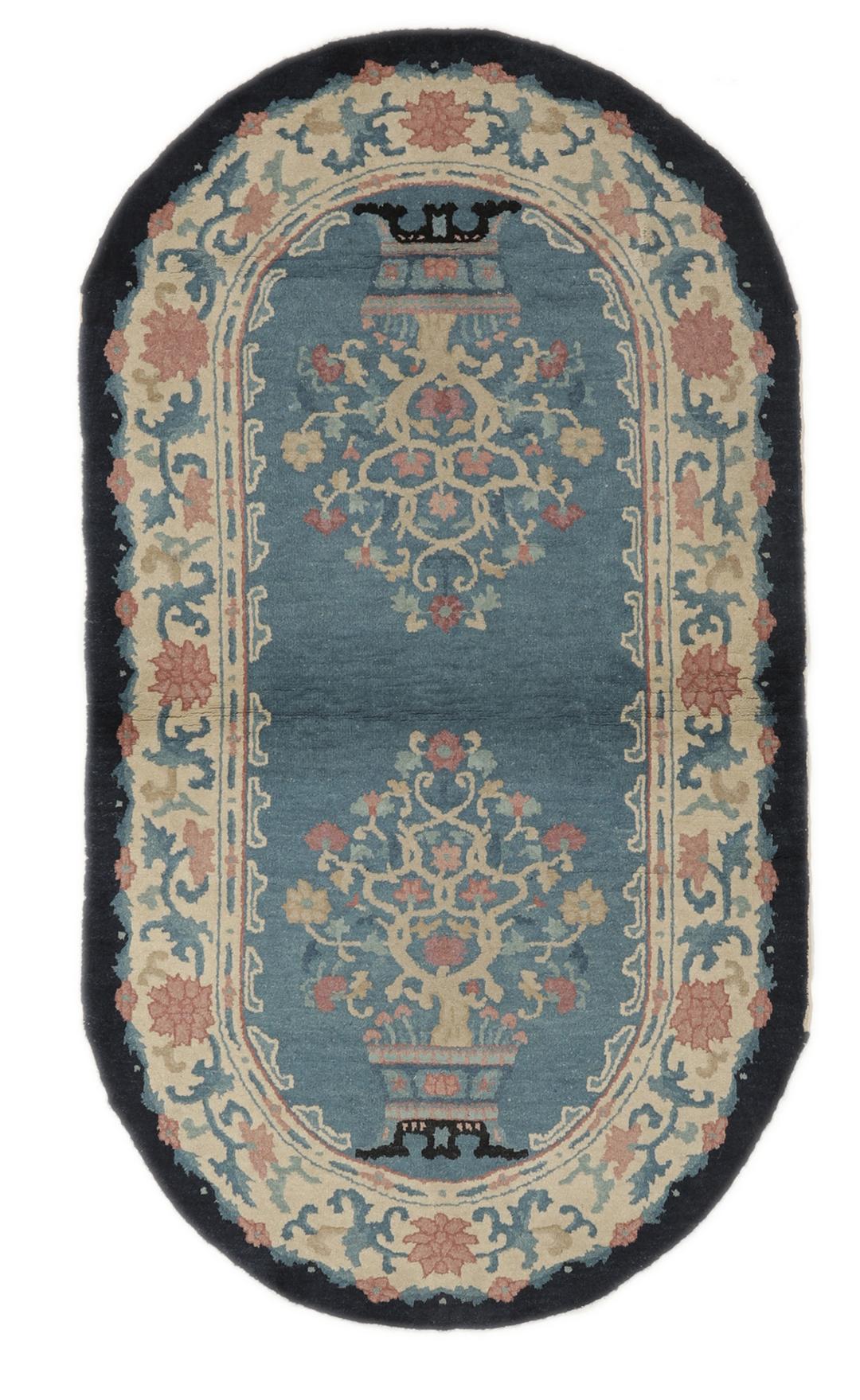
Chinese rugs from the early 20th century, particularly those from the Art Deco period, represent a fascinating fusion of Eastern traditions and Western aesthetic influences. During the 1920s, Chinese weavers began to adapt their centuries-old techniques to cater to international tastes, integrating the bold lines and stylized floral motifs that defined the Art Deco movement. These rugs became highly sought-after in global markets for their unique ability to bridge the gap between traditional craftsmanship and modern design.
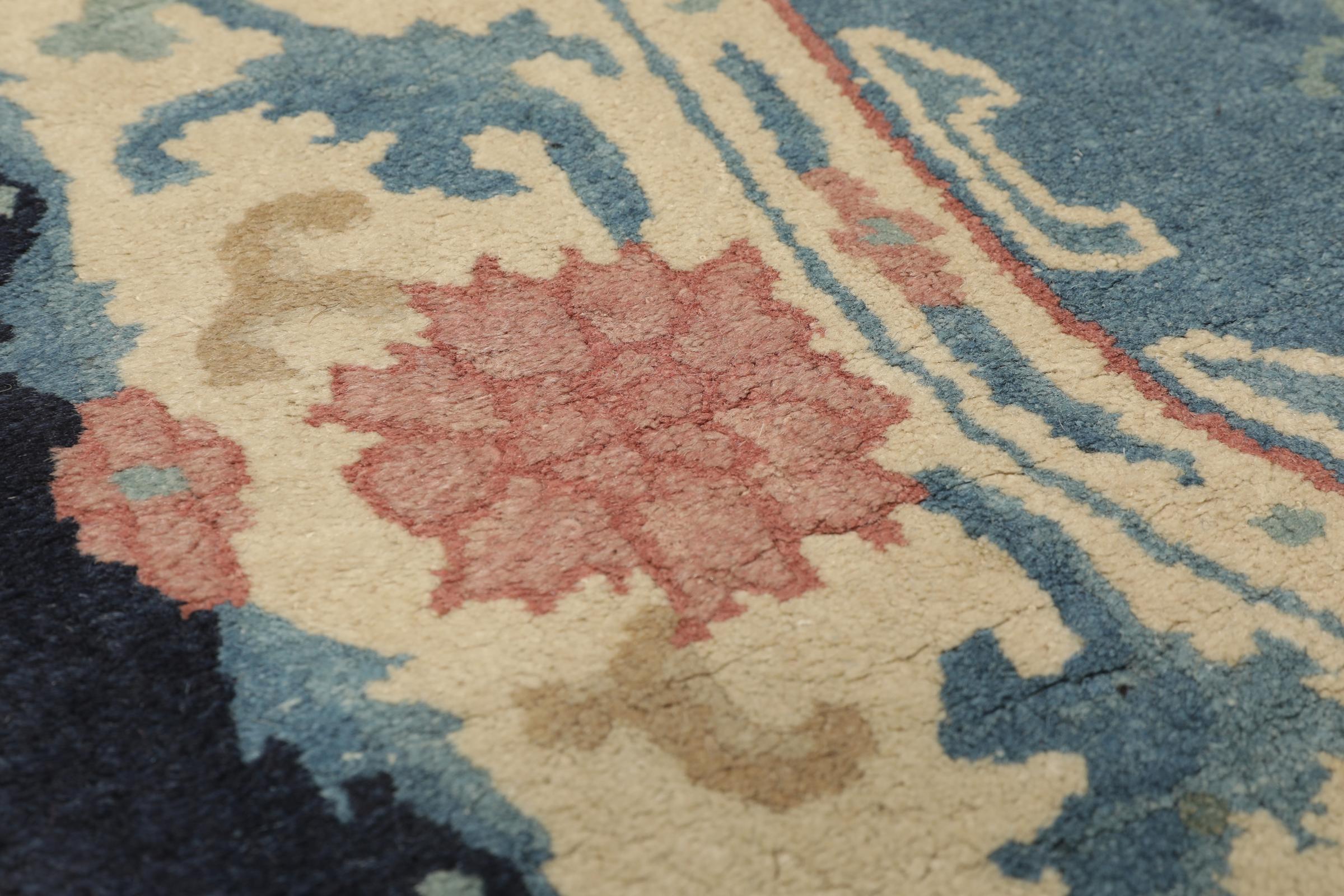
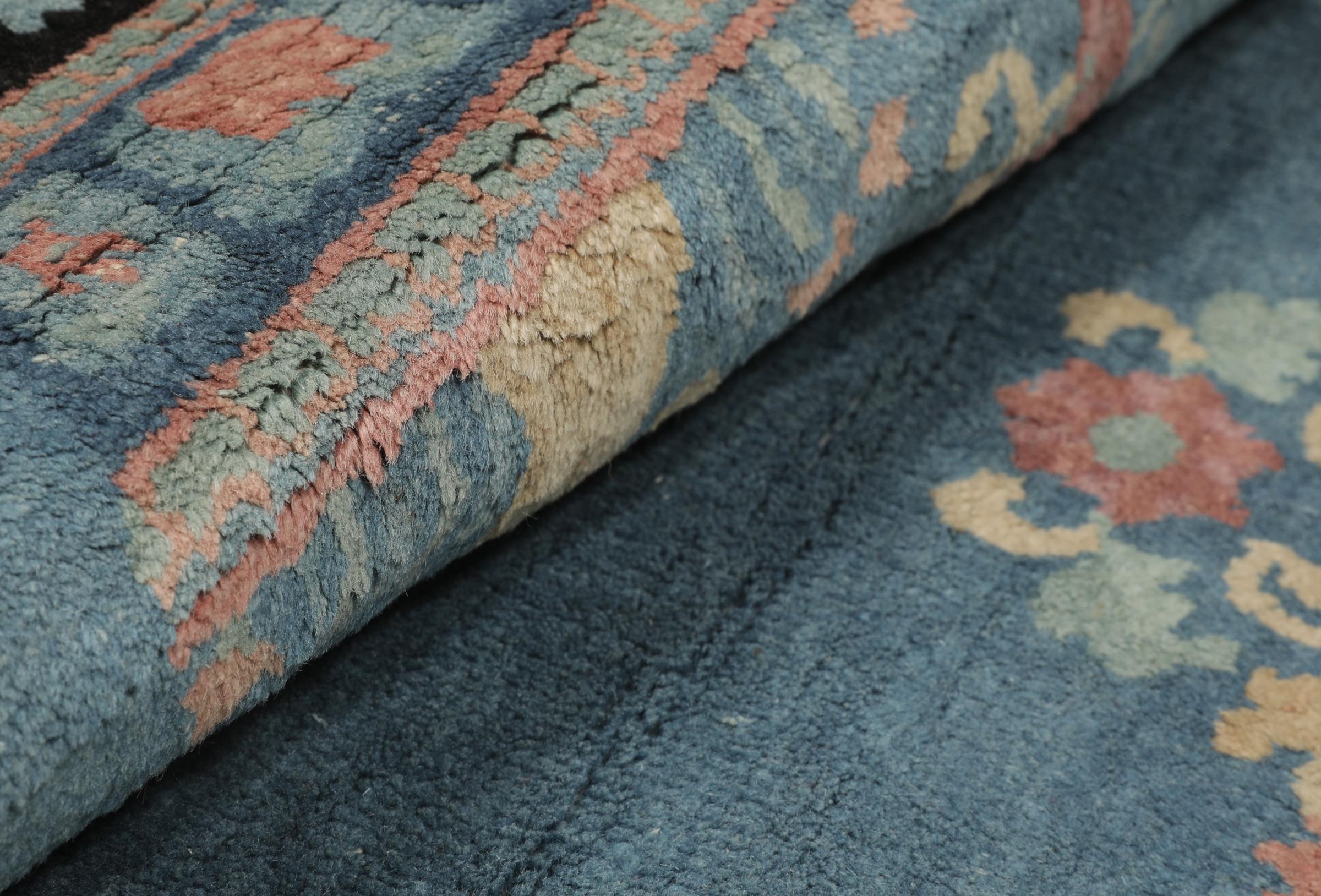
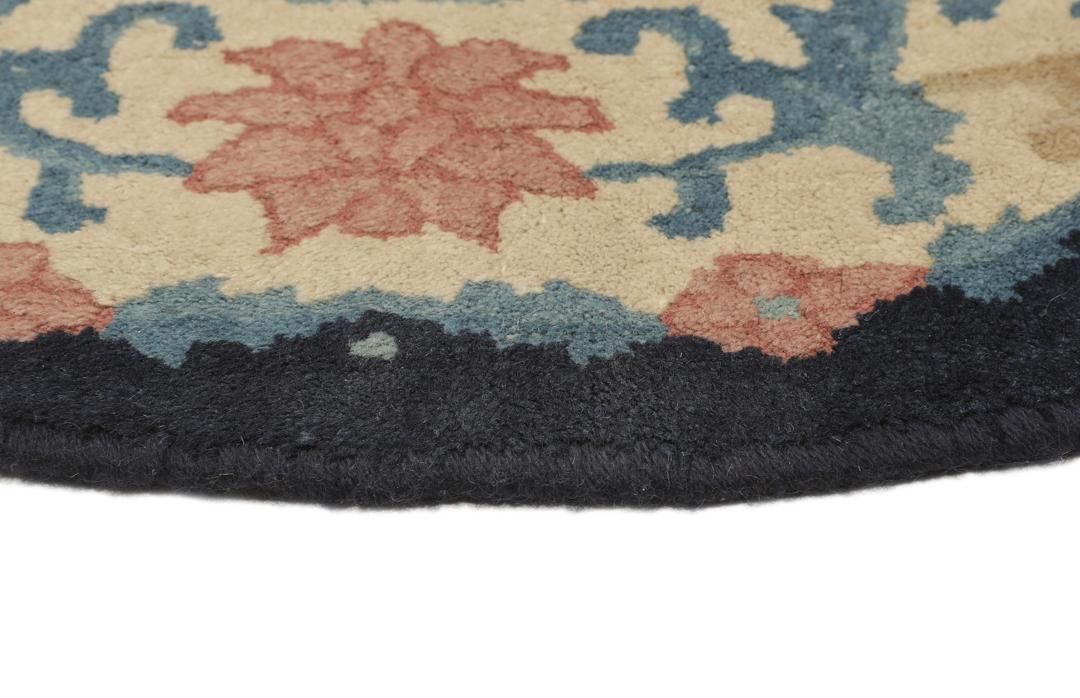
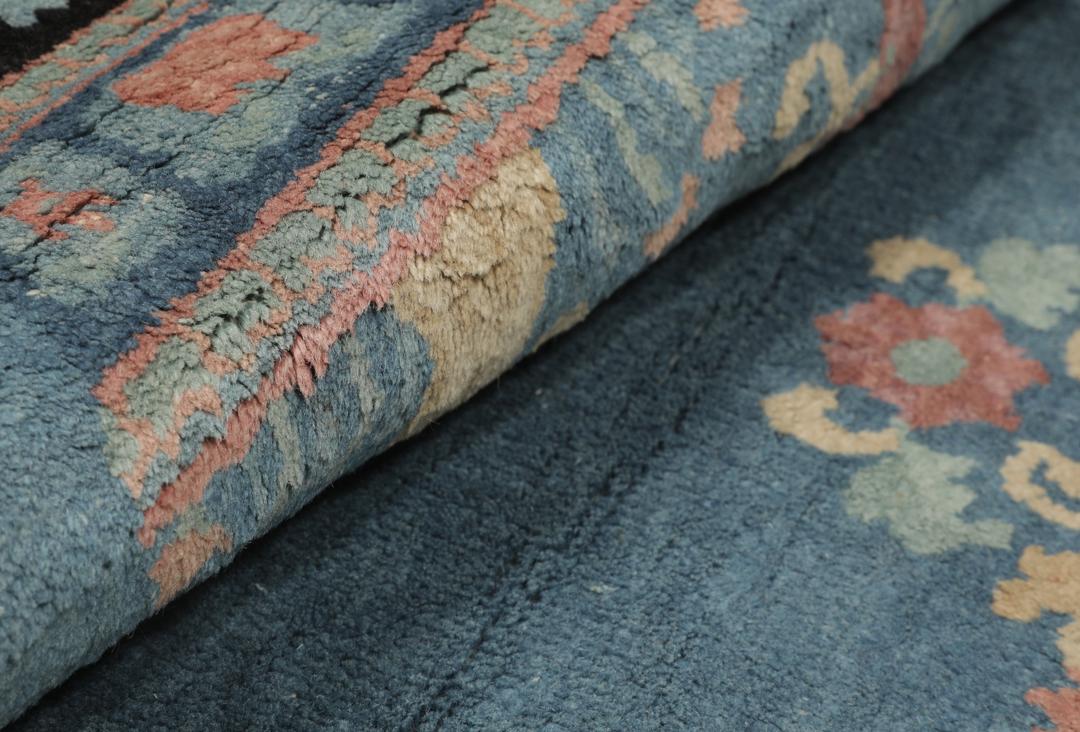
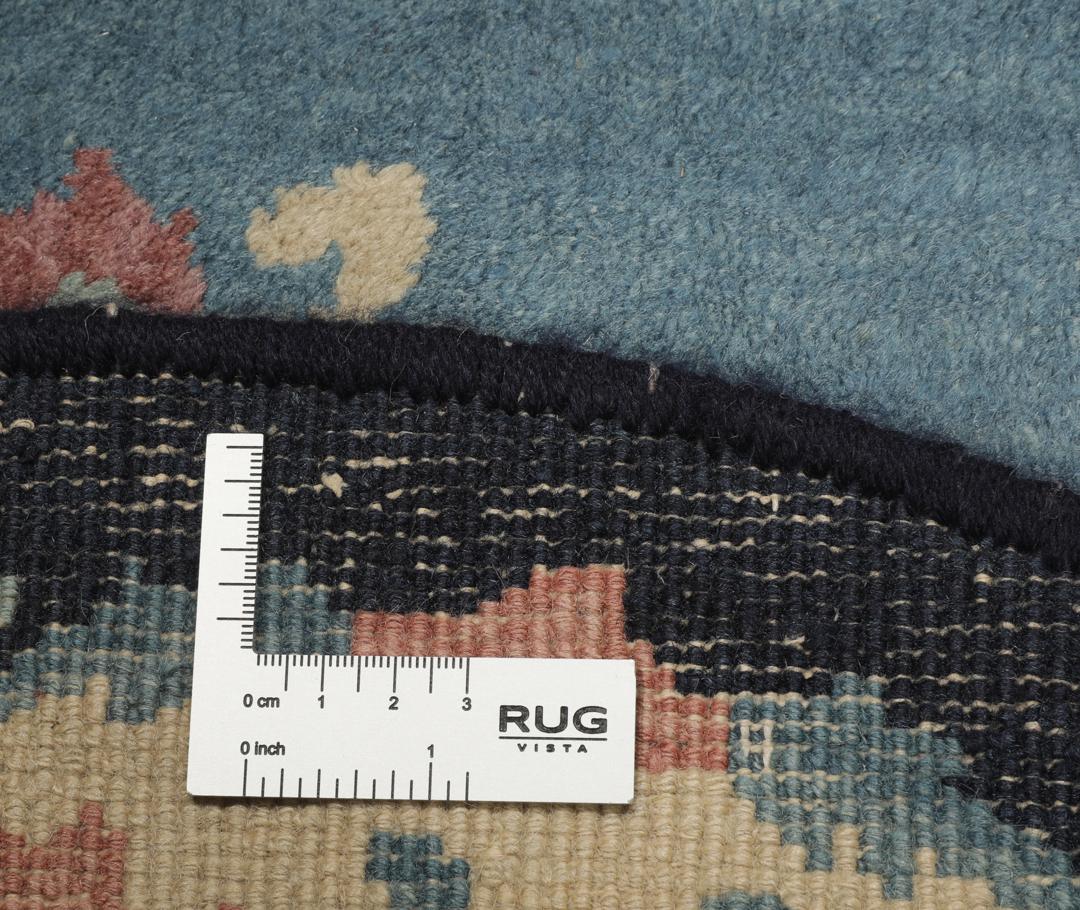
The term 'hand-knotted' refers to the traditional method of securing individual tufts of Wool onto a foundation of cotton. This technique is essential for creating the depth and intricate patterns found in these antique pieces. The density of the knots determines not only the clarity of the design but also the overall resilience of the rug. A higher knot count provides a tighter, more luxurious surface that resists wear, ensuring that the rug retains its beauty and structural integrity over decades of use.
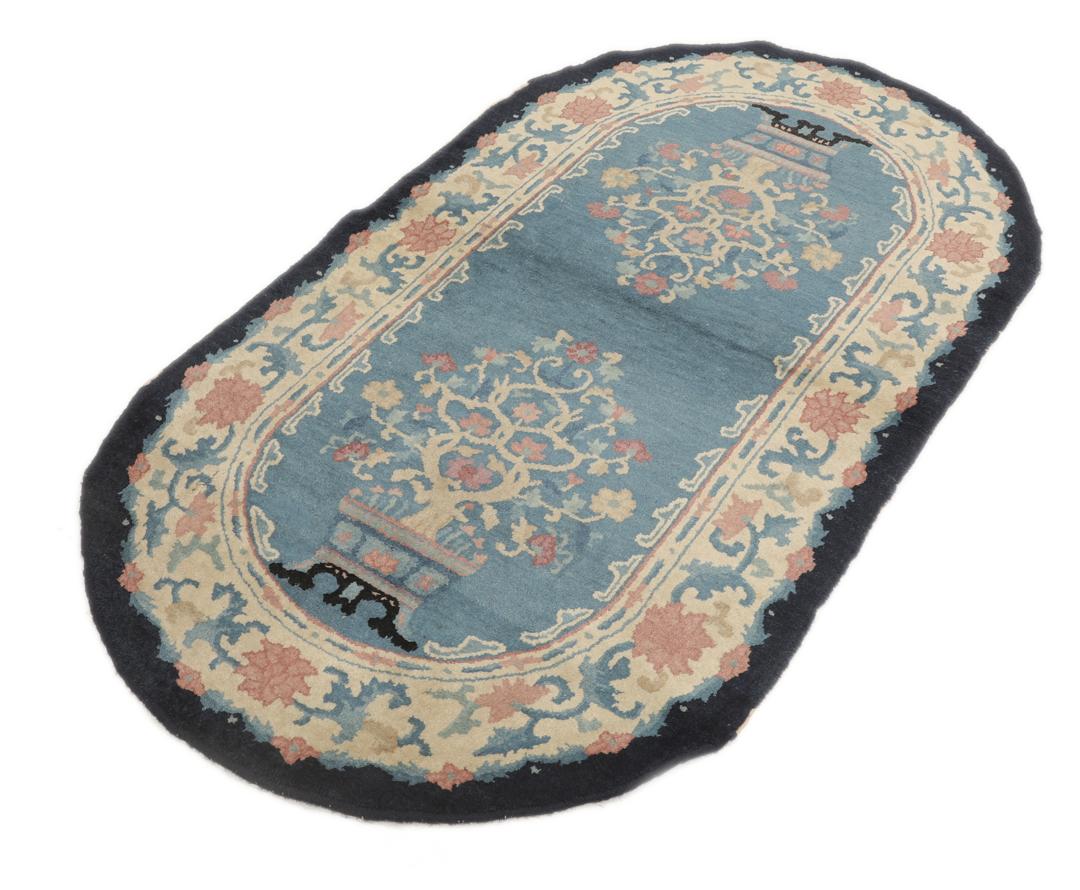
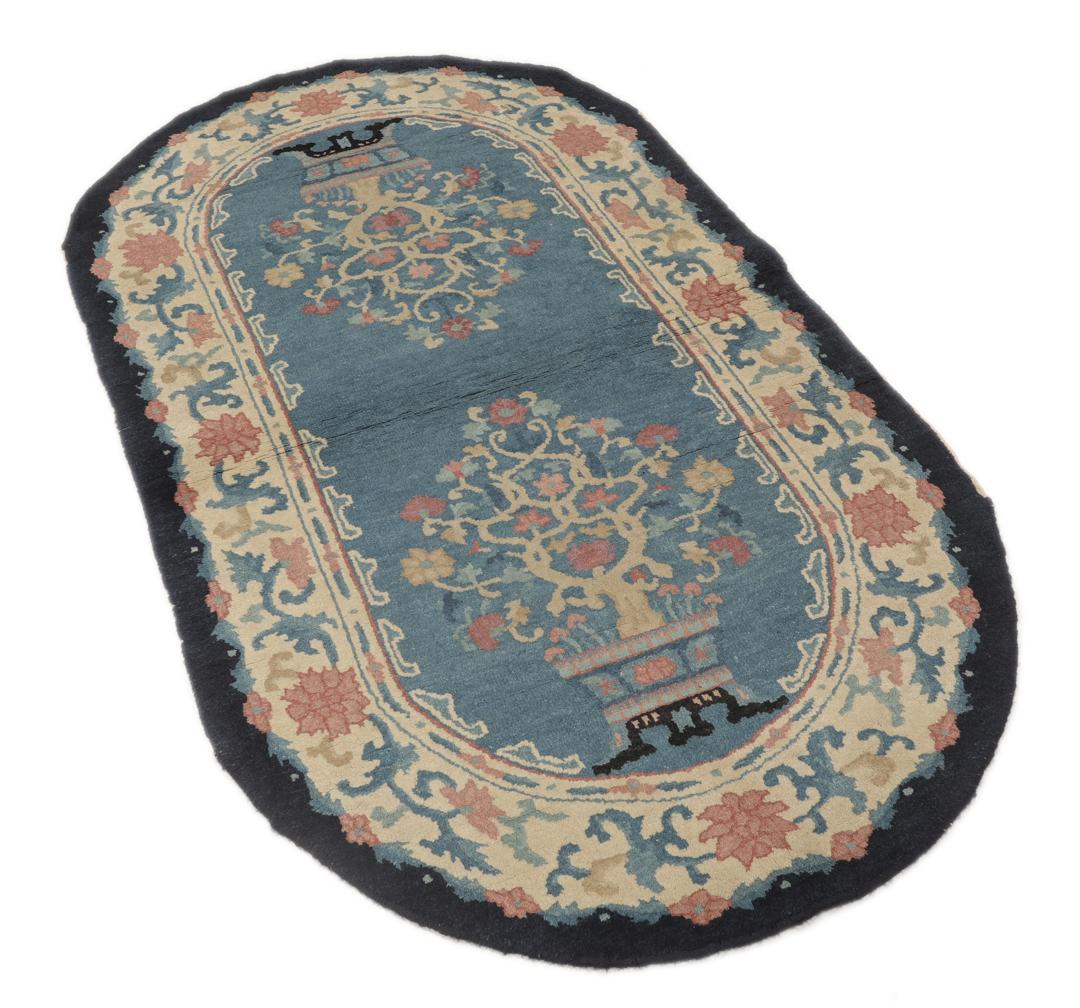
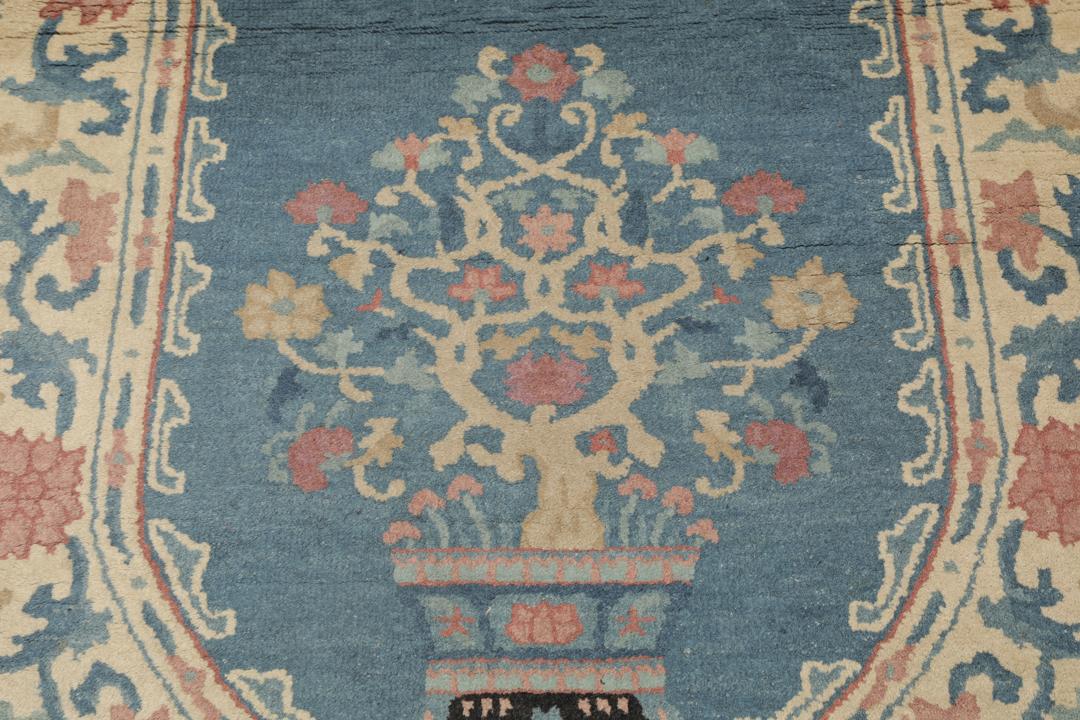
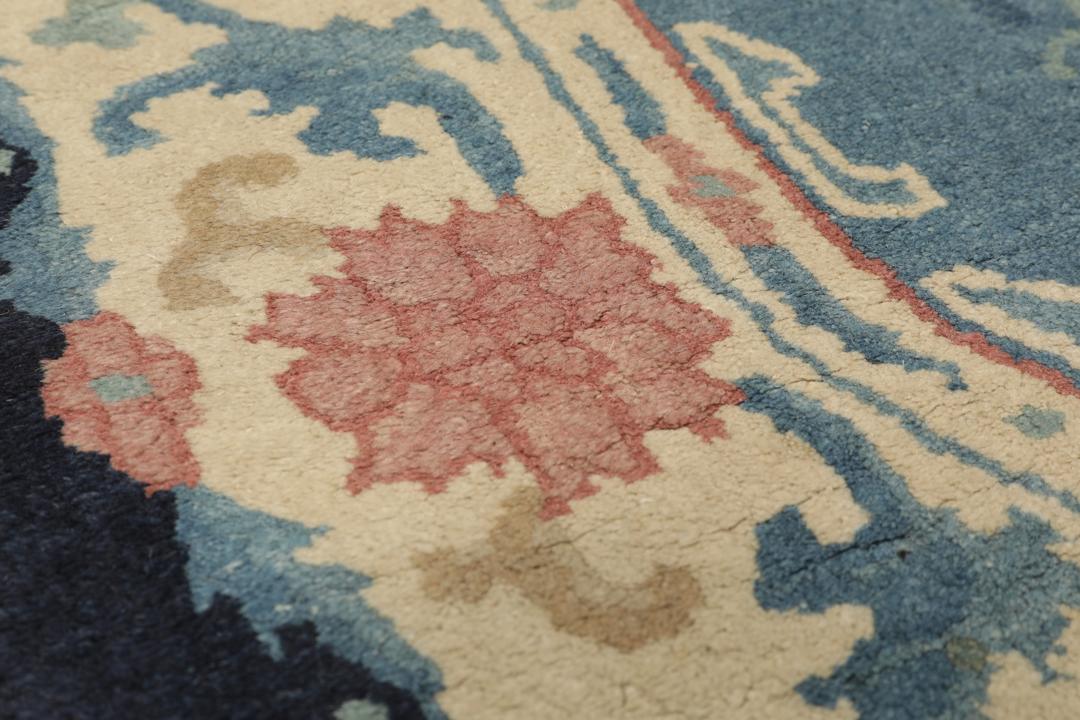
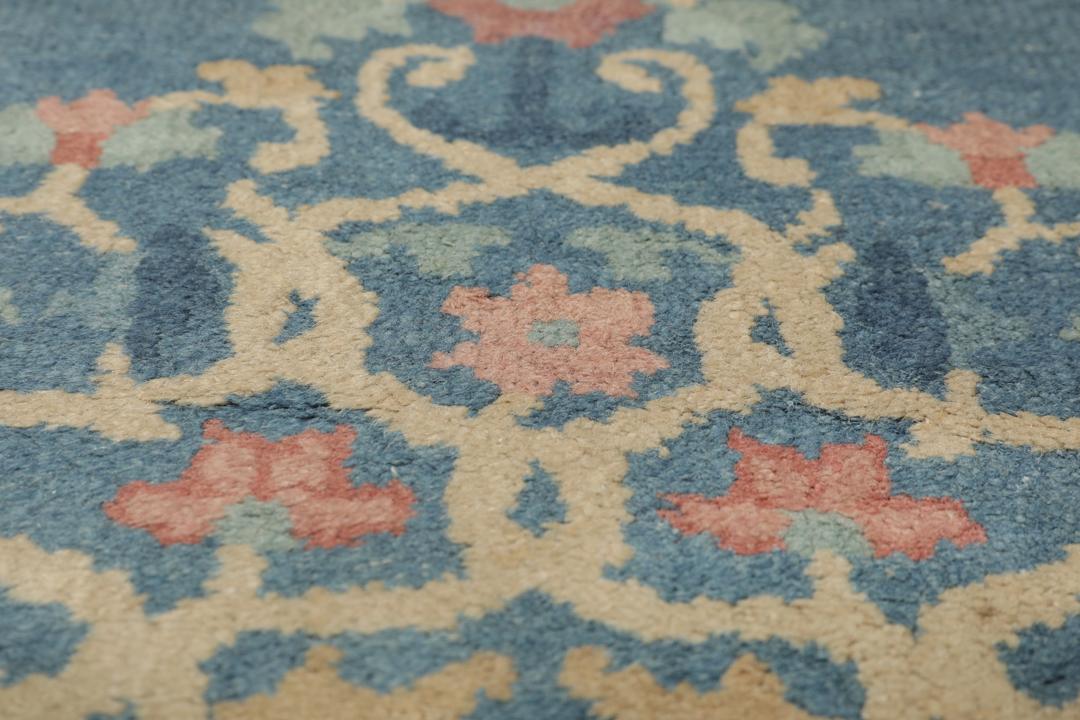
The signature design language of this era is characterised by open fields, asymmetrical floral arrangements, and vases filled with blossoms. These motifs were often rendered in a palette of soft blues, pinks, and creams, creating a balanced and serene appearance. The decorative borders serve as a frame, drawing the eye toward the centre and emphasising the deliberate, artistic composition of the rug. This specific rug showcases a beautiful example of this style, with its balanced floral displays and elegant framing.
Collecting antique rugs is a way of honouring the history of textile art. Each piece acts as a tangible record of the cultural exchange and creative innovation of its time. Because these rugs were crafted by hand before the advent of industrial production, they possess a character and richness that mass-produced items cannot replicate. Owning this rug means becoming the custodian of a piece of history, celebrating the enduring skill of the artisans who crafted it nearly a century ago.